Last updated on December 21st, 2024
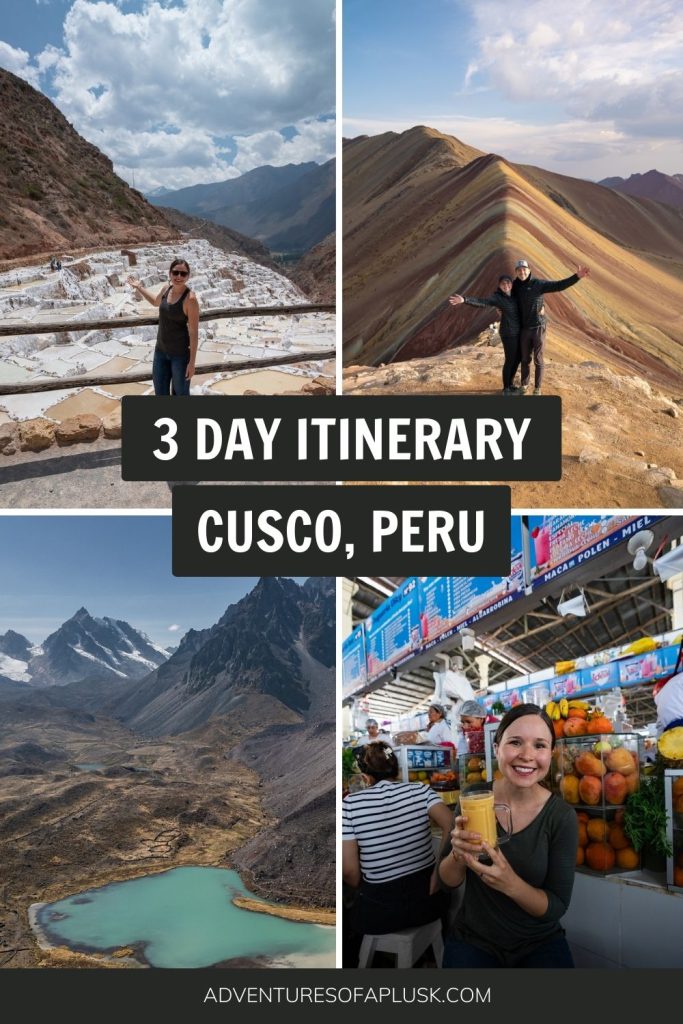
Looking for the perfect Cusco itinerary? We’re sharing how to spend 3 days in Cusco, Peru, plus helpful tips for your visit!
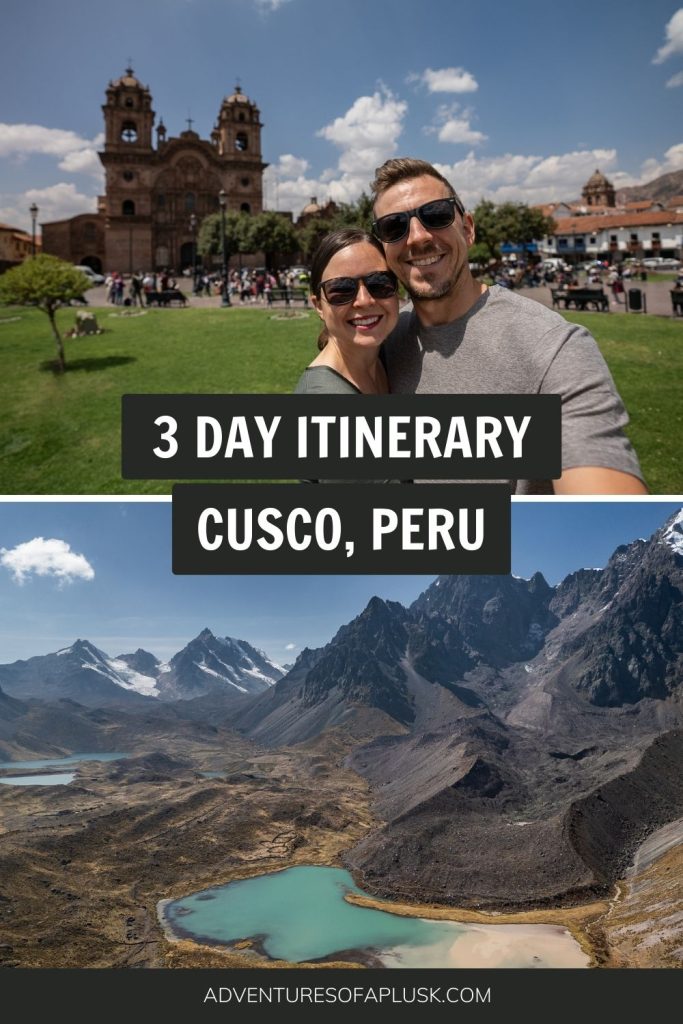
During our one month in Peru we spent 2.5 weeks in the Cusco area. And we fell in love with it! Surrounded by mountains, loaded with history and beautiful architecture, and home to colorful textiles and aesthetic cafes, it combines so much of what makes Peru special, all into one destination.
But with countless things to do in (and near) Cusco, you may be unsure how to spend your time in the city. So we’re here to help!
We’re sharing the perfect 3 days in Cusco itinerary, based on our personal experience in the area. This itinerary will give you the chance to explore the town itself, learn about Inca history and culture, try a famous local food (if you’re brave!), and see the epic Andes Mountains.
Traveling to Peru? Check out our Peru guides:
- 18 FUN things to do in Cusco, Peru
- The 12 BEST day trips from Cusco, Peru
- 11 MUST try Cusco restaurants & cafes
- Visiting Machu Picchu in 2025: A step by step guide!
- The 9+ BEST things to do in Aguas Calientes
- How to hike Peru’s Salkantay Trek without a guide
- The Perfect 2 Weeks in Peru Itinerary for First-Timers
- Our top 25 Peru travel tips & things to know
- The 13 BEST places to visit in Peru
- The Ultimate Peru Packing List (with downloadable list!)
- Read all of our Peru travel guides
- Watch all of our Peru videos
How many days do you need in Cusco?
You may be wondering “how many days do you need in Cusco?” So before we get started with this Cusco itinerary, we wanted to share why we think you should spend (at minimum) 3 days in Cusco.
First off, Cusco is located at 3,399 meters (11,152 feet) above sea level. Which if you’re coming from Lima, like most visitors, is a BIG shock to the system. Not only can this high altitude make you suffer from altitude sickness, but Cusco is also very hilly. So you’ll be walking uphill and up many steps as you explore. Which is 10x harder at high altitude!
It is recommended to spend 2-3 days in Cusco just to acclimate, especially if you plan to go on a trek, like the Salkantay Trek, to Machu Picchu. And this Cusco itinerary is especially crafted to help you ease into the altitude, with “lower” altitude and less strenuous activities the first two days and then higher altitude, more difficult activities on the third day.
But beyond just the altitude, there is SO much to do in the Cusco area that you could easily spend weeks using it as a basecamp for day trips, multi-day treks, or just to relax, check out cafes, and enjoy the city at a slower pace.
The perfect 3 days in Cusco, Peru itinerary
Our 3 days in Cusco itinerary includes our favorite restaurants, activities, and Cusco day trips! Each day will offer a new experience, from exploring the town itself, learning about Inca history and culture, plus seeing the epic Andes Mountains. But there are many more things to do in Cusco that you could include as well!
Here’s a quick breakdown of our 3 days in Cusco itinerary, which is also color coded by day on the map above. But to learn more, keep on reading!
Note: This Cusco itinerary does not include Machu Picchu, as we suggest making that its own adventure. We have a handful of detailed guides to help you plan your Machu Picchu experience!
First day in Cusco
- Grab breakfast and coffee at one of our favorite cafes!
- Explore the city’s beautiful plazas and streets.
- Stroll through San Pedro Market.
- Choose from one of our top lunch spots!
- Spend the afternoon exploring Sacsayhuamán.
- Watch the sunset from high above the city.
- Enjoy Peruvian food for dinner!
- Grab a sweet treat.
Second day in Cusco
Go on a day trip to the Sacred Valley!
Third day in Cusco
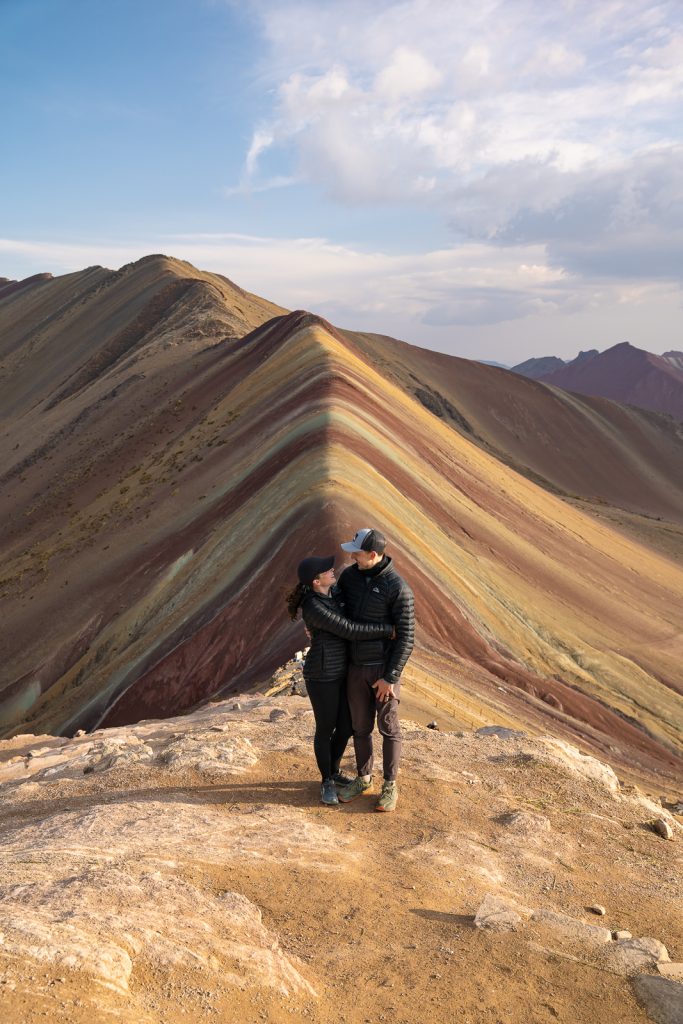
Choose another day trip from Cusco. We suggest either Rainbow Mountain, Palccoyo Mountain, Humantay Lake, or the 7 Lakes of Ausangate!
Day 1 in Cusco
Grab breakfast and coffee
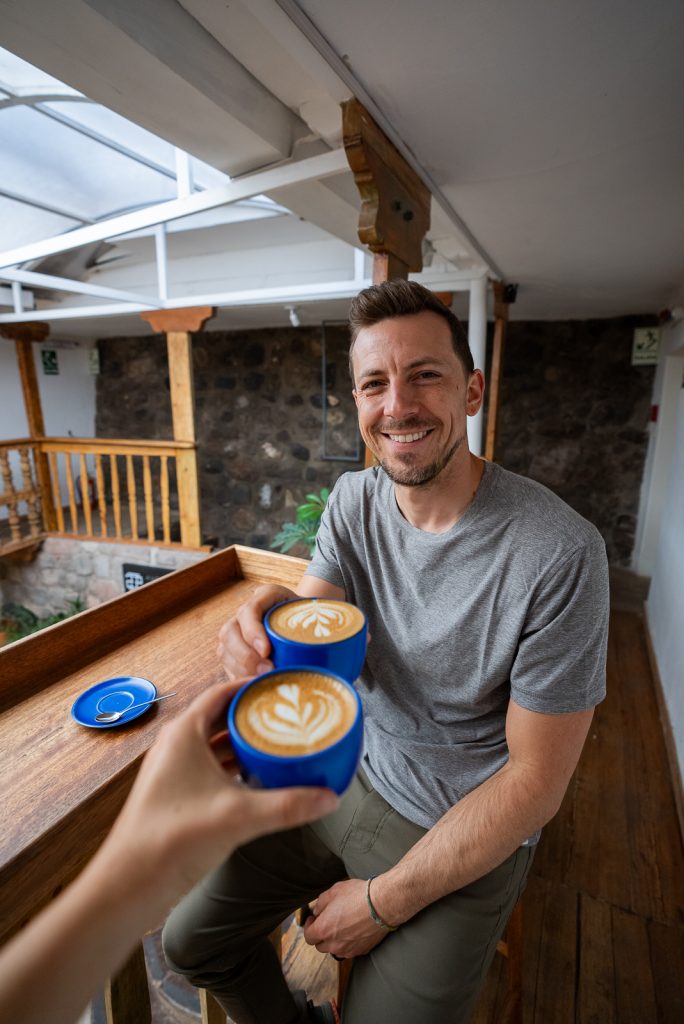
One of our favorite things about Cusco is that it is loaded with amazing cafes! So for your first stop on your one day in Cusco itinerary, head to one for coffee and breakfast.
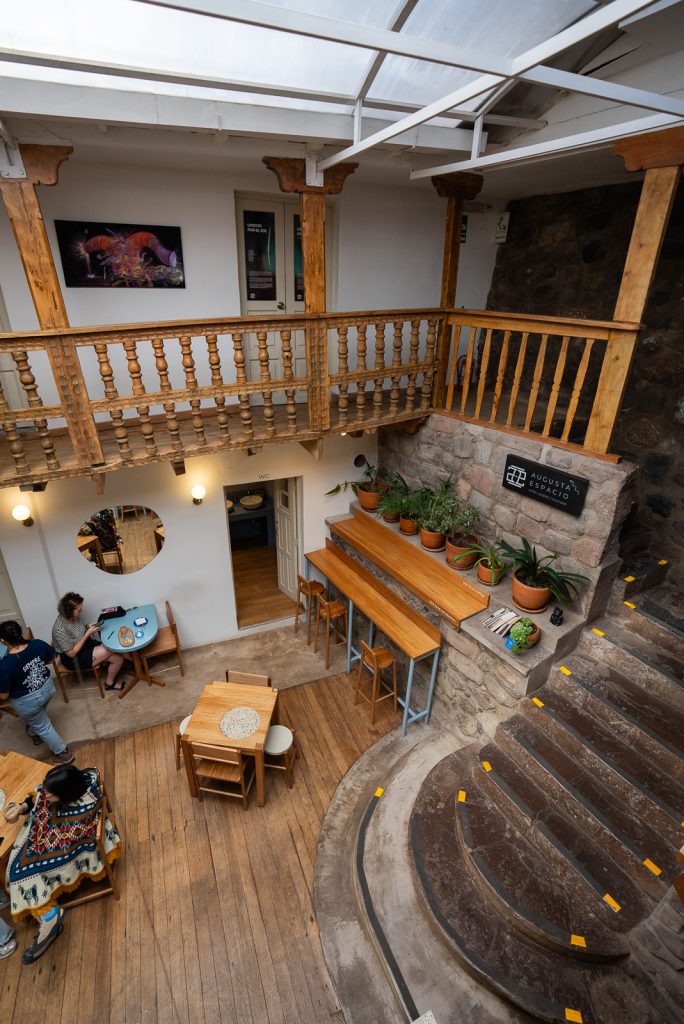
Our personal favorite coffee shop in Cusco is Florencia y Fortunata. This woman owned and run coffee shop has a great mission and the interior design is gorgeous! It has a beautiful mix of traditional and modern, with white walls, wood and stone accents, and touches of blue. They have delicious flat whites, plus avocado toasts, pastries, yogurt, oatmeal, and sandwiches for breakfast.
Another spot we loved was Cercanía Pan y Café. Not only is their coffee incredible, but they also have an in-house bakery, with baked goods, breads, and sandwiches.
If you want a heartier breakfast, head to Organika Bakery & Coffee. We ate at the cafe portion of their restaurant multiple times and loved their empanadas and pumpkin soup!
Explore the city’s beautiful plazas and streets
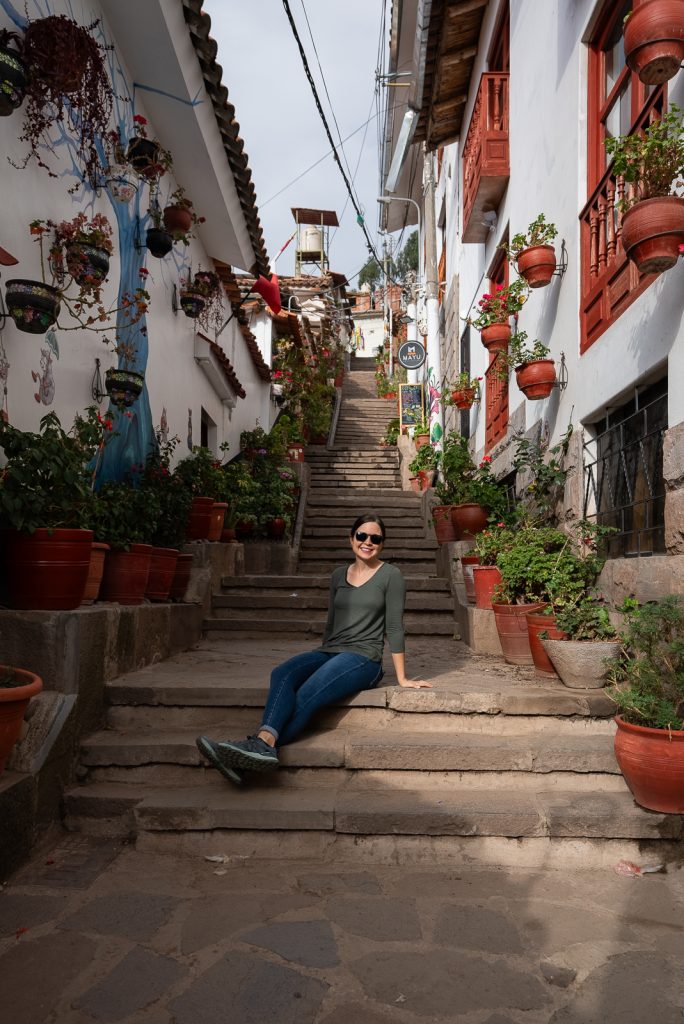
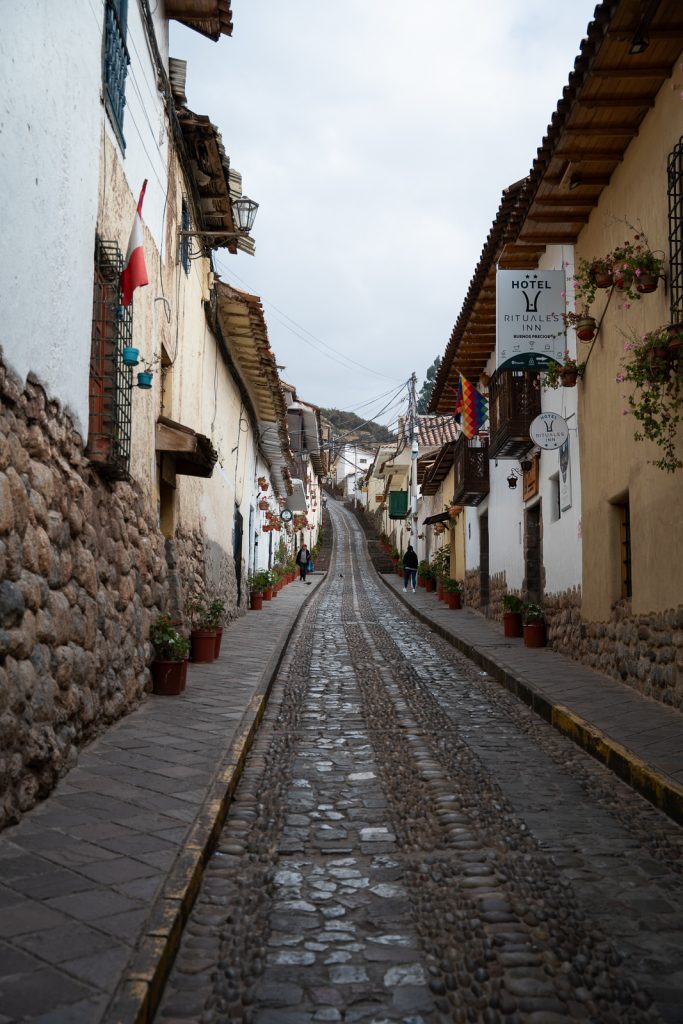
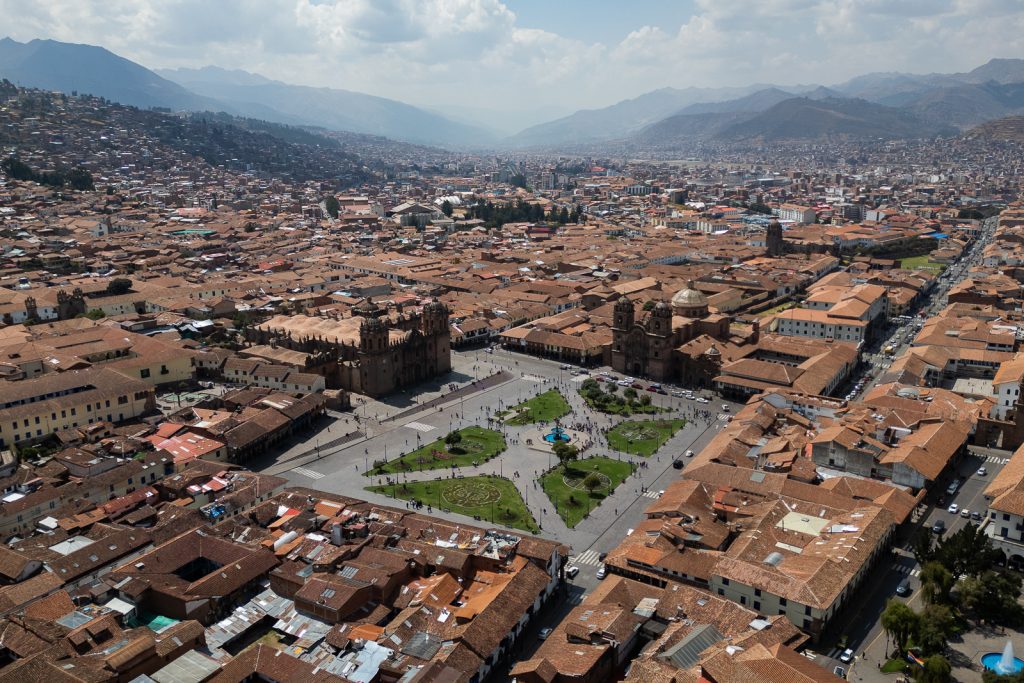
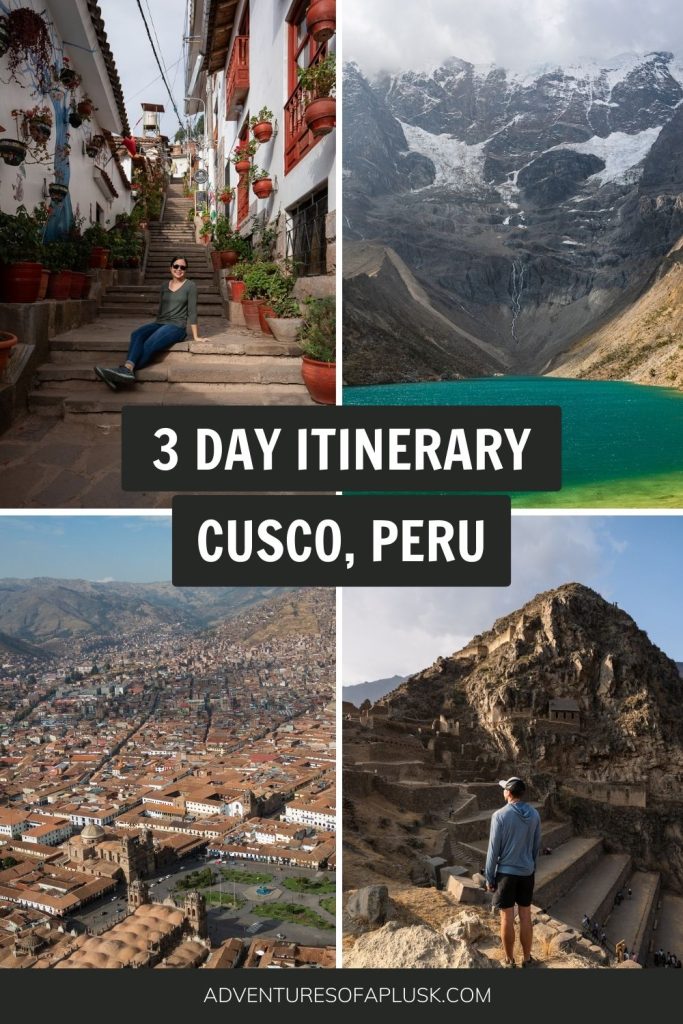
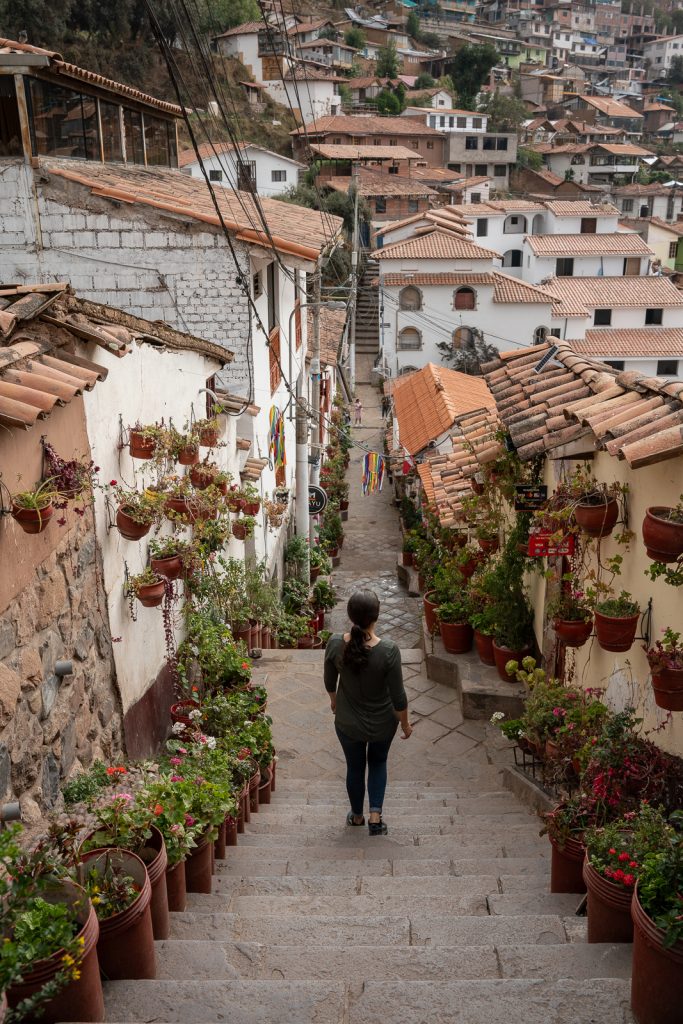
Next up, spend a few hours wandering around the city! Cusco is full of gorgeous buildings, side streets, and alleyways, which mixes Inca and Spanish Colonial architecture. You’ll find cobblestone streets, ornate cathedrals, and white buildings with flowers on the walls. We loved getting lost among the streets and finding cool nooks!
As you explore, here are some spots you won’t want to miss:
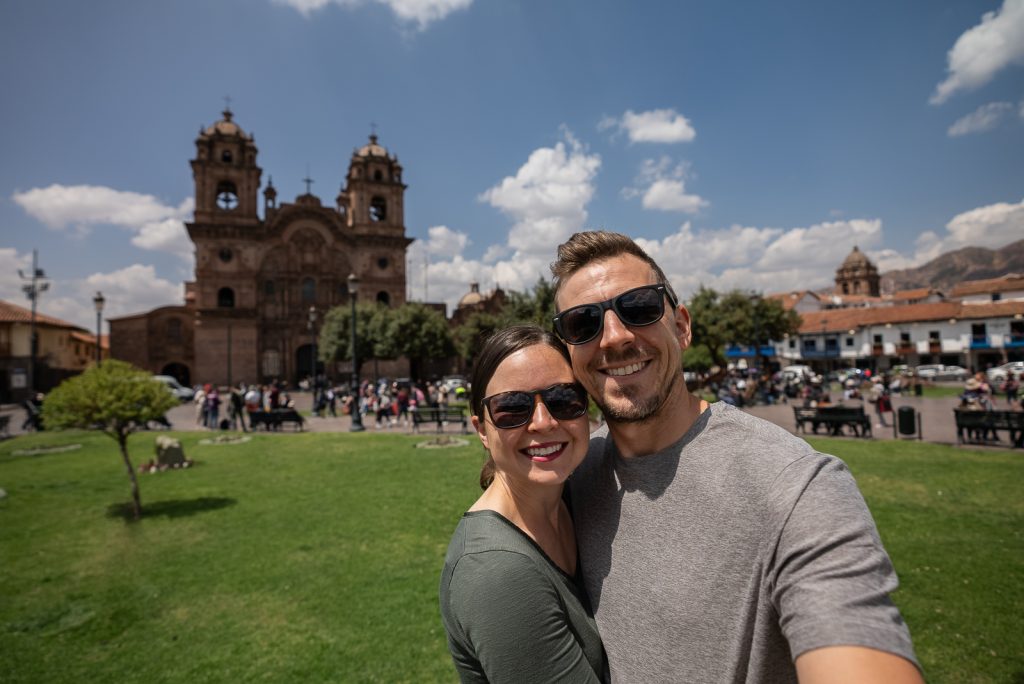
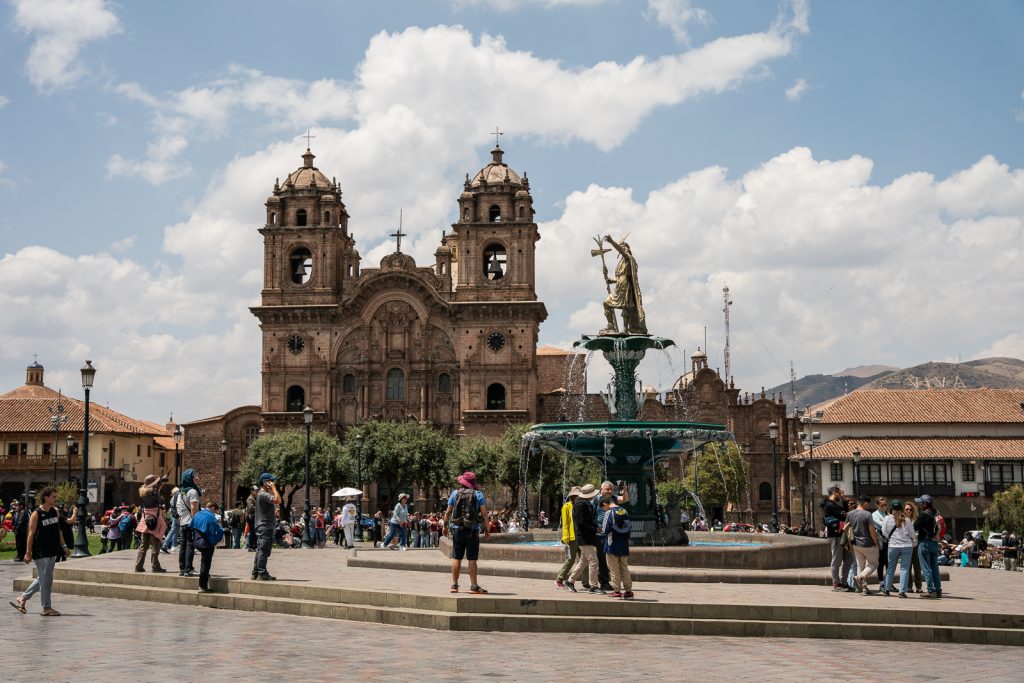
- Stroll through Plaza de Armas, the main square of Cusco, which is full of beautiful buildings and churches!
- Explore San Blas, the most picturesque part of the city! Stroll down the Instagram famous Calle Siete Borreguitos and visit the Sapantiana Aqueduct.
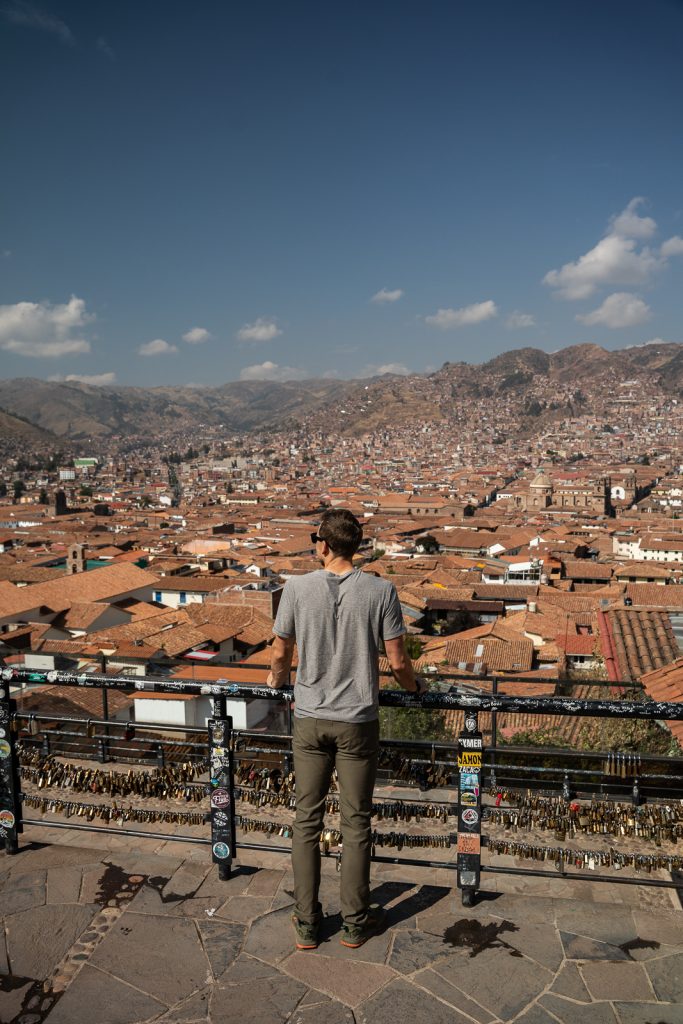
- Head up to Mirador de San Blas or Mirador de Sán Cristobal to see a wonderful view of the city.
- Admire Inca architecture at the Twelve Angled Stone, a large stone that was once part of the wall of an Inca palace and has twelve sides.
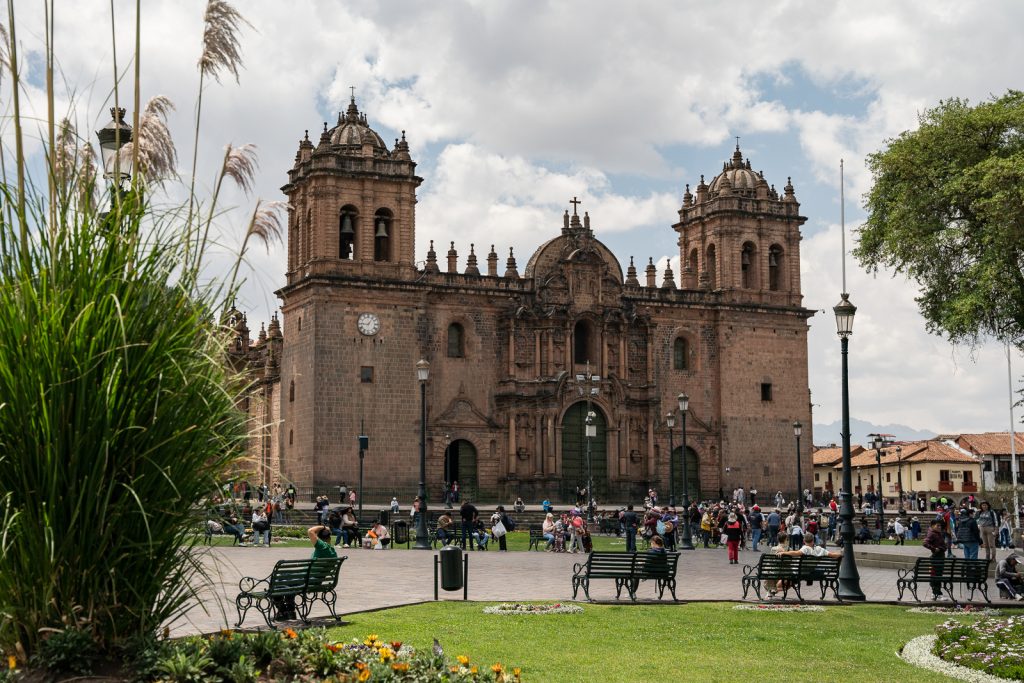
For the ultimate experience, go on a free walking tour! When first arriving in Peru, we took a free walking tour in Lima and we highly suggest doing the same in Cusco. Our tour in Lima was with Inkan Milky Way (it was awesome!), they offer a Cusco tour as well!
This tour will take you to many of the plazas and other important sites in the city like the Plaza de Armas, La Calle del Sol, San Pedro Market, and more.
We recommend booking your tour in advance to secure your spot. Also keep in mind, even though the tour is free you should tip your guide. They suggest around S/50 (~$13) per person, which was well worth it, in our opinion.
Stroll through San Pedro Market
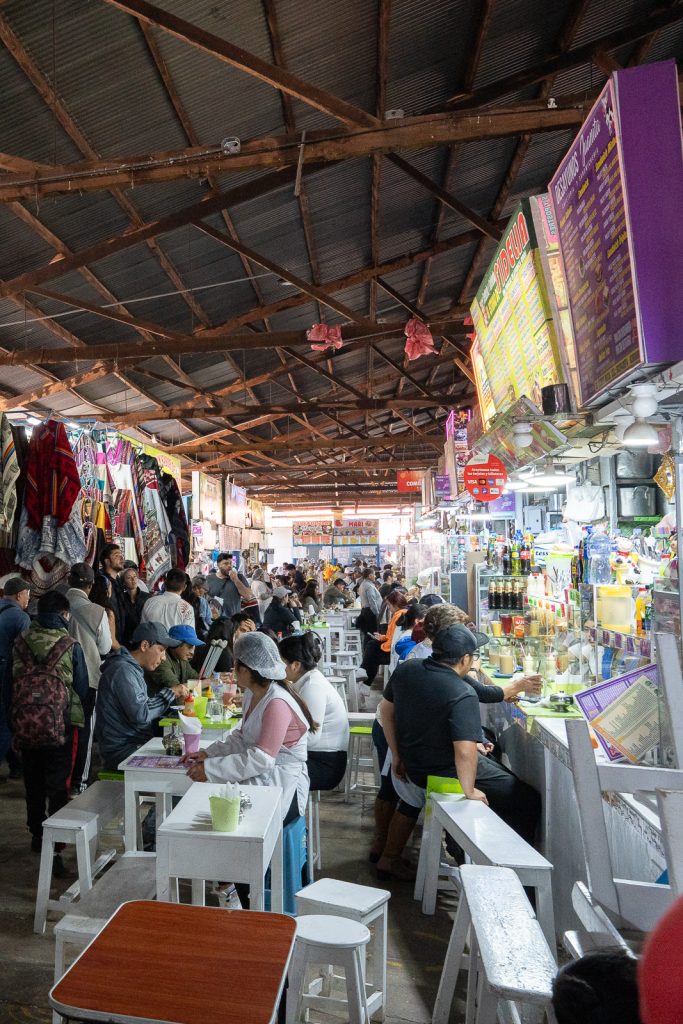
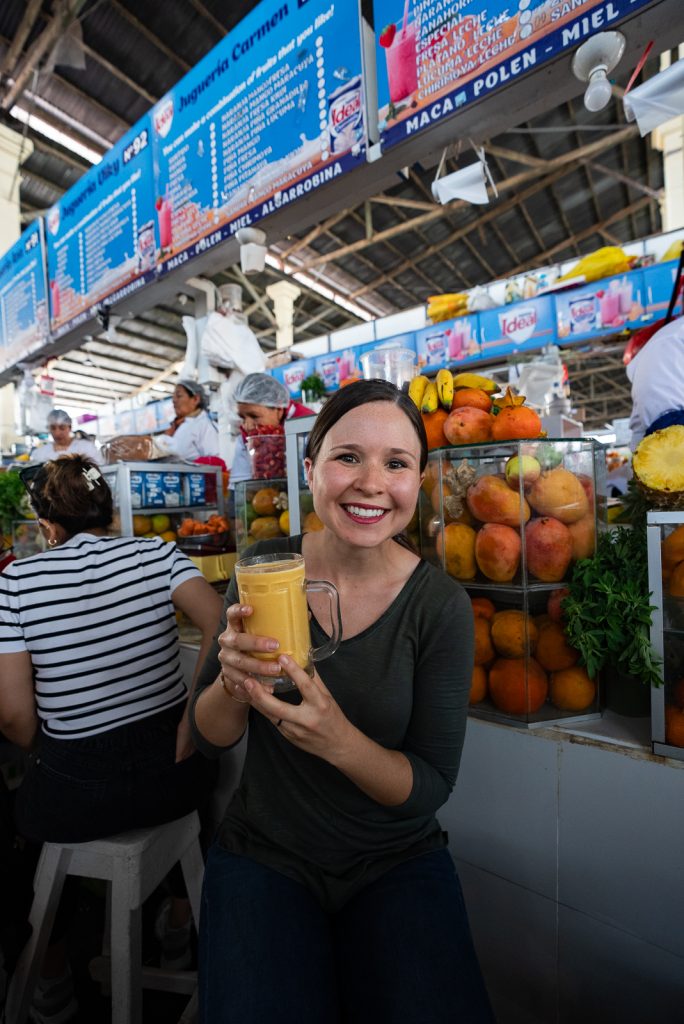
We love checking out local markets when we travel and while in Cusco, make sure to visit the San Pedro Market!
This is Cusco’s main food market and the oldest market in the city. Here you’ll find clothing, souvenirs, trinkets, household items, fresh and raw ingredients, cooked food, and so much more. It’s a great place to purchase handicrafts!
But our favorite part of the market were the fruit juice stands. There are multiple aisles lined with identical stands selling fresh squeezed juices, smoothies, and milkshakes. You can’t go wrong with any stand, although we are biased towards Jugueria de Janet. Make sure to order a lúcuma (our favorite Peruvian fruit) with milk!
Besides San Pedro Market, another market that you could add to your Cusco itinerary is the San Blas Market. It’s a lot smaller, but offers many of the same items.
Head to a local spot for lunch
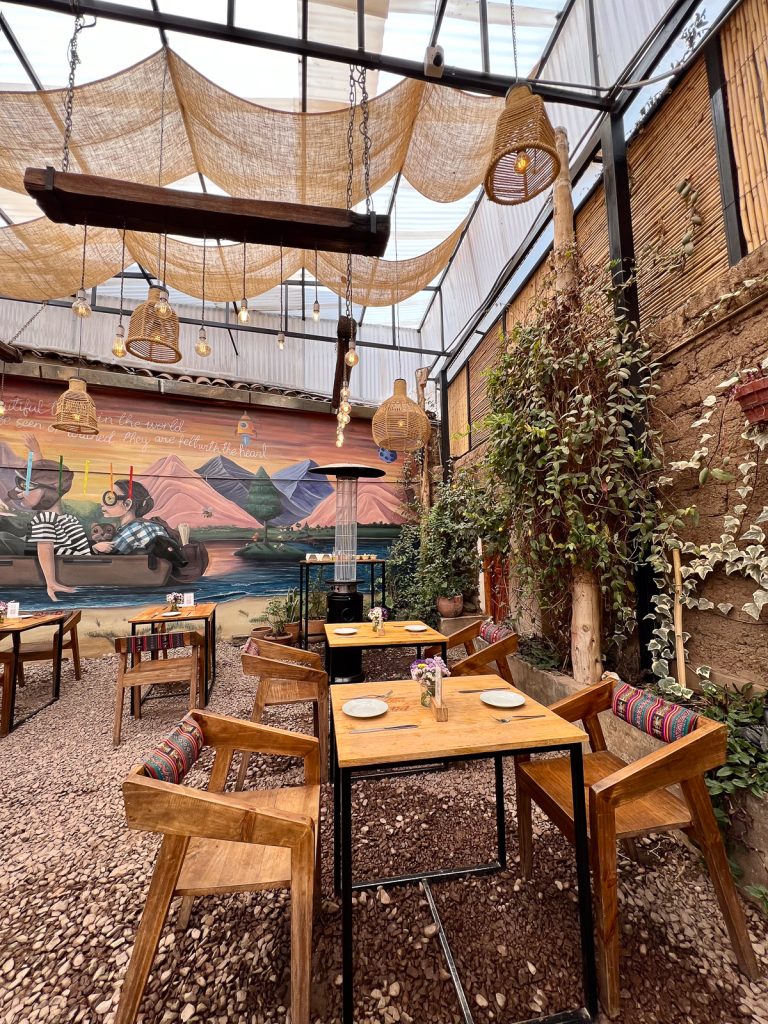

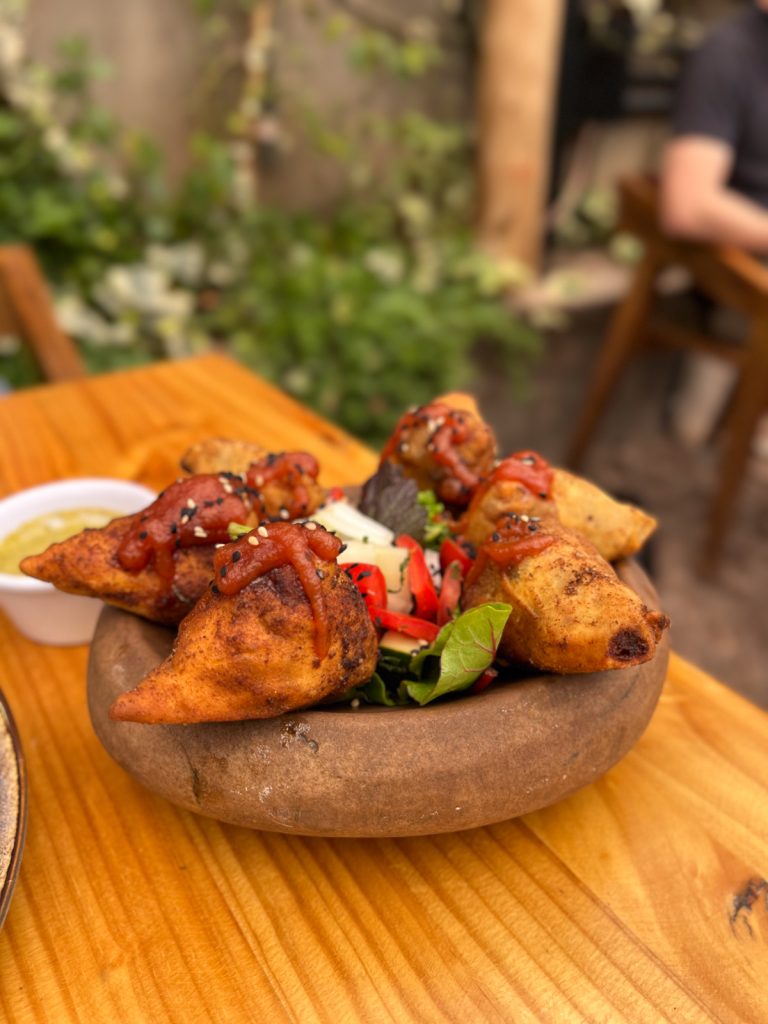
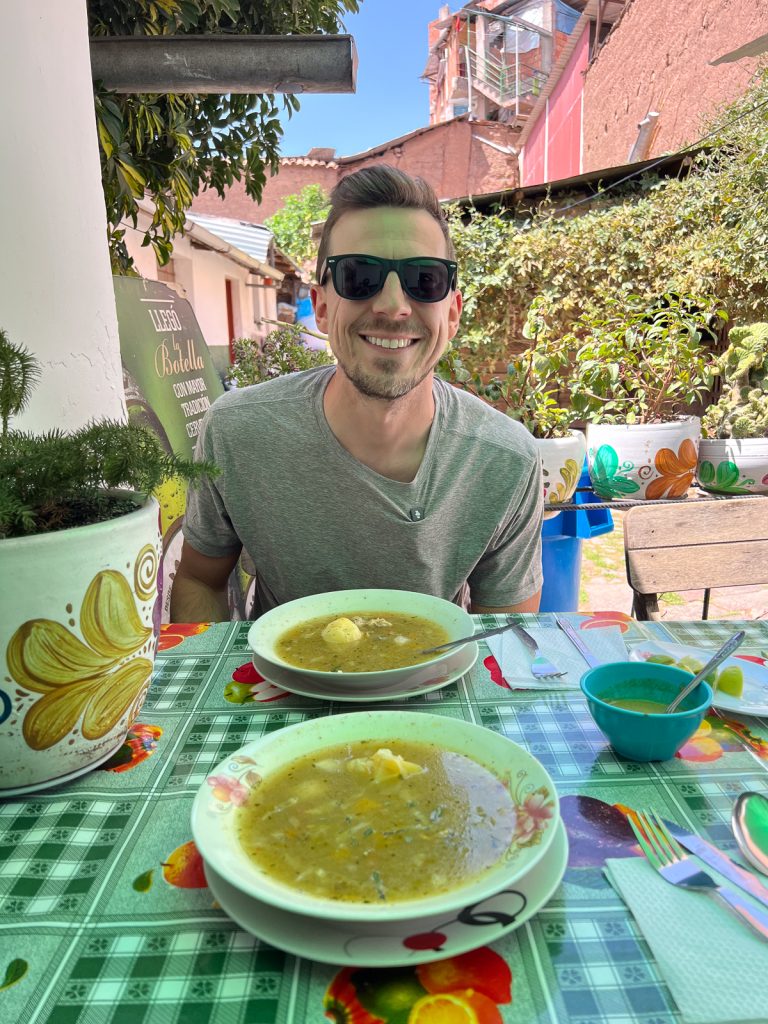
Make sure to not snack too much at the market, because it’s time for lunch! During our many days in Cusco we tried quite a few of the city’s best restaurants, plus some hidden gems. You can see all of our must-try restaurants in Cusco in this guide, but here are a couple favorites that we would suggest choosing from for lunch:
- Samaritano: This local spot is a STEAL, with a soup, choice of main dish, and a tea for S/6 ($1.60!!!)
- El Pisonay: This tiny spot serves up a delicious lomo saltado pizza and sopa criolla. We went multiple times!
- Green Point: While we aren’t vegan, this vegan restaurant is not only beautiful, but delicious! We really enjoyed the samosas, sushi, and sweet potato and mushroom ravioli.
Explore Sacsayhuamán
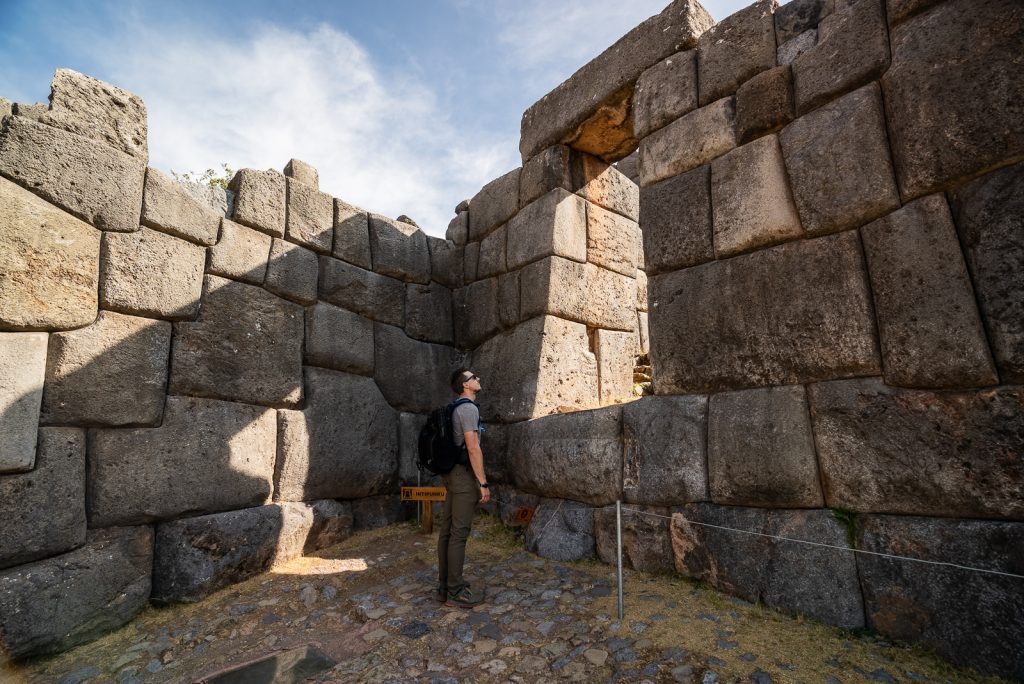
For the rest of the afternoon, head up to Sacsayhuamán! This is an Inca site constructed in the 15th century during the reign of Pachacuti. And it’s located right in town!
Over the years Sacsayhuamán functioned as both a ceremonial space, as well as a defensive military fortress, especially during the battle of Sacsayhuamán. This battle led to much of Sacsayhuamán being destroyed and its stones being used by the Spanish to build new buildings in Cusco.
While in Sacsayhuamán make sure to check out:
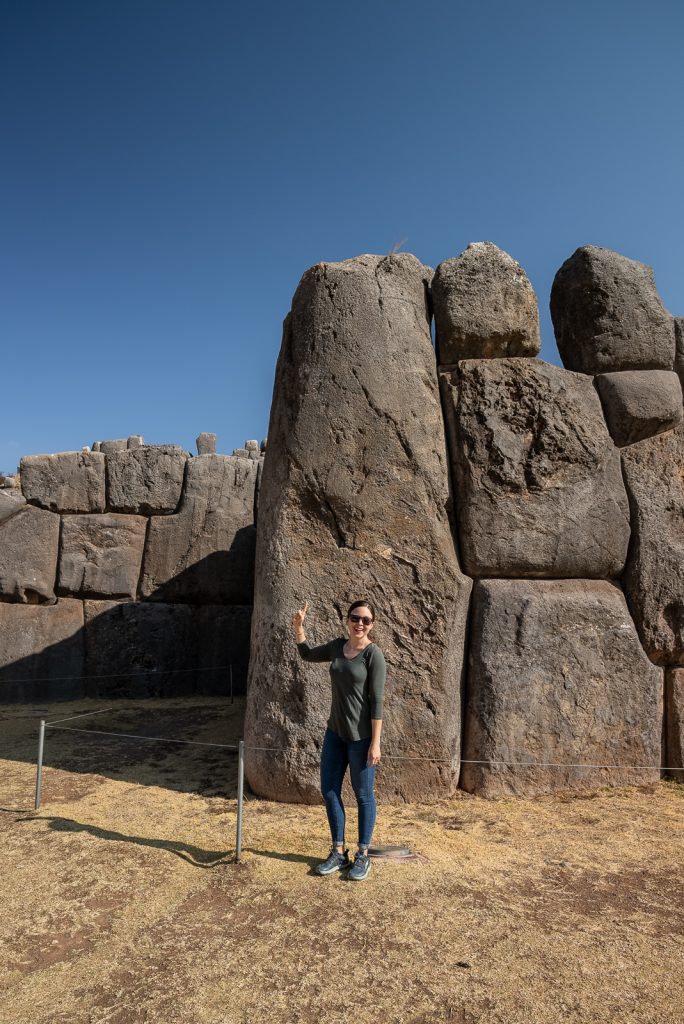
- The massive stones! You can see these all over the ruins. And what’s crazy is that they are so precisely fit together (without mortar) that you can’t even slide a piece of paper between them.
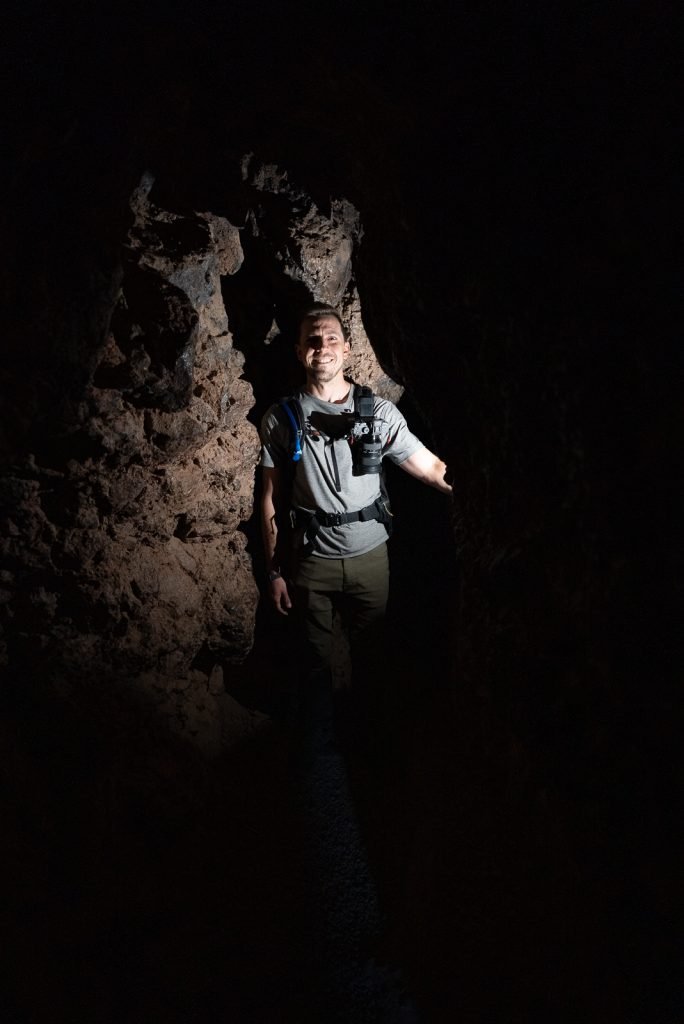
- The chincanas, which are tunnels in the rock. Sacsayhuamán was said to have at least two of these tunnels. And you’re able to walk through the shorter one! It’s very dark and a bit more of an adventure than we expected. Make sure to have a light source!
- The rodadero, which is a natural rock slide! Apparently Inca children would play on this many years ago. And you can still slide down it! It’s very fun and FAST!
How to get to Sacsayhuamán
You can get to Sacsayhuamán by walking from town, which will take about 45-60 minutes. It is all uphill, but makes for a great way to get acclimated to the altitude, especially if going on a trek while in Cusco. Or you can grab an Uber or taxi to take you for S/10-15 (~$3-5 USD)
Cost to enter Sacsayhuamán
To enter Sacsayhuaman you’ll need to purchase the Cusco Tourist Ticket. This ticket cost S/70 for Sacsayhuaman and 4 other sights in the area or S/130 for 16 sights for 10 days. To learn more about this pass, check out our planning your Cusco itinerary section.
Guided tour of Sacsayhuamán
There is no signage at Sacsayhuamán, so having a guide could be helpful to understand the significance of everything you’re seeing. There are usually guides at the entrance that you can hire once arriving. Or you can book a Cusco tour, which includes Sacsayhuamán, plus other nearby sites.
Watch the sunset
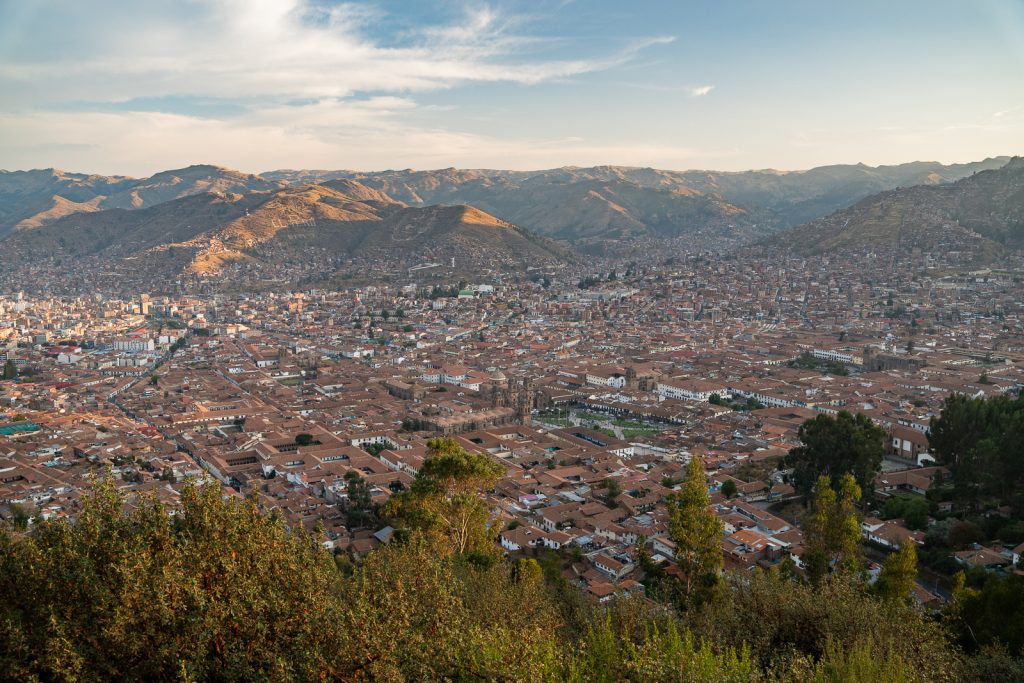
After exploring Sacsayhuamán, head to Mirador desde el Cristo Blanco. It’s walking distance, although all uphill, from the ruins and has an amazing, high up view of Cusco. It makes for the perfect spot to watch the sunset!
If you’d rather watch the sunset from lower down and closer to town, Mirador de San Blas has a great view of the city.
Enjoy Peruvian food for dinner
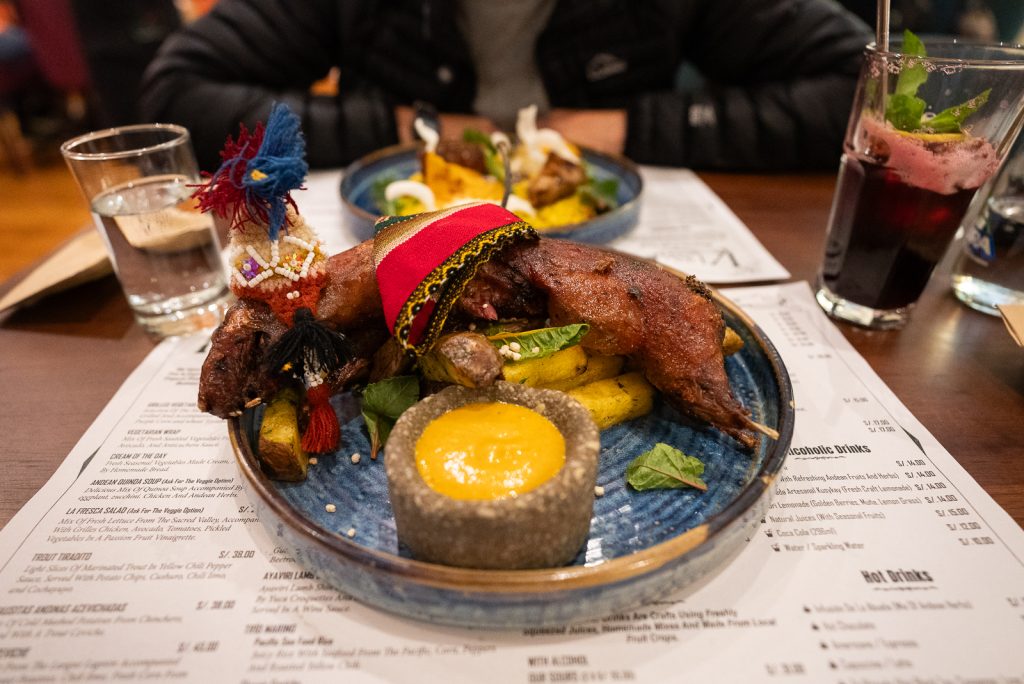
For dinner, it’s time to try more Peruvian food! There are tons of dishes to try in Peru, but one iconic dish to try in Cusco specifically is cuy…which is guinea pig.
While guinea pigs may be pets in the United States, in Peru, they have been considered a sacred animal to the Incas and staple of Andean cuisine for hundreds of years.
However, it’s important to know that cuy is often served whole at restaurants. Which means you see the guinea pig itself. This may not be for everyone, but if you can get past its appearance, it actually isn’t half bad. The seasoning was delicious and the meat tasted like chicken thighs to us.
If you decide to try cuy, we suggest going to KUSYKAY Peruvian Craft Food, which is a reputable spot to try it and where we went. They also have other Andean dishes, like alpaca!
Not up for cuy? We’d suggest heading to Morena Peruvian Kitchen instead! This spot serves many of the classic Peruvian dishes, but with an upscale twist. We loved their ceviche and lomo saltado. Make a reservation in advance, as it’s popular and fills up!
Grab a sweet treat
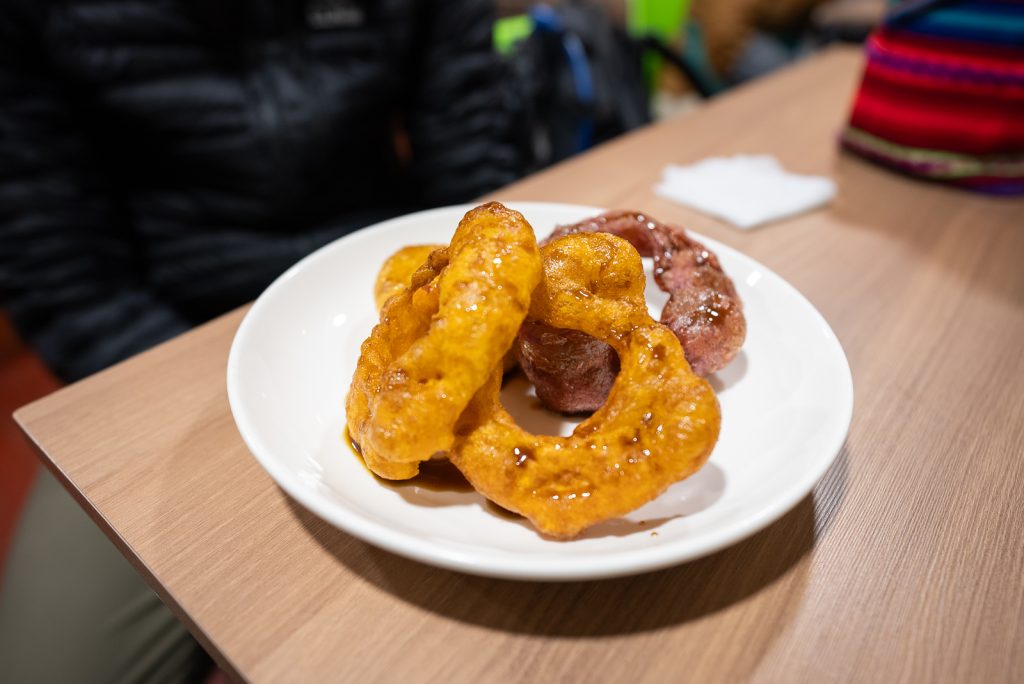
Before calling it a night, grab a sweet treat! We loved the picarones (a classic Peruvian dish) at this spot in Cusco. And for a wide variety of decadent treats and ice cream, head to Qucharitas!
Day 2 in Cusco
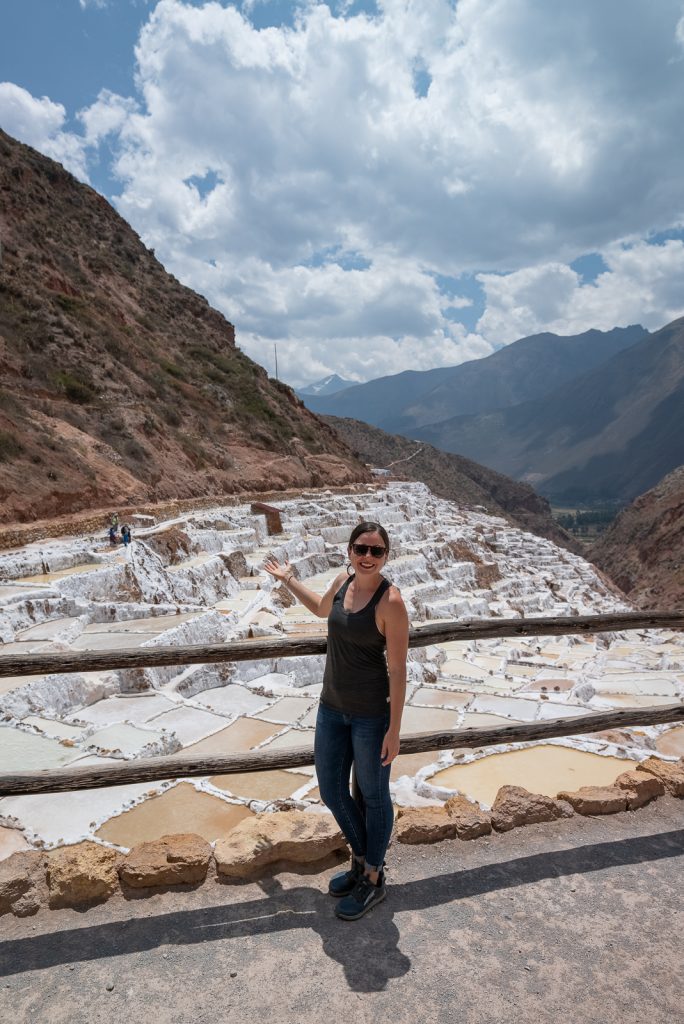

While you could spend the second day of this Cusco itinerary checking out museums, attending a cooking class, or doing one of the many other things to do in town, we suggest spending this day going on a day trip to the Sacred Valley instead!
Divided by the Urubamba River, the Sacred Valley lies just north of Cusco. This area was one of the most important for the Inca Empire because of its agricultural qualities and defensive positions.
There are many towns and sights to visit here, but below are the most popular!
Chinchero
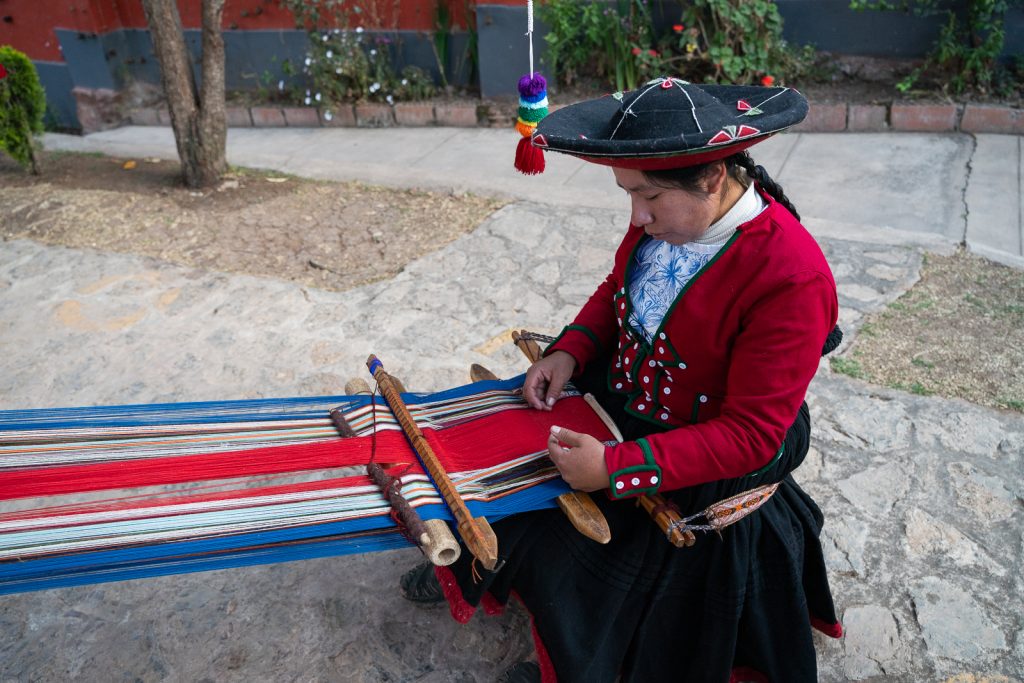
Chinchero was once home to the palace of an Inca emperor, before being destroyed by the Spanish. Today, you can see the influence of both the Spanish and the Inca, with colonial buildings built on top of Inca ruins, plus various Inca agricultural terraces.
But besides the ruins, another thing Chinchero is known for are textiles. While in Chinchero you can visit a textile center and learn about the entire process to make textiles, including how they turn the wool into yarn and dye it using natural materials.
Moray
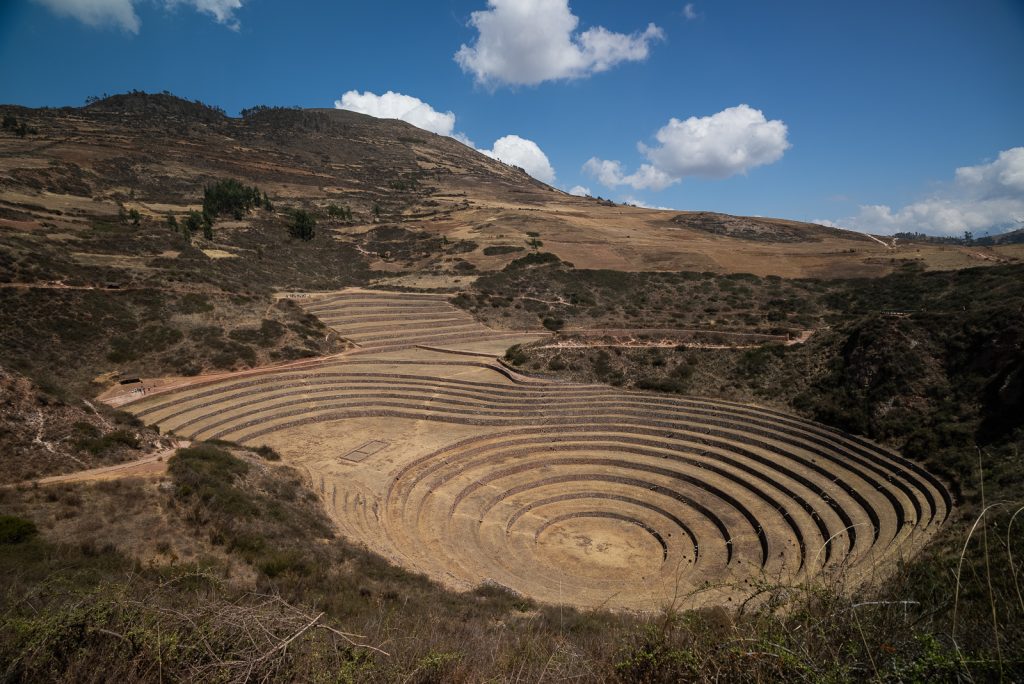
Moray is an archaeological site known for its series of circular, terraced depressions that resemble an amphitheater. It was the greenhouse for the Incas and was believed to have been used as an agricultural research station.
The terraces span over a total height of 150 meters (492 feet) and represent different microclimates, which allowed the Inca to experiment with different crops and farming techniques.
Maras Salt Mines
The Maras Salt Mines are home to thousands of multi-terraced salt ponds, which date back to pre-Inca times and are fed by an underground hypersaline spring. These ponds are owned by local families and can produce 150–200 kilos (330–440 pounds) of salt per month!
If you’re lucky you’ll be able to see locals working and watch the process. Plus you can buy salt to enjoy back home!
Pisac
Pisac is another town located in the Sacred Valley, which is known for its market and nearby Pisac Archaeological Site.
Findings at the Pisac ruins indicate that people have lived in the area for centuries, even before the Inca. This large complex sits above the town and includes terraces, towers, temples, an Inca cemetery, and more. It is said to be one of the best preserved Inca sites in Peru!
Ollantaytambo
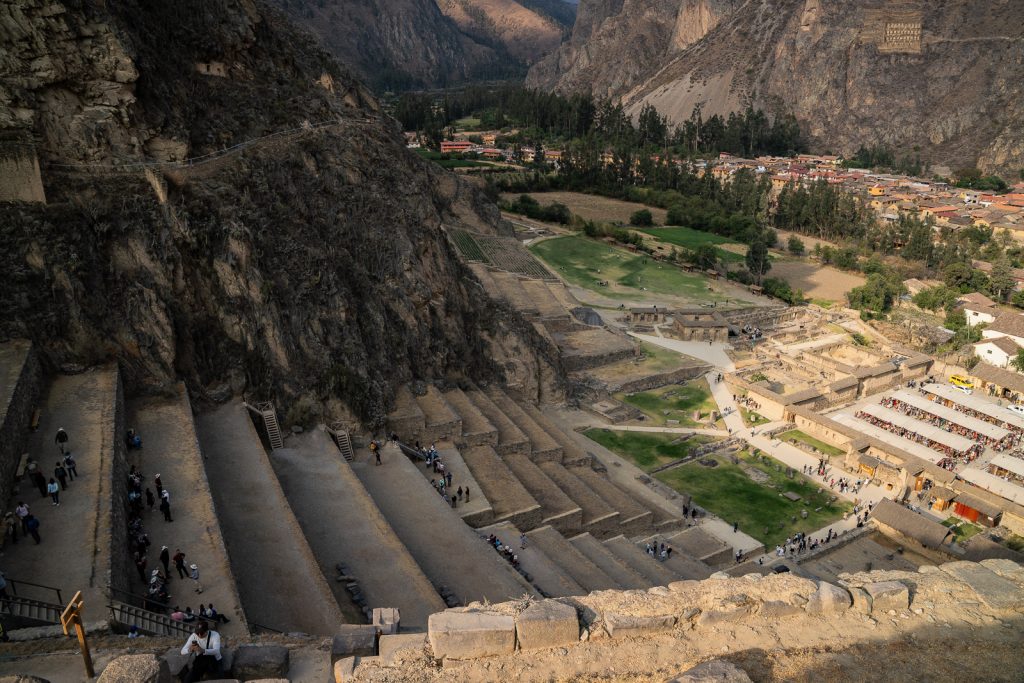
Ollantaytambo was an important agricultural, military, and religious center during the Inca Empire, with the fortress at the top of the terraces playing an important role during the Spanish conquest. In fact, one of the few times the Incas won a battle against the Spanish was at Ollantaytambo!
Here you’ll find giant terraces, plus defense mechanisms, like guardhouses and store houses located high up in the mountains to protect items from enemies.
How to visit the Sacred Valley
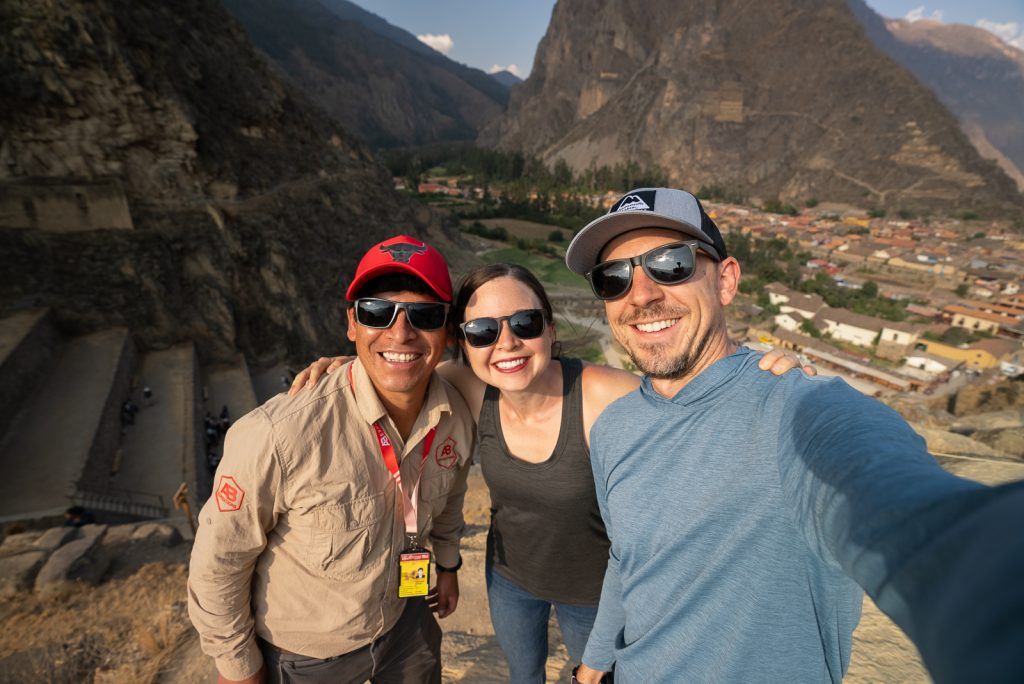
To see a handful of Sacred Valley destinations in one day, we suggest booking a tour! We went on an amazing tour with AB Expeditions, which included a visit to Chinchero, Moray, the Maras Salt Mines, and Ollantaytambo. Plus lunch at a local buffet!
But there are other combinations of stops you can do as well and you can see more tour options here!
Day 3 in Cusco

For the final day of this 3 days in Cusco itinerary, head out on another day trip from Cusco! Instead of exploring ruins and cultural sites, we suggest spending this day heading into the Andes Mountains. Here are the top options we recommend!
To see even more Cusco day trip options, plus learn everything you need to know about each one, check out our guide to the best day trips from Cusco!
Rainbow Mountain & Red Valley
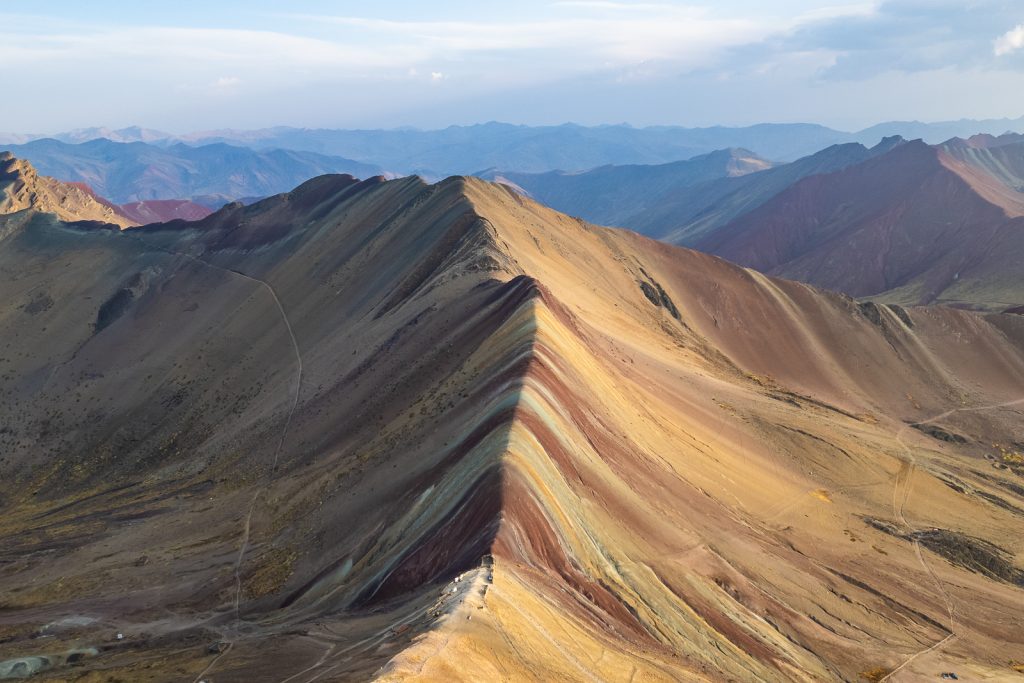
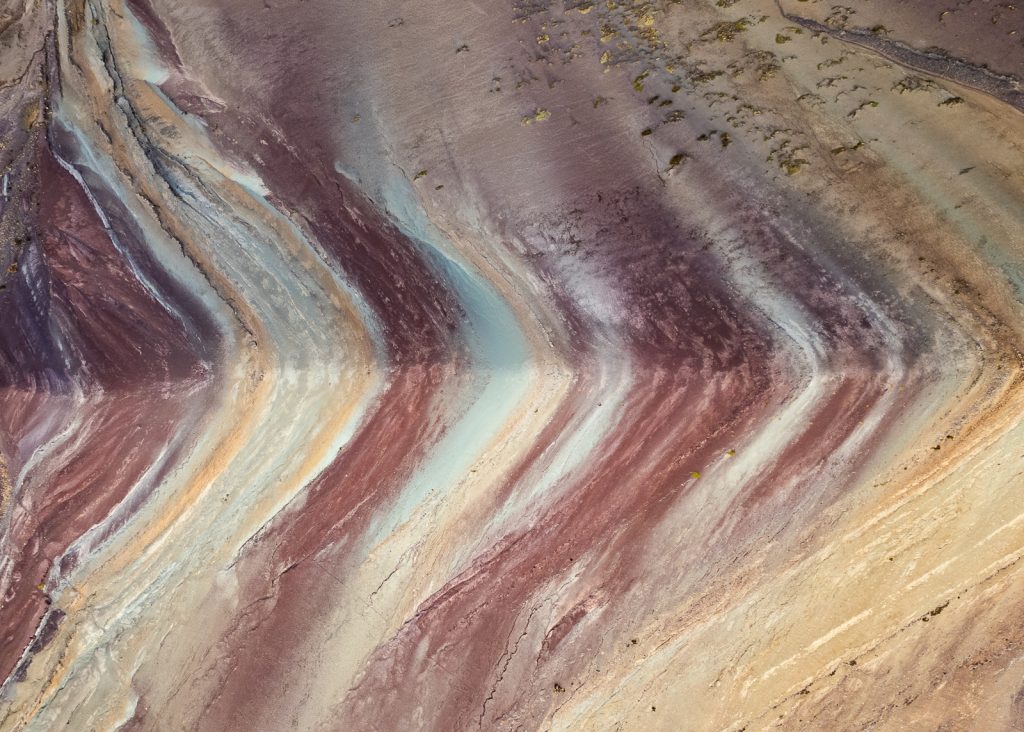
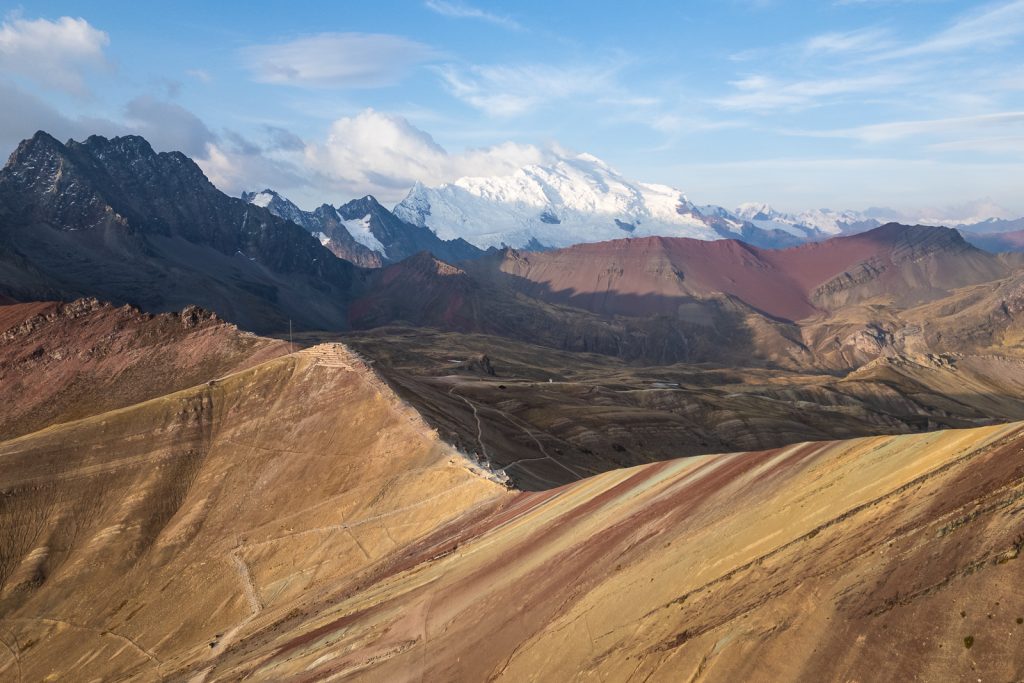
Rainbow Mountain is the second most popular tourist attraction in Peru, after Machu Picchu. Officially named Vinicunca, which means “colored mountain” in Quechua, this mountain is famous for its vibrant, multicolored layers of sediment, which give it a distinctive striped appearance.
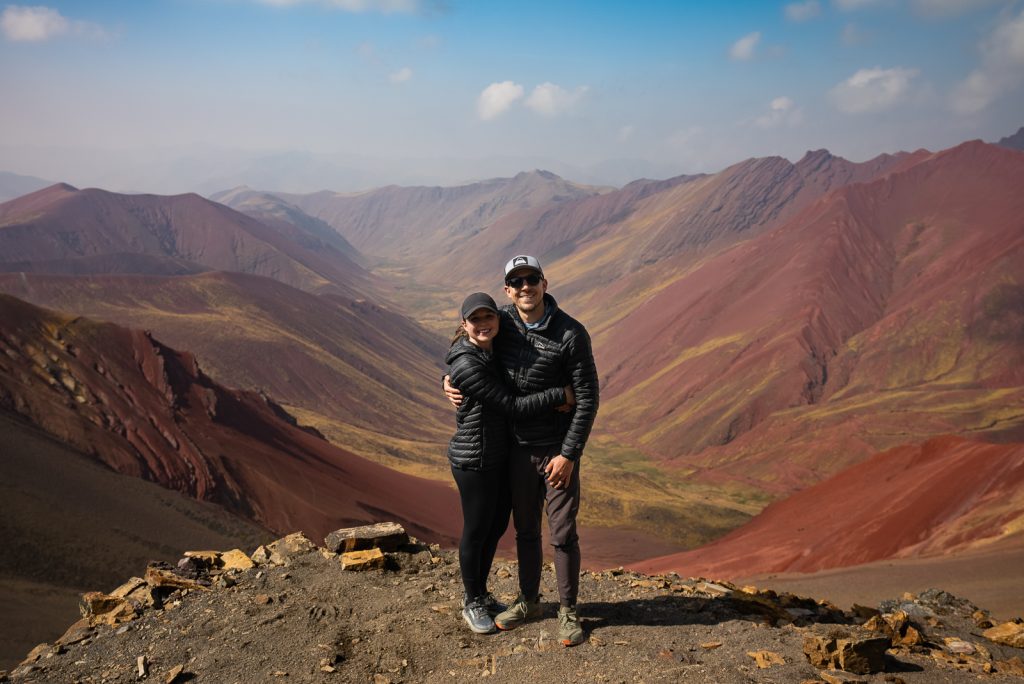
And along with Red Valley, a valley with a deep red color due to iron oxide, it makes for one of the best day trips from Cusco. This one day tour to Rainbow Mountain includes transportation to and from Rainbow Mountain, breakfast, and lunch. A few things to keep in mind before visiting:
- It is a VERY long day trip. Your guide will pick you up between 3 AM-4 AM and you will have a 3 hour drive (one way) to Rainbow Mountain.
- Red Valley and Rainbow Mountain entrance fees aren’t always included in tours. Make sure to bring cash for this, plus any snacks and toilets.
- Rainbow Mountain sits at over 5,029 meters (16,500 feet) and does require a walk to get to. We only suggest visiting here after at least 2 days of acclimating.
- This spot gets VERY busy, with thousands of visitors a day. Be prepared for crowds.
- If you’d rather visit on your own, you can hire a taxi, like Taxi Intur Perú S.A.C., to take you.
Prefer less crowds? Visit Palccoyo Rainbow Mountain!
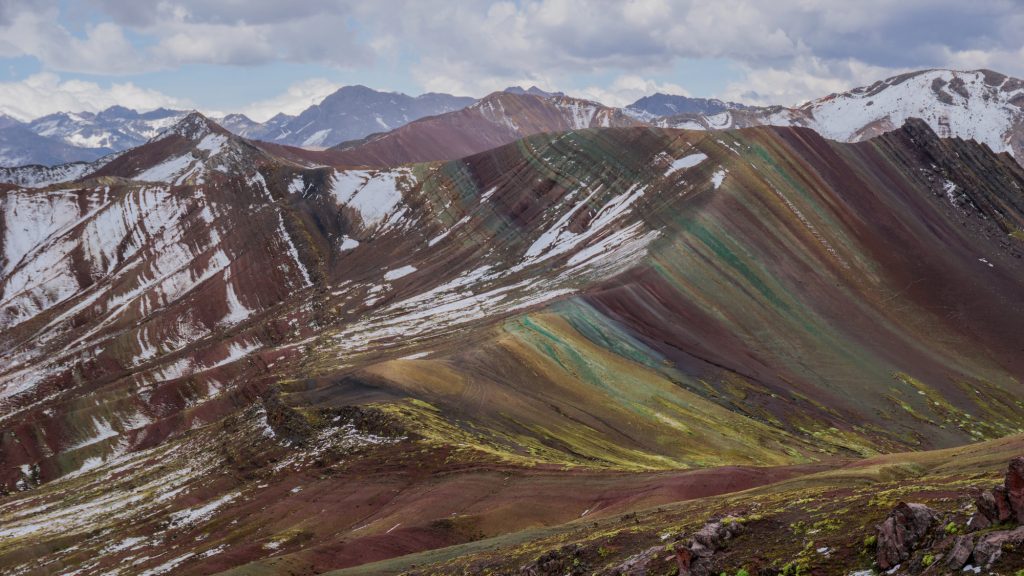
Rainbow Mountain (Vinicunca) isn’t the only colorful mountain near Cusco! And if you want to beat some of the crowds, head to Palcoyo Rainbow Mountain instead!
This rainbow mountain, which is actually three colorful mountains, is less popular than Vinicunca and also requires less of a hike to get to. So if you want to see some of Peru’s colorful terrain, but with less crowds and easier hiking, we highly suggest this option!
You can take a guided tour from Cusco, which includes breakfast, lunch, and the entrance fee.
Humantay Lake
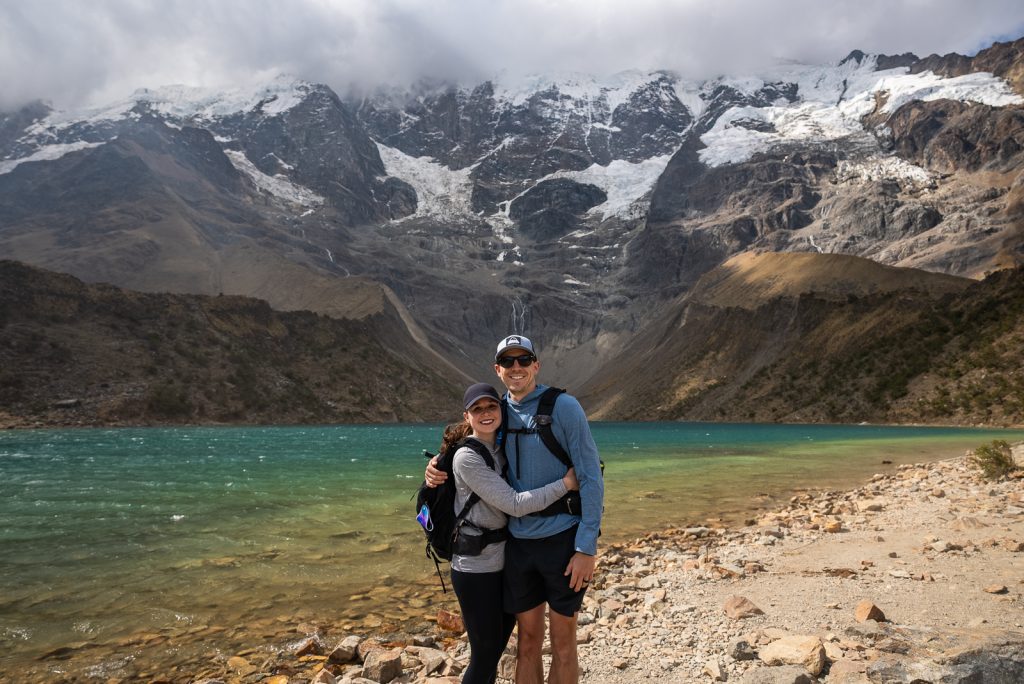
If you’re not hiking the Salkantay Trek to Machu Picchu, consider going to Humantay Lake!
This stunning, bright blue, glacial lake, surrounded by mountains, is a huge highlight of the Salkantay Trek, but it is also accessible on a day hike tour from Cusco or by hiring a taxi to take you. However, there are a few things to know before attempting this hike.
While it’s a relatively short hike, it is pretty steep, making it relatively difficult on its own. But then throw in the altitude, which is around 4,200 meters (almost 14,000 feet!) and it becomes pretty challenging. We’d only suggest hiking to Humantay Lake if you’re in great physical shape. Even as experienced hikers, we thought it was a bit tough!
To learn more about how to visit Humantay Lake, including more tour options, a detailed look at the trail itself, rules, and what to bring, check out our complete guide to hiking to Humantay Lake.
7 Lakes of Ausangate

One of the most underrated Cusco day trips is the 7 Lakes of Ausangate. This group of glacial lakes lie below Ausangate, the 5th tallest peak in Peru. On this hike you not only will get to see 7 lakes, which are all different colors, shapes, and sizes, but you’ll also get to see ridiculous views of mountains and glaciers.
And as an added bonus, the tours start and end in Pacchanta, a tiny town known for its hot springs. So after hiking to the lakes, you can go for a relaxing soak! Plus, it’s way less busy than Humantay Lake and you get to see multiple lakes! 🥳
The 7 Lakes of Ausangtae can be visited as part of a day trip from Cusco. You will park in the town of Pacchanta and have an uphill hike to the lakes, which will be tough due to the altitude. But once you make it to the first lake, the rest are closeby!
Planning your Cusco itinerary
How to get to Cusco
Cusco is located in southeastern Peru, near the Andes Mountains, and you can reach Cusco by plane, bus, or car.
Flying to Cusco
Flying is the easiest and best option to get to Cusco! A flight to Cusco from Lima is under 1.5 hours, while a bus or car ride is 20 hours, due to mountainous roads.
Cusco is home to the Alejandro Velasco Astete International Airport, which has lots of daily flights from Lima, Arequipa, and other areas around Peru. The airport is less than 30 minutes from the city center by taxi or Uber.
Getting to Cusco by bus or car
You can also take a bus to Cusco from many areas around Peru. This will be the cheapest option, but will take much longer. Domestic flights aren’t very expensive so we don’t recommend traveling by bus to get here. But if you prefer to take a bus, Cruz Del Sur is a popular and reliable option.
You could also take a car, but we personally would not recommend this. Not only is the driving a bit intense in Peru, but it will take significantly longer to get there than by plane.
Getting around Cusco
The main tourist areas of Cusco are very walkable. In fact, we walked everywhere in Cusco! With the only time we used transportation being getting to and from the airport.
If you do need a ride, Uber is available and very affordable in Cusco. You can also get a taxi, but we avoid hiring taxis as much as possible when traveling abroad, as there is a higher risk of getting scammed. If you do hire a taxi, we suggest doing this through your hotel and agreeing on a rate beforehand.
When to visit Cusco
Rather than having four seasons, Cusco (and Peru in general) have two seasons: dry season and rainy season.
The best season to visit is during the dry season, which is between the months of mid-April to November. While the scenery will be a bit more brown, you will have better weather for day trips, any treks, and Machu Picchu.
It is possible to visit during the rainy season, but if Machu Picchu is on your list, keep in mind that the Inca Trail is closed during February. Plus some other treks are not as safe or enjoyable during this time and you may get greeted with lots of fog at Machu Picchu.
Where to stay in Cusco
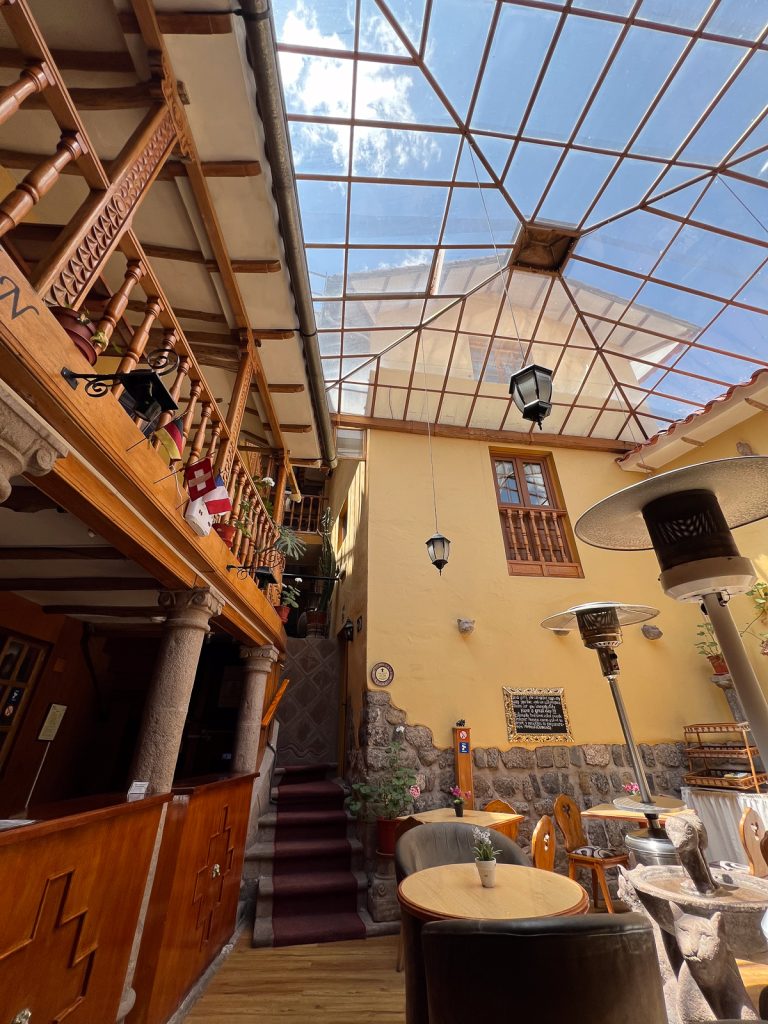
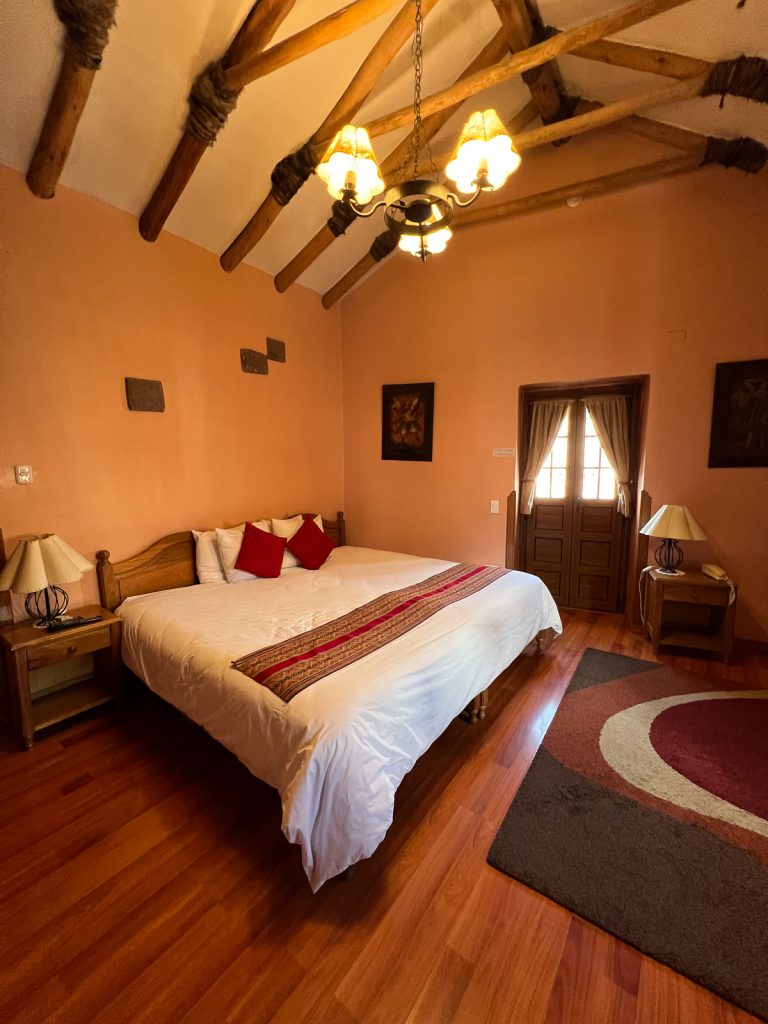
Being one of the most popular destinations in Peru there are tons of places to stay in Cusco. We personally suggest staying at a hotel or hostel. The prices are very affordable, many offer free breakfast, and they’ll store your luggage for you while you go on treks (just make sure to also stay there upon returning).
During our time in Cusco we stayed at Hotel & Mirador Los Apus, which is a great, affordable option! Since our time in Cusco was broken up by treks, we had three different rooms here, all with private bathrooms (some do have a shared bathroom, so keep that in mind). Each room had a different layout, but all were very comfortable, plus had a nice wood and Peruvian design.
They also have a great free breakfast, with coffee, tea, bread, juices and smoothies, fruit, avocado, and a couple other small items. Plus, the staff is very helpful and they even stored our luggage for us for two different treks.
Some other hotel options to consider:
Amaru Colonial
Amaru Inca
Hotel Encantada
Huascaran Casa Boutique San Blas
Casa Matara Boutique
Tips for visiting Cusco
Safety
We felt very safe all over Peru, including in Cusco, but it’s important to be aware of pickpockets while visiting. Thankfully we had no issue with theft, but we witnessed someone almost get pickpocketed in Plaza de Armas at night. So be on alert and make sure to keep your phone in a front pocket (or zipped up).
Adjusting to the altitude
One of our top Peru travel tips is to adjust to the altitude. We cannot stress this enough! When you first arrive in Cusco you’ll want to take it easy on your first day so you can get acclimated to the altitude. If you don’t, you risk getting altitude sickness, which could put a huge damper on your trip.
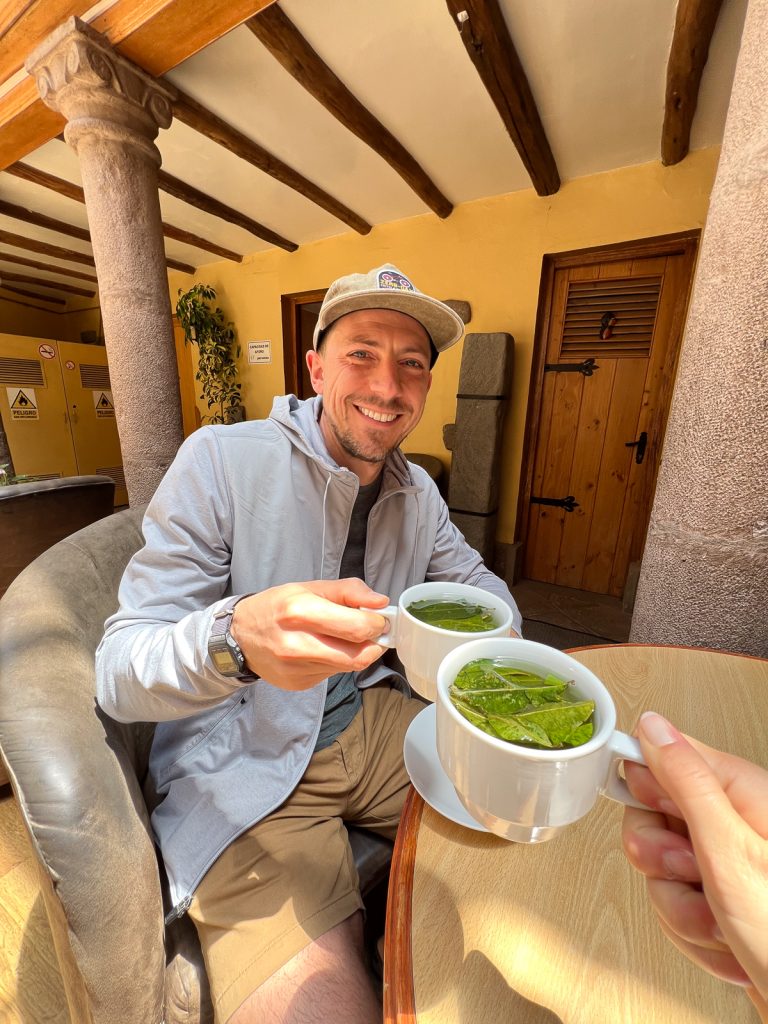
To help your body adjust, make sure to drink lots of water, electrolytes (we love LMNT!), and coca tea, eat smaller, more frequent meals, and keep your physical exertion low.
Tourist ticket (Boleto turistico)
Many of the attractions in and around Cusco require the Cusco Tourist Ticket, also known as boleto turistico. The ticket includes 16 museums and archaeological sites like Sacsayhuaman, Qorikancha, Ollantaytambo, and Pisac, to name a few.
You can either choose the General Comprehensive ticket, which includes all sites and is valid for 10 days. Or you can choose from 3 circuits that include a limited number of sites and are only valid for 1 or 2 days depending which you choose.
During our visit, we visited Sacsayhuaman, Moray, Ollantaytambo, and Chinchero over multiple days. So we needed to purchase the General Comprehensive ticket, which costs S/130 ($34.50) per person.
To learn more and decide which is best for you, check out this website.
Street vendors
In the main popular areas of town, specifically Plaza de Armas, you’ll encounter lots of vendors trying to sell you souvenirs and tours. If you aren’t interested just tell them “no gracias” and they’ll leave you alone. While Cusco definitely had the most vendors compared to other places we visited, no one was pushy with us.
Sun exposure
Since you’re at high altitude, the sun is a bit more intense. Be sure to cover up (we love our sun hoodies), wear a hat, and apply sunscreen. Plus drink lots of water!
Depending on when you visit, the temperatures can vary throughout the day. The mornings and evenings were chilly, but as soon as the sun came up, it warmed up quickly. Make sure to pack layers so you can adjust your clothing as needed.
Save this guide with our 3 days in Cusco itinerary!