
Last updated on December 11th, 2025
Searching for the top hikes in Sequoia National Park? We’ve got you covered with plenty of trail suggestions and helpful tips to make planning your adventure easy!
If you’re dreaming of hikes with giant trees and mountain views, look no further than Sequoia National Park! This California gem is home to some of the largest trees on Earth, including the famous General Sherman Tree, but offers way more than just towering trunks. From quick and easy walks to all-day summit adventures, these hikes in Sequoia National Park have something for everyone.
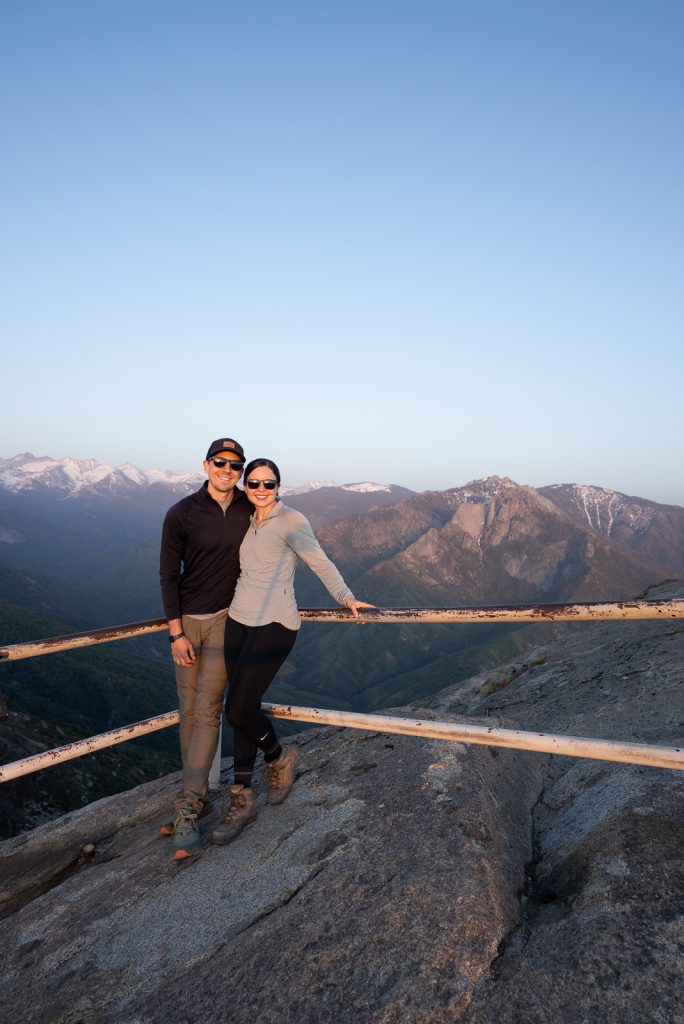
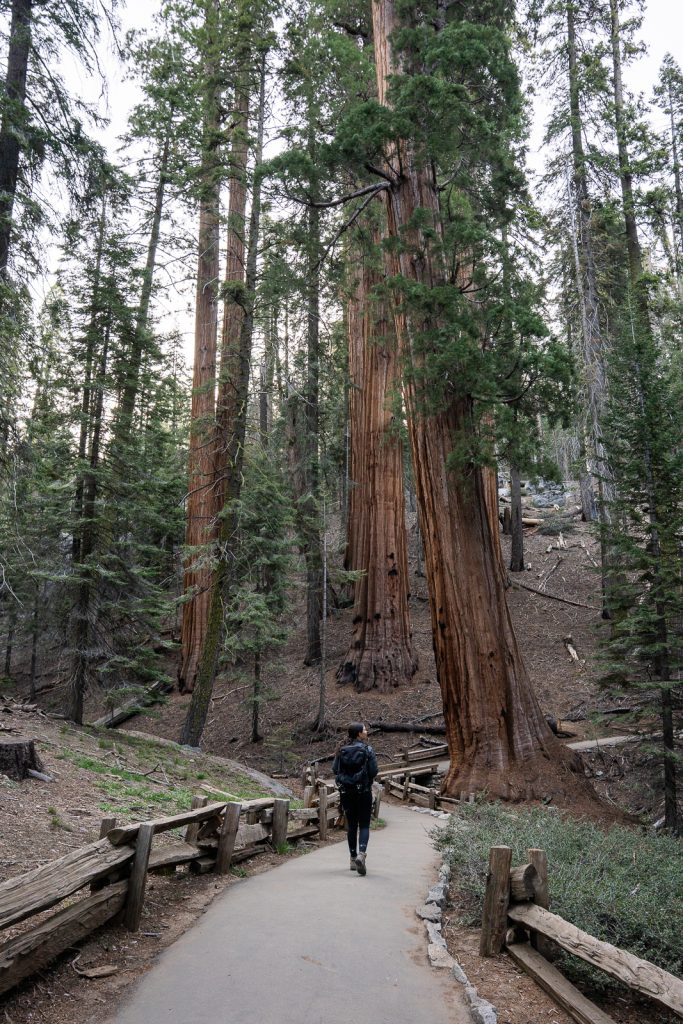
We spent a few days exploring Sequoia National Park in May 2024, and it felt impossible not to be completely amazed the whole time. It’s hands-down one of the top national parks in the western US!
In this guide, we’re sharing some of the best hikes in Sequoia National Park, along with plenty of handy tips to help you plan your own trip!

Map of the Best Hikes in Sequoia National Park
The Best Hikes in Sequoia National Park
Our list of the best hikes in Sequoia National Park is listed by length, from shortest to longest. And we have also included the AllTrails link for each trail, so that you can read current conditions before you head out.
Be sure to get AllTrails Plus so that you can download the map and ensure you never get lost! (Use our code aplusk30 for 30% off!) To learn more about these hikes, you can download the official Sequoia map as well.
And while we’ve included many of these hikes in our list of the best things to do in Sequoia National Park, there’s several other fun things to do on that list too. So be sure to read both guides before heading to the park! And don’t forget to add on some of the best hikes in Kings Canyon National Park, which is located right next door.
1. Beetle Rock Vista
Miles: 0.3
Elevation Gain: 6 feet
Difficulty: Easy
Trail Map & Current Conditions
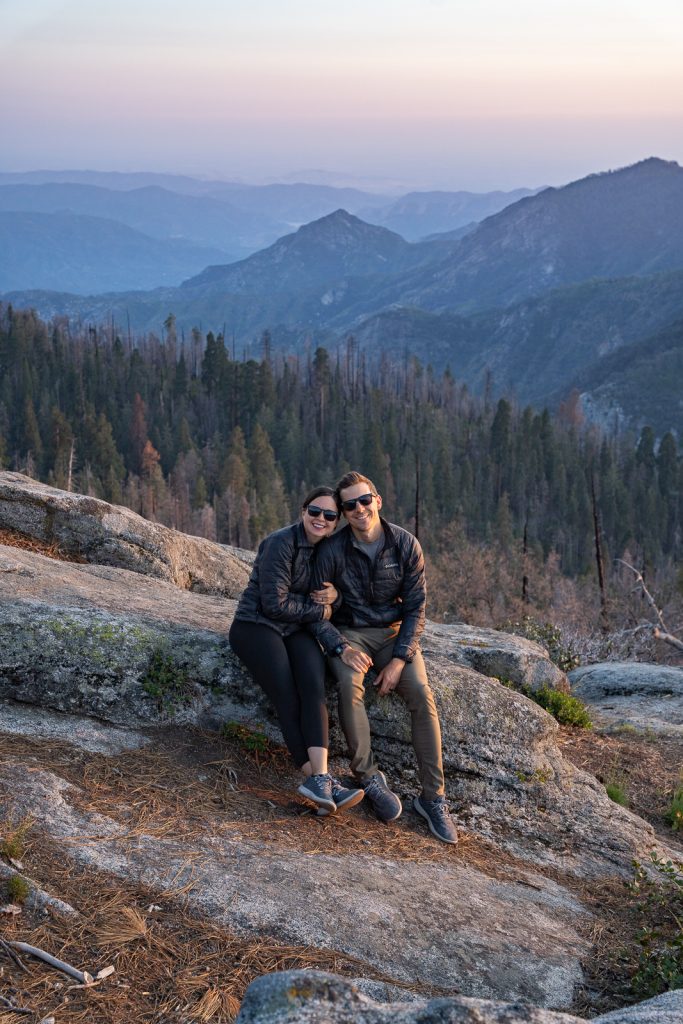
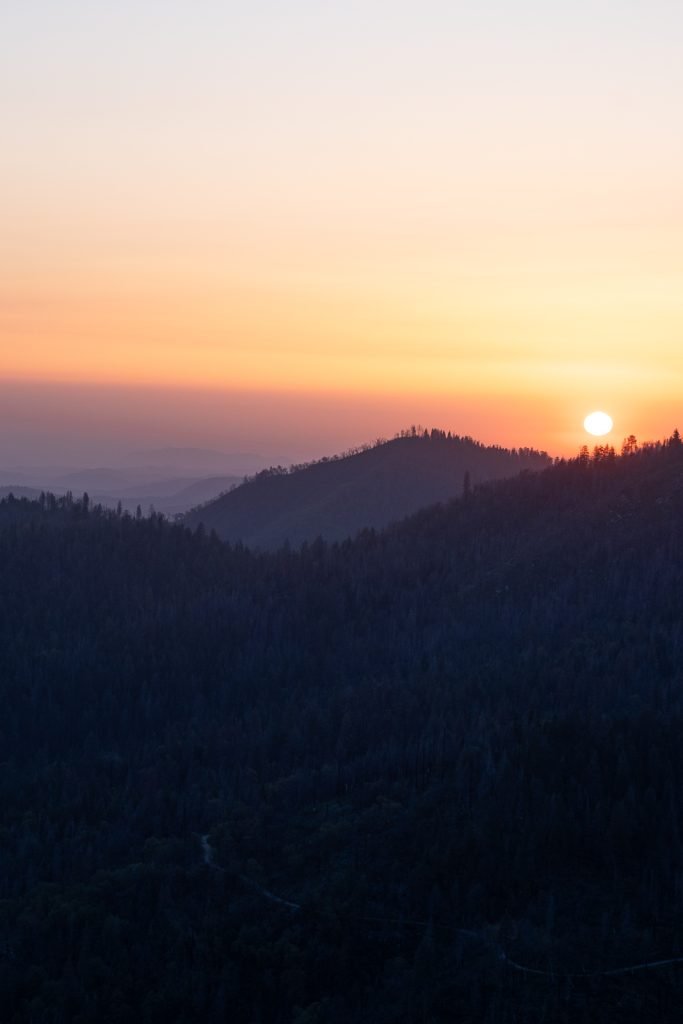
For a super easy sunset spot, check out Beetle Rock! The trail starts right across from the Giant Forest Museum and leads to a wide, west-facing viewpoint with beautiful mountain views, perfect for wrapping up your day.
We hiked out to Beetle Rock ourselves and really enjoyed it. There’s plenty of room to spread out, and since it’s such a short and simple walk, we had no problem getting back to the van before it got dark.
Just a heads-up: both Sequoia and Kings Canyon National Parks are known for having some of the worst air pollution in the U.S., and it definitely showed here, the skies were pretty hazy during our visit.
2. Hanging Rock Trail
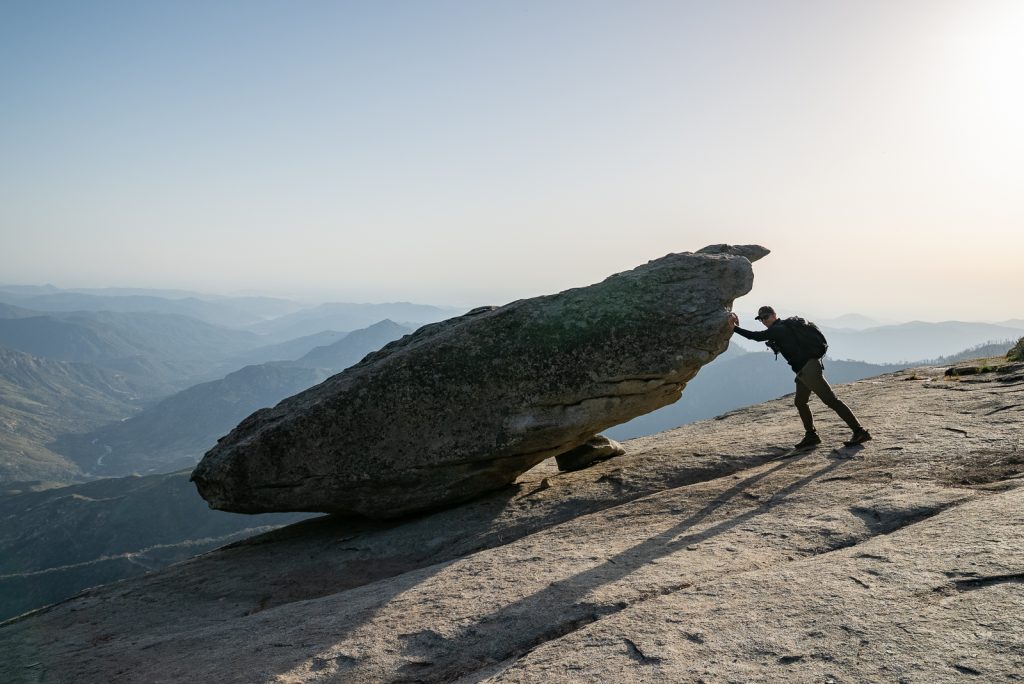
Miles: 0.3
Elevation Gain: 72 feet
Difficulty: Moderate
Trail Map & Current Conditions
If you’re looking for a quick, low-effort hike with a big payoff, check out the Hanging Rock Trail. You’ll get to see a giant rock perched right on the edge of a cliff, plus take in sweeping views of the Kaweah River Valley and Moro Rock. It really puts the size of everything into perspective!
A+K Tip: During our visit, Crescent Meadow Road and the Moro Rock Loop were closed for the season, so we had to walk to Hanging Rock, Tunnel Log, and Moro Rock, turning it into about a 5 mile hike. The road usually opens in late May, and when it does, you can either drive it yourself or hop on the free park shuttle. Just be aware, parking in this area is super limited, so get here early!
3. Moro Rock
Miles: 0.5
Elevation Gain: 183 feet
Difficulty: Moderate
Trail Map & Current Conditions
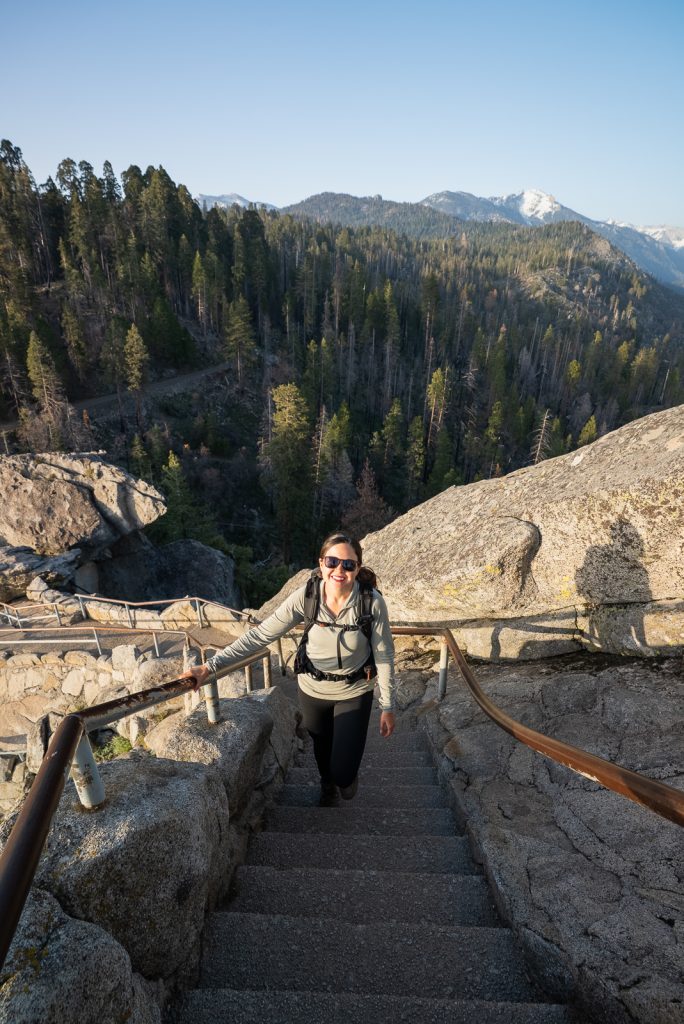
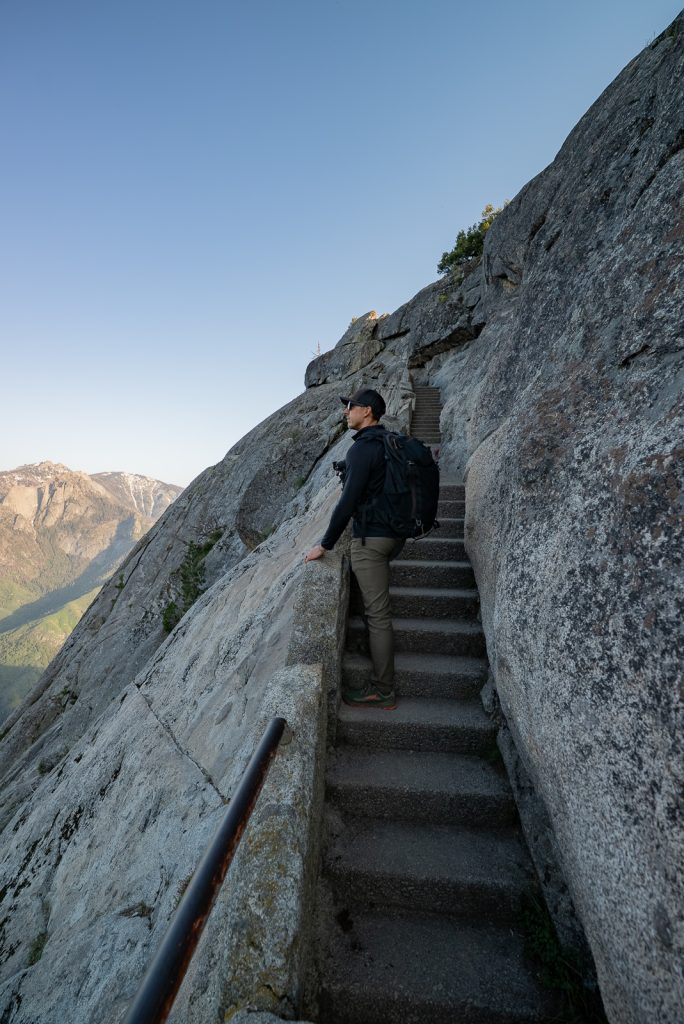
Moro Rock is easily one of the most exciting hikes in the entire National Park System, and definitely a must-do when visiting Sequoia National Park. Trust us, you do NOT want to skip this one!
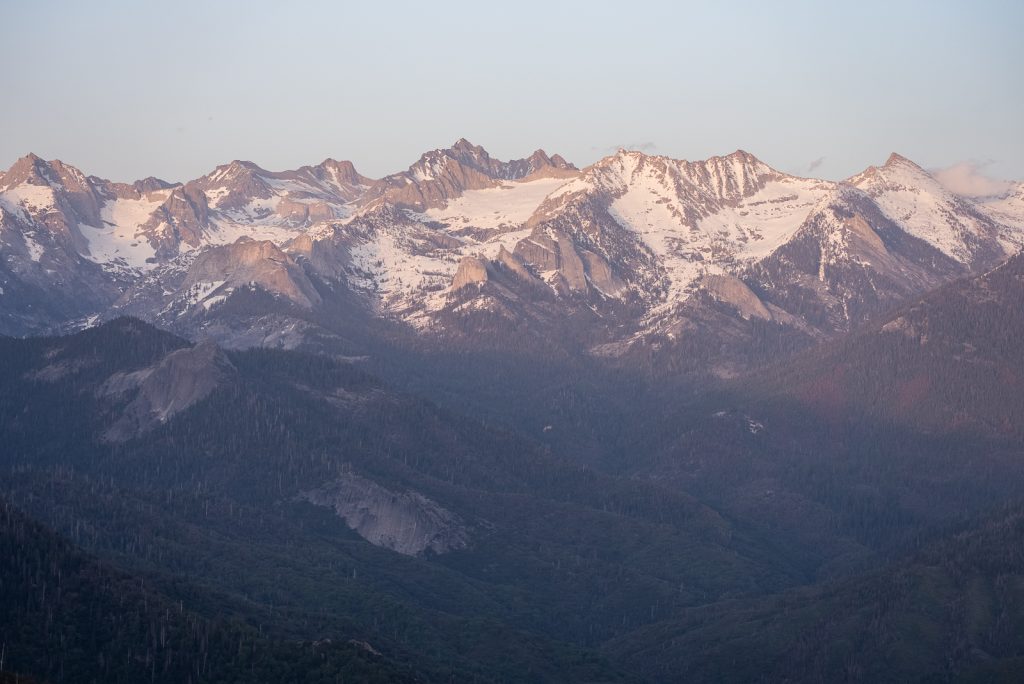
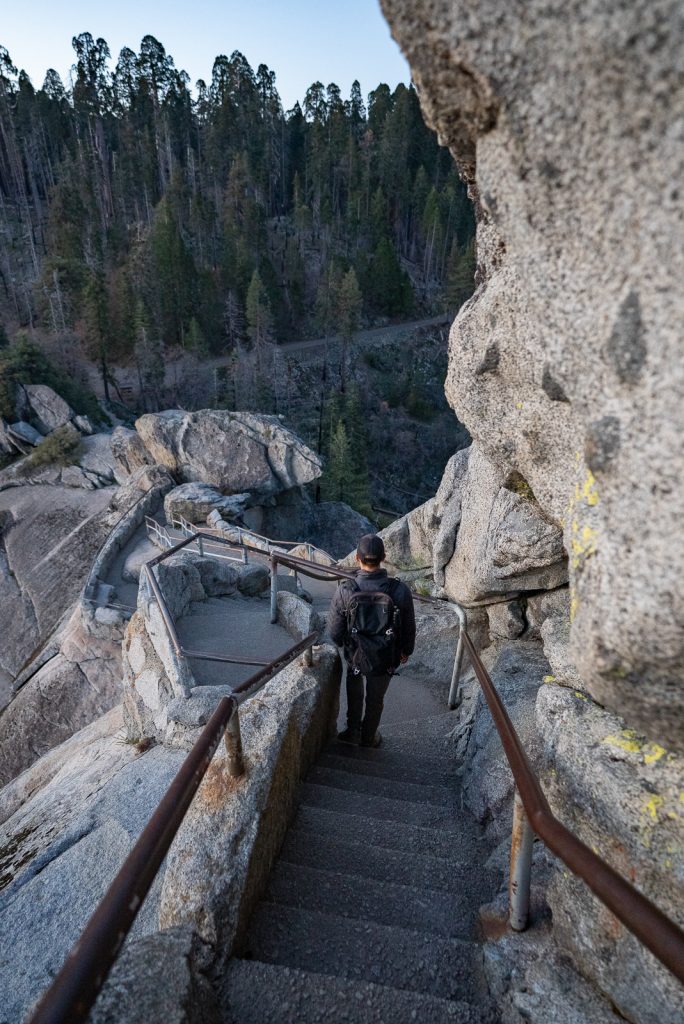
This granite dome feels like a mini version of Half Dome in Yosemite. The hike itself is super short, just 0.5 miles roundtrip, but the real fun is in how you get to the top. The park has carved out a pathway with 350 steps right into the granite, leading you all the way up to the summit. Climbing those steps feels like a real adventure, with epic views of the Sierra Nevada Mountains waiting for you at the top!
4. General Sherman Tree Trail
Miles: 1.1
Elevation Gain: 190 feet
Difficulty: Easy
Trail Map & Current Conditions
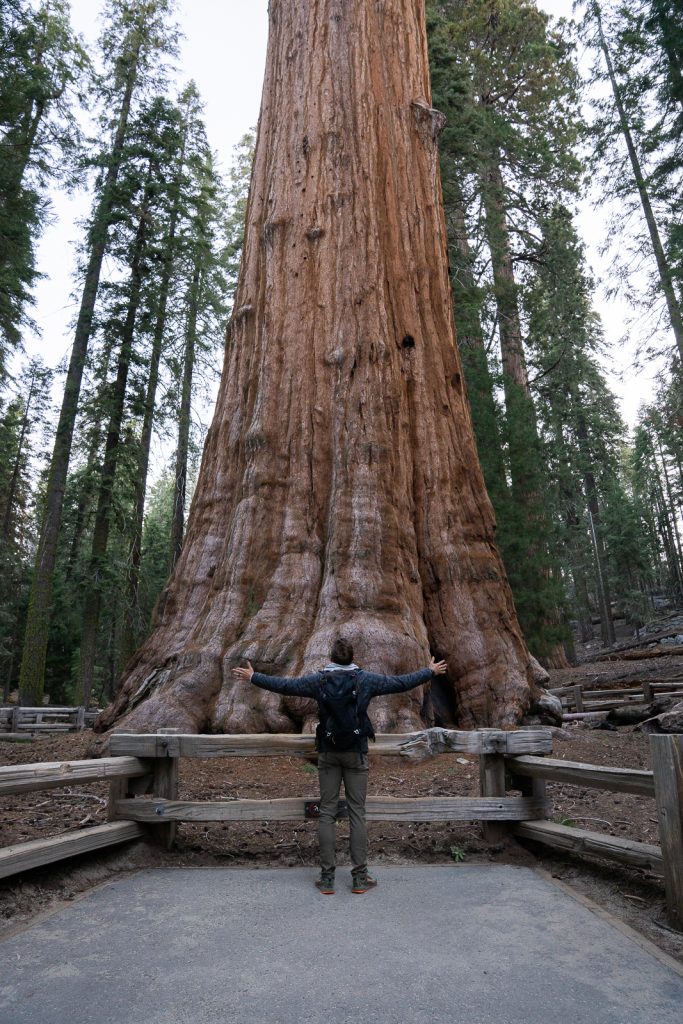
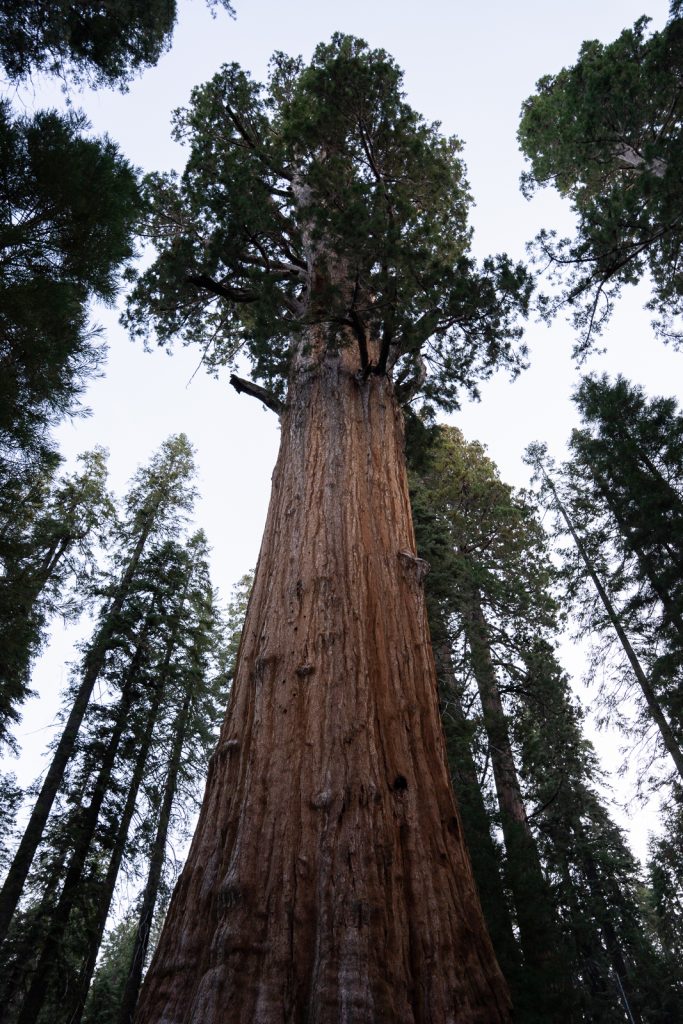
No visit to Sequoia National Park feels complete without seeing the famous General Sherman Tree. It’s easily the most famous thing to do in Sequoia National Park!
So, what makes it so special? General Sherman holds the title of the largest tree in the world by volume. It stands 274.9 feet tall, has a ground-level circumference of 102.6 feet, and packs in a whopping 52,508 cubic feet of wood in its trunk. While there are taller or wider trees out there, none have more total volume than this giant.
Getting to the tree is super easy, it’s just a short downhill walk from a large parking area. Once you’re there, you can walk all the way around it to admire it from every angle. We’ve been to Redwood National Park several times, so we’ve seen plenty of big trees, but General Sherman still totally blew us away!
5. Big Trees Trail
Miles: 1.2
Elevation Gain: 104 feet
Difficulty: Easy
Trail Map & Current Conditions
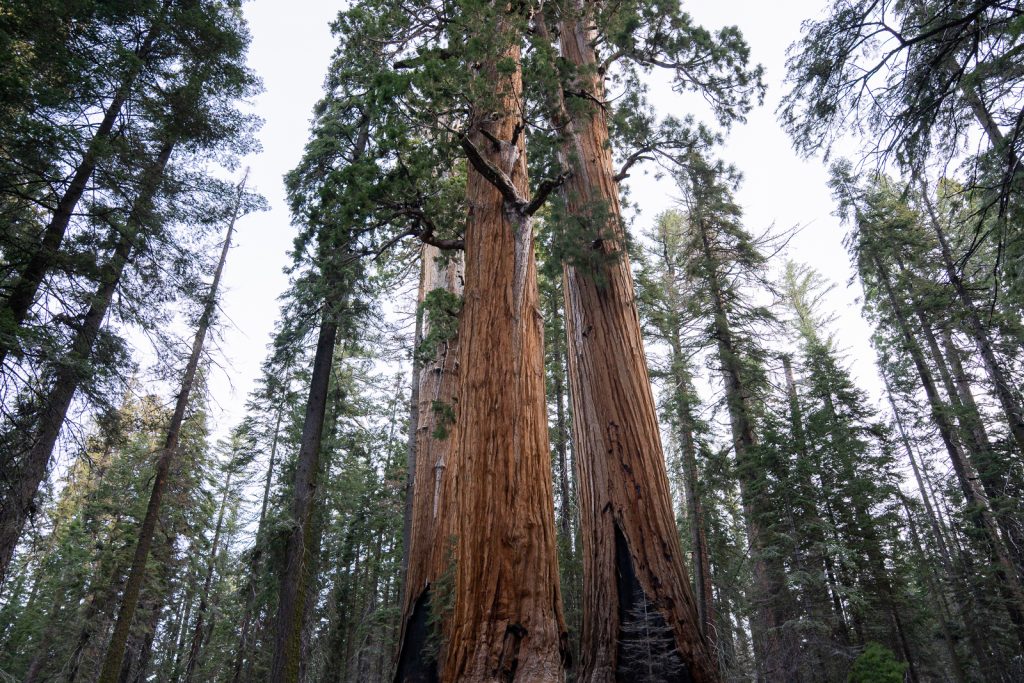
Another awesome, easy hike near the Giant Forest Museum is the Big Trees Trail. It’s just 1.2 miles long with barely any elevation gain, making it a super relaxed way to see plenty of Giant Sequoias up close. Plus, most of the trail is a boardwalk, so it’s wheelchair and stroller-friendly, definitely a bonus if you’re visiting with kids or need an accessible option!
6. Sunset Rock
Miles: 1.6
Elevation Gain: 147 feet
Difficulty: Easy
Trail Map & Current Conditions
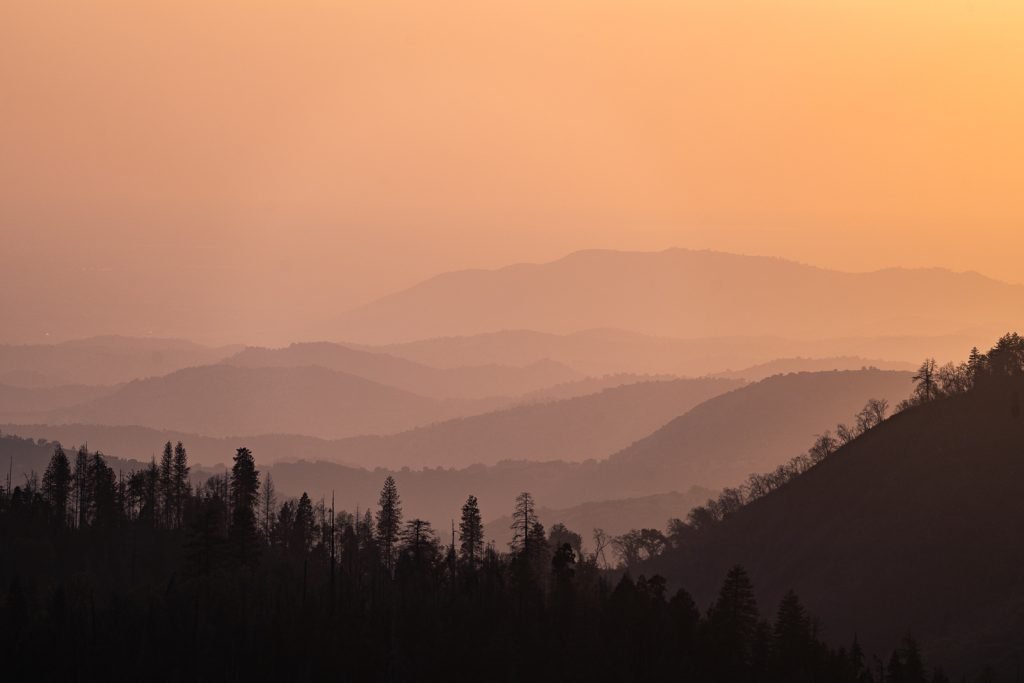
The trail to Sunset Rock is an awesome spot to catch either sunrise or sunset on your Sequoia National Park itinerary and makes for a great hike in Sequoia National Park for any skill level. From the top, you’ll get sweeping views in all directions, stretching from the foothills all the way out to the surrounding mountains.
The hike starts at the Giant Forest Museum, with a few benches and rest spots along the way if you want to take it slow. When you reach Sunset Rock, you’ll find a big slab of granite that’s perfect for hanging out and soaking in the views. Just a heads-up, much of the forest along this trail was impacted by the 2021 fires, so you’ll see some burn areas as you hike.
7. Congress Trail

Miles: 2.9
Elevation Gain: 482 feet
Difficulty: Easy
Trail Map & Current Conditions
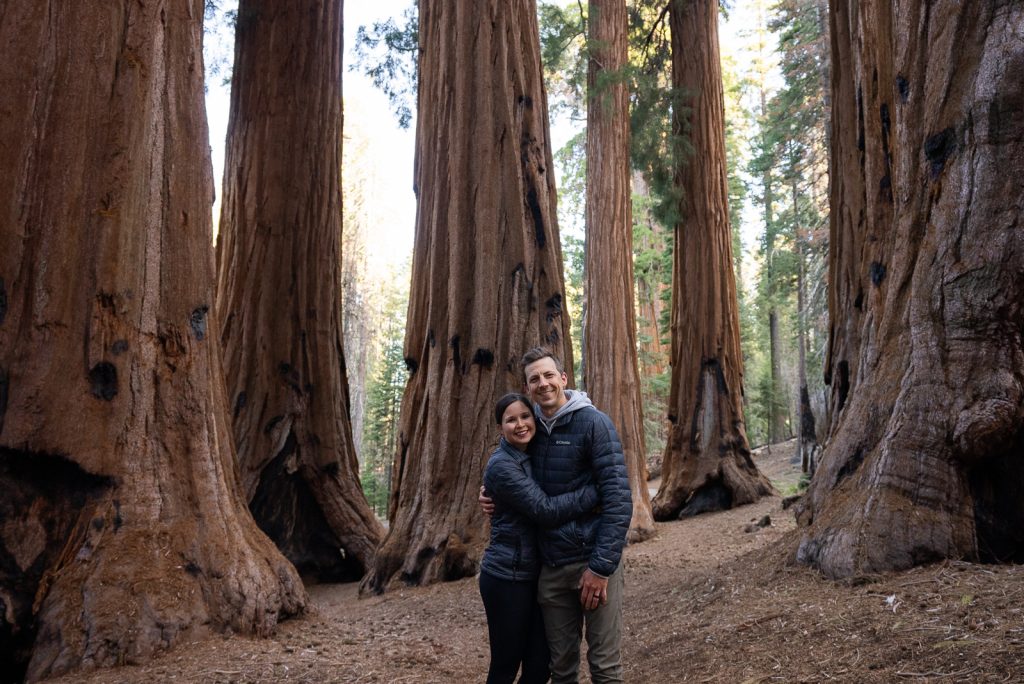
Nearby to the General Sherman trailhead, don’t miss the chance to hop on the Congress Trail! Honestly, we enjoyed this trail even more than just visiting General Sherman, it’s hands-down our favorite Giant Sequoia hike in the park.
This 3-mile loop takes you through an incredible grove of towering Giant Sequoias. You’ll pass General Sherman again, but the real highlight is wandering among massive groves of trees with names like the House, the Senate, and the President, named back in 1923 after President Warren G. Harding.
While these giants aren’t quite as massive as General Sherman, trust us, you’ll still find yourself craning your neck to take them all in! And in our opinion, they make for the best photo spot in the park.
A+K Tip: We combined this with the General Sherman Trail for the ultimate Giant Sequoia hike!
8. Little Baldy Trail
Miles: 3.3
Elevation Gain: 800 feet
Difficulty: Moderate
Trail Map & Current Conditions
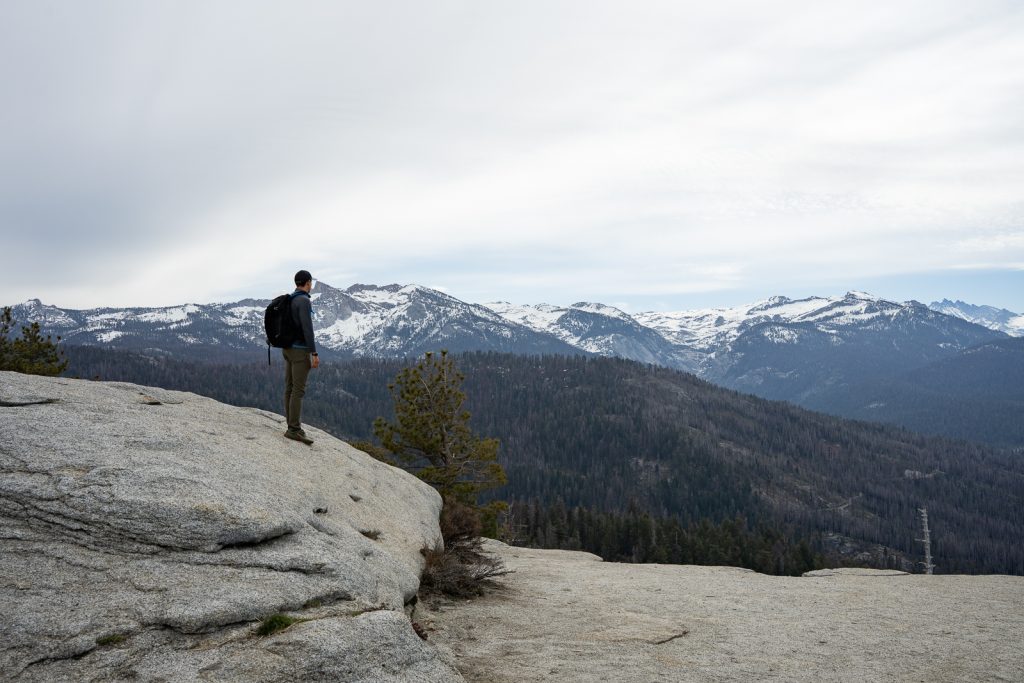
If you’re looking for a hike with big mountain views, the Little Baldy Trail is a great pick! Most of the trail winds through forest, but it leads you to a huge granite slab where you can take in wide-open, 360º views of the park.
One of the things we loved most about this trail? It was much quieter than a lot of the other popular hikes in Sequoia National Park, perfect if you’re looking for a more peaceful spot to enjoy the scenery!
9. Tokopah Falls
Miles: 4.0
Elevation Gain: 616 feet
Difficulty: Moderate
Trail Map & Current Conditions
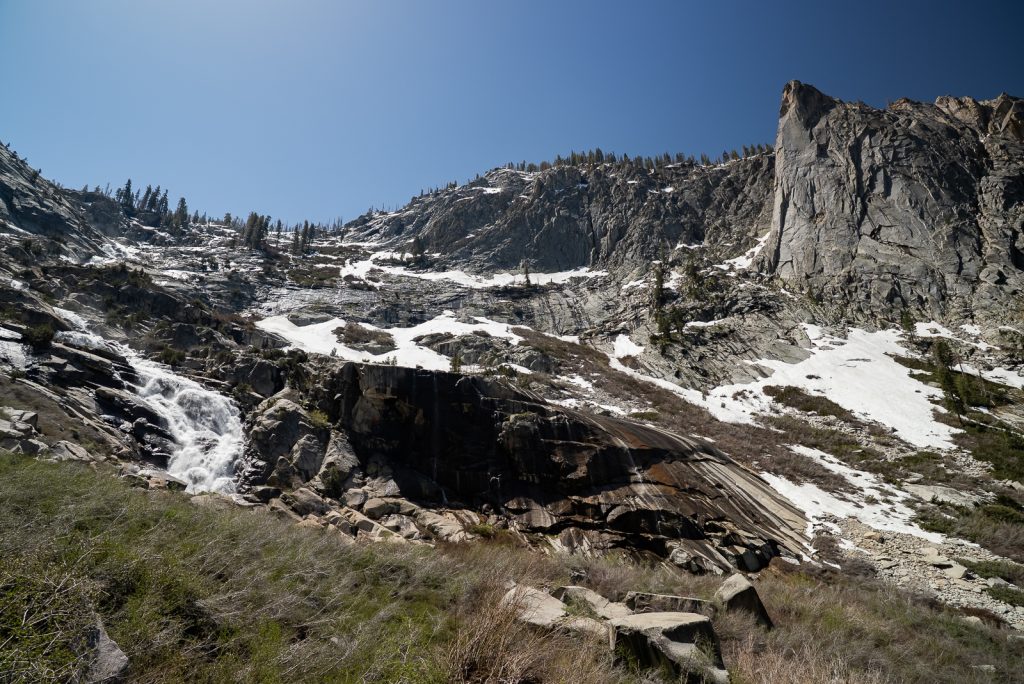
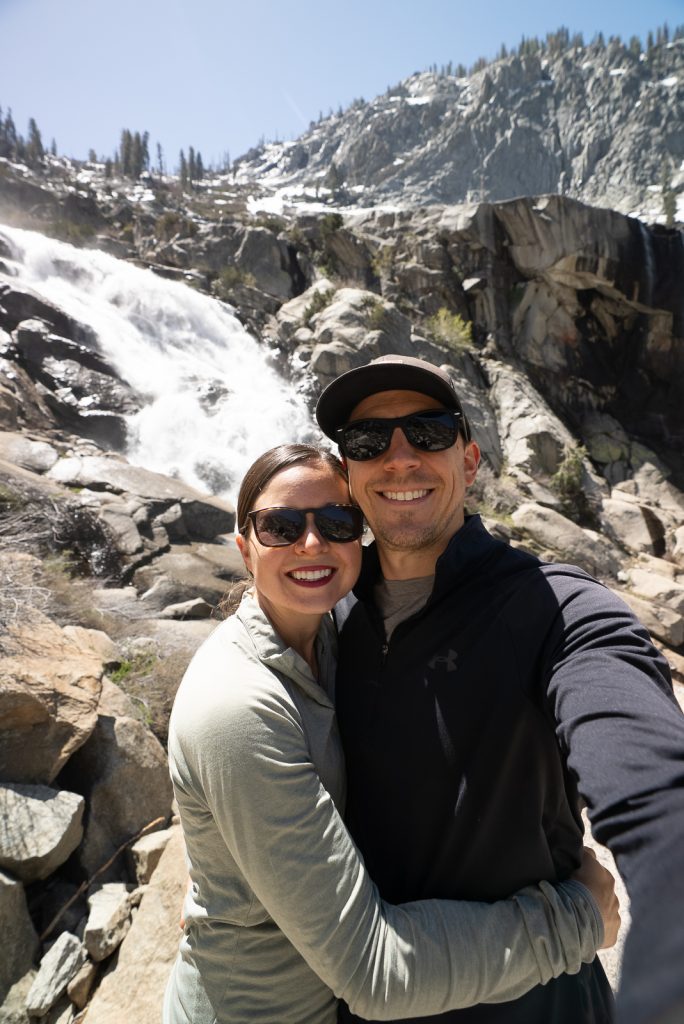
Tokopah Falls is a stunning 1,200-foot waterfall that tumbles down in multiple tiers, and it’s definitely one of the top hikes in Sequoia National Park!
While the trail ends at the lower section of the falls, you can catch glimpses of the upper levels as you get closer. When we visited in May, the waterfall was absolutely roaring, even just seeing the bottom section up close was super impressive.
What really surprised us, though, were the views along the trail itself. You’ll walk alongside a beautiful, rushing river and eventually find yourself surrounded by sharp, rugged peaks as you near the falls. This trail might not feature Giant Sequoias, but it’s such a great way to take in a totally different side of the park’s scenery!
Important to know: To keep expectations in check, if you do this hike later in the summer, the waterfall will have less water.
10. Marble Falls Trail
Miles: 6.3
Elevation Gain: 1,499 feet
Difficulty: Moderate
Trail Map & Current Conditions
Marble Falls is one of the top hikes in the Foothills region of the park! This 6.3-mile round-trip trail climbs about 1,500 feet and leads to a gorgeous waterfall tucked into the mountains.
One of the biggest perks of this hike is its lower elevation, it’s usually accessible earlier in the year than higher elevation trails, making it a great option if you’re visiting in winter or spring. And if you’re there in April, keep an eye out for colorful wildflowers along the way!
A+K Tip: Parts of the trail can get pretty narrow with tall grass and some poison ivy, so we suggest wearing long sleeves and pants. It also can get really hot in this area, so starting early in the day is key if you want to stay cool!
12. Lakes Trail
Miles: 11.2
Elevation Gain: 3,231 feet
Difficulty: Hard
Trail Map & Current Conditions
The Sierra Nevada Mountains are famous for their stunning alpine lakes, and Sequoia National Park definitely delivers on that front!
While some of the most beautiful lakes in the park require overnight trips, the Lakes Trail is a fantastic day hike option, though be ready for a longer trek at 11.2 miles roundtrip. This trail winds through the mountains and passes several gorgeous lakes, with Pear Lake at the end stealing the show as the most breathtaking of them all.
We visited a bit too early in the season to hike it ourselves, but it’s definitely at the top of our list for next time!
13. Mount Whitney Trail
Miles: 21.2
Elevation Gain: 6,663 feet
Difficulty: Hard
Trail Map & Current Conditions
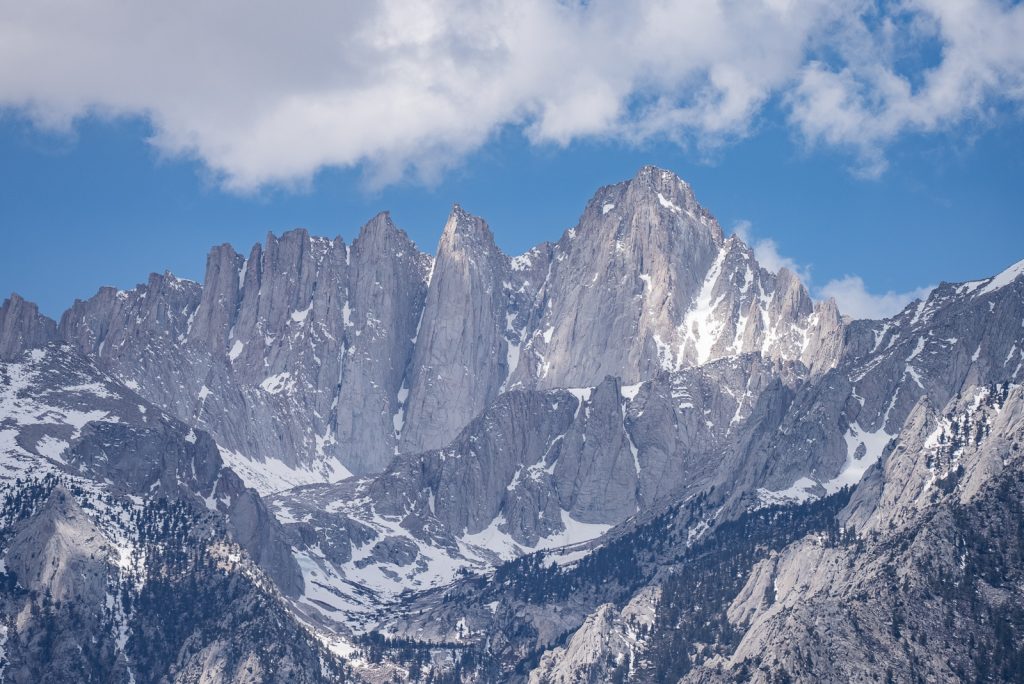
One of the biggest hikes on our bucket list is summiting Mount Whitney, the tallest peak in the lower 48 states at a whopping 14,505 feet! Even though you’ll access the trail from Whitney Portal near the Alabama Hills (on the east side of the Sierra Nevada Mountains), the summit itself is technically part of Sequoia National Park.
This is no casual hike, it’s incredibly challenging, with over 6,600 feet of elevation gain, all at high altitude where the air is thin. Some people tackle it in a single (very long) day, but most opt to camp overnight along the trail.
No matter how you hike it, you’ll need a permit to summit, which is awarded through a notoriously tough lottery system. We’ve applied (and struck out), but we’ll keep trying until we finally get the chance to stand on top!
14. Mineral King Loop
Miles: 37.4
Elevation Gain: 11,036 feet
Difficulty: Hard
Trail Map & Current Conditions
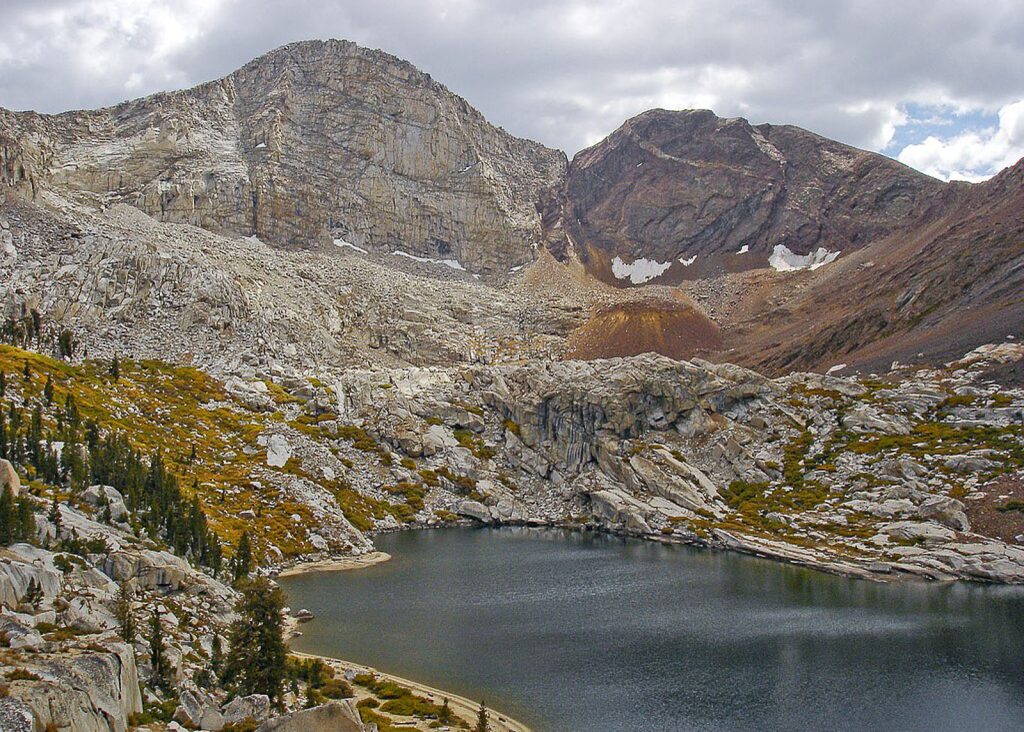
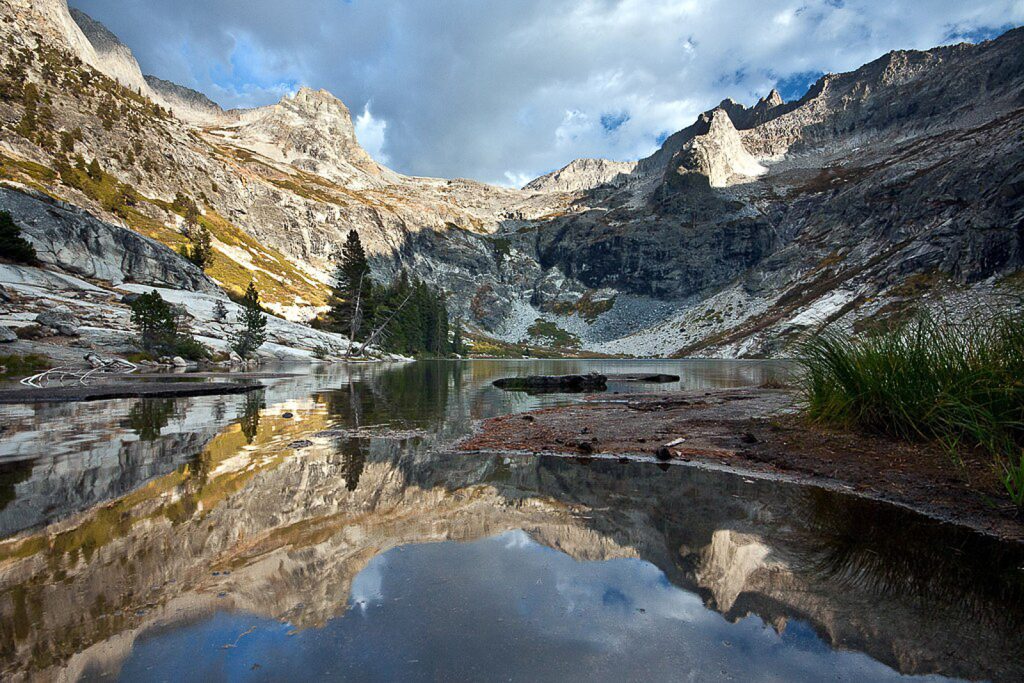
Some of the most jaw-dropping views in Sequoia National Park are tucked away in the backcountry. So if you’re an experienced hiker, one of the absolute best ways to explore the park is by heading out on a backpacking trip! One trail that’s high on our wishlist is the Mineral King Loop. It winds past stunning alpine lakes and offers epic mountain views, all in the remote and beautiful Mineral King area of the park.
It will likely take you 3 days to complete, but will be worth the work for all of the views along the way.
15. High Sierra Trail
Miles: 68.8
Elevation Gain: 17,795 feet
Difficulty: Hard
Trail Map & Current Conditions
Another hike at the top of our list is the High Sierra Trail, which goes 70 miles through the park, including summiting Mount Whitney. If you’re looking for the ultimate hike in Sequoia National Park, the High Sierra Trail is it!
This iconic multi-day backpacking route stretches about 68 miles from Crescent Meadow all the way to Mount Whitney, the tallest peak in the lower 48. Along the way, you’ll pass through lush meadows, dramatic granite cliffs, and jaw-dropping alpine scenery. And go for a dip in a hot spring! It’s no easy feat, most hikers take 6 to 7 days, but for the experienced hiker, it’s a bucket list trip.
Things you Need to Know Before Hiking in Sequoia
Before you head to Sequoia National Park, there are a few key things you’ll want to know! Some of these are absolute musts for planning a smooth trip, while others are tips we’ve picked up that can make your hikes way more enjoyable.
When to Visit Sequoia National Park
You can enjoy some of these hikes in Sequoia National Park year-round, but for the best access to most or all trails and roads, aim for May through September. May is perfect if you want to beat the summer crowds and enjoy cooler temps, especially in the Foothills, which gets scorching hot later on. Just avoid holiday weekends like Memorial Day, when it gets packed!
If you’re hoping to explore the backcountry or tackle high-elevation hikes, July through September is your best bet, when snow has melted off the trails. While we’d love to see the park in winter (hello, snow-dusted sequoias!), access is limited and chains are often required. For your first trip, stick to the warmer months unless your goal is simply to see the Giant Sequoias!
Getting to and around Sequoia National Park
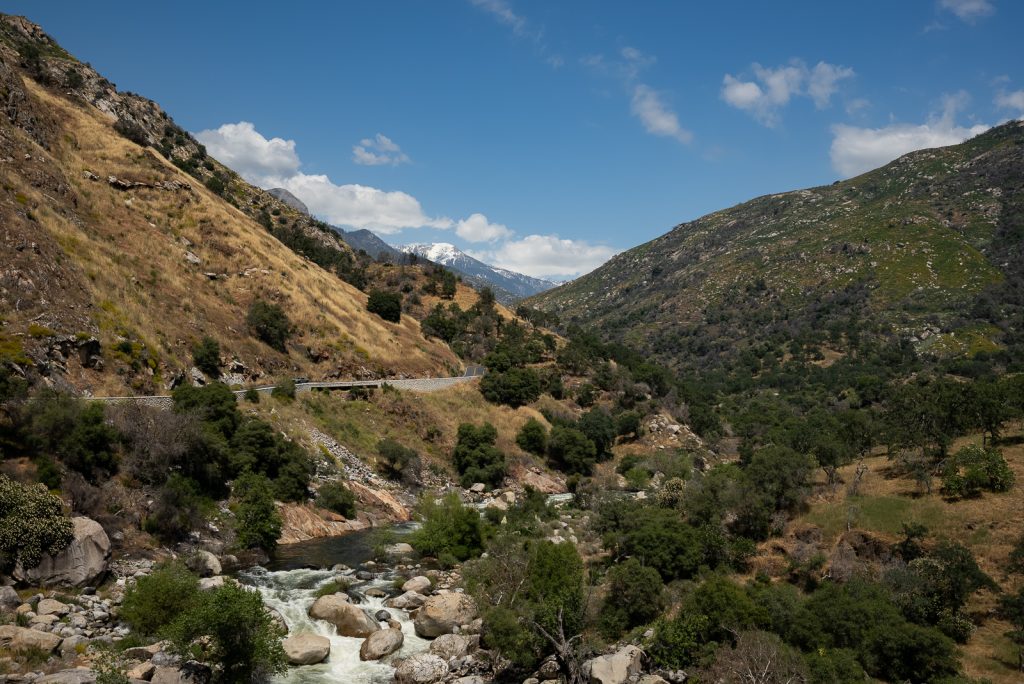
Sequoia National Park sits just east of Fresno on the western side of the Sierra Nevada Mountains. There are two main entrances: the Ash Mountain Entrance (about 1.5 hours from Fresno) takes you straight into Sequoia through the Foothills and up the scenic but steep and curvy Generals Highway. The Big Stump Entrance (1 hour from Fresno) is technically in Kings Canyon but also gives you access to Sequoia. This route is better for RVs or trailers since the road is gentler.
The closest airport is Fresno Yosemite International (FAT), just 1.5 hours from the Foothills entrance. You could also fly into San Francisco (SFO) or Los Angeles (LAX) if you’re planning a bigger California National Park road trip, they’re 5 and 4.5 hours away, respectively. Once you land, rent a car (any type will do!) and hit the road!
Driving is the main way to get around Sequoia National Park, but parking can be tough,especially around holidays. Even during our weekday visit in late May, lots were packed!
If you’re in a van or RV, note that vehicles over 22–24 feet aren’t recommended on parts of the Generals Highway. Our 22.5-foot Sprinter was totally fine, but plan ahead by reviewing the vehicle length limits if you’re larger.
Want to skip driving altogether? The park offers free shuttles on four routes, typically starting around Memorial Day!
America the Beautiful Pass
If you will be visiting more than one US national park in one year, your best value is to buy the America the Beautiful pass in advance. This pass gets you free entry to all national parks for one year. You’ll be paying $80 for the year instead of about $35 at each park! So use it as much as you can and explore multiple national parks in the next 12 months!
Where to Stay in Sequoia National Park
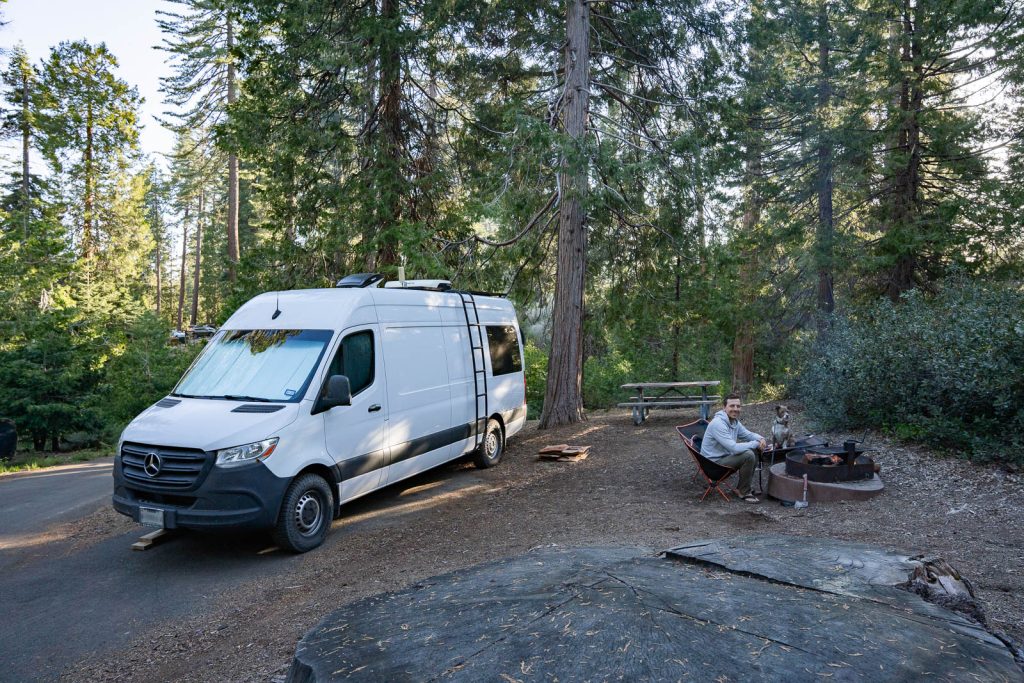
The best place to stay when visiting Sequoia National Park is inside the park, or in nearby Kings Canyon. It saves tons of driving time!
There are 7 front country campgrounds in each park, with Potwisha (Sequoia) and Azalea (Kings Canyon) open year-round. None offer electric hookups, and reservations fill up fast, so book early!
Prefer a bed over a tent? A few lodges and cabins are available too. Or check out the town of Three Rivers for hotels and vacation rentals.
On our trip, we camped at Crystal Springs in Kings Canyon and boondocked between the parks. Big Meadows Road is a popular boondocking spot, but arrive early, especially in spring when part of the road is still closed!
Want to get FREE flights and hotel stays?
Check out our favorite travel cards, which have saved us thousands of dollars and enabled us to travel so much over the years!
How much time do you need in Sequoia National Park?
We’d say you need at least 1-2 full days to experience the several of these hikes in Sequoia National Park, especially if you’re sticking to the frontcountry!
With 1 day in Sequoia National Park, you can check off iconic stops like General Sherman, Moro Rock, Tunnel Log, and squeeze in a few short hikes like the Big Trees Trail or Sunset Rock. But with 2 days, you’ll have more breathing room to enjoy it all without rushing, and maybe even fit in a longer hike like Tokopah Falls or Little Baldy.
If you’re into backpacking or want to hit the backcountry (like the High Sierra Trail or Lakes Trail), you’ll want 3-5+ days.
Basically, if you’re just here to see the big trees and famous sights, 1-2 days is plenty. But if you love hiking and exploring deeper into the park, you could easily spend a week here and still not see it all!
Reservations and Permits
Sequoia National Park does not require reservations for entering the park. So you are free to come and go when you please as long as you buy a park pass at the gate or the America the Beautiful Pass in advance.
What to Bring to Sequoia National Park
First and foremost, we always recommend that you pack the 10 essentials. A few other key items that are important to have on the best hikes in Sequoia National Park are hiking shoes, layers (it can get cold!), sunscreen, plenty of water, and AllTrails maps! We highly recommend the AllTrails Plus membership so you can download the map (use our code aplusk30 for 30% off!). There’s not usually great service on the trails!
Looking for more things to do in California?
- Plan the Ultimate California National Parks Road Trip! (3 itineraries)
- The Perfect One Day in Sequoia National Park Itinerary
- General Sherman Tree & Congress Trail: The Ultimate Giant Sequoia Hike!
- The 17 Best Things to Do in Sequoia National Park
- 15 Fun Things to Do in Kings Canyon National Park
- Top 12 Best Hikes in Kings Canyon National Park
- The ULTIMATE Guide to visiting Redwood National Park (+ state parks!) in California
- The BEST Hike in Pinnacles National Park (Bear Gulch Cave, High Peaks Trail, & Condor Gulch Trail)
Save this Guide to the Best Hikes in Sequoia National Park
Pin this guide on the best hikes in Sequoia National Park so that you can find it again later!


About the Author
This article was written by Tori, one of our Adventures of A+K team members. Learn a bit about her below!
Hi, I’m Tori! I live in Nashville, TN with my husband and two daughters. We travel as much as possible throughout the year, around a 9-5 schedule and with babies in tow! My travel blog, Tori Pines Travels, aims to help people plan action-packed and culture-rich vacations around their busy jobs, fitting in as much exploring as possible. When I’m not working for Adam and Kathryn or entertaining my little ones, I’m writing, cooking, crafting or exploring Music City!