
Last updated on December 20th, 2024
Dreaming of visiting rugged coastlines, wetlands, mangrove forests, coral reefs, and the world’s longest-known cave system? Then look no further than the Eastern United States! Our guide shares the top USA National Parks on the East Coast, giving insights on must-see attractions, activities and more!
The East Coast, stretching all the way from the rocky shores of Maine down to sunny Florida, is peppered with some absolutely stunning national parks.

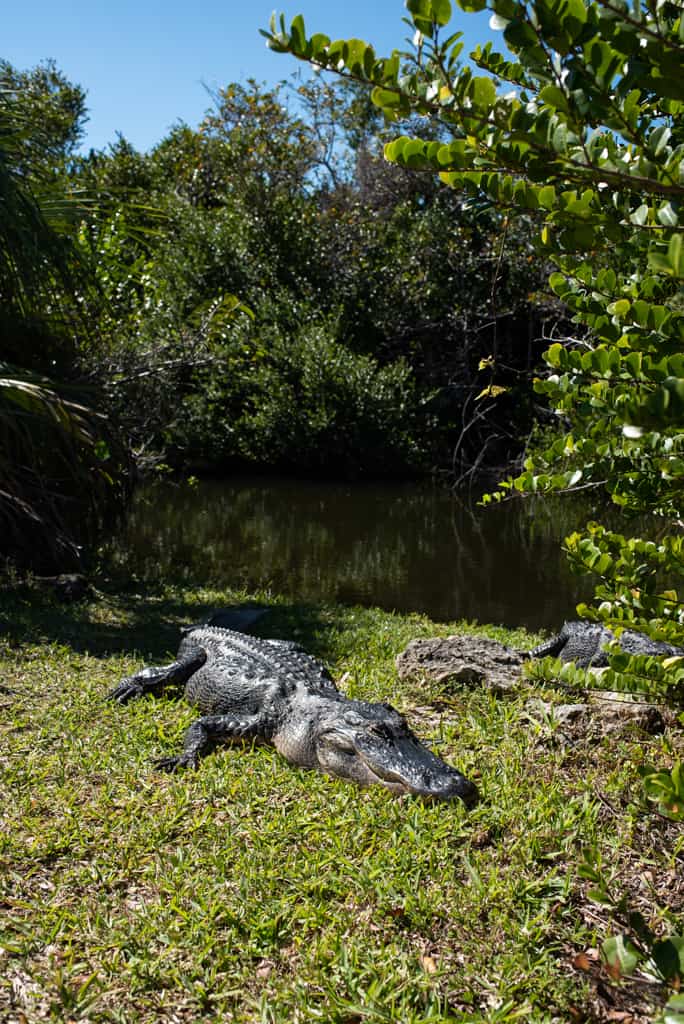
For half a decade, we’ve been living the van life and have explored 49 out of the 63 national parks in the USA! While we tend to be biased towards the West Coast, there is something about the East Coast parks that we absolutely love. They offer such unique experiences (like climbing on iron rungs!) that have left us in awe time and time again.
That’s why we’ve put together this guide to help you plan an epic East Coast USA National Park adventure! We’ll share our favorite parks, the ones that left us speechless (and maybe a little sore from all the hiking!). Plus, we’ll also share the best things to do, what each park costs, how to handle permits and bookings, and advice on how to get around the parks like a pro.
- Defining “East Coast” National Parks
- Acadia National Park
- Shenandoah National Park
- Everglades National Park
- Biscayne National Park
- Cuyahoga Valley National Park
- Great Smoky Mountains National Park
- New River Gorge National Park & Preserve
- Indiana Dunes National Park
- Congaree National Park
- Mammoth Cave National Park
- Dry Tortugas National Park
- Tips for Visiting East Coast National Parks
Defining “East Coast” USA National Parks

Describing the “East Coast” can be a bit of a subjective matter. Generally, it refers to the eastern seaboard of the United States. However, sometimes this definition extends to include parks in nearby Midwest states like Ohio, Indiana, and Michigan. These parks, while they’re not exactly coastal, are often grouped with East Coast USA destinations due to their geographical proximity and similar ecosystems.
Heading west instead? See our list of the 14 best West Coast National Parks and 12 best Southwest National Parks!
11 Must-Visit East Coast National Parks in the USA
1. Acadia National Park
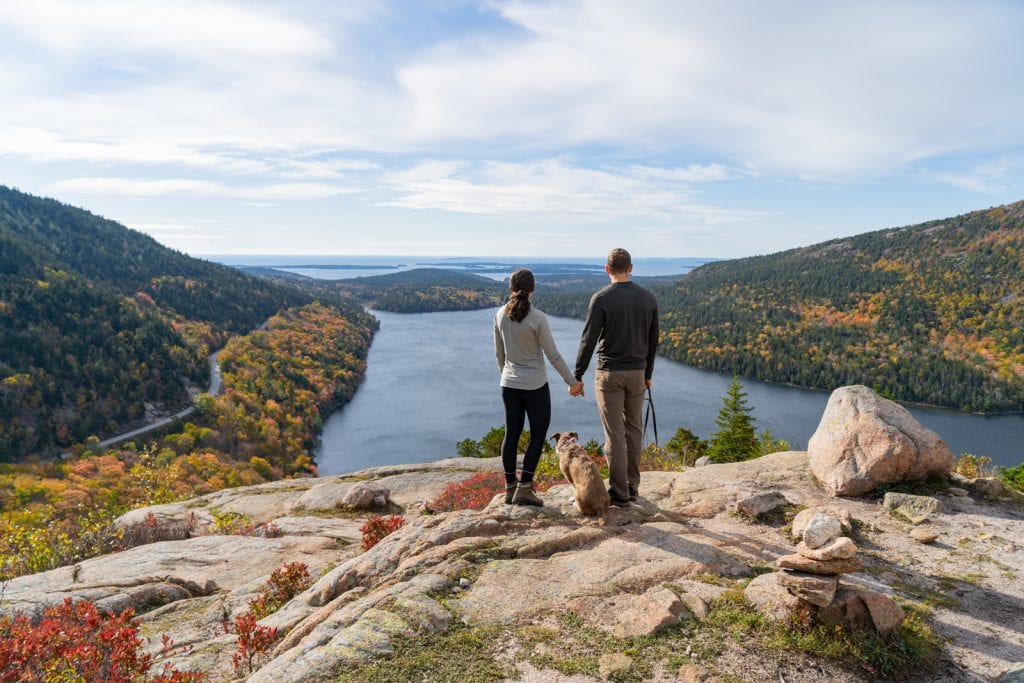
Acadia National Park, located on the rocky coast of Maine, is often referred to as the “Crown Jewel of the North Atlantic Coast.” It’s a place where mountains meet the sea in an epic way, with towering granite cliffs, islands, estuaries, intertidal habitats, and the tallest mountain on the whole Atlantic coastline! Acadia also has scenic drives for easy cruising, short hikes that pack a punch, and endless jaw-dropping views.
It’s without a doubt our favorite National Parks on the East Coast!
Acadia is known for its breathtaking landscapes, from towering peaks to beautiful lakes, and, of course, the iconic Cadillac Mountain, the first place to see the sunrise on the North Atlantic coastline between early October and early March at 1,530 feet tall!
With over 120 miles of trails, you’ve got plenty of options for hikes! The Precipice Trail is one of our top picks of the iron rung hikes in the park that has ladders, and narrow ledges (not for the faint-hearted or little ones!). A few of our other favorites include Beech Cliffs Trail and Jordan Pond to South Bubble Summit Trail.
Bar Harbor, just a short drive from the park, is a super cute town loaded with neat shops, incredible local food, and tons of charm. The lobster ice cream is…interesting (and yes, it’s a real thing!).


Acadia National Park at a glance
State: Maine
Cost: $35 (for a 7 day pass). Passes can be purchased by credit card from automated fee machines available year-round. You will need a timed entry reservation to drive up Cadillac Mountain (from May through October) for $6.
How to get there: Acadia is situated on Mount Desert Island, close to the town of Bar Harbor. The nearest airport is Bangor International Airport, about an hour’s drive away.
Getting Around: You can either drive yourself around or take advantage of the free Island Explorer shuttle to travel between park sights, local areas, and the Bar Harbor-Hancock County Regional Airport. It stops at key locations in the park like campgrounds and trailheads, and you can even flag it down along its route for a pickup. Biking is also a fun option, especially on the car-free carriage roads.
Pet-Friendly: Acadia National Park is one of the most pet-friendly national parks in the U.S. Leashed pets are allowed on most trails and carriage roads. There are also three dog-friendly campgrounds!
Campgrounds: Acadia provides two campgrounds on Mount Desert Island, another on the Schoodic Peninsula, and five lean-to shelters on Isle au Haut. Backcountry camping is not permitted.
Permits/Reservations: You’ll need a vehicle reservation to drive up Cadillac Summit Road.
Learn more about Acadia National Park
Blog posts
Hiking the Precipice Trail at Acadia National Park (everything you need to know!)
How to see the sunrise at Cadillac Mountain in Acadia National Park
Our Favorite Hikes in Acadia National Park
The Best Things to do in Acadia National Park
The Perfect 4 Day Acadia National Park Itinerary
YouTube videos
Hiking the Precipice Trail at Acadia National Park! (+ Gorham Mountain Loop & Great Head)
Our FIRST time at Acadia National Park: Cadillac Mountain, South Bubble, Popovers, & Beech Cliff!
2. Shenandoah National Park
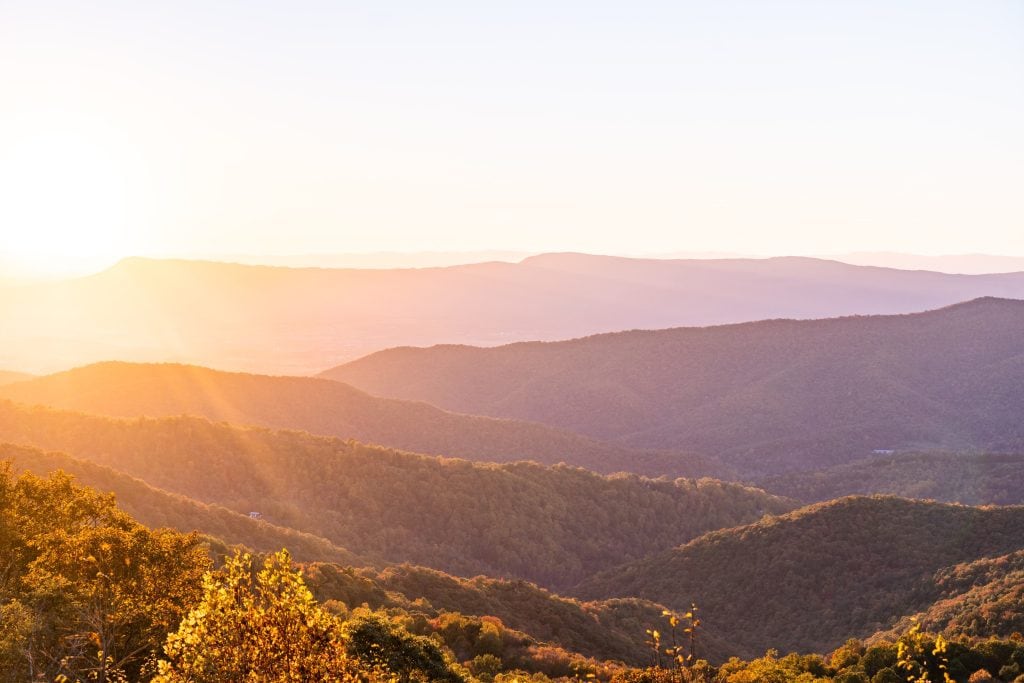
Shenandoah is a beautiful National Park located in the heart of Virginia’s Blue Ridge Mountains. What makes this place so special is its stunning landscapes, from the breathtaking views you get while driving along Skyline Drive to the lush, green Appalachian beauty that surrounds you. It’s packed with cascading waterfalls, loads of wildlife, and some of the best hikes you can imagine. If you’ve heard of Old Rag Mountain, yep, that’s here, and it’s a hit with everyone who visits.
With over 500 miles of trails, including a section of the famous Appalachian Trail, Shenandoah is a hiker’s dream. We conquered the challenging Old Rag Loop Trail (amazing views), but there are plenty of easier options with beautiful scenery too.
Virginia’s nickname is the “Old Dominion,” but Shenandoah feels brand new with all its cascading waterfalls. A must-see includes Dark Hollow Falls!
Driving Skyline Drive is a must! The 105-mile road offers breathtaking views of the Blue Ridge Mountains. We love pulling over at the overlooks to soak in the views (and snap a ton of photos).


Shenandoah National Park at a glance
State: Virginia
Cost: $30 (for a 7 day pass)
How to Get There: The park stretches over a large area, so the best way to get there depends on which part of the park you’re planning to visit. Generally, the most common access point is via Skyline Drive, which runs north-south along the crest of the Blue Ridge Mountains.
Getting Around: The best way to navigate the area is by driving, especially along the scenic ridgeline spanning 105 miles. You’ll also find several paved park roads branching off from Skyline Drive, offering access to waterfalls, campgrounds, and other attractions along the way.
Pet-Friendly: Shenandoah welcomes pets on most trails (with a leash no longer than 6 feet). They can also join you at campgrounds and some pet-friendly lodging options.
Campgrounds: There are five campgrounds with hundreds of sites spread throughout the park (none have electric hookups).
Permits/Reservations: From March 1 to November 30, if visitors plan to use trails in the Old Rag Area, which includes the Saddle, Ridge, and Ridge Access trails, they are required to obtain an Old Rag day-use ticket in advance. A backcountry camping permit is required for camping in Shenandoah’s backcountry, and campfires are prohibited.
Learn more about Shenandoah National Park
Blog post
How to hike Old Rag Mountain at Shenandoah National Park
YouTube video
Hiking up OLD RAG Mountain at Shenandoah National Park in Virginia (+ sunset on Skyline Drive)
3. Everglades National Park


Everglades National Park, sprawling across southern Florida, is huge, with endless marshes, thick forests of mangroves, and wide-open spaces of sawgrass. They call it the “River of Grass” because it really is a slow-moving river covered in grass, and it’s the largest tropical wilderness in the USA!
If you have time for only one activity in the Royal Palm area, we highly recommend taking a stroll down the Anhinga Trail! You get to walk right through the famous sawgrass, and you’re pretty much guaranteed to spot alligators, turtles, anhingas, herons, egrets, and many more!
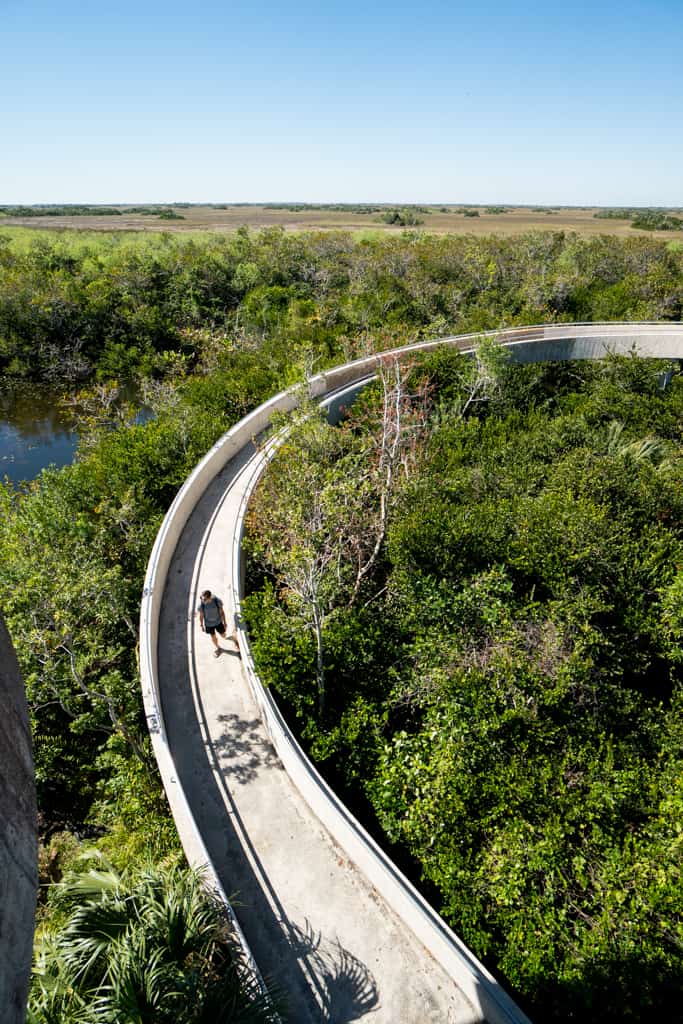
Shark Valley is famous for its Observation Tower, a 15-mile round trip from the visitor’s center. We tackled this paved loop through the heart of the Everglades on rented bikes. It was amazing!
Swinging by Robert is Here is a must-do on your Everglades trip. Even though it’s technically not in the park, this legendary Florida fruit stand whips up the most amazing tropical fruit smoothies from rare and exotic fruits, all handcrafted by Robert himself!

Everglades National Park at a glance
State: Florida
Cost: $35 (7-day pass)
How to Get There: Everglades National Park has three entrances, each located in a different city. Please note these entrances do not connect. From December through April, the City of Homestead provides seasonal trolley service to the Ernest F. Coe Visitor Center and Royal Palm. This is the only public transportation available anywhere inside the park.
Getting Around: A car is needed at the Everglades because the distances are long, and there is no public transportation within the park. Each of the three park entrances and the Flamingo Visitor Center inside are separated by at least an hour’s drive.
Pet-Friendly: You can bring pets on public roads, campgrounds, picnic spots, areas around public facilities, and on private boats. But remember, pets aren’t allowed on trails (boardwalk, paved, or dirt), unpaved roads, or the Shark Valley Tram Trail/Road.
Campgrounds: The park offers two campgrounds: Long Pine Key, which operates on a first-come, first-served basis near the Homestead entrance, and Flamingo, where reservations are accepted and highly recommended in the busy winter season.
Permits/Reservations: Wilderness permits are required for all overnight camping in the backcountry.
Learn more about Everglades National Park
Blog post
7 FUN things to do in the Everglades (Florida)
YouTube video
The BEST day at Everglades National Park! 🐊 (Hiking, biking, milkshakes, & MORE)
4. Biscayne National Park

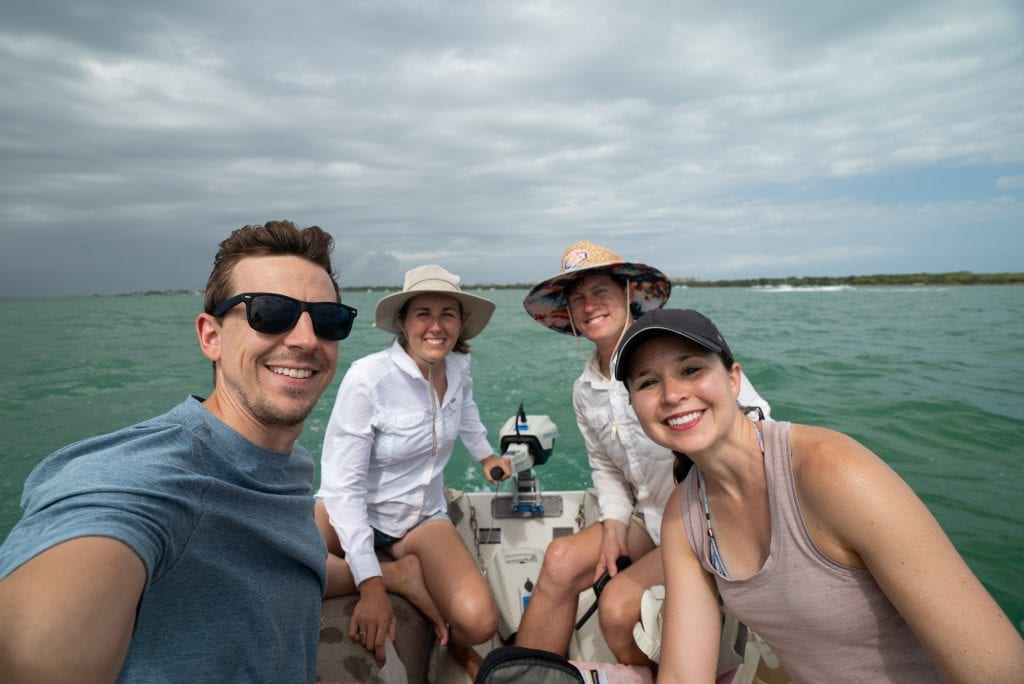
Just a short drive south of Miami, Biscayne National Park sits right on the edge of Florida’s mainland, and let me tell you, it’s not your typical national park, with 95% of it being water! Yup, you read that right! Plus, this place is home to one of the biggest coral reefs on the planet, making it a home to colorful marine life.
Honestly, if you’re into snorkeling or diving, Biscayne is a must! Especially because you can explore the shipwrecks of Biscayne Bay. The Maritime Heritage Trail is a great pick to see the shipwrecks, colorful fish, coral reefs, and dolphins or manatees!
Exploring the Boca Chita Lighthouse on Boca Chita Key is another must-do! The ornamental lighthouse is 65 feet tall and made of coral rock!
You can also explore by kayak through Biscayne Bay’s mangroves to see crystal-clear water, hidden coves, and the maze-like mangrove forests of Jones Lagoon!

Biscayne National Park at a glance
State: Florida
Cost: The park does not charge entrance fees, but docking for day use at Boca Chita and Elliott Keys costs $25 on Fridays through Mondays and federal holidays.
How to Get There: Most visitors access the park by boat. However, the city of Homestead runs a free trolley with various pickup locations and stops, including Biscayne National Park. Reservations are recommended for trolley use. The nearest airport to Biscayne National Park is Miami (MIA) Airport which is about 30 minutes away.
Getting Around: For those without boats, options include guided boat tours, exploring the Dante Fascell Visitor Center, and taking a stroll along the short jetty trail. To explore beyond the visitor center, a boat is necessary. There is only one mile of road available in the park, and there are no bridges or ferries to the islands or campgrounds.
Pet-Friendly: Pets are allowed at Convoy Point and Elliott Key. However, they are not permitted at Boca Chita Key, which includes boats docked in the harbor and the Dante Fascell Visitor Center.
Campgrounds: There are two campgrounds in the park. Both are located on islands, Elliott Key and Boca Chita Key, and are available on a first-come, first-served basis. Access to these islands is exclusively by boat, and you won’t find any services available there.
Permits/Reservations: A Florida saltwater fishing license is required.
5. Cuyahoga Valley National Park


Cuyahoga Valley National Park was one of the most surprising USA National Parks on the East Coast! Located between the urban areas of Cleveland and Akron in Northeastern Ohio, it offers lush forests, rolling hills, and so many wetlands to explore. One of the most iconic features is the Cuyahoga River. This “crooked river” has so much history and is filled with remnants of old mills and structures along its shores.
One of the best things to do in Cuyahoga Valley National Park is to see Brandywine Falls! Hike the short 0.2-mile (one-way) boardwalk trail for a breathtaking view from the lower deck.
The Ohio and Erie Canal has a fascinating history here, and we jumped at the chance to explore it by riding the Towpath Trail on bikes! This trail stretches an impressive 87 miles, with a scenic 20-mile section running right through Cuyahoga Valley National Park!
Another fun thing to do is hop on the Cuyahoga Valley Scenic Railroad for a train ride through the park! Running since 1880, the railroad offers a variety of tours. Plus, there’s an awesome option to combine biking, hiking, or kayaking with a train ride back, which is exactly what we did!


Cuyahoga Valley National Park at a glance
State: Ohio
Cost: Entrance to Cuyahoga Valley National Park is free!
How to Get There: Cuyahoga Valley National Park is a 30-minute drive from both Cleveland and Akron. The nearest airport is Cleveland Hopkins International Airport (CLE).
Getting Around: There is no park shuttle, but you can still explore by biking the Towpath Trail, or you can hop on the train (it won’t reach everything, though). Driving is probably the best way to see everything.
Pet-Friendly: Leashed pets are allowed on over 100 miles of hiking trails, plus on the Towpath Trail.
Campgrounds: Cuyahoga Valley no longer offers camping within the national park. Backcountry camping or staying overnight in parking lots is prohibited. However, there are a couple of RV parks and campgrounds located near the park, such as Silver Springs Campground and Streetsboro/Cleveland SE KOA Holiday.
Permits/Reservations: Cuyahoga Valley Scenic Railroad requires advanced tickets. The cost of a train ride is $18 per adult and $13 per child between the ages of 3 and 12.
Learn more about Cuyahoga National Park
Blog post
Things to do in Cuyahoga Valley National Park (+ a one day itinerary!)
YouTube video
Exploring Cuyahoga Valley National Park (Ohio) by foot, bike, & train!
6. Great Smoky Mountains National Park
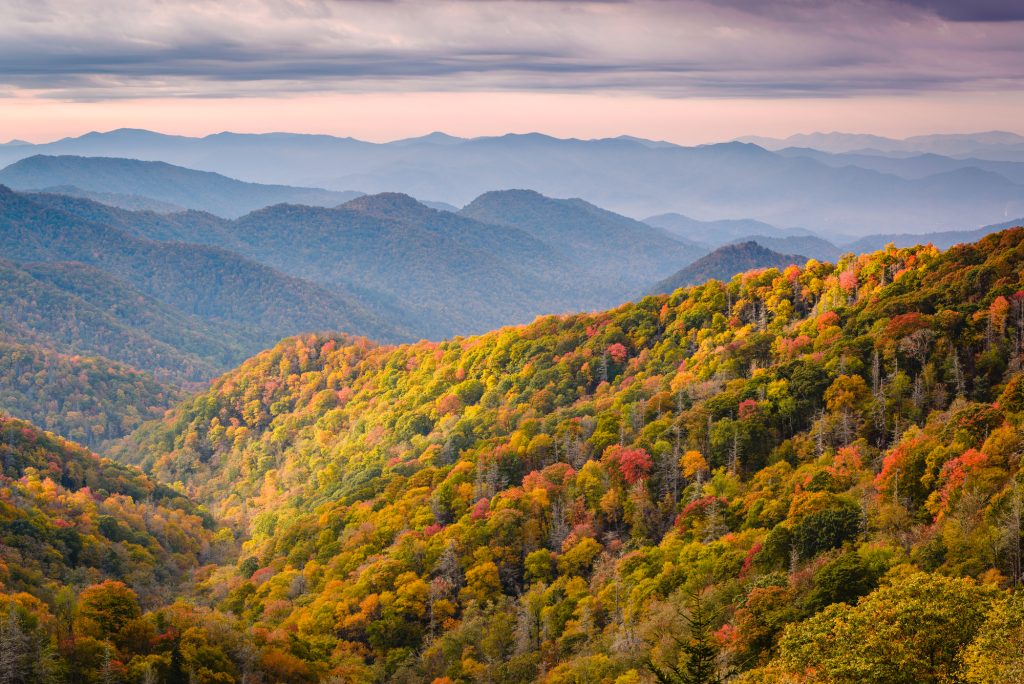
Did you know that the Great Smoky Mountains National Park is the most visited national park in the United States, with an astonishing 12 million visitors annually? No other park comes close! We love visiting the Smokies to see its ancient forests, with some dating back before European settlement, making it one of the largest areas of old-growth forest in North America!
One of the best things to do here is summit Clingmans Dome Observation Tower, sitting at 6,643 feet. It offers an opportunity to climb to the highest point in the park (and Tennessee!), with panoramic views that extend for miles on clear days.
A must-do hike in the Smokies is Ramsey Cascades, which features the tallest and most impressive waterfall. The water tumbles almost 100 feet down a pile of boulders before collecting in a small pool.
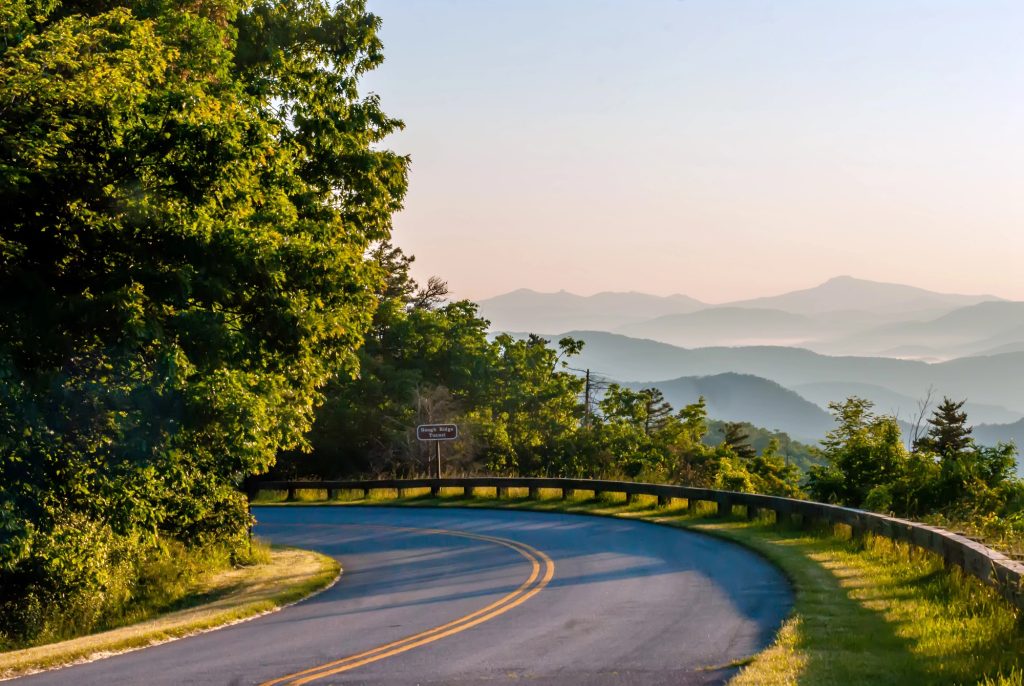
Beyond the trails, you can take a scenic drive along Blue Ridge Parkway or Newfound Gap Road for breathtaking views of the mountains and valleys.
Great Smoky Mountains National Park at a glance
States: North Carolina, Tennessee
Cost: Great Smoky Mountains National Park doesn’t charge an entrance fee, but if you’re parking for more than 15 minutes, you’ll need a parking tag, with daily ones going for $5, regardless of your vehicle’s size or type.
How to Get There: One of the most popular routes into the park is via Gatlinburg, TN. If you’re coming from North Carolina, Cherokee is a main entrance. McGhee Tyson Airport (TYS) in Knoxville, Tennessee, is the nearest major airport to the Gatlinburg entrance, about 45 miles away. Asheville Regional Airport (AVL) in North Carolina is closer to the Cherokee entrance, about 60 miles away.
Getting Around: In the Smokies, there are 384 miles of road to wander, most of them paved and the gravel ones kept in good condition for cars to drive on. However, these roads are on the narrow side, with blind curves and tight shoulders. If you’re thinking of bringing along a trailer, RV, or bus, some of the park’s back roads might not welcome them. From March through October, shuttle services are available, offering routes to some of the park’s top spots like Newfound Gap, Alum Cave Trailhead, and Chimney Tops Trailhead.
Pet-Friendly: Dogs are allowed in campgrounds, picnic areas, and roadsides if leashed. Only the Gatlinburg and Oconaluftee River Trails are dog-friendly, with no pets allowed on other trails.
Campgrounds: Developed frontcountry campgrounds are located at 10 sites within the park. Cades Cove and Smokemont Campgrounds are open year-round, while all other campgrounds operate seasonally.
Permits/Reservations: Reservations and permits are required for all overnight stays in the backcountry.
Learn more about Great Smoky Mountains National Park
Blog: 9 Best Hikes in the Smoky Mountains
7. New River Gorge National Park & Preserve
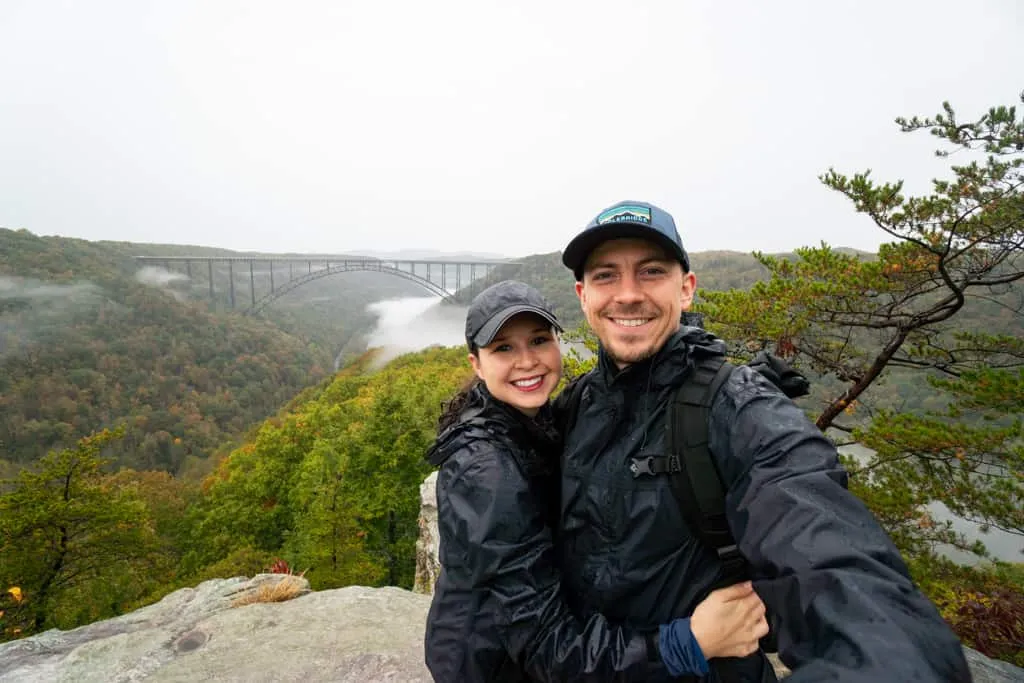
From its lush forests and rolling hills to the ancient New River, New River Gorge National Park in West Virginia is famous for its stunning landscapes, world-class whitewater rafting, and incredible rock climbing opportunities. Plus, the famous New River Gorge Bridge is super impressive!
The New River, one of the oldest rivers in North America, flows through the gorge, creating a beautiful landscape. In addition to its natural beauty, the park also features the remnants of coal mines and historic settlements.
Stroll across the iconic New River Gorge Bridge, the longest single-arch span bridge in the Western Hemisphere. Plus, walking beneath it on a guided Bridge Walk tour is a really neat experience. You’re 300 feet above the river—how cool is that?
The 3.2-mile Endless Wall Trail is a must-do for anyone visiting New River Gorge National Park. This hike hugs the rim of the gorge and offers mind-blowing views, especially from Diamond Point.
No trip to New River Gorge is complete without a white water rafting trip! The New River offers some of the best white water rafting in the country. With rapids ranging from class III to V, it’s an experience that will leave you drenched!


New River Gorge National Park at a glance
State: West Virginia
Cost: There is NO FEE to enter New River Gorge National Park and Preserve.
How to Get There: To get to New River Gorge by air, the nearest major airport is in Charleston, WV, about 70 miles northwest. For public transport, the Amtrak Cardinal line stops at Hinton and Prince three times a week and Thurmond by request. Greyhound serves Beckley, which also has taxi services in Oak Hill and Beckley.
Getting Around: Some park destinations require driving on narrow, winding roads, some of which are not paved. The New River Gorge National Park does not offer shuttle services within the park.
Pet-Friendly: Pets are welcome on all trails in the park but can’t enter buildings or visitor centers. They must be on a leash no longer than 6 feet at all times.
Campgrounds: There are no developed campgrounds in the park. The park offers 8 primitive camping areas (no water, electricity, or hookups, and just a few restrooms). Camping is free on a first-come, first-served basis, but spots fill up quickly during peak seasons, so it’s wise to have an alternative plan.
Permits/Reservations: Reservations are only accepted for group campsites.
Learn more about New River Gorge National Park
Blog post
7 Day West Virginia Road Trip Itinerary
YouTube video
A rainy day in the New River Gorge (West Virginia): Long Point, food, & fall views!
8. Indiana Dunes National Park

Nestled along 15 miles of Lake Michigan’s southern shore, Indiana Dunes is made up of two different parks—the Indiana Dunes National Park and the Indiana Dunes State Park, and includes sandy beaches, rolling dunes, wetlands, and prairies. Although this park is particularly well-known for its towering dunes (some reaching over 200 feet!), it’s also a haven for bird watchers, with over 350 species recorded in the area!
One of our favorite hikes at Indiana Dunes is Mount Baldy. This ever-shifting sand dune is a must-do. Hike (with caution!) to the summit for breathtaking views of the surrounding landscape. Just remember, climbing can be strenuous due to the loose sand.
You can also explore the Cowles Bog Trail. This unique bog ecosystem includes a boardwalk trail that winds through a wetland where you can spot tons of plants and animals!

Indiana Dunes National Park at a glance
State: Indiana
Cost: Since Indiana Dunes is made up of two different parks, each park requires a different entry fee or pass to visit. National Park entry fees offer a 1-7 day pass: $15 for individuals and $25 for families on foot, bike, or boat. Indiana Dunes State Park charges $7 for in-state and $12 for out-of-state daily passes.
How to Get There: To reach Indiana Dunes National Park, you can use the Chicago and South Shore Train, which stops within the park. Nearby airports include Chicago’s Midway and O’Hare International Airports. Additionally, small taxi services are available in the surrounding communities for local travel.
Getting Around: Driving offers easy access to most trailheads, beaches, and attractions within the park. Additionally, the park is bike-friendly, featuring numerous trails and roads ideal for cycling.
Pet-Friendly: Pets are allowed, but must be on a leash no longer than 6 feet at all times. They’re not allowed on Pinhook Bog Trail or the equestrian section of Glenwood Dunes Trail but can go on Pinhook Upland Trail and all beaches year-round, including when swimming. (Pets causing wildlife disturbance may lead to fines).
Campgrounds: Dunewood Campground consists of two loops containing 67 campsites with restrooms and showers but no electric or water hookups. Additionally, there are 5 Central Avenue Walk-In Sites, requiring a bit of a walk to reach your spot.
Permits/Reservations: You can reserve any sites at the campgrounds ahead of time.
9. Congaree National Park
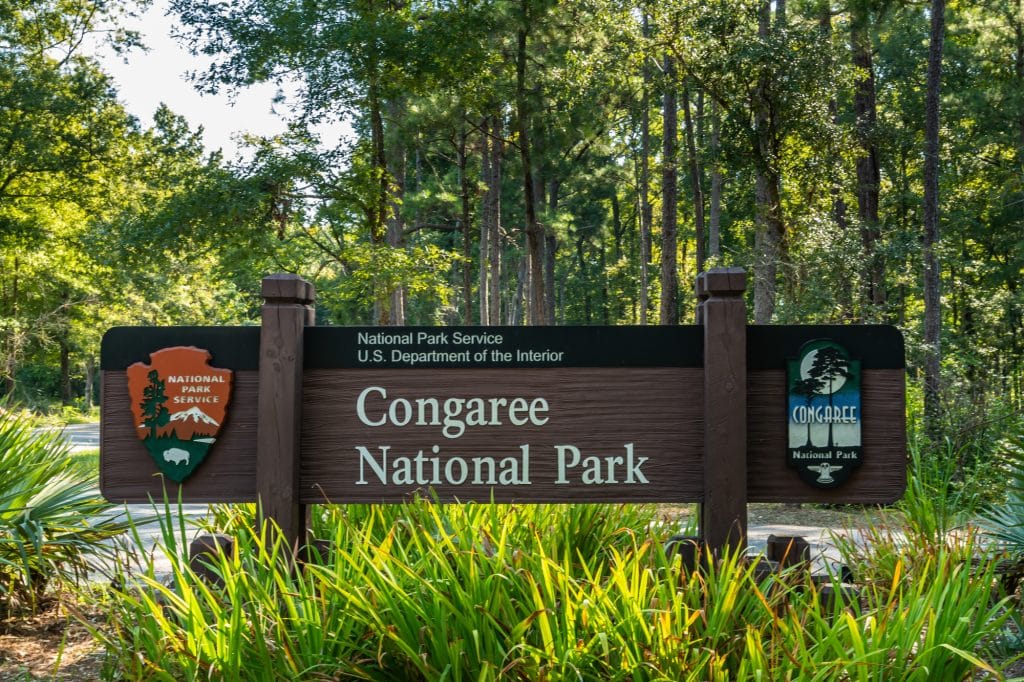
Congaree National Park is home to the largest intact expanse of old-growth bottomland hardwood forest in the southeastern United States! Located in South Carolina, this park offers a surreal experience with its soaring trees and winding waterways.
The Boardwalk Loop Trail is our absolute favorite easy walk. This 2.4-mile loop on a wooden walkway winds through the heart of the forest, allowing you to appreciate the sheer size of the ancient trees!
One of the top things we want to do next time is canoe or kayak down Cedar Creek. Look out for wildlife like turtles, birds, and maybe even an alligator in the Congaree Swamp (from a safe distance, of course!).
If you’re visiting in late May or June, do not miss the fireflies. Seeing the forest twinkle with their bioluminescent light feels like stepping into a fairytale.


Congaree National Park at a glance
State: South Carolina
Cost: Entrance to Congaree National Park is free.
How to Get There: Congaree National Park is located in South Carolina, about 20 miles southeast of Columbia. The best way to get there is to drive. The COMET offers bus service to and from the park via Bus Route 47. The closest major airport is the Columbia Metropolitan Airport (CAE), which is about 30 minutes away.
Getting Around: Getting around Congaree National Park is best done on foot or by canoe/kayak in the waterways, as the park’s main attractions are its hiking trails and scenic river. The park does not offer shuttle services.
Pet-Friendly: Pets are allowed on all trails, including the boardwalk, as well as in the campgrounds! All dogs must be kept on a leash (no more than 6 feet in length).
Campgrounds: There are two frontcountry campgrounds in the park (Longleaf Campground and Bluff Campground). Only tents and hammocks are allowed in the campgrounds.
Permits/Reservations: All visitors planning to camp at either the Longleaf or Bluff Campgrounds are required to make reservations. Camping in the backcountry is free and requires a permit. Ranger-guided Canoe tours are offered on a limited basis and may be reserved.
10. Mammoth Cave National Park
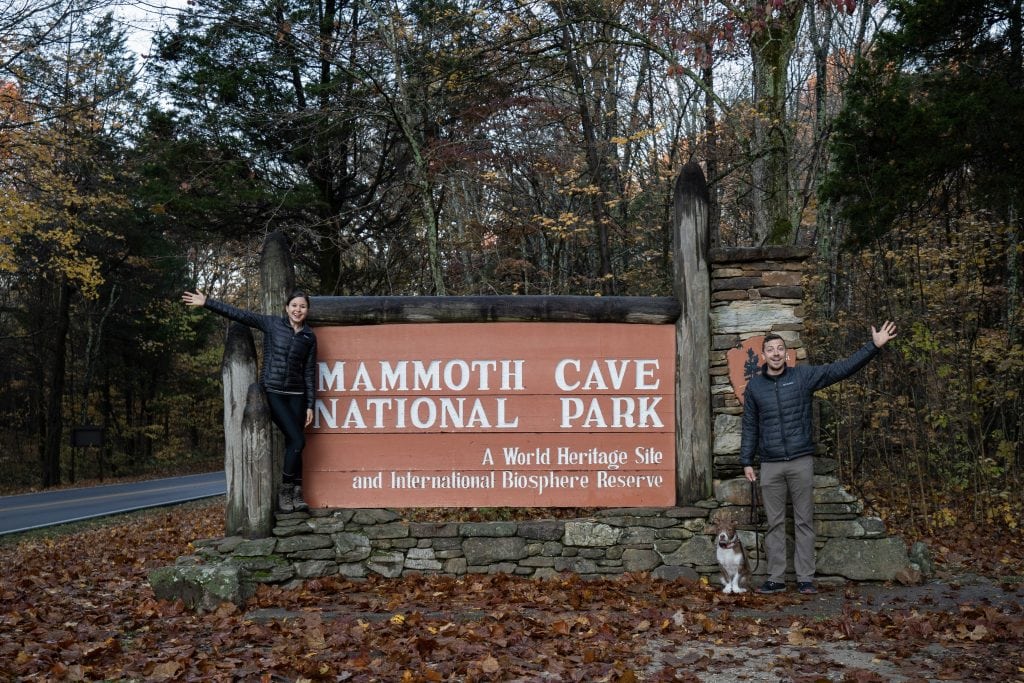
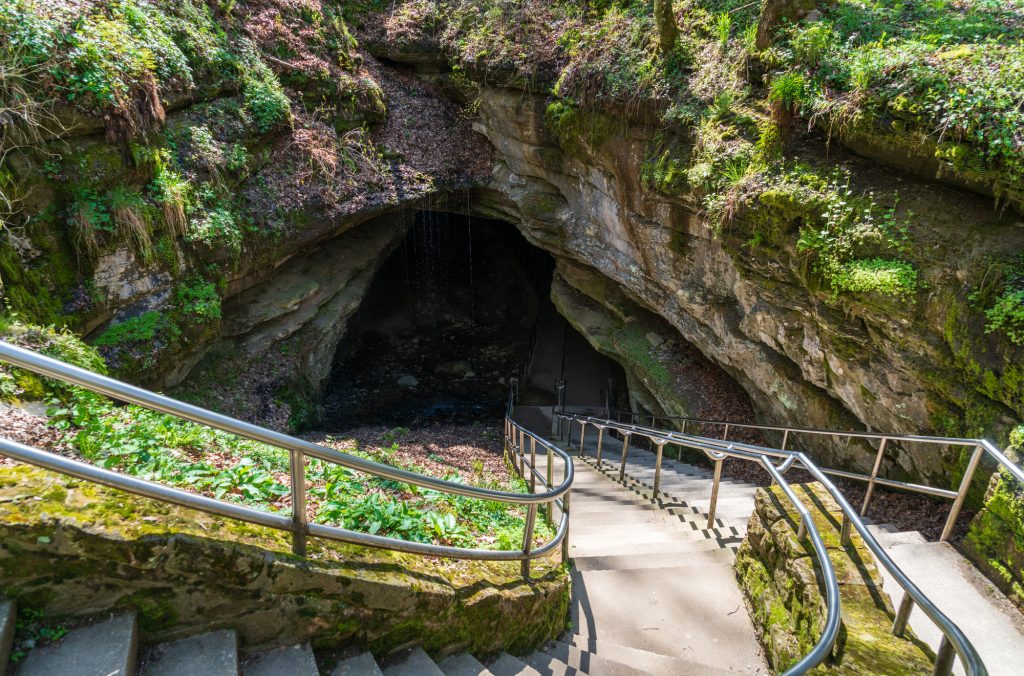
Located in the heart of Kentucky, Mammoth Cave National Park is home to the world’s longest cave system, with more than 400 miles explored. It’s a place where you can explore massive underground passages filled with limestone formations, deep pits, and large chambers. The sheer scale of it is mind-blowing!
The Domes and Dripstones Tour is an absolute must-do, especially if it’s your first time here. You get to wander through incredible cave formations like the Frozen Niagara!
For the truly adventurous, the Wild Cave Tour is a challenging six-hour adventure that takes you deep into unexplored passages. Expect tight squeezes, muddy crawls, and an unforgettable spelunking experience.
Above ground, the park’s rolling hills, deep river valleys, and lush forests in Kentucky offer some fantastic hikes! The Sinkhole Trail is an easy 2.4-mile loop trail that takes you past several sinkholes, which are collapsed caves!
We also recommend Echo River Springs Trail, a 0.75-mile loop trail that leads to Echo River Spring, one of the largest springs in Kentucky.
Mammoth Cave National Park at a glance
State: Kentucky
Cost: Getting into Mammoth Cave National Park is free! However, to go into the cave, you must purchase a tour ticket.
How to Get There: Most visitors get to Mammoth Cave National Park by car. Biking is also a great option, with several roads part of the U.S. Bicycle Route System and a 9-mile trail connecting the park to Park City, Kentucky. The nearest major airports are in Louisville, KY (89 miles away) and Nashville, TN (99 miles away). However, there’s no public transport near the park.
Getting Around: Mammoth Cave National Park does not offer shuttle services within the park. The primary way to explore the park, including its famous cave tours, is on foot. To travel between the North and South Sides of the park, visitors can use the Green River Ferry!
Pet-Friendly: Pets can’t go into caves or buildings, but they’re welcome on all surface trails as long as they’re on a leash no longer than 6 feet.
Campgrounds: Mammoth Cave National Park offers three campgrounds near the entrance (Mammoth Cave, Maple Springs, and Houchin Ferry) and 13 backcountry or riverside camping options. Getting to these secluded sites means a good hike, a horseback ride, or a paddle down the river.
Permits/Reservations: During the busy summer and early fall, cave tours tend to fill up quickly, so it’s highly recommended to book your spot in advance. If you’re planning to backcountry camp in the park, you’ll need to get a permit.
11. Dry Tortugas National Park

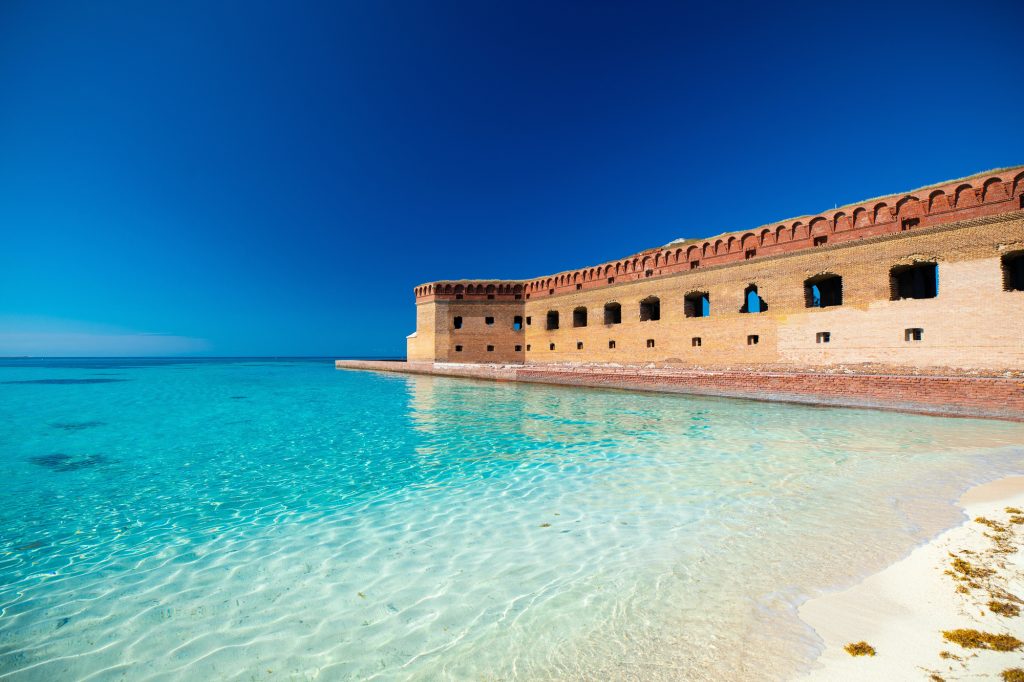
Dry Tortugas National Park in Florida is a remote island paradise, boasting seven small islands reachable only by boat or seaplane. It’s been on our bucket list for ages, and we can’t wait to finally make the trip! We’re especially excited to explore Fort Jefferson, which has a fascinating history as a Civil War-era prison!
One of the best things to do here is check out Fort Jefferson. You can wander around the fort’s extensive grounds, including its walls, gun emplacements, and moat!
If you are into snorkeling, you can dive into the colorful coral reefs right off Garden Key’s shores. It’s an amazing way to see the sea life and coral beauty that Dry Tortugas has to offer! You can also head over to Loggerhead Reef for a snorkeling or diving trip. You’ll find a cool shipwreck and tons of different sea creatures there.
Dry Tortugas National Park at a glance
State: Florida
Cost: $15 per person (for a 7 day pass).
How to Get There: Dry Tortugas National Park is 70 miles west of Key West, Florida, on an island where cars can’t go. To get to Garden Key, you’ll need to hop on a private boat, book a seaplane tour, or take the Yankee Freedom Ferry.
Getting Around: Once you arrive at Dry Tortugas National Park, your mode of transportation will depend on your activities. Most of the park is concentrated on Garden Key, the largest island, where Fort Jefferson is located. The historic fort, visitor center, and other park facilities are all within walking distance.
Pet-Friendly: Pets are welcome on Garden Key but must be leashed and supervised at all times. They are not allowed inside Fort Jefferson or on any other key within the park.
Campgrounds: Campsites at Dry Tortugas are available only on Garden Key. First come, first served for all regular sites. Camping transportation is limited to private boats, permitted tour guides, or commercial ferries.
Permits/Reservations: Boat permits are required for all vessels entering the park. Obtain a free boat permit at Park Headquarters on Garden Key.
Tips for Visiting East Coast National Parks

Arrive Early: East Coast National Parks are popular spots, especially in peak seasons. To avoid the crowds and make the most of your visit, aim to arrive at the park entrance before sunrise.
Download Maps: Cell service in many national parks is spotty at best. To ensure you don’t lose your way, make sure to download maps for offline use before setting off. Apps like AllTrails are fantastic for following trails even when you’re off the grid. Want to get 30% off an AllTrails+ membership? Use our code aplusk30 (you must redeem this code on the website, not the app)!
America the Beautiful Pass: If you’re a regular visitor to the parks, consider getting an America the Beautiful Pass for $80 a year. It grants access to over 2,000 federal recreation sites, including all the National Parks!
Traveling with Pets: Every park has its own rules when it comes to pets. It’s important to look up any pet restrictions ahead of time. If you’re bringing your pet along, remember to carry waste bags and keep them leashed at all times.
Dress for Success: The weather can be unpredictable, especially along the coast and in the mountains. To be prepared, pack layers, waterproof clothing, and sunscreen in your bag. Check out what gear we take on all our hikes!
Book Campsites in Advance: If camping is on your agenda, make sure to book your campsite well in advance. Campsites at East Coast National Parks tend to fill up quickly, especially during peak seasons.
Respect Wildlife: These parks are home to a variety of wildlife, so be sure to respect their space and habitat. Keep your distance, follow park rules regarding wildlife encounters, and avoid feeding or disturbing them.
Leave No Trace Principles: Follow Leave No Trace principles by packing out all your trash, respecting fire restrictions, and camping only in designated areas.
About the Author
This blog post was written by our writer Nicoll. Learn a bit about her below!
After six years of full-time travel, Nicoll is now a mountain-loving mama living in Colorado with her husband Jake, their sweet baby girl Teagan, and their pup Gunner. She loves hiking, riding her dirt bike, and finding joy in the little things.
Ready to explore the East Coast National Parks?
Pin this guide with the 11 must-visit East Coast USA National Parks to plan your visit!

