Last updated on July 17th, 2026
We’re sharing the best things to do at Haleakalā National Park, from epic volcanic hikes, to waterfalls and bamboo forests.
Haleakalā is the first national park we ever visited, back in 2014! We’ll never forget driving up to the summit at 3 AM on our honeymoon, in complete darkness, with the goal of seeing the sun rise above the island. Only to be greeted with…a wall of fog. 🤦🏻♀️
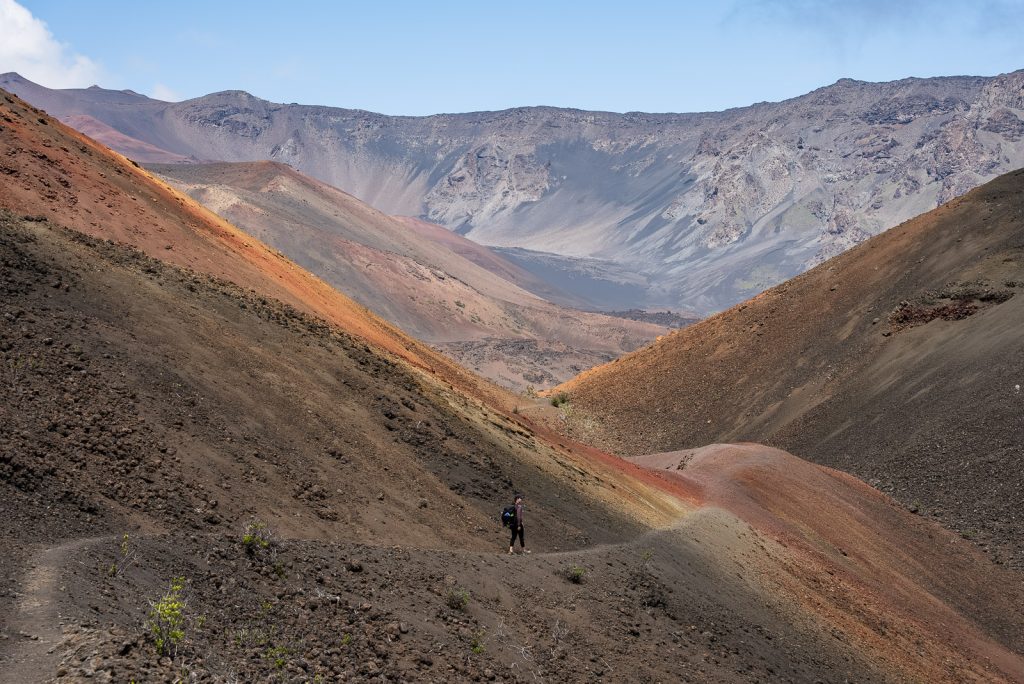
We have since returned to the island two more times and given Haleakalā more chances to show us its beauty. And it has completely blown us away! Where else can you see a rugged coastline, hike among a bamboo forest, and stand below a massive waterfall, but also drive 10,023 feet up to a volcanic summit?
For us no trip to Maui is complete without experiencing at least some of Haleakalā. And in this guide we’re sharing all of our favorite things to do at Haleakalā National Park, based on all three of our trips. Plus some helpful tips and important things to know before you go!
Looking for more things to do on Maui?
- 30+ Incredible Things to Do on Maui, Hawaii
- Ultimate 5 Day Maui Itinerary: Experience the best of the island!
- How to visit Haleakalā National Park at sunrise: Everything to know!
- How to hike the Pipiwai Trail to Waimoku Falls at Haleakalā National Park
- Driving the Road to Hana in Maui: 20+ BEST stops & helpful tips!
- 15+ Must Visit Beaches on Maui
- Our Top 20 Maui Travel Tips for First Time Visitors
- The Ultimate Maui Packing List (with downloadable list!)
- Read all of our Hawaii travel guides
- Watch our Hawaii videos
About Haleakalā National Park
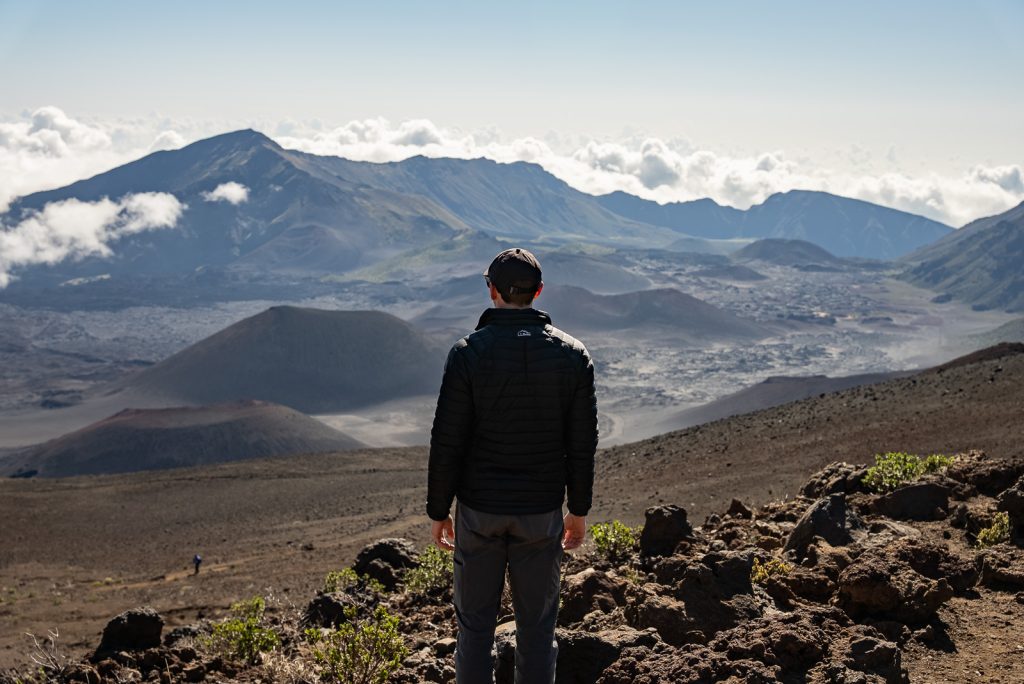
Haleakalā National Park is one of two national parks on the Hawaiian Islands, along with Hawaii Volcanoes National Park on the Big Island.
Haleakalā is a shield volcano and the tallest peak on the island of Maui. It first began forming 2 million years ago, emerging from the seafloor. And if you measure it today from the seafloor, it stands at 28,000 feet tall, making it the third tallest mountain on Earth! It has gone through countless eruptions over the years, last erupting somewhere between 400-600 years ago.
Haleakalā makes up about 75% of Maui’s landmass and the national park is split up into two districts, the Summit District and the Kīpahulu District.
The Summit District is accessed via the steep Haleakalā Highway and goes up to Haleakalā’s peak at 10,023 feet. Here you’ll find otherworldly volcanic terrain, sweeping views of the island and ocean, and native flora and fauna, like Silverswords and Nēnē. While the park’s Kīpahulu District, along the Road to Hana, offers a completely different experience, with a bamboo forest, waterfalls, and coastal scenery. There is no road connecting the two districts, you have to go around the island. But trust us, both drives are worth the time and effort!
Fun fact: The name Haleakalā means “House of the Sun” in Hawaiian. According to a Hawaiian legend, the mother of Maui, a Polynesian demigod, expressed that the sun traveled too fast across the sky, not leaving enough daylight to dry a bark cloth she was making. So Maui climbed up Haleakalā and lassoed the sun, capturing it until it agreed to slow down.
Things to do at Haleakalā National Park
Compared to some other national parks, which can be overwhelming with options, Haleakalā National Park doesn’t boast that many things to do. But what it does offer is top notch! You can find a mix of viewpoints, short hikes, and longer adventures, which means there’s a little something for everyone. Plus, since there aren’t endless things to do, seeing it all can be doable in one trip. With a little luck from Mother Nature, of course!
Summit District
1. Go stargazing
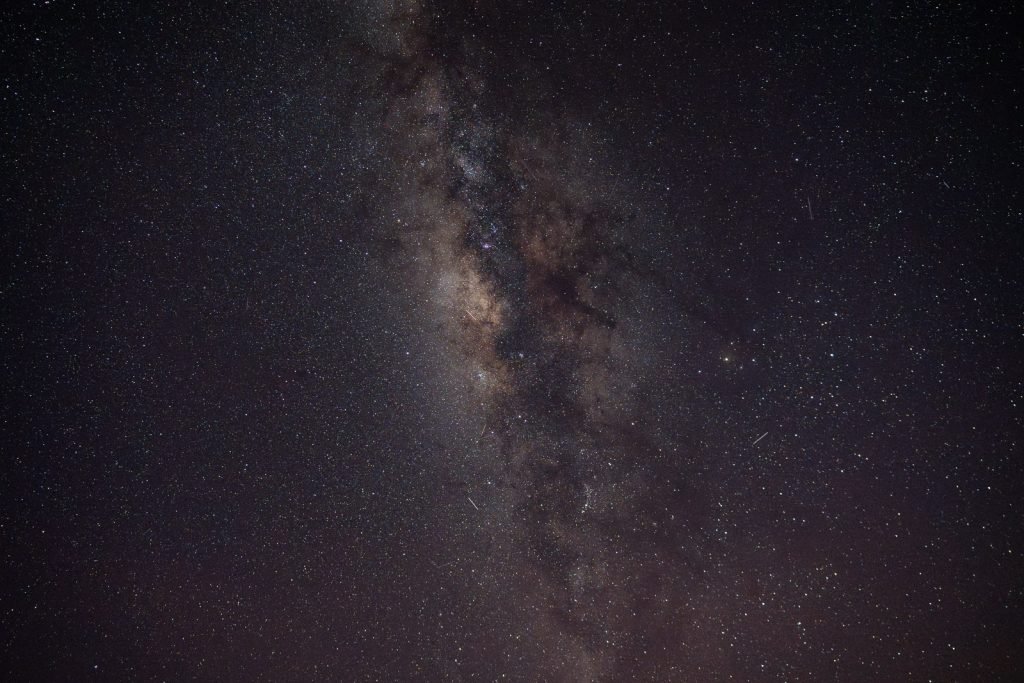
If you catch Haleakalā National Park on a clear night or morning, you will be treated to some incredible stars. So if you visit the park for sunrise or sunset, make sure to arrive early or late to see the night sky!
During our most recent visit to the park, we were able to witness the Milky Way with the naked eye after arriving at the summit shortly after 4:30 AM for sunrise. But we imagine the stars were even better if we had arrived in the park right at 3 AM (when the entrance opens for sunrise reservations).
Important note: First, you will need a sunrise reservation to enter the park between 3 AM-7 AM. More on that below! Also, you are not allowed to sleep in a vehicle at the summit. So before or after your stargazing, make sure to head out of the park. If you want to stay overnight, you can camp at the Hosmer Grove Campground.
2. See sunrise (or sunset) at the Haleakalā summit
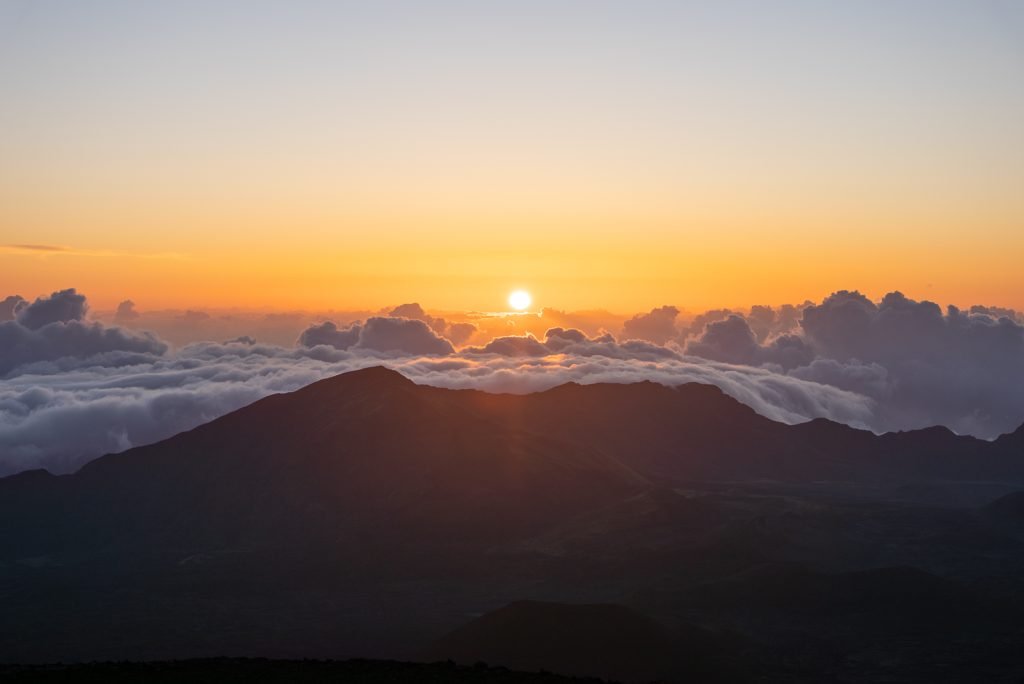
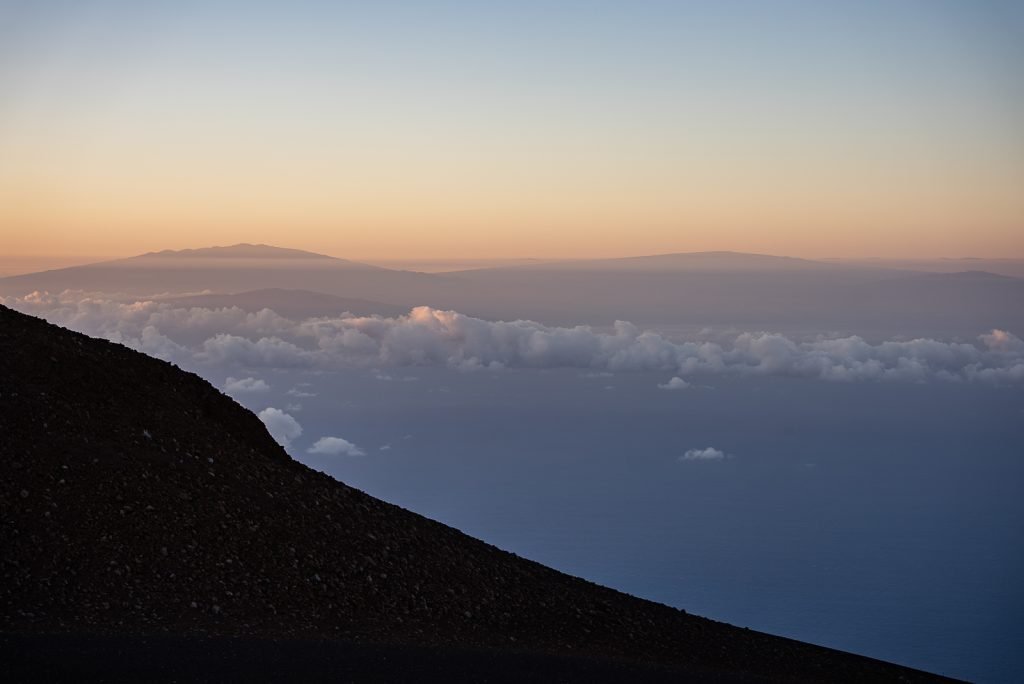
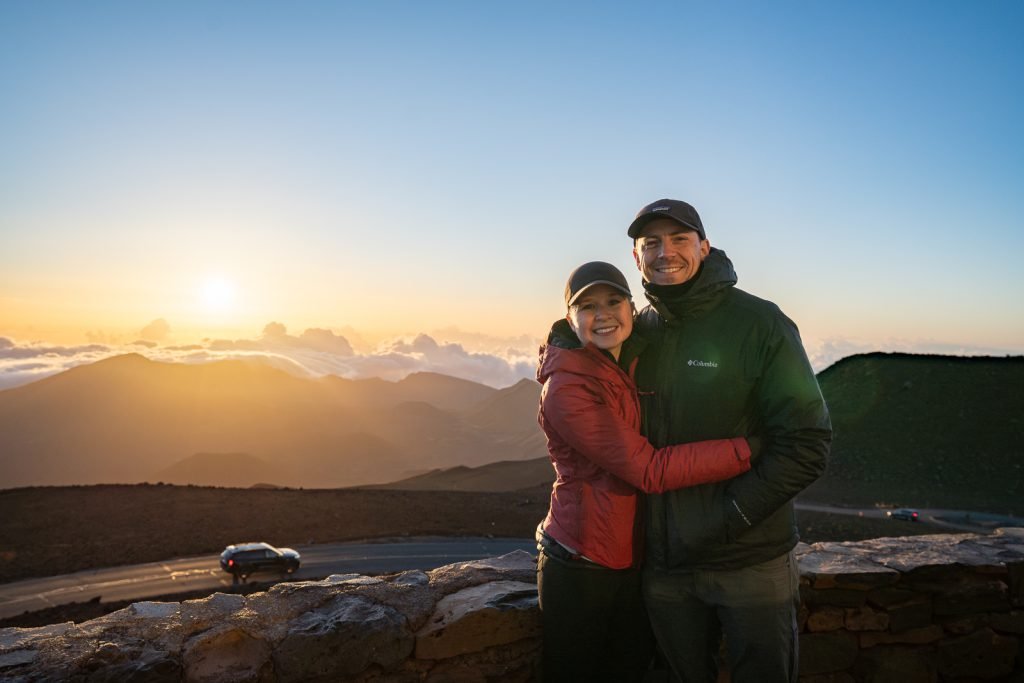
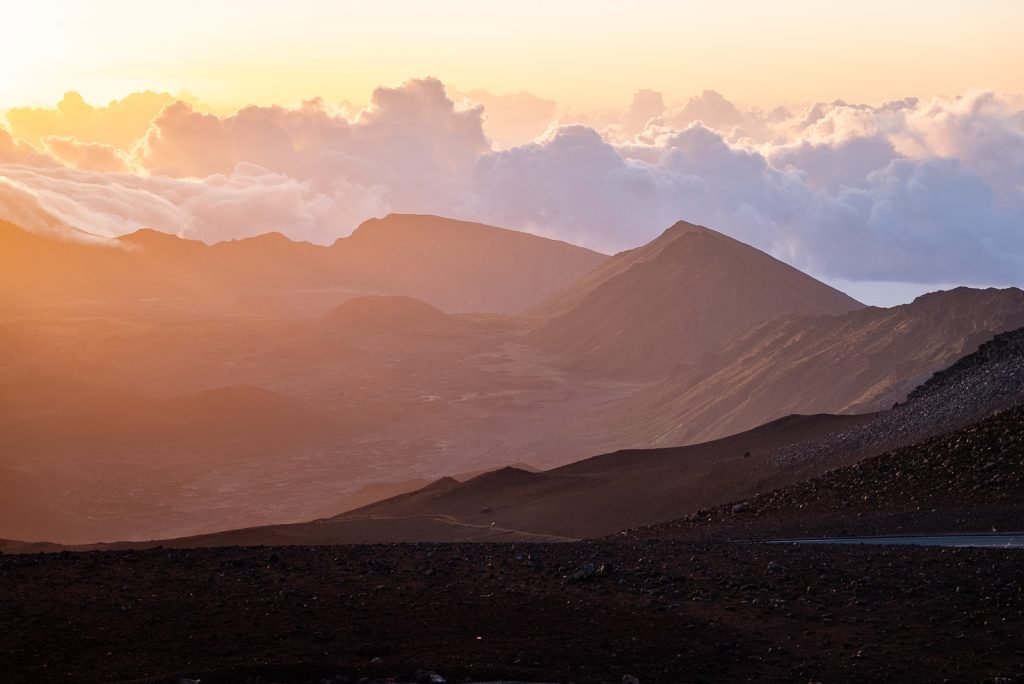
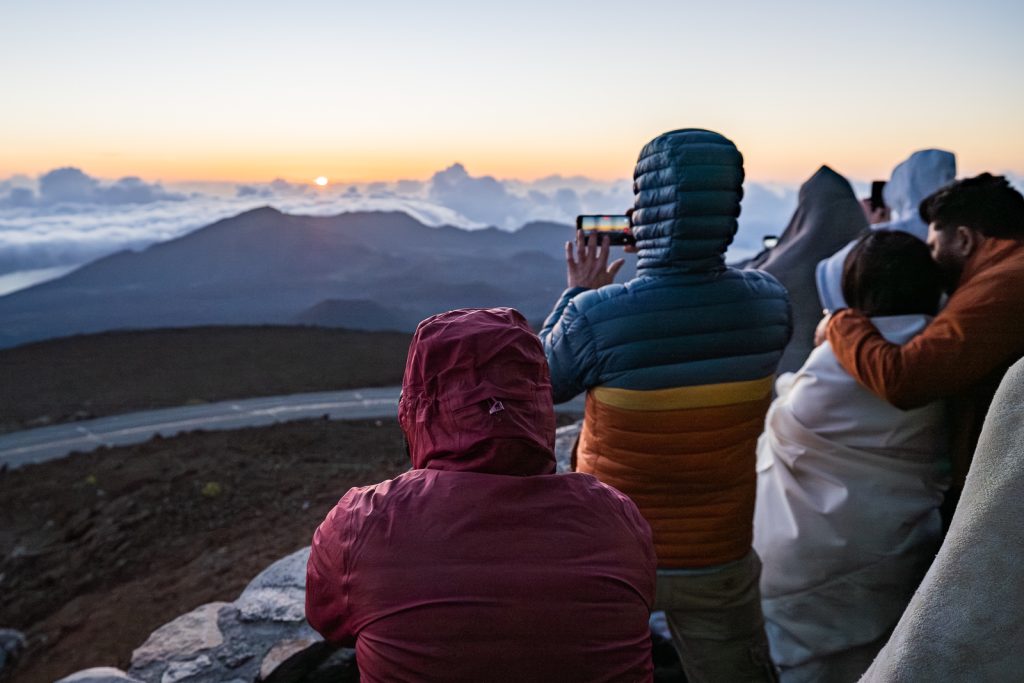
One of the top things to do in Haleakalā National Park (and in Maui in general!) is seeing the sunrise from the Haleakalā summit! In fact, this is the activity that most visitors to the park visit for.
However, there is quite a bit to know before you do this. We have a detailed guide to watching the sunrise at Haleakalā, but here are a few quick tips:
- You will need a sunrise reservation to enter the park between 3 AM-7 AM. These reservations cost $1 per vehicle and become available 60 days in advance or 2 days in advance, so make sure to set a reminder to get one. You’ll also need to pay the park entrance fee, unless you have the America the Beautiful pass.
- It’s best to get to the summit 60-90 minutes before sunrise. And it’s a long drive from most hotels, so plan accordingly.
- It is VERY cold at the top, so pack layers, blankets, and a hot drink. Although, keep in mind there is no toilet at the summit. The nearest toilet is at the visitor center, a short drive down the road.
- Conditions may vary! Our first two attempts to see sunrise at Haleakalā were completely foggy. But the third time was the charm!
- If you don’t want to drive yourself, you can book a Haleakalā sunrise tour.
Don’t want to get up for sunrise? We hear the sunset at the Haleakalā summit is amazing, plus no reservations are needed.
3. Hike in the Haleakalā crater
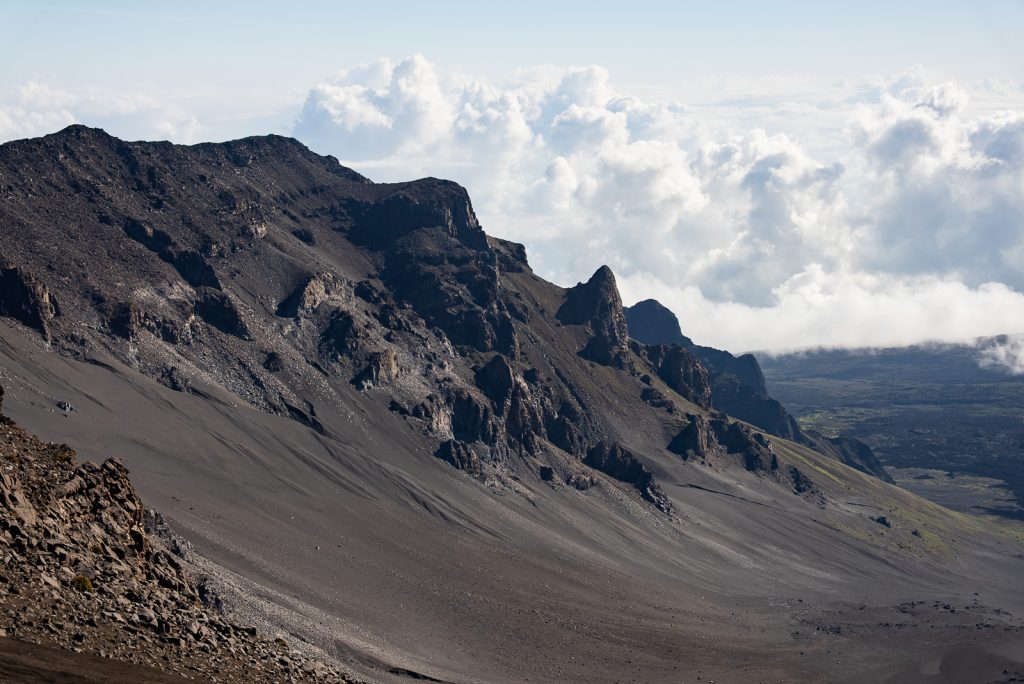
Most visitors only visit Haleakalā National Park’s Summit District for sunrise (or sunset) and immediately head down afterwards. And on our first two trips to the park, we did the same. But in our opinion, they are missing the best part of the park!
Our personal favorite thing to do at Haleakalā National Park is to hike in its crater. Which technically, is actually a valley. The volcano’s original crater eroded away and has left this 3,000 foot deep, 7 mile long, and 3 mile wide valley that has been carved by water and landslides. It is absolutely spectacular!
To experience the Haleakalā crater, there are two main hikes. Plus a way to combine them, for what we think is the best hike at Haleakalā National Park!
Sliding Sands Trail (Keonehe‘ehe‘e)
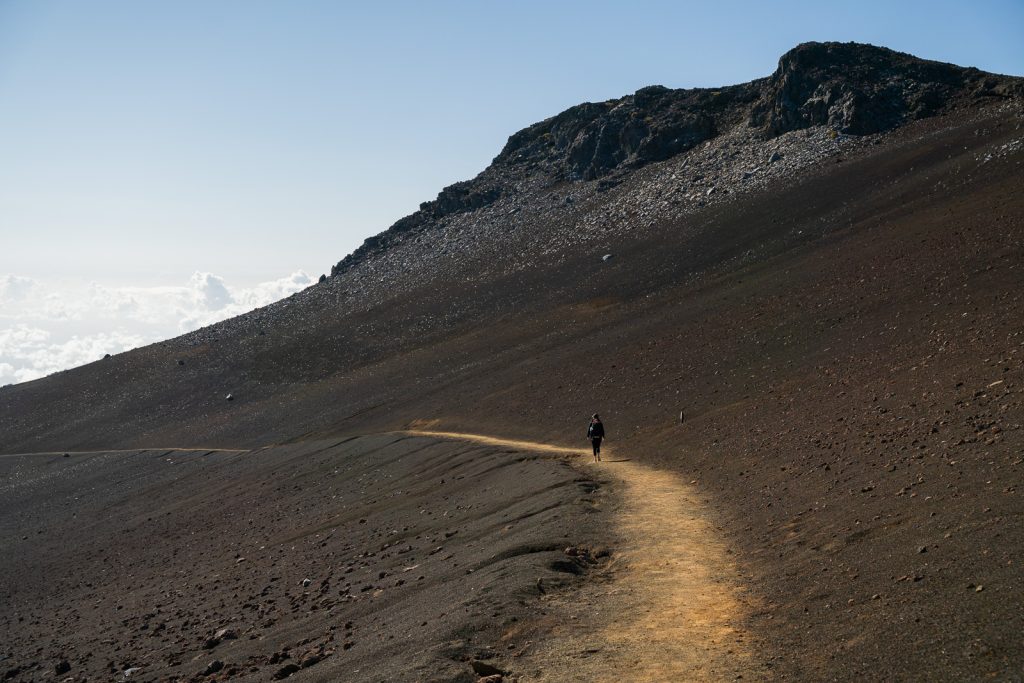
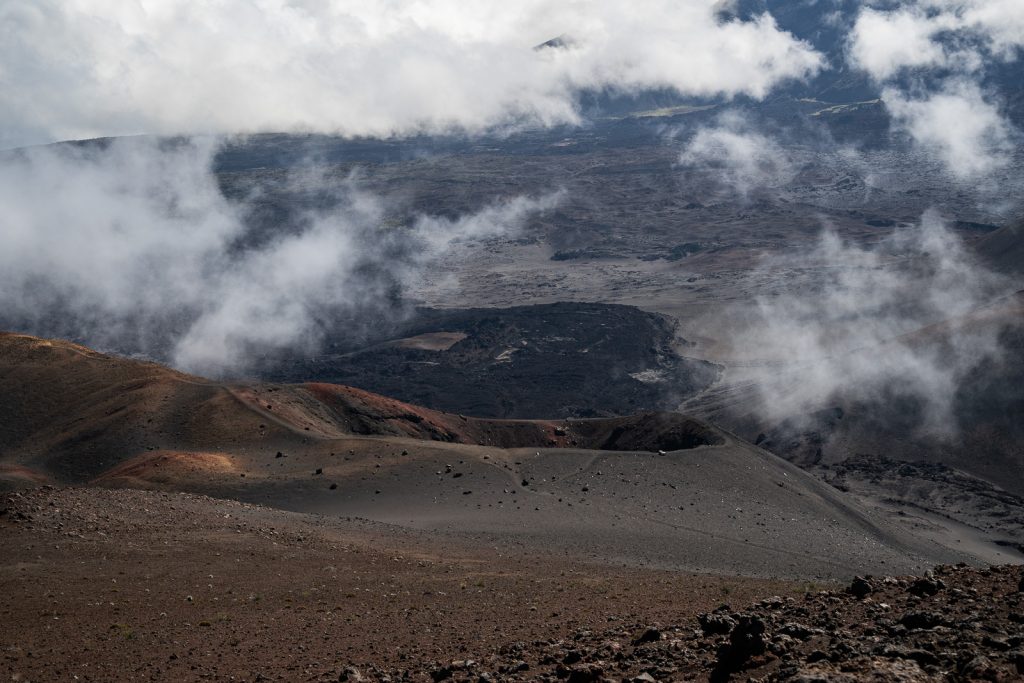
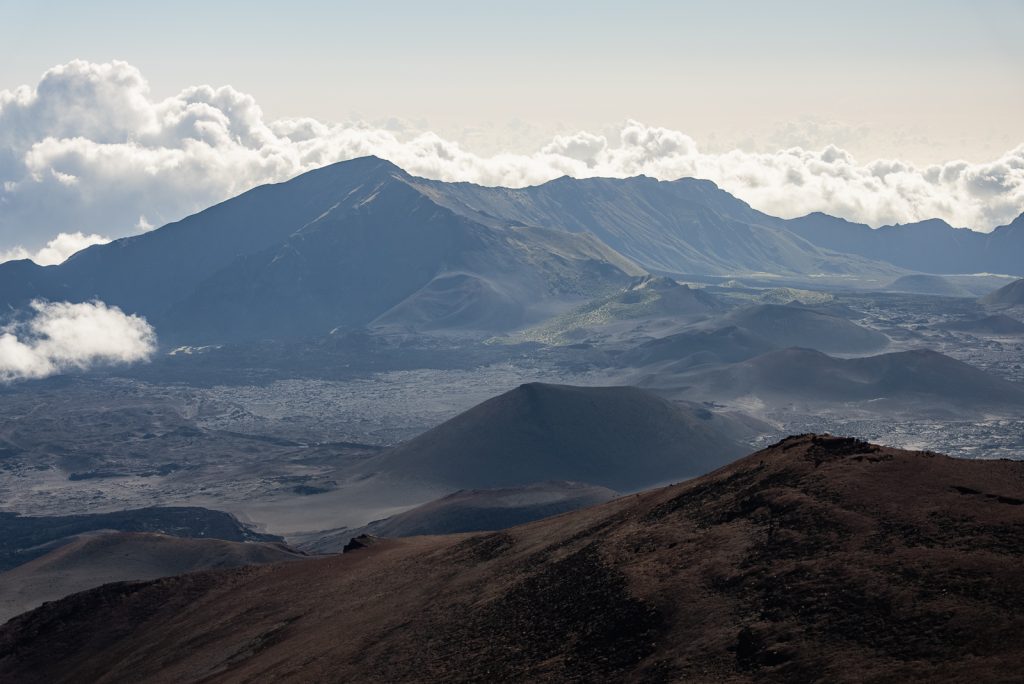
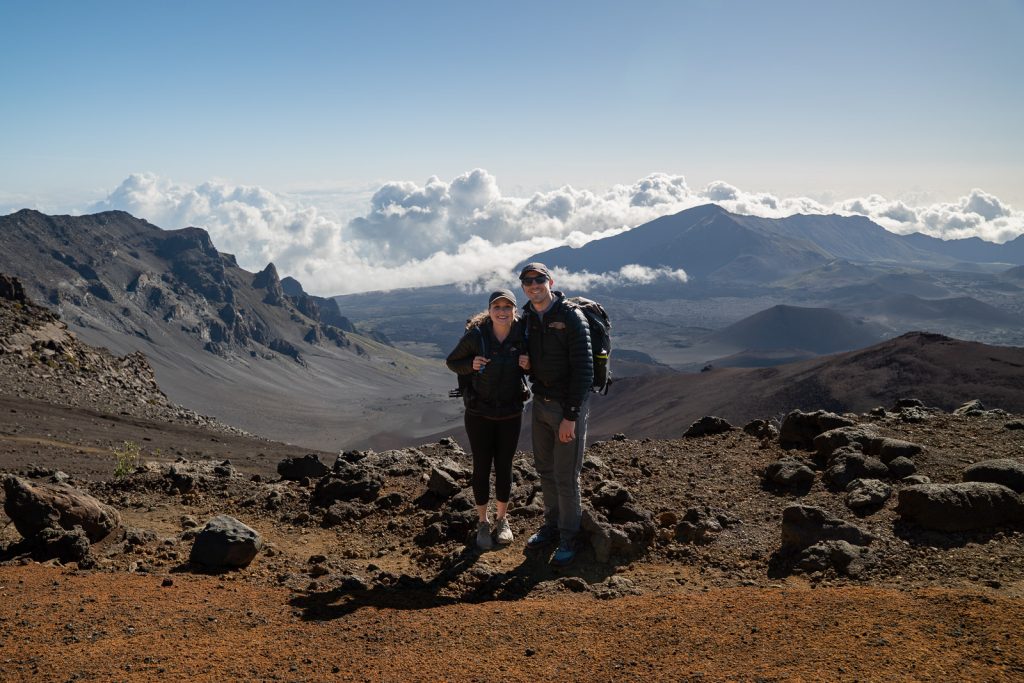
The Sliding Sands Trail (18.2 mile round trip) descends over 3,400 feet from the visitor center, all the way across the crater, to the Palikū Campground. However, unless you’re camping at Palikū, most day hikers will just do a small portion of this hike. You can go as little as one mile in and have fantastic views or turn around at Kapalaoa Cabin (11.8 miles round trip).
Halemau’u Trail
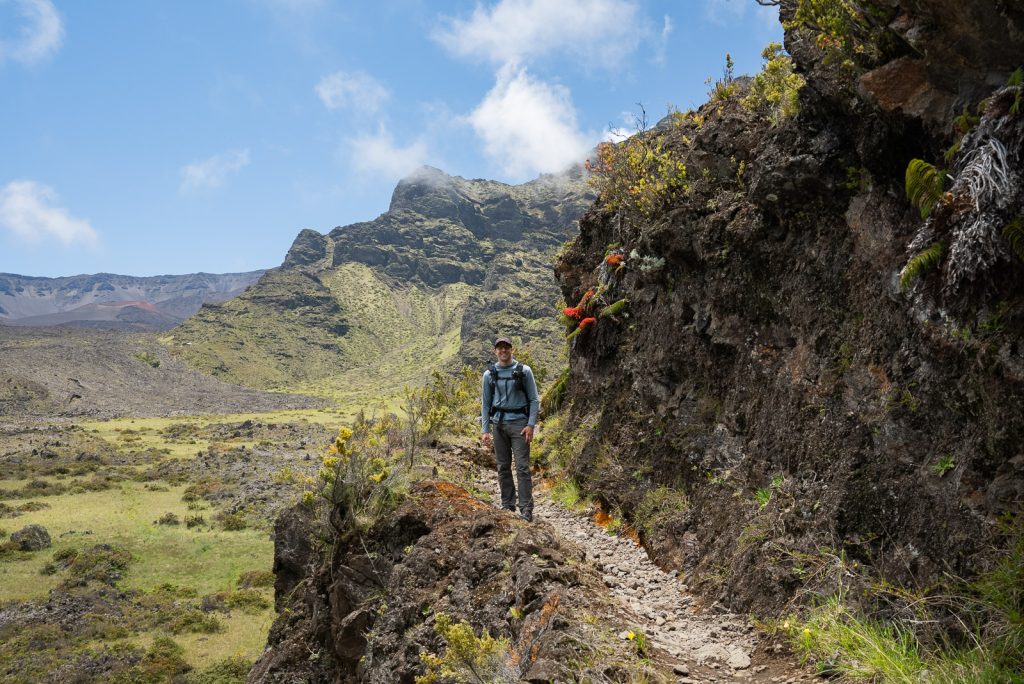
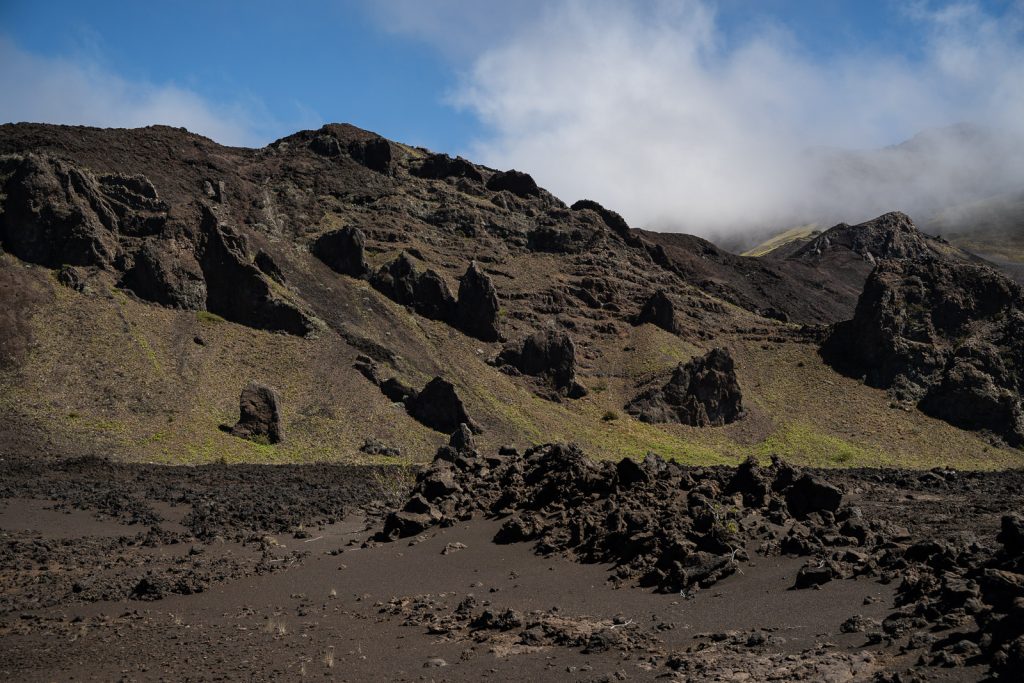
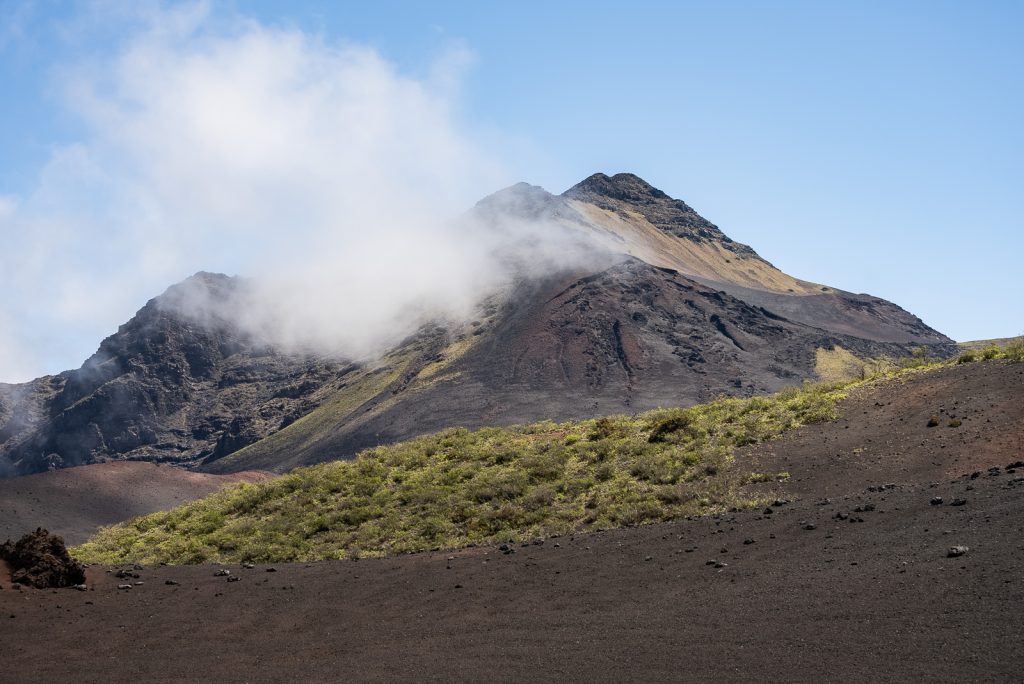
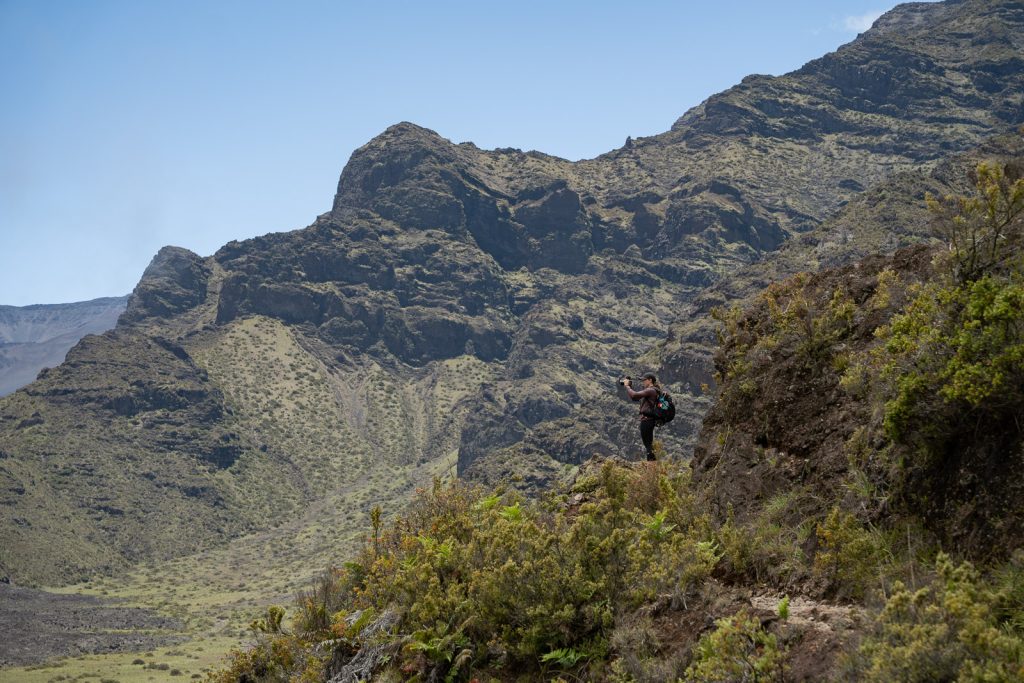
The Halemau’u Trail (7.9 miles round trip) also takes you down into the crater, but starting at a lower elevation. However, it’s still very steep! As you descend, you’ll be going down endless switchbacks that are carved into a rocky cliff face, with lush ferns lining the trail. It’s vastly different in terms of scenery from the Sliding Sand Trail, but still so magical!
The only downside of just doing this trail is that while you’ll see the more volcanic looking portions of the crater from the switchbacks, it doesn’t take you into that area, like the Sliding Sand Trail does. Which is why we suggest combining the two hikes together!
Combine the Sliding Sands and Halemau’u Trails
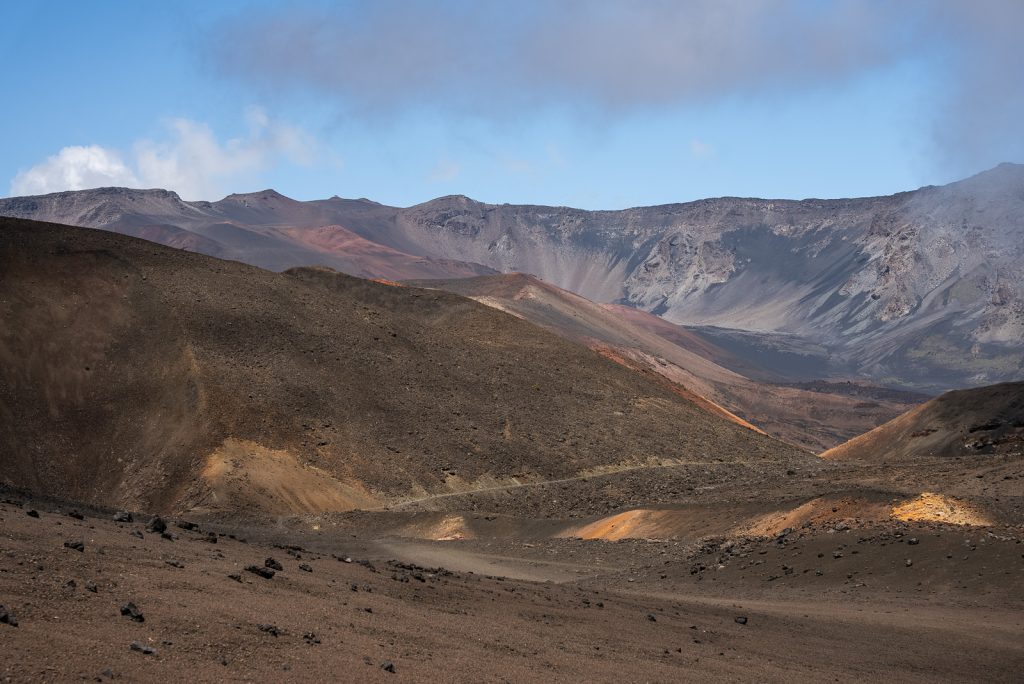
For the ultimate day hike at Haleakalā National Park, combine the Sliding Sands Trail and Halemau’u Trail into one 11 mile hike! This hike will take you through otherworldly volcanic terrain on the Sliding Sands Trail before cutting across the Haleakalā crater about 4 miles in and hiking back up the Halemau’u Trail. You’ll experience a wide variety of scenery and terrain along the way, giving you a chance to see so much of what the crater has to offer!
However, since this hike starts and ends at different spots, you will need to hitchhike, either before or after your hike. We recommend parking at the Halemau’u trailhead and hitchhiking up to the visitor center to the Sliding Sands Trail. That way, when you finish the hike, you’ll finish at your car. Plus we think going up the Halemau’u Trail is a bit easier than the Sliding Sands Trail.
There is a designated hiker pick up area near the Halemau’u Trailhead, which makes hitchhiking feel a bit safer. We lucked out and got picked up by the first car, but the park ranger told us she has never waited more than 30 minutes.
4. Go on a backpacking trip
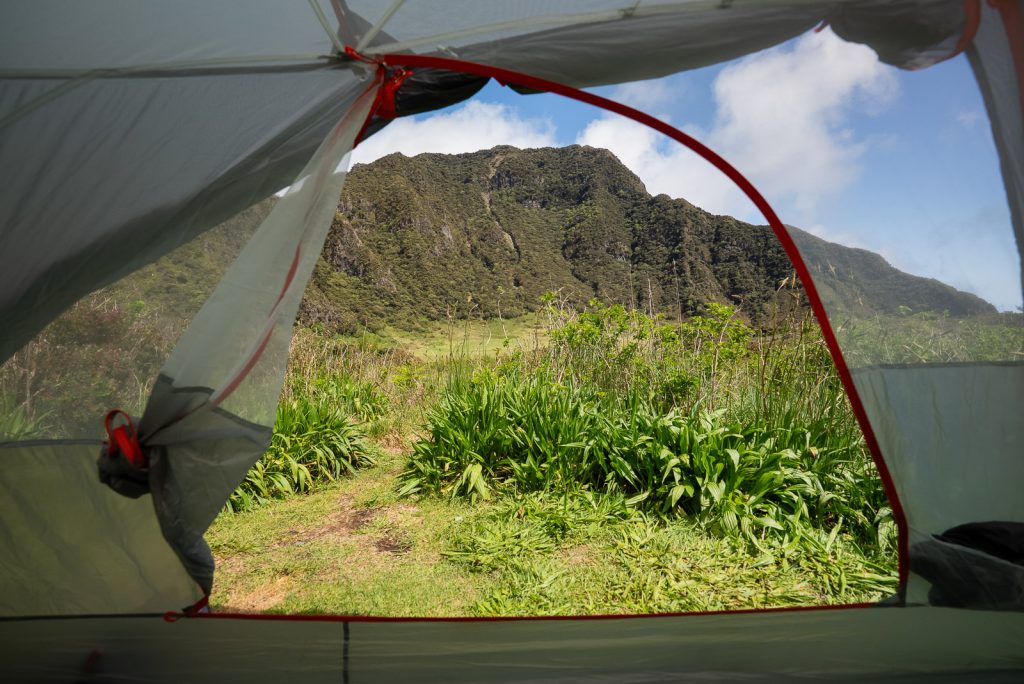
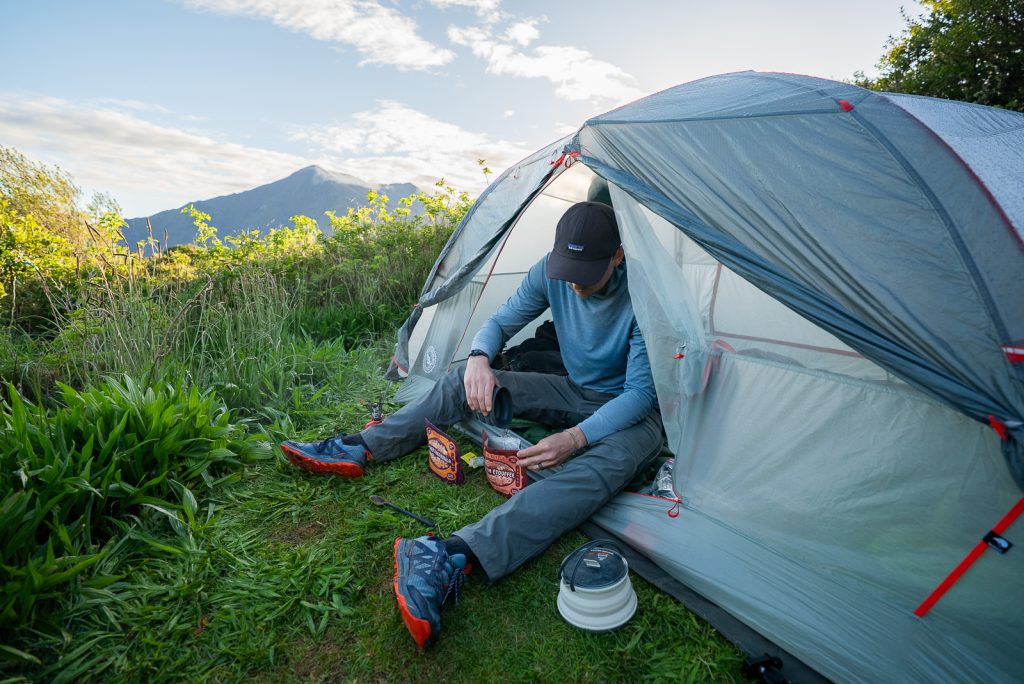
For an even better experience in the Haleakalā crater, go backpacking! We have been on over 20 backpacking trips and our overnight trip in Haleakalā National Park definitely ranks towards the top. The scenery is insane and shockingly very diverse!
To backpack in the park you have a couple sleeping options. The park has two wilderness campgrounds, Hōlua and Palikū, plus three wilderness cabins, Hōlua, Kapalaoa, and Palikū. All of which require a wilderness permit to camp at! We had no issue securing a campsite, but the cabins get booked up very quickly.
As for what route to do, it depends on how many nights you want to camp, which type of wilderness lodging you secure, and the amount of miles you prefer per day.
We personally hiked this one night route, sleeping at the Palikū Campground and highly recommend it! The Palikū Campground is the most scenic, in our opinion, with lush rainforest-covered mountains around. Plus, it allowed us to experience more of the crater.
To learn more about this route and some of the other options you could consider, check out our detailed guide to wilderness camping at Haleakalā National Park!
5. Hike the summit area’s shorter trails
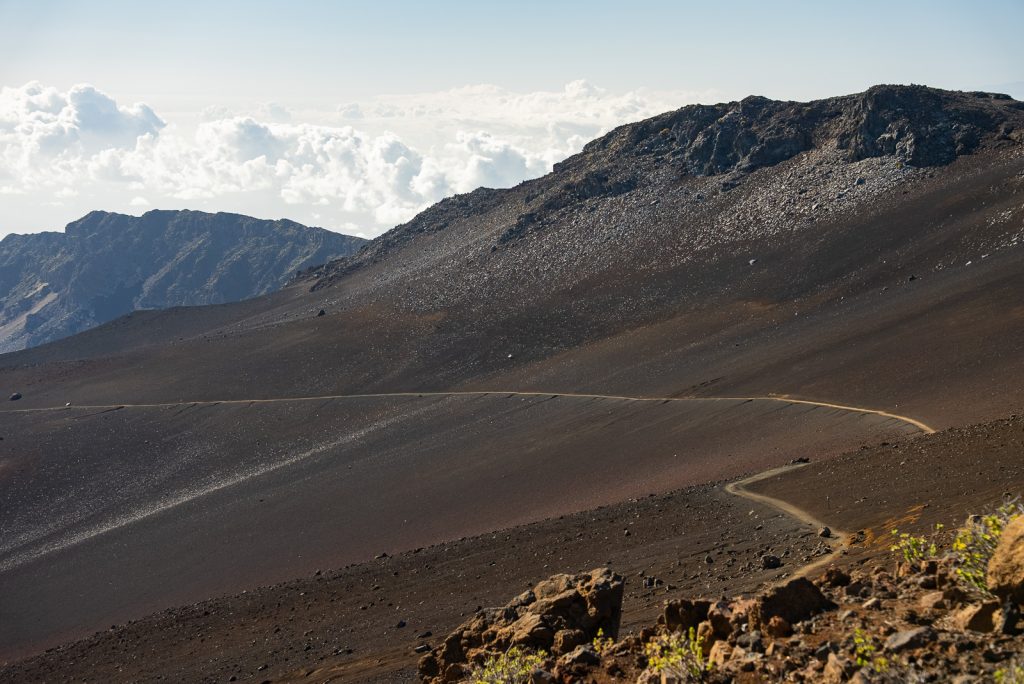
If you’re short on time or not up for a bigger hike, there are a couple shorter trails you can tackle in the Summit District.
The White Hill Trail starts at the visitor center and overlooks the crater, giving you a glimpse of what the Sliding Sands Trail has to offer. At only 0.5 mile long, it’s a fantastic bang for your buck! We’d also suggest watching the sunrise from here, to avoid some of the summit crowds and have a more direct look into the crater.
For something a bit different, the Hosmer Grove Loop winds you through an “alien forest,” which is the result of an experiment in the early 1900s, when Ralph S. Hosmer reforested this cleared area with species from all over the globe. Only 13 of the species survived and today you walk among a mix of native and non-native vegetation. You may even see some ʻIʻiwi (beautiful red birds) while here!
6. Check out the overlooks
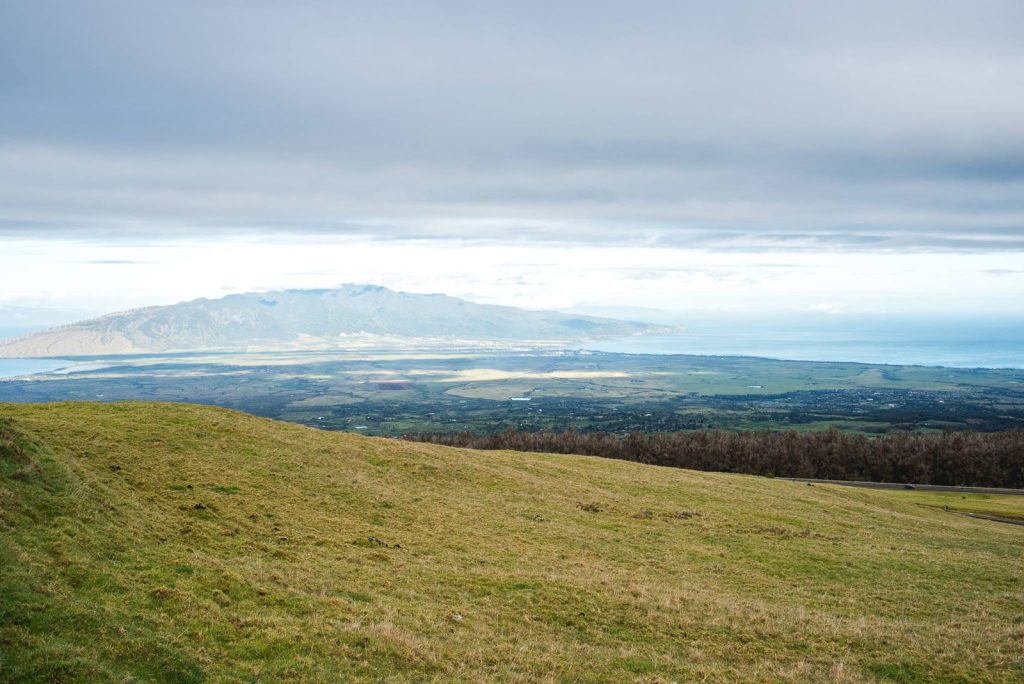
In addition to some short hikes, the Summit District also has some quick overlooks to check out!
The Leleiwi Overlook requires a quick, 0.3 mile (round trip) walk to an overlook of the Haleakalā crater. From here you can see the Halemau’u Trail winding through the crater floor. The scenery from here showcases both the lush and barren parts of the crater.
Another quick overlook is the Kalahaku Overlook, which is just steps from the parking area and has both views of the island and views into the crater. From here, you can see more of the barren side of the crater. So it’s a different perspective from the Leleiwi Overlook and worth stopping at as well!
You can also find some pulloffs along the road to see views of the island. So as you make your drive up or down, make sure to stop at these if there is room.
7. Go on a downhill bike tour
For the cyclists, one must-do activity at Haleakalā National Park is to go on a downhill bike tour! On these tours you’ll be dropped off at about 6,500 feet (not at the summit), hop on your rental bike, and then bike down the steep summit road, hop into a van to get to the next stretch of the ride, bike through the charming town of Makawao, where you can stop for lunch, and then end your ride in Paia.
These tours are mostly self guided, which means you ride down at your own pace and then meet at designated spots along the way. So we’d only suggest this for an experienced cyclist, who is comfortable with faster downhill riding and riding with cars.
Kīpahulu District
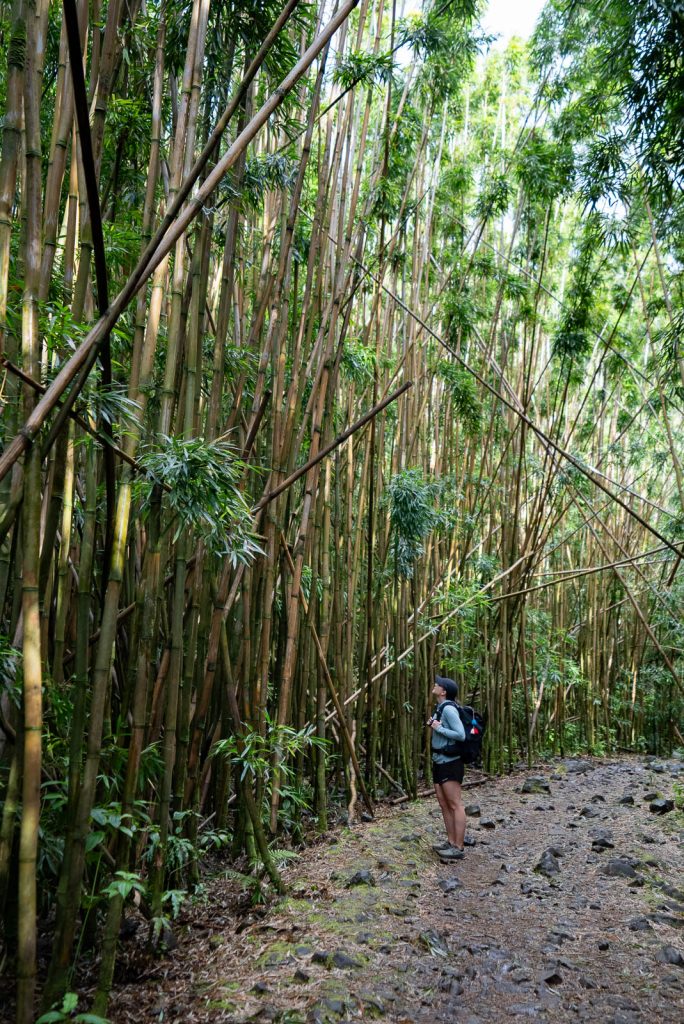
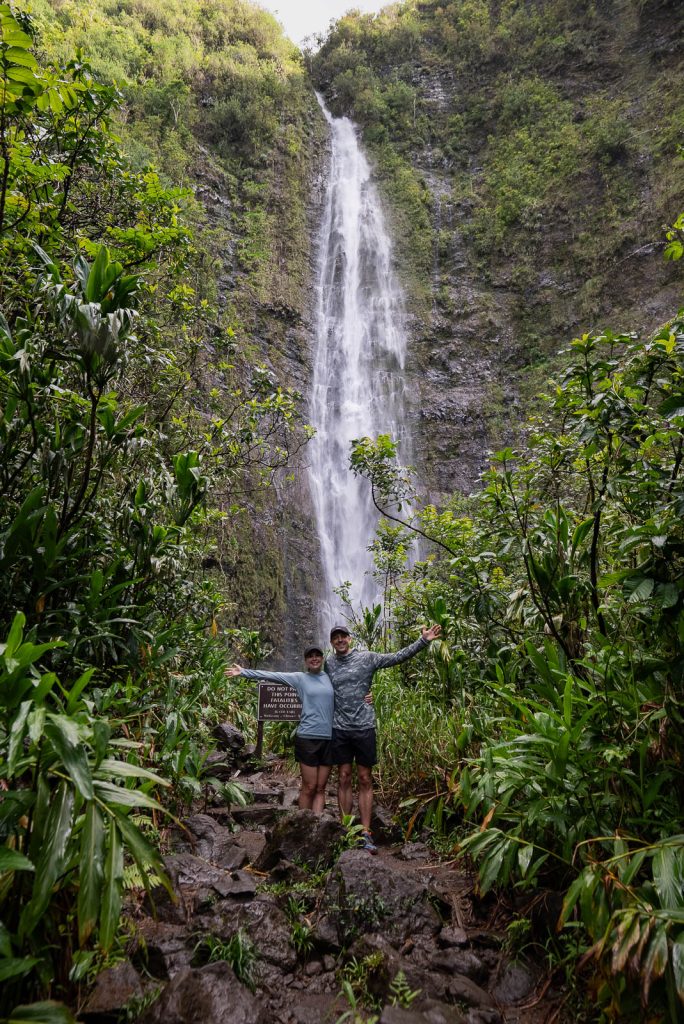
8. Hike the Pipiwai Trail to Waikmoku Falls
Located in the coastal Kīpahulu District, the Pipiwai Trail is hands down one of the best things to do at Haleakalā National Park. While it may only be 3.6 miles round trip, it’s loaded with things to see along the way!
The start of the trail takes you through a forest, with birds chirping and peek-a-boo views of Makihiku Falls. As you continue, you’ll pass under the canopy of a massive banyan tree and walk along bridges over smaller waterfalls, before reaching the bamboo forest. This bamboo forest is filled with tall stalks of bamboo that sway in the wind and make a cool rustling sound. And then after 1.8 miles you’ll reach the viewpoint of the impressive, 400 foot tall Waimoku Falls!
This is not only one of our favorite hikes on Maui, but also in all of the US national parks! To learn more about this hike, check out our detailed guide to hiking the Pipiwai Trail.
9. See the ‘Ohe’o Gulch
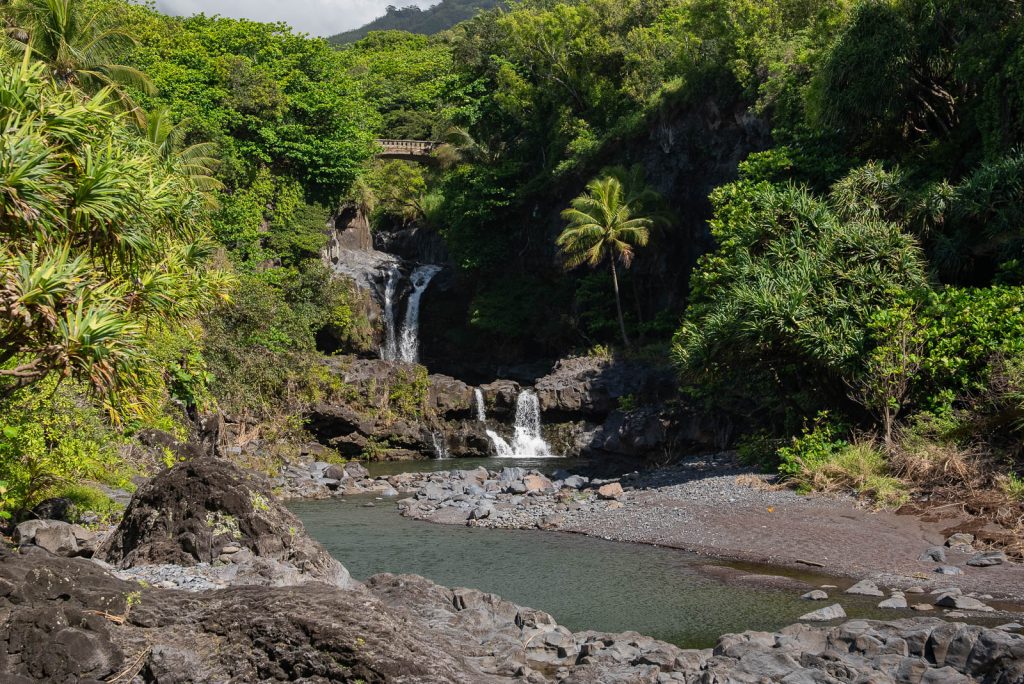
Another one of the top things to do in Haleakalā’s Kīpahulu District is visiting the ‘Ohe’o Gulch, or pools of ‘Ohe’o. ‘Ohe’o means “something special” in Hawaiian and we can’t think of a more fitting name. Along a short hike you’ll find waterfalls and cascading pools of water that lead out to the ocean. It’s a stunning scene!
In the past swimming was allowed in the pools, but that is no longer the case. But we still think it’s well worth visiting! The waterfalls, lush terrain, and dramatic coastal views are stunning to see and completely different from the Summit District of Haleakalā National Park.
Planning your visit to Haleakalā National Park
How to get to Haleakalā National Park
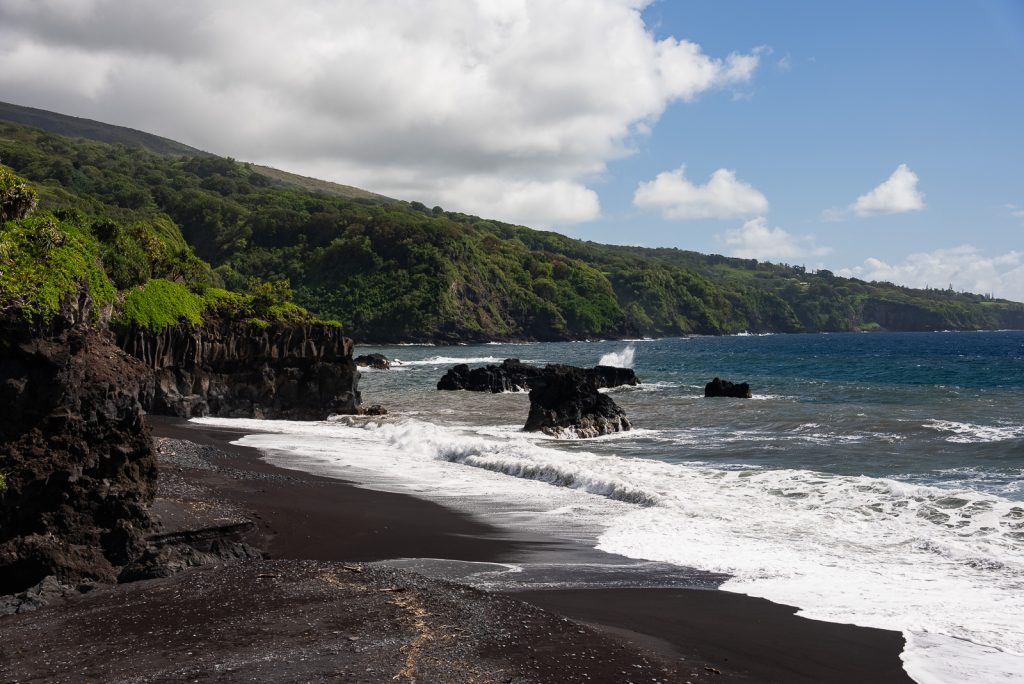
Haleakalā National Park is located on the eastern side of Maui and how you get to the park depends heavily on which district you’re visiting. Neither district has a shuttle, so you will need your own rental car to visit the park. Any type of vehicle works!
Summit District
The Summit District is the most accessible region from the popular tourist areas on Maui. However, with the steep, windy road, it does take quite a bit of time to get to. Here’s how long you can expect to drive from most resort areas to the summit!
- Paia: 1 hour, 15 minutes
- Kihei and Wailea: 1.5 hours
- Kaanapali and Kapalua: 2 hours
Kīpahulu District
The Kīpahulu District is located at the end of the Road to Hana. Most visitors experience this area of the park as part of a larger Road to Hana road trip, typically in one day. However, being at the end of the road, it will take you at least 2.5 hours from the start of the drive to get here. And that’s assuming you make no other stops!
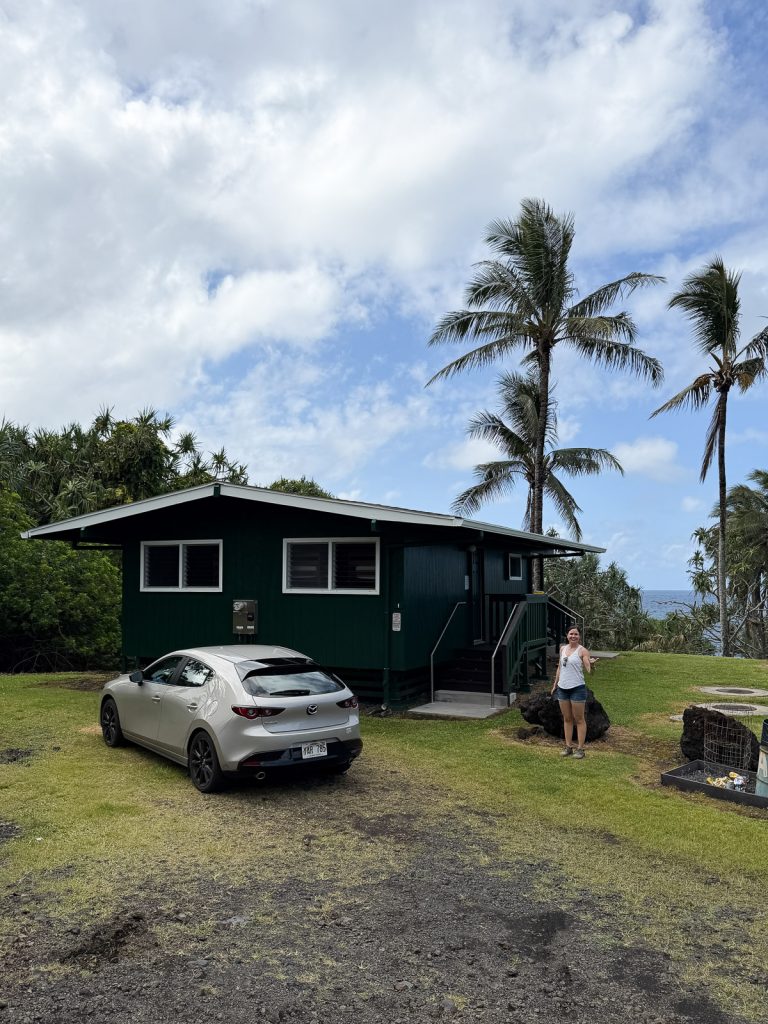
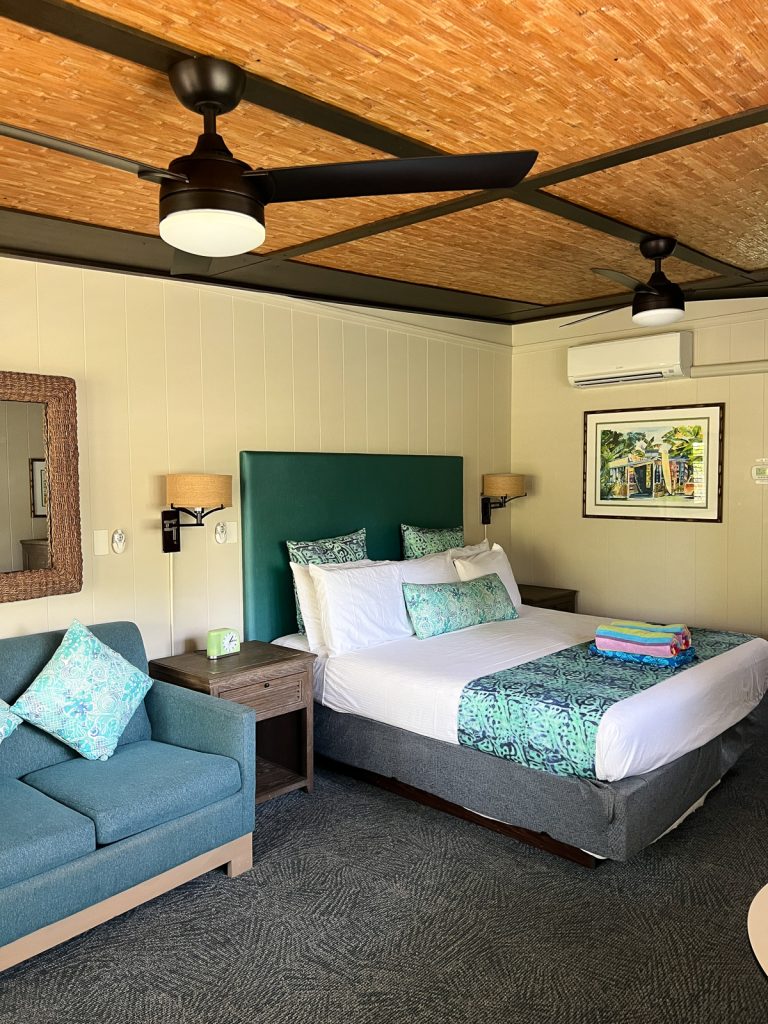
For the least rushed experience, we suggest staying the night in Hana and visiting this region of the park your second morning. We stayed in the cabins at Wai’anapanapa State Park and it was a great, affordable spot only 45 minutes from the trailhead!
Visiting by tour
If you do not want to drive to the park yourself, you do have another option! Both areas of the park can be visited by a tour. For the Summit District, you can experience sunrise on a sunrise tour or go for a Haleakalā crater hiking tour!
And for the Kīpahulu District, check out this ultimate Road to Hana adventure by Hike Maui. It’s one of only a few Road to Hana tours that actually includes the Pipiwai Trail!
When to visit Haleakalā National Park
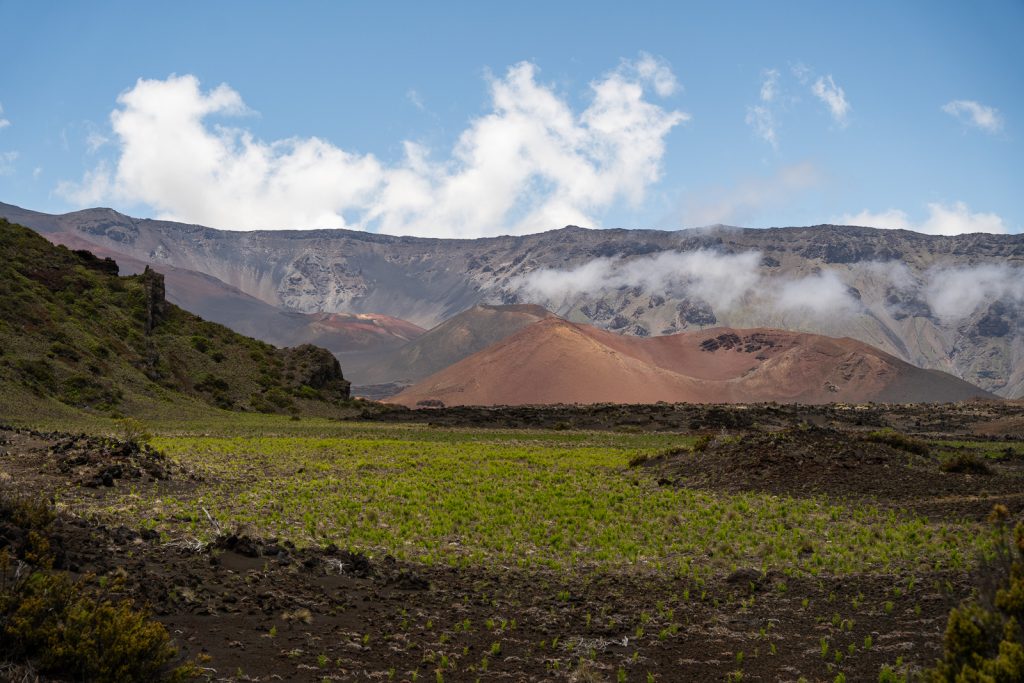
Haleakalā National Park is located on the eastern side of the island (windward), which is more wet and lush. And while you can visit the park year-round, you may have a slightly different experience depending on the season.
The rainy season on Maui is from November to March, while the dry season is from April to October. We have visited the island (and the park!) in October, February, and late April. And the only luck we had with clear views at the summit for sunrise was in late April. However, during all trips we have been able to clearly see the summit from around the island, so clear days are possible year round. We just had bad luck!
If you’re backpacking, we would suggest going towards the end of the rainy season. There are no natural water sources along the trails in the crater, so you will have to rely on the rain catchment systems at the cabins and campgrounds. These can sometimes dry up during the summer months!
Where to stay to visit Haleakalā National Park
Inside the park
For the ultimate convenience, you can stay in the park at one of its frontcountry campgrounds.
The Kīpahulu District is home to the Kīpahulu Campground, which is walkable to the area’s most popular sights. But if this is full or you want to be closer to town, Waiʻānapanapa State Park also has a campground and cabins you can stay at, which are only 45 minutes to the Kīpahulu District. We stayed at one of their cabins before visiting the park and it allowed us to get there before any day trip visitors! You can learn more about the Waiʻānapanapa cabins, how to reserve them, and what to expect in this guide. The town of Hana also has other lodging options too!
For those visiting the Summit District, you could stay at the park’s Hosmer Grove Campground. This is located at about 7,000 feet in elevation, which means you don’t have to get up as early for sunrise. And your reservation includes a sunrise permit!
Outside the park
However, most visitors will drive to Haleakalā National Park from their other lodging on the island.
Upcountry is the most convenient area to Haleakalā’s Summit District, but is not located on the beach and has fewer options. Kula Lodge is a popular choice!
But the most popular areas to stay on Maui are the Kaanapali area, Kapalua, Paia, and Kihei. We have stayed in all of these areas throughout our three trips to the island at the following lodging options.
Maui Coast Hotel (Kihei): Located right across from Kamaole Beach I and near some of our favorite places to eat on Maui, this is a great mid-range spot in Kihei. They have nice bike rentals and a free electric van that can take you around the area too! Just know that there is a daily parking fee, which is common at some resorts.
The Mauian Hotel (Napili): We LOVE this hotel on Napili Bay! The rooms are spacious, have lanais, and have kitchens, which will help save money dining out. It’s also walking distance to the Kapalua Coastal Trail, the famous Gazebo Restaurant, and a few other beaches! Plus, parking is free!
OUTRIGGER Honua Kai Resort & Spa (Kaanapali): We stayed here on our honeymoon and loved it! It definitely has a larger resort vibe than the other two spots. The rooms are full condo suites with kitchens and the property has great amenities, like a gym, multiple pools (plus a waterslide!), beach access, and a pathway to walk to other resorts and beaches. Plus Duke’s Beach House is right on site, perfect for a mid-day Hula Pie!
Aloha Surf Hostel (Paia): For a more budget friendly option, check out Aloha Surf Hostel. Although we will say, for a private room, it still wasn’t cheap and we had to share a bathroom. But for a quick night’s sleep before and after backpacking at Haleakalā National Park, it worked just fine for us. Plus, it’s walkable to downtown Paia, making it easy to grab a bite to eat.
Need more ideas? Check out our detailed guide to where to stay on Maui!
What to bring to Haleakalā National Park
Besides the 10 essentials, which we recommend bringing on any outdoor adventure, plus general hiking gear, there are a few key things you’ll want to bring to Haleakalā National Park!
First, make sure to bring an America the Beautiful pass if you have one. This will save you from paying the entrance fee!
For sunrise visitors, pack lots of warm layers, including a puffy jacket (Adam’s, Kathryn’s), gloves, and a hat. Also, don’t forget a headlamp (preferably one with a red light).
If hiking in the park, make sure to wear good hiking shoes (Adam’s, Kathryn’s), as the trails can often be muddy, sandy, or slick. You will also want sun protection, like a sun hoodie, sunscreen, and a hat. The sun is intense at this high altitude and trails are very exposed. We also were super glad we had rain jackets (Adam’s, Kathryn’s) when it started raining deeper in the crater.
Bringing lots of water is also super important, as trails in the Summit District do not have natural water sources. You can fill up at the visitor center before hiking and we suggest bringing a Camelbak to store a lot of water at once. Electrolytes, like LMNT, were also crucial for us due to the sun and altitude.
Lastly, food options are far from both districts of the park, so pack lots of hiking snacks!
Save this guide with the best things to do in Haleakalā National Park