Last updated on January 22nd, 2026
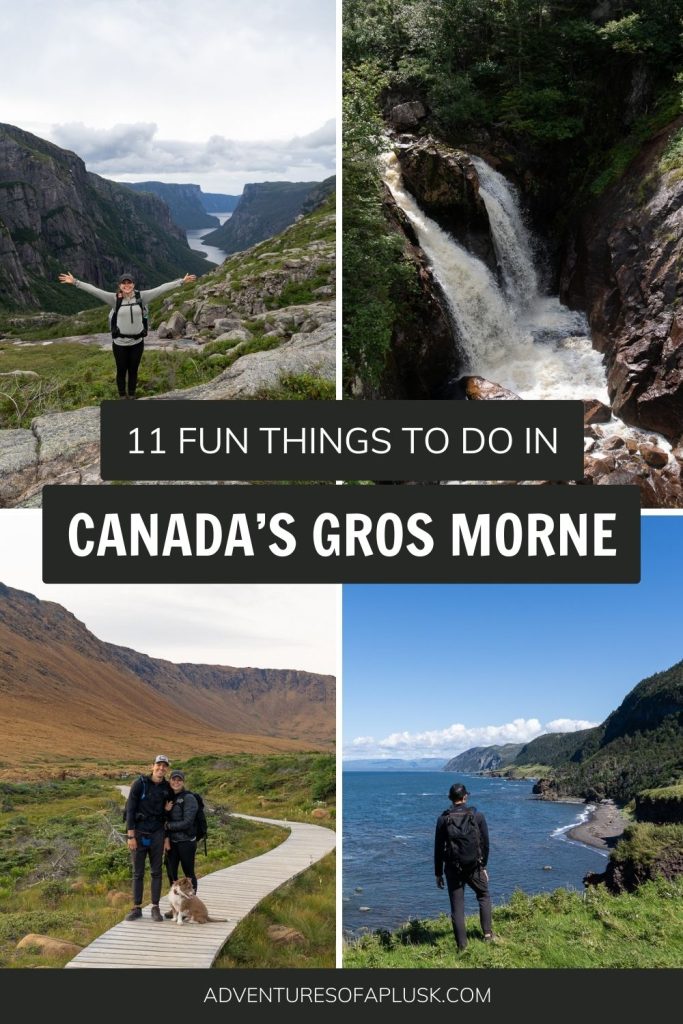
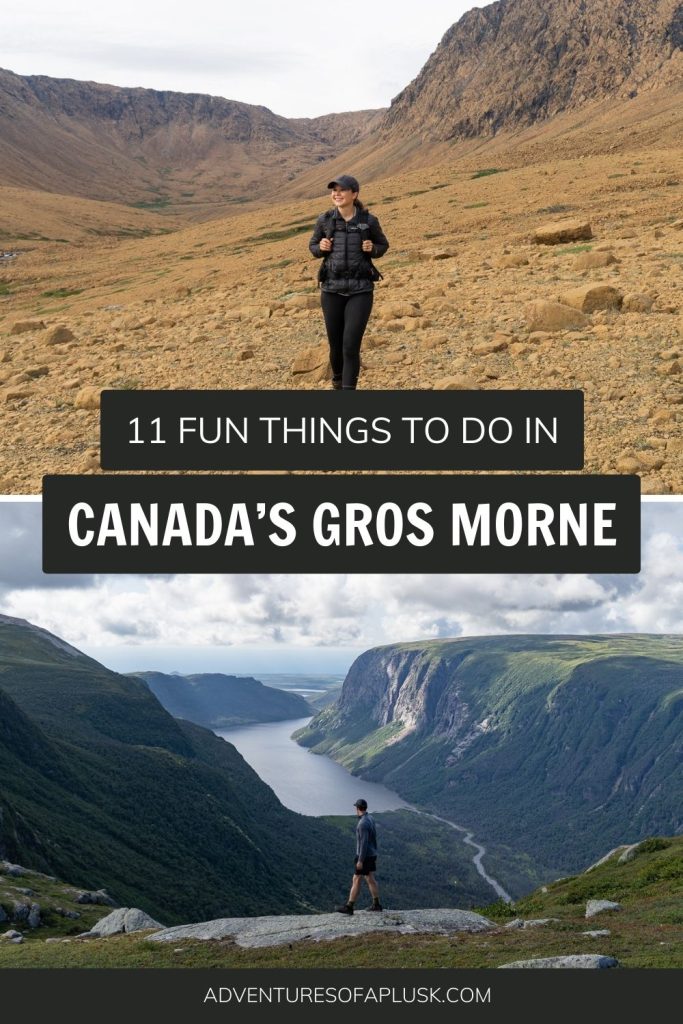
We’re sharing 11 fun things to do in Gros Morne National Park, from epic hikes, scenic views, and local eats.
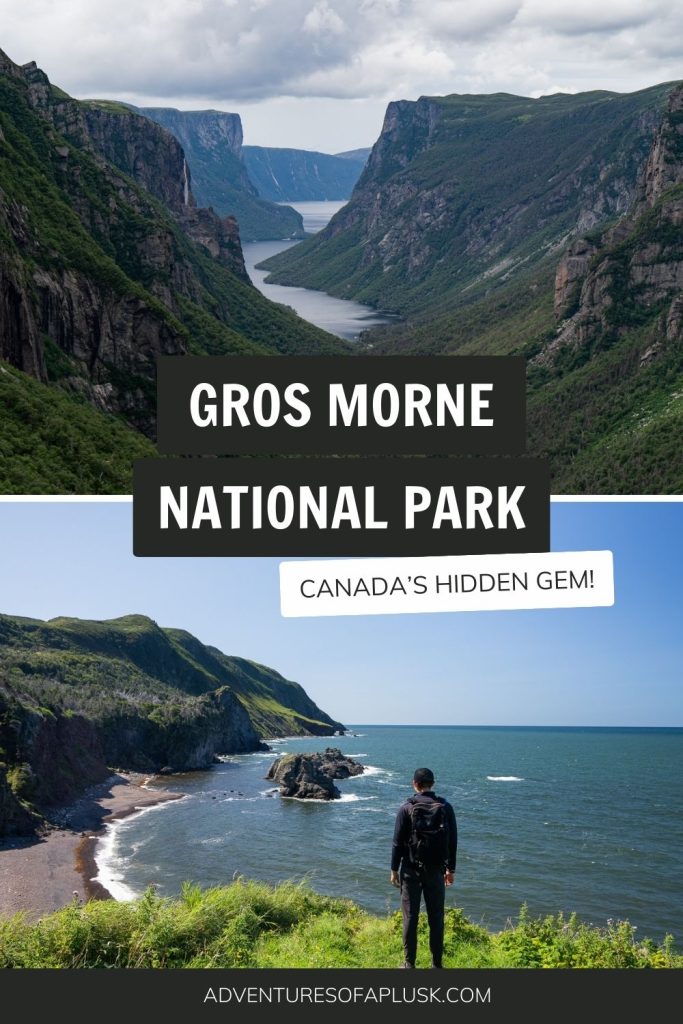
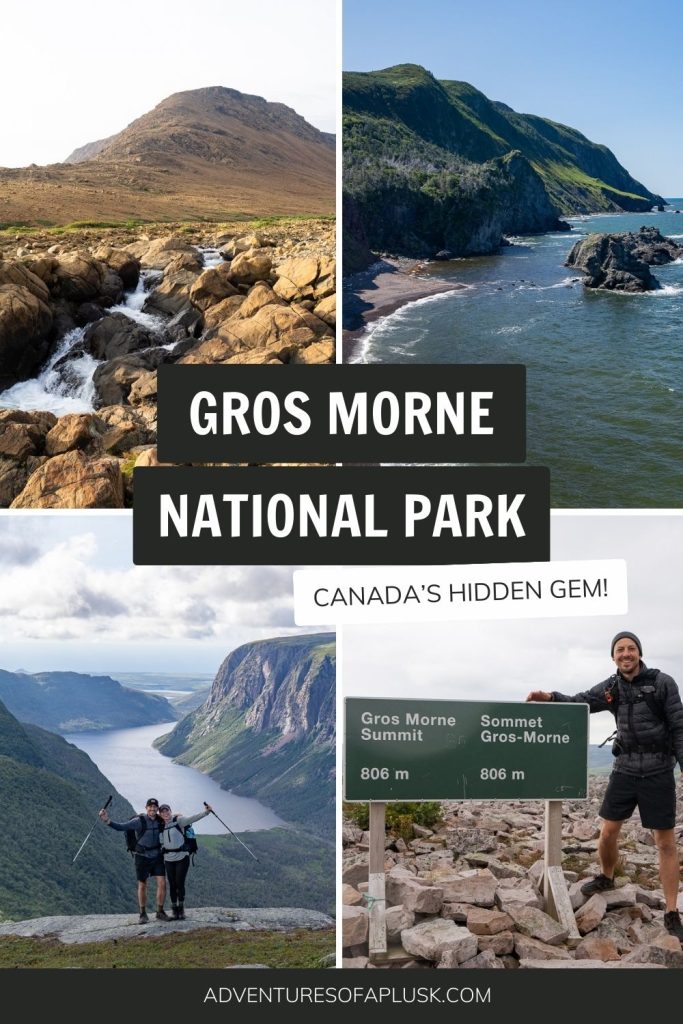
Located on the western coast of Newfoundland lies one of Canada’s most underrated gems: Gros Morne National Park. This UNESCO world heritage encompasses fjords, mountains (which are part of the Appalachian Mountains!), coastal views, unique geology, waterfalls, tundra terrain, and so much more.

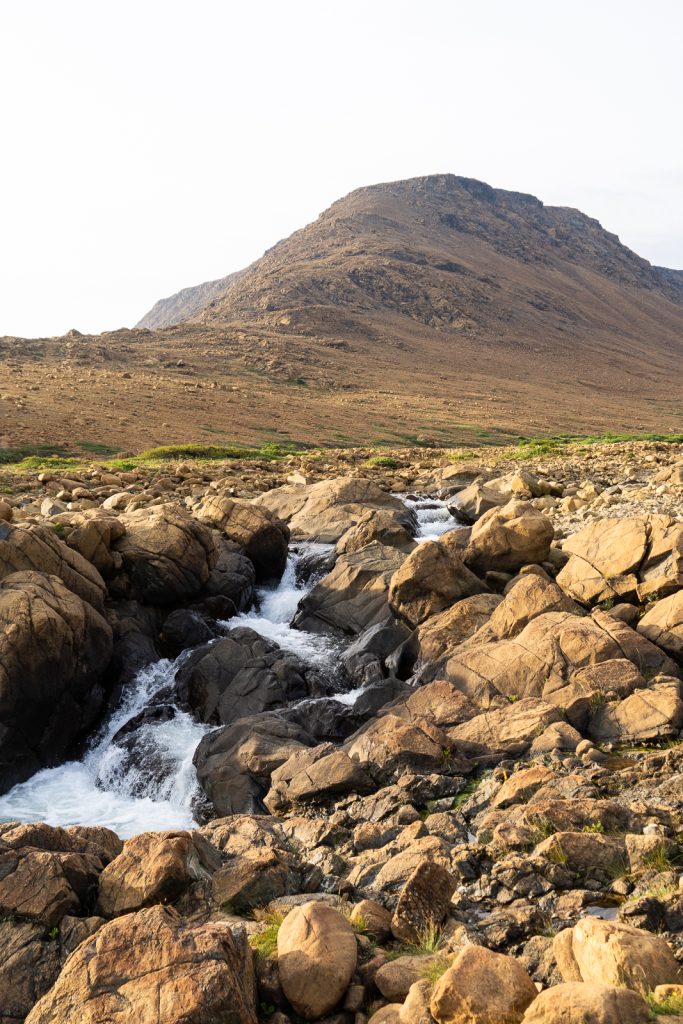
During our 6 weeks in Newfoundland we were lucky enough to spend over a week in this park. And it blew us away! (Almost quite literally at times)
If you love experiencing a diverse mix of scenery, plus challenging hikes, all without massive crowds, Gros Morne National Park NEEDS to be on your bucket list. And in this guide we’re sharing some of the best things to do in Gros Morne National Park, plus helpful tips and logistics for your visit!

- 11 Best Things to Do in Gros Morne National Park
- 1. Go on the Western Brook Pond Boat Tour
- 2. Walk on the Earth’s mantle on the Tablelands Trail
- 3. Hike the Baker’s Brook Falls Trail
- 4. Summit Gros Morne Mountain
- 5. Hike the Lookout Trail
- 6. See coastal views on the Green Gardens Trail
- 7. Go for a stroll on the Gros Morne Coastal Trail
- 8. Explore Rocky Harbour
- 9. Go kayaking
- 10. Watch the sunset at Lobster Cove Head Lighthouse
- 11. Tackle the Long Range Traverse
- Things to know before visiting Gros Morne National Park
- Planning your time in Gros Morne National Park
- What to bring to Gros Morne National Park
Why trust us when planning a trip to Atlantic Canada?
We spent over 3 months traveling all around Atlantic Canada in our self-converted Sprinter van, visiting many of the popular sites, plus off the beaten path gems along the way. And instead of rushing through these areas like most people are forced to on vacation, we traveled slowly, allowing us to experience them more as locals. Because of this, we have tons of tips to help you plan your own Atlantic Canada adventure, whether it’s just for a week or for multiple months.
11 Best Things to Do in Gros Morne National Park
1. Go on the Western Brook Pond Boat Tour
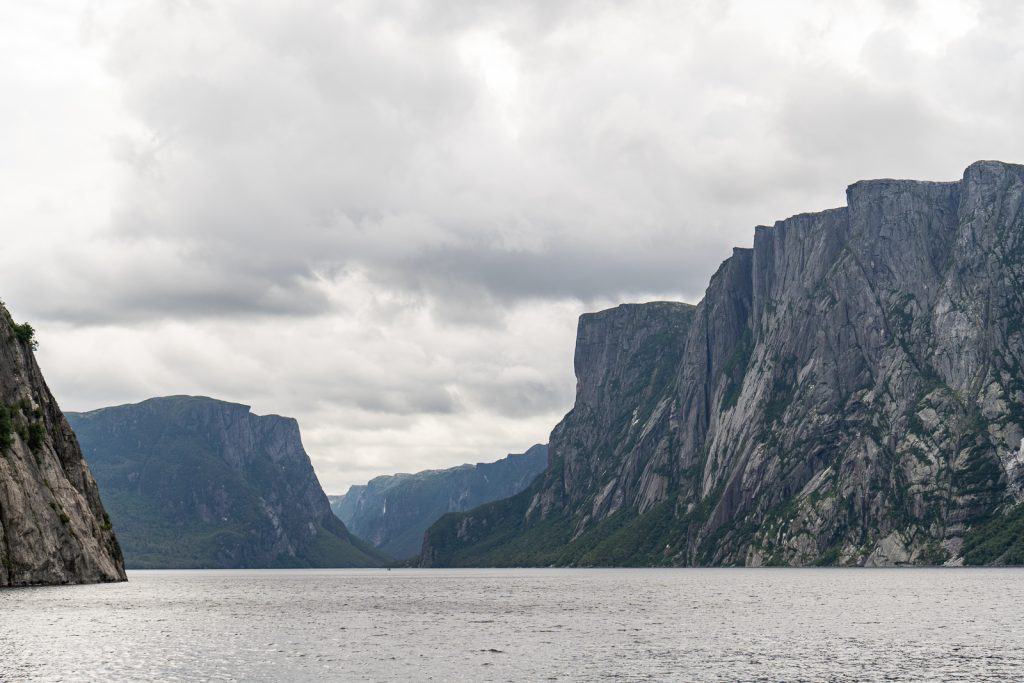
Without a doubt, one of the best things to do in Gros Morne National Park is the Western Brook Pond boat tour. In fact, if you only have time for one thing in the park, this is what we’d suggest!w
Western Brook Pond is a 16 km long freshwater fjord, carved out by glaciers during the ice age 10,000 to 25,000 years ago. It has towering rock walls up to 600 meters (1968 feet) tall, with waterfalls cascading down. It is a truly jaw dropping sight and one of the most spectacular things we have seen in North America!


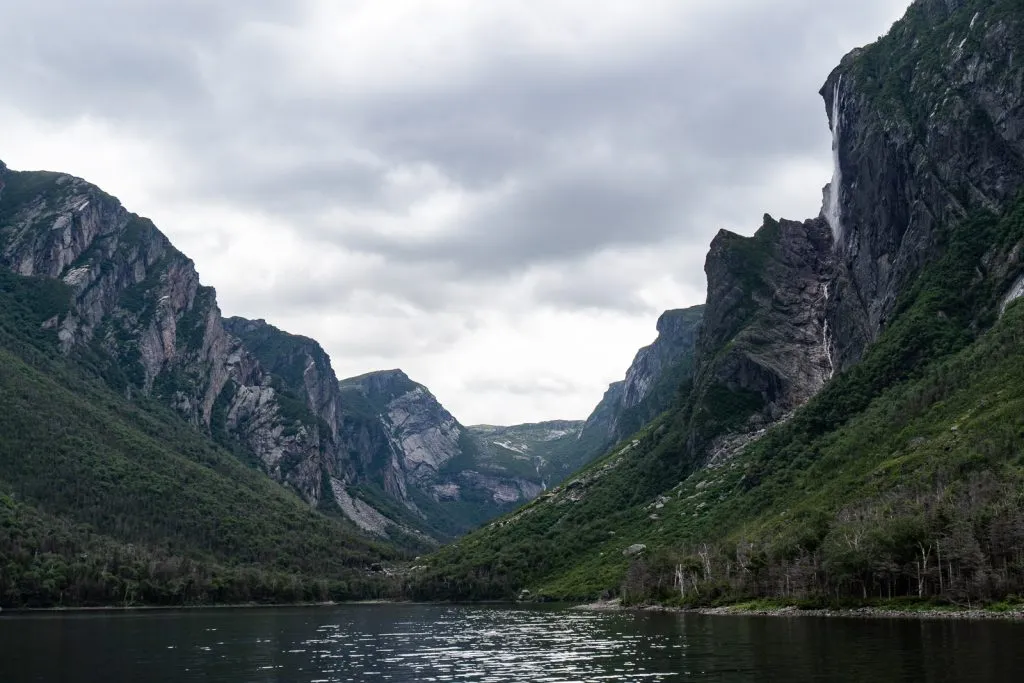

A few things to know before you go on the Western Brook Pond boat tour:
- The boat tour is 2 hours long and is narrated with fun facts along the way.
- There is an additional fee for the boat tour, on top of park admission. You can see the current rates here.
- Getting to the boat dock does require a flat 2.7 km (1.7 mile) walk from the parking area. They do offer a golf cart ride if you need assistance, which costs $10. You can see the golf cart schedule here.
- The tickets do sell out, so make sure to book your spot in advance!
2. Walk on the Earth’s mantle on the Tablelands Trail

Ever want to walk on the Earth’s mantle? Well at Gros Morne’s Tablelands you can!
About 500 million years ago, huge sections of the earth’s mantle were pushed up from underneath the ocean in a tectonic plate collision. And over the past 250 million years, the top layer has been eroding away. Leaving a rusty orange landscape that is a stark contrast from the park’s otherwise green and blue terrain.
Hiking at the Tablelands is one of the most unique things to do in Gros Morne National Park. And there are a few different ways to experience it! You can either hike the Tablelands Trail on your own, both on a maintained or off trail route, or go on a free guided hike with a ranger!
For more information on all of the options, check out our complete guide to hiking the Tablelands Trail.
3. Hike the Baker’s Brook Falls Trail
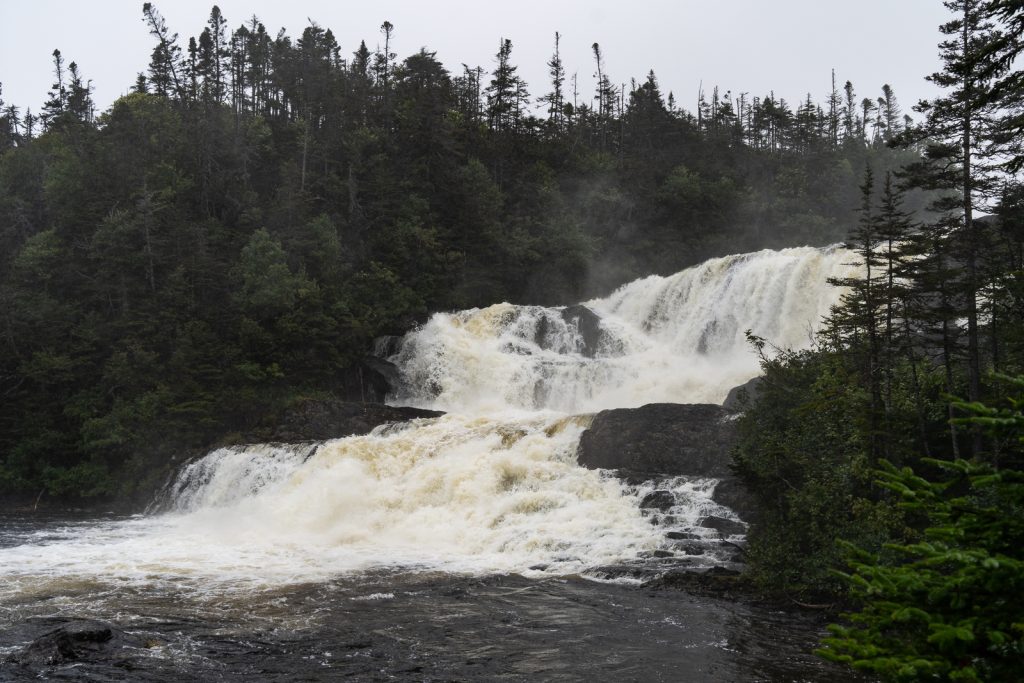
One of our favorite things about Gros Morne National Park is that you can experience just about any type of scenery here. And for the waterfall lovers, make sure to hike the Baker’s Brook Falls Trail. This 9.1 km (5.7 miles) trail takes you through the forest and by a pond, to an impressive waterfall, with multiple viewpoints.
Along the way, you’ll get to walk through a moose exclosure, which is designed to keep moose out in order to demonstrate the effects moose have on the forest. It’s really neat to see just how vegetative this exclosure is, compared to the terrain outside of its fencing.
A+K Tip: This makes for a great rainy day hike in Gros Morne National Park! While you will get wet, the rain doesn’t obscure views, like it would for other trails in the park. Plus it just makes the waterfall more raging!
4. Summit Gros Morne Mountain

For the avid hikers, you must summit the park’s namesake, Gros Morne Mountain. It’s one of the best hikes in Newfoundland!
This is the second tallest mountain in the park at 806 meters (2,644 feet). And getting to the top isn’t easy, as you climb roughly 864 meters (2,847 feet) over about 8 km (5 miles) one way.
However, it’s not all a grind. The first part of the trail is very well maintained and along the way there are a few features to admire like a beautiful waterfall and Gros Morne Lake. About 4.5 km (2.8 miles) in, the hike to the summit begins. If you do not have the time, ability, or energy to make it to the summit, you can turn around here. But if you want to summit, this is where things get tricker.
From here, you will begin a hike up a steep scree field. This should ONLY be done by those who have hiking experience, plenty of water with them, and are physically able. Additionally, it should only be attempted if the weather looks clear. The summit is fully exposed to the elements and you do not want to be up there if there is bad weather. Trust us, we learned this the hard way when a storm surprised us at the top!

To hike down, do NOT go back down the scree field. Instead, you will want to take the trail around the back and side, to Ferry Gulch. This portion of the trail is much easier, with boardwalks and steps to help you. Plus it has the best view of the hike, overlooking Ten Mile Pond.
While this route is easier than the summit trail, it is still rugged at times, with lots of mud (in our experience) and rocks. After about 5.3 km (3.3 miles) the trail meets up with the turnoff for the summit and you will hike back down the same way you came for the rest of the hike.
Note: The Gros Morne Mountain Trail is closed to hikers from May 1-June 28.
5. Hike the Lookout Trail
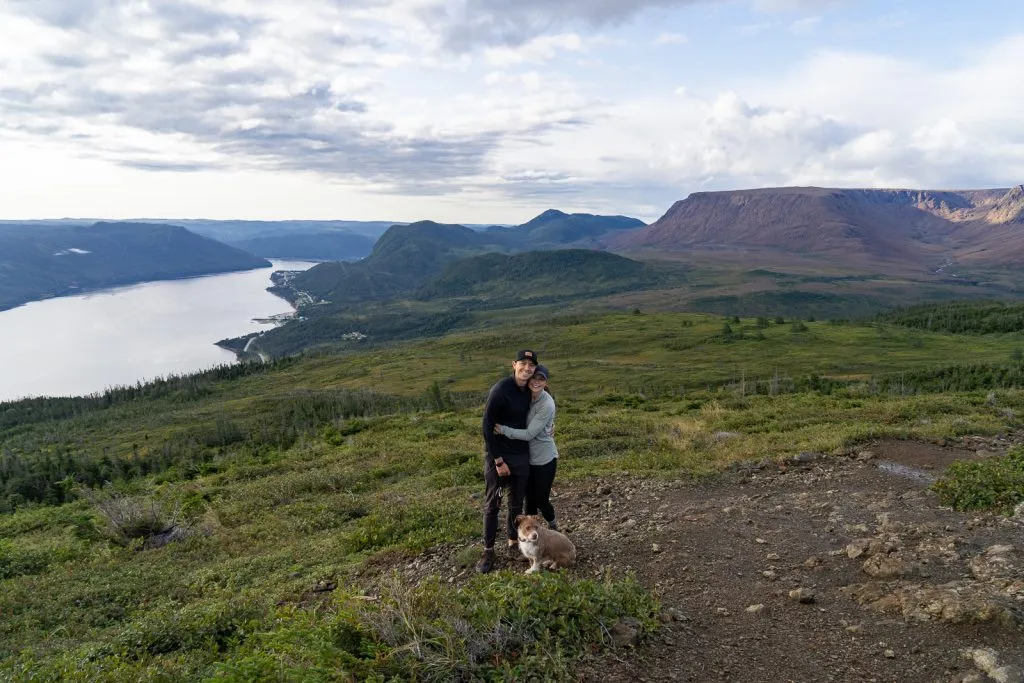
Located in the southern section of the park, near the Discovery Centre is the Lookout Trail (5.5 km/3.4 miles). The trail climbs through the forest, but you’ll quickly emerge onto a highland plateau with views of Bonne Bay, Gros Morne Mountain, the Tablelands, and the Lookout Hills. We think this hike has the best effort-to-view ratio in the park!
While over here, make sure to head into Woody Point for a coffee or bite to eat at Galliott Studios & Cafe, Merchant Warehouse Retro Cafe & Wine Bar, or The Shed.
6. See coastal views on the Green Gardens Trail

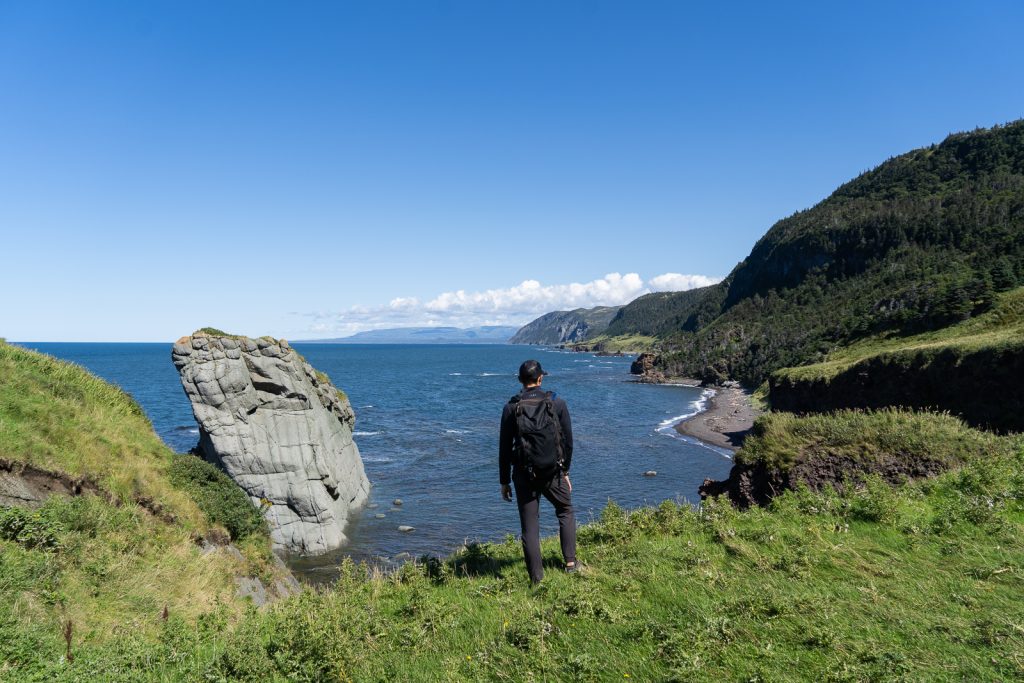
Eager to see Gros Morne’s rugged coast? One of the best things to do in Gros Morne for coastal lovers is the Green Gardens Trail (9.9 km/6.2 miles).
The trail starts in the barren Tablelands, leads you through the forest to the coast, where you can hike down to the beach, plus see beautiful coastline, sea stacks, and cliff top meadows. And since this area was long used as a summer range for livestock of the residents of Trout River, you may even see some sheep! We didn’t get so lucky, but we saw evidence of them.
Keep in mind that this hike is all uphill on the way back, gaining about 357 meters (1,174 feet) throughout the entire hike. So make sure you bring plenty of water and snacks to power you through!
If this hike is too long or difficult for you, check out the Eastern Point Trail instead! Located close by, it offers some similar scenery, but at only 2.4 km (1.5 miles) round trip.
7. Go for a stroll on the Gros Morne Coastal Trail
For a more relaxing coastal walk, head to the Gros Morne Coastal Trail. Unlike the Green Gardens Trail, this is a flat hike right along the coastline. So while you won’t have towering views, it’s perfect for those who want to be on the water.
There are two trailheads you can start and end this hike at and if you’re not up for the full 5.8 km (3.6 miles), you can turn around whenever you’d like. And as a bonus for those staying at the Green Point Campground, one of the trailheads is right at camp, making it an easy hike to do while camping!
8. Explore Rocky Harbour
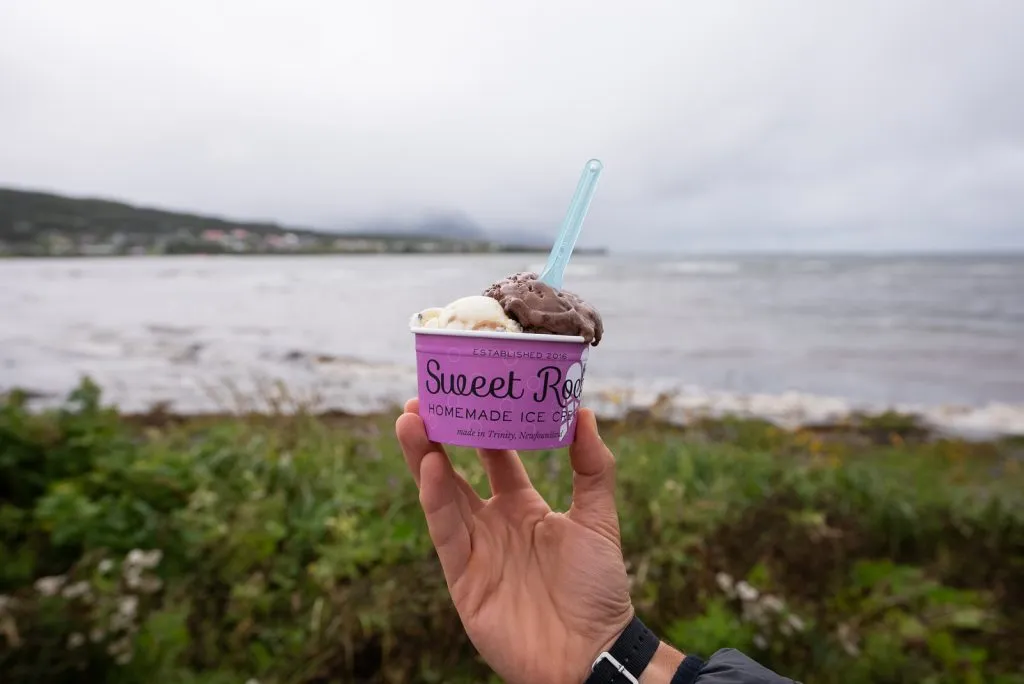
Rocky Harbour is a quaint, small town close to the main area of Gros Morne National Park. While you won’t find any big chain stores or fast food here (Corner Brook is the best for that!), you will find some great local shops and restaurants, plus lodging.
Both before and after a fun day exploring in the park, make sure to swing by here for some delicious eats. We recommend going to The Old Store Cafe for coffee, sandwiches, and pastries, Treasure Box to try a moose burger and fish cakes, and Sweet Rock Ice Cream for some of the best ice cream in the province!
And if you need any last minute camping meals or gear, check out Out East Adventure Centre. They are super friendly and have a great selection! They also offer tours, including the Western Brook Pond day hike and multi day guided trips.
9. Go kayaking
The Western Brook Pond boat tour isn’t the only way to experience the waterways of Gros Morne. You can also go kayaking!
There are quite a few kayaking options in the park, from Bonne Bay to Trout River Pond. And you can either rent a kayak and explore on your own or go on a kayaking tour! Both Gros Morne Adventures and Wild Gros Morne offer different kayaking tour options, ranging from family friendly to more challenging.
10. Watch the sunset at Lobster Cove Head Lighthouse
Located right in Rocky Harbour is the Lobster Cove Head Lighthouse. While you can’t go to the top, you can go inside to learn a bit more about it, plus explore the area for scenic views, and even see tide pools at low tide.
But for the ultimate treat, head here for sunset! Since it faces west, it makes for a perfect, easy sunset spot.
11. Tackle the Long Range Traverse

Last, but certainly not least, one of the best (if not the best) things to do in Gros Morne National Park is to hike the Long Range Traverse. This almost 50 km (31 mile) hike gains around 1,700 meters (5,577 feet) in elevation as it traverses the Long Range mountains, the northernmost section of the Appalachian Mountains.
With zero maintained trail to follow, thick tuckamore, river crossings, and wet, boggy terrain, it’s a challenge that is both miserable and rewarding. Along the way we were rewarded with insane views of fjords, lakes, untouched wilderness, and seclusion, with only a maximum of 12 people per day allowed to hit the trail.
While we would only recommend this hike to experienced backpackers, for those up for the challenge, it’s easily our favorite thing we did in Gros Morne National Park.
To learn more about this hike, check out our detailed guide about backpacking the Long Range Traverse. In this guide we share the cost, how to get permits, boat ride logistics, the best campsites along the way, and so much more! You can also watch our experience in this video.
Things to know before visiting Gros Morne National Park

You need a parks pass
There is an entrance fee to visit Gros Morne National Park. If you choose to pay per day, it’s $11 CAD per adult (less for seniors and free for children), with options to get a family pass, plus an annual pass.
You can also get a Parks Canada Discovery Pass, which gets you into all Parks Canada managed sites for a year! This is definitely worth it if you plan to spend 7 or more days in the Canadian National Parks.
Be aware of moose
Gros Morne National Park (and Newfoundland as a whole) has a very large moose population. And as you drive around the park, watch out for moose!
There are on average 500 moose collisions in Newfoundland a year and multiple people from Newfoundland warned us to NOT drive in the dark, since they’ll dart out right in front of you. So try to stick to daylight driving in the park and if you have to drive at night, don’t speed and be extra aware.
Dogs are allowed on MOST trails
Gros Morne National Park is very dog friendly, but some trails, like the Long Range Traverse, do not allow them. There are also trails where they technically are allowed, but it’s highly discouraged, like Gros Morne Mountain.
Make sure to look into park regulations before hiking with your pup and consider their physical abilities. If you opt to hike one of the more rugged, rocky trails with your dog, we suggest bringing booties to protect their paws.
Planning your time in Gros Morne National Park
How to get to Gros Morne National Park
Gros Morne National Park is located in western Newfoundland, about 1.5 hours north of Corner Brook, the largest city on this side of the island.
It requires a bit of effort to get to, but in our opinion, it is 100% worth it! Not only is it one of the best places to visit in Newfoundland, but we think it’s one of the most stunning national parks in Canada! And we have been to some of the most epic ones, like Banff National Park, Pacific Rim, and Cape Breton Highlands.
If you want to visit by car, you will need to take the ferry from Nova Scotia. From here, you will have about a 3.5 scenic hour drive from Channel-Port aux Basques to the visitor centre in Rocky Harbour.
Flying to Newfoundland instead? The closest airport is Deer Lake (YDF), 50 minutes away. Once arriving, you will need to rent a car, as there is no shuttle to take you around Gros Morne. Plus, there are plenty of other fun things to do in Newfoundland that require a bit of a drive to get to.
When to visit Gros Morne National Park

The best time to visit Gros Morne National Park is from June-late September. This is when you will find mostly snow-free trails and better weather for hiking. However, if you want to hike Gros Morne Mountain or do the Long Range Traverse, we’d personally suggest between July-early September. The Long Range Traverse is only open from June 28-September 30 (earlier September is less risky for weather though). And Gros Morne Mountain is not accessible until June 28.
Where to stay in Gros Morne National Park
Gros Morne National Park is spread out into a couple areas, which require a little bit of driving to get between. There are a handful of lodging options near each region!
Hotels and B&Bs: Out East Adventure Centre (Rocky Harbour), Ocean View Suites (Rocky Harbour), The Rooms at Woody Point (Woody Point), and Bonne Bay Inn (Woody Point).
Vacation rentals: The Peridot Retreat(Rocky Harbour), Elephants Head RV Park & Gros Morne Glamping (Trout River), and Gros Morne Shed (Trout River).
Camping: Gros Morne National Park has5 campgrounds, plus oTENTik, primitive sites, and cabins. Outside of the park you can stay at the Water’s Edge RV Campground or Gros Morne/Norris Point KOA.
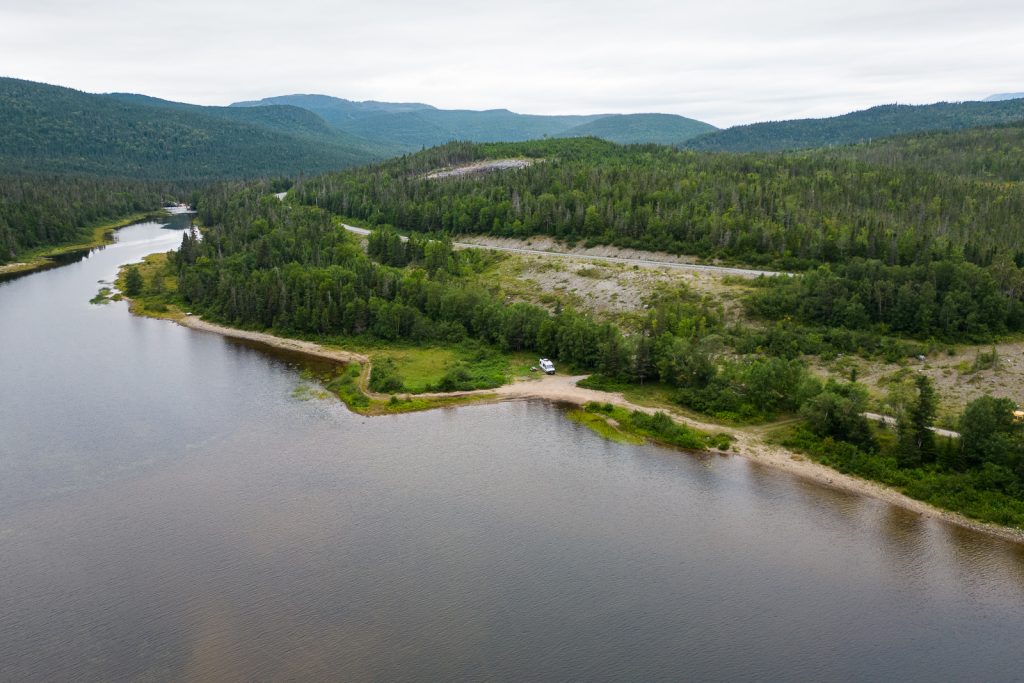
Boondocking: We boondocked along this lake multiple times throughout our stay in Gros Morne National Park. There are at least 6 spots to camp at, including some by the water, and during our many stays, it was never full. This spot was located outside of the park’s boundaries. Similar to other Canadian National Parks, you cannot sleep overnight in a van or RV in the park’s parking lots.
There are many great free and cheap camping spots in Newfoundland, we’ve listed our favorites on our sister site, Stoked to Camp!
How much time do you need in Gros Morne National Park?
Any amount of time in Gros Morne National Park is totally worth it. With one day you can do a boat tour, plus go explore the Tablelands, giving you the chance to see two vastly different types of terrain in one day.
But in our opinion, you should have 4 days to truly experience what it has to offer. Here’s a sample itinerary to help get you started!
First day
Start the morning by going on the Western Brook Pond Boat Tour. Afterwards, head into Rocky Harbour for lunch and ice cream. For the rest of the day, hike to Baker’s Brook Falls and then enjoy sunset by Lobster Cove Head Lighthouse.
Second day
Kickoff your second day with coffee at Galliott Studios & Cafe and then head to the Tablelands. We suggest hiking the maintained trail, plus some of the off trail portion. You can learn more about our route in this guide.
Afterwards, head down to the Green Gardens Trail. Make sure to pack a picnic lunch to enjoy on the beach!
Third day
For those up for a challenge, summit Gros Morne Mountain! This will take up most of the day, so start early to ensure you have enough time.
Fourth day
For your final day, go on a kayaking tour in the morning and then spend the afternoon hiking the Lookout Trail. Then end the day with dinner at Merchant Warehouse Retro Cafe & Wine Bar!
What to bring to Gros Morne National Park

You can see all of the hiking gear we use and love here, plus our tips for making a 10 essentials kit, which is a must-have on any outdoor adventure. But here are a handful of items we want to emphasize bringing to Gros Morne National Park!
Hiking shoes
Good hiking shoes are a MUST in Gros Morne National Park! Many of the trails are rocky and rugged, or filled with mud. So you’ll want shoes with good grip (and that you don’t mind getting dirty).
We wear Lowa Renegade GTX boots and ALTRA Lone Peak 8 trail runners and both are perfect for a variety of trails!
Downloaded AllTrails Map
There isn’t always cell service in Gros Morne National Park, so downloading AllTrails maps is key to ensure you can navigate on trails. To download the AllTrails map you will need an AllTrails+ membership. To get 30% off use our code aplusk30 (you must redeem this code on the website, not the app)!
Layers
The weather can be pretty wild in Gros Morne National Park. We experienced sunshine, crazy wind, and rain, all within a couple hours. Make sure to pack layers, including pullovers, a rain jacket (Adam wears this jacket and Kathryn has this jacket), and a puffy jacket.

Hiking poles
Hiking poles can be very helpful with the more rugged and steep hikes at Gros Morne National Park.
Sun protection
Many of the best things to do in Gros Morne National Park are fully exposed to the sun. So having sun protection, including a hat, sunglasses, and sunscreen, is a must! We also love wearing sun hoodies when we hike.
Water
With some longer hikes, carrying enough water is crucial in Gros Morne. We love to carry our water in a 3L CamelBak, which makes it easy to drink on the go. You can also bring a Katadyn BeFree water filter bottle, which is helpful if hiking on trails with water sources, like the Long Range Traverse.

Electrolytes
If you plan to tackle some of the tougher hikes in Gros Morne, like the Tablelands Off Trail Loop, Gros Morne Mountain, or the Long Range Traverse, we suggest bringing electrolytes. LMNT is our absolute favorite!
PS: If you use this link, you get a free sample pack (8 flavors!) with any order!
Headlamp
If you plan to do any sunrise or sunset hikes, make sure to pack a headlamp. Don’t forget to pack some extra batteries too!
Looking for more things to do in Newfoundland?
- Taking the ferry to Newfoundland: Everything to know!
- 12 BEST places to visit in Newfoundland from coast to coast!
- 63+ EPIC things to do in Newfoundland, Canada
- The 31 Best Hikes in Newfoundland
- 10 things to do on the Bonavista Peninsula in Newfoundland
- How to visit the scenic Bottle Cove in Lark Harbour, Newfoundland
- 10 FUN things to do in Twillingate, Newfoundland
- Top 10 things to do in St. John’s, Newfoundland
- Get our Atlantic Canada Road Trip eBook
Save this guide with the best things to do in Gros Morne National Park