
Last updated on March 24th, 2026
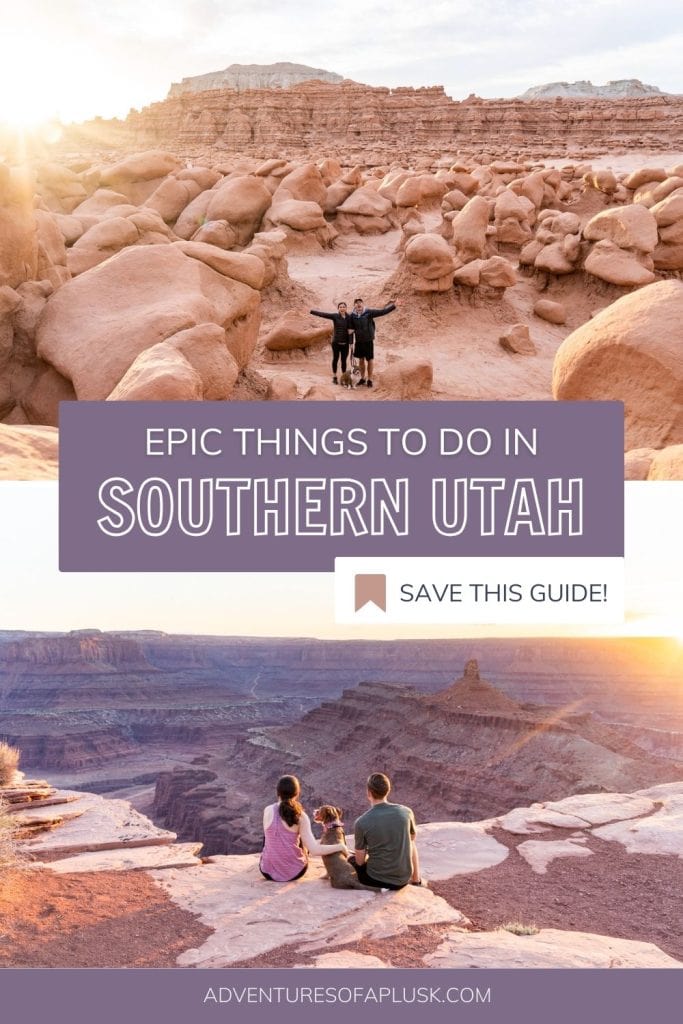
We’re sharing 39 things to do in Southern Utah that we’ve personally experienced and loved. Including some of the most iconic national park activities, hikes, scenic drives, state parks, and everything in between!
Over the last few years, we have spent about four months total exploring Southern Utah during our van life travels. So, it’s no surprise that it has become one of our favorite places to adventure. With arches, hoodoos, slot canyons, and gorgeous desert landscapes, there’s no shortage of things to do in Southern Utah!

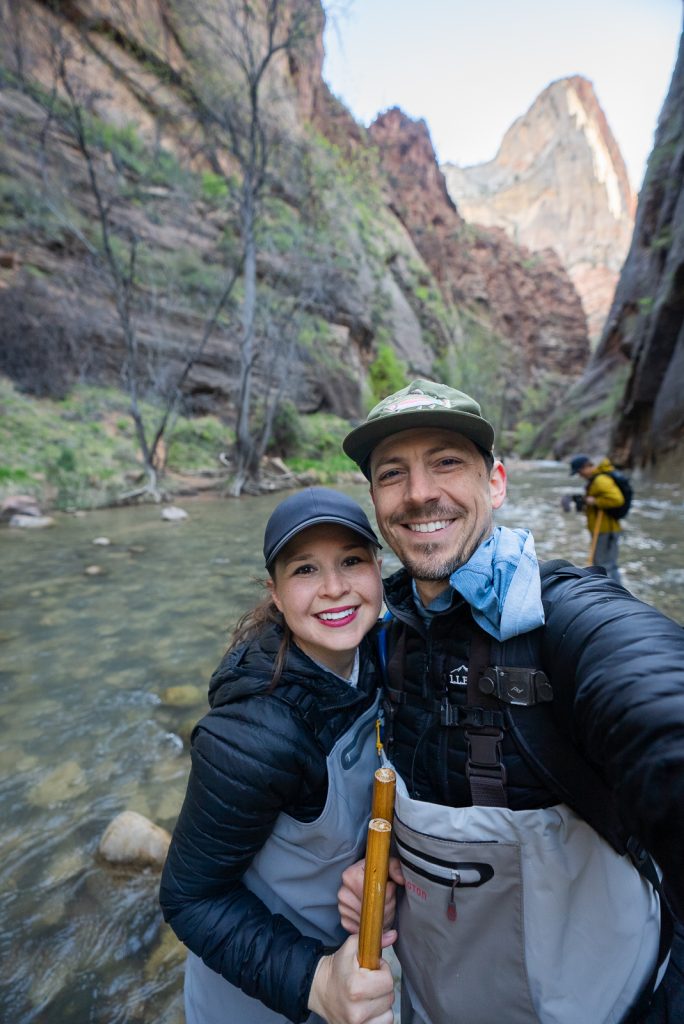
Not only have we visited all five of Utah’s national parks (some of them multiple times!), but we have explored small towns, camped in the middle of nowhere, and found more beautiful places than we could’ve imagined.
In this guide, we’re sharing 39 experiences we’ve personally done and loved in Southern Utah. For each one, we’ll share what we did, why it stood out, and anything else that might be helpful if you want to check it out yourself.
Looking for more things to do in Utah?
- 25+ Best Places to Visit in Utah (What to See, Do, and Eat!)
- The 14 Best Things to Do in Zion National Park
- 9 Best Hikes in Bryce Canyon National Park
- Capitol Reef National Park Itinerary: Spend 1-4 Days in the Park
- The 21 Best Hikes in Moab, Utah (for every skill level)
- The ULTIMATE Utah National Parks Road Trip Itinerary (10 days)
- Things to do in Kanab, Utah (+ where to stay, when to visit, & more!)
- Read all of our Utah guides
- Watch our Utah YouTube videos
- Looking for more things to do in Utah?
- 1. Camp on Lone Rock Beach
- 2. Sled down the Coral Pink Sand Dunes
- 3. Hike or bike in Snow Canyon
- 4. Kayak at Sand Hollow State Park
- 5. Walk through The Narrows
- 6. Hike Observation Point
- 7. See the sunrise from the Canyon Overlook
- 8. Explore the less busy side of Zion National Park
- 9. Hike to Kanarra Falls
- 10. See petroglyphs at Parowan Gap
- 11. Visit Cedar Breaks National Monument
- 12. Explore the hoodoos at Bryce Canyon National Park
- 13. Ride bikes through Red Canyon
- 14. Visit Kodachrome Basin State Park
- 15. Explore slot canyons (Peekaboo + Spooky, Buckskin Gulch, Little Wild Horse)
- 16. Enjoy coffee with a view (Kiva Koffeehouse)
- 17. Drive the Burr Trail
- 18. Hike to a waterfall in the desert (Calf Creek Falls + Mossy Cave Trail)
- 19. Hike Navajo Knobs in Capitol Reef National Park
- 20. Walk on top of Cassidy Arch
- 21. Eat pie at Gifford Homestead
- 22. Explore the unique formations in Hanksville
- 23. Walk among crazy formations at Goblin Valley State Park
- 24. Eat delicious tacos in Green River
- 25. Drive through the Little Grand Canyon
- 26. See Mesa Arch at sunrise
- 27. See Delicate Arch at sunrise
- 28. Hike the Devils Garden Loop
- 29. Tackle the Fiery Furnace
- 30. Go on a Hell’s Revenge 4×4 tour
- 31. Watch the sunset at Dead Horse Point State Park
- 32. Check out Moab’s food scene
- 33. Go on some of Moab’s best hikes
- 34. Explore the Needles District
- 35. Drive the Moki Dugway
- 36. Camp in Valley of the Gods
- 37. Recreate the famous Forrest Gump scene
- 38. See the sunrise at Goosenecks State Park
- How to get there
- Getting around
- Best Time to Visit Southern Utah
- What to bring
Want to Learn More as you explore?
We highly suggest downloading the Guide Along – Utah Bundle audio tours (totally worth the cost!) to navigate you on the road. Even when you don’t have service it knows where you are and provides commentary and history about the area. Plus it will alert you when to stop for specific sights. These guides are interesting to listen to and the narrator feels like a fun friend in the car with you!
39 Epic Things to Do in Southern Utah
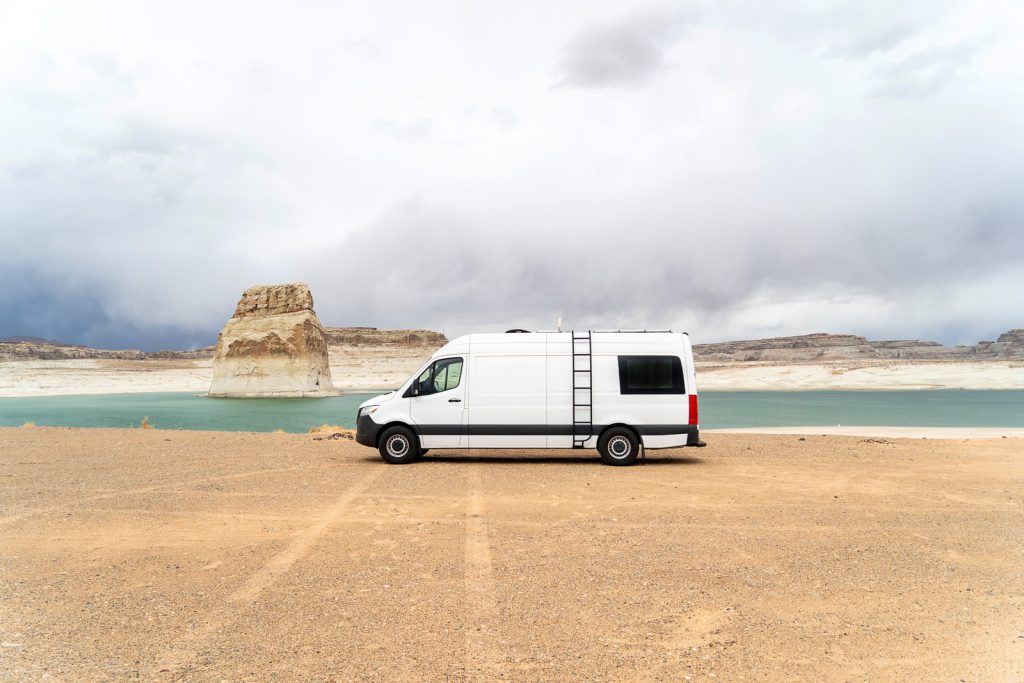
1. Camp on Lone Rock Beach
Lone Rock Beach sits right along the shores of Lake Powell and is one of the most unique places we’ve ever camped. It’s also one of the few places in the U.S. where you can actually drive and camp right on the sand!
Long Rock Beach is part of Glen Canyon National Recreation Area and costs $30 to enter. If you have the America the Beautiful Pass, the entrance fee is covered. Camping here is $14 per night and is considered primitive, with no hookups and just vault toilets nearby.
2. Sled down the Coral Pink Sand Dunes
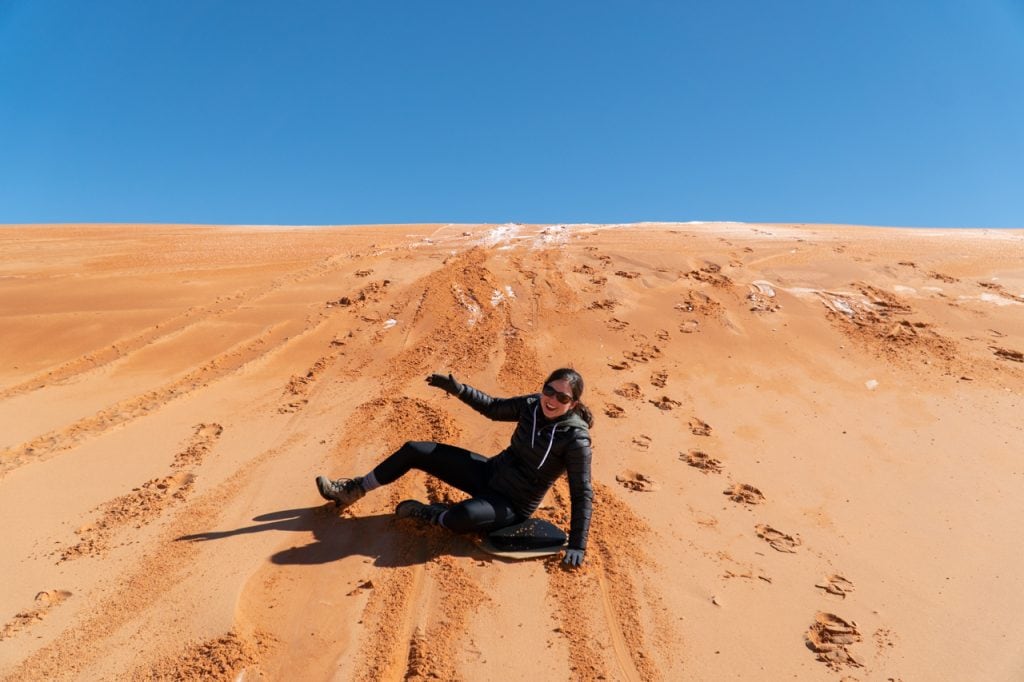
About 30 minutes from Kanab, Coral Pink Sand Dunes State Park is home to soft, peach-colored dunes shaped by wind funneling through the surrounding mountains. Over time, that wind has carried sand from the nearby Navajo sandstone, creating one of the most beautiful desert landscapes in Southern Utah.
We rented a sand sled from the visitor center and spent the morning sliding down hills and climbing back up again. It was a blast!
The park is also a popular spot for OHV riding, with miles of open terrain to explore. We didn’t ride ourselves, but if that’s your thing, it looks like a ton of fun! The park entrance fee is $10 per vehicle.
There are a bunch of things to do in Kanab, so check out our detailed guide or watch our video if you’re planning a trip!
3. Hike or bike in Snow Canyon
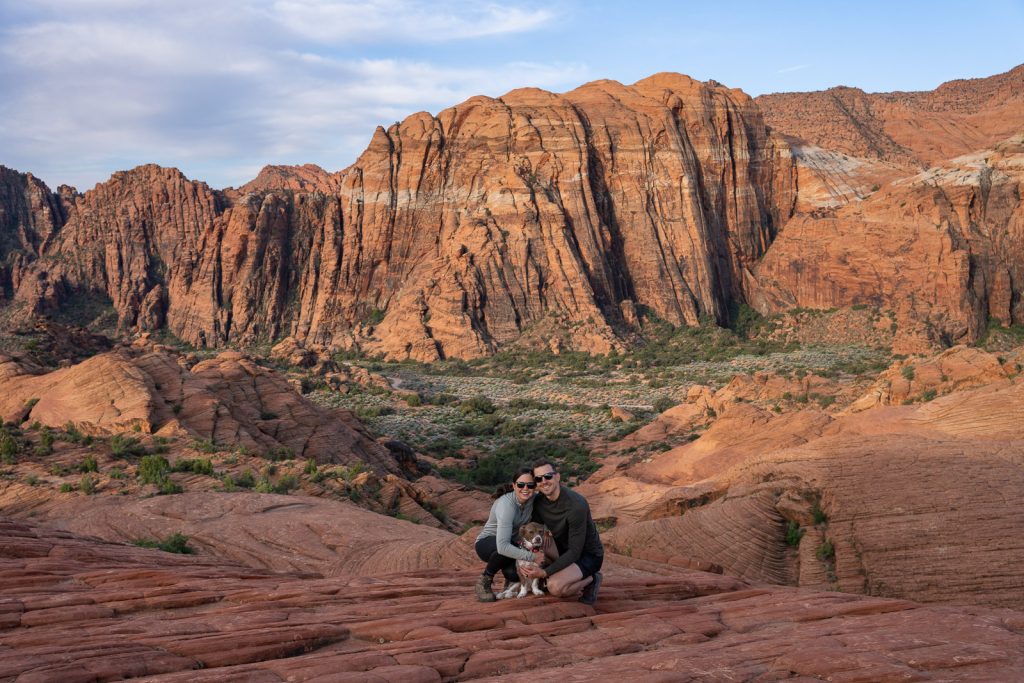
Snow Canyon State Park is often overshadowed by the nearby national parks, but we think it’s one of the most beautiful and underrated spots in Southern Utah. It’s located just outside of St. George, is home to gorgeous red and white sandstone cliffs, lava fields, petrified dunes, and even some narrow canyons.
We did the Lava Flow and Butterfly Loop and loved getting to walk over old lava tubes and climb slickrock ridges. There’s also a scenic drive through the park, and a paved bike path you can ride along. It’s $15 per vehicle to enter, and open year-round!
4. Explore Sand Hollow State Park
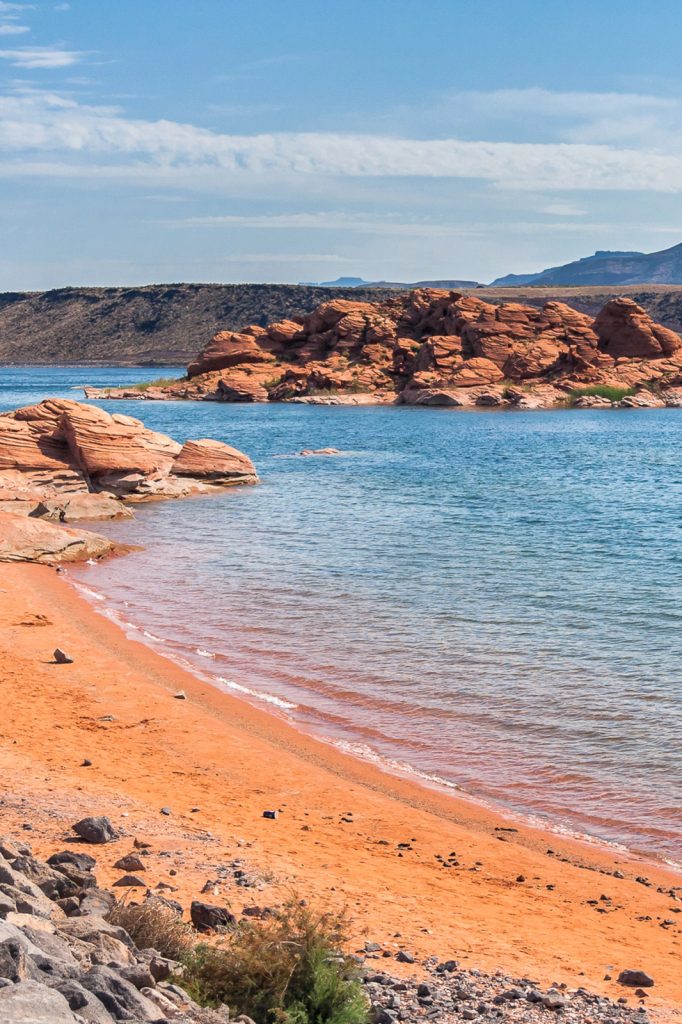
Sand Hollow State Park is just outside of St. George and is one of the prettiest places to spend a warm day in Southern Utah. The water is bright blue and surrounded by red rock, which makes it feel totally different from most lakes we’ve been to.
You can bring a kayak or paddleboard, swim, or just hang out on the beach! There’s also a campground and even some areas where you can go cliff jumping when water levels are high.
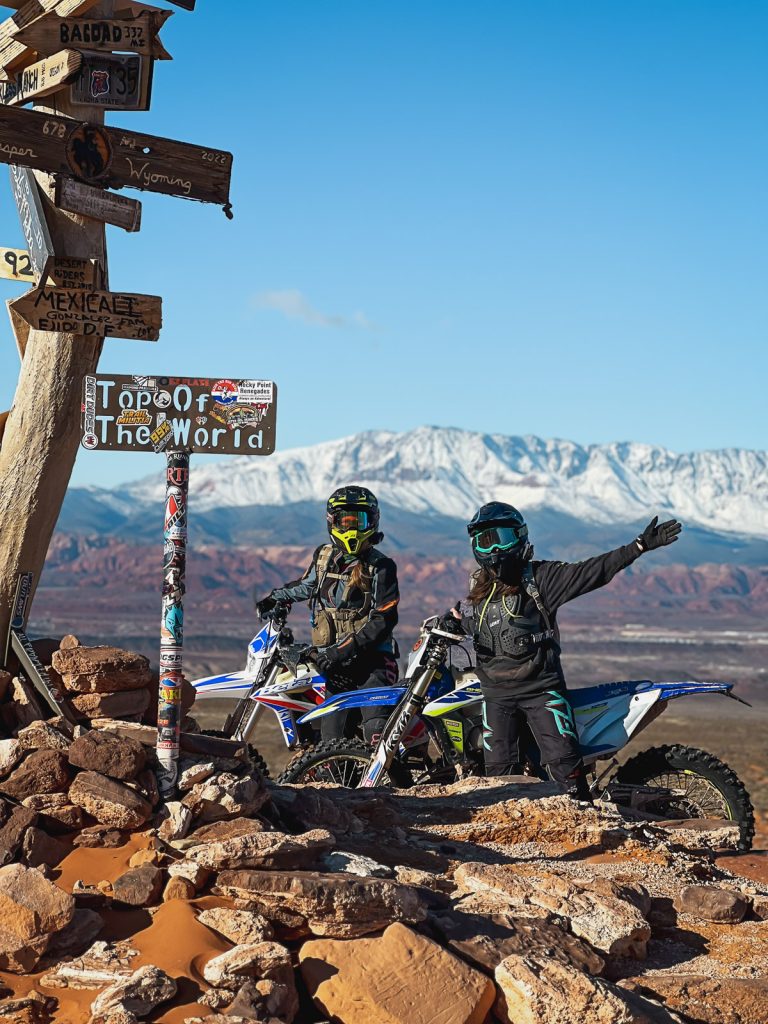
And if you’re into off-roading, Sand Hollow has an entire section of the park dedicated to it. Sand Mountain is a giant OHV playground, with open dunes, slickrock climbs, and more. One of the most popular routes is up to Top of the World, and there are tons of guided tours if you don’t have your own vehicle.
Entrance is $20 for Utah residents and $35 for non-residents per vehicle, and kayak and paddleboard rentals are available at the marina.
5. Walk through The Narrows
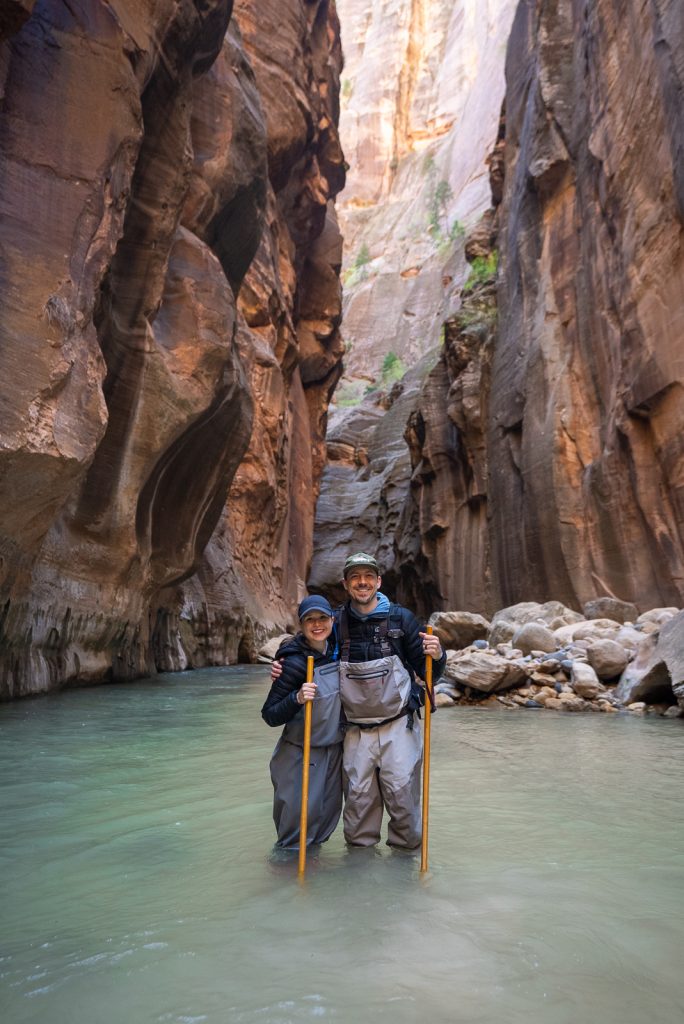
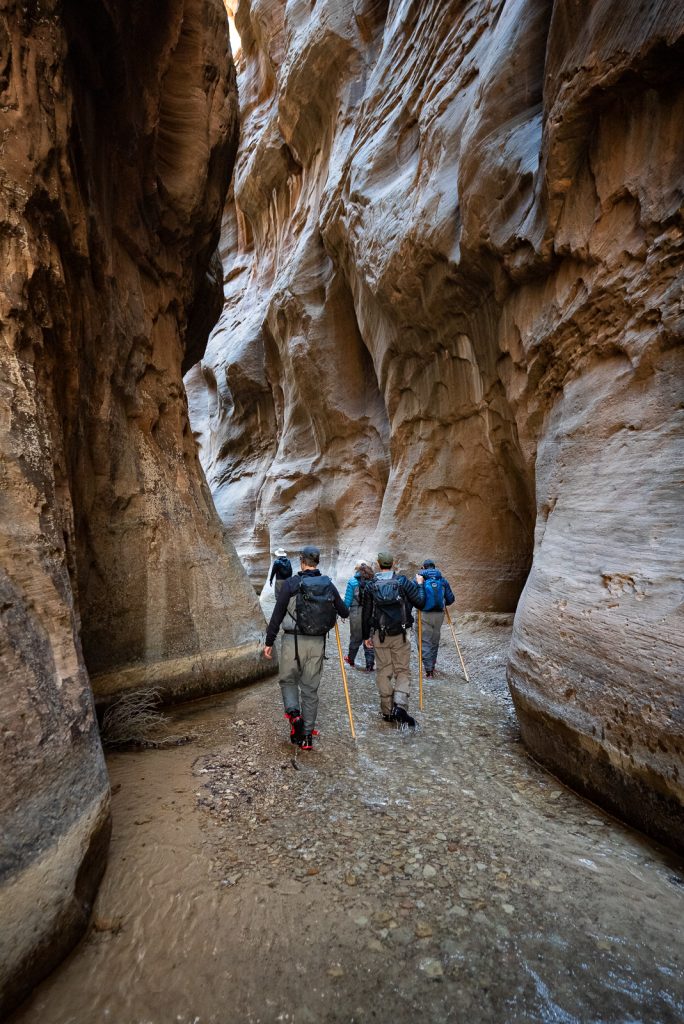
The Narrows is one of the most iconic hikes in Zion National Park, and for good reason. Instead of following a dirt trail, you’re walking straight through the Virgin River with canyon walls towering above you.
We’ve done this hike a couple times now and even just hiking a mile or two into the canyon gives you insane views. The trail starts at the Temple of Sinawava, which you’ll need to take the Zion shuttle to reach from March through late fall.
We have a full guide with everything you need to know to hike The Narrows, including where to rent gear for the hike. Plus we have a 2-day Zion itinerary to help you plan your visit!
6. Hike Observation Point

Observation Point is one of our favorite viewpoints in Zion. From the top, you’re looking down over the entire main canyon, with Angels Landing far below and layers of cliffs in every direction.
We hiked to Observation Point via the East Mesa Trail, which approaches from outside the main canyon. It’s about 7 miles round trip and pretty flat, with most of the hike being through the trees and not overly scenic. But the view at the end will take your breath away!
Before you go, make sure to read all of our tips for hiking Observation Point. There are some important things to know, like parking and shuttle information.
7. See the sunrise from the Canyon Overlook

This short trail to Canyon Overlook in Zion is one of the easiest ways to get some of the most breathtaking views. It’s only 1 mile round trip and climbs to a ledge overlooking Zion Canyon where you can see the West Temple, Towers of the Virgins, Streaked Wall, and the Beehives. It is one of the most impressive viewpoints in the park! We did it at sunrise and were completely alone, which made it even better.
The trail starts just past the Zion–Mount Carmel Tunnel on the east side of the park. There’s a small parking area right before the tunnel. No shuttle or special permit is needed to hike here, either!
8. Explore the less busy side of Zion National Park


Most visitors head straight for Zion Canyon, but did you know the Kolob sections of the park offer a totally different and equally scenic experience? Here, you can explore with no shuttles, fewer people, and some really beautiful trails and overlooks.
Located near Cedar City, Kolob Canyons has a scenic 5-mile drive that winds past towering red cliffs, with easy stops at Taylor Creek Trail and Timber Creek Overlook.
Kolob Terrace passes by Lava Point, one of the highest points in the park, and several trailheads. The trail to Northgate Peaks is another favorite with gorgeous views at the end. We loved the drive up here!
9. Hike to Kanarra Falls

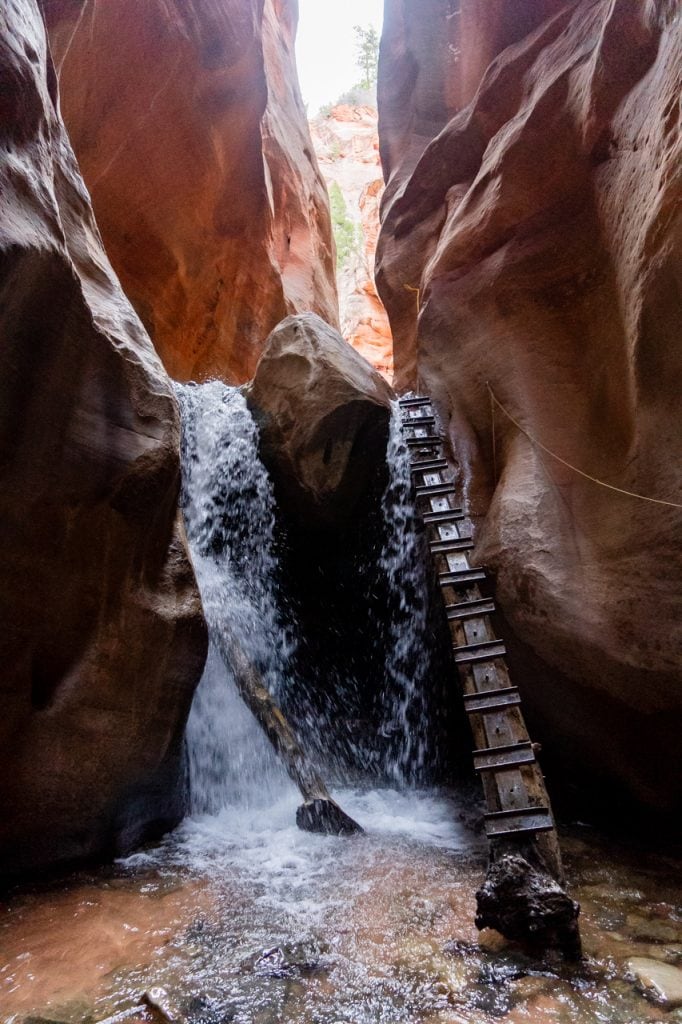
Kanarra Falls is just outside Zion in the town of Kanarraville, and gives you a taste of the Narrows, minus the crowds and shuttle system. Here, you get to hike through a slot canyon, wade through the creek, and climb a metal ladder beside a small waterfall.
To do this hike, you will need to get permits online ahead of time. Permits are $12 per person and limited to 150 hikers per day. The hike is about 3.7 miles round trip, and we absolutely loved hiking to the second waterfall!
We cover everything you need to know, including permits, gear, and tips, in our guide to hiking Kanarra Falls.
10. See petroglyphs at Parowan Gap
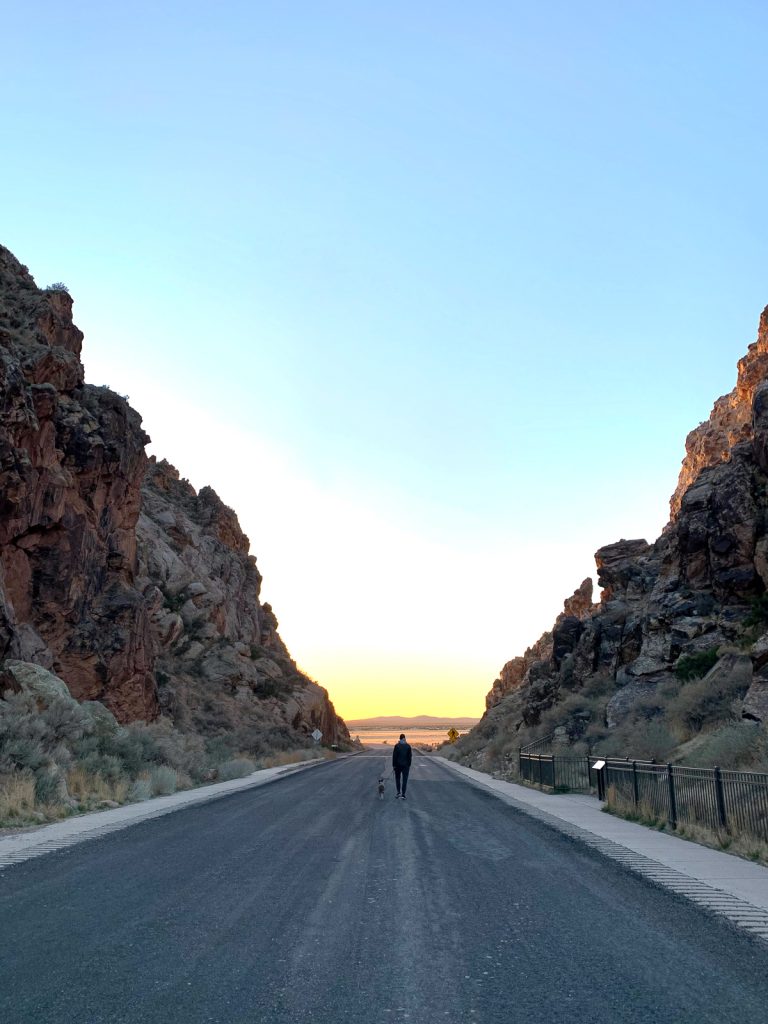
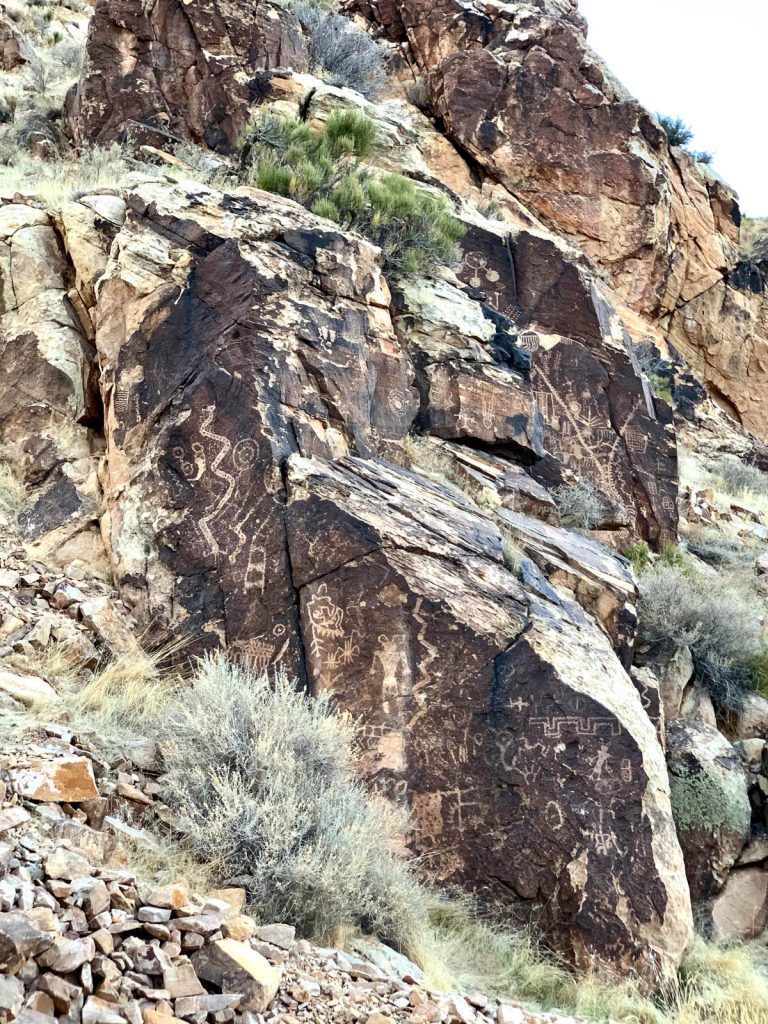
Just outside of the town of Parowan, Parowan Gap Petroglyphs is a quick stop with some of the most detailed petroglyphs we’ve seen in Utah. A short paved path takes you past over 1,500 rock carvings where you can see ancient symbols, animals, and abstract designs, many of them incredibly well preserved and over a thousand years old! There’s no fee to visit, and you can see everything in under 30 minutes.
11. Visit Cedar Breaks National Monument
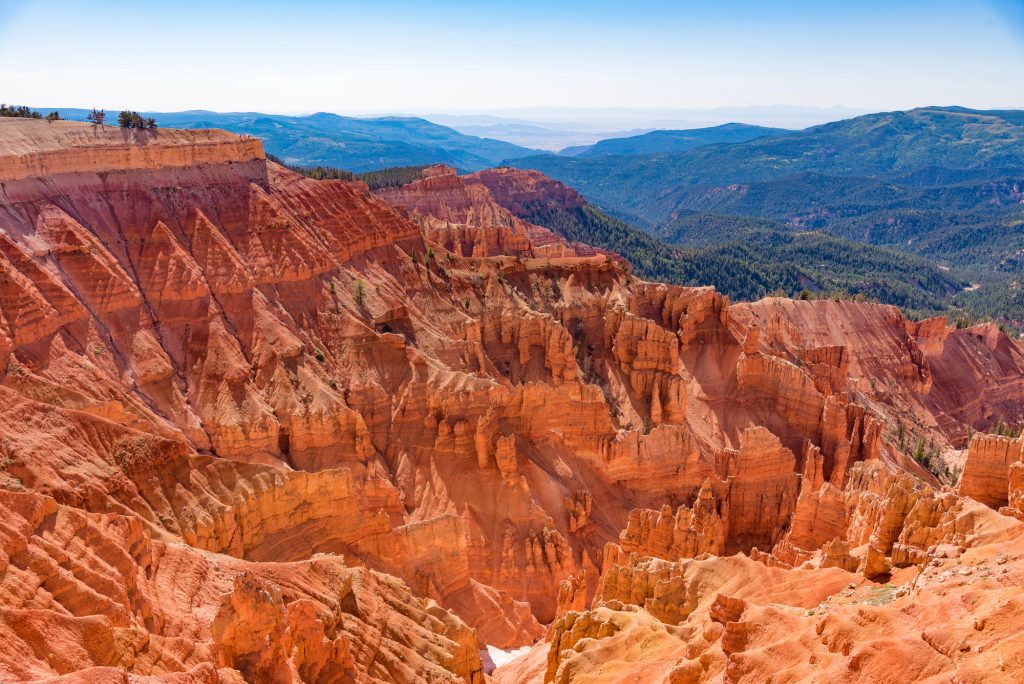
Cedar Breaks National Monument is often compared to Bryce Canyon, thanks to its amphitheater full of red and orange hoodoos. But it’s smaller, less crowded, and sits at over 10,000 feet in elevation. If you’re looking for one of the more underrated things to do in southern Utah, this is something you’ll definitely want to add to your itinerary.
One of the top hikes to do here is the Spectra Point and Ramparts Trail. This short trail follows the rim with nonstop views into the canyon! The entrance fee is $10 per person (or free with a national parks pass), but it doesn’t open until late spring due to the high elevation.
12. Explore the hoodoos at Bryce Canyon National Park


Bryce Canyon is one of the most unique places we’ve ever hiked. And despite the name, it’s actually not a canyon at all! It’s a giant natural amphitheater filled with thousands of orange rock spires called hoodoos.
We’ve been here three times now and every visit was totally different. Our favorite hikes include the Bristlecone Loop and Fairyland Loop Trail. Plus Navajo Loop and Queen’s Garden Trail, which can be connected into a figure-eight hike with the Peekaboo Loop.
We put together a one-day itinerary to help you make the most of your time in Bryce, along with a full guide to our favorite hikes in the park.
13. Hike & Ride bikes through Red Canyon
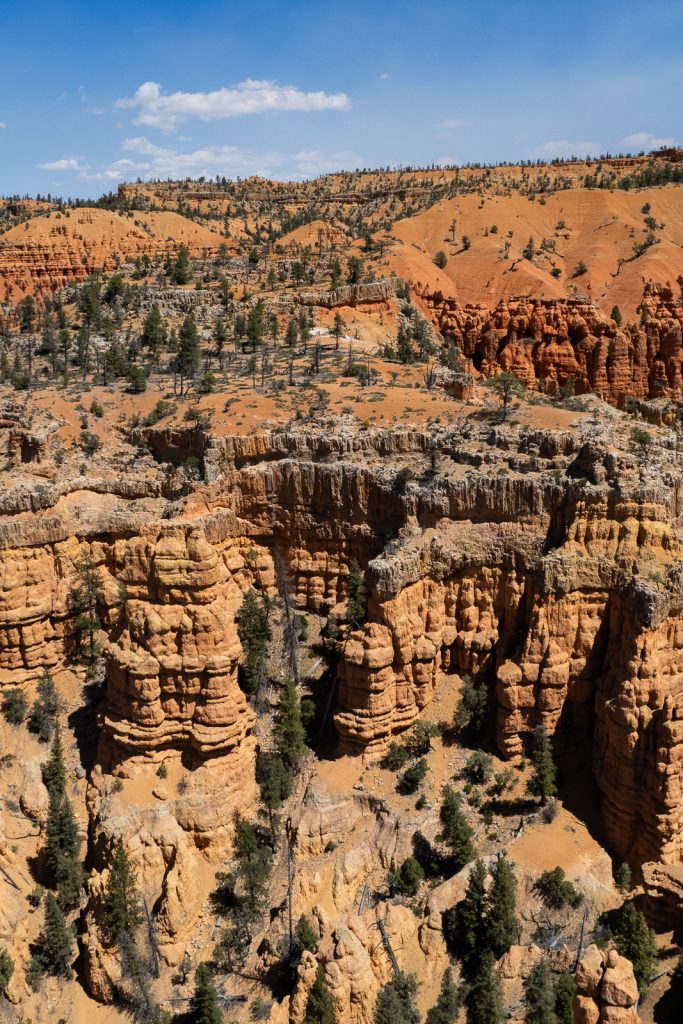
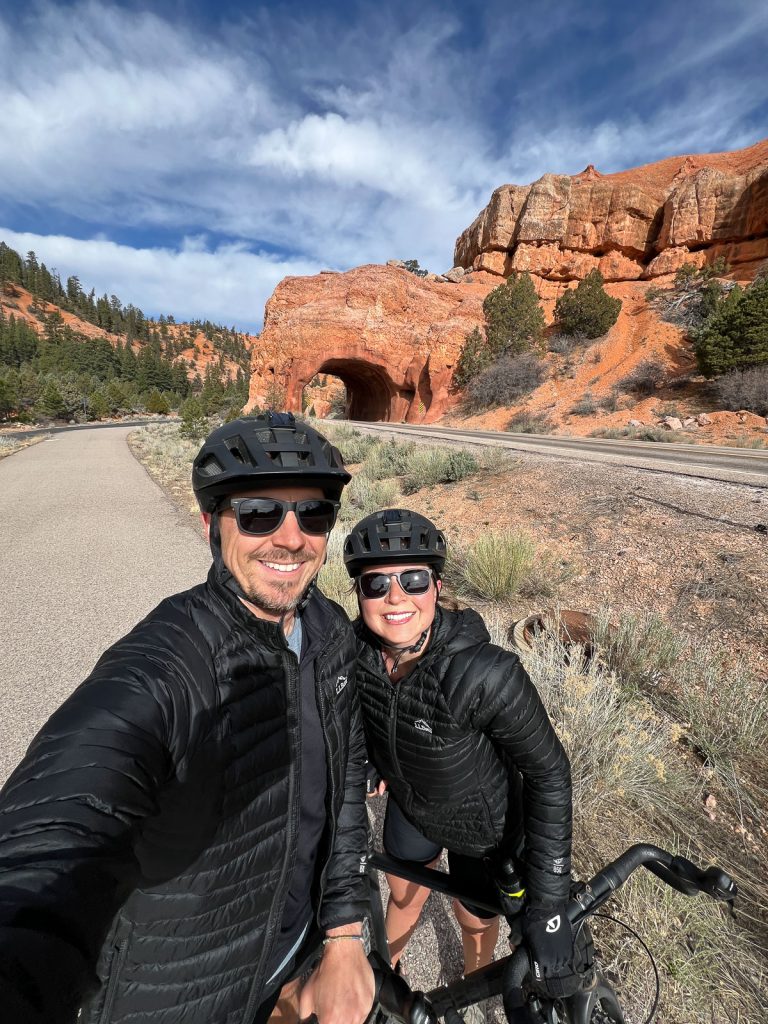
Red Canyon is just outside of Bryce Canyon and offers similar scenery, with bright orange hoodoos and tall pine trees. But the big difference is that it is free to visit, dog friendly, and has way less people!
You can admire some of the scenery from the car or bike. The paved path that connects to Bryce Canyon City is one of the prettiest bike rides we’ve done in Utah! It has one bigger climb and passes through a couple of short tunnels carved into the red rock.
But to get further into the hoodoos, we suggest going for a hike. We loved hiking the Golden Wall and Buckhorn Loop!
14. Visit Kodachrome Basin State Park
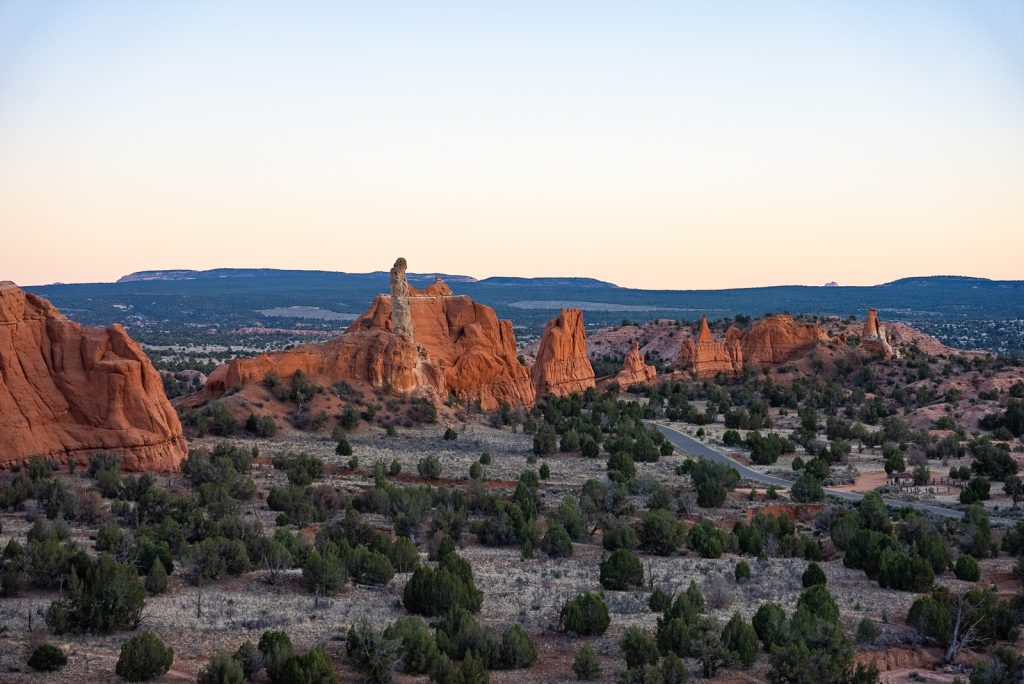
Kodachrome doesn’t get nearly as much attention as the parks around it, but we really liked it. Here, you can see colorful cliffs and tall stone spires sticking straight out of the ground. The spires are called sedimentary pipes, and they kind of look like chimneys!
We hiked the Panorama Trail in the morning, then came back later for sunset at Angel’s Palace. We barely saw anyone else out there, and the colors were incredible in the evening light.
It costs $10 per car to enter, and the trails are dog friendly, which made it easy to bring Kona along too.
15. Explore slot canyons (Peekaboo + Spooky, Buckskin Gulch, Little Wild Horse)


We’ve done a handful of slot canyon hikes in Southern Utah, and it’s easily one of the best experiences to have while exploring the state!
Peekaboo and Spooky are near Escalante and make a loop that’s full of tight squeezes, little climbs, and narrow winding sections that are really fun. There’s a $5 day-use fee at the trailhead, and we’d definitely recommend starting early since it gets busy, and the canyons are easier to navigate when it’s not crowded.
Buckskin Gulch is deeper and more rugged. In fact, it’s one of the longest slot canyons in the world! We hiked a portion of it from Wire Pass and it was awe inspiring. You do need a $6 permit for day hiking, and the trail can flash flood after rain, so make sure to check the conditions before you go.
Little Wild Horse Canyon is closer to Goblin Valley and is probably the most beginner-friendly of the bunch. Plus, there’s no entrance fee or permit required to do this slot canyon trail.
16. Enjoy coffee with a view (Kiva Koffeehouse)
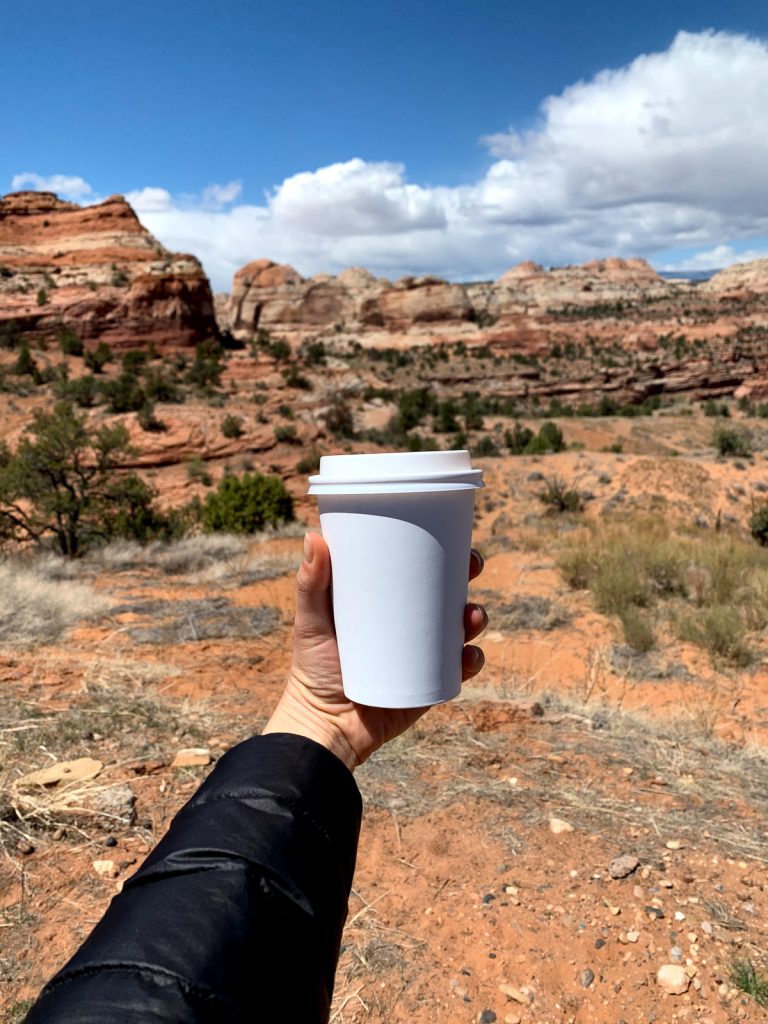
This might be one of the best coffee stops we’ve ever made. Located just outside of Escalante, Kiva Koffeehouse is a roundhouse-style structure that is made from massive timbers and built right into the cliffside. The view from their patio is unreal! Plus, their outdoor patio is dog-friendly.
17. Drive the Burr Trail
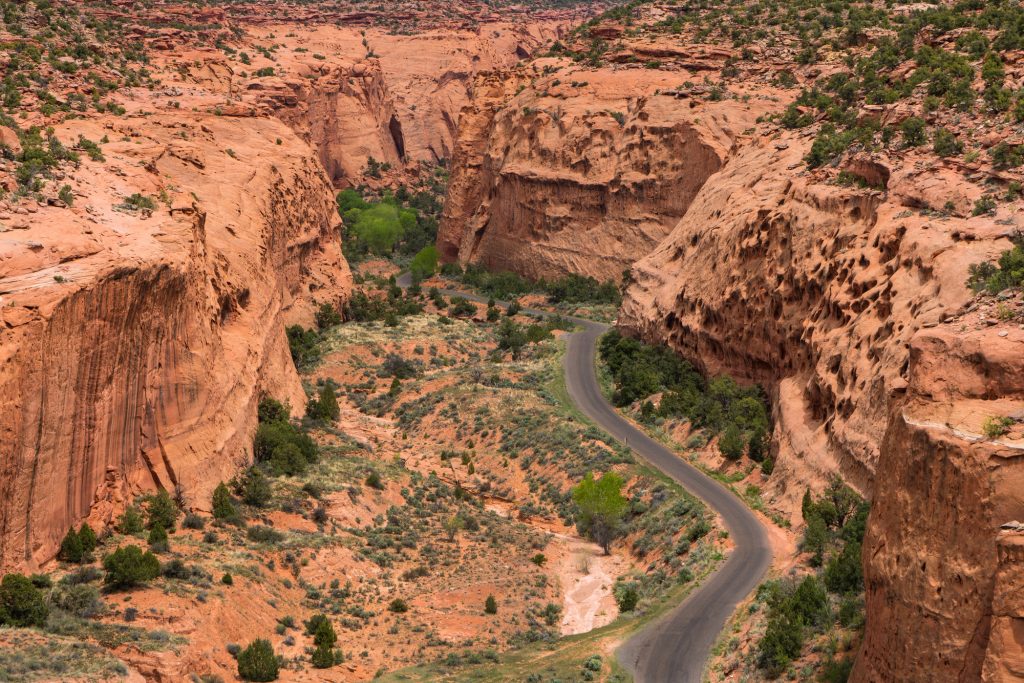
The Burr Trail is a 66-mile scenic drive that runs from Boulder to the edge of Capitol Reef National Park, winding through slickrock canyons, valleys, and some of the most dramatic switchbacks in Southern Utah. The road drops about 800 feet as it descends the face of a cliff, which makes this stretch especially memorable.
We started from the Boulder side and stopped at a few pullouts along the way. Part of the road is paved, but turns to gravel once you enter Capitol Reef. You don’t need a 4×4 in dry conditions, but the road can get rough after rain.
18. Hike to a waterfall in the desert (Calf Creek Falls + Mossy Cave Trail)
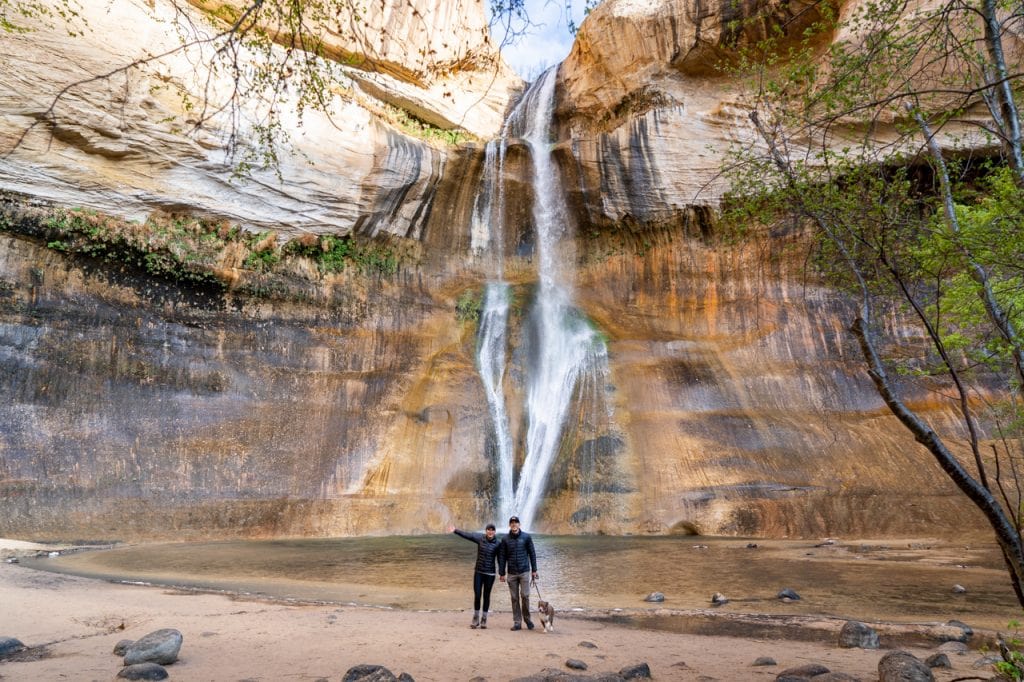
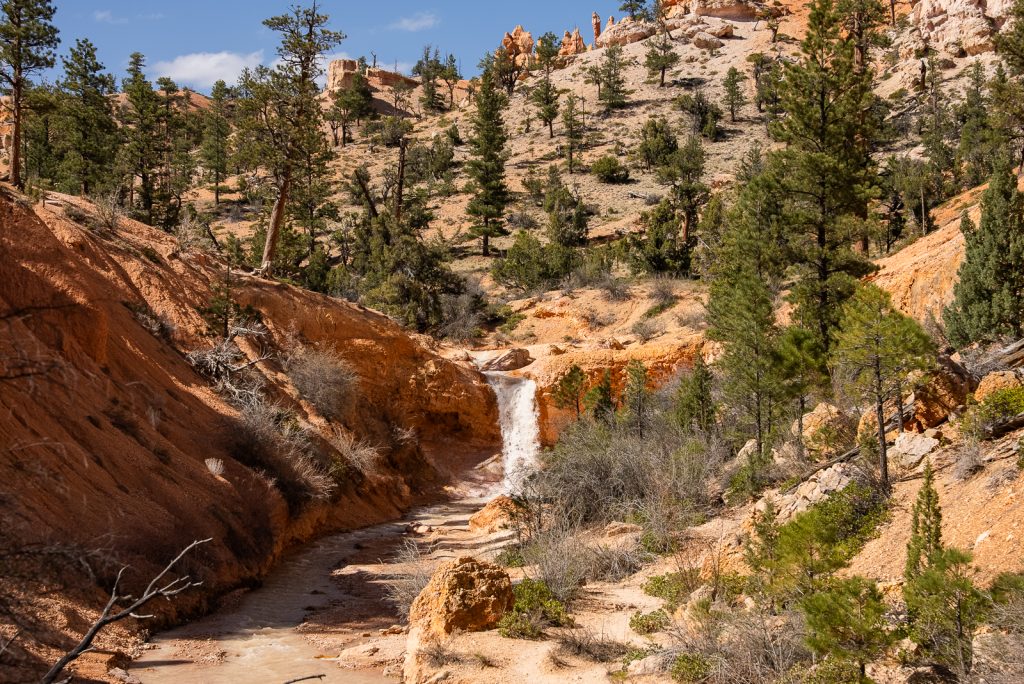
Hiking to a waterfall in the middle of the Utah desert is a little unexpected, but that’s exactly why it makes it on our list of the best things to do in Southern Utah!
Lower Calf Creek Falls is in Grand Staircase–Escalante and ends at a huge 126-foot waterfall. The trail is 6.2 miles round trip, mostly flat, and follows a creek the entire way. We started early and had it almost to ourselves. Entry is $5 per vehicle at the trailhead, or it’s covered by the America the Beautiful pass if you have one.
Mossy Cave Trail is part of Bryce Canyon National Park, but sits outside the main entrance, right off Highway 12. It’s less than a mile round trip and has a small waterfall and a mossy overhang that’s fed by an old irrigation ditch.
19. Hike Navajo Knobs in Capitol Reef National Park


Navajo Knobs was our favorite hike in Capitol Reef, hands down. The trail starts from the same lot as Hickman Bridge and climbs steadily through layers of sandstone, past arches and domes until you’re standing on a narrow ledge with the Waterpocket Fold stretching out in every direction.
The hike is 9.2 miles round trip with about 1,600 feet of elevation gain, and getting that sweeping view at the top of the Waterpocket Fold is a big reason why it made our list of best things to do in Southern Utah.
20. Walk on top of Cassidy Arch


Cassidy Arch is one of the few natural arches in Utah you can actually walk across, which makes it a pretty unforgettable stop in Capitol Reef. The trail is about 3.3 miles round trip and climbs up from the scenic drive. It’s named after Butch Cassidy, who’s rumored to have had a hideout in the area. Whether or not that’s true, this hike definitely earns its spot as one of the best things to do in Southern Utah.
21. Eat pie at Gifford Homestead


Located in the Fruita Historic District of Capitol Reef, the Gifford Homestead is a small pioneer house turned bakery that sells handmade mini pies, ice cream, and local jams. It’s not a full restaurant, but it might be one of the best food stops in any national park.
We stopped here after hiking and picked up a strawberry rhubarb pie, an apple pie, and a couple scoops of ice cream. The homestead is open seasonally from spring through fall and does sell out, especially on weekends.
22. Drive or bike Cathedral Valley
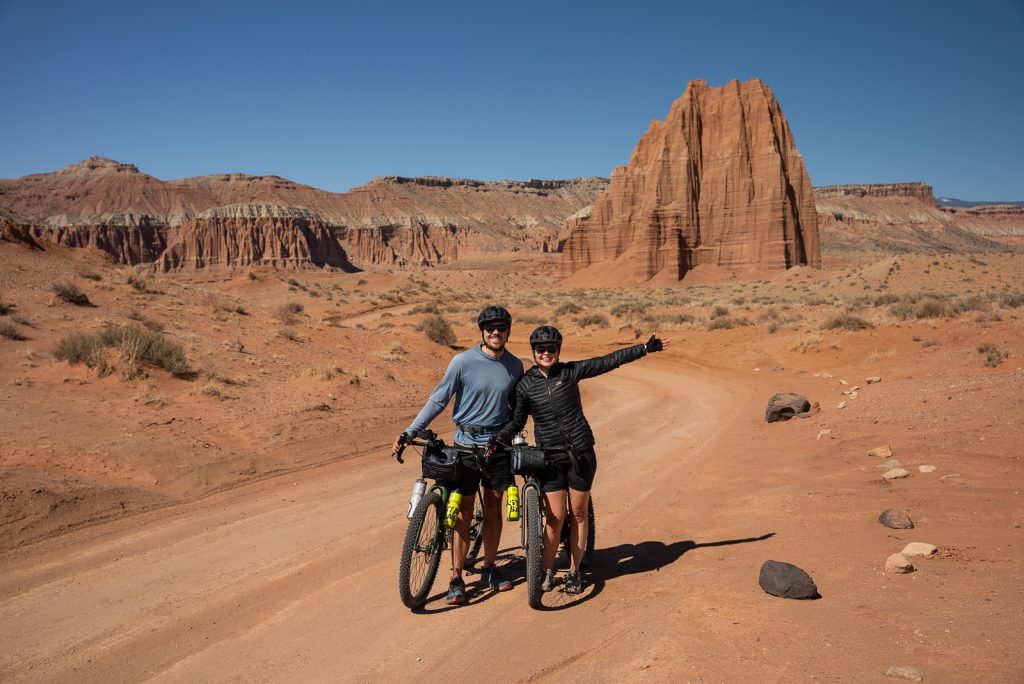
For the ultimate views in Capitol Reef, head to Cathedral Valley! Located north of the Fruita region of Capitol Reef, this is a 60 mile driving loop, which consists of unpaved roads and takes about 6-8 hours to complete. There are many side trips and hiking opportunities along the way and some of the park’s most iconic sites, like Temples of the Sun and Moon, are located here. But you really need an AWD or 4×4 vehicle to do this driving loop, as it can be sandy. And if you get stuck, it may be very hard to get help! We personally rode our bikes to experience it, parking at this lot and riding to the Temples of the Sun and Moon before turning back around.
23. Explore the unique formations in Hanksville
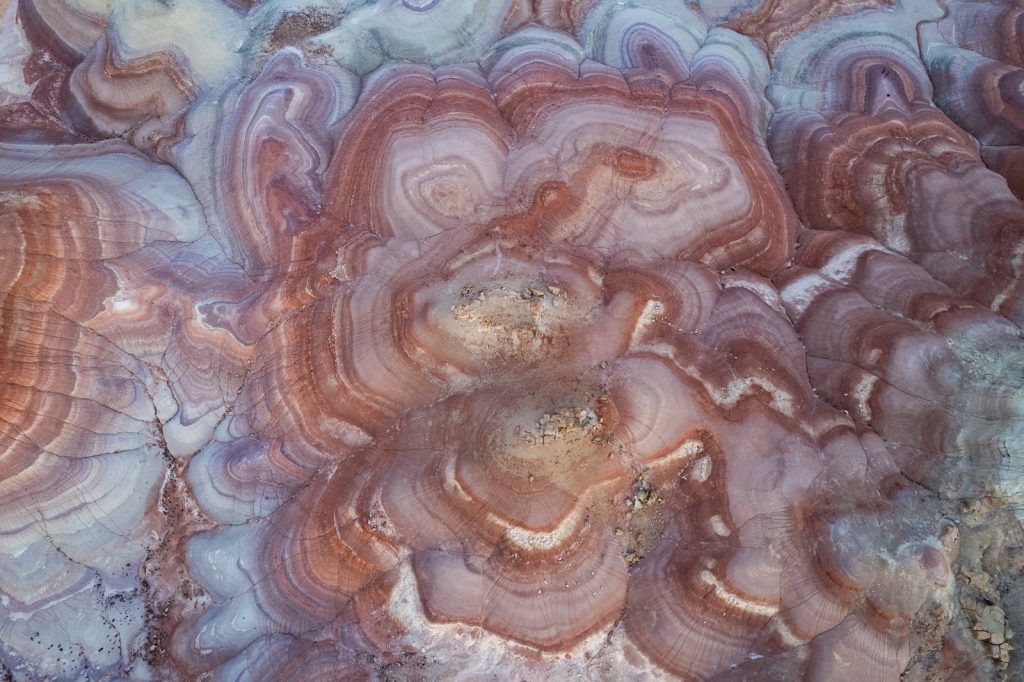
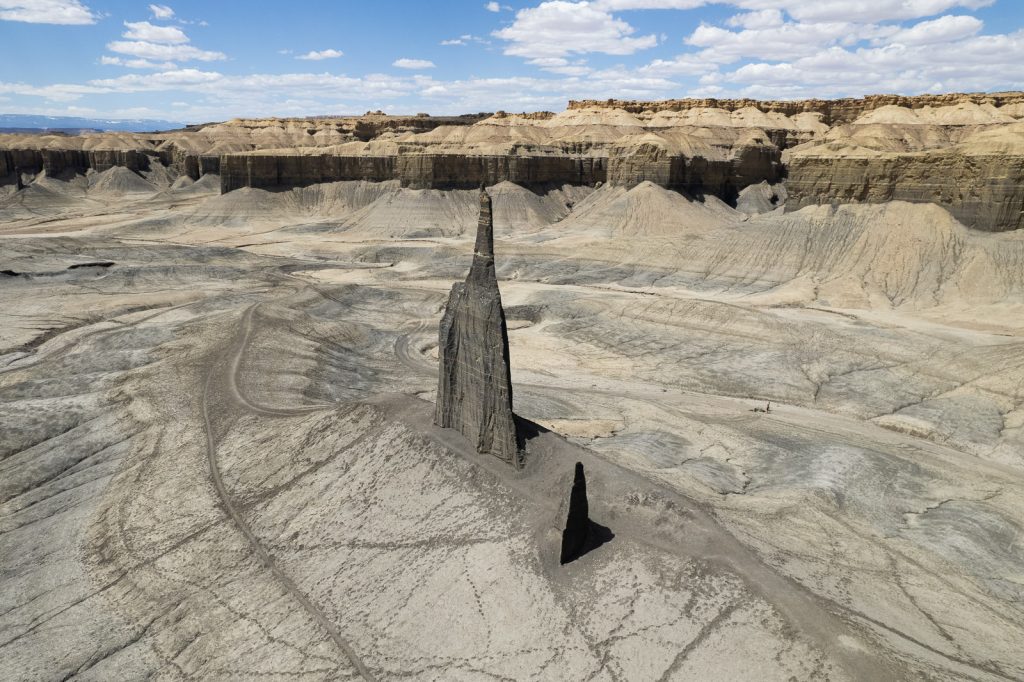
Hanksville is a tiny town in the middle of the desert, but it’s surrounded by some of the most surreal landscapes we’ve seen in Southern Utah.
Just outside of town, the Bentonite Hills are a must-see. They are colorful mounds that look painted in pastel stripes. Drone footage really shows off the textures here, but even from the ground, it’s incredibly surreal.
A little farther down the road, we biked out to a rock spire called Long Dong Silver (yes, really). The road was closed to vehicles, so we parked and pedaled the rest of the way, cracking up at the name.
For both stops, you will need to drive on dirt or gravel roads. 4×4 is not required, but higher clearance will help!
24. Walk among crazy formations at Goblin Valley State Park
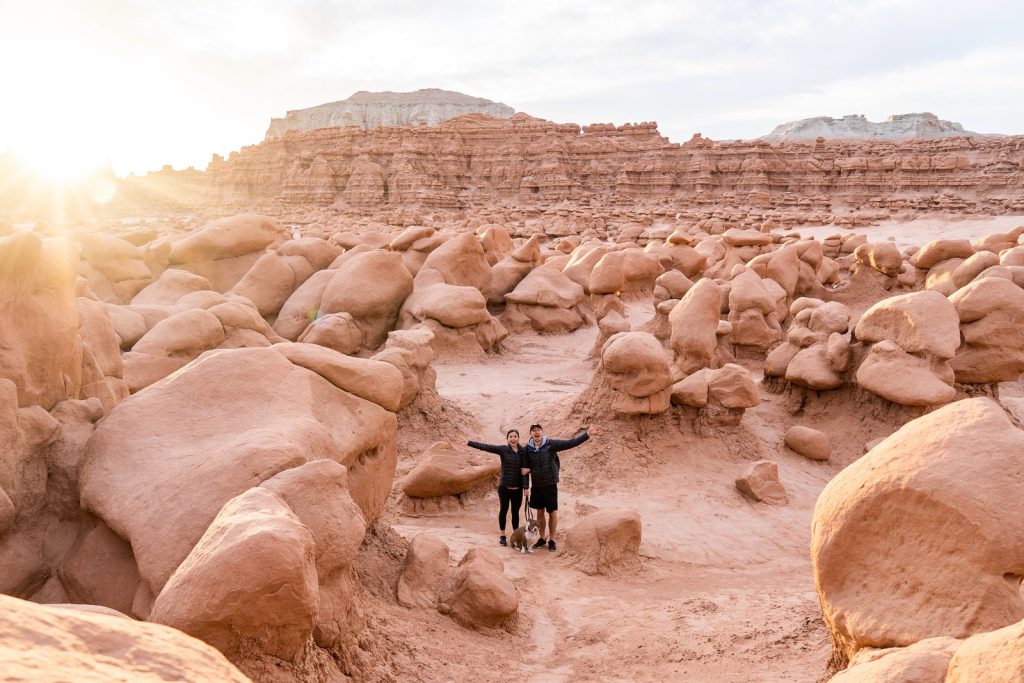
Located between Capitol Reef and Green River, Goblin Valley State Park is one of the weirdest and most wonderful places we’ve explored in the state. The landscape is packed with thousands of mushroom-shaped hoodoos (aka “goblins”) that you can wander around. We felt like we were on Mars the entire time we were there!
The park is open year-round and costs $20 per vehicle to enter. There’s also a campground if you want to stay the night. But we have found the free camping nearby is even better!
25. Eat delicious tacos in Green River
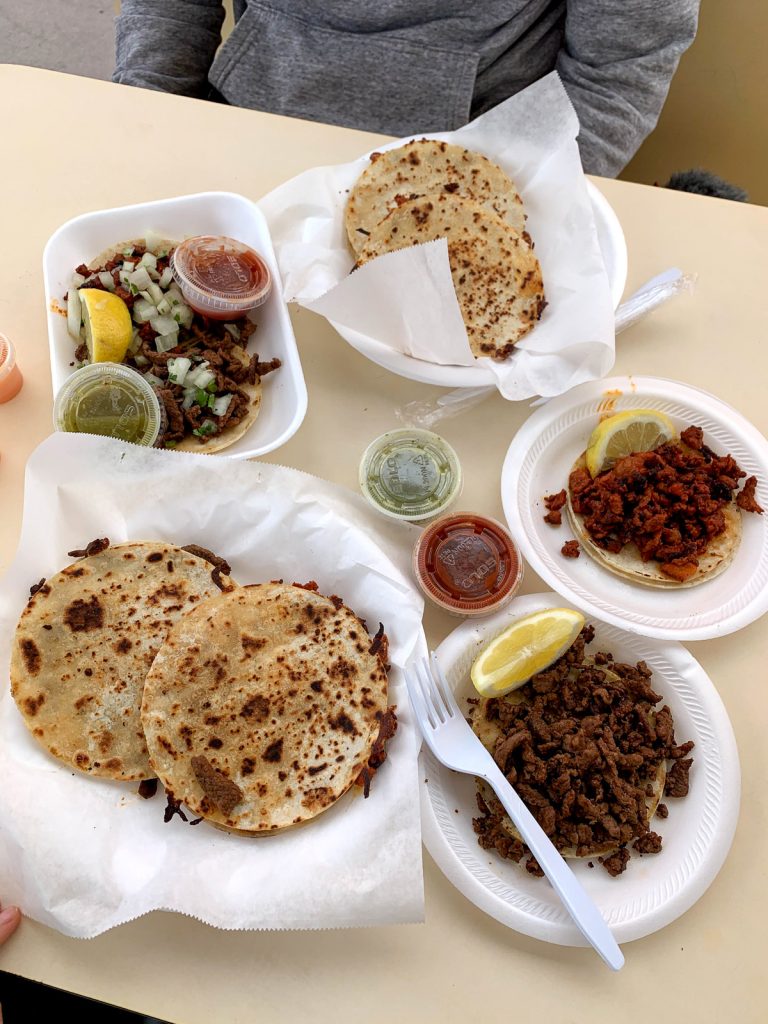
Green River might not look like much from the road, but we stopped for tacos at Tacos La Pasadita on the way to Moab and were seriously impressed. It’s a tiny roadside spot at a former gas station. We love their vampiros, which are like quesadillas, with al pastor meat. It’s our go-to spot when road tripping through the area!
26. Drive through the Little Grand Canyon
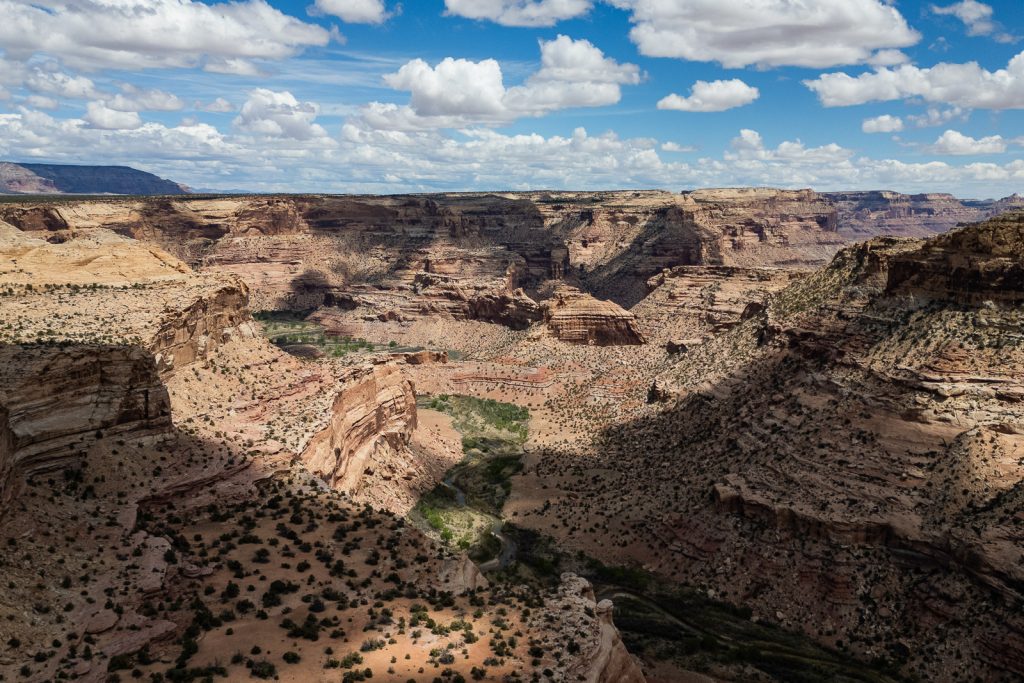
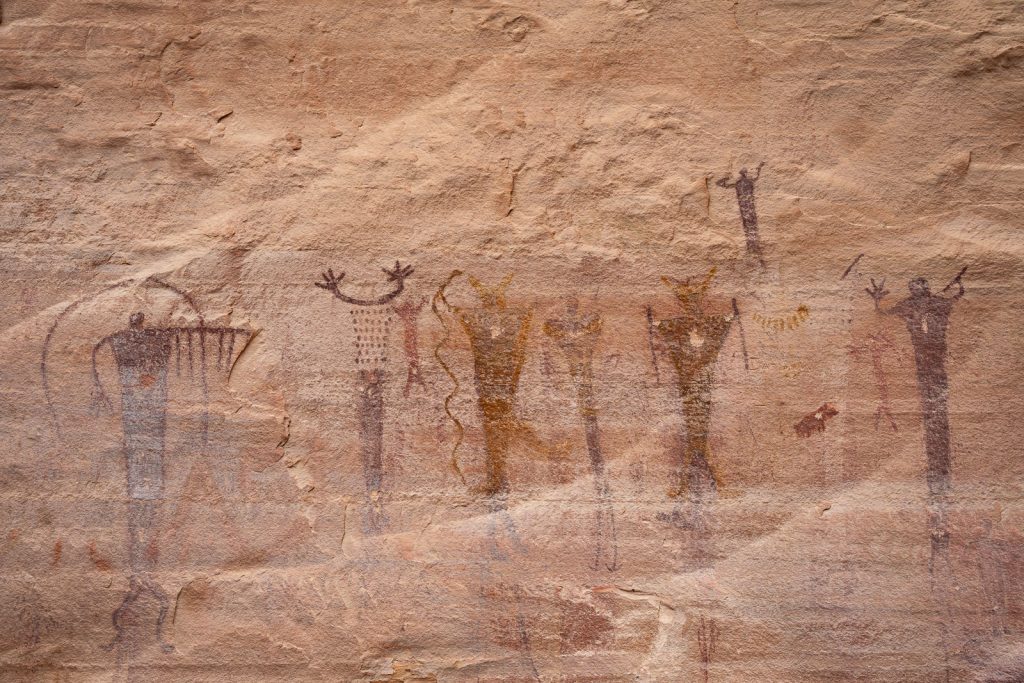
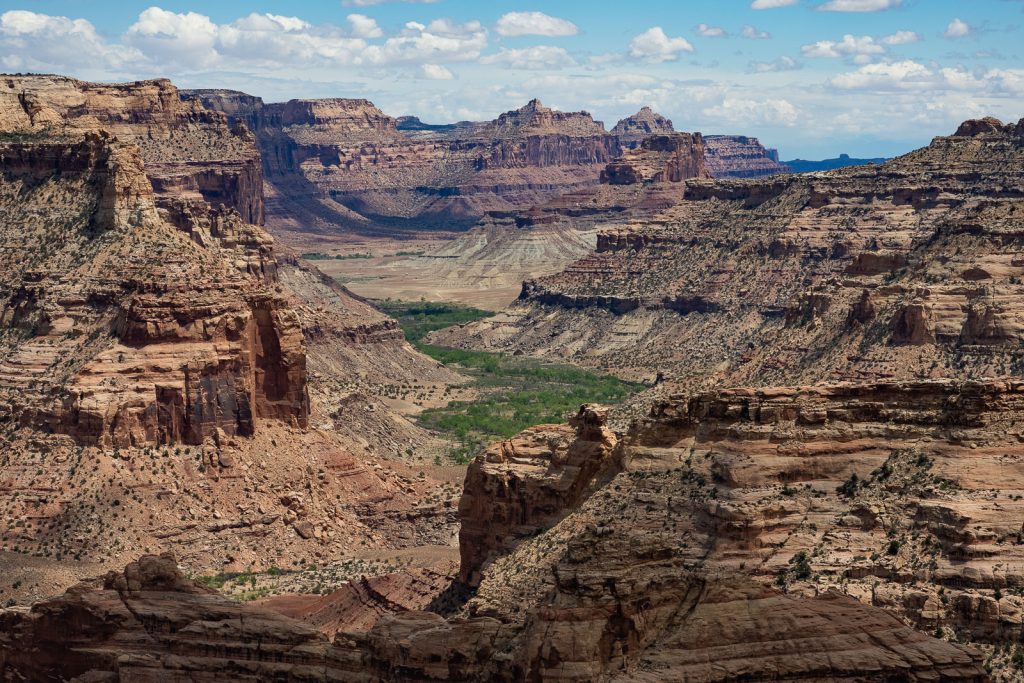
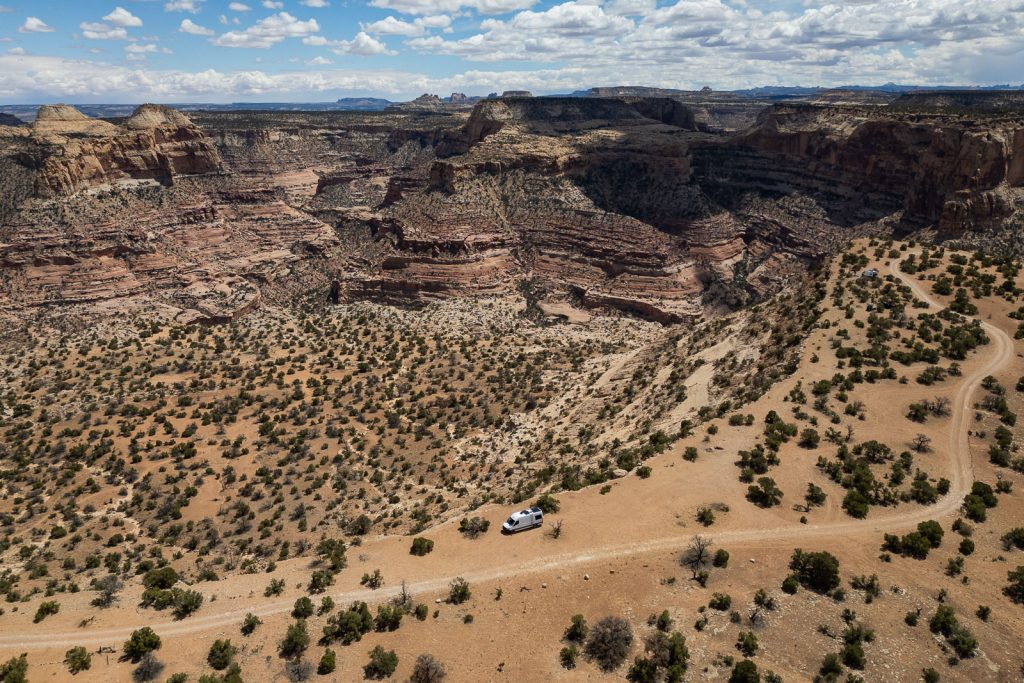
Tucked into the northern part of the San Rafael Swell, the Little Grand Canyon is one of the most underrated places we’ve visited in Southern Utah. From the Wedge Overlook, you get a full view of the San Rafael River winding through steep canyon walls, and the colors at sunset are incredible.
We camped right on the rim and had the entire place to ourselves. It is one of our favorite boondocking spots in Utah!
The road is long and washboarded, so it helps to have high clearance, but we made it in our van just fine in dry conditions. There’s no fee to enter, and no services, so come prepared with water and everything you need for the night.
27. See Mesa Arch at sunrise

Mesa Arch at Canyonlands Island in the Sky district is one of the most photographed spots in Utah. And for good reason! It’s a short, easy trail (about 0.6 miles roundtrip) that leads to an arch perched right on the edge of a cliff. As the sun rises, it pops through the arch, creating a beautiful flare.
And while this hike is super easy to access…it’s also very popular. Dozens of photographers come here to snap a shot of the arch at sunrise. So arrive early to snag a spot and practice patience!
28. See Delicate Arch at sunrise


Watching the sunrise at Delicate Arch was one of the most memorable things we did in Arches National Park. The 3.3-mile trail climbs over slickrock and ends at the park’s most iconic landmark, a massive natural arch perched above a sandstone bowl. If you’re up for an early start, this is one of the best things to do in Southern Utah!
29. Hike the Devils Garden Loop

The Devils Garden Loop was hands down our favorite hike in Arches. The full loop is 8.1 miles and includes seven arches, with some fun scrambling and a primitive trail section.
You can hike out to Landscape Arch and turn around, or keep going to Double O Arch and complete the full loop. The views just get better the farther in you go, and we saw less people once we got past the first mile.
30. Tackle the Fiery Furnace
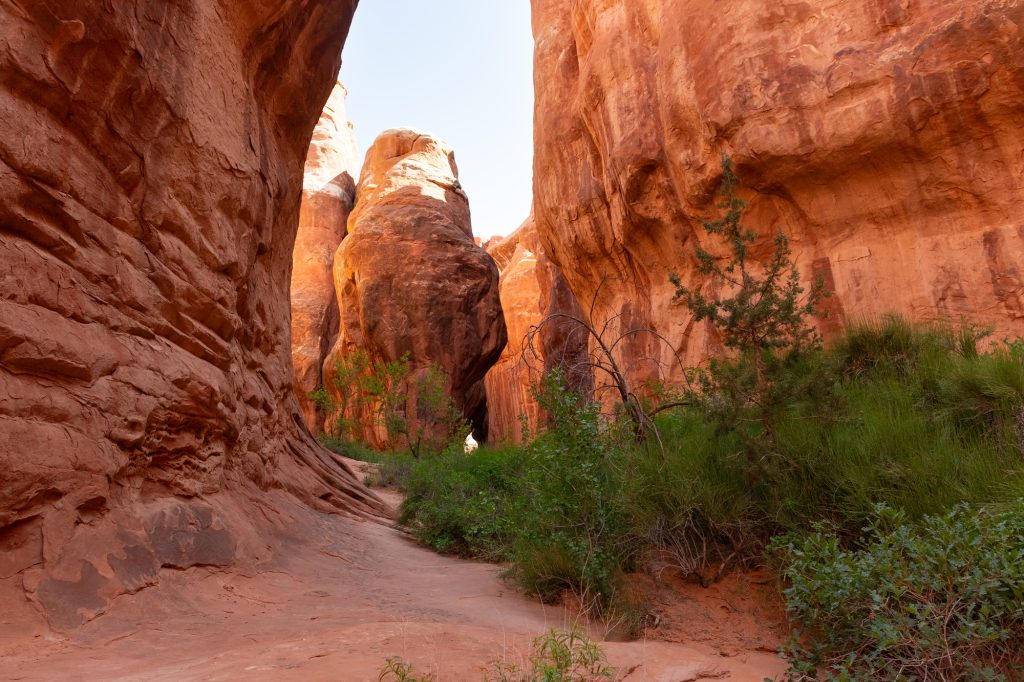
The Fiery Furnace is one of the most unique hikes in Arches National Park. It’s not really a trail, more like a maze where you try to navigate through narrow canyons, sandstone, and loose sand. There’s scrambling, squeezing between walls and a lot of looking around and saying “wait, is this the way?”
You can either do a self-guided version, which requires a special permit. Or you can go on a ranger-led tour if you want someone to show you around. Either way, it’s unlike anything else in the park!
31. Go on a Hell’s Revenge 4×4 tour
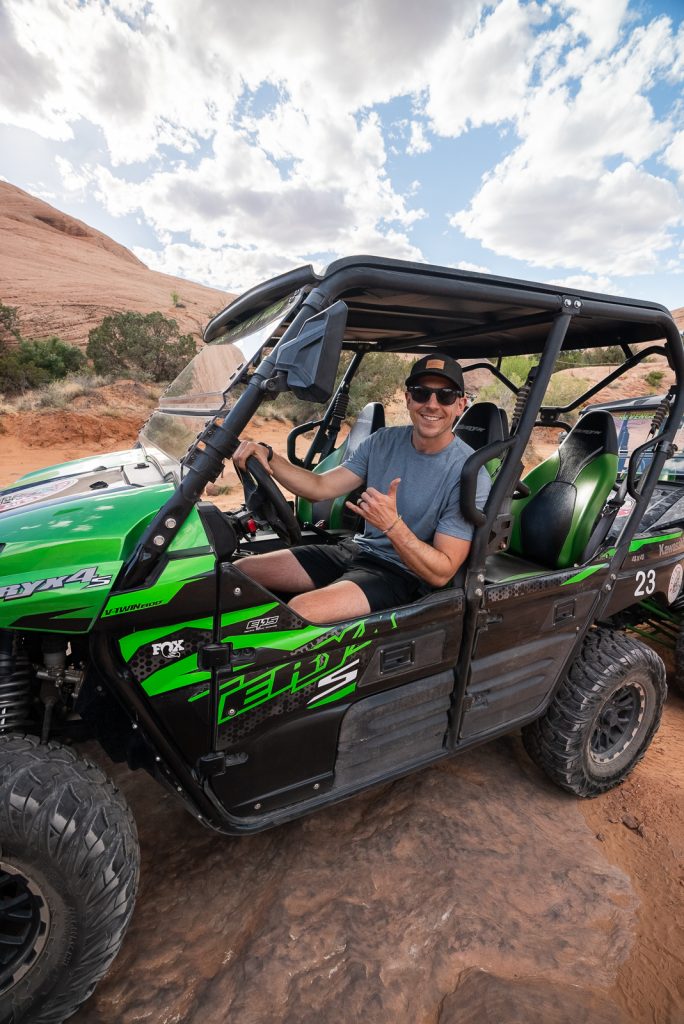
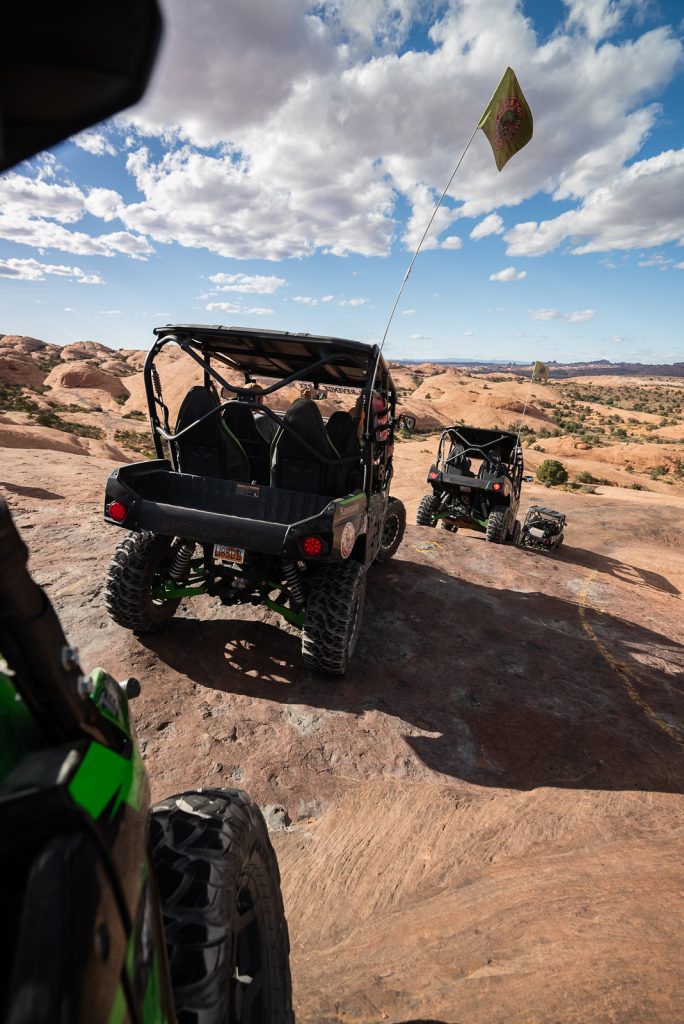
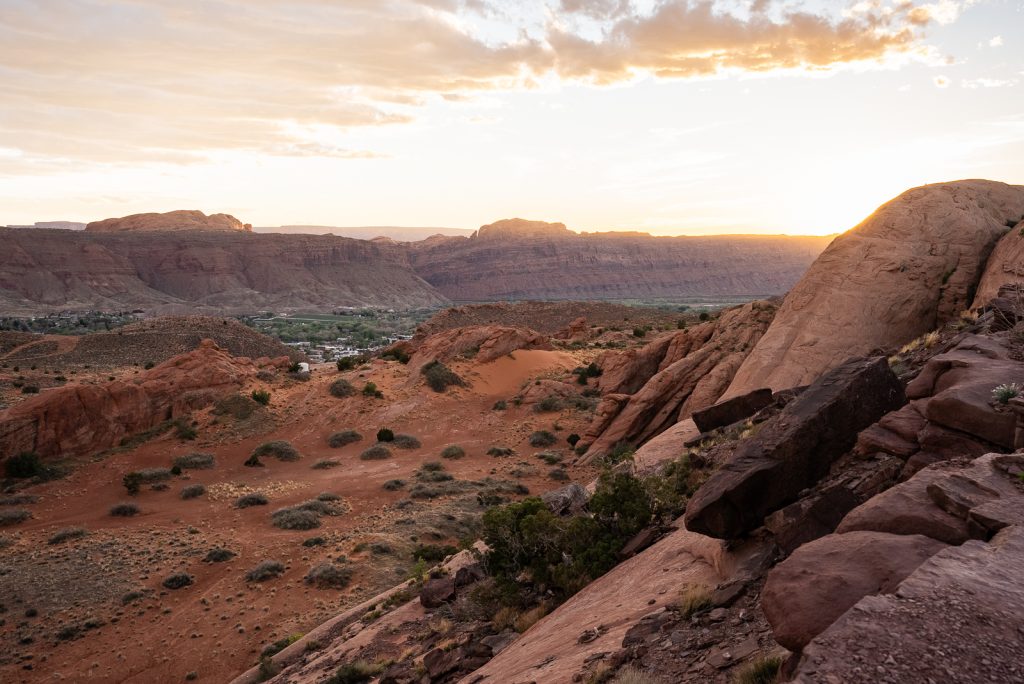
Riding UTVs at Hell’s Revenge is one of the most exhilarating things to do in Southern Utah! Here you’ll wind over steep slickrock domes, on top of fins, and right along the edges of cliffs. All with views of the Colorado River and the La Sal Mountains in the distance!
We booked a guided UTV tour out of Moab, and it was full of both adrenaline and laughter the whole time. The drops looked scarier than they felt, but some of the turns definitely had our hearts racing. Tours typically run around $100 per person, but you can use our code APLUSK10 for 10% off!
32. Watch the sunset at Dead Horse Point State Park


Dead Horse Point might have one of the best sunset views in all of Southern Utah. The overlook sits above a bend in the Colorado River, with red cliffs dropping hundreds of feet below. It reminded us of a mini Grand Canyon, but with fewer people and easier access.
The park costs $20 per vehicle to enter and is about 45 minutes from downtown Moab. It’s also a great place to camp if you want to stay close to Canyonlands but avoid the crowds.
33. Check out Moab’s food scene


After a full day of hiking or off-roading, Moab has some great spots to refuel. A few of our favorites are Thai Bella for tasty bowls of curry, Quesadilla Mobilla for massive cheesy quesadillas out of a food truck, and Doughbird, where you can get hot chicken and donuts in one place. We also always stop at Moab Garage Co for coffee and breakfast!
34. Go on some of Moab’s best hikes

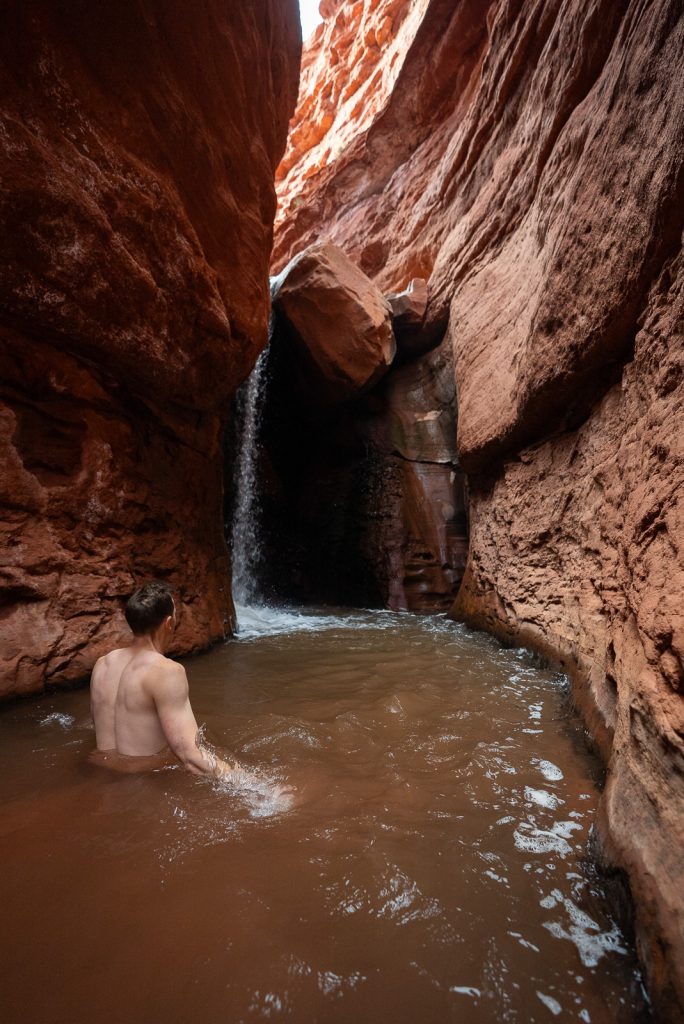
Moab has a ton of great hikes outside the national parks, which is perfect if you’re looking for fewer crowds. Many of these trails still feature arches, slickrock, and gorgeous views. Plus they’re free and dog-friendly, which we’re all about!
We really love Corona Arch, where you’ll climb a ladder, slickrock, and get to see a massive arch at the end. Jeep Arch is another fun one, with a scramble up to a loop-shaped arch you can walk through. And Grandstaff Canyon is beautiful in the evening, with a creek running through the whole way and the option to hike to Morning Glory Arch.
If you’re planning to hit the trails, we put together a guide to the best hikes in Moab.
35. Explore the Needles District


The Needles District is a totally different world from the Island in the Sky area of Canyonlands. Here you’ll find a landscape filled with colorful spires and layered rock formations. It is hands down one of the best things to do in Southern Utah if you want something far more remote and adventurous!
We spent a full day hiking the Druid Arch to Chesler Park Loop, and it ended up being one of our favorite hikes in the park. The trail winds through slot canyon sections with lots of fun scrambling, some ladder climbing, and almost no crowds.
36. Drive the Moki Dugway
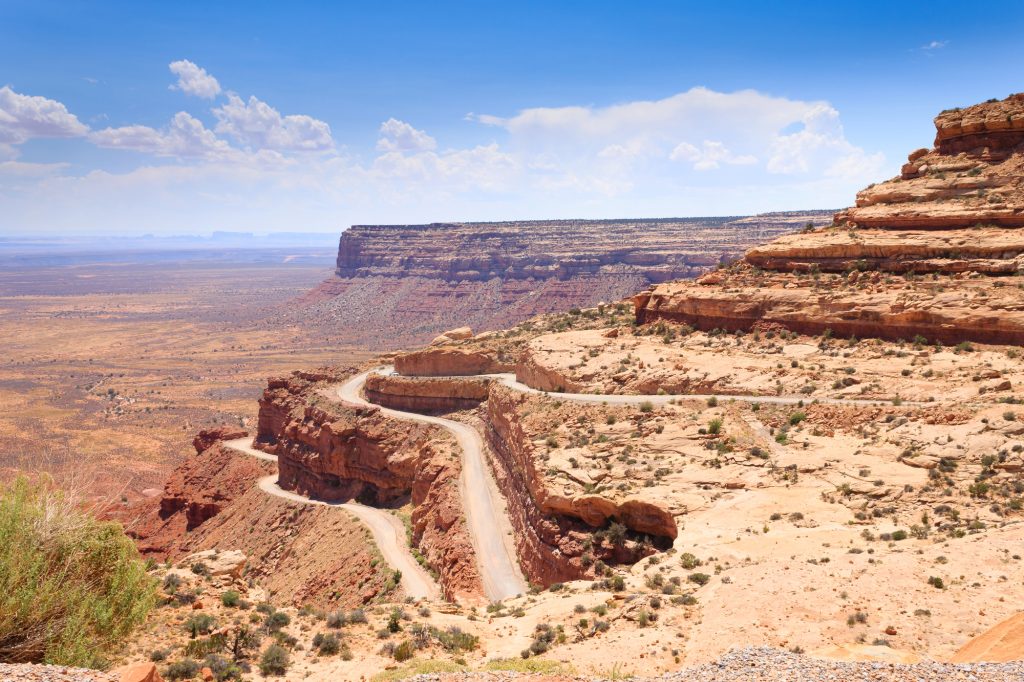
The Moki Dugway is one of the wildest roads we’ve ever driven. It’s a steep, narrow dirt road that climbs up the side of a cliff with a bunch of tight switchbacks and no guardrails. It was originally built to haul uranium, but now it’s just a scenic (and slightly nerve-wracking) drive with insane views.
At the top, you can detour to Muley Point, which looks out over Monument Valley, Goosenecks, and miles of desert in every direction.
There’s no fee to drive the road, but we’d only recommend it in good weather and with a vehicle you’re comfortable handling an 11% grade on dirt and gravel.
37. Camp in Valley of the Gods
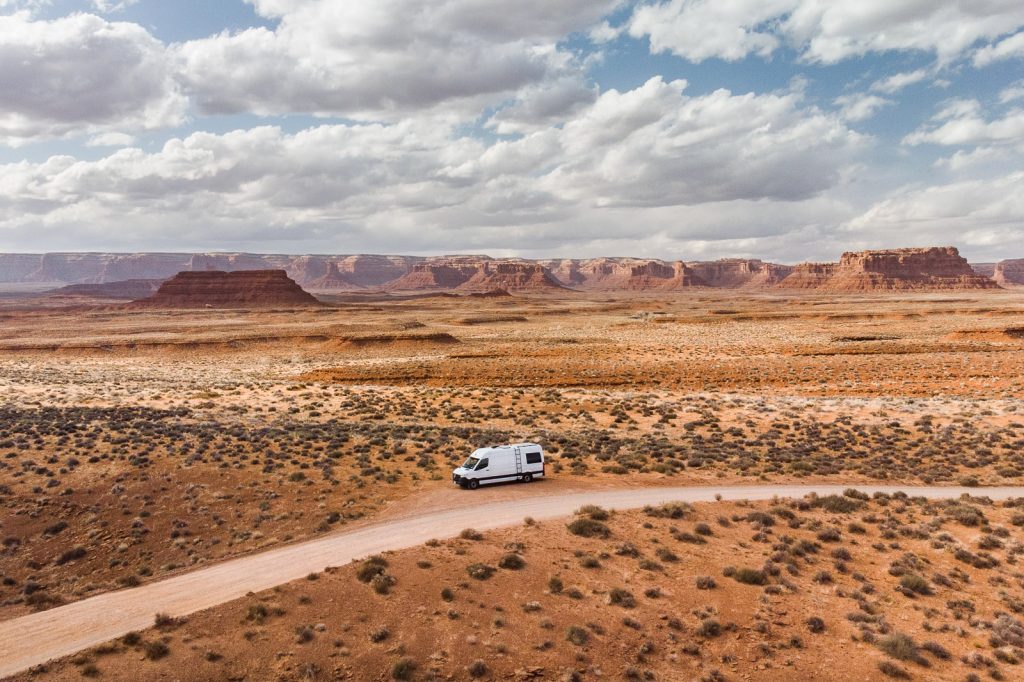
If you love the look of Monument Valley, Valley of the Gods delivers the same dramatic desert scenery with massive rock formations and towering buttes, but with far fewer people around.
There’s a 17-mile dirt road that loops through the rock formations, and you’re allowed to camp pretty much anywhere along it for free.
We found a great spot right overlooking the area’s scenery and it ended up being one of our favorite boondocking campsites we’ve had in Utah!
38. Recreate the famous Forrest Gump scene
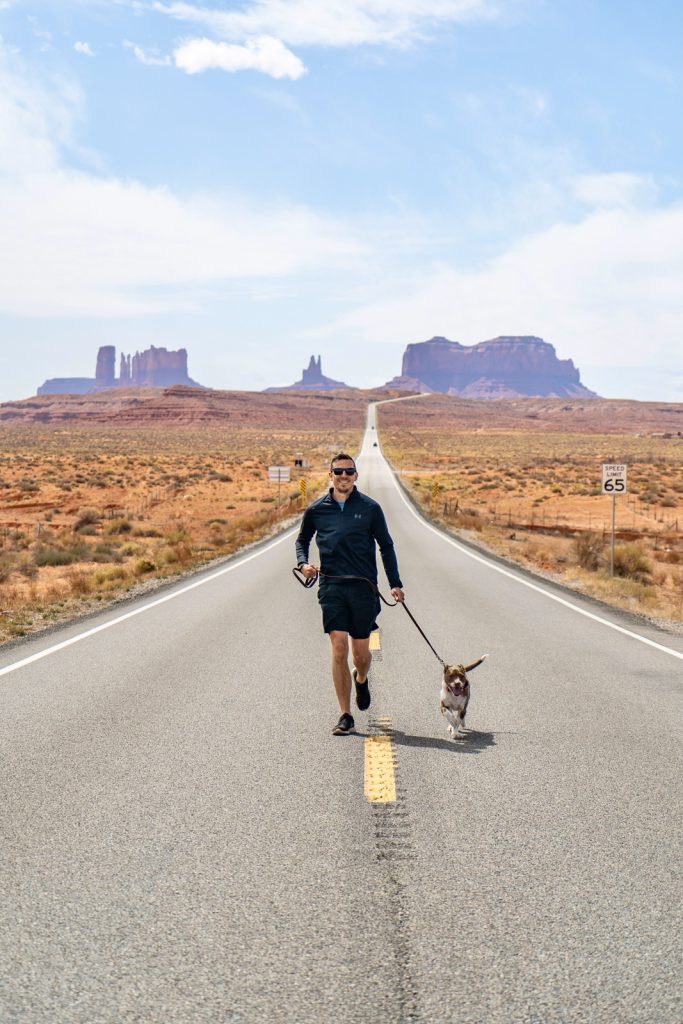
If you’ve ever seen Forrest Gump, you’ll recognize the stretch of Highway 163 just outside of Monument Valley. It’s where Forrest stops running and decides to go home. The view here is just as iconic in real life.
There’s a small pull-off where you can park and snap a photo looking down the road. It’s an easy detour if you’re driving between Mexican Hat and Monument Valley, and definitely worth a quick stop. Just be careful if you decide to stand in the road!
39. See the sunrise at Goosenecks State Park
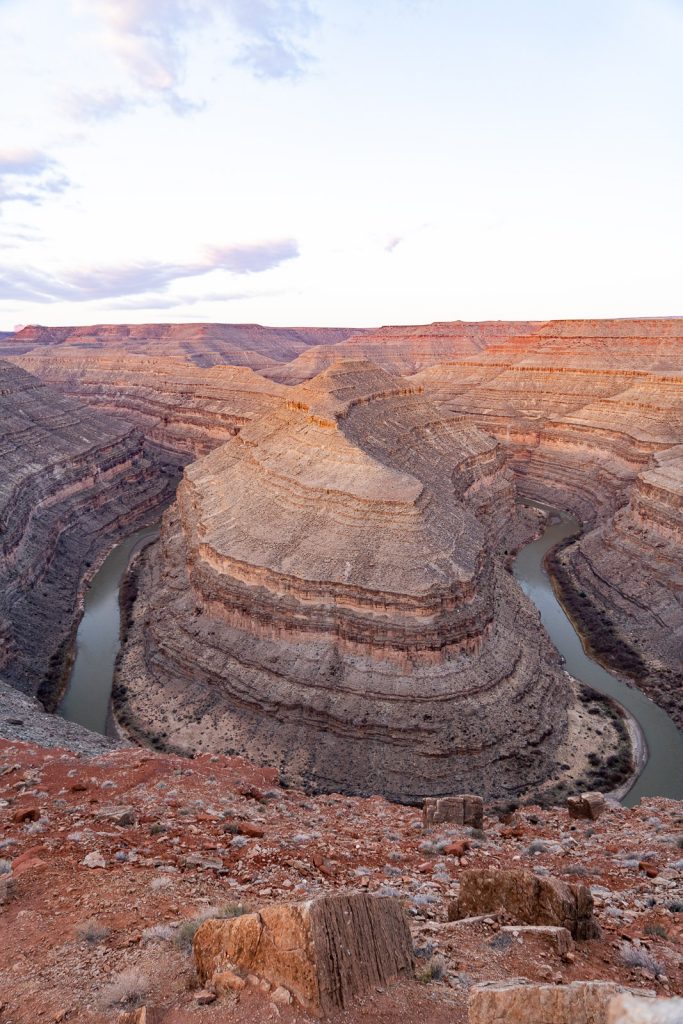
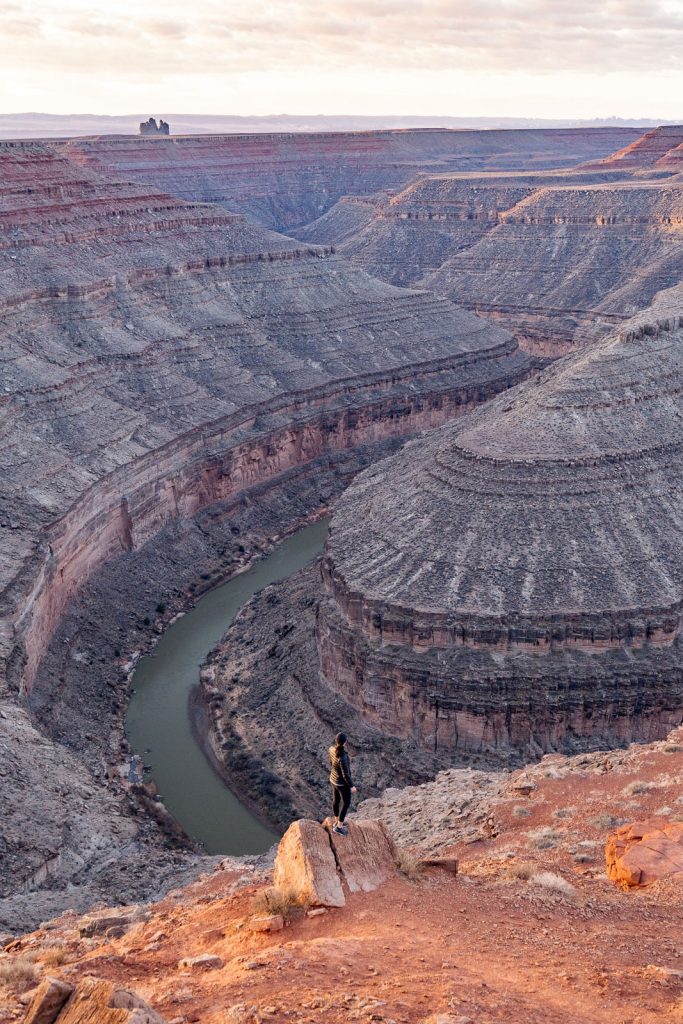
Goosenecks State Park is small, but the view is one of the best in the state. Here, you can see the San Juan River winding through a series of tight curves, carving deep canyons into the desert. It’s one of the most dramatic entrenched meanders in the world. Watching the sunrise here was pretty unforgettable!
The park has basic campsites right on the rim and costs $5 to enter or $10 to camp overnight.
Planning your trip to Southern Utah
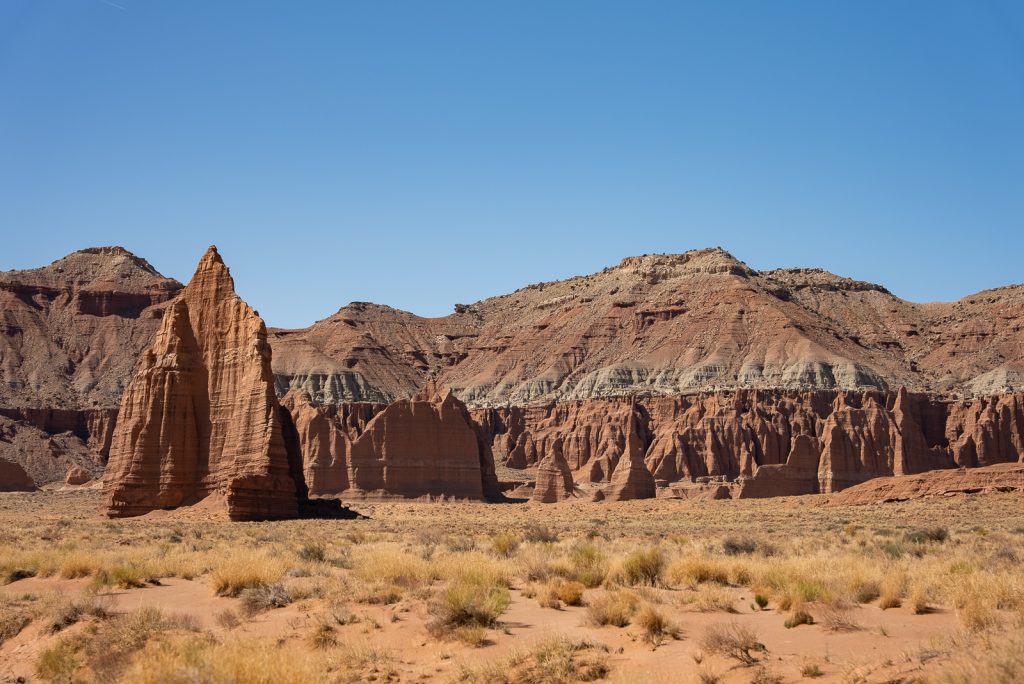
How to get to Southern Utah
If you’re flying in, there are a few airport options depending on where you want to start. Harry Reid International Airport (LAS) in Las Vegas is a popular choice, especially if you’re heading to Zion, Bryce, or Kanab first. It’s about 2.5 hours to Zion from there.
For Arches and Canyonlands, Salt Lake City International Airport (SLC) is a better option. It’s a bigger airport with more flight options and about a 4-hour drive to Moab.
There are also smaller regional airports if you’re hoping to skip the long drives. St. George Regional Airport (SGU) is close to Snow Canyon and Zion. Cedar City Regional Airport (CDC) is good for Bryce Canyon and nearby state parks. And Moab has a tiny airport, Canyonlands Field Airport (CNY. Though flights can be limited and more expensive.
Getting around Southern Utah
To explore Southern Utah, you’ll need a car. Most places aren’t connected by public transportation, and even the towns are pretty spread out. A regular rental car works for most national park visits and scenic drives, but if you’re planning to camp, explore off-road trails, or visit more remote areas like Valley of the Gods or the Bentonite Hills, having high clearance or 4×4 makes a big difference.
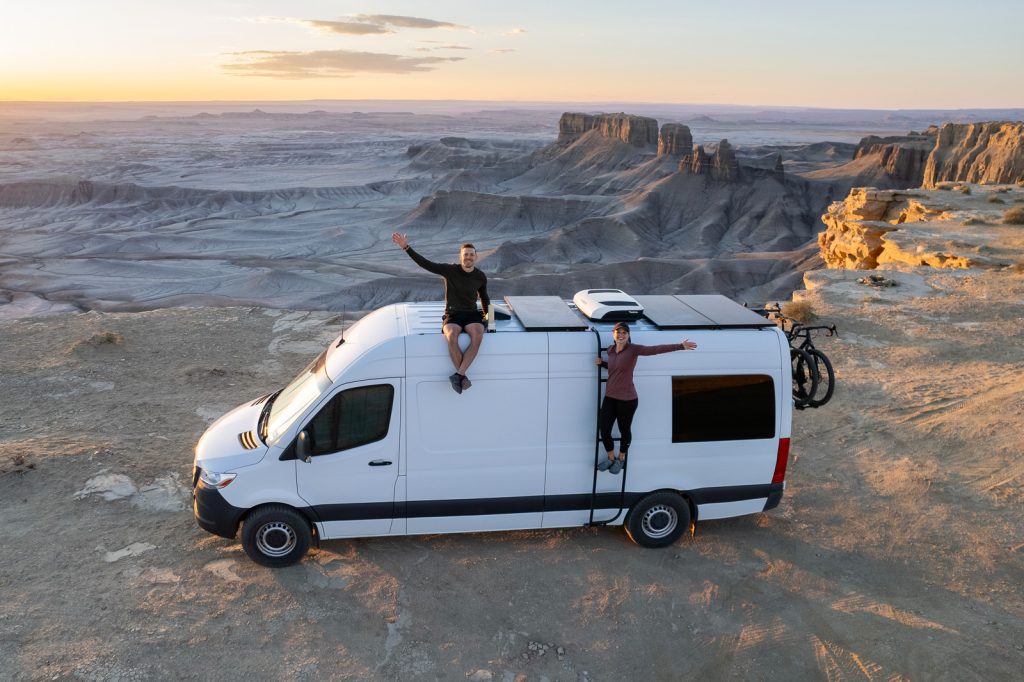
Utah is also the best state for van life, with ample public land to camp for free. If you want to rent a van, we have a full guide on Stoked to Camp that shares our favorite campervan rental companies in the US.
Best Time to Visit Southern Utah
Spring (March–May): Spring is one of the best times to visit Southern Utah, with comfortable hiking temperatures, wildflowers, and fewer crowds than summer. Snowmelt can impact slot canyons, so it’s always a good idea to check conditions before hiking.
Summer (June–August): Summer in Southern Utah is HOT, especially in the desert parks. Truthfully, we would suggest avoiding this timeframe. But if you must visit then, early mornings, shaded trails, and higher elevations make it more manageable. Water hikes or slot canyons can also be a great way to cool off. But heat safety is important!
Fall (September–November): Fall is one of the best times to explore Southern Utah. Cooler temperatures make hiking more enjoyable, crowds start to thin out, and the desert landscapes feel more comfortable throughout the day. This is a great season for longer hikes.
Winter (December–February): Winter is surprisingly scenic, giving you the chance to see red rock landscapes dusted with snow. Plus, this time of year sees fewer visitors. Just be prepared for colder temperatures and occasional trail closures.
What to bring to Southern Utah
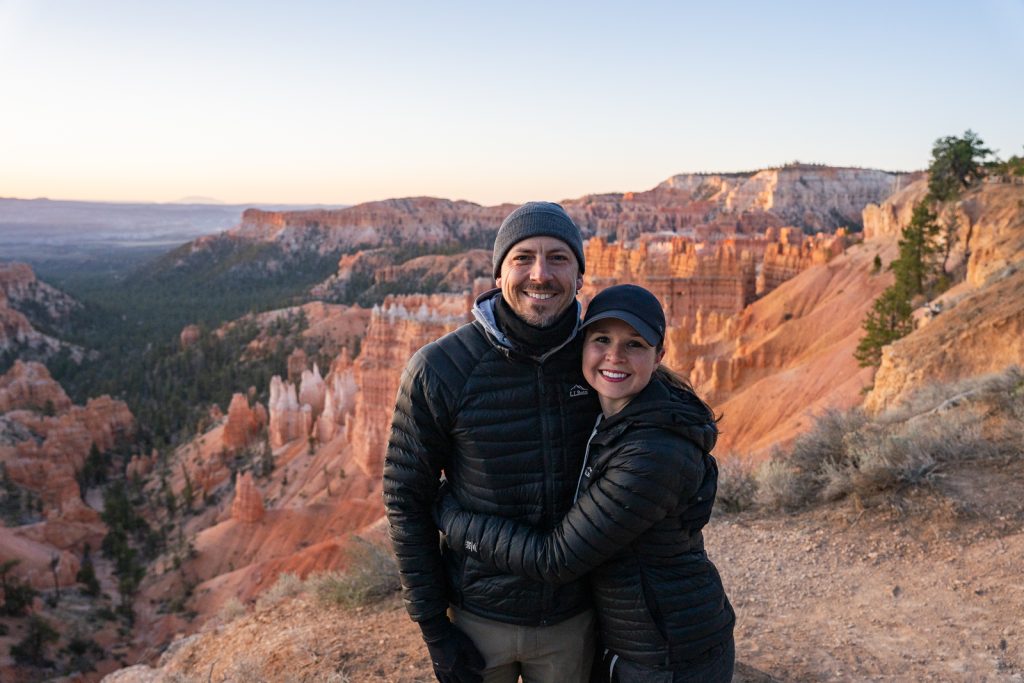
Packing for Southern Utah can be a little tricky. Temps change fast, hikes can be intense, and a lot of places are remote with no service or supplies nearby. Here’s what we would suggest you bring:
Layers for all seasons: Even in summer, mornings and nights can be cold. We always pack layers, including a puffy jacket, a rain jacket, and a windbreaker.
Hiking shoes: You’ll want grippy soles for slickrock and something that can handle sand, water, and rock scrambling. We love our Altra Lone Peaks!
Plenty of water: We each carry at least 2–3 liters per hike. A hydration bladder makes it easier to sip on the go. We also like to carry an electrolyte drink. Our favorite is LMNT!
Sunscreen + sun protection: The desert sun is no joke. We usually wear sunglasses, hats, and sunscreen.
Lightweight daypack: Comfortable enough for longer hikes, with space for layers, water, and snacks. We both carry a REI Co-op Trail 40 Pack.
Offline maps: We use AllTrails+ and download maps ahead of time. A lot of the places we visit have no cell service at all. We also carry a GPS device in case of an emergency.
Headlamp or flashlight: Handy for early hikes, late sunsets, or just navigating around camp. We’ve been using these headlamps for awhile now.
Snacks or lunch: There aren’t many food stops inside the parks, so we usually pack bars, sandwiches, fruit, and extra salty snacks. You can see all of our favorite hiking snacks here!
Water shoes or neoprene socks (optional): Great for hikes like The Narrows, Kanarra Falls, or anything with creek crossings. These neoprene socks are great!
Ready to experience the best things to do in Southern Utah?
About the Author
This blog post was written by our writer Nicoll. Learn a bit about her below!
After six years of full-time travel, Nicoll is now a mountain-loving mama living in Colorado with her husband Jake, their sweet baby girl Teagan, and their pup Gunner. She loves hiking, riding her dirt bike, and finding joy in the little things.