
Last updated on June 7th, 2026
Dreaming of a trip to the South Rim of the Grand Canyon? This guide will help you make the most of your visit, whether you’re coming for a day or staying for a few. We’ll cover the best things to do on the South Rim of the Grand Canyon, where to stay, how much time you’ll need, and more!
When we visited the South Rim of the Grand Canyon in 2019, it was the 16th stop on our national park bucket list, and it totally blew us away! Walking up to the edge for the first time and seeing the endless layers of red and orange stretching out before us was humbling, surreal, and more stunning than we could’ve imagined!
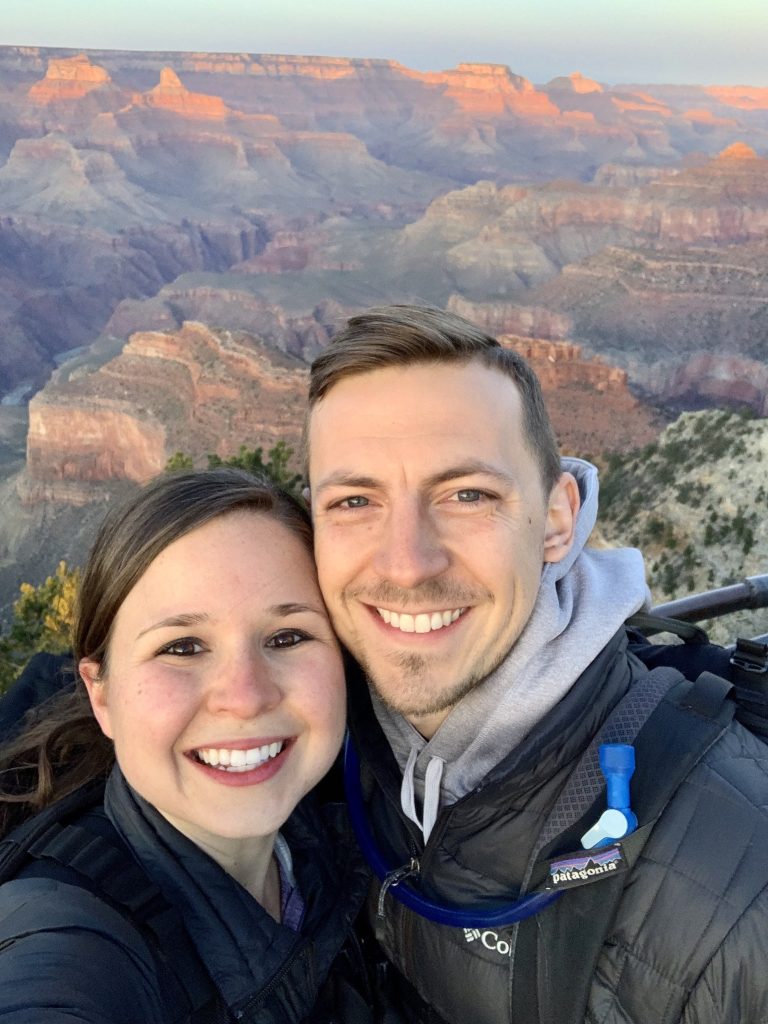

We only had about 24 hours to explore, but wow, what a day it was. From catching a sunset at Hopi Point to hiking part of the Bright Angel Trail, and then waking up early for a gorgeous sunrise at Yavapai Point, the experience left us speechless (and wanting to come back!). In 2024, we did return—but this time, for a backpacking trip to Havasu Falls! (And yes, we’ve got a video and blog posts all about it, so be sure to check them out!).
If you’re planning a trip to the South Rim of the Grand Canyon, you’re in the right place! We’re sharing a detailed guide to everything you need to know about visiting the South Rim. We’ll cover all the must-do activities, the best hikes (and what to expect on them), where to stay, how to get around, and so much more!
- About the Grand Canyon
- Things to Do on the South Rim of the Grand Canyon
- 1. Catch Sunrise at Mather Point or Yavapai Point
- 2. Hike Below the Rim
- 3. Walk Along the Rim Trail
- 4. Check Out the Viewpoints on the South Rim
- 5. Visit the Yavapai Geology Museum
- 6. Raft the Colorado River
- 7. Ride the Grand Canyon Railway
- 8. Bike Along the Rim
- 9. Ride a Mule
- 10. Hike Rim to River (or Rim to Rim to Rim!)
- 11. Take a Helicopter Tour
- 12. Watch the Sunset at Hopi Point
- 13. Spend a Night Stargazing
- Things to Know Before Visiting the South Rim of the Grand Canyon
- Planning your trip to the South Rim of the Grand Canyon
- Where to Stay at the Grand Canyon’s South Rim
About the Grand Canyon

The Grand Canyon is one of the most iconic natural wonders in the world, stretching 277 miles long, up to 18 miles wide, and over a mile deep. It’s hard to grasp its sheer scale until you’re standing at the edge, looking out at the layers of rock carved over millions of years by the Colorado River.
The Grand Canyon officially became a national park on February 26, 1919, making it one of the oldest national parks in the United States. But its history stretches back far beyond that. For thousands of years, the canyon has been home to Indigenous peoples, including the Hopi, Navajo, Zuni, and Havasupai.
The park spans over 1.2 million acres, but the South Rim is the most popular section, drawing the majority of the park’s six million annual visitors.
The South Rim is open year-round and offers the most visitor-friendly amenities, including several lodges, campgrounds, restaurants, and a well-connected shuttle system. This area also boasts some of the most iconic viewpoints, like Mather Point and Desert View, and some of the best hiking trails, like Bright Angel and South Kaibab.
Want to Learn More as you explore?
We highly suggest downloading the Guide Along – Grand Canyon (totally worth the cost!!) audio tours to navigate you on the road. Even when you don’t have service it knows where you are and provides commentary and history about the area. As well as alerts you when to stop for specific sights. These guides are fun to listen to and the narrator feels like a fun friend in the car with you!
Things to Do on the South Rim of the Grand Canyon
1. Catch Sunrise at Mather Point or Yavapai Point

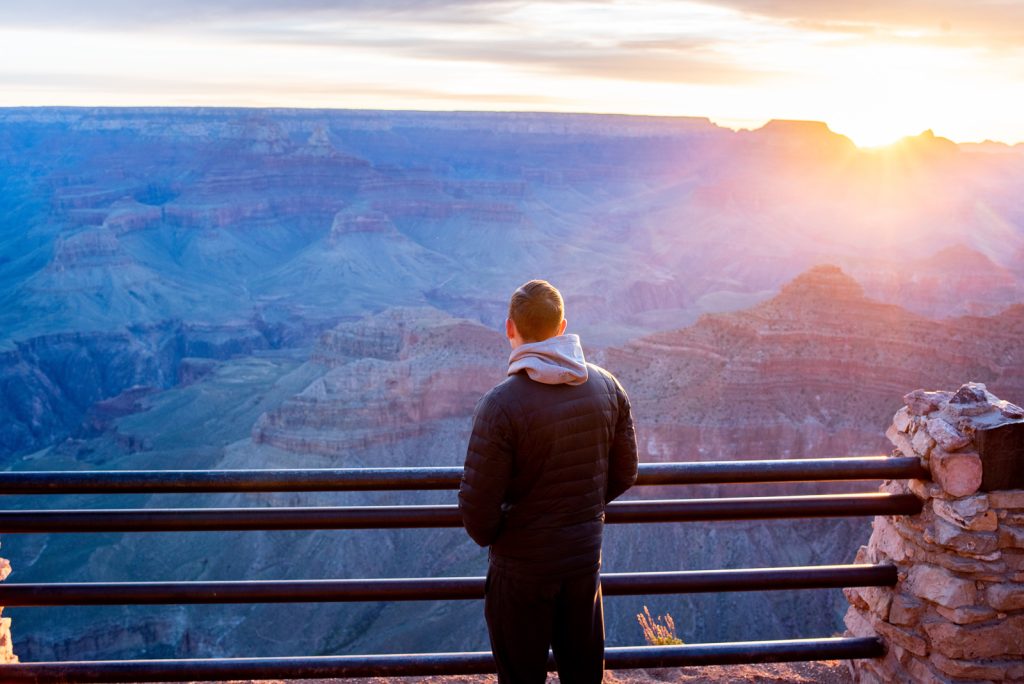
Start your day early with an epic sunrise at one of these iconic spots. Mather Point is super popular for sunrise since it’s so close to the Visitor Center. It’s easy to get to and has a wide platform with plenty of room to soak in the views. Just keep in mind, it can still get busy, even in the early morning.
If you’re looking for a quieter spot, check out Yavapai Point, just a little farther along the rim. The views are just as stunning, but it tends to have fewer people. Plus, it’s right next to the Yavapai Geology Museum, which is a fun stop after the sunrise.
For the best experience, plan to arrive 30–45 minutes before sunrise. Drive to these spots instead of relying on the shuttle in the early morning hours, as it’s easier and less crowded at that time of day.
2. Hike Below the Rim

Standing on the edge of the canyon is amazing, but hiking into it? That’s next level. If you’re up for it, hiking below the rim gives you a whole new perspective (and some serious bragging rights). Just remember, at the Grand Canyon, what goes down must come up. Here are some hikes we’d recommend:
Bright Angel Trail
This is the most popular trail on the South Rim because it’s well-maintained, has rest stops with water (seasonally), and offers shade in places. The trail starts at the Bright Angel Trailhead, just west of the Bright Angel Lodge. There are several good turnaround points along the way:
Mile-and-a-Half Resthouse: This 3-mile round trip hike gives you a real feel for being in the canyon without overcommitting.
Three-Mile Resthouse: For a bigger challenge, hike to this resthouse. (This is what we did!) It’s a solid 6-mile round trip hike and offers amazing views of the canyon walls towering above you.
Havasupai Gardens: This oasis in the canyon is about 9-miles round trip and a fantastic destination for those with more time and energy. There’s water, picnic tables, and restrooms here.
Plateau Point: If you want epic views of the Colorado River, continue from Havasupai Garden to Plateau Point. This makes the hike 12-miles round trip and is not recommended as a day hike because of the long distance, extreme temperature changes, and the 5,000-foot elevation change each way.
South Kaibab Trail
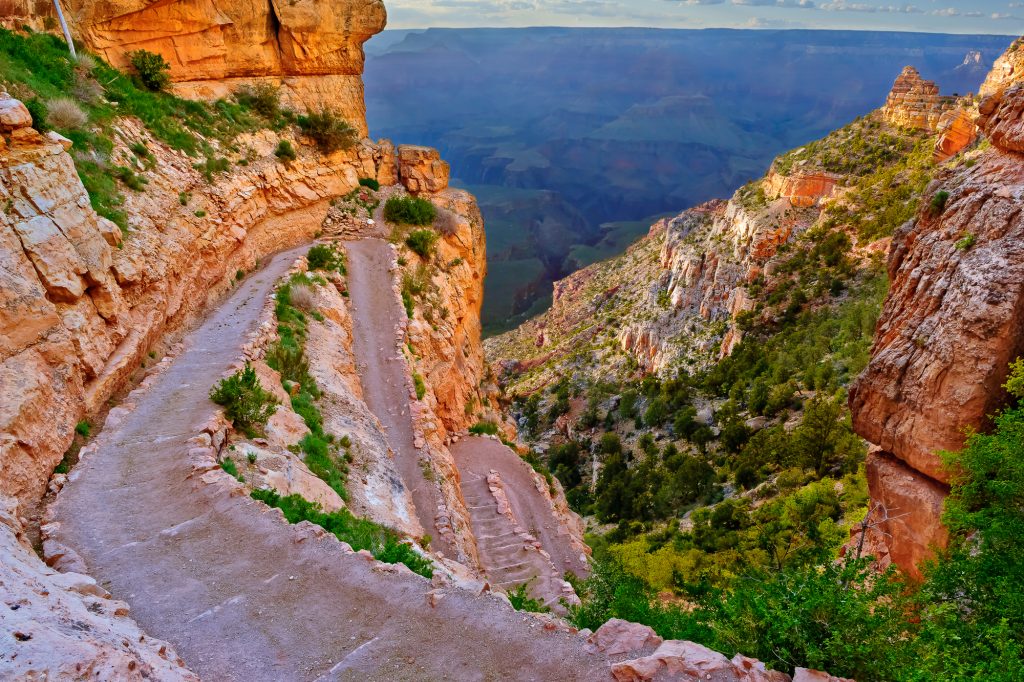
If you want jaw-dropping views, this trail is a must! It’s steeper (and has no water), but the views are worth it. The South Kaibab Trail starts near Yaki Point and follows a ridgeline, meaning the views are incredible almost the entire way. We didn’t hike it on our first visit, but it’s at the top of our list for next time. Popular stops include:
Ooh Aah Point: This spot is just 1.8 miles round trip, and the name says it all. When you get here, you’ll literally say, “Ooh” and “Aah.” It’s short, sweet, and stunning.
Cedar Ridge: At 3 miles round trip, Cedar Ridge is a larger, open area with incredible panoramic views and plenty of space to take a break. It’s a popular turnaround point for hikers.
Skeleton Point: For those with more time and energy, Skeleton Point is 6 miles round trip and gives you your first glimpse of the Colorado River.
Grandview Trail
The Grandview Trail is for experienced hikers looking for something steep, rugged, and less crowded. The trail starts at Grandview Point along Desert View Drive and quickly becomes narrow and challenging. It’s rarely maintained, so it’s tougher than Bright Angel or South Kaibab. The trail still has its original cobblestone “riprap” construction, which makes it even more unique. While it doesn’t provide access to the Colorado River, the payoff is incredible views and far fewer people on the trail.
Coconino Saddle: This is the most popular turnaround point, a little over 2 miles round trip with about 1,000 feet of elevation change. It’s tough, but doable if you’re an experienced hiker.
Horseshoe Mesa: For a longer adventure, hike to Horseshoe Mesa. This hike is 6 miles round trip with about 2,500 feet of elevation change and is strenuous.
3. Walk Along the Rim Trail
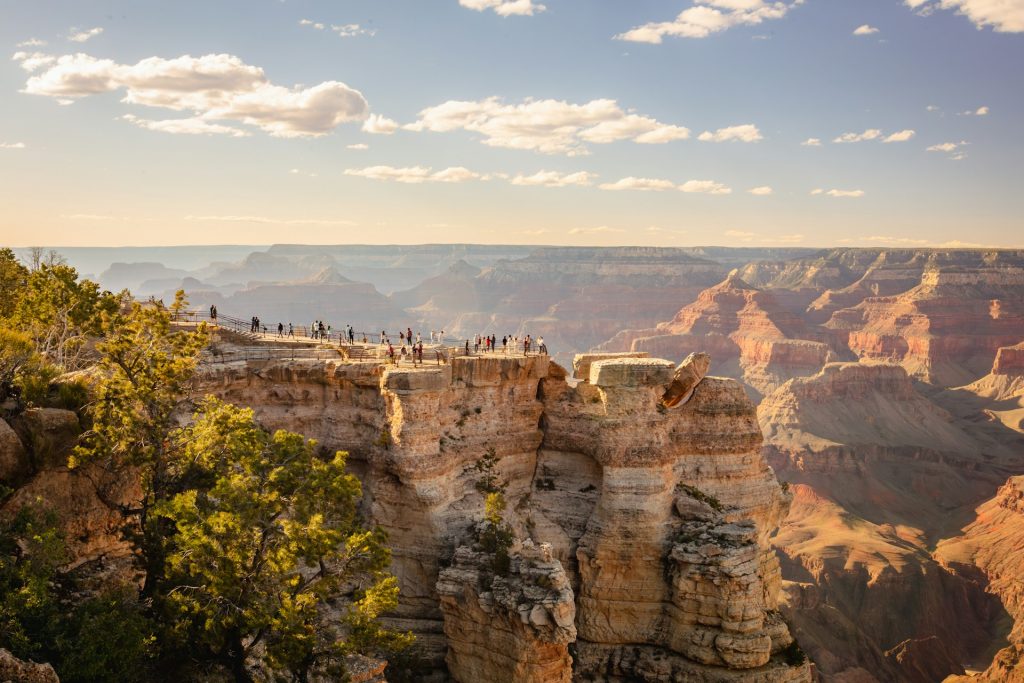
Not into hiking below the rim? No problem! The South Rim Trail is an easy, mostly flat path that runs along the edge of the canyon. It’s 13 miles total, but you can do as much or as little as you want.
We recommend starting near the Bright Angel Trailhead and walking east toward Yavapai Point. This section is shorter but packed with incredible views. For those with more time and energy, you can extend your walk farther along the rim, checking out additional viewpoints like Mather Point and Pipe Creek Vista.
4. Check Out the Viewpoints on the South Rim

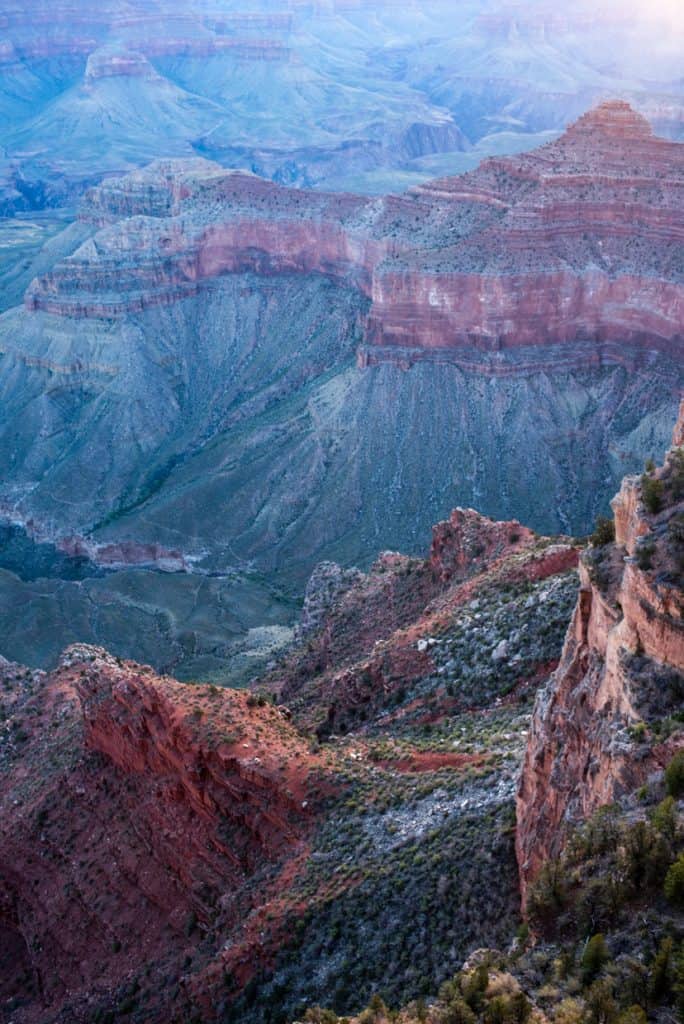
One of the easiest (and best!) ways to enjoy the Grand Canyon’s South Rim is by hopping from viewpoint to viewpoint. Each one gives you a slightly different perspective of the canyon’s size, colors, and unique features, and honestly, they’re all stunning.
If it’s your first time visiting the South Rim, the two main roads you’ll explore are Desert View Drive and Hermit Road. Desert View Drive, also known as the East Rim Drive, stretches 25 miles east from Grand Canyon Village to Desert View and is open to cars year-round.
Hermit Road runs 7 miles west from Grand Canyon Village to Hermits Rest and is closed to private vehicles from March to November, but you can access it using the park’s free red shuttle.
There are also a few viewpoints to check out near the Visitor Center and main village area, especially if you are short on time!
Best Viewpoints on Desert View Drive
Desert View: the highlight here is the Desert View Watchtower, a cool stone tower built in the 1930s by architect Mary Colter. You can climb to the top for amazing 360-degree views of the canyon and the Colorado River far below.
Navajo Point: is the highest viewpoint on the South Rim and offers wide, open views of the canyon. From here, you also get a fantastic look at the Desert View Watchtower.
Lipan Point: is one of the best viewpoints along the South Rim for seeing the Colorado River. You can also see the Grand Canyon Supergroup, a rare rock layer that’s not visible from many other spots along the rim.
Grandview Point: lives up to its name with massive, wide-open, and grand views of the canyon. It’s also the trailhead for the Grandview Trail, but even if you’re not hiking, the views alone are worth the stop.
Best Viewpoints on Hermit Road
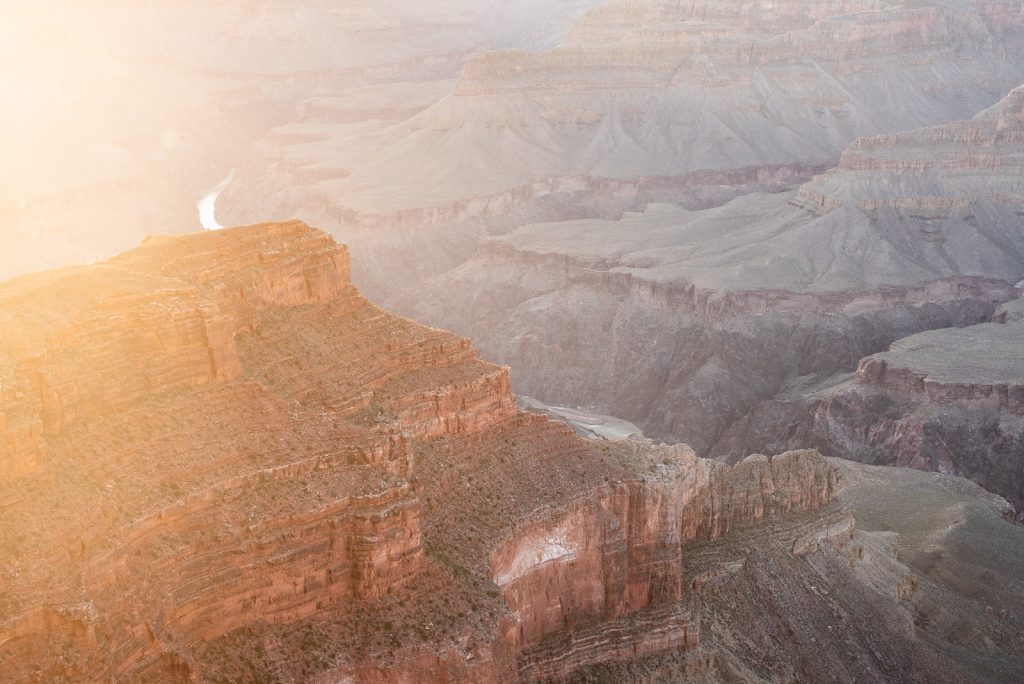
Hopi Point: is one of the most popular sunset spots on the South Rim. Its west-facing views make it perfect for watching the canyon light up as the sun goes down.
Powell Point: this viewpoint features a memorial to John Wesley Powell and offers beautiful, open views of the canyon.
Maricopa Point: from here, you’ll spot the old Orphan Lode Mine, an abandoned copper mining operation below the rim.
Pima Point: is near the far end of Hermit Road and offers wide, dramatic views of the canyon. On a calm day, you can even hear the roar of the Colorado River from here, which is so cool!
Hermits Rest: while Hermits Rest itself isn’t exactly a viewpoint, it’s worth a stop. It’s a historic stone structure where you can grab a snack, take a break, or just enjoy the scenery.
Best Viewpoints Near Grand Canyon Village
Mather Point: The most iconic and popular viewpoint on the South Rim, Mather Point is close to the Visitor Center and perfect for sunrise. Its wide platform provides plenty of space to take in the views, although it can get busy.
Yavapai Point: Just a short distance from Mather Point, Yavapai Point offers equally stunning views and a slightly quieter experience.
5. Visit the Yavapai Geology Museum
This small, free museum at Yavapai Point is a great stop if you’re curious about how the Grand Canyon was formed. They have rock samples, fossils, and a geology wall that shows all the layers of the canyon from top to bottom. There’s even a 3D map that helps you picture the canyon’s topography. The exhibits are simple but fascinating, and the views from the museum’s windows are some of the best on the rim.
While you’re there, don’t miss the Trail of Time, a 1.3-mile paved trail that starts at the museum and ends in the Village Historic District. The trail helps you understand the scale of geologic time and how the canyon’s layers were formed. Each meter of the trail represents one million years of history, with markers and exhibits along the way explaining the rocks and landscapes!
6. Raft the Colorado River
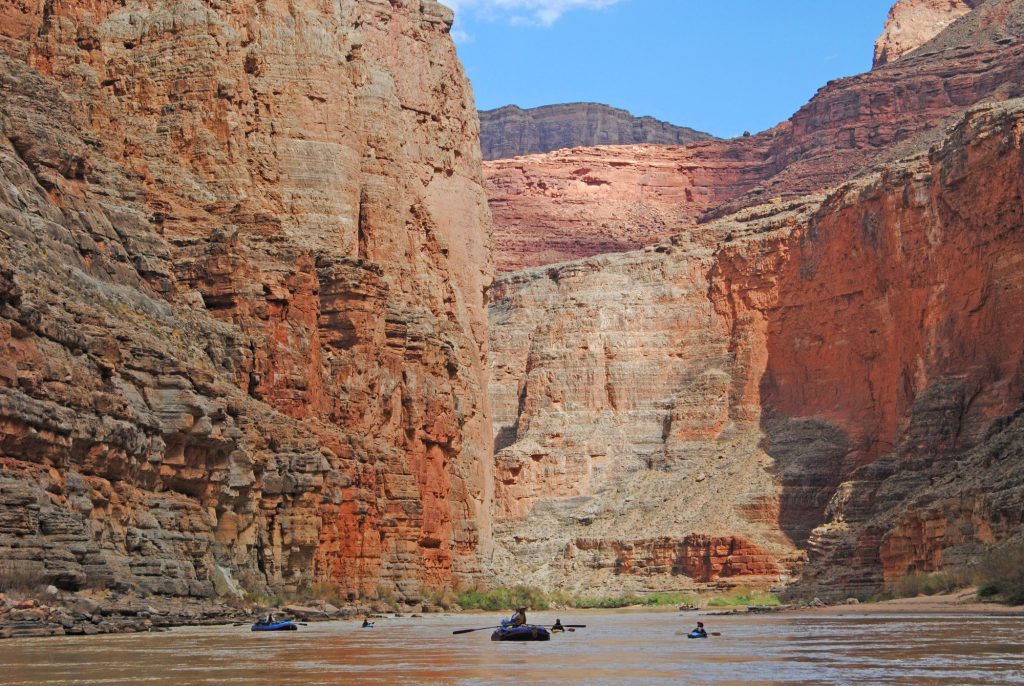
If you’ve ever wanted to raft through one of the world’s most famous canyons, this is your chance!
Most single-day rafting trips take place in Glen Canyon, starting at Page, Arizona. These are smooth-water trips, perfect for families or anyone wanting to enjoy the scenery without the rapids. These trips are offered by Wilderness River Adventures.
If you’re ready for an experience of a lifetime, multi-day trips take you deep into the Grand Canyon. These adventures last anywhere from 3 days to 3 weeks and involve navigating rapids and camping under the stars. Permits for private trips are hard to get, but guided trips with outfitters like OARS or Western River Expeditions are easier to book (though they fill up fast).
7. Ride the Grand Canyon Railway
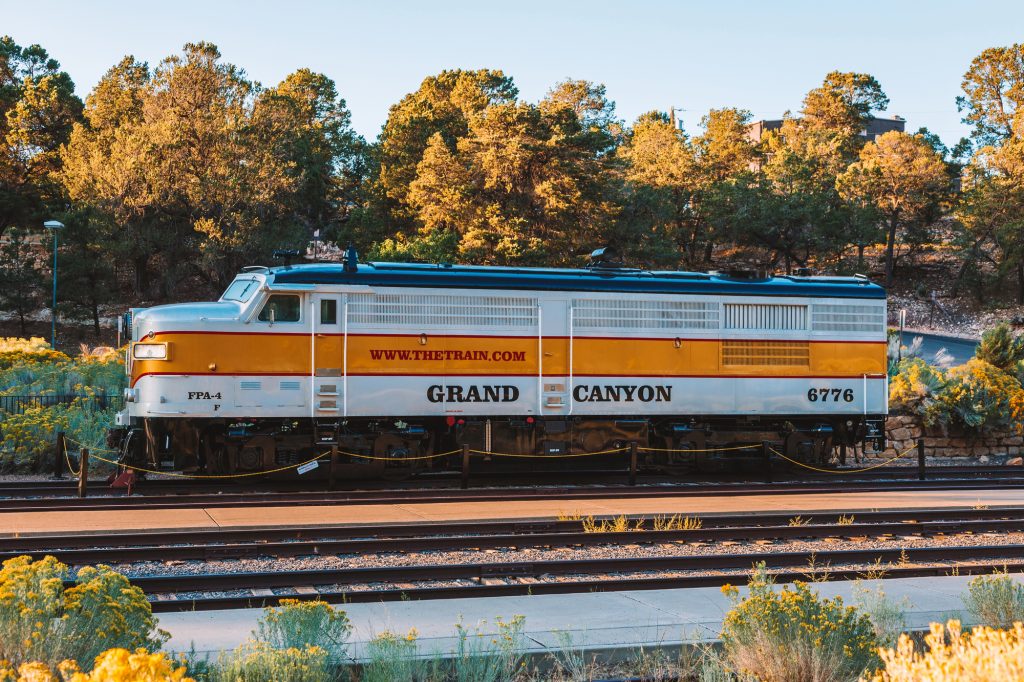
This was on our radar, but didn’t make it into our 2019 trip. It’s definitely something we’d love to try in the future! The Grand Canyon Railway departs from Williams, Arizona, and takes you right to the South Rim.
The train features entertainment onboard, like singing cowboys and stories about the region’s history. It’s especially fun for kids (and honestly, for adults too!).
The train ride takes about 2 hours and 15 minutes each way and drops you off at the Grand Canyon Depot, just a short walk from the South Rim viewpoints. Plus, you can book packages that include park entry fees, meals, or even overnight stays at the South Rim.
8. Bike Along the Rim
Looking to swap four wheels for two? Biking is an awesome way to explore the South Rim. There are about 13 miles of roads and Greenway Trails along the rim where you can enjoy incredible views of the canyon.
Bikes and e-bikes are allowed on all paved and unpaved roads in the South Rim, making it easy to explore at your own pace. If you don’t have your own bike, you can rent one at Bright Angel Bicycles near the Visitor Center.
If you need a break, you can load your bike or e-bike onto one of the park’s shuttle buses, which stop every half mile to a mile along the route.
9. Ride a Mule
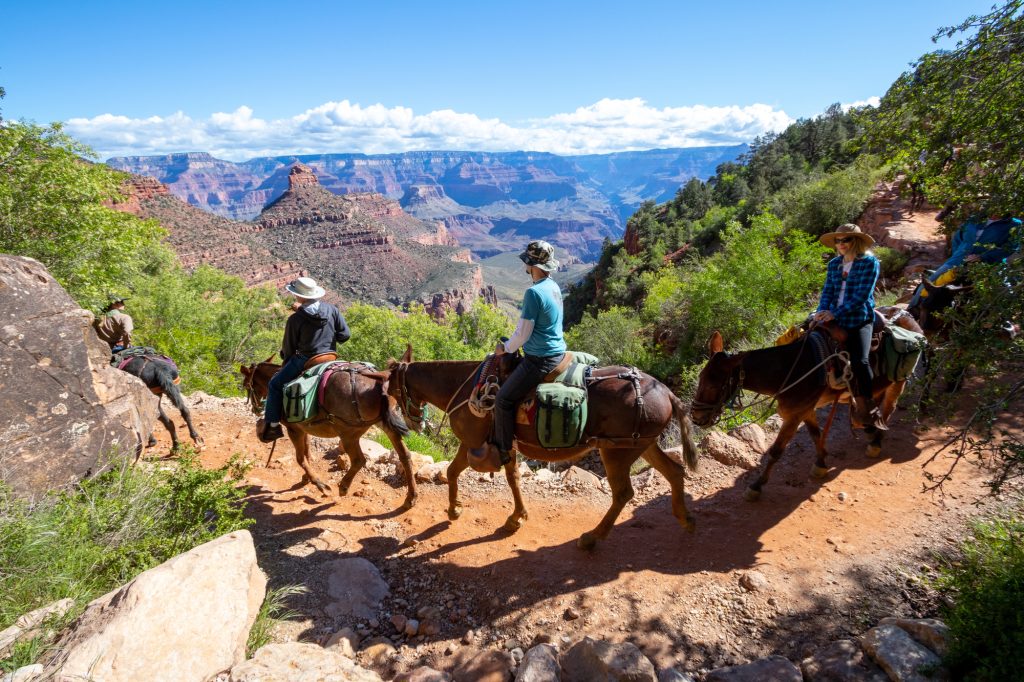
Did you know, you can ride a mule into the canyon? (How cool is that?) Mules have been carrying visitors through the Grand Canyon since the late 1800s. They’re known for being sure-footed, strong, and well-suited to the canyon’s rugged trails.
There are three options to choose from. The 2-hour Canyon Vistas Rim Ride stays along the rim and offers beautiful views from above. The 7-hour Havasupai Gardens Mule Ride takes you down the Bright Angel Trail to Havasupai Gardens. And for the ultimate adventure, there’s an overnight ride to Phantom Ranch at the bottom of the canyon. Just be sure to book ahead, these rides are super popular.
10. Hike Rim to River (or Rim to Rim to Rim!)
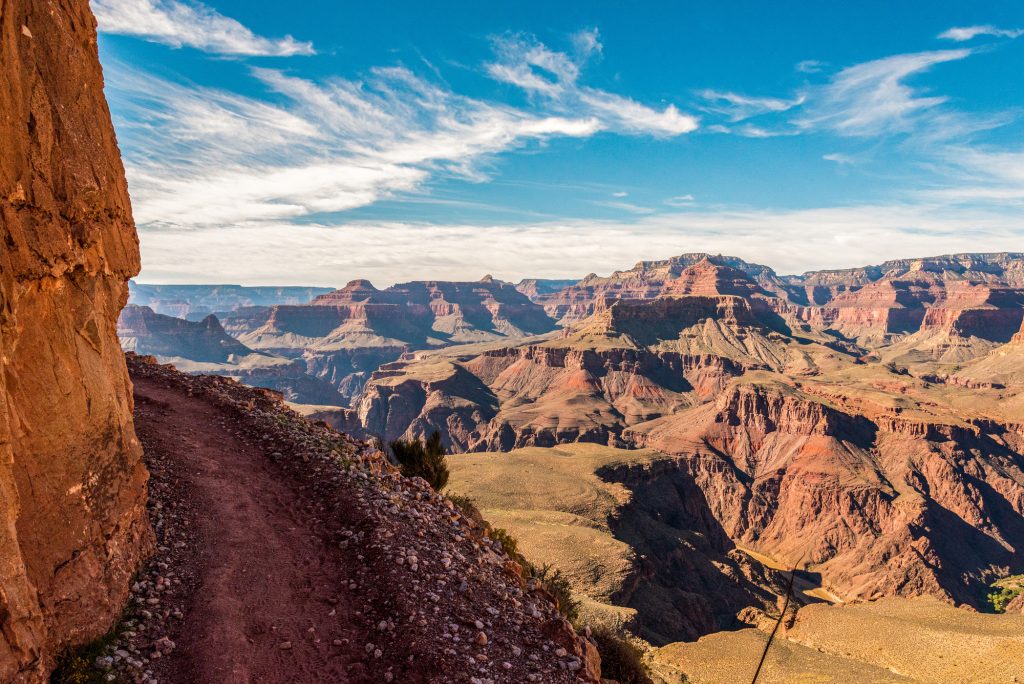
For experienced hikers, a rim-to-river hike, or even the full rim-to-rim-to-rim route is the ultimate Grand Canyon challenge. These trails require permits (and serious preparation) but, if you’re up for it, this could be a life-changing adventure!
Rim to River
A Rim to River hike takes you from the South Rim all the way down to the Colorado River and back. The most popular route for this is the Bright Angel Trail, though the South Kaibab Trail is another option. It’s about 14 miles round trip, with 4,872 feet of elevation loss (and gain on the way back up). Most hikers take 6 to 8 hours to complete it, depending on their fitness level and trail conditions.
Rim to Rim
A Rim to Rim hike takes you across the Grand Canyon from the South Rim to the North Rim (or vice versa). It’s a longer, more challenging hike, covering around 23 miles, with 5,278 feet of descent, plus the climb back up. Most people take two or more days to complete it.
To tackle a Rim to Rim hike, careful planning is key, especially since the North Rim is only open seasonally (mid-May to mid-October). Many hikers arrange shuttles to avoid having to hike back.
Rim to Rim to Rim
For the truly adventurous (and maybe a little crazy), the Rim to Rim to Rim hike takes you from one rim of the Grand Canyon to the other—and back. It’s a massive challenge, covering 43 grueling miles with over 11,000 feet of climbing and descending. Some hardcore hikers do it in a single day, but most people spread it out over two or three days, stopping at Phantom Ranch or Bright Angel Campground at the bottom of the canyon.
11. Take a Helicopter Tour
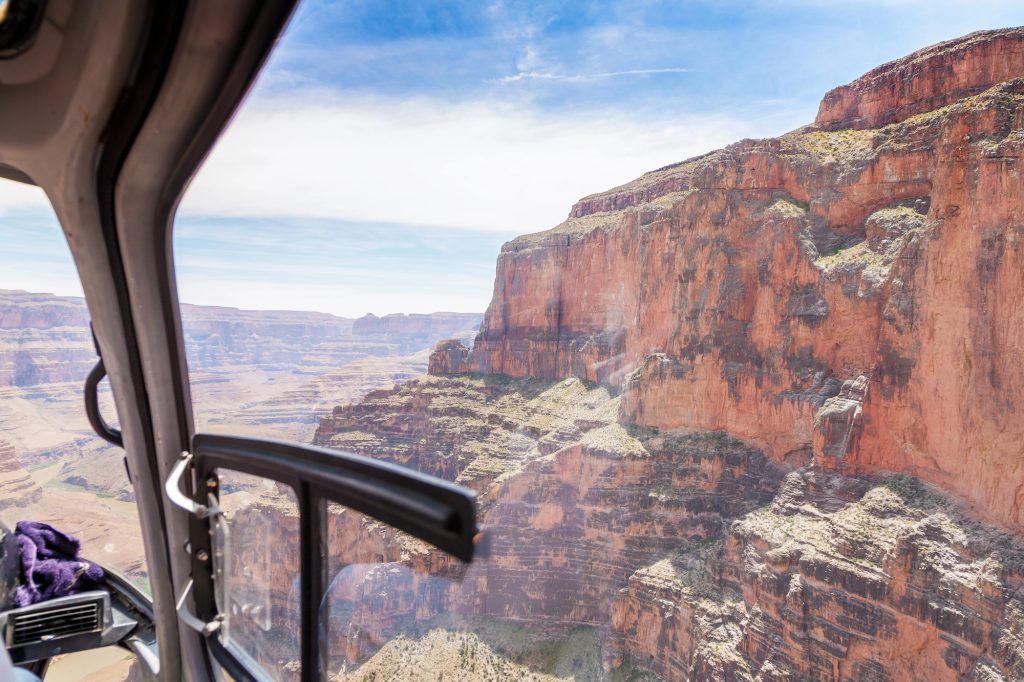
Want to see the canyon from above? A helicopter tour gives you a bird’s-eye view of just how massive the Grand Canyon really is. It’s a splurge, but if you’re looking for something unforgettable, this is it.
Want to save some money on this tour or experience? Join Tripadvisor Rewards to earn 5% Trip Cash on any hotel or experience booking made in their app, which can be applied to future in-app bookings!
12. Watch the Sunset at Hopi Point
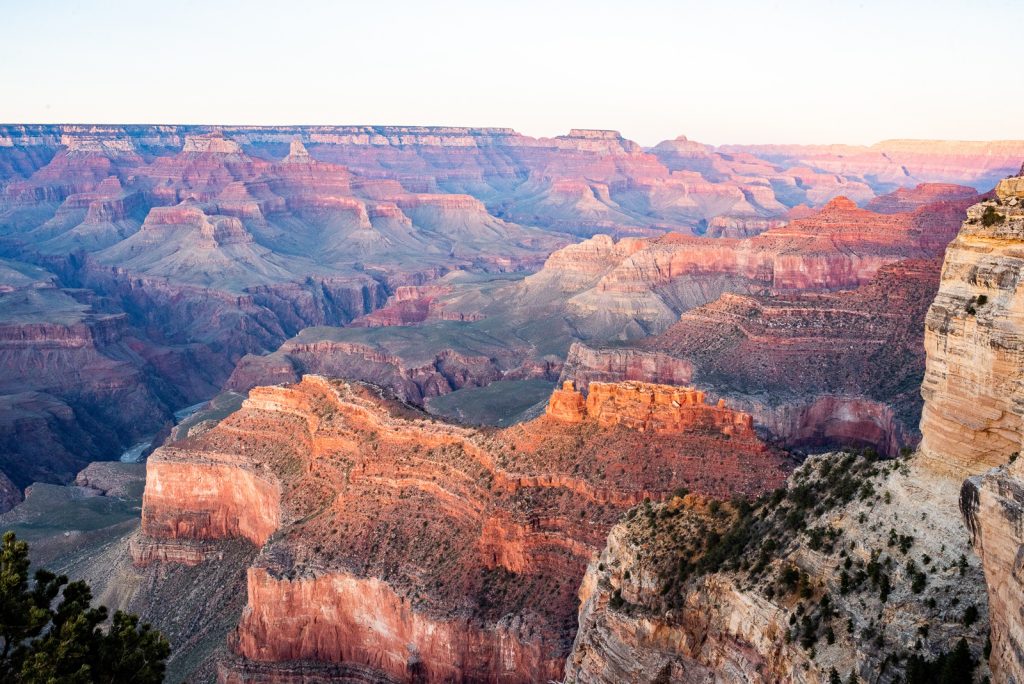
Hopi Point is one of the most popular spots to catch a sunset on the South Rim, and for good reason! It offers some of the best panoramic views in the park. Located along Hermit Road, it provides a west-facing vantage point, making it ideal for watching the sun sink below the horizon. This area gets busy, so arrive early to snag a good spot.
Hopi Point is only accessible via the park’s red shuttle route (Hermit Road), which operates seasonally from March to November. After sunset, take the shuttle back to the Hermits Rest Route Transfer stop, where you can transfer to the blue route to return to your car or lodge.
A+K Tip: Bring a warm layer! Even in warmer months, temperatures can drop quickly after sunset.
13. Spend a Night Stargazing
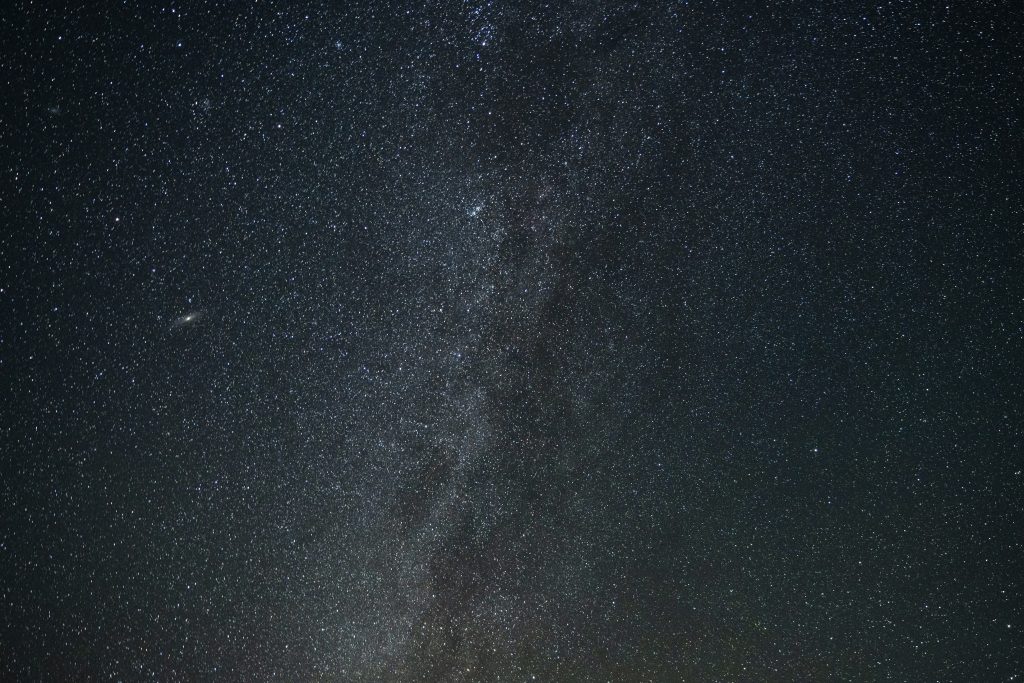
The Grand Canyon is a certified Dark Sky Park, which means the stargazing here is out of this world. On clear nights, you can see thousands of stars, the Milky Way, and even planets! Popular spots for stargazing include Desert View, Lipan Point, and Mather Point. If you’re visiting in June, check out the park’s annual Grand Canyon Star Party for ranger-led programs and telescopes.
Things to Know Before Visiting the South Rim of the Grand Canyon

Entrance Fees: The park entrance fee is $35 per vehicle for a seven-day pass, which covers both the South Rim and the North Rim (when it’s open). Keep in mind, entrance stations do not take cash, only credit or debit cards!
If you’re planning to visit multiple national parks, we highly recommend getting the America the Beautiful Pass for $80. It’s good for a whole year and gets you into all federal recreation sites.
Pets: Dogs are allowed in certain areas, including trails above the rim, Mather Campground, Desert View Campground, Trailer Village, and developed areas. But they have to stay leashed at all times (6 feet max), and they aren’t allowed on trails below the rim.
Elk Calving Season: Late spring and early summer is calving season. Cow elk (mama elk) can be aggressive and unpredictable when protecting their calves, which are usually bedded near grassy areas, cars, or buildings.
Monsoon Season: From July to September, monsoon storms bring rain, lightning, and flash flood risks. If you hear thunder or see lightning, move away from the canyon edge and open spaces, and head to shelter like a building, car, or shuttle bus. Be cautious of flash floods and falling rocks during and after storms.
High Elevation: The South Rim is at an average elevation of 7,000 feet above sea level. Walking or hiking at this height can be more tiring than you’re used to, especially if you’re coming from a lower elevation.
Prepare for Heat: Remember, it gets much hotter as you descend into the canyon. Temperatures inside the canyon can be 20 to 30 degrees hotter than on the rim.
Start Early: Beat the heat (and the crowds) by starting your day early, especially if you’re hiking!
Safety: Stay on designated paths and away from the edge. Accidents can happen, and the drop-offs are massive.
Water and Snacks: There are limited options for food and water once you’re out on the trails. Pack everything you’ll need for the day and refill water at stations whenever you can. We suggest bringing a 3L CamelBak, which stores a lot of water and is easy to drink while hiking!
Planning your trip to the South Rim of the Grand Canyon
When Is the Best Time to Visit the South Rim?
We visited in April (mid-spring), which had great weather and fewer crowds than the peak summer months. It was cold in the mornings and evenings, though, so bring layers! Here’s a quick guide to help you decide:
Spring (March-May): The weather is mild, and the crowds are smaller, except during Spring Break in March and April.
Summer (June-August): This is the busiest time of year, with crowds peaking between Memorial Day and Labor Day. It’s also hot, especially below the rim, but everything is open! Weekdays are less busy than weekends, and arriving before 10 a.m. or after 2 p.m. can help you skip the long entrance lines.
Fall (September-November): Late September and October are especially nice as the summer crowds fade. It’s one of the best times to visit.
Winter (December-February): The canyon looks beautiful with snow, and it’s super quiet this time of year. Some trails and services may be closed, so check ahead. If you don’t mind the cold, it’s a great way to experience the Grand Canyon without the crowds.
How to Get to the South Rim
The South Rim is the easiest part of the Grand Canyon to visit, which is why it’s such a popular destination for people from all over the world.
By car: Most visitors drive to the South Rim. It’s about 80 miles from Flagstaff, Arizona, 117 miles from Sedona, and a little over 230 miles from Phoenix.
By air: The closest major airport is in Flagstaff, but many travelers fly into Phoenix or Las Vegas (287 miles) and make the drive.
By train: For a unique experience, you can take the Grand Canyon Railway from Williams, Arizona, straight to the South Rim. It’s a scenic ride and a fun experience, especially for families. Tickets are for a round trip ride, but you can call to book a one way ride.
Getting Around the South Rim
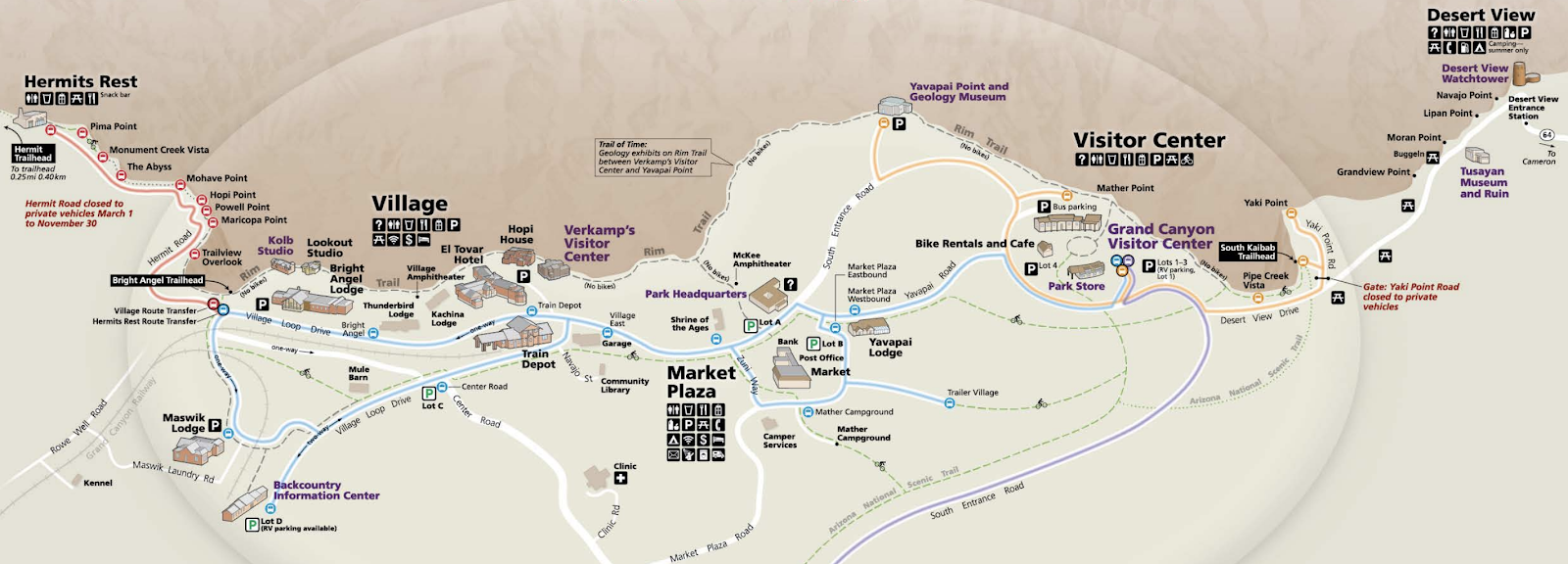
One of the things we appreciated the most about the South Rim was how easy it is to navigate. There are shuttle buses that operate on several color-coded routes and connect key points around the South Rim, like viewpoints, trailheads, visitor centers, and lodges. The buses are free, and you can hop on and off as much as you like. They generally run every 10–15 minutes, so you’ll never have to wait long.
Blue Route (Village Route): This route runs through Grand Canyon Village, connecting the Visitor Center, lodges, and trailheads like Bright Angel Trailhead. It’s great for getting around the central area of the South Rim.
Red Route (Hermits Rest Route): This route runs west from Grand Canyon Village along Hermit Road. It’s the only way to access viewpoints like Hopi Point, Powell Point, and Pima Point (since private cars aren’t allowed here March through November).
Orange Route (Kaibab Rim Route): This route runs east from the Visitor Center and takes you to key spots like Yaki Point, Pipe Creek Vista, and the South Kaibab Trailhead.
Purple Route (Tusayan Route): This seasonal route (spring through fall) connects the nearby town of Tusayan with the South Rim Visitor Center. It’s a great option if you’re staying outside the park and want to leave your car behind.
The shuttles run from before sunrise to after sunset, with exact times varying by route and season. Be sure to check the current schedule when you arrive, some routes do close in the winter. During the busiest months (spring, summer, and fall), the shuttles are such a lifesaver for avoiding parking hassles.
How Much Time Do You Need at the South Rim?
While one day at the South Rim gave us epic memories, we’d recommend two or three days if you have the time. This lets you really take in the canyon’s size and beauty without feeling rushed. Plus it leaves more time for longer hikes and activities, like rafting!
Want ideas for a one-day itinerary? Check out our guide here!
Where to Stay at the Grand Canyon’s South Rim
Staying inside the park means you’ll be steps away from the views and can catch sunrises, sunsets, or even stargazing without much effort. However, keep in mind, these lodges and campgrounds book up FAST (sometimes a year in advance), so plan your trip way in advance.
Lodges Inside the Park
El Tovar Hotel: This is the most famous and upscale option at the South Rim. Built in 1905, it’s got a ton of historic charm with cozy rooms and even a fine-dining restaurant. It’s located right on the rim, so you’re basically waking up to canyon views.
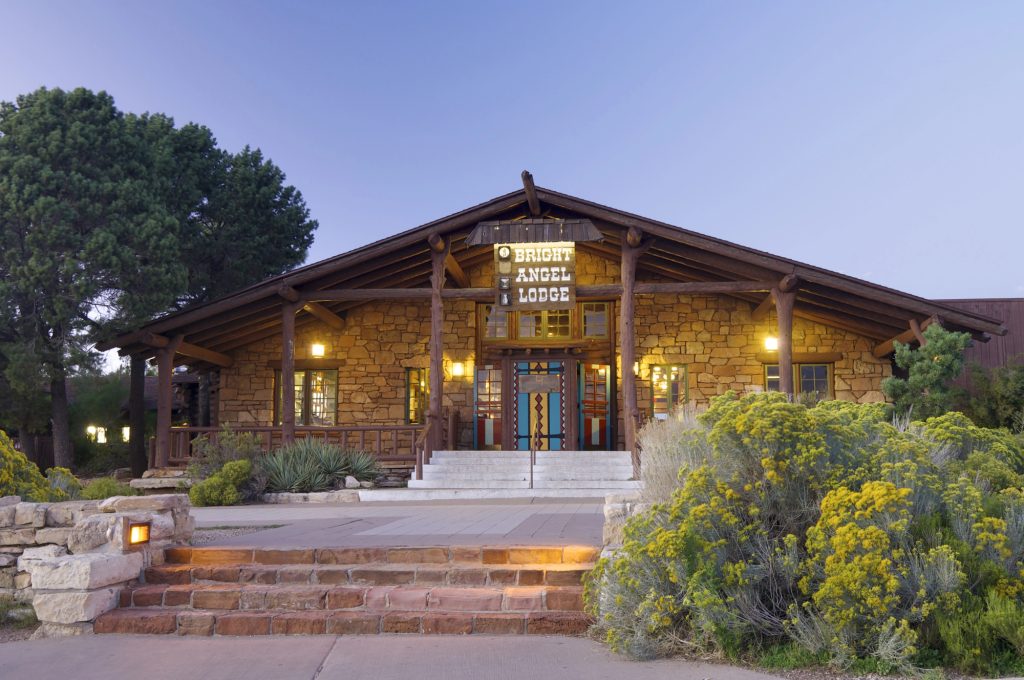
Bright Angel Lodge: Bright Angel has a mix of rustic cabins and budget-friendly rooms, many of which are right on the rim. It’s a great option if you want a classic Grand Canyon experience. The lodge is also where the Bright Angel Trailhead is, so it’s ideal if you’re planning to hike.
Kachina Lodge and Thunderbird Lodge: These two lodges are located along the rim in Grand Canyon Village. They’re more modern but pretty basic, with clean, comfortable rooms. The main draw is the location because you’re literally steps from the rim!
Maswik Lodge: Set back a bit from the rim (about a 5-minute walk), Maswik Lodge offers more affordable options with a motel-style setup. It’s a good pick if you want convenience but don’t mind being a little farther from the edge.
Yavapai Lodge: This lodge is located near the Visitor Center and is great for families. It’s not on the rim, but it’s close enough to walk or drive there easily. They also have a general store nearby, which is super handy.
Phantom Ranch: This is the only lodge below the rim, and getting there is half the adventure! You can hike, ride a mule, or raft to reach this historic accommodation. Built in 1922, it has rustic stone cabins and dorm-style bunks. To stay here, you’ll need to plan way in advance. Lodging is reserved through a lottery 15 months ahead, and spots fill up fast.
Camping Inside the Park
Mather Campground: This is the main campground on the South Rim, located near Grand Canyon Village. It’s open year-round and has spots for tents and RVs (no hookups, though). You’re close to the rim, making it super easy to get to viewpoints and trails.
Desert View Campground: Located 25 miles east of the village, this campground is smaller and first-come, first-served (so arrive early). It’s quieter than Mather and close to the Desert View Watchtower.
Bright Angel Campground: This one is for serious adventurers since it’s at the bottom of the canyon. You’ll need to hike, raft or ride a mule to get here, and a backcountry permit is required.
Looking for more things to do in Arizona?
- 20+ Best Places to Visit in Arizona
- One Day at the Grand Canyon South Rim Itinerary
- 20+ Best Places to Visit in Arizona
- 2 Days in Sedona Itinerary
- 11+ Easy Hikes in Sedona, Arizona with Epic Views!
- 2 Days in Scottsdale, Arizona Itinerary
- 1 Day in Page, Arizona Itinerary
- How to visit Antelope Canyon X (Tour Options in 2026, Cost, & More!)
- The BEST Things to do in Saguaro National Park West
- Hiking Wasson Peak at Saguaro National Park in Tucson, Arizona
- Hiking the Havasu Falls trail: Everything you need to know!
Save this guide with the best things to do on the South Rim of the Grand Canyon
About the Author
This blog post was written by our writer Nicoll. Learn a bit about her below!
After six years of full-time travel, Nicoll is now a mountain-loving mama living in Colorado with her husband Jake, their sweet baby girl Teagan, and their pup Gunner. She loves hiking, riding her dirt bike, and finding joy in the little things.