
Last updated on March 27th, 2024
In this post we’re sharing our van conversion cost, plus all of the items we used, the mistakes we made, and so much more!
WE DID IT!!!! After almost 7 months of blood (not much thankfully!), sweat (the Texas heat is no joke!), and many tears (mostly Kathryn lol), we FINISHED OUR VAN CONVERSION! And holy crap, we are in love!!! Back in January we announced that we bought a Sprinter van that we were going to convert into our home so we could travel full time. And we’re not going to lie, every moment since has been full of lots of learning, challenges, and stress.
It has been an extremely tough experience building Brisket (our van’s name), but we are beyond proud of ourselves for tackling such a big project and it’s pretty dang rewarding to know that we built this with our own hands (and a HUGE help from Kathryn’s dad–we seriously couldn’t have done it without him!).
To learn some of the details of our build, such as the biggest mistakes we made and our van conversion cost, keep on reading!
And to get the full van tour, watch the video below!
More van life posts to check out
- Van Life FAQs: Our van, logistics, daily routine, & more!
- 6 Upgrades to our van conversion (after 3+ years of van life!)
- Full time van life with a dog
- 6 Months of Van Life: The Highs and Lows
- Watch our van build series
Looking for resources to help you with your van build? Here are two guides we highly recommend!
Van Build Guide: We used Sara and Alex James’s guides and layout for our van. In their guide they list dimensions, products, and more to help you out!
Van Conversion Academy: This course from Two Wandering Soles is LOADED with helpful step-by-step instructions, such as how to install a fan, windows, water system, subfloor, and more! They’ve made it so you can spend more time building and less time searching the YouTube and internet black hole for information!
how long it took to convert our van
We purchased the van on Friday, January 25 and finished the van on Sunday, August 25, exactly 7 months later. For the first 5 months of the build, we flew back and forth from Seattle, WA (where we lived) to Austin, TX (where Kathryn’s parent’s live) to work on the van. We built the van in Austin for a few reasons:
1. Kathryn’s dad has WAY more knowledge and skills and we needed his help
2. We had nowhere to build the van in Seattle
3. The van was going to have to be registered in Texas eventually anyways (due to it now being our legal address) and we didn’t want to pay the hefty WA registration fees just to switch it over later.
By building the van in Austin, we only got to work on it whenever we visited (every 1-3 weeks), so our 29 week conversion time is not working on it everyday during that time frame. Kathryn also had to work her full time job everyday when visiting, so our amount of time per day was limited. We had heard that everything takes longer than you think with a van build and everyone was right! We ended up finishing the van 3 weeks after we had hoped to due to a handful of setbacks and the brutal Texas heat slowing us down a bit.
guides we used to Convert Our Van
We purchased two van build guides before starting our build, which helped us a ton! Van building is a massive undertaking, so finding resources to help us get started made our lives a lot easier. The first guide that we bought was Sara and Alex James. We used their van layout guide to help plan our layout (which is almost identical to theirs) and to also get insight into products they used. While we would’ve loved to have a super creative layout, what they had fit our lifestyle perfectly, so we didn’t want to add another challenge by trying to reinvent the wheel.
We also bought Dynamo Ultima’s van guide (no longer offered). While we didn’t copy their layout, we got some really good ideas from their guide, like how to build a bathroom with the Nature’s Head, plus some great product recommendations.
mistakes we made Converting our Van
Although we tried to research the best we could, had a great resource in Kathryn’s dad, and bought van guides, we still made quite a few mistakes during our build. We have always wanted to be transparent about this process and hopefully these mistakes can help someone else in their own build!
1. We bought things too soon. We got a little too excited at the beginning of the build and bought A LOT of things. Our plans of what we would work on next changed daily, so we wanted to be prepared and have it all on hand. But this backfired a bit. We unfortunately did not need everything we bought and by the time we realized this, it was too late to return the items. We estimate we wasted about $300-$400 on items we couldn’t return…ouch. This definitely impacted our van conversion cost.
2. We insulated too soon. In most build videos that we watched, people insulated right away. So we thought “hey, this is easy stuff that we are capable of, let’s do it!” Unfortunately the insulation did not need to go up as quickly with the way we built our van, so it ended up being in the way most of the time. Going back to mistake #1, we also bought one bag too many of the wool, which was a bummer. We are sending it back to them though and will get all of our money back, minus shipping.
3. Our ceiling. If you watched our final van build video, you saw that we struggled with staining our ceiling. The first round was blotchy and wayyy too dark, so we sanded the entire thing and 6 hours later applied a lighter stain. It looks WAY better, but man, that was a rough experience!
4. Fan location. We put our Maxxair fan above the entry area because that was the only flat spot on the roof, but in hindsight, we wish we would’ve put the fan above the bed or added an additional one above the bed. Others do it, so it is possible, but with our solar panels and the shape of the roof, it would’ve been trickier. Update as of 2023: we now have a rooftop AC unit in the back, near our bed!
5. Adding more t-vent windows. We have a t-vent window in our sliding door, but we would’ve loved to add more in the back for more ventilation by our bed. Unfortunately the t-vent windows are double the cost of the plain windows, which is one reason why we only have one. The placement of the one we have though will be helpful for cooking and the shower and we bought a mini fan to put by our bed.
6. Painting the cabinets. Oh boy, besides the ceiling this was probably the worst part of the build. Painting cabinets is SO much harder than it sounds. We used Benjamin Moore’s Advance paint, which is supposed to be self-leveling, but it is really hard to get it to look smooth.
Our cabinets have an orange peel texture in certain lighting, which bums us out a lot, but we decided that it wasn’t worth redoing because we didn’t think we could do it much better. If you can spray your cabinets, do it! We hear that is the best way to get a super smooth finish.
7. Flooring. While we may have ordered too much insulation, we didn’t order enough flooring, which was a very big setback our last few days of the build. The flooring we bought was only at Home Depot and we didn’t have enough time to order more. We tried to order the same kind off Amazon for wayyy more money, but we got sent the wrong type of flooring.
In the end, we chose to go with the incorrect flooring, which we could get at Home Depot for a great price. However, we aren’t sure if we will keep the floor. While we love the look and color, it is peel and stick vinyl, whereas our original flooring uses a GripStrip. A few of the floor pieces aren’t wanting to stick very well and when the sun hits the floor, the pieces kind of start to pop up. So for now we will use this flooring, but we will possibly swap it out next time we are in Austin.
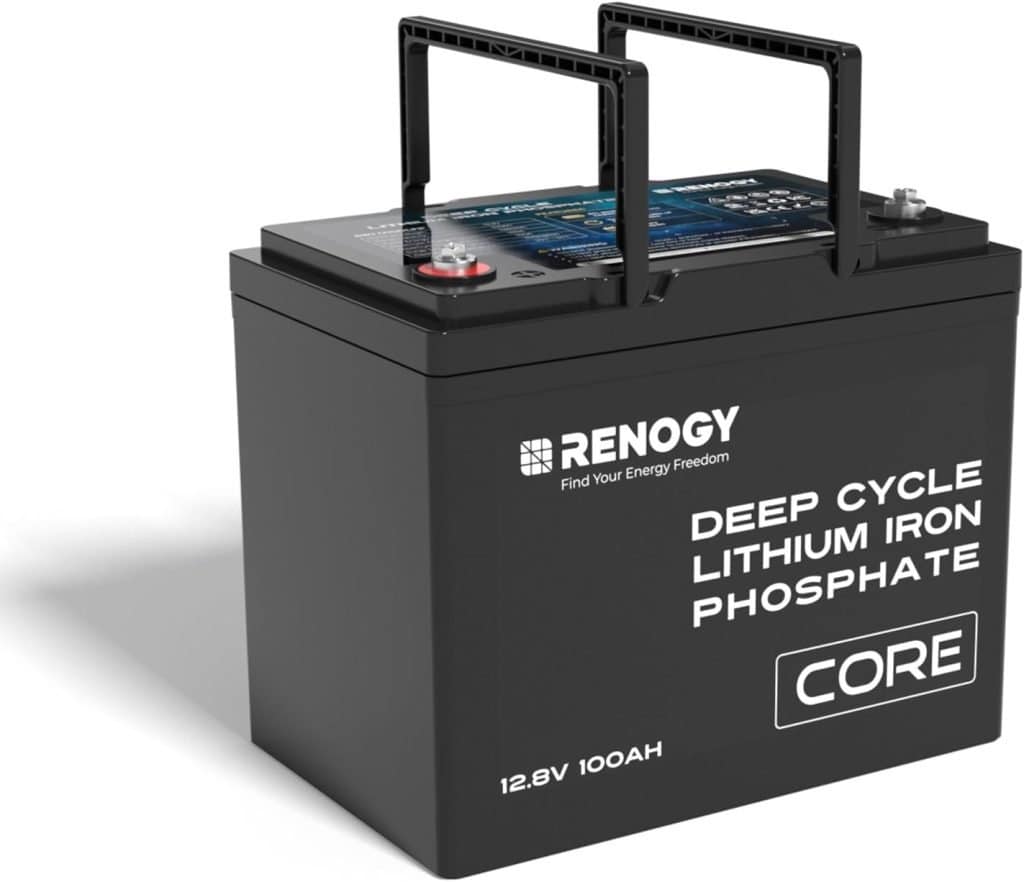
8. Not calculating our power needs correctly. We thought we had finished the van on August 20, loaded it up with all of our belongings, washed it, and were all ready to film our van tour. But we had a BIG problem–our batteries were overdischarged and shutting off overnight due to our refrigerator (which is a big power suck) and our inverter running at the same time.
We realized that while we had a lot of solar panels, we may have needed more batteries to power everything. So just two days before we planned to leave, we dropped another $900 on an extra 100 Ah Lithium battery. 🙁 We’re glad we figured this out before we left, but having a setback right as we finally thought we were done was tough (and not fun on our wallet).
9. Underestimating how hard van building is. “Let’s build a van, it’ll be fun!” we said 7 months ago. We knew it would be hard, but we definitely underestimated how hard it is, especially when you have zero skills and have a budget. We tried to make some things ourselves, like all of our window covers, but when you have zero sewing skills, it can be incredibly frustrating to do everything yourself and have it turn out nice.
So if you have some room in your budget, hire some people to help. We had someone make our cushions and it was the BEST investment we made! We ended up buying one nice window cover for our sliding door and while it sucked to spend the money, it was worth it since it will last much longer than the crappy homemade one we made.
total Van conversion Cost
And now for the moment you’ve all been waiting for…our van conversion cost! Disclaimer: this cost does not include the actual van, which was around $55k after taxes, title, fees, extra warranty, etc. This total does include all supplies and labor. And the grand total is…..
$23,374
So in total, our new home cost us about $78,374, which is definitely cheaper than a house in Austin or Seattle and is what we spent on rent for one year in Seattle.
We financed our van, so we do have a payment every month, but we paid for the conversion out of pocket. To give some perspective on our van conversion cost, we had gotten quotes from a few van build companies that were around $100K for everything we wanted (that DOES NOT include the van…yeesh!).
We got everything we wanted, plus a design that fit our style much better, for WAY less by doing it ourselves! We definitely could’ve done the build for less and we did go over our initial budget, but we tried to use high quality materials that would hold up over time, help us reduce weight, and also maximize the space.
We are super happy with how the van turned out and think it’ll fit our lifestyle perfectly and give us the comforts of a real home!
cost breakdown
So now that you know the total, we wanted to share what exactly made up this cost. Below is a breakdown of our van conversion cost by category, as well as some of the main products we used. We hope that this helps you get a better idea of what your van conversion cost may be, as well as what products we recommend!
2023 UPDATE: We have since made some big upgrades to the van, which you can read about here. We include the additional costs for each item, plus why we chose to make each change.
insulation – $512
We insulated our van with Havelock Wool, which is 100% sheep’s wool from New Zealand. There are tons of benefits to this type of insulation, which we outlined here.
As we mentioned above, we bought too much of some items and unfortunately Havelock Wool was one of them. We ended up using 3 batts of wool for the walls, ceiling, and floor of the van. We are sending back our 4th bag, which we never opened.
exterior – $3,830
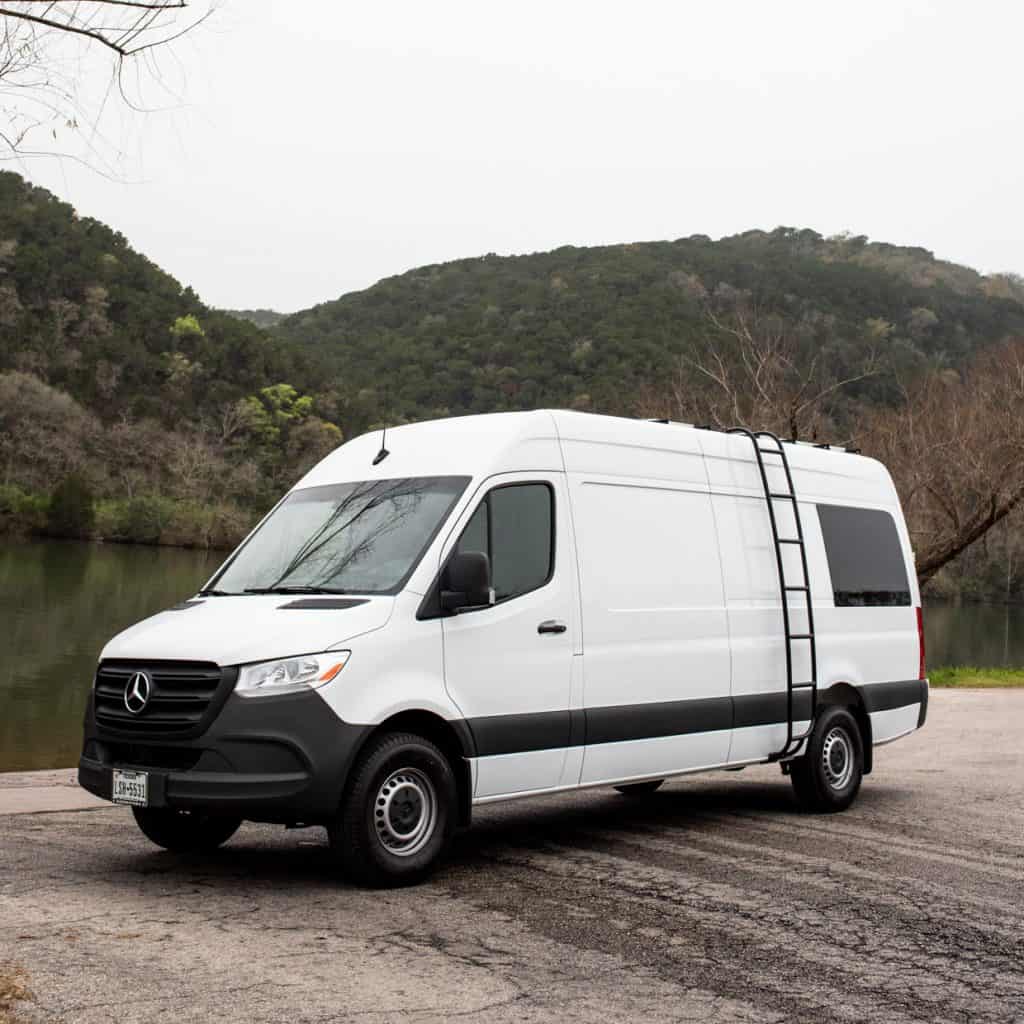
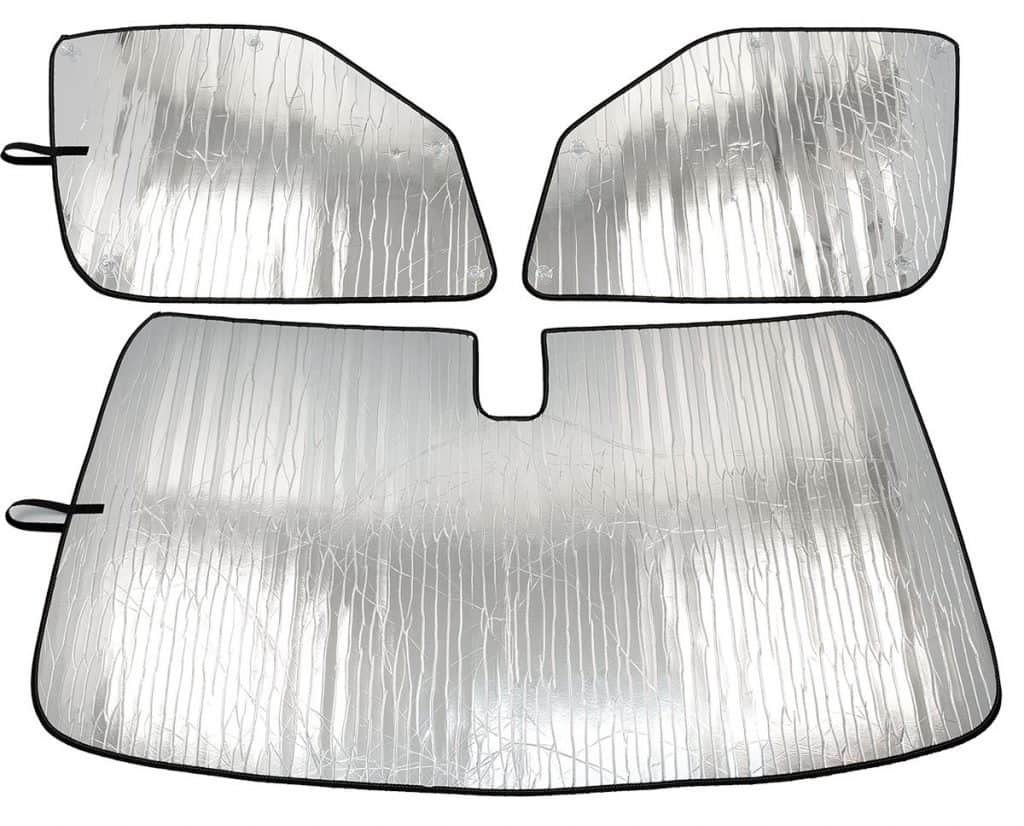
We made a handful of modifications to our van exterior, including adding a ladder, fan, solar panels, and windows. You can learn more about our solar, fan, and ladder set up here. And to see step by step instructions on how to install Sprinter windows, check out this blog post!



electrical – $5,032
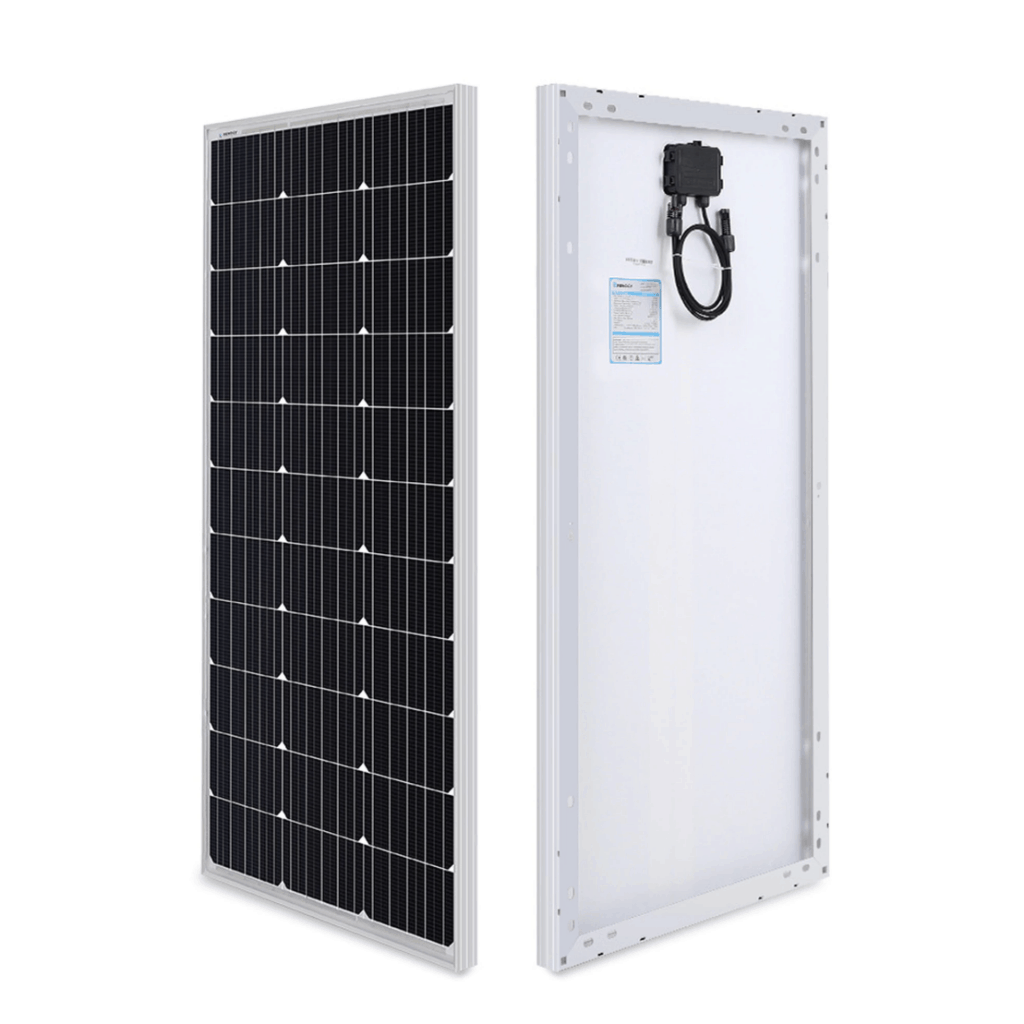
Electrical is a tricky beast, but we tried to find other van lifers with a similar lifestyle to ours (working full time on the road) to get a decent idea of what we would need. We would rather have too much power than not enough.


safety – $300
Safety is a HUGE thing for us on the road! We want to be able to monitor our van and Kona with a camera, be notified if anyone breaks the glass, as well as detect the temperature if we leave Kona in the van to run into the store.


internet – $500
Between corporate jobs, freelancing jobs, and our blog, we will be working tons in the van and needed to ensure we had the ability to get internet the majority of the time. We have two hotspots–our AT&T unlimited data plan with our phones and a Verizon unlimited data plan with a jetpack. We also have a WeBoost, which helps boost our cell signal (ex: can take it from 2 bars to 4 bars).


bathroom – $3,500
Having a bathroom in the van was a MUST for us! While we are simplifying our life in so many ways, we still wanted some comforts of a home. A toilet was crucial so we don’t have to scramble to find a bathroom, especially at night. And the shower is a nice bonus for quick rinse offs when we can’t take real showers at a gym.
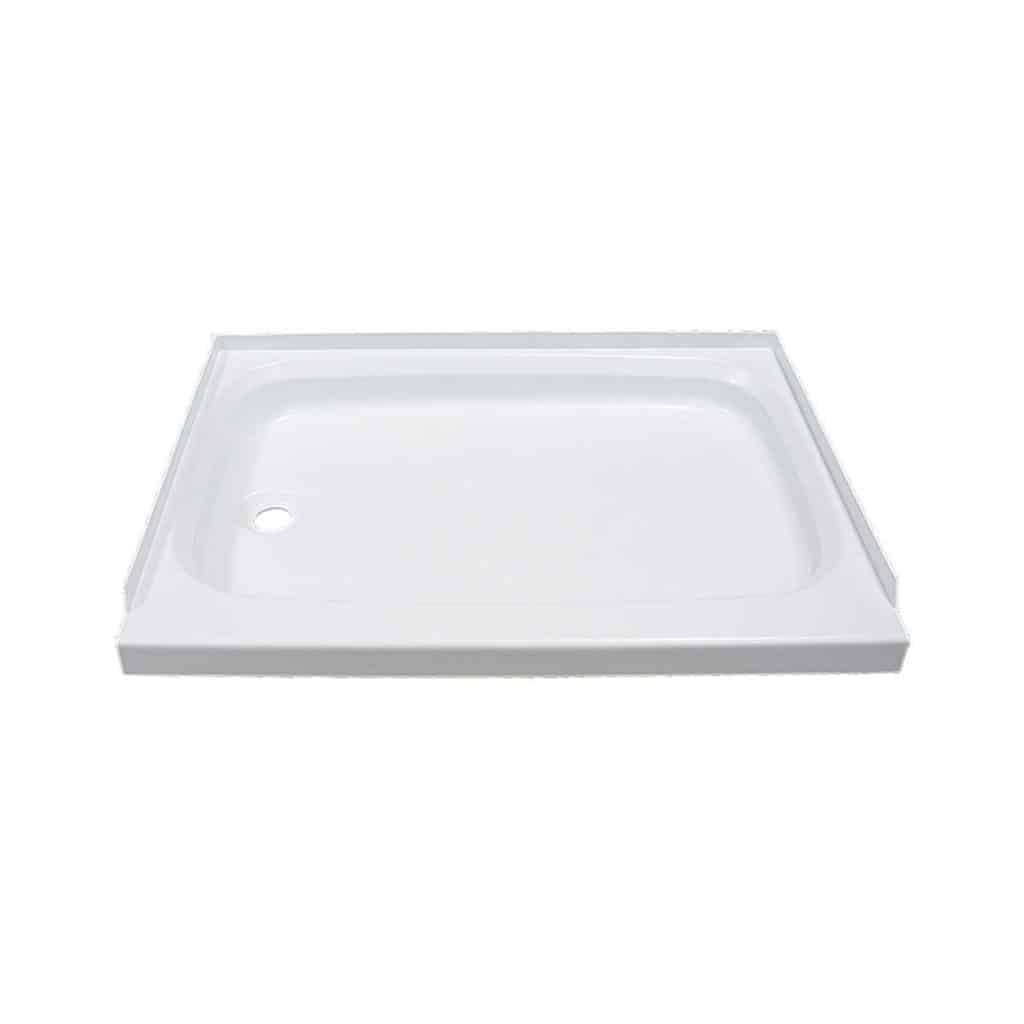
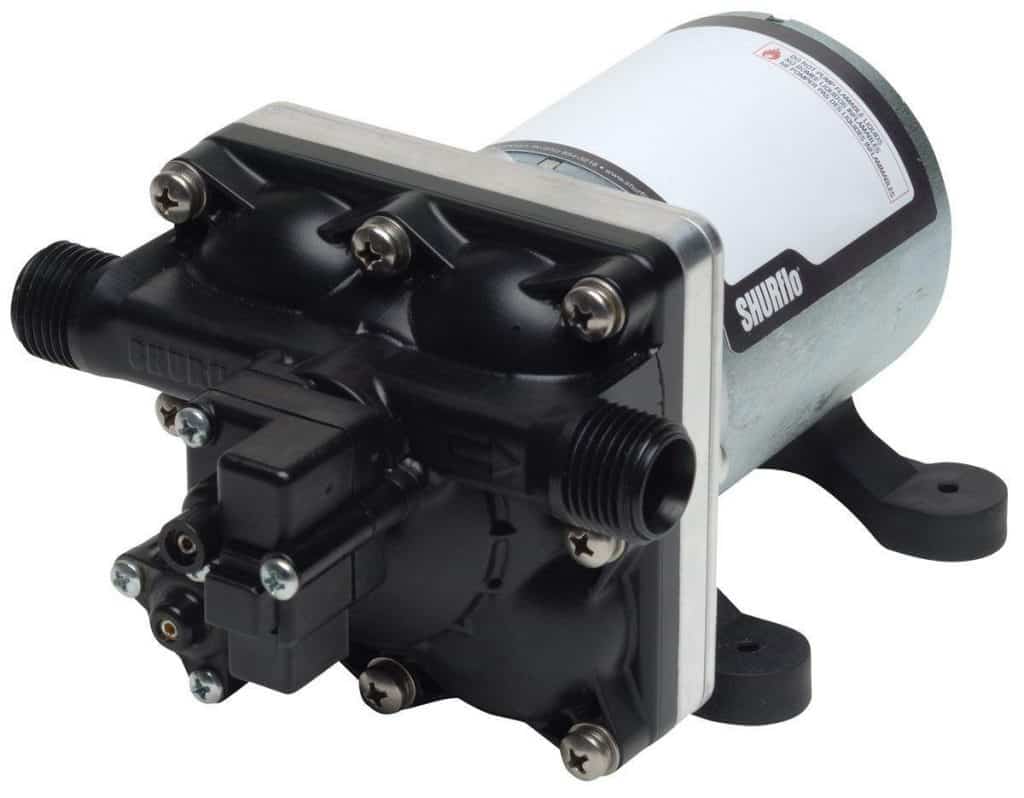
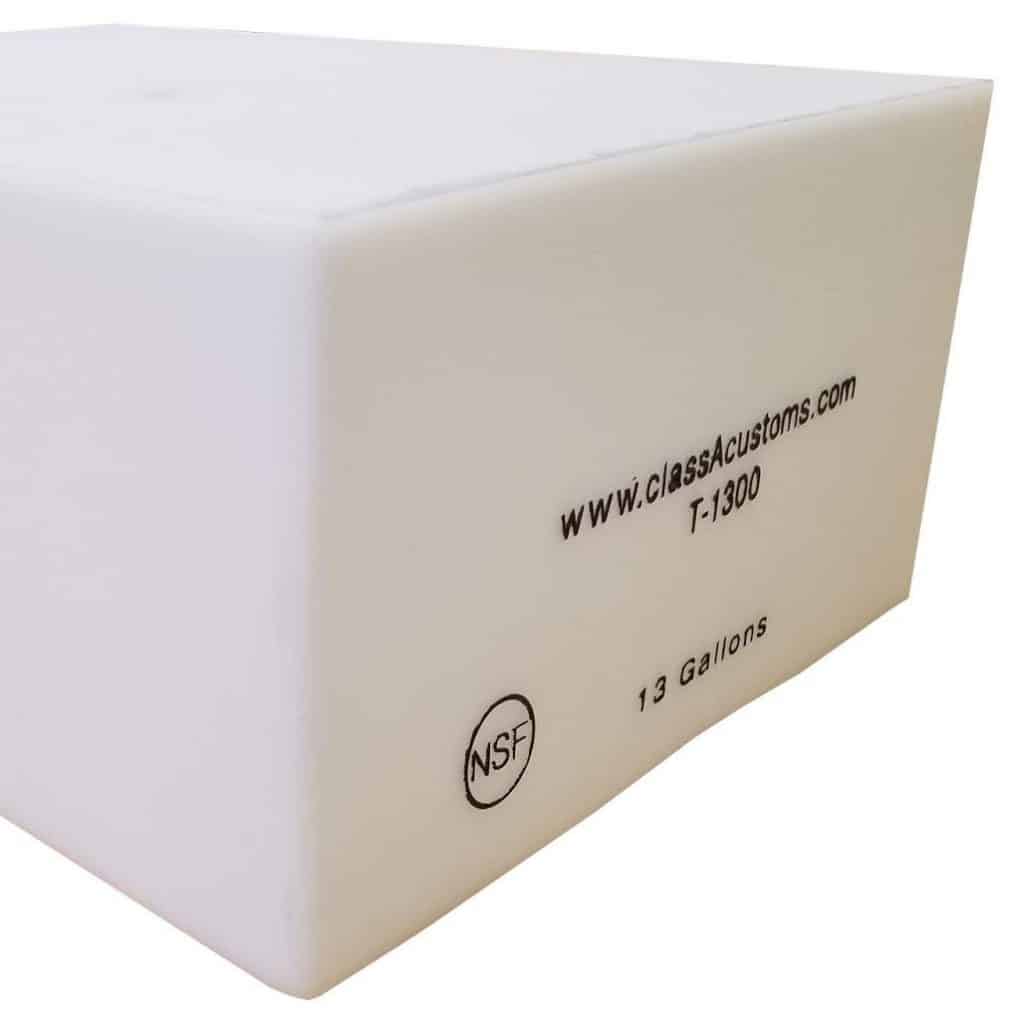


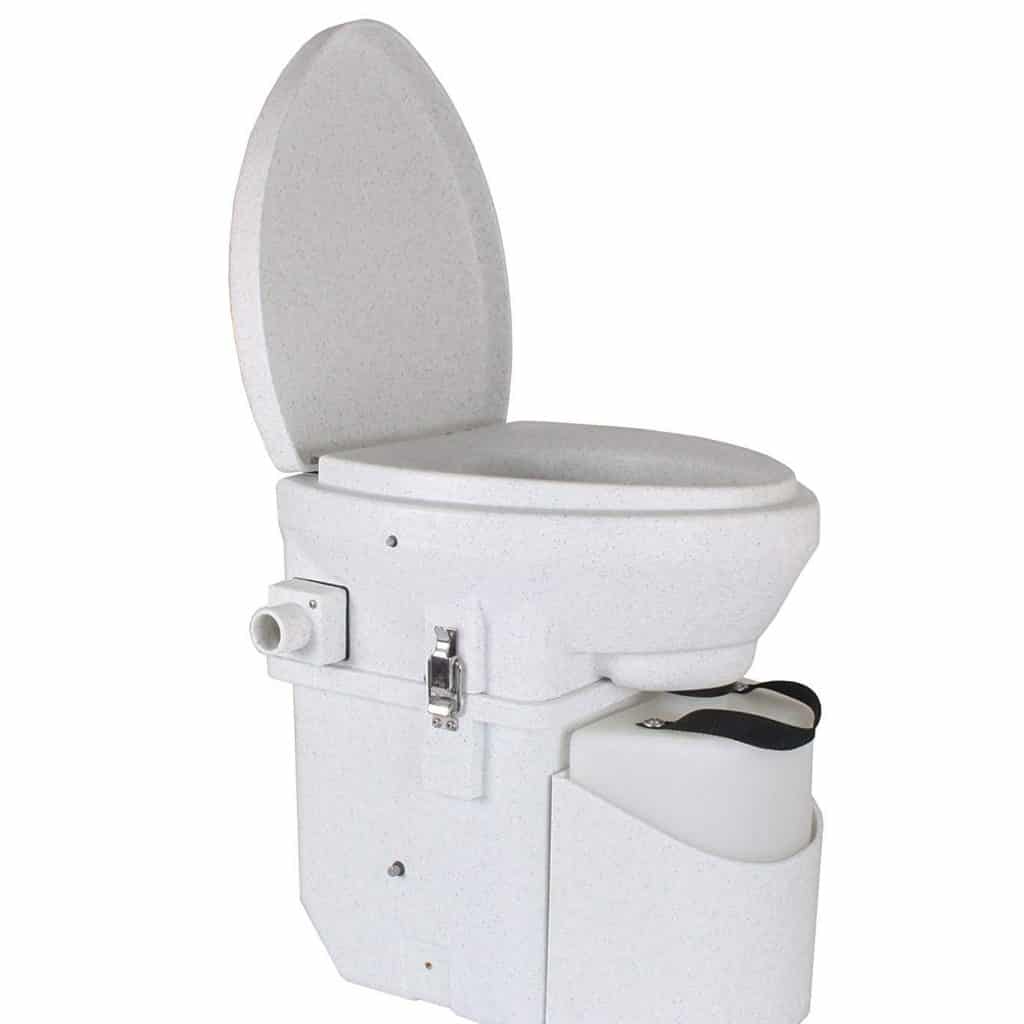


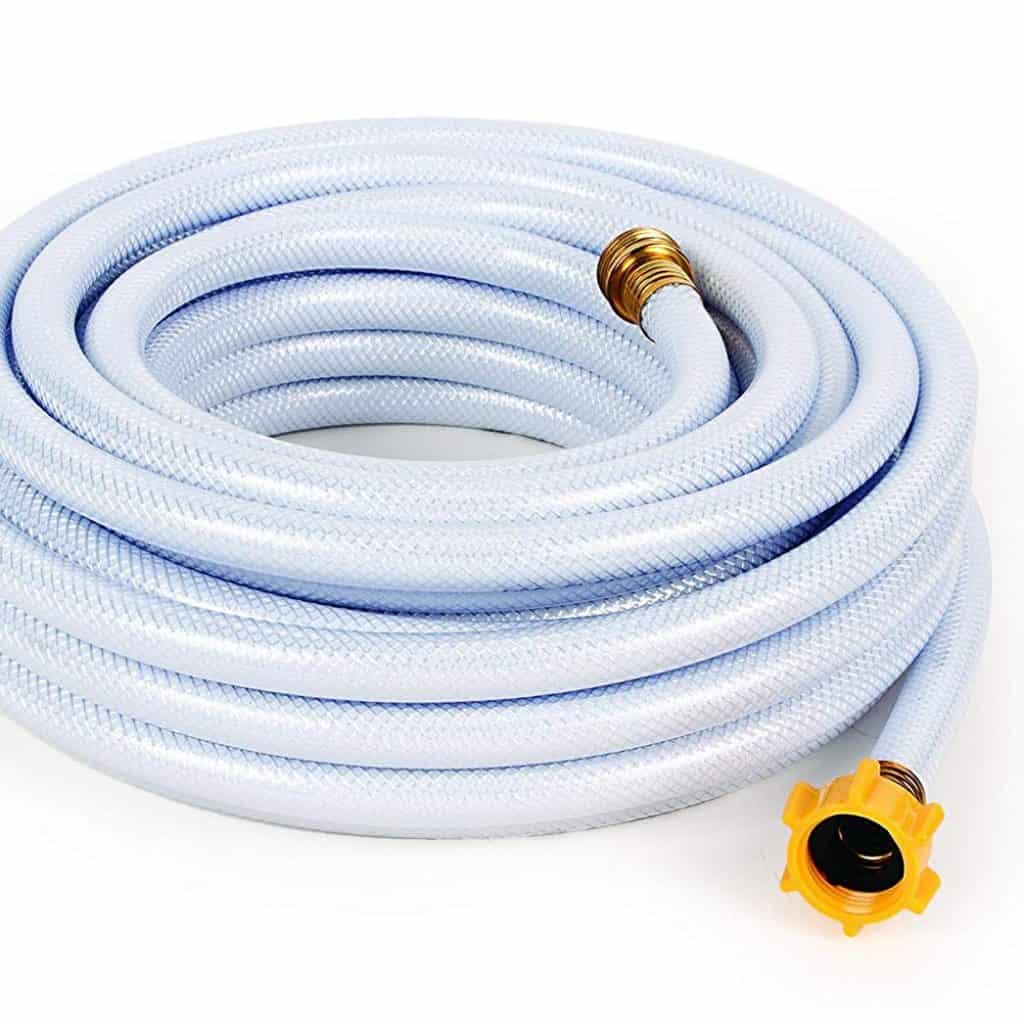
Interior – $1,600
From paint to flooring to cabinet items, this section covers all of the items that help make the interior functional and in our opinion, beautiful!


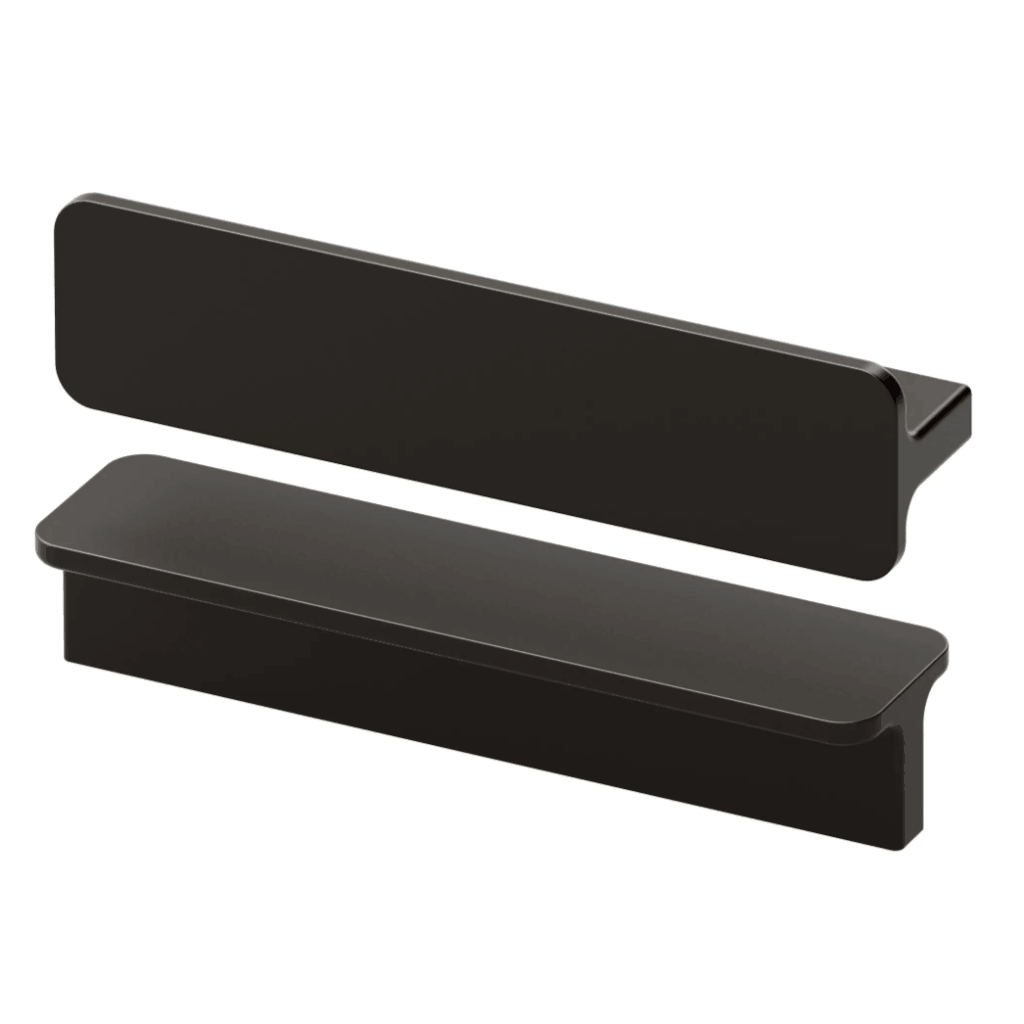

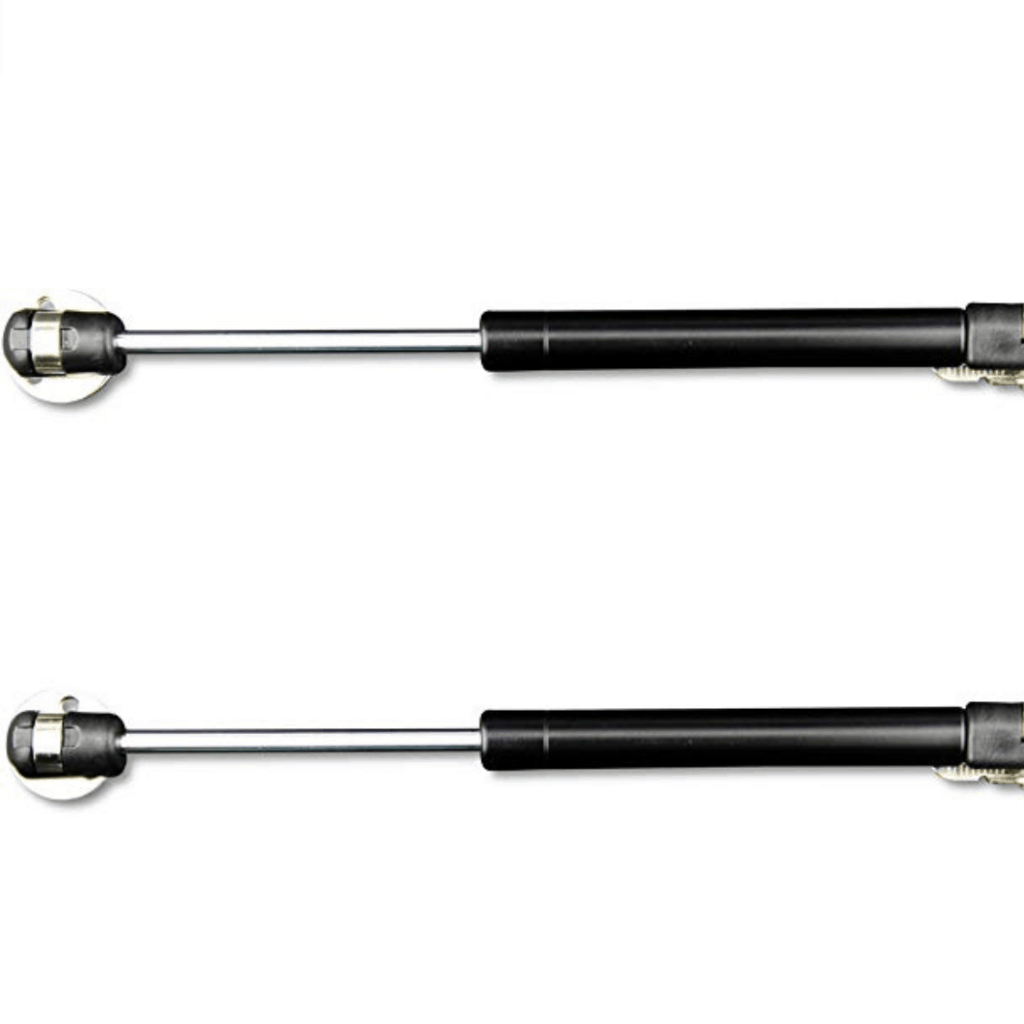
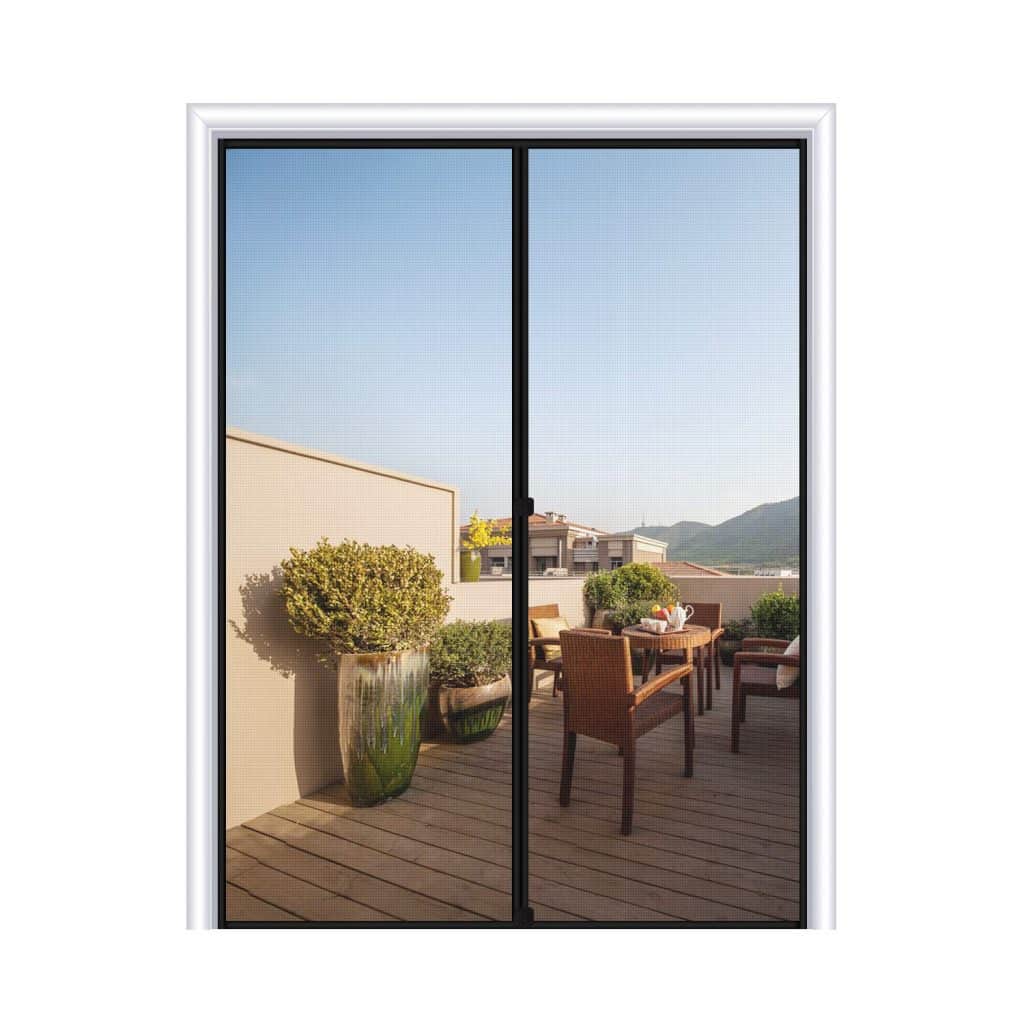


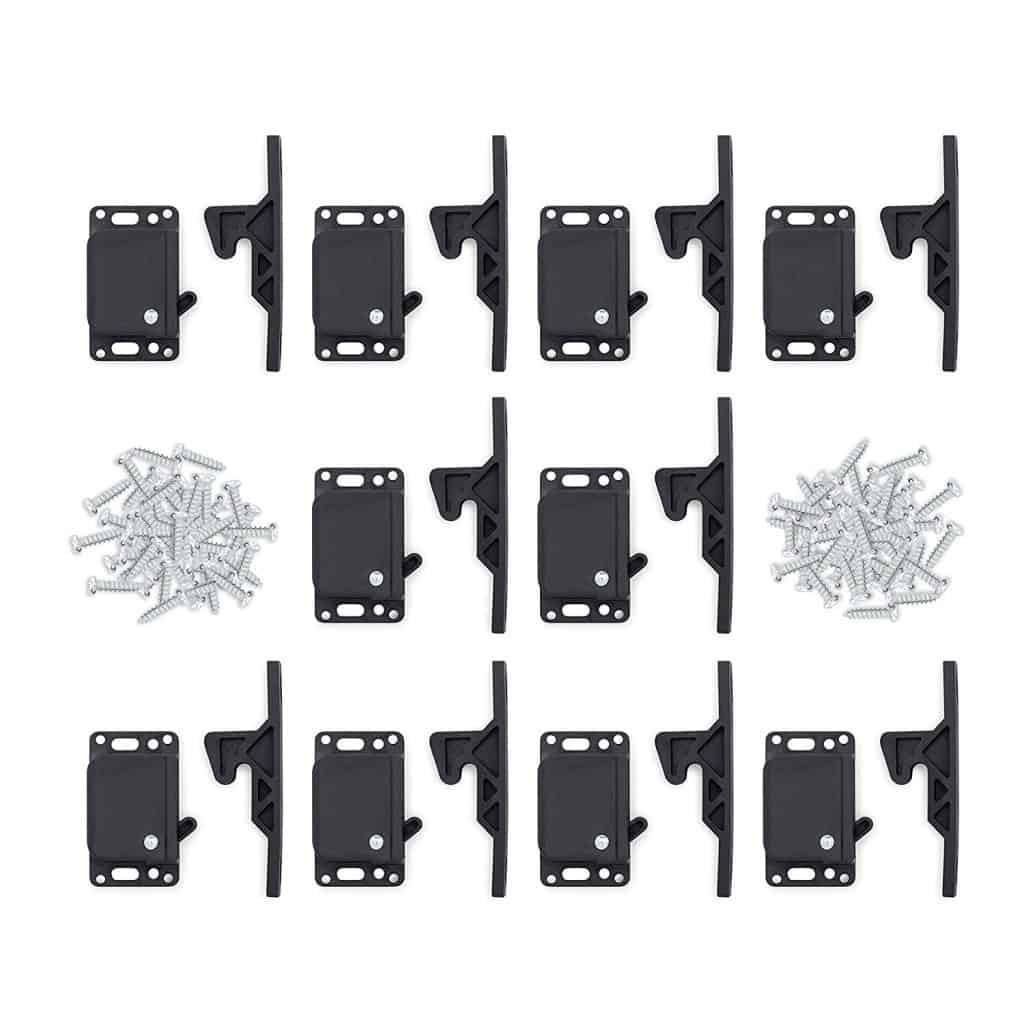

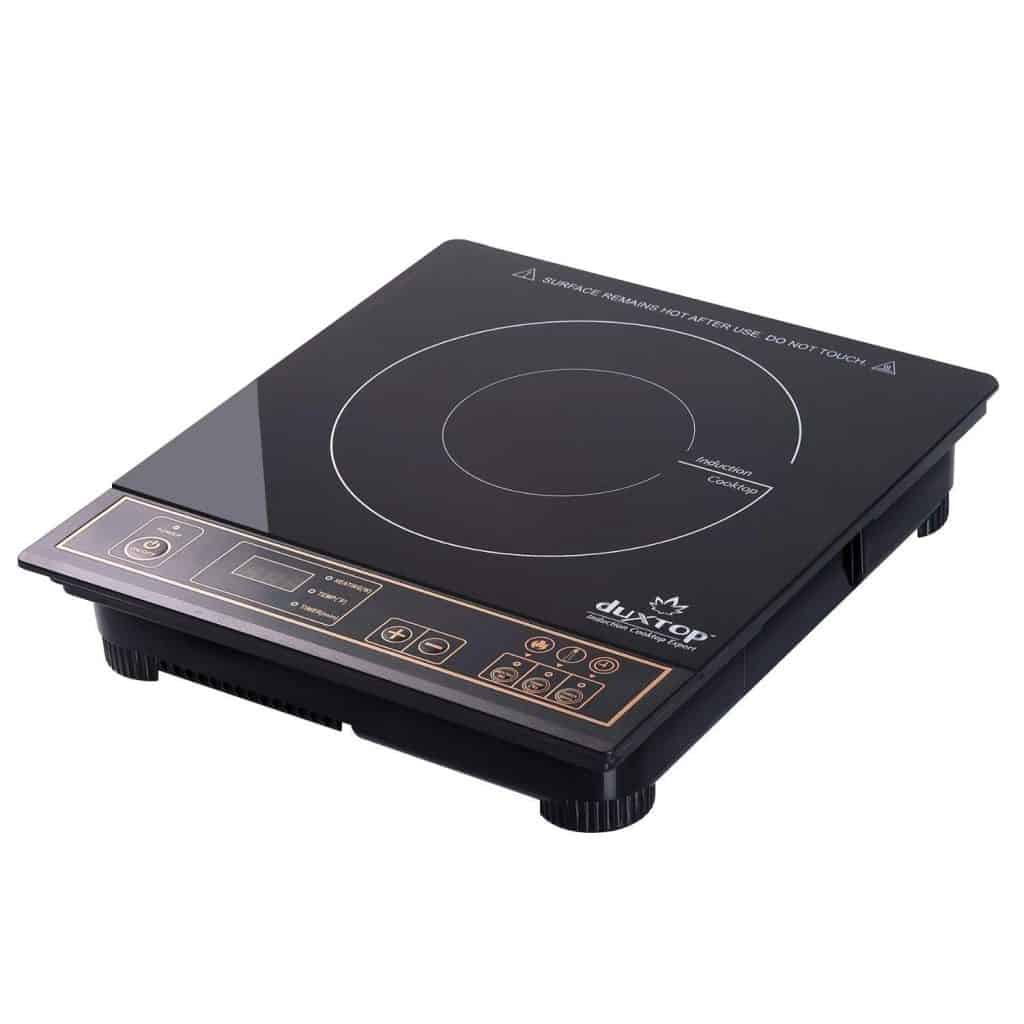
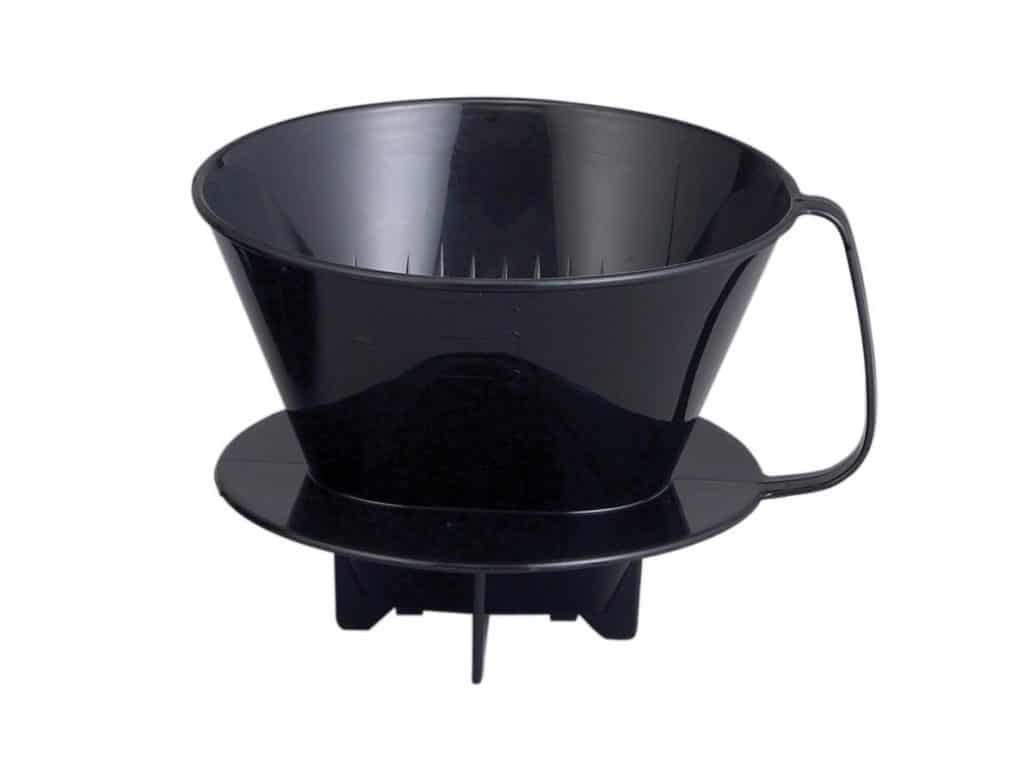
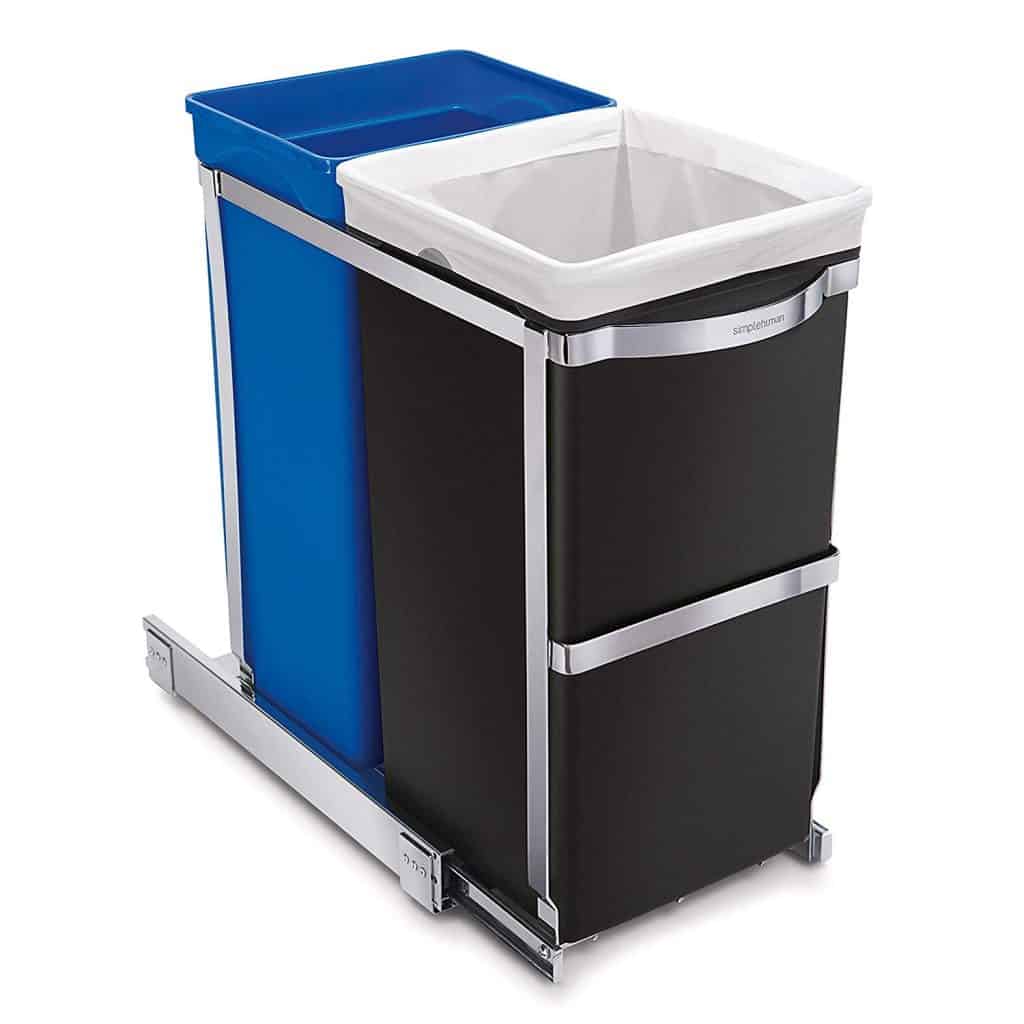
Kitchen – $3,300
While our kitchen is much smaller than the one we had in Seattle, we are pretty pumped about how we used the space and for the many meals we will cook with a view!






Bedding – $1,700
We chose to go with a layout where the seating area converts to a bed and couldn’t be happier! We love having multiple uses for the space and the bed is super comfy!


Wood – $2,100
We got the majority of our wood from Fine Lumber in Austin, TX, with a few pieces purchased at Lowe’s and Home Depot.
Supplies/tools – $1,000
We were very fortunate that Kathryn’s dad owned a lot of tools that we used for the build. It saved us a lot of money! It would be impossible to list all of the tools we used, but here are some of the ones we used many times and consider to be must-haves!


Planning your own van build?
Pin this blog to help plan your conversion!

