Last updated on August 7th, 2026
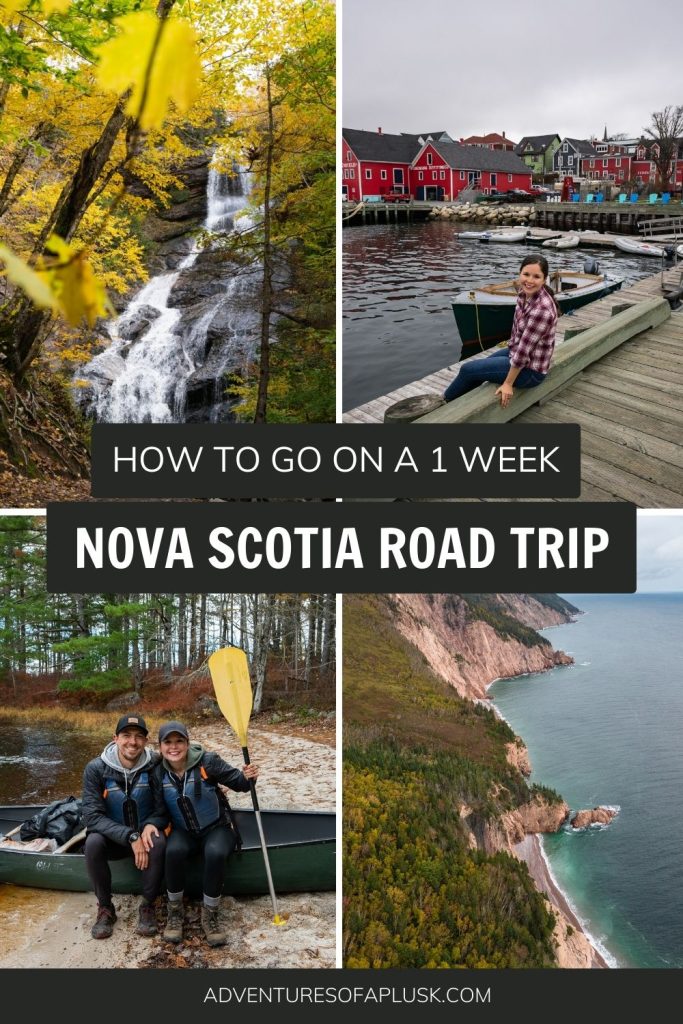
Ready for an epic Nova Scotia road trip? In this guide we’re sharing two different one week Nova Scotia itinerary options, to help you plan your trip!
Nova Scotia is an outdoor lover’s paradise. Here you can find rolling mountains and highlands, Atlantic Canada’s largest city, white sand beaches, ample wildlife, and striking coastlines. Plus go rafting on the highest tides in the world and drive one of the best scenic drives in all of Canada. Oh, and you can visit amazing wine country, eat delicious seafood, and experience Celtic and French heritage.
The province has a LOT to offer and the best way to experience it all is on a Nova Scotia road trip! During our visit to Nova Scotia in 2023, we had a blast road tripping around the province. And we can’t wait for you to do the same!

Watch us explore Nova Scotia, including crazy rafting, epic hikes, charming seaside towns, and multiple National Parks.
In this guide we’re sharing how to go on a fun one week Nova Scotia road trip, including two different itinerary options to choose from. One will take you along the South Shore and through wine country, while the other focuses on the province’s mountains and dramatic scenery. Which one will you choose?!

Why trust us when planning a trip to Atlantic Canada?
We spent over 3 months traveling all around Atlantic Canada in our self-converted Sprinter van, visiting many of the popular sites, plus off the beaten path gems along the way. And instead of rushing through these areas like most people are forced to on vacation, we traveled slowly, allowing us to experience them more as locals. Because of this, we have tons of tips to help you plan your own Atlantic Canada adventure, whether it’s just for a week or for multiple months.
One Week Nova Scotia Road Trip Itineraries

You may be wondering, “how many days do I need in Nova Scotia?” And it’s a hard question to answer! It would be impossible to experience everything Nova Scotia has to offer in one trip. We spent about two weeks in Nova Scotia and were able to see a good chunk of the province, but still have many more spots we want to return to.
But since most people may not have two weeks to spend in Nova Scotia, we’re sharing two different one week Nova Scotia road trip itinerary options. You will not be able to visit everywhere we went in the province in just one week, but you’ll still be able to experience a lot of what makes it a very special and beautiful place.
Here’s a quick look at both itinerary options. To skip ahead to a Nova Scotia itinerary, click its name!
Nova Scotia Road Trip Itinerary- Option #1
Day 1: Halifax
Days 2-3: South Shore
Day 4: Kejimkujik National Park
Days 5-6: Annapolis Valley
Day 7: Tidal Bore Rafting
Nova Scotia Road Trip Itinerary- Option #2
Day 1: Halifax
Day 2: Tidal Bore Rafting
Days 3-6: Cape Breton Island
Day 7: Driving back to Halifax
Note: these itineraries do not include the travel time to and from Nova Scotia. But we crafted each Nova Scotia road trip itinerary with the assumption you start and end in Halifax.
For additional things to do in Nova Scotia, plus a two week itinerary, check out our Atlantic Canada eBook!
Nova Scotia Itinerary #1: Halifax, South Shore, Keji, Annapolis Valley, & Tidal Bore Rafting
In this first week-long Nova Scotia road trip itinerary option, you’ll stick to the left half of the province. You’ll explore Halifax, go tidal bore rafting, see Annapolis Valley, visit the charming towns along the South Shore, and experience both units of Kejimkujik National Park.
Day 1: Halifax

Today you’ll explore one day in Halifax, including some of its best local eats, historic sites, and waterfront.
Grab breakfast in town
Kick off your day in Halifax with some delicious breakfast from Dilly Dally Coffee Cafe. This spot came highly recommended to us from locals. Make sure to try one of their bagel dishes!
Stroll around the Halifax Public Garden
The Halifax Public Garden is a free Victorian style garden that was established in 1867, the year of Canadian Confederation. So it’s as old as Canada itself! Here you can find various different plants and flowers, a pond, and walking paths. It’s a very peaceful place to walk around!
Visit the Halifax Citadel National Historic Site.
One defining feature of downtown Halifax is the Halifax Citadel National Historic Site. The British founded Halifax in 1749 and quickly realized a need for a fort to defend against possible attacks, primarily from the French, so they built the Citadel.
There have been four iterations of the Citadel and the current version, which is star shaped, was completed in 1856. And similar to the other three, it never saw a battle.
At the Citadel you can walk around various viewing platforms and rooms, including barracks, a school room, and even the moat! But the best part is that everyday at noon, they fire the noon gun. Make sure to arrive before noon to experience it!
Try a donair
Donairs are the official food of Halifax, so you must try one when in the city. This is seasoned ground beef that is cooked on a spit, shaved off and wrapped in pita bread, and then topped with onion, tomato, and donair sauce, which is made of sweetened condensed milk, vinegar, and garlic powder.
You can find donairs at just about any pizza shop in Halifax, but locals told us to go to Tony’s Famous Donair to try it. And it was delicious!


Explore the Halifax Waterfront
Pop into downtown Halifax, grab a coffee from Weird Harbor Espresso Bar, and then stroll along the waterfront.
There’s a 4 km (2.5 mile) long boardwalk that runs along the water, which is one of the world’s longest downtown boardwalks. It’s a great pathway, with a lot to see along the way, including different shops, restaurants, and unique sculptures (like The Wave and The Way Things Are).
Visit a museum
If you have more time, check out a museum as well. One popular option is the Maritime Museum of the Atlantic, which shares about the area’s maritime history. We also have heard great things about the Canadian Museum of Immigration, which shares the stories of the many people who came to Canada, from past to present. It’s located at Pier 21, where a million immigrants arrived in Canada between 1928 and 1971.
Looking for more history in Atlantic Canada? Be sure to visit St. John’s, Newfoundland, the oldest city in North America!
Dinner at The Narrows Public House
For dinner, head to The Narrows Public House, which is located in an old 1896 Victorian home and is oozing with character. Plus, the food is incredible! We loved the Dutch Mess and the fish and chips. And whatever you do, do not leave without trying the sticky toffee pudding.
Optional: head to a Mooseheads game!
While Halifax doesn’t have a NHL team, they do have a CHL team: the Halifax Mooseheads. And for a fun evening activity (during the fall through spring), head to a game! We had a blast cheering them on as they took on the Moncton Wildcats.

Where to stay
You will want to stay in Halifax this evening! Here are a handful of options for all travel styles.
Hotels: Halifax Marriott Harbourfront Hotel, Residence Inn by Marriott Halifax Dartmouth, and Moxy Halifax Downtown. Want to get these hotels for FREE? Learn about our favorite travel credit cards.
Vacation Rentals: Stylish Top Floor Condo, Halifax Condo, The Bowman on Vernon.
Campgrounds: Shubie Campground in Dartmouth is the closest campground to Halifax!
Boondocking: Cities are notoriously tough to boondock in, but in Halifax, you are allowed to stay overnight at a few parking lots near the seaport. We stayed at this one, but there are others right by it. It was free from 6 PM to 7 AM at the time of our visit (and free on the weekends), but pretty cheap if you need to add on some time.
Day 2: South Shore


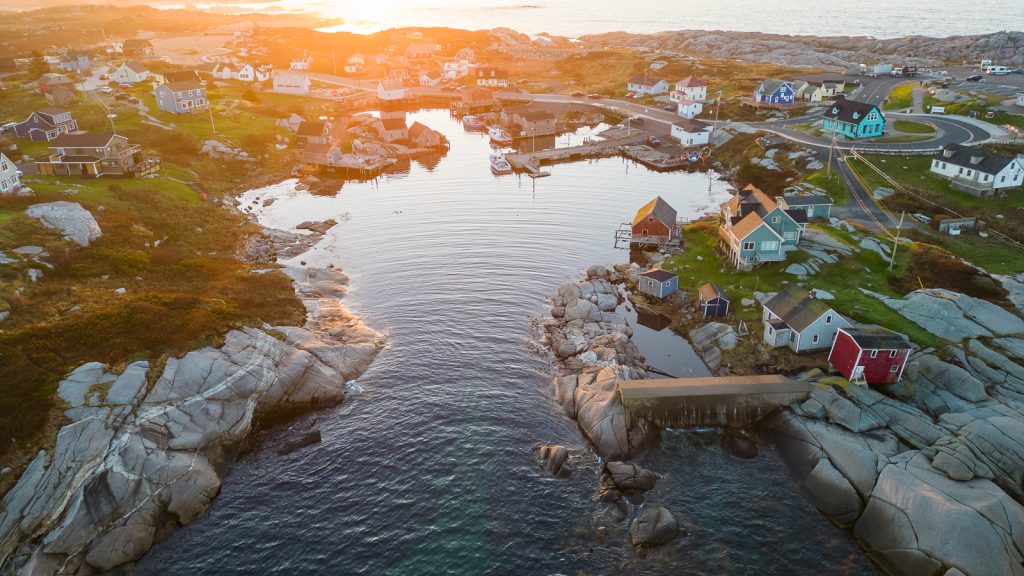
You’re off to the South Shore Today you’ll begin exploring some of the gems along this beautiful region of coastline.
Watch the sunrise at Peggy’s Cove Lighthouse
Leave Halifax bright and early to get to Peggy’s Cove Lighthouse. It’s said to be one of the most photographed lighthouses not only in Nova Scotia, but in Canada as a whole.
And because of this, it can get MEGA busy! As in, tons of tour buses full of people. So we suggest coming at sunrise. But if that’s too early, try to be there by 9 AM at the latest.
While this might be the most popular lighthouse in Canada, we also loved many of the others in the area like the ones on the Bonavista Peninsula and the Twillingate Islands in Newfoundland. So we highly recommend you visit those ones too when you visit places in Newfoundland!
Explore Peggy’s Cove Village
And after you see the lighthouse, make sure to wander around the village, with its buildings perched among all of the rocks. Holy Mackerel is a really neat store and the lobster rolls from Tom’s Lobster Shack are amazing!

Visit Mahone Bay
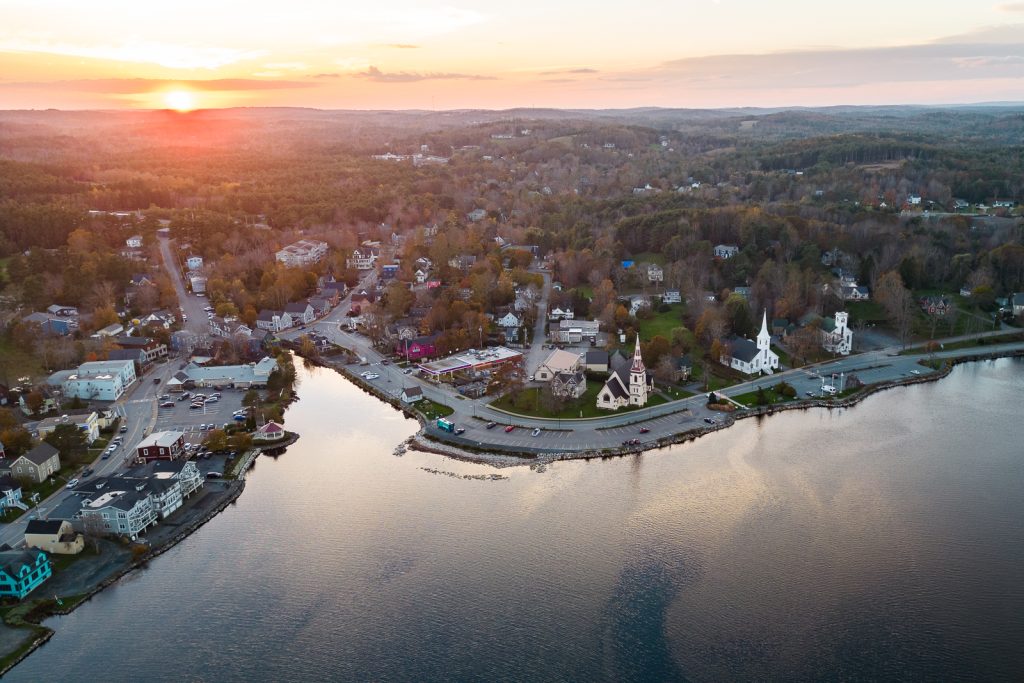
About an hour down the coast is the town of Mahone Bay. Mahone Bay is a bay with hundreds of islands, including the famous Oak Island with its hidden treasure. And the town of Mahone Bay itself has been listed as one of the most beautiful towns in Canada.
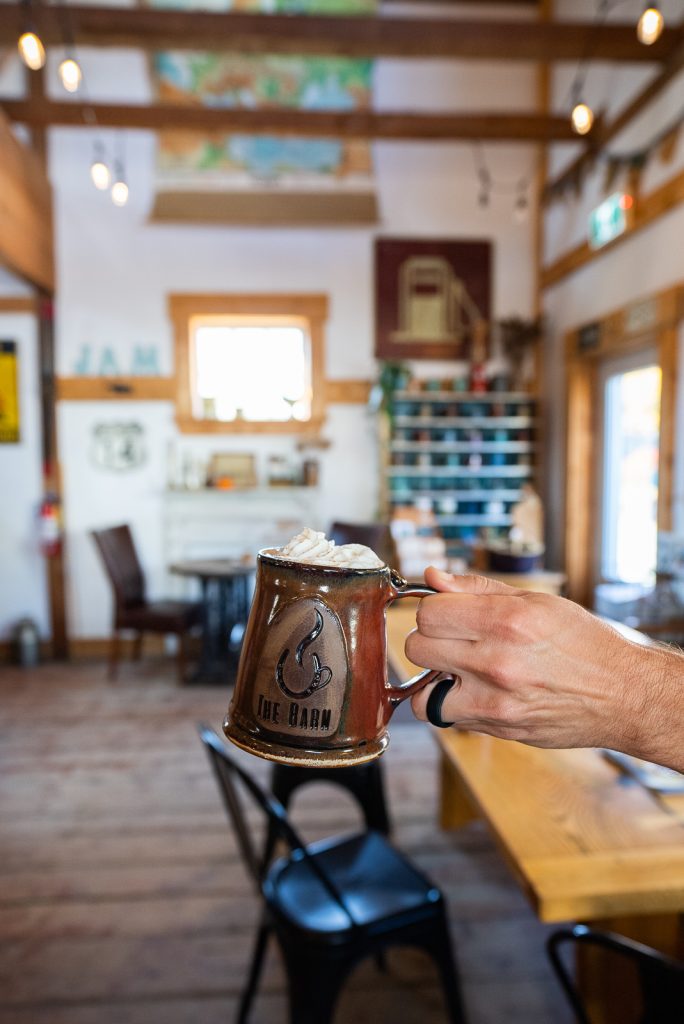
It is probably most famous for three picturesque churches next to each other along the waterfront, but besides that, it has a bunch of colorful Victorian homes and local shops. We really enjoyed walking around here, grabbing coffee at The Barn Coffee & Social House (which is adorable!), and seeing how pewter jewelry is made at Amos Pewter.
Head to Lunenburg
Lunenburg is a UNESCO World Heritage Site and is one of only two urban communities in North America with this designation. It is considered to be the best surviving planned British colonial town in North America, with 70% of its original colonial buildings remaining!
You’ll explore more tomorrow, but for tonight, grab dinner at Lightship Brewery for both food and beer with one of the best views of town!
Where to stay
We suggest staying in Lunenburg tonight. Mahone Bay is also very close by if they have better options for you!
Hotels: The Kitch’inn – Boutique Inn and Wine Bar (Mahone Bay) and Sail Inn(Lunenburg).
Vacation Rentals: Ivy House Inn (Lunenburg).
Campgrounds: Lunenburg RV Park & Campground (Lunenburg).
Harvest Hosts: Lightship Brewery is a great Harvest Host in Lunenburg. It’s hard to beat a waterfront spot for the night! If you don’t have a Harvest Hosts membership, you can click this link and then use the code APLUSK20 for 20% off your membership!
Day 3: South Shore

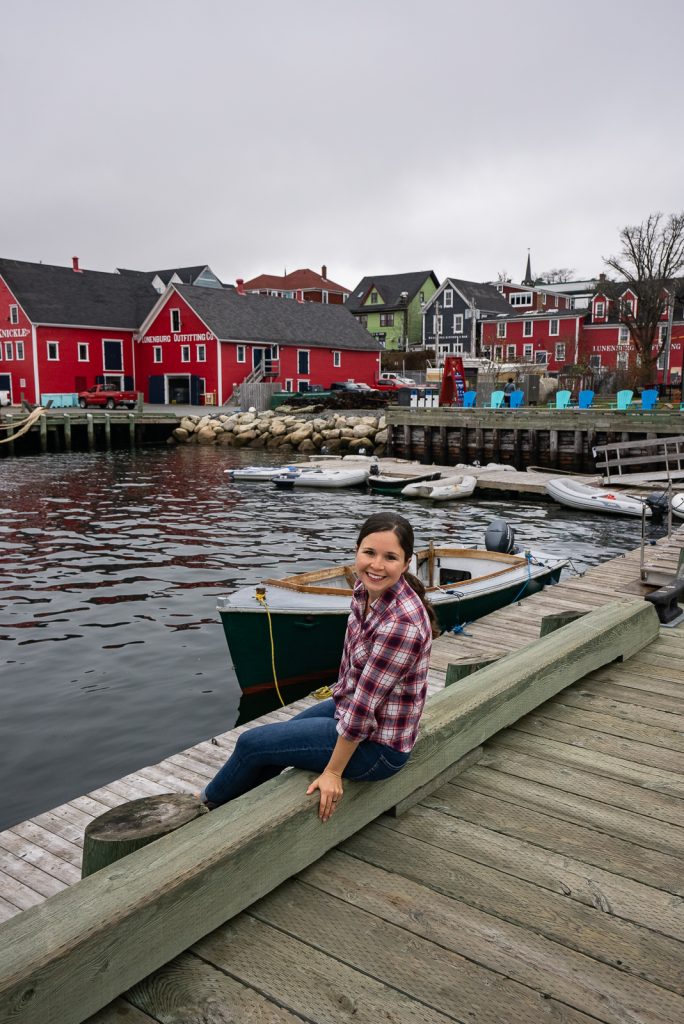
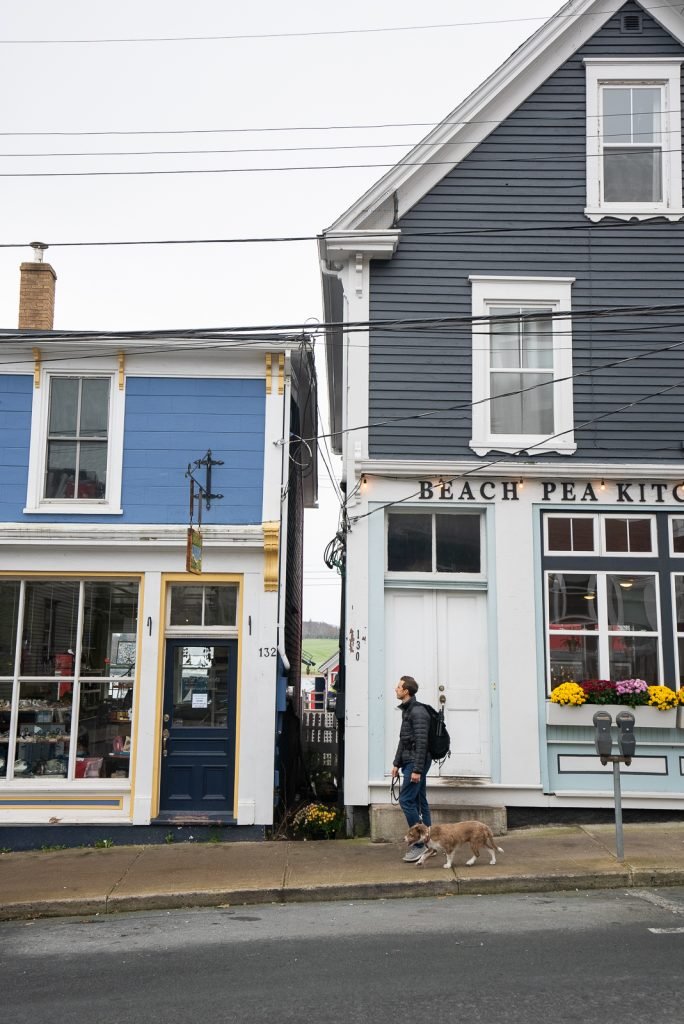
Today you’ll explore the charming town of Lunenburg, a UNESCO World Heritage Site!
Grab coffee in Lunenburg
Start the morning at No 9 Coffee Bar in downtown Lunenburg. Make sure to check out their garden in the back!
Wander around the streets of Lunenburg
Lunenburg is filled with colorful buildings, tons of different shops, and restaurants. It’s a great place to walk around. One of our favorite shops was Lunenburg Bound!
Sail on the Bluenose II
One of the most iconic things to see in Lunenburg is the Bluenose II. This is a replica of the Bluenose, which is the most famous ship in Canadian history, so much so that it is now on the Canadian 10 cent coin! The Bluenose was a two-masted schooner that was both a fishing and racing vessel in the 1920s and 1930s, known for its impressive speed and winning the International Fisherman’s Cup many times. It unfortunately hit a reef and sank in the 1940s, so they created the Bluenose II in the 1960s to honor it.
From June through September you can actually go sail on the Bluenose II from Lunenburg! You can see their schedule here.

Visit the Fisheries Museum of the Atlantic
If you can’t sail on the Bluenose II or want to do something else instead, visit the Fisheries Museum of the Atlantic. This museum has multiple floors with different exhibits and artifacts from the area’s maritime industry.
Grab lunch
For lunch, head to Salt Shaker Deli. This restaurant has a mix of soups, salads, seafood, sandwiches, and more!
Drive out to Kejimkujik National Park’s Seaside Unit
After exploring Lunenburg, head about an hour to Kejimkujik National Park’s Seaside Unit. This is where your adventures will begin tomorrow!
Where to stay
You will want to stay near Kejimkujik Seaside. There aren’t a ton of choices, but here are a few to consider.
Hotels: White Point Beach Resort and Best Western Plus Liverpool Hotel & Conference Centre.
Vacation Rentals: Port Mouton Retreat, Cozy South Shore Beach Retreat, and Robertson Lake Cottage.
Campgrounds: This area of the park does not have its own campground, but Thomas Raddall Provincial Park is close by and has a campground.
Day 4: Kejimkujik National Park

Your fourth day is all about Kejimkujik National Park (pronounced “Keh-jim-uh-koo-jick”), or Keji for short. This is one of Nova Scotia’s three National Parks.
Keji has two different areas to explore, an Inland unit and a Seaside unit, which provide vastly different experiences. And they are located close enough that if you get an early start, you can experience both in one day.
WARNING: Ticks are VERY common here (we encountered multiple). Make sure to cover up, spray yourself with bug spray, and do frequent tick checks.
Kejimkujik National Park (Inland Unit) has a fee to enter. The Seaside Unit is FREE though! If you’re visiting multiple Canadian National Parks, we suggest getting the Discovery Pass, which gets you into all Parks Canada sites for one year.

Hike the Harbour Rocks Trail
The beach at Keji’s Seaside Unit (St. Catherine’s River Beach) is absolutely pristine. The sand is soft and white, the water is crystal clear and blue, and you can see tons of seals!
The only way to get to this beach is by hiking the Harbour Rocks Trail, which is 4.8 km (3 miles) and a relatively flat and easy journey through some trees, before ending at the beach. Once at the beach, there are various coves to explore, plus a long stretch of beach. This is the perfect spot to go for a long walk and have a picnic!
Important note: Bears are common to spot in this area. So make sure to make noise when you hike and keep your distance if you see one. We unfortunately didn’t see any!
Head to the Kejimkujik National Park Inland Unit
There is not much more to do in the Seaside Unit, so after spending time at the beach, head to the Inland Unit. This is about 1 hour and 15 minutes away.

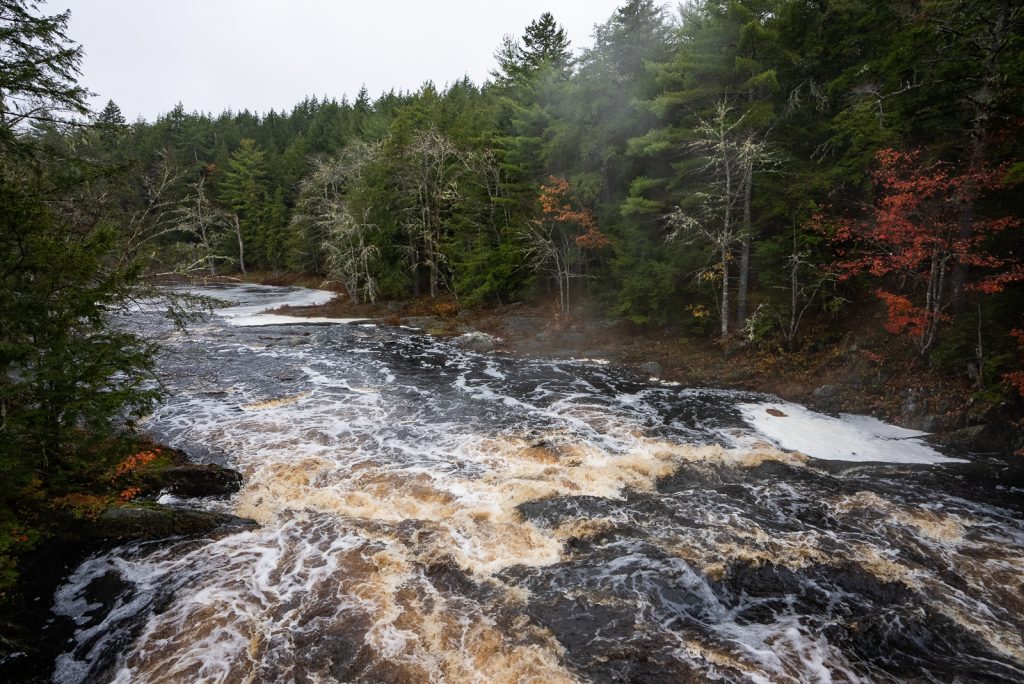
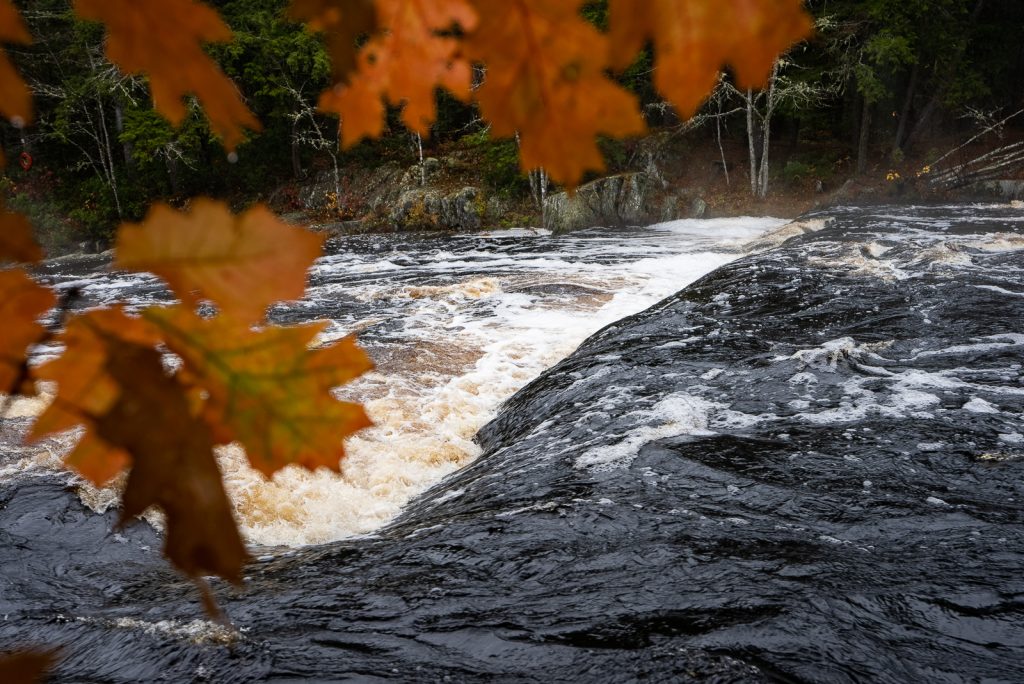
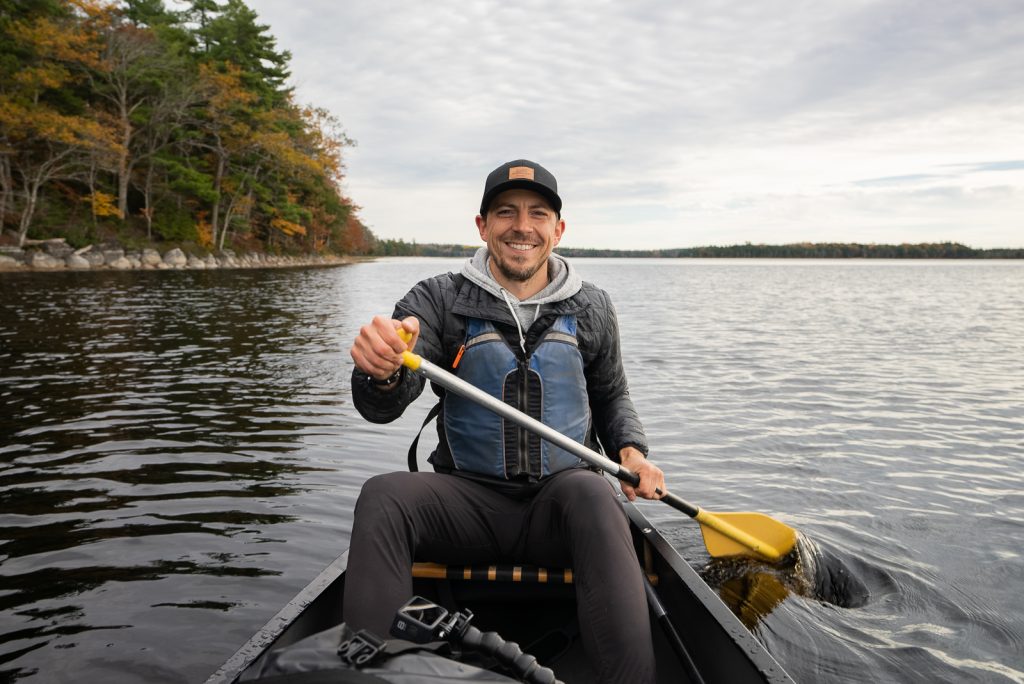
Explore the Kejimkujik National Park Inland Unit
Keji’s Inland Unit is home to forests, waterfalls, more than 30 streams and rivers, and over 46 lakes. And the best way to experience it is by getting out on the water! This area of the park is the perfect place to go canoeing, either for a few hours or for an overnight adventure.
For the rest of the day, you have some options. If you own your own kayak, canoe, or SUP board, we suggest hitting the water. Depending on the time of day, you could rent from Whynot Adventure, but it may be too late. (And for more kayaking adventures, checkout our guide to the Hopewell Rocks!)
Another option is to hike the short and easy Mill Falls Trail, which takes you along the river, with multiple views of the Mersey River.
Enjoy a relaxing evening in the park
Spend the evening around the campfire, cookin’ up a feast, and enjoying s’mores.
Where to stay
We suggest staying in or near Kejimkujik National Park’s Inland Unit this evening. The park offers a variety of options, both for camping and roofed lodging.
Vacation Rentals: Mersey River Chalets, Remote off-the-grid, lakefront log home, and Annapolis Lake Retreat.
Campgrounds: The best place to stay in Kejimkujik National Park’s inland unit is the Jeremy’s Bay Campground. This campground has a variety of campsites, plus yurts, Ôasis, oTENTiks, and rustic cabins. Plus really nice and new shower facilities!
Boondocking: The night before we visited the park, we stayed at this spot, right outside of the park boundaries. And it was really nice for a night!
Day 5: Annapolis Valley

For the next two days, you’ll be exploring the Annapolis Valley region, with a mix of history and beverages.
Head to Annapolis Royal
Enjoy breakfast at your lodging in Kejimkujik and then hit the road to Annapolis Valley. This area is home to some of the province’s earliest recorded history. And today you can not only experience some of its history, but also its vast farmland and highly praised wineries.
You’ll have about a 40 minute drive to Annapolis Royal, your main destination for today.
Grab coffee in Annapolis Royal
Before exploring, grab a quick coffee from Sissiboo Coffee Roaster Cafe.
Stroll around the Annapolis Royal Historic Gardens
The Annapolis Royal Historic Garden is an award winning garden known for its roses, as well as its reconstructed Acadian House. It does have a fee of $17.50 CAD per adult.
Enjoy lunch in town
For lunch, either head to Fort Anne Cafe or Mad Hatter Wine Bar for wine and charcuterie.
Spend the afternoon visiting the Fort Anne National Historic Site
This region is home to many historical sites, but while in Annapolis Royal, you must visit Fort Anne National Historic Site. At one point, this was one of the most contested pieces of land in North America, with the Scottish, French, and English settlers, plus Mi’kmaq fighting over it.
Note: This is a Parks Canada site, so it does have a fee of $4.50 CAD per adult, unless you have the Discovery Pass.
Drive to Wolfville
After exploring the area a bit, make the 1 hour and 15 minute drive to Wolfville, another popular town in Annapolis Royal. Enjoy dinner at The Port Pub And Bistro!
Where to stay
We suggest staying in or near Wolfville this evening!
Hotels: Tattingstone Inn and The Evangeline.
Vacation Rentals: Magnolia Corner, Brand New Guesthouse, 1 Bedroom Loft, and Valley Sky Glamping.
Campgrounds: There aren’t a ton of great camping areas in Wolfville. Highbury Gardens RV Park is probably your best bet!
Day 6: Annapolis Valley

Today is all about exploring the Wolfville area, including its many wineries!
Prefer nature over wineries? You could alternately spend another day at Kejimkujik and condense days 5 and 6 into one day, visiting the spots that interest you the most!
Grab breakfast and coffee in town
Before starting your Wolfville adventures, grab coffee at Just Us! and have breakfast at The Naked Crepe.
Visit the Grand-Pré National Historic Site
Another must-visit historical site in Annapolis Valley is Grand-Pré National Historic Site. This site shares the history and struggles of the Acadiens. There is also a 110 km bike path, called the Harvest Moon Trail, that you can ride to Annapolis Royal.

Go winery hopping
Spend the afternoon visiting different wineries in the area. Lightfoot & Wolfville Vineyards is a popular choice! Or you could spend this time visiting different fruit farms, like Stirling’s Farm Market (Greenwich) or sampling a cider flight at Annapolis Cider Company.
If you need a food break, head to The Noodle Guy!
Stroll around Wolfville
After an afternoon exploring wineries or farms, spend the rest of the day walking around Wolfville. Including its waterfront park!
For the rest of the evening, you can either grab dinner in Wolfville at Juniper Food + Wine or head to Truro for the night. A couple good restaurants in Truro are Hub Grub for burgers and Murphy’s Fish & Chips.
Where to stay
You can either stay in Wolfville another night or head to Truro for the evening. In Truro, here are some options.
Hotels: Hampton Inn & Suitesand Best Western Glengarry.
Vacation Rentals: Cozy Quarters, Home in Maitland (close to tidal bore rafting), Seek Wilderness Accommodations, and Modern Tiny Home on Shortts Lake.
Campgrounds: Scotia Pine Campground is the closest campground option to Truro. Wild Nature Campground is another option a bit further south.
Boondocking: During our time in Truro we boondocked at Walmart. Despite there being signs saying “no overnight parking,” we got permission and many stay here without a problem. Check recent reviews though!
Day 7: Tidal Bore Rafting

For your final day in Nova Scotia, you’re going tidal bore rafting along the Shubenacadie River!
The Shubenacadie River is a 72 km (44 mile) tidal river that cuts through the middle of Nova Scotia and meets up with the Bay of Fundy. When the tide rises and pushes into the Shubenacadie River it causes a surge of water, called a tidal bore, which creates waves perfect for rafting!
The tide varies day to day, but we chose an “extreme” day to go on a 4 hour tour with Fundy Tidal Bore Adventures and it was a BLAST! It felt like a thrilling natural rollercoaster, where you get absolutely drenched, plus get to play and slide in mud. We laughed the entire time!
Make sure to pack a lunch and some snacks, as dining options are very limited out here! Once you’re done with your tour, head back to Halifax for the night.
Not interested in tidal bore rafting? Head to the Fundy Tidal Interpretive Centre to watch the tide roll in and see the rafters, plus visit Burntcoat Head Park!
Where to stay
End your trip back in Halifax (we shared lodging options under the first day!) or continue on to your next destination in Atlantic Canada!
Nova Scotia Itinerary #2: Halifax, Tidal Bore Rafting, & Cape Breton Island
This second one week Nova Scotia itinerary is for those who love mountains, rugged coastlines, and waterfalls. Instead of visiting the South Shore, Kejimkujik, and Annapolis Valley, you’ll instead head to Cape Breton Island to road trip the Cabot Trail. In our opinion, this is the more epic of the two Nova Scotia road trip options!
Day 1: Halifax

Follow the first day (Halifax) from the first one week itinerary option!
Day 2: Tidal Bore Rafting

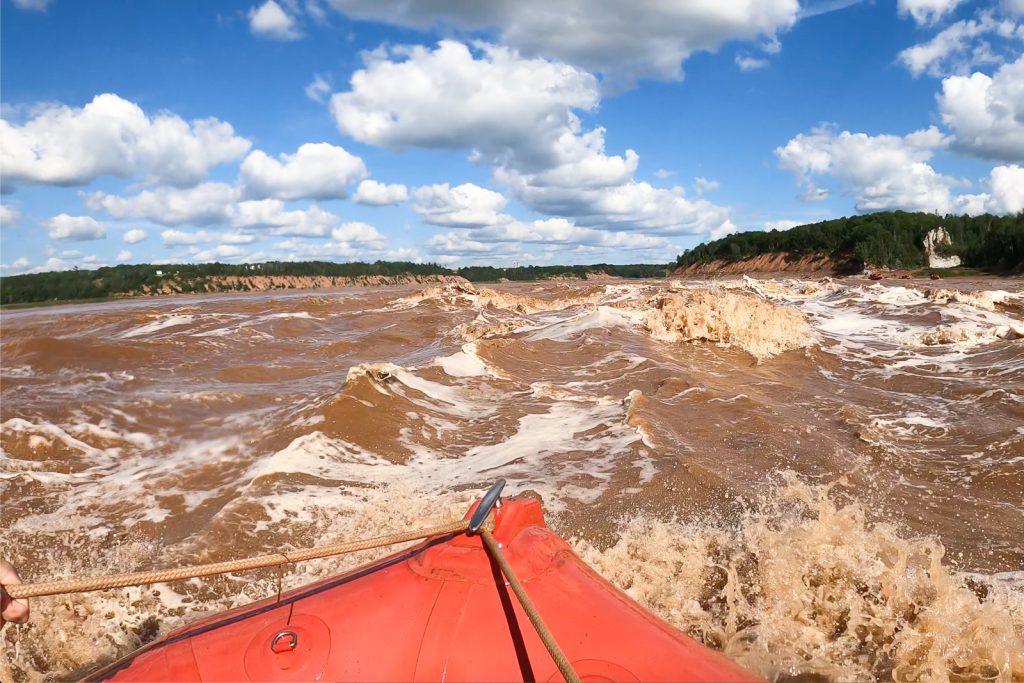

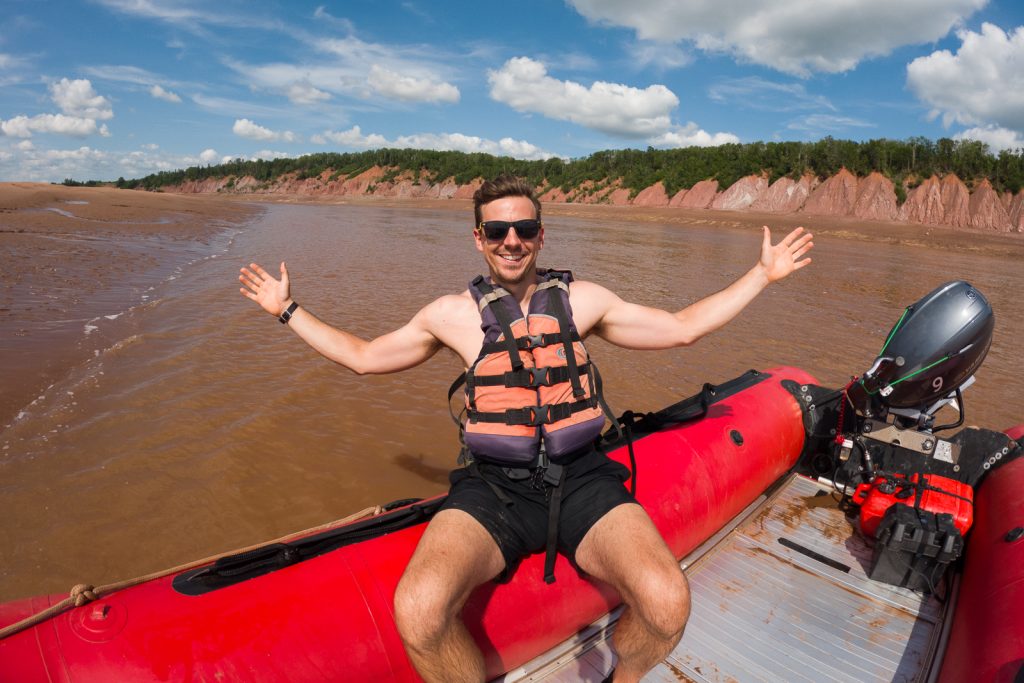
For your second day in Nova Scotia, you’re going tidal bore rafting along the Shubenacadie River! As we mentioned above, this was one of our all time favorite activities, not only in Nova Scotia, but in all of our travels.
Our four hour tour with Fundy Tidal Bore Adventures had us laughing and squealing with joy the entire time! But if it’s a bit too intense for you, you can just view it from the Fundy Tidal Interpretive Centre.
This is a little over an hour drive from Halifax and tour times vary everyday, depending on the tide, so your exact schedule for the day may vary. But make sure to pack a lunch and some snacks, as dining options are very limited out here!
After finishing your tour, head to Truro and grab a bite to eat at Hub Grub or Murphy’s Fish & Chips.
Where to stay
Truro will be the best spot to stay this evening.
Hotels: Hampton Inn & Suitesand Best Western Glengarry.
Vacation Rentals: Cozy Quarters, Home in Maitland (close to tidal bore rafting), Seek Wilderness Accommodations, and Modern Tiny Home on Shortts Lake.
Campgrounds: Scotia Pine Campground is the closest campground option to Truro. Wild Nature Campground is another option a bit further south.
Boondocking: During our time in Truro we boondocked at Walmart. Despite there being signs saying “no overnight parking,” we got permission and many stay here without a problem. Check recent reviews though!
Day 3: Cape Breton Island

Today you begin your journey to Cape Breton Island! Located on the northeastern end of Nova Scotia, this island is known for its dramatic coastal scenery, highlands, Celtic and French heritage, and outdoor adventure. And the best way to experience it is along the Cabot Trail, a 298 km (185 mile) drive that is said to be one of the most scenic in the world.
To learn more about the Cabot Trail and the best things to do (especially in the fall!), check out our guide to road tripping the Cabot Trail!
Hit the road!
Grab a quick coffee in Truro (Aroma Maya Coffee & Donuts is one option) and hit the road! Your destination for the day is Baddeck, a small town on the southern end of the Cabot Trail. It’s just under a 3 hour drive from Truro.
Grab lunch in Baddeck
Once arriving in Baddeck, have lunch at Highwheeler Cafe & Bakery.
Visit the Alexander Graham Bell National Historic Site
One of the most popular things to do in Baddeck is visit the Alexander Graham Bell National Historic Site. This is a Parks Canada site ($9 CAD per adult) where you can learn about Alexander Graham Bell, who created the first patented telephone, and see different artifacts!
Have dinner at Baddeck Lobster Suppers
Want to enjoy all you can eat seafood? At Baddeck Lobster Suppers you can! For $65 CAD per person you can get all you can eat mussels and chowder, plus an entree of your choice, dessert, one non alcoholic beverage, and coffee/tea.
Attend the Baddeck Gathering Ceilidh
A ceilidh (pronounced “kay-lee”) is a community party with Cape Breton fiddle music. These usually take place at pubs or community halls and are a ton of fun! And in Baddeck, you must go to the Baddeck Gathering Ceilidh. This costs $15 CAD per adult, which includes the entertainment, tea, and oatcakes (a Cape Breton speciality!). We LOVED this experience so much! It was a feet tappin’ and non stop smilin’ good time!
Where to stay
Since you’ll have a later evening, we suggest staying in or near Baddeck!
Hotels: Dunlop Inn and Silver Dart Lodge
Vacation Rentals: Historic Lighthouse, Worn Doorstep Guest Suite, Sky High Yurt
Campgrounds: Baddeck Cabot Trail Campground and Adventures East Campground & Cottages.
Boondocking: We decided to boondock after visiting Baddeck and stayed at this spot. It was slightly tucked off the road and was fine for one night.
Harvest Hosts: Big Spruce Brewing is a Harvest Host near Baddeck. It may be difficult to stay here if you want to attend a ceilidh, as most hosts want you to arrive during business hours. But we wanted to list it as an option! Don’t forget, you can click this link and then use the code APLUSK20 for 20% off your membership!
Day 4: Cape Breton Island

For your fourth day, you’re going to tackle the eastern side of the Cabot Trail!
Drive to Ingonish.
The drive from Ingonish from Baddeck is about 1.5 hours, but you may want to stop a few times to soak up the views! We suggest getting an early start, so you can get to your first hike early!

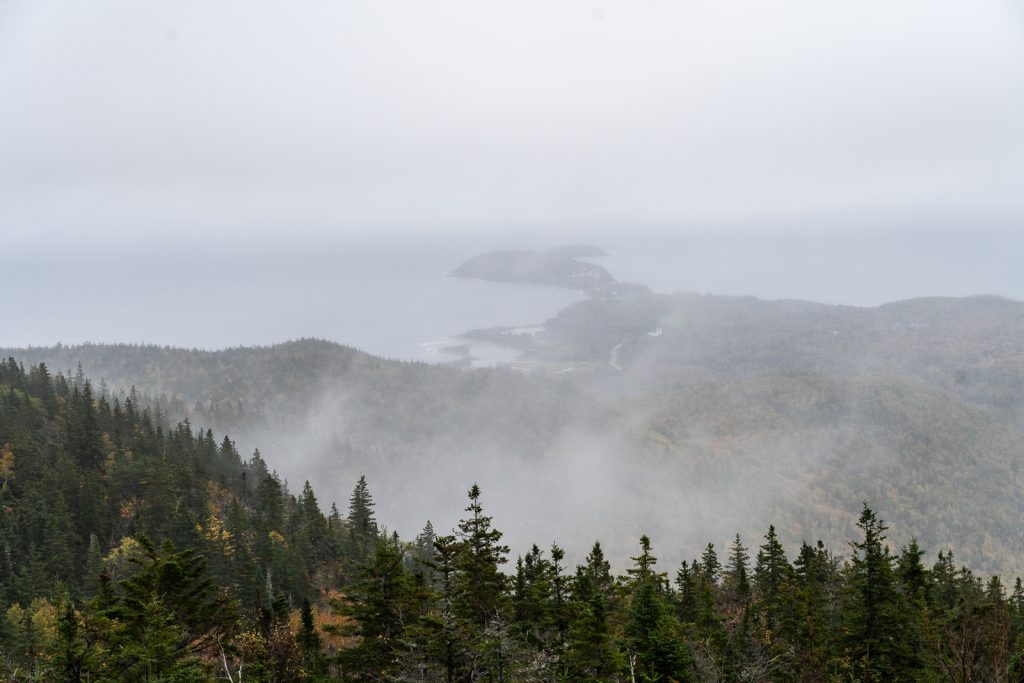
Hike the Franey Trail
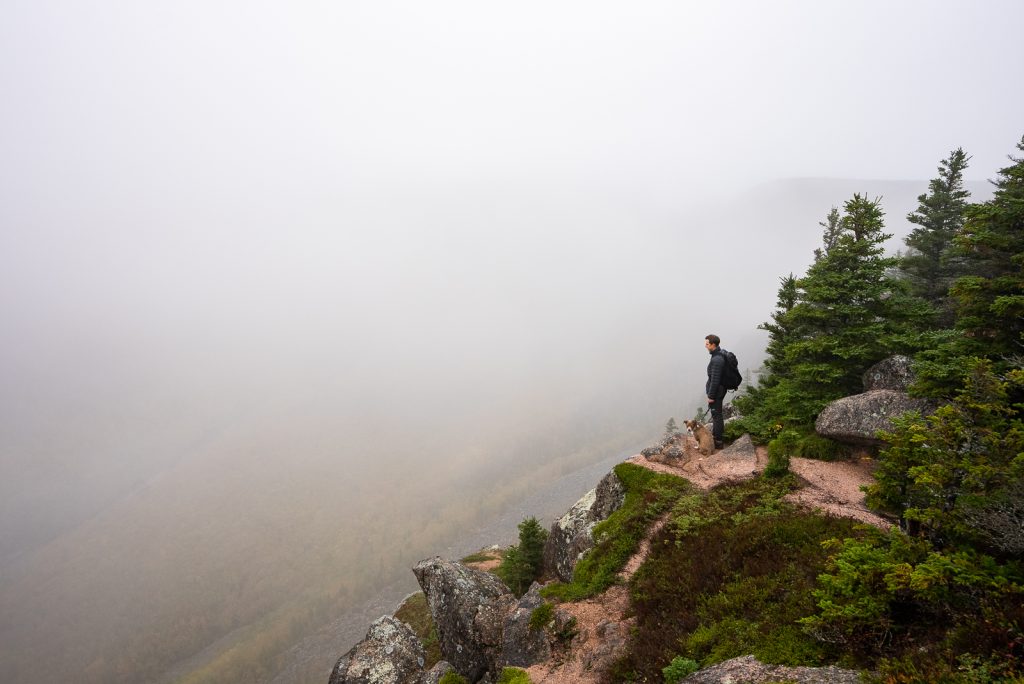
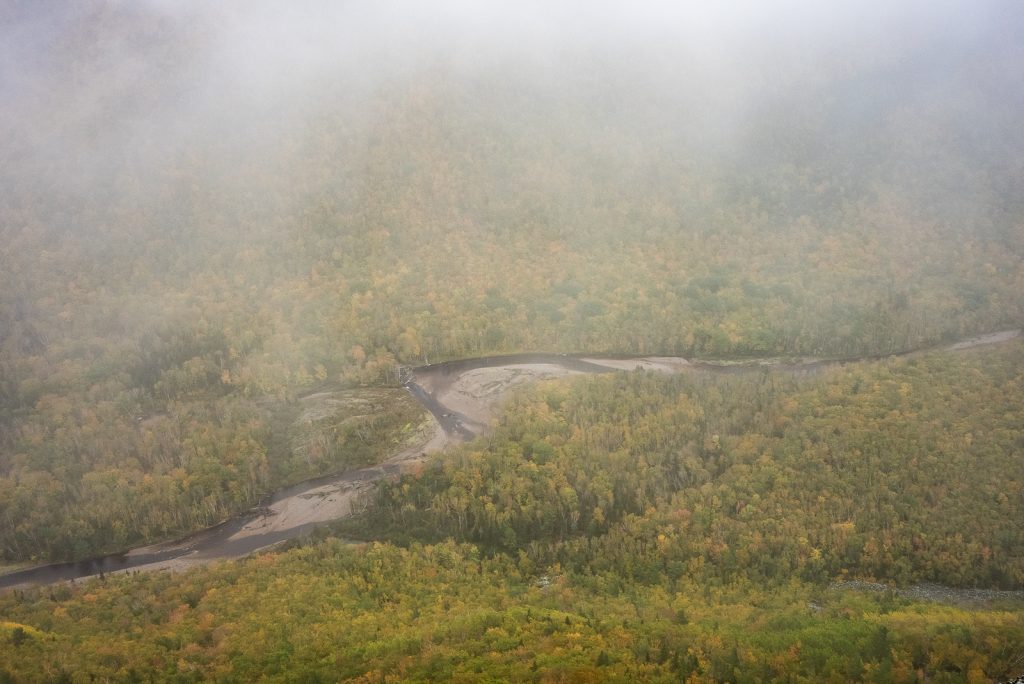
The Franey Trail was one of the hikes we were most excited to tackle during our time on the Cabot Trail. It’s 7.7 km (4.8 miles) round trip and relatively steep, with 362 meters (1,190 feet) of elevation gain.
From the top, you should have amazing views of Middle Head, the coast, plus the mountains. However, we mostly just had fog. But based on the photos we have seen, on a clear day, it’s one of the best views along the drive.


Enjoy a post-hike brunch
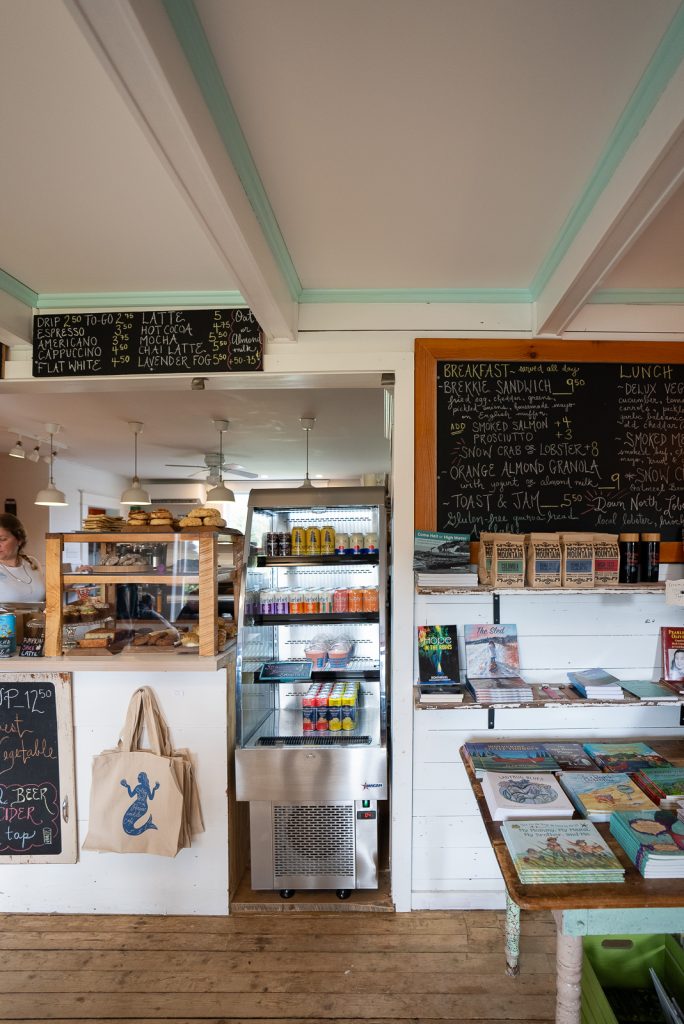
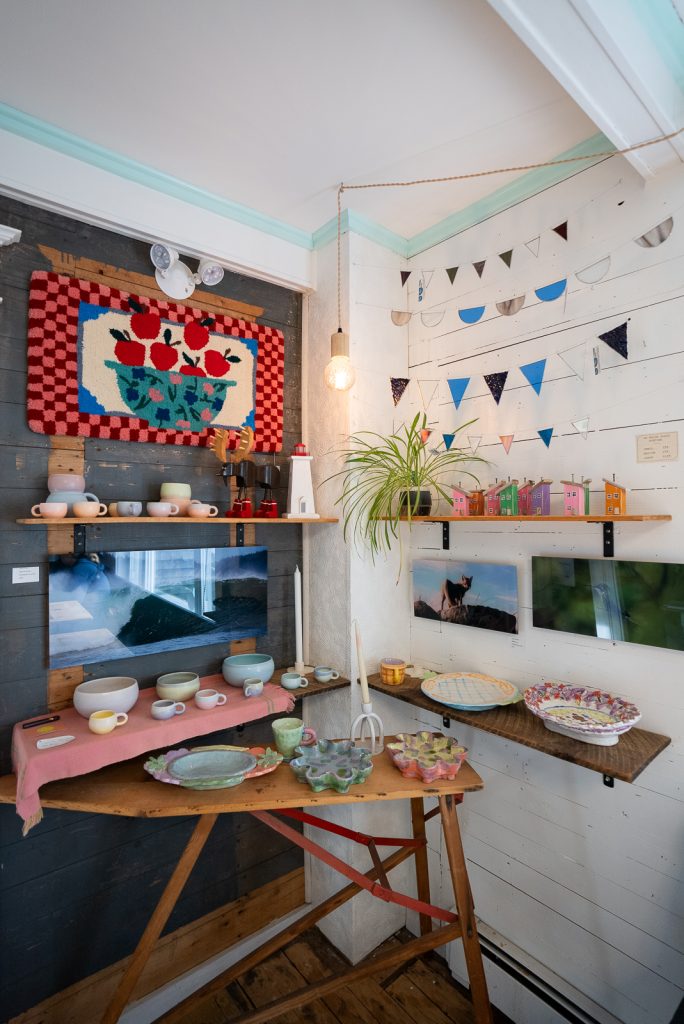
After your hike on the Franey Trail, grab coffee and brunch at Salty Rose’s & the Periwinkle Café. It is a beautiful old house turned cafe, with a small local shop inside as well!
Check out Ingonish Beach
Spend a little bit of time walking along Ingonish Beach. This beach is unique in that it has the ocean on one side and a freshwater lake on the other. However it’s not your typical sandy beach. It has large rocks instead, which make a beautiful noise when the waves crash on them.

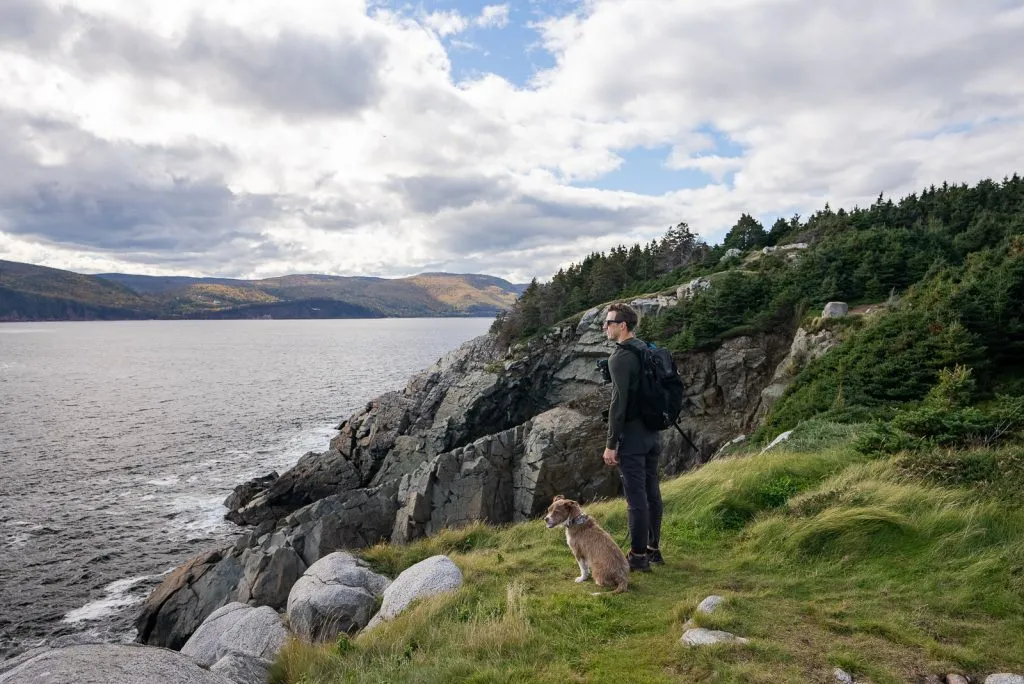
Hike the Middle Head Trail
Right by Ingonish Beach is the Middle Head Trail. This 4.5 km (2.8 mile) hike is relatively easy and takes you along the peninsula, with great views of the coastline.
Visit Groovy Goat Farm
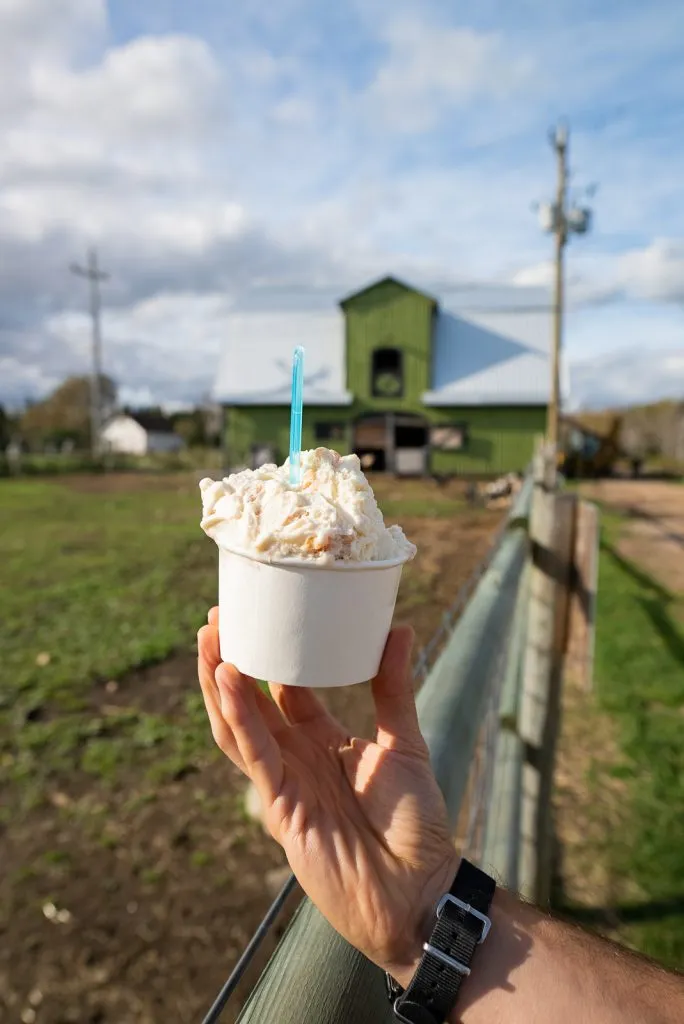
Groovy Goat Farm Co is such a gem on the Cabot Trail. Here you can meet some adorable goats, buy goat milk based soaps, and indulge in gelato!
Relax for the rest of the day
After a lot of driving and hiking, spend the rest of the day relaxing at your lodging! Whether that’s enjoying a campfire at your campsite, or cozying up at a charming cottage or inn.

Where to stay
You will want to stay in Ingonish this evening.
Hotels: Salty Rose’s, Knotty Pine Cottages, Ingonish Chalets, and the Keltic Lodge at the Highlands.
Vacation Rentals: Beluga Bunkie, Whitecap Cottage, and Atlantic Harmony.
Campgrounds: During our time in Ingonish we camped at the Broad Cove Campground in the National Park and loved it! We stayed in both the RV area, plus the standard camping area. The standard camping area, without hookups, was practically empty in the fall and had lots of trees. You can also walk to a beach from the campground!
The National Park also has another campground in the area, Ingonish Beach Campground.
Boondocking: We did not personally stay here, but this looks like a quiet pullout outside of town.
Day 5: Cape Breton Island

Your Cabot Trail road trip continues! Today you’ll be driving about 2 hours, with many beautiful stops along the way.
Head to Beulach Ban Falls
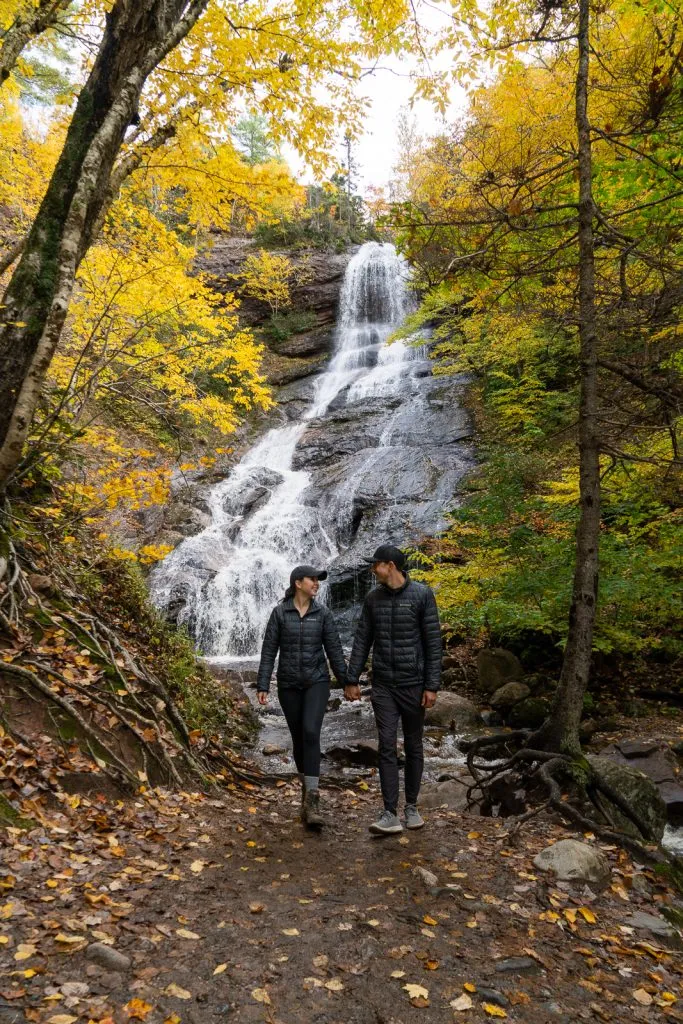
After enjoying some breakfast and coffee, hit the road and drive about an hour to Beulach Ban Falls. This is a gorgeous 21 meter (69 feet) tall waterfall along the Cabot Trail. And the best part? It’s just steps from the parking area! You do have to go down a short unpaved road to get here, which isn’t suitable for large RVs. But it’s worth the small detour.

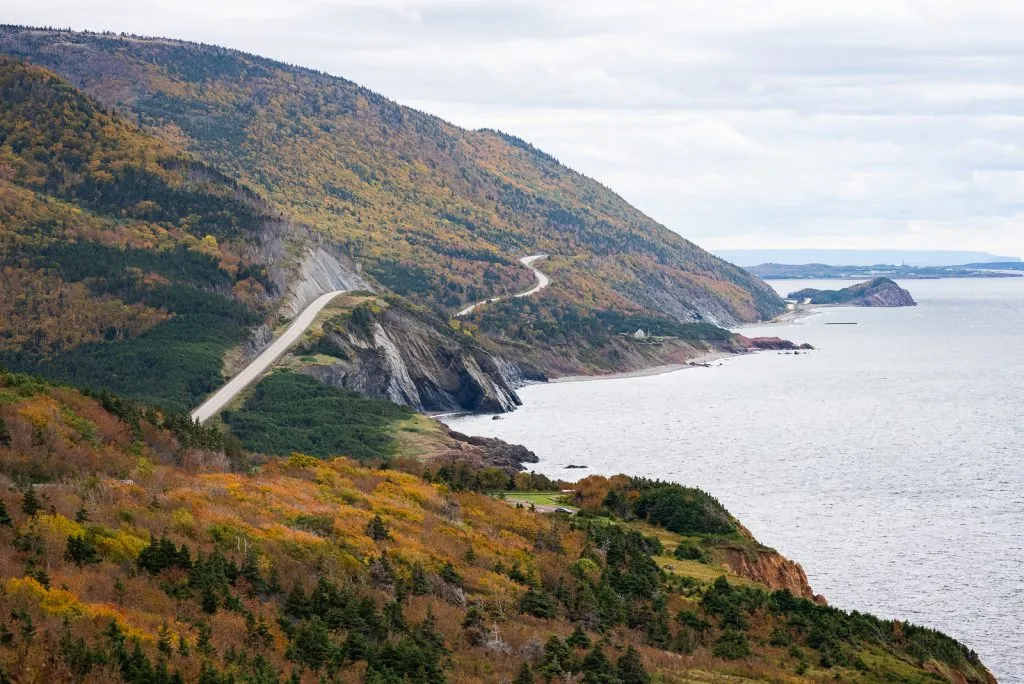
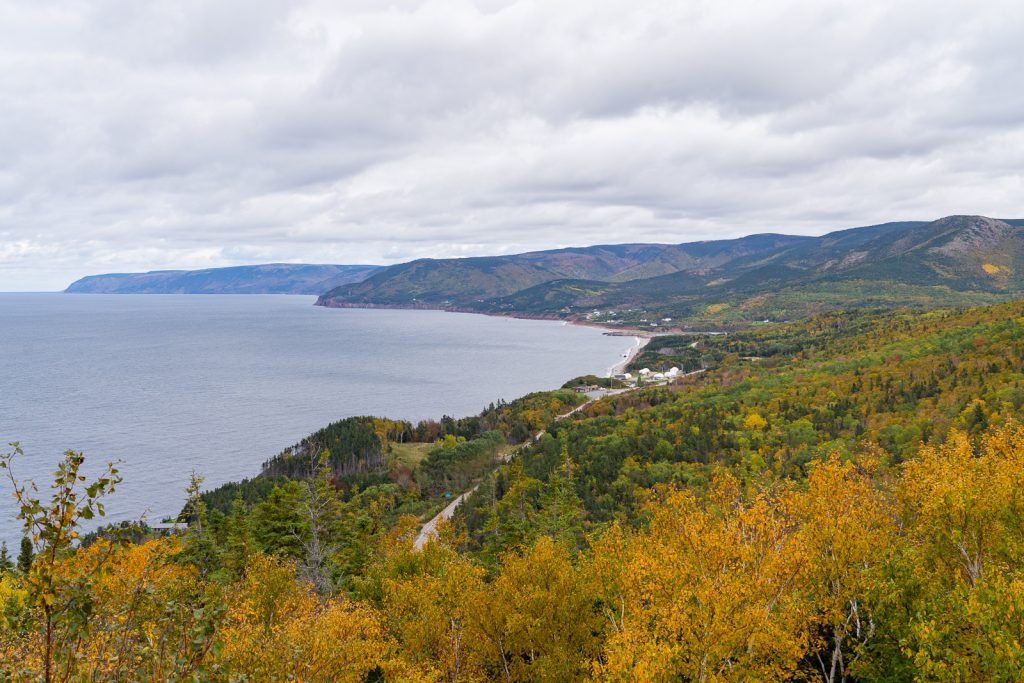
Admire the various overlooks along the Cabot Trail
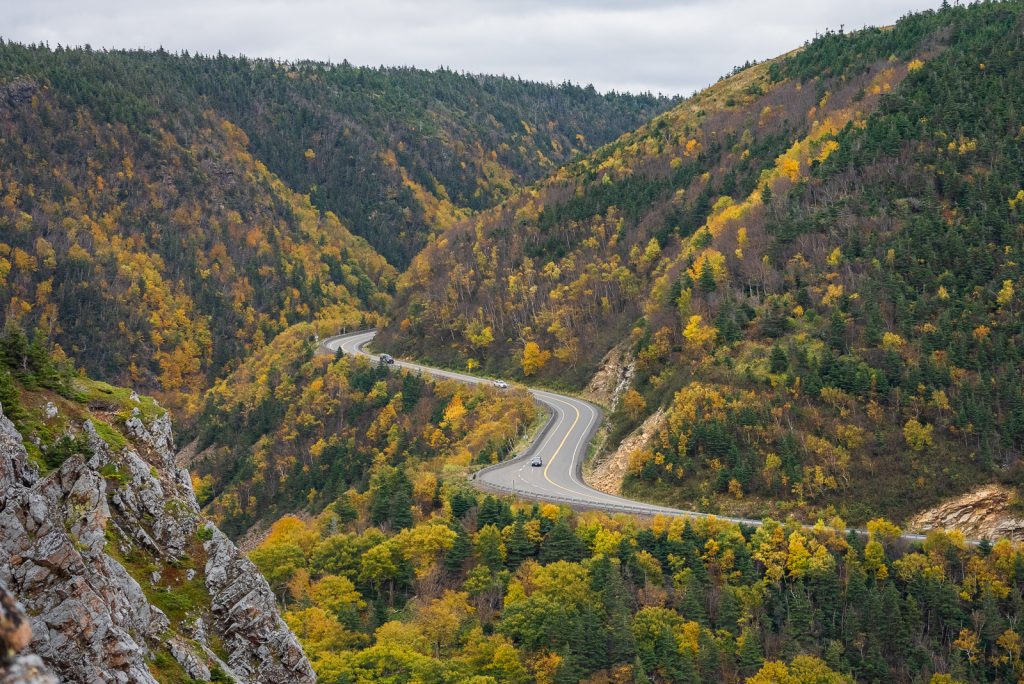
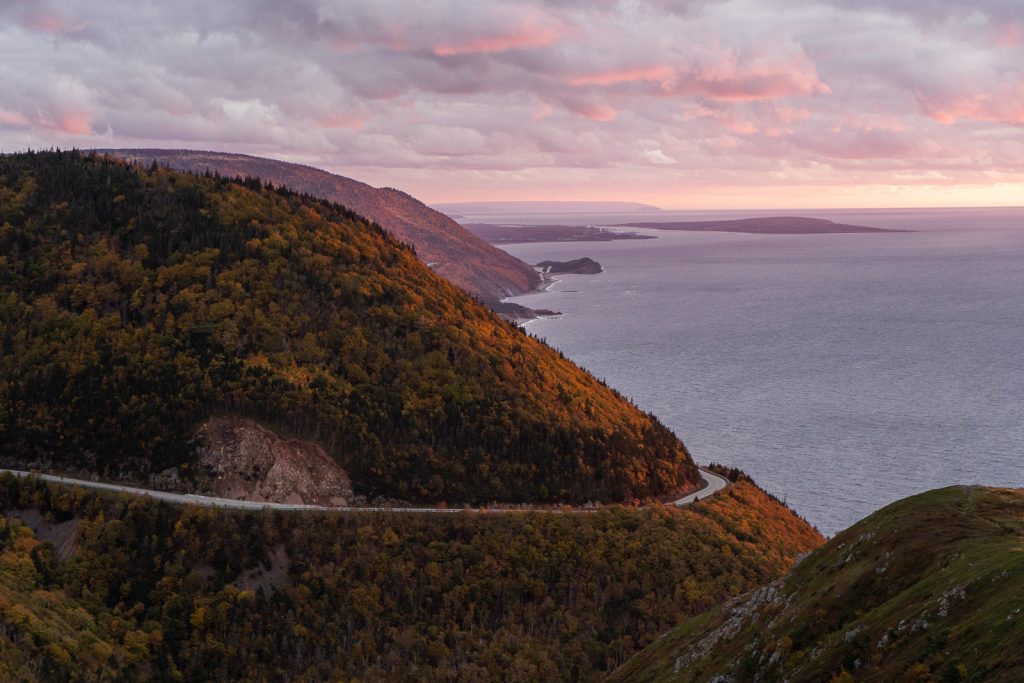
The stretch of the Cabot Trail from Beulach Ban Falls to Chéticamp has some of the best views of the drive! Spend the next hour stopping at various overlooks and soaking up the stunning scenery.
There are countless viewpoints to stop at, but a few of our favorites were the North Mountain Look-Off, McKenzie Mountain Look-Off, and this lookout that overlooks Cap Rouge!
Grab some lunch at Last Chance Sandwich
On your way into Chéticamp, stop by Last Chance Sandwich to grab a sandwich or salad for lunch!

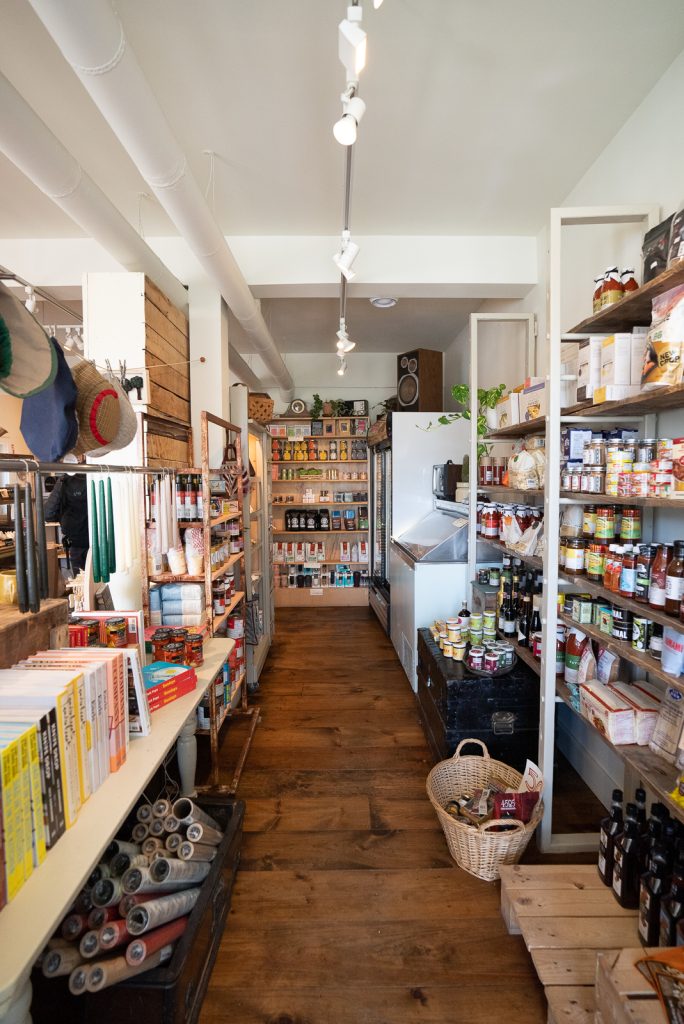
Walk around Chéticamp,
Chéticamp (Pronounced “shetty-camp”) is a French-Acadian fishing village that dates back to the late 1700s and is still loaded with Acadian culture. The town itself is pretty small, but there are some great restaurants and businesses to check out here, like Marguerite boutique et provisions, which is a coffee shop and small general store, with local and high quality items for sale. We recommend grabbing a latte and then walking along the town’s boardwalk.
Hike the Skyline Trail for sunset
Head back onto the Cabot Trail and backtrack a bit to hike the Skyline Trail for sunset. This is the most popular hike on the Cabot Trail and for good reason! While the hike itself is mostly through some trees, once you get to the end, you can walk down a series of boardwalks and steps, with a crazy view of the Cabot Trail and coastline.
It is a very busy hike and because of this from June 26 to October 25 you now need a 4 hour reservation to park at the trailhead. Also, dogs are NOT allowed on this hike.
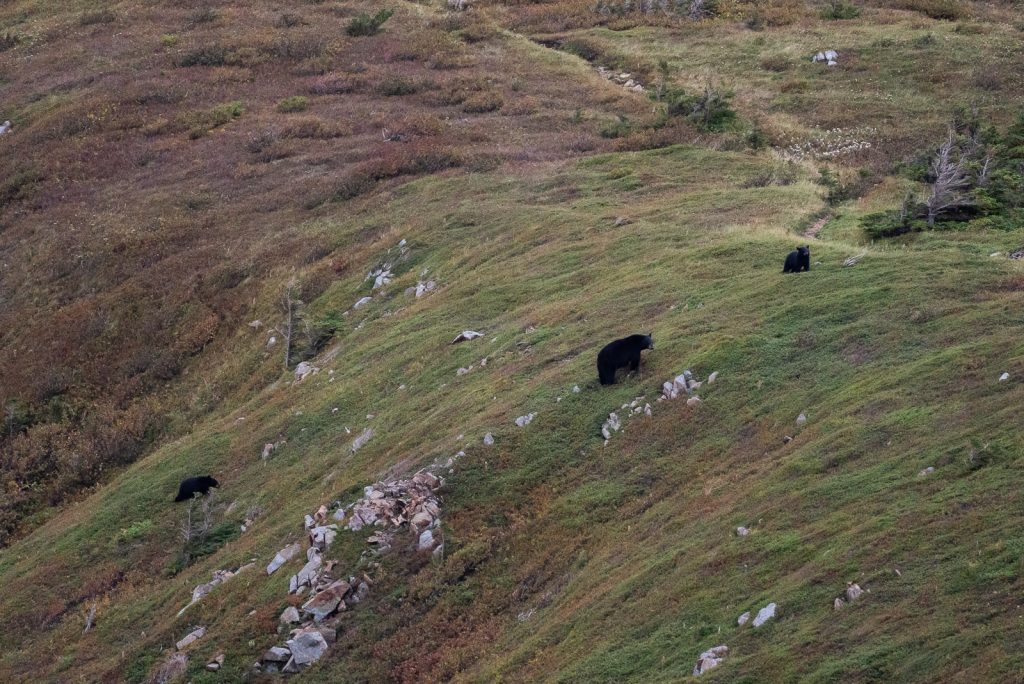
While here, keep an eye out for moose and bears! We saw a mama bear and two cubs off in the distance and got to watch them for an hour. It was magical!


Where to stay
Chéticamp will be the perfect home base for this night, plus tomorrow’s activities!
Hotels: There aren’t a ton of hotel options here, mostly just small inns and bed and breakfasts. The Archie & Isidore Inn looks nice!
Vacation Rentals: La Cabane Seaside Cottage, Oceanfront Cottage, and Chalet Bouleau.
Campgrounds: During our time in Chéticamp we stayed at the Chéticamp Campground in the National Park. While our site didn’t have much privacy, the scenery around it was really nice and it was walking distance to the Acadian Trail.
Day 6: Cape Breton Island

For your final day on the Cabot Trail, you’ll visit some more southern spots along the route.
Grab pastries in Chéticamp
Kick off your morning with some pastries from Aucoin Bakery, a popular bakery that often has a line out the door!
Hike the Gypsum Mine Trail
Located right outside of Chéticamp is the Gypsum Mine Trail (2.6 km/1.6 miles). Gypsum mining has been an important industry in Nova Scotia. At one point the province provided 6% of the world’s gypsum production. And this hike brings you to an old Gypsum mine that is now filled with water and is a popular swimming spot and viewpoint to walk to!
For the best view, follow the trail to your left once you get to the lake. It is steep and rocky (there are some ropes to help you), but the views from up here are the best!

Hit the road and drive to Margaree
On the southwest end of the Cabot Trail is Margaree, which is an area with a bunch of different communities along the Margaree River. Unlike the rest of the drive, there aren’t many coastal views here. But instead you have a mix of flat, grassy farmland lining the river, plus mountains off in the distance. It is extremely picturesque and we loved driving through here!


Grab lunch at Dancing Goat Cafe & Bakery
Quite possibly the most popular restaurant along the Cabot Trail is Dancing Goat Cafe & Bakery. This cafe has amazing sandwiches, bread, and baked goods. Plus the best pumpkin spice lattes, if you visit in the fall!
Hike to Egypt Falls
Last but not least, head to Egypt Falls. Which technically is not on the Cabot Trail, but it’s a short drive away and a must-visit! This wide, multi-tiered waterfall, tucked into the forest, is picture perfect!
Important Note: Do NOT start at the trailhead on Google Maps. Start here instead. There is a small parking area (and a sign for the falls). We used AllTrails to get down to the falls this way (the left side of the trail on the AllTrails route). Make sure to look for the Canadian Flag along the trail to find the stairs that take you to the falls. We also recommend going back the same way you came, as the other side of the trail is said to be very treacherous.
After finishing your hike, you can either drive back to Chéticamp or continue south towards Truro (3.5 hours), to make tomorrow’s drive shorter.

Where to stay
You can stay in Chéticamp or Truro, depending on how much driving you want to do tomorrow. We listed options for both earlier in this Nova Scotia itinerary!
Day 7: Head back to Halifax

It’s time to say goodbye to Nova Scotia! Today your goal is to get back to Halifax. It’s about a 4.5 hour drive from Chéticamp or a little over an hour drive from Truro.
Depending on how much time you have when you arrive, you can visit anything in Halifax you missed the first time!
Where to stay
If your journey in Canada ends here, stay in Halifax. Options are listed earlier in this guide. Or continue on to your next Atlantic Canada destination!
Planning your Nova Scotia Road Trip

How to get to Nova Scotia
Nova Scotia is located southeast of New Brunswick and just south of Prince Edward Island. Being the most populous province in Atlantic Canada, it’s also relatively easy to get to, with many different options.
Flying to Nova Scotia
If you’re visiting Nova Scotia by plane, the province has two main airports, one in Halifax (YHZ) and one on Cape Breton Island in Sydney (YQY). Halifax is the only international airport and would be the best choice to fly into.
Ferry to Nova Scotia
For those visiting by car, you can not only drive (more on that next!), but you can also take a ferry. And there are quite a few to choose from!
Important to know: Some ferries require you to arrive pretty early, which can add a lot of time to your total travel time. Keep that in mind when planning your itinerary!
Ferry from PEI
There is a 75 minute ferry that you can take between Wood Islands, PE and Caribou, NS (northern side). To see the current schedule and fares, check the ferry website.
Ferry from New Brunswick
You can also take a ferry across the Bay of Fundy from Saint John, NB to Digby, NS (eastern side). To see the current schedule and fares, check the ferry website.
Ferry from Newfoundland & Labrador
If you’re traveling from Newfoundland & Labrador to Nova Scotia, the only way to travel by car is with the ferry. There is either a 7 hour ferry from Port aux Basques, NL or a 16 hour ferry from Argentia, NL. Both ferries arrive in North Sydney, NS. To see the current schedule and fares, check the ferry website. And to learn more about what to expect on the ferry, we cover all the details in this guide!
Ferry from Maine
Visiting from the US? The CAT ferry runs from Bar Harbor, Maine (right by Acadia National Park!) to Yarmouth, Nova Scotia (south shore). To see the current schedule and fares, check the ferry website. Warning: This route is pretty expensive!
Driving to Nova Scotia
Nova Scotia is a very easy province to drive to, with multiple larger roads and highways that traverse the province. All drivers will cross into Nova Scotia at Fort Lawrence, right on the New Brunswick border. This is about a 40 minute drive from Moncton, NB and 1.5 hours from Charlottetown, PE.
When to visit Nova Scotia

The best time to visit Nova Scotia, in our opinion, is between July and October. However, specific areas are better to visit some months, rather than others.
June through September
For example, late June through early September is the best time to visit the South Shore, especially if you want to truly enjoy its beaches. This is when the weather will be warmest for lounging out at the beach. However, you can still admire this area’s scenery in late September and early October. Just don’t expect to go for a swim!
June through September is also the best time to go tidal bore rafting in Nova Scotia. Which was easily one of our favorite activities in Atlantic Canada!
October
Minus a day trip we took to Nova Scotia in July to go tidal bore rafting, we chose to visit Nova Scotia in the fall, specifically for the amazing fall foliage on Cape Breton Island. During our visit in 2023, the peak fall foliage on Cape Breton Island was between October 15-20, but it can sometimes be a little earlier.
While you can visit Cape Breton Island in the summer months and still have an incredible experience, we really wanted to see its colorful trees, so we planned our entire Atlantic Canada road trip around this.
Another perk of visiting Cape Breton in the fall is the Celtic Colours International Festival, which occurs across the island. This is a fun way to experience the Celtic heritage!
However, one big piece of advice we have is to leave Nova Scotia by mid October. Many local businesses begin to close down between the middle and the end of October, typically after Canadian Thanksgiving.
What to bring to Nova Scotia

Here are some specific items that you especially want to pack for your time in Nova Scotia! For a more general packing list, you can download our go to packing list here.
Hiking Gear
Both of our Nova Scotia itinerary options include a good amount of time outdoors, with option #2 being full of hikes. So make sure to bring the proper gear, including good shoes and water storage (like a Camelbak)! We also always suggest having the 10 essentials on you, just in case.
Offline Maps
There were a few areas where we didn’t have the best cell service in Nova Scotia. Make sure to download offline AllTrails and Google Maps to navigate on the road and on hikes.
Want to get 30% off an AllTrails Plus membership? Use our code aplusk30 (you must redeem this code on the website, not the app)!
We use AllTrails Plus on every single hike and it is the most helpful hiking tool out there! Some of the features we love are offline maps (so we can navigate even without cell service), wrong-turn alerts, and its 3D maps feature, so we can get a feel for trails before we hike.
Layers
The weather can change quickly in Nova Scotia and mornings can be cooler than the afternoons, so we always recommend bringing layers, like pullovers and puffy jackets.
Rain Jacket
We experienced a few days of heavy rain in Nova Scotia, so make sure to bring a rain jacket!
Sun protection
Whether you choose to enjoy the beaches on Nova Scotia or hike the trails, you’ll likely experience a lot of sun. Bring along a hat, sunscreen, and your sunglasses.
Canada Discovery Pass
There are two National Parks listed across our Nova Scotia road trip itineraries. If you already own a Canada Discovery Pass, make sure to bring it!
Passport
If you are visiting from the US or another country, make sure to pack your passport! And if you have a NEXUS card, bring that too.
Looking for more things to do in Atlantic Canada?
- How to Spend One Day in Halifax, Nova Scotia
- The Perfect 4 Day Nova Scotia South Shore Road Trip
- The Ultimate Fall Cabot Trail Road Trip (Cape Breton Island)
- 30+ BEST things to do in New Brunswick, Canada
- 32+ FUN things to do on a Prince Edward Island road trip
- 63 + EPIC things to do in Newfoundland
- 12 BEST places to visit in Newfoundland from coast to coast!
- The BEST 15 Things to do in Charlottetown, Prince Edward Island
- Watch all of our Canadian Maritime adventures on YouTube
Ready to go on a Nova Scotia road trip?
Pin this guide with our Nova Scotia itineraries to start planning!