
We’re sharing the best day hikes in Haleakalā National Park. From epic volcanic hikes, to jaw-dropping waterfalls and lush bamboo forests, there’s something for everyone!
We have been to 55 US National Parks now, but back in 2014 we visited our very first one, Haleakalā! And since then, we have returned to the park two more times, checking out its best hikes along the way. Including staying the night in the crater!
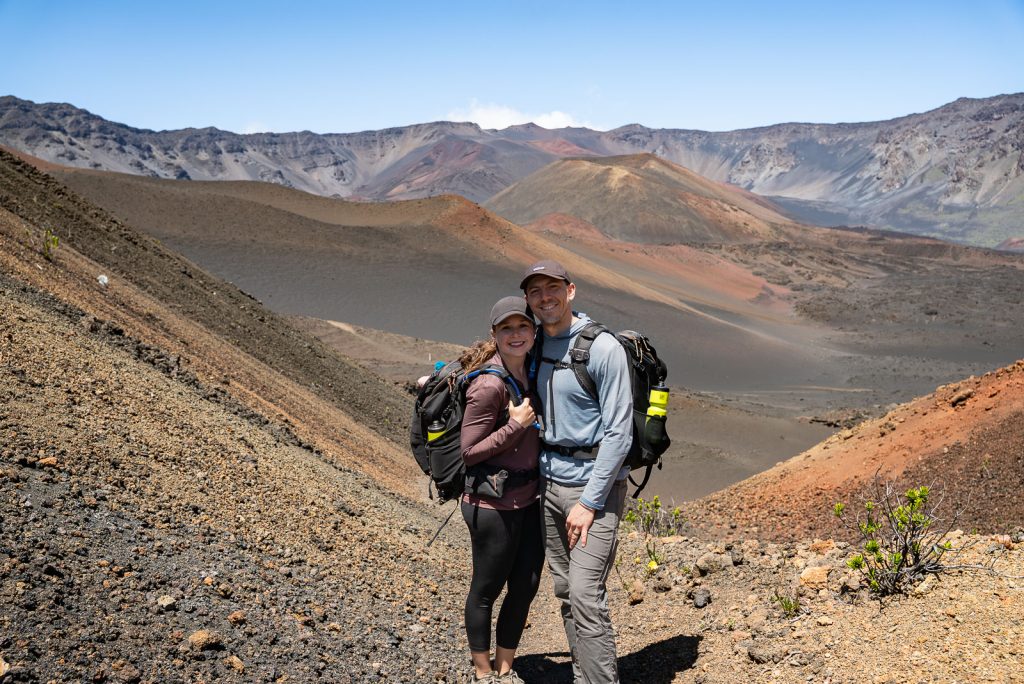
Whether you’re visiting Haleakalā National Park for the first time or you’re a repeat visitor, we’re sharing the best day hikes in Haleakalā National Park. These hikes showcase the wide variety of scenery that the park has to offer. And the best part? There’s something for all fitness levels!
About Haleakalā National Park
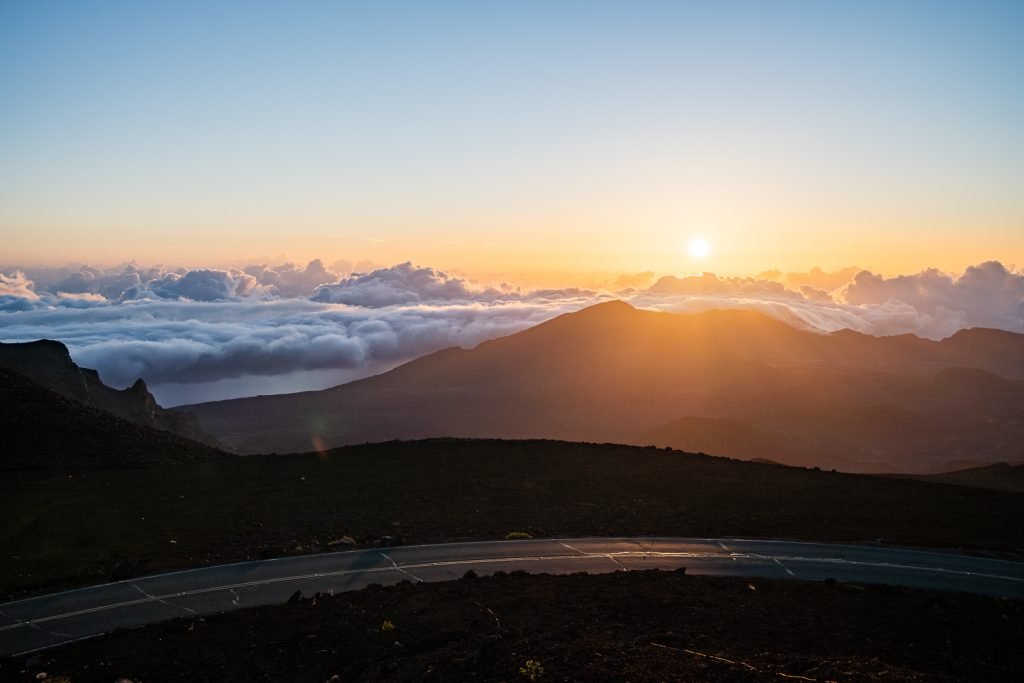
Haleakalā National Park is one of Hawaii’s two national parks, along with Hawaii Volcanoes National Park on the Big Island.
Haleakalā is a massive shield volcano and the highest point on Maui. It began forming around 2 million years ago as volcanic eruptions built it up from the ocean floor. Measured from the seafloor, Haleakalā rises an incredible 28,000 feet, making it the third-tallest mountain on Earth. Over the centuries, it has experienced numerous eruptions, with the most recent occurring approximately 400 to 600 years ago.
The volcano makes up about 75% of Maui’s landmass, and the national park is divided into two distinct areas, the Summit District and the Kīpahulu District.
The Summit District is reached via the winding Haleakalā Highway, which climbs to the volcano’s 10,023-foot summit. Here, you’ll find dramatic volcanic landscapes, panoramic views across Maui and the Pacific Ocean, and unique native species like the silversword plant and the endangered nēnē, Hawaii’s state bird.
The Kīpahulu District, located along the Road to Hana, offers a completely different side of the park. Instead of volcanic slopes, you’ll find lush bamboo forests, cascading waterfalls, and rugged coastal scenery.
There isn’t a road connecting the two districts within the park, so you’ll need to drive around the island to visit both. But it’s well worth adding both to your Maui Itinerary, as each district showcases a completely different side of Haleakalā National Park.
Best Day Hikes in Haleakalā National Park
Day Hikes in Haleakalā’s Kīpahulu District
These two gorgeous hikes in Haleakalā are located along the Road to Hana, featuring lush rainforests, waterfalls, and coastal scenery.
1. ‘Ohe’o Gulch
Distance (round trip): 0.6 miles
Elevation gain: 98 feet
Difficulty: Easy
Where to Park
Reviews & Current Conditions
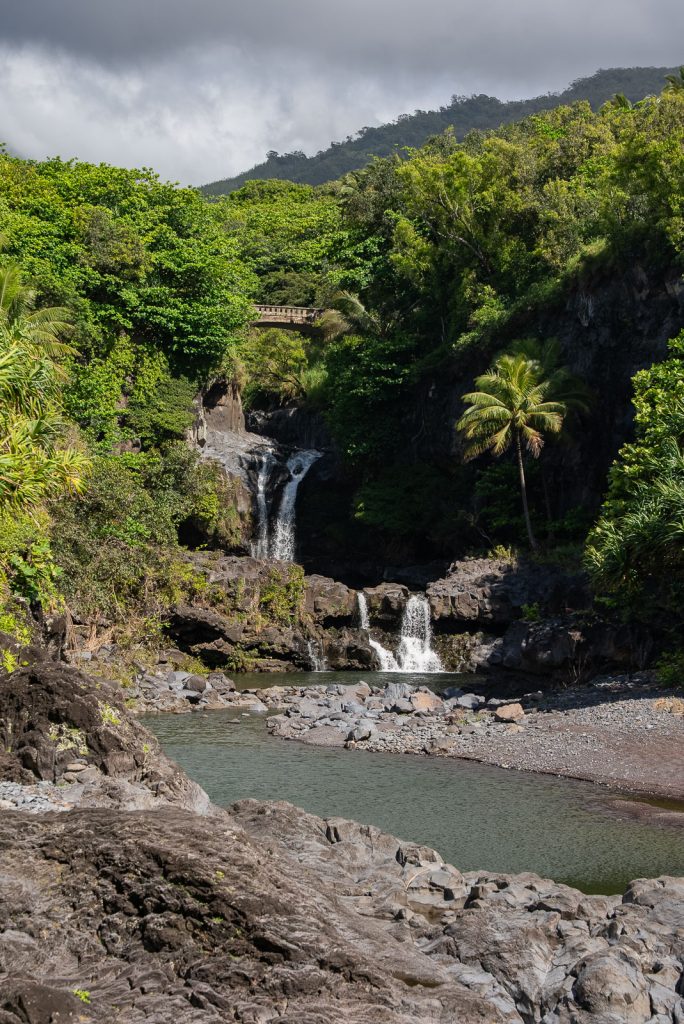
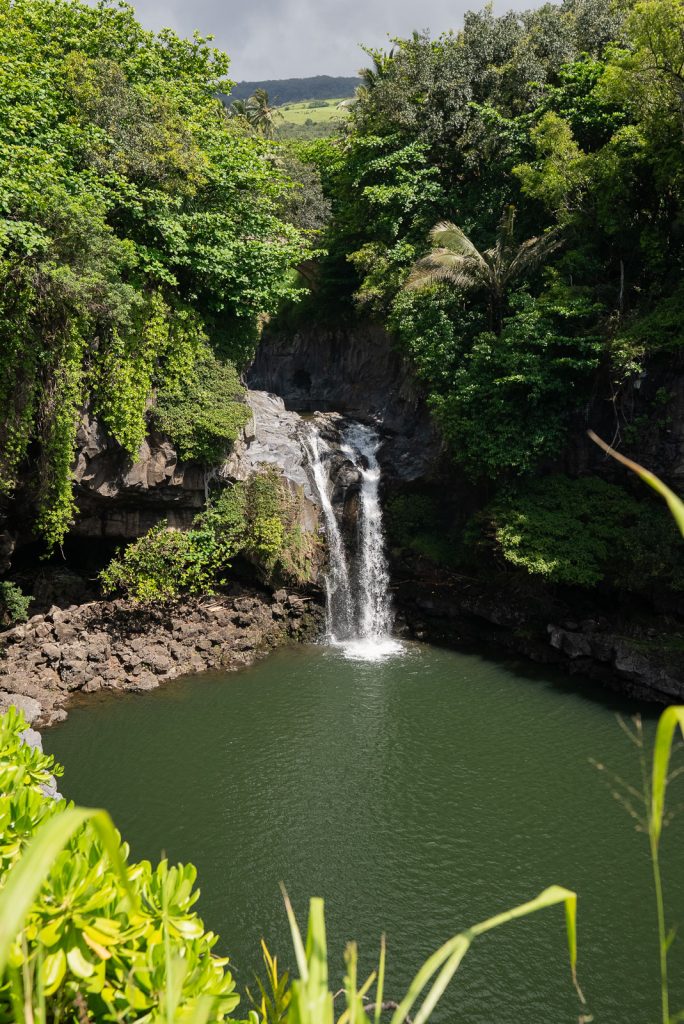
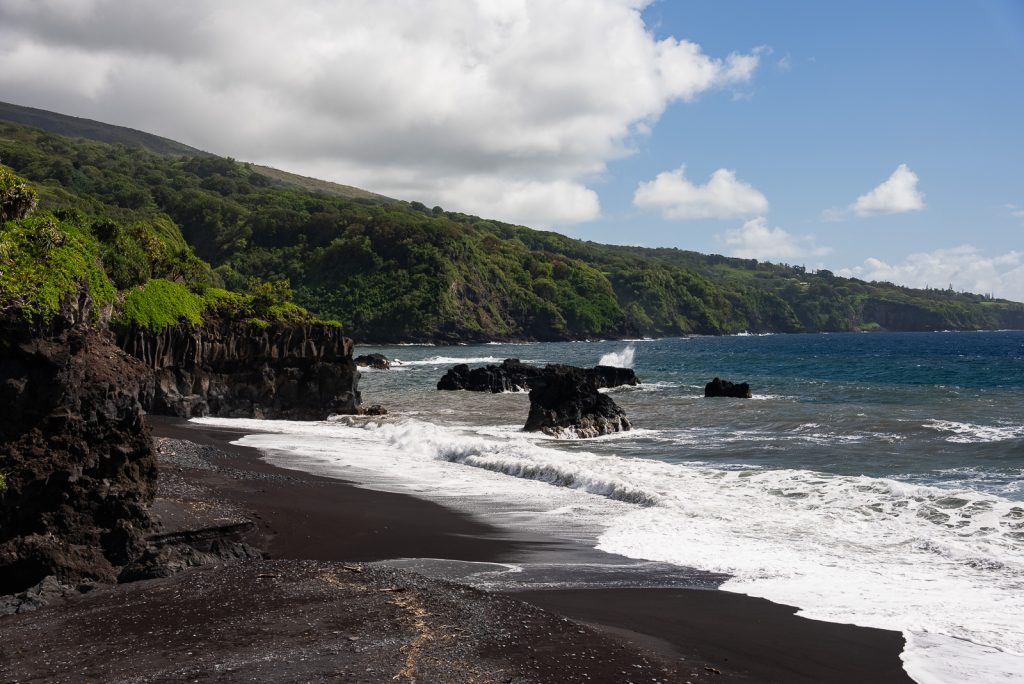
One of the best hikes in Haleakalā National Park’s Kīpahulu District takes you to the famous ʻOheʻo Gulch, also known as the Pools of ʻOheʻo. The word ʻOheʻo translates to “something special” in Hawaiian, and this scenic area certainly lives up to its name.
This easy hike in Haleakalā follows a paved trail past a series of waterfalls and cascading pools before reaching breathtaking views of the Pacific Ocean. Along the way, you’ll be surrounded by lush tropical vegetation that feels worlds away from the volcanic landscapes found in the Summit District.
While swimming in the pools is no longer permitted, this remains one of the most popular hikes in Haleakalā. The combination of waterfalls, coastal scenery, and rainforest views makes it a must-see stop for anyone exploring the Kīpahulu District.
2. Pipiwai Trail to Waimoku Falls

Distance (round trip): 3.6 miles
Elevation gain: 849 feet
Difficulty: Moderate
Where to Park
Reviews & Current Conditions
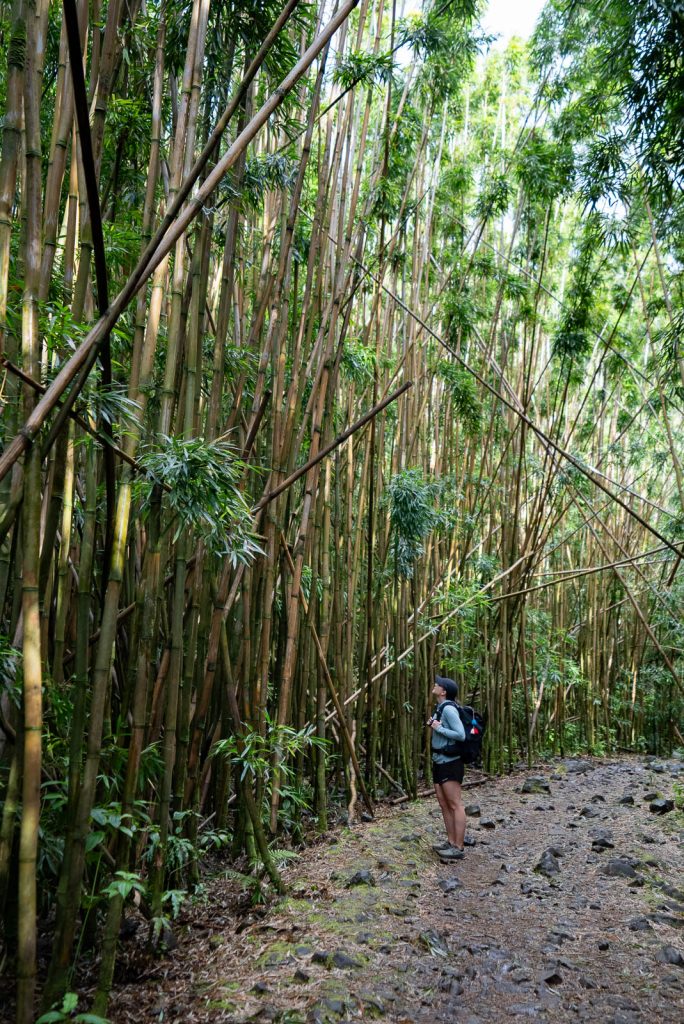
The Pipiwai Trail is one of the best hikes in Haleakalā National Park and a must-do if you’re visiting the Kīpahulu District. This 3.6-mile round-trip trail is packed with incredible scenery, making it one of the most rewarding hikes in Haleakalā.
The trail begins by winding through a lush rainforest, where you’ll hear native birds and catch glimpses of Makahiku Falls. As you continue, you’ll walk beneath the sprawling branches of a giant banyan tree and cross several footbridges over smaller streams and waterfalls before entering the trail’s most famous section, an enchanting bamboo forest. Towering bamboo stalks line the path, swaying in the breeze and creating a peaceful rustling sound as you hike.
At the end of the trail, you’ll be rewarded with a spectacular view of 400-foot Waimoku Falls cascading down a sheer lava cliff.
This is not only one of the best hikes in Haleakalā National Park, but also one of our favorite hikes in the entire U.S. national park system. If you’re planning to tackle this unforgettable trail, be sure to check out our detailed guide to hiking the Pipiwai Trail for everything you need to know before you go.
Day Hikes in Haleakalā’s Summit District
The rest of the hikes in Haleakalā are located at or close to Haleakalā’s summit, which stands at 10,023 feet tall. With the high altitude, breathing is tougher up here and it’s a lot colder, so pack layers!
3. Leleiwi Overlook Trail
Distance (round trip): 0.3 miles
Elevation gain: 124 feet
Difficulty: Moderate
Where to Park
Reviews & Current Conditions
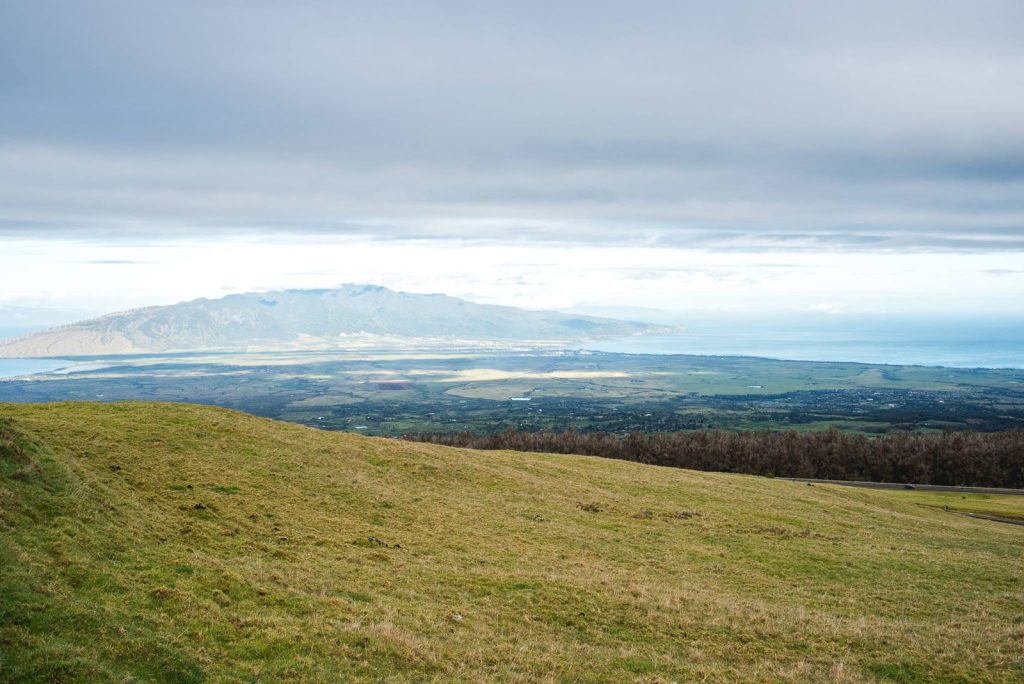
If you’re looking for a short and easy option, the Leleiwi Overlook Trail is one of the best hikes in Haleakalā National Park. This 0.3-mile round-trip walk leads to a scenic overlook with sweeping views of the Haleakalā crater.
From the overlook, you’ll be able to spot the Halemauʻu Trail winding across the crater floor while taking in the striking contrast between the crater’s colorful volcanic landscape and the pockets of native vegetation. It’s a quick stop, but the panoramic views make this one of the most rewarding easy hikes in Haleakalā, especially if you’re short on time.
4. Hosmer Grove Loop
Distance (round trip): 0.5 miles
Elevation gain: 91 feet
Difficulty: Moderate
Where to Park
Reviews & Current Conditions
The Hosmer Grove Loop is one of the most unique hikes in Haleakalā National Park. This easy loop trail takes you through an unusual forest that was created as part of a reforestation experiment in the early 1900s. Forester Ralph S. Hosmer planted trees from around the world to restore the area after it had been cleared, and 13 of those non-native species are still thriving today.
As you hike, you’ll walk beneath a canopy of towering trees while also spotting native Hawaiian plants that have returned to the area. Keep an eye out for colorful native birds, especially the bright red ʻiʻiwi, which is commonly seen here. If you’re looking for a peaceful and less-crowded hike in Haleakalā, the Hosmer Grove Loop is a great choice.
5. White Hill Trail
Distance (round trip): 0.5 miles
Elevation gain: 114 feet
Difficulty: Moderate
Where to Park
Reviews & Current Conditions
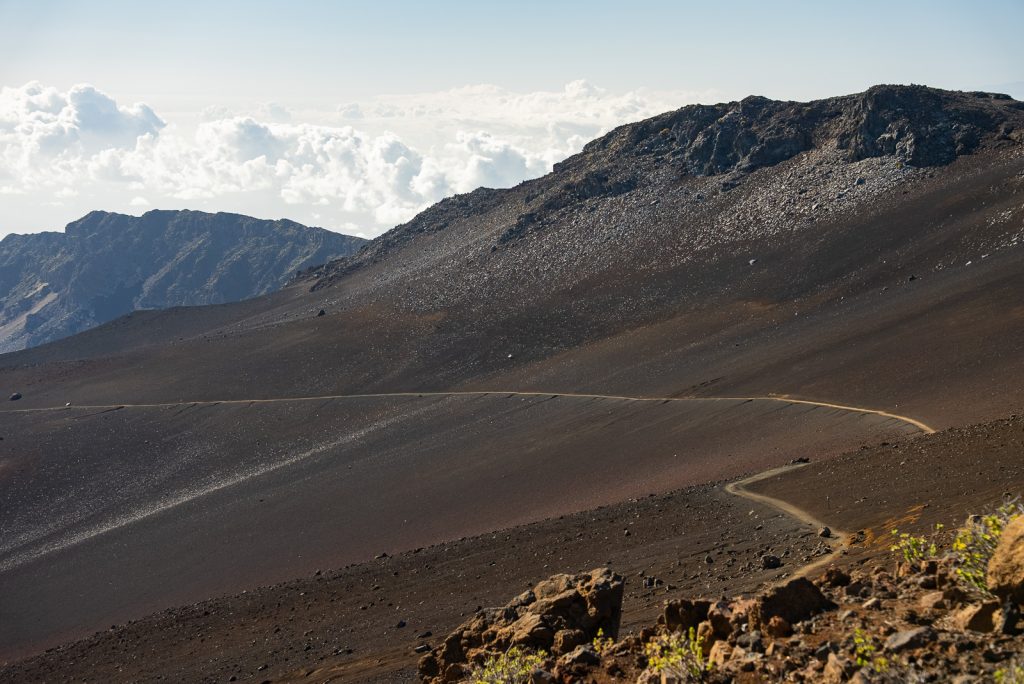
The White Hill Trail is one of the easiest hikes in Haleakalā National Park and a great option if you’re short on time. This 0.5-mile round-trip trail begins near the Haleakalā Visitor Center and leads to a scenic overlook with expansive views into the crater, offering a preview of the dramatic landscapes you’ll experience on the Sliding Sands Trail.
Because of its short distance and incredible views, this is one of the best easy hikes in Haleakalā. It’s also a great spot to watch the park’s famous sunrise, if you are able to get a reservation. Compared to the crowded summit area, the White Hill Trail offers a quieter experience and a more direct view into the crater as the first light illuminates the colorful volcanic landscape.
6. Sliding Sands Trail
Distance (round trip): 11.7 miles to Kapalaoa Cabin
Elevation gain: 2,847 feet
Difficulty: Hard
Where to Park
Reviews & Current Conditions
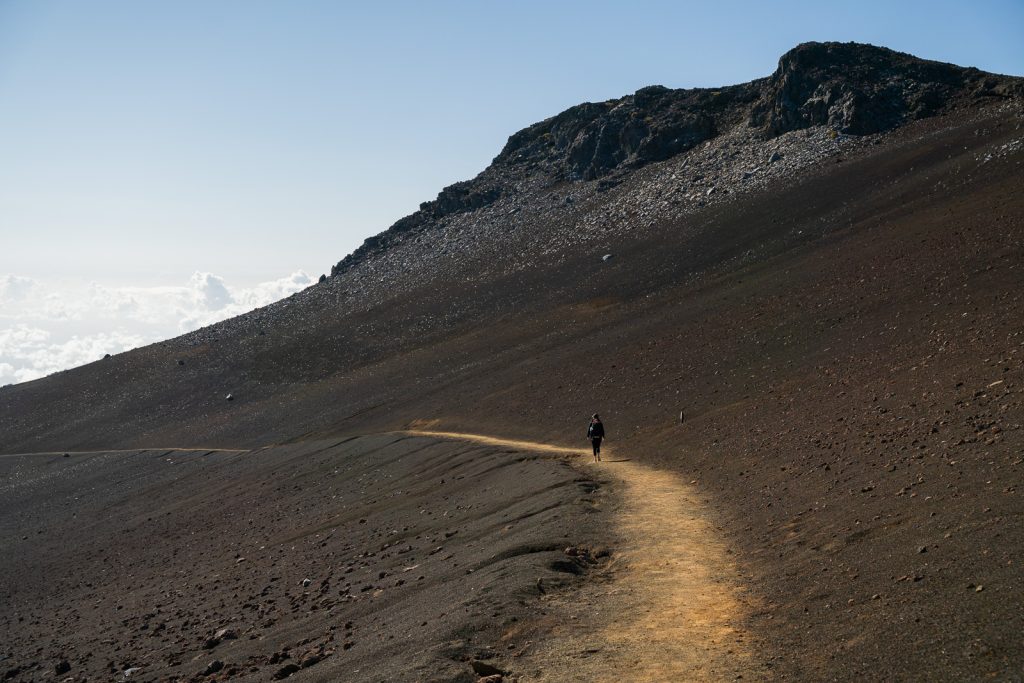
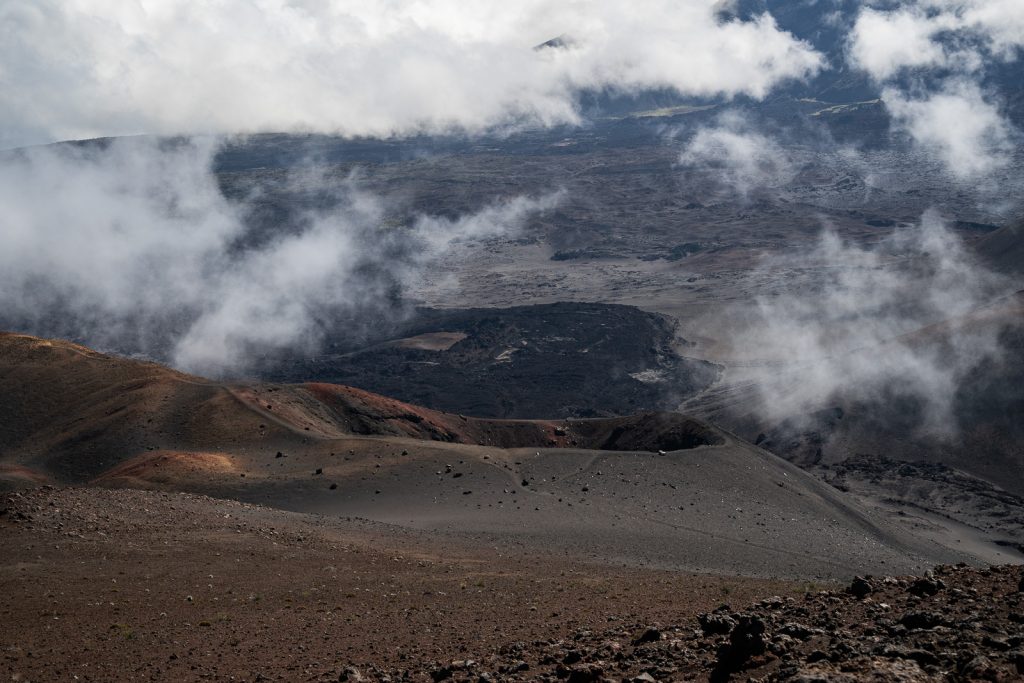
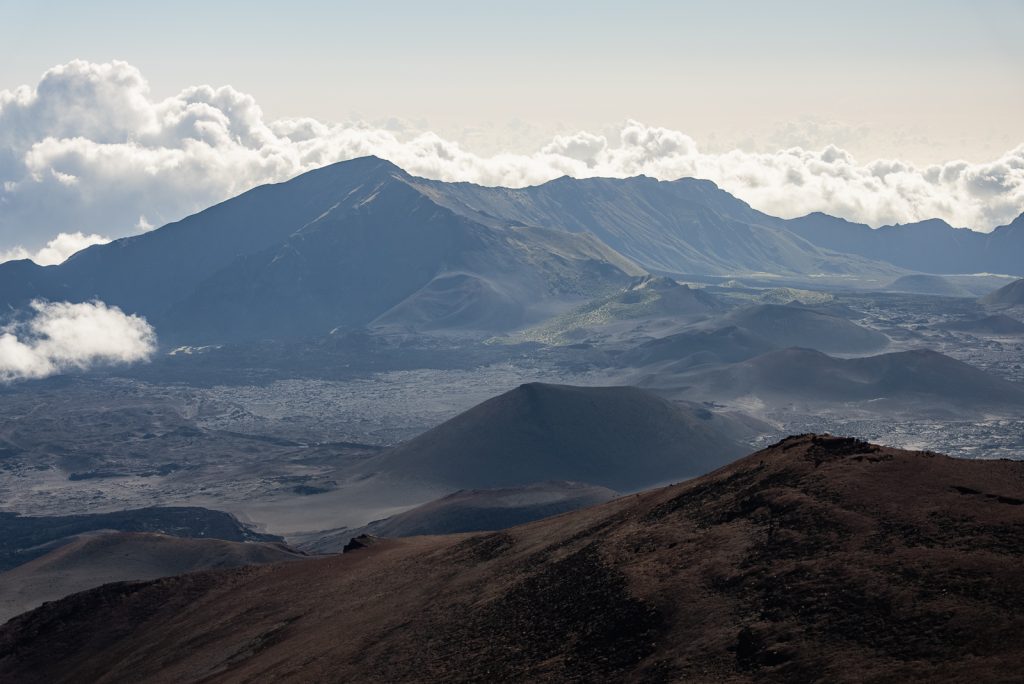
The Sliding Sands Trail trail stretches 18.2 miles round trip, descending more than 3,400 feet from the summit into the heart of Haleakalā Crater, before ending at Palikū Campground.
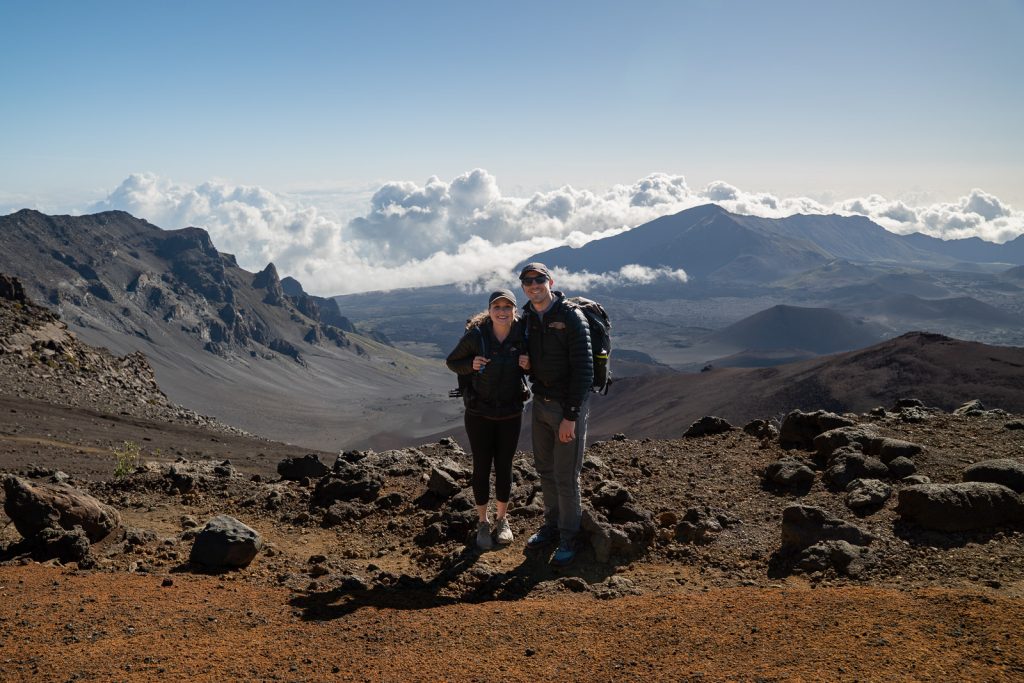
While backpackers often complete the entire route, most visitors choose to hike just a portion of the trail as a day hike. Even hiking one mile into the crater rewards you with incredible views of colorful cinder cones, rugged lava formations, and the park’s otherworldly volcanic landscape. If you’re looking for a longer adventure, you can continue to Kapalaoa Cabin for an 11.8-mile round-trip hike.
No matter how far you go, the Sliding Sands Trail is one of the best hikes in Haleakalā and offers an unforgettable opportunity to experience the park’s unique volcanic scenery up close.
7. Halemau’u Trail
Distance (round trip): 7.9 miles
Elevation gain: 2,391 feet
Difficulty: Hard
Where to Park
Reviews & Current Conditions
Silversword Loop
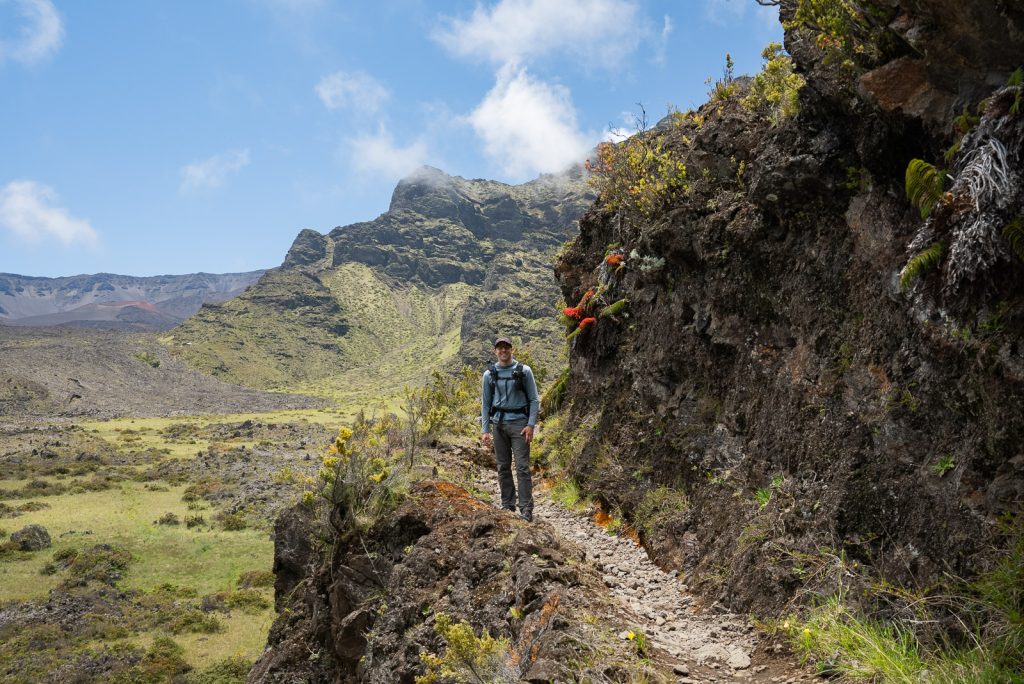
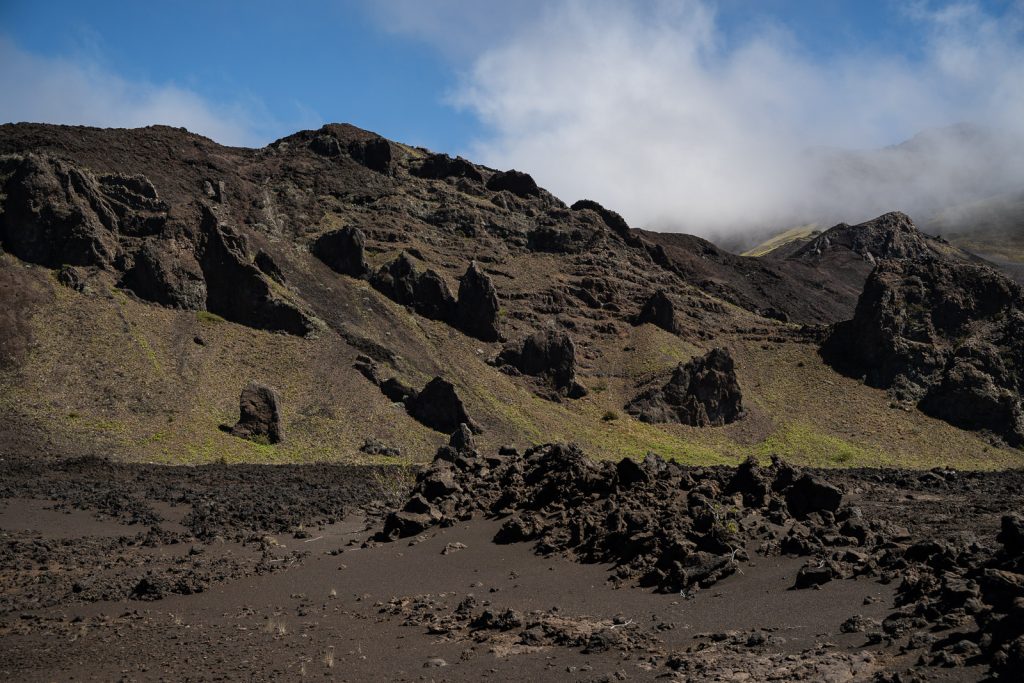
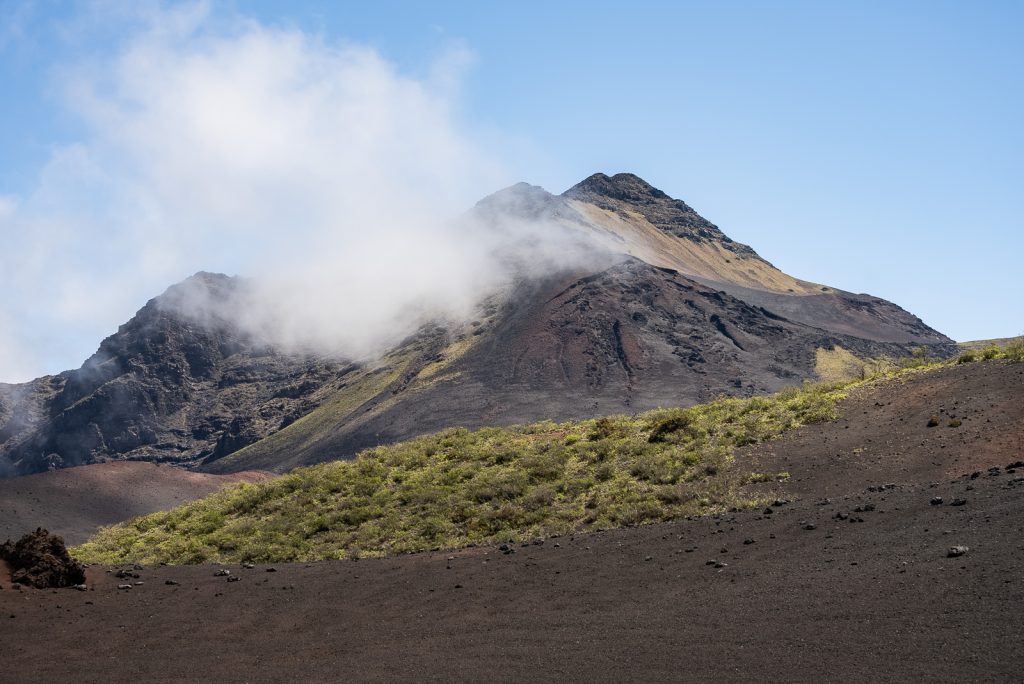
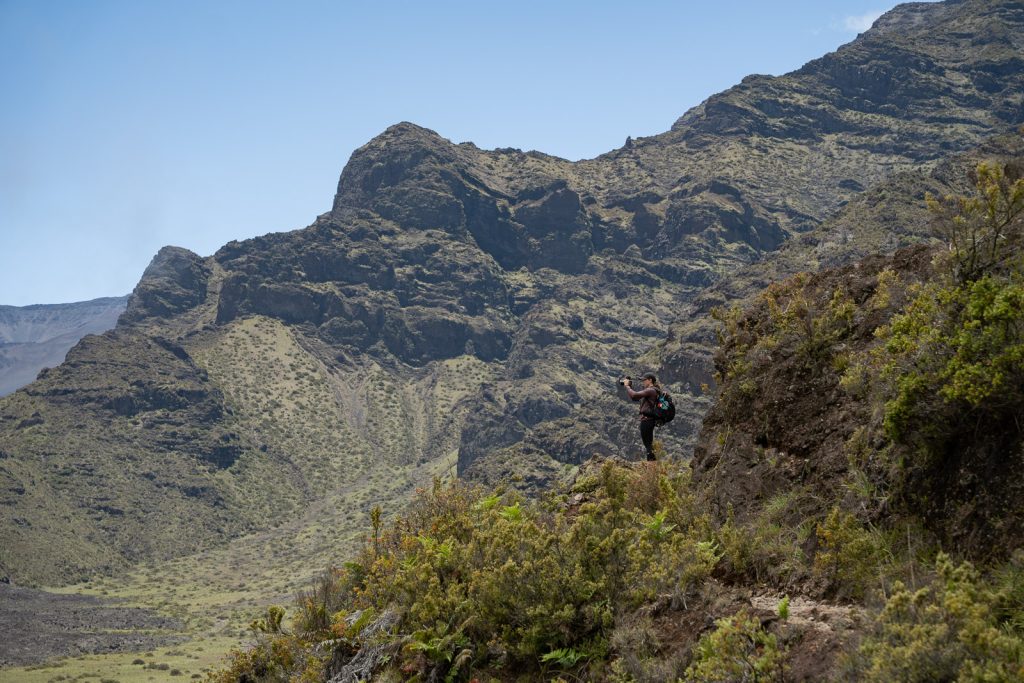
The Halemauʻu Trail is one of the most scenic hikes in Haleakalā National Park and offers a completely different experience from the Sliding Sands Trail. This 7.9-mile round-trip hike starts at a lower elevation before descending steeply into the crater along a series of dramatic switchbacks carved into the mountainside.
As you make your way down, you’ll be surrounded by lush ferns and native vegetation, with breathtaking views of the crater opening up below. The contrast between the green cliffs and the colorful volcanic landscape makes this one of the most unique hikes in Haleakalā.
One thing to keep in mind is that the Halemauʻu Trail primarily showcases the crater from above and along its rim. While you’ll get incredible views of the volcanic terrain, the trail doesn’t take you deep into the colorful cinder cone landscape like the Sliding Sands Trail does. If you have the time and stamina, combining the Halemauʻu Trail with the Sliding Sands Trail is one of the best ways to experience Haleakalā’s diverse scenery in a single adventure.
8. Sliding Sands Trail to Halemau’u Trail (our top pick!)
Distance (round trip): 11.2 miles
Elevation gain: 2,385 feet
Difficulty: Hard
Where to Park
Reviews & Current Conditions
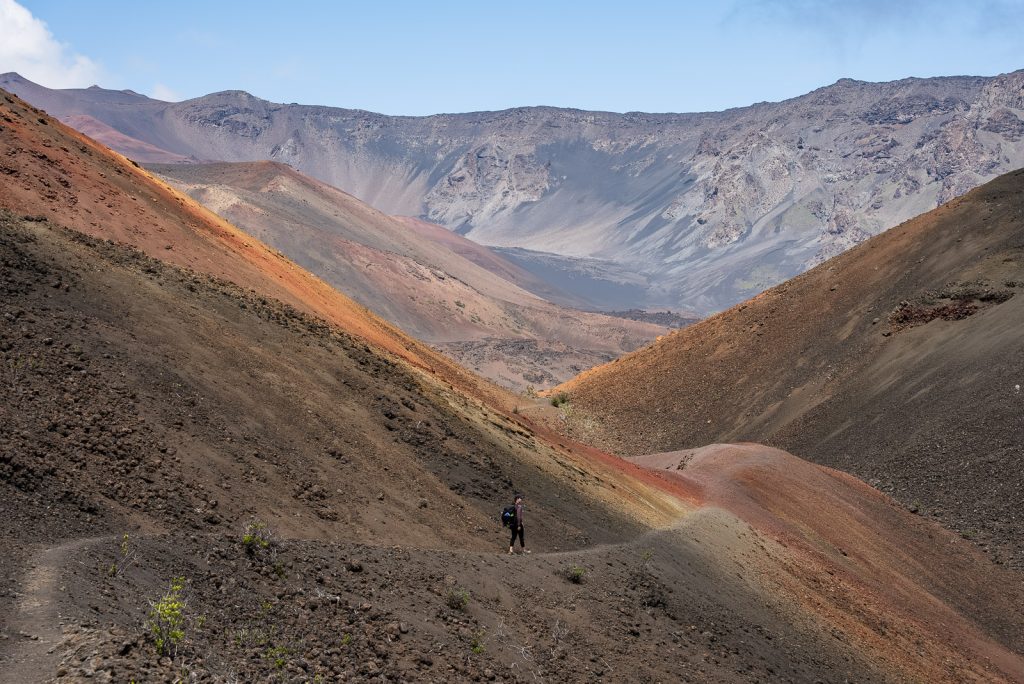
If you’re looking for the ultimate adventure, combining the Sliding Sands Trail and Halemauʻu Trail is one of the best hikes in Haleakalā National Park. This unforgettable 11-mile point-to-point hike takes you through the park’s most spectacular scenery, from colorful volcanic cinder cones and lava fields to lush green cliffs and native forests.
The hike begins on the Sliding Sands Trail, where you’ll descend into the crater through Haleakalā’s otherworldly volcanic landscape. About 4 miles in, you’ll cross the crater floor before climbing back out on the Halemauʻu Trail. By combining both trails, you’ll experience the incredible variety of landscapes that make Haleakalā one of the United States most unique national parks.
Because this hike starts and ends at different trailheads, you’ll need transportation between the two. We recommend parking at the Halemauʻu Trailhead and hitchhiking to the Sliding Sands Trail before you begin. This way, you’ll finish the hike at your vehicle. Plus we also think climbing out via the Halemauʻu Trail is more enjoyable than tackling the steep ascent on the Sliding Sands Trail.
The park even has a designated hiker pickup area near the Halemauʻu Trailhead, making it a popular spot for hikers to catch a ride. We were picked up by the first car that stopped, and a park ranger told us that waits for a ride are typically less than 30 minutes.
Want an even longer adventure? Do this hike as a backpacking trip, going even further to the Palikū Campground. We share everything you need to know to do this route in this backpacking guide.
What to bring when hiking in Haleakalā National Park

Looking for more packing tips? Read our Maui Packing Guide before your trip.
Good hiking shoes
Trails in Kīpahulu can be very muddy, while trails in the summit district can have loose dirt. Both places we recommend having good hiking shoes. We love our Altra Lone Peak trail runners (Adam’s, Kathryn’s) because they are lightweight and dry fast if they get wet.
Layers
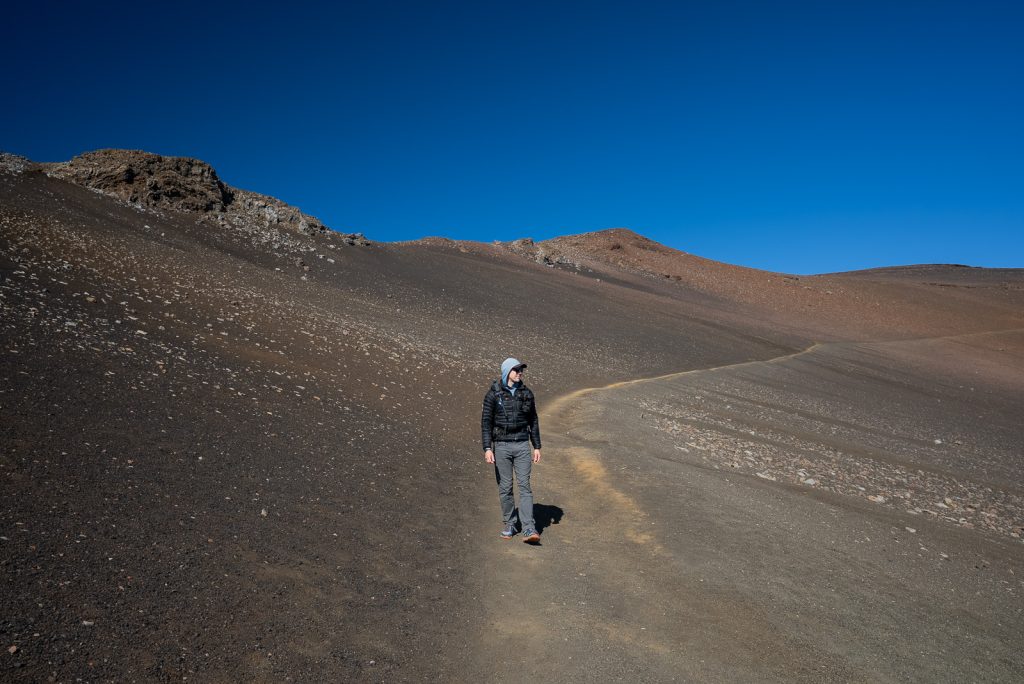
This is especially important for the Summit District, where temperatures can drop into the 30s and 40s, even in summer. A warm, wind-resistant layer is essential up top!
Sun protection
Sunscreen, a hat, and sun-protective clothing are non-negotiable. The sun at high altitude (and on exposed coastal trails) is intense. We both wore a sun hoodie (Adam’s, Kathryn’s), sunscreen, sunglasses, and a hat pretty much every day. Adam wears KALIYADI sunglasses and Kathryn wears Ray-Bans.
Plenty of water & electrolytes
Maui is hot and humid, and you’ll sweat more than you expect. The trails in the Summit District especially do not have any water sources without hiking many miles. Bring more water than you think you need, and consider electrolyte packets to stay hydrated. Our personal favorite electrolytes are LMNT! Use this link to place your order and you’ll automatically get a free sample pack included with your purchase!
Bug spray
While most of Maui will be mosquito free, you may want bug spray on the Kīpahulu trail. So make sure to either pick up some spray when you get to the island or buy some before your trip.
America the Beautiful Pass
If you’re planning to hike at Haleakalā (both the Summit District and the Kīpahulu District), the America the Beautiful Pass pays for itself quickly and covers entry fees for the duration of your visit.
Sunrise reservation
In addition to the park pass or America the Beautiful Pass, you will need a sunrise reservation to enter the park between 3 AM-7 AM. These reservations cost $1 per vehicle and become available 60 days in advance or 2 days in advance, so make sure to set a reminder to get one. You can learn more about how to get a reservation and what to expect at sunrise in this detailed guide!
Save this Guide to the Best Hikes in Haleakalā
Pin this guide on the best hikes in Haleakalā so that you can find it again later!



About the Author
This article was written by Tori, one of our Adventures of A+K team members. Learn a bit about her below!
Hi, I’m Tori! I live in Nashville, TN with my husband and two daughters. We travel as much as possible throughout the year, around a 9-5 schedule and with babies in tow! My travel blog, Tori Pines Travels, aims to help people plan action-packed and culture-rich vacations around their busy jobs, fitting in as much exploring as possible. When I’m not working for Adam and Kathryn or entertaining my little ones, I’m writing, cooking, crafting or exploring Music City!