
Last updated on March 3rd, 2026
Planning a trip to Glacier? We’re sharing the best things to do in Glacier National Park, plus tips on where to stay, getting around, and more!
Glacier National Park is one of the most stunning places we’ve ever visited! With over a million acres to explore, Glacier is home to rugged mountains, gorgeous blue lakes, and some of the best hiking in the country (over 700 miles of trails).
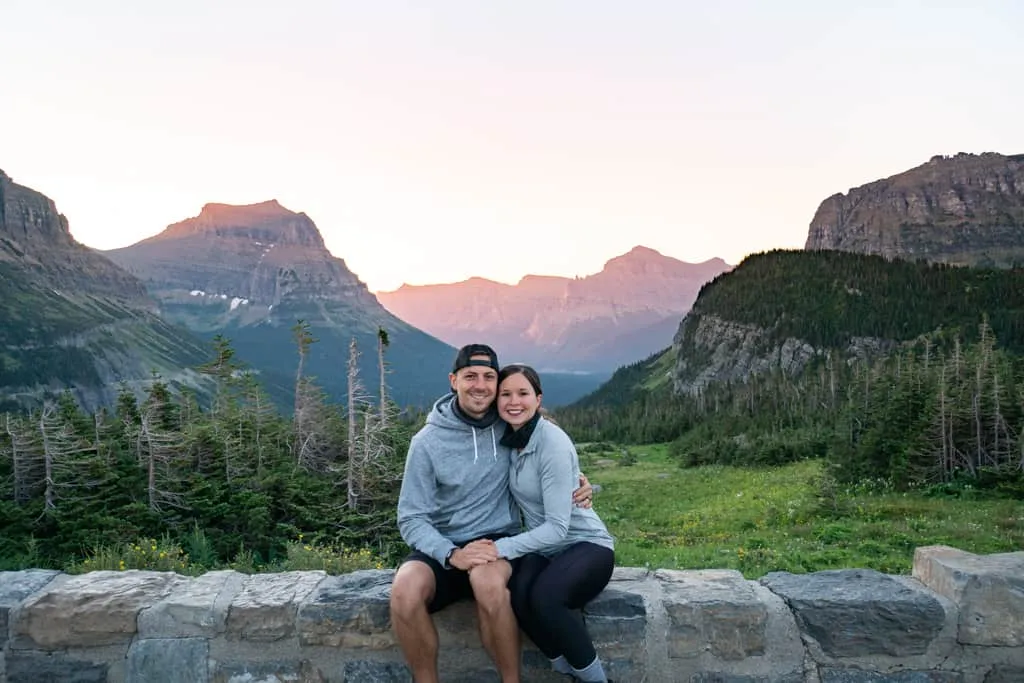
But there is so much more to do here than just hiking! Some of the most iconic things to do in Glacier National Park are riding the park’s historic Red Buses, hopping on a boat tour across one of the park’s lakes, going horseback riding, or simply soaking in the views from one of the most scenic drives in the United States. And there’s a pretty good chance of spotting wildlife too (we saw bighorn sheep right on the trail!).
We’ve been to Glacier twice and have fallen in love with it both times. In this guide, we’re sharing the best things to do in Glacier National Park, plus tips for planning your trip, like where to stay, how to get around, and what you need to know before you go.
Check out our other Glacier National Park guides:
- The Perfect 3 Day Glacier National Park Itinerary for First-Time Visitors
- The Ultimate 4 Day Glacier National Park Itinerary
- 5 Day Glacier National Park Itinerary: Explore the BEST areas of the park!
- The 33 BEST Hikes in Glacier National Park
- Driving the Going-to-the-Sun Road
- Hiking the Highline Trail to Grinnell Glacier Overlook
- How to hike Glacier National Park’s Pitamakan-Dawson Loop
- 13 Best Things to Do at Two Medicine in Glacier National Park
How to use this guide
Glacier National Park is huge and can feel a little overwhelming at first, so we broke this guide down by region to make it easier to plan. We start with a couple of park-wide experiences, then by area. This is how we kept ourselves sane while planning our own trip, and we hope it makes things simpler for you too!
Want to Learn More as you explore?
We highly suggest downloading the Guide Along – Glacier (totally worth the cost!!) audio tours to navigate you on the road. Even when you don’t have service it knows where you are and provides commentary and history about the area. As well as alerts you when to stop for specific sights. These guides are fun to listen to and the narrator feels like a fun friend in the car with you!
Best Things to Do in Glacier National Park
Park-wide experiences
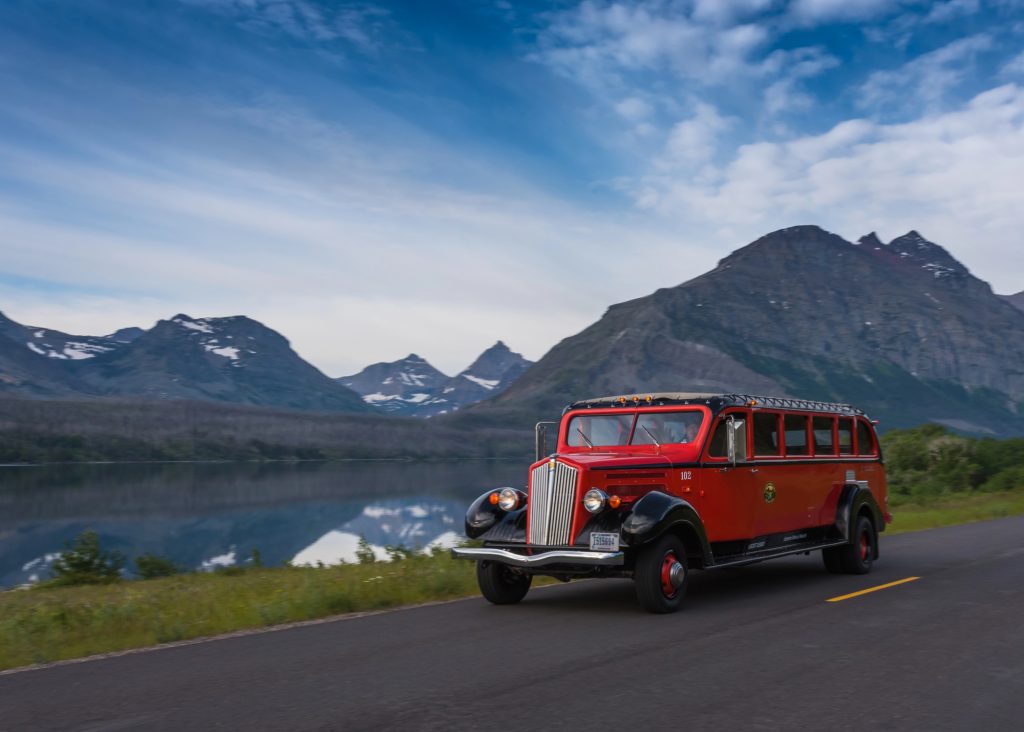
1. Ride in a historic Red Bus
Riding in one of Glacier’s famous Red Buses is such a fun and unique way to experience the park. These open-air buses have been around since the 1930s and are still in use today, making them the oldest touring fleet of their kind in the entire world! Each one has a roll-back canvas roof, which is especially fun along the Going-to-the-Sun Road.
Tours are offered both on the east and west sides of the park, with tours departing from Apgar, Lake McDonald Lodge, and Many Glacier. They offer shorter trips that are just a couple of hours to full-day adventures, with prices starting at about $70 per adult and going up for longer tours. These tours are really popular and reservations open months in advance, so if you’re visiting in July or August, you’ll definitely want to book early!
2. Go huckleberry picking
If you visit Glacier in late July or August, you’ll quickly learn just how abundant huckleberries are here. These small, wild berries can be found along many trails and roadside pullouts. They are sweet, tart, and are such a big deal in Glacier that you’ll find huckleberry everything (jam, soda, pie) at shops and restaurants outside the park. You’re allowed to pick up to a quart per person per day inside the park, so feel free to grab a handful for the trail! Just remember that bears love them too, so always be aware of your surroundings and carry bear spray when you’re out foraging.
Apgar & West Glacier
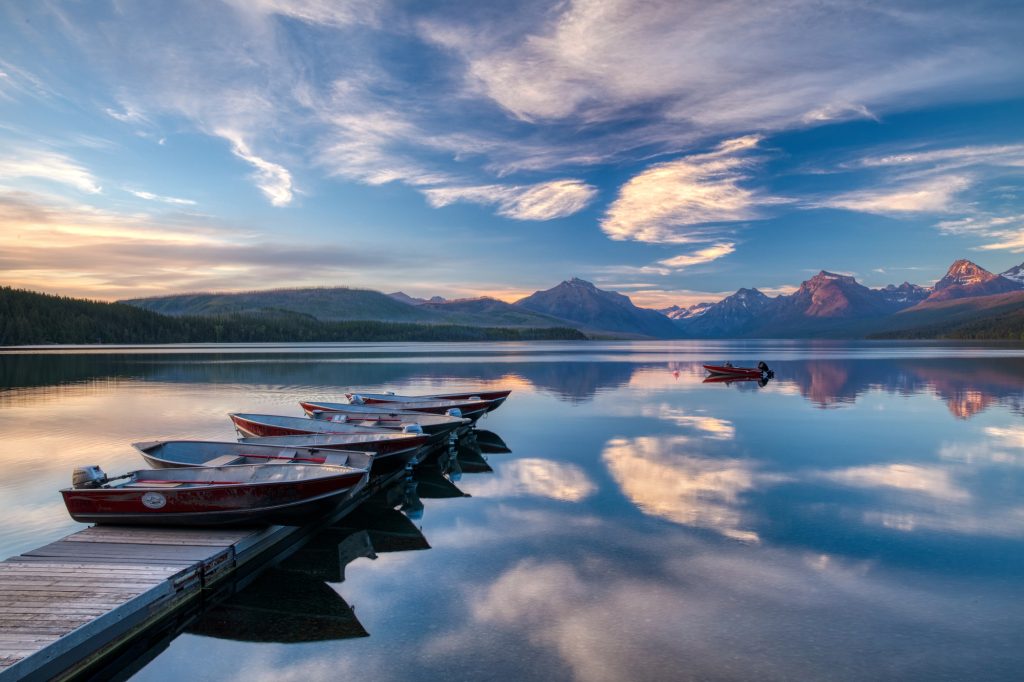
If you’re entering Glacier from the west side, you’ll first pass through West Glacier and Apgar Village. This is one of the busiest areas of the park, with access to Lake McDonald and the Apgar Visitor Center. Also, the largest campground, Apgar Campground, is found here.
3. Stop by the Apgar Visitor Center
The Apgar Visitor Centeris the main information center on the west side of Glacier and one of the first stops you’ll see after entering the park from West Glacier. It’s open daily in the summer and has rangers available to answer questions, help you plan your hikes, and share info on trail closures, road conditions, and wildlife activity (bear closures here are common).
The visitor center also has a bookstore and a small gift shop with maps, guides, and souvenirs. During the peak season (late June through early September), the visitor center is also a shuttle stop for the free park shuttle system that runs along Going-to-the-Sun Road. If you want to avoid fighting for a parking spot at Logan Pass, or want to stay longer than 3 hours, this is one of the best places to leave your car and hop on the shuttle! Shuttle tickets that run directly to Logan Pass require advanced reservations, more information below under the tips section.
4. Hike to Apgar Lookout
Apgar Lookout is one of the main hikes near Apgar Village. This hike is 7.1 miles round trip and climbs 1,906 feet to a fire lookout that was built in 1929. The lookout is no longer in use, but the view from the top of Lake McDonald is gorgeous! This hike has very little shade, so plan to head out early or be prepared for lots of sun exposure.
5. Go rafting on the Flathead River
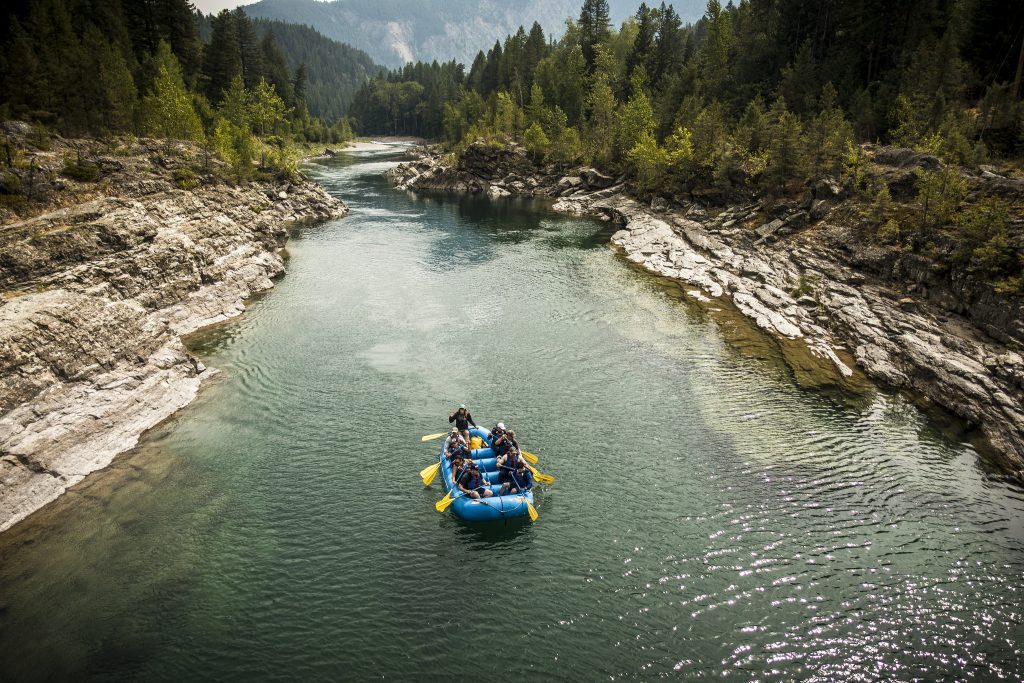
Rafting is one of the best things to do near Glacier. And West Glacier is the place to do it! Most tours take place on the Middle Fork of the Flathead River, which runs along the park’s southern border.
Trips run from late spring through early fall. May and June usually have the biggest rapids thanks to snowmelt, while July and August are calmer and great for families. Local outfitters like Glacier Guides, Glacier Raft Company, and Wild River Adventures provide all the gear, so you just need to dress for the weather and show up ready to paddle! Tours are super popular in the summer, so booking ahead is a good idea.
6. Try huckleberry pie at the Huckleberry Patch
About 10 minutes from the West Glacier entrance in Hungry Horse, you’ll find the Huckleberry Patch, where you can try their famous huckleberry pie. Besides pie, you’ll find ice cream, pancakes, jam, syrup, and other fun huckleberry treats. If you’re looking for a souvenir, they also have a large gift shop with huckleberry everything.
Lake McDonald

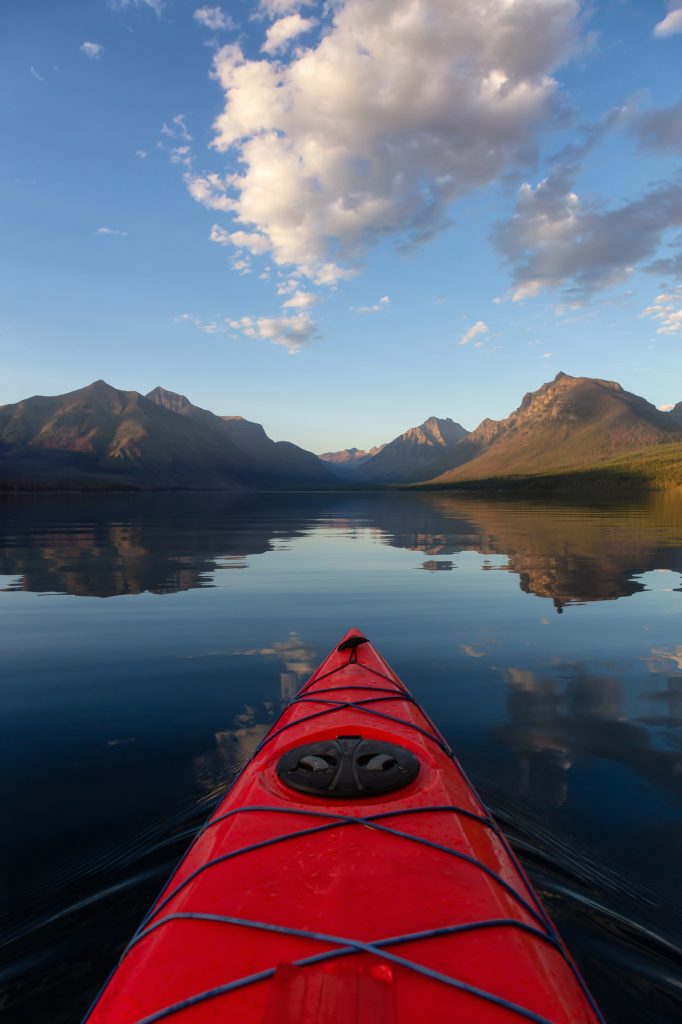
Lake McDonald is one of the most visited areas of Glacier, and for good reason. This lake is the largest in the park and is home to tons of fun activities.
7. Get out on the water
At 10 miles long and nearly 500 feet deep, Lake McDonald is the largest lake in Glacier. Here, the water is crystal clear (and icy cold!), and it’s also one of the easiest spots in the park to actually get out and enjoy some time on the water.
At Apgar Village, you can rent kayaks, canoes, or stand-up paddleboards from Glacier Park Boat Company. Rentals start at about $25 an hour. You can book some online ahead of time, but paddleboards and rowboats are only first-come, first-served, so you’ll want to get there early if you’re visiting in the summer.
8. Cruise Lake McDonald on a historic wooden boat
One of the most popular things to do at Lake McDonald is hop on a historic wooden boat for a guided cruise. The Glacier Park Boat Company has been running tours here since the 1930s, and today you can ride on either the DeSmet or the Glacier Lily. Cruises last about an hour and cost $27 per adult. Tours start at the dock by Lake McDonald Lodge and do sell out in the summer, so it’s best to book in advance.
9. Swim at the beach
On a hot summer day, jumping into Lake McDonald feels amazing (though fair warning, the water never really warms up!). We swam at a little rocky beach near Apgar Village, which had easy parking and shallow spots to wade in. Water shoes are nice to have since the rocks can be a little tough on bare feet. Even if you don’t swim, it’s a great spot to hang out by the shore and have a picnic!
10. Step inside the historic Lake McDonald Lodge
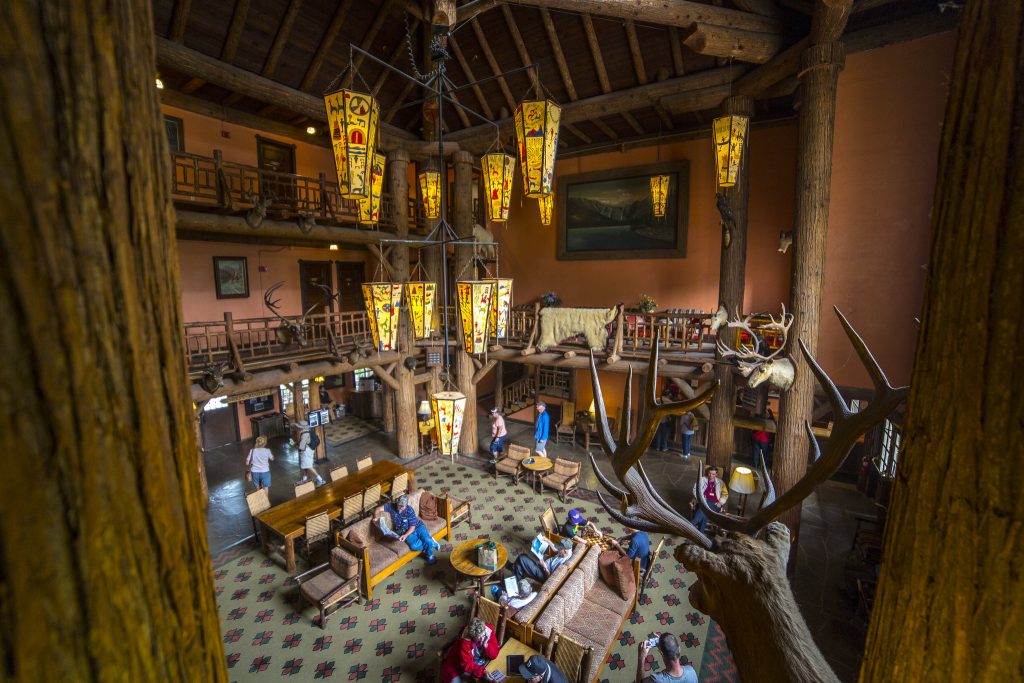
Built in 1913, Lake McDonald Lodge is one of the most iconic buildings in the park. It’s a 3-story Swiss chalet-style lodge, and the lobby is gorgeous, with log walls, a giant stone fireplace, and balconies that overlook the space.
Inside, you’ll find Russell’s Fireside Dining Room and a lounge. Plus, from here, you can hop on a boat cruise, join a Red Bus tour, or join an evening ranger program. Horseback rides are also offered nearby. Even if you’re not staying overnight, it’s worth stopping in to see the historic lobby and enjoy the lakefront views.
11. Walk the Johns Lake Loop
If you’re looking for a shorter hike in the Lake McDonald area, the Johns Lake Loop is a great pick. This 2-mile loop winds through a mossy forest and takes you out to a couple of waterfalls, including McDonald Falls and Sacred Dancing Cascade.
Going-to-the-Sun Road
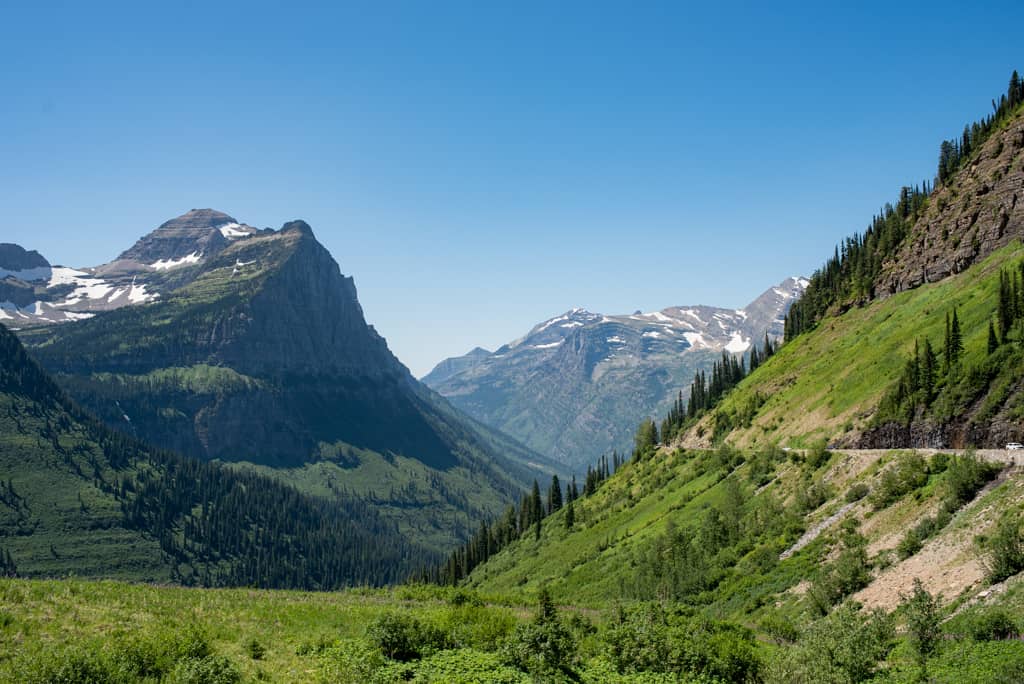
The Going-to-the-Sun Road is easily one of the most scenic drives in the entire country. It’s 52 miles long and connects from West Glacier to St. Mary, taking you right through the heart of the mountains. This road usually opens in late June or early July and closes again in October, depending on snow.
Heads up! This road has a strict 21-foot limit, which means larger RVs and trailers can’t make the drive.
You can watch our full experience driving the Going-to-the-Sun Road here. And if you’re planning your own trip, be sure to read our blog post about the best stops on the Going-to-the-Sun Road.
12. Walk the Trail of the Cedars Boardwalk
Trail of the Cedars is a very easy, short loop hike that is only about 0.7 miles long and features a scenic boardwalk that winds through massive cedar and hemlock trees (some of the oldest in the park!). The trail crosses Avalanche Creek, a gorge carved by glacial water.

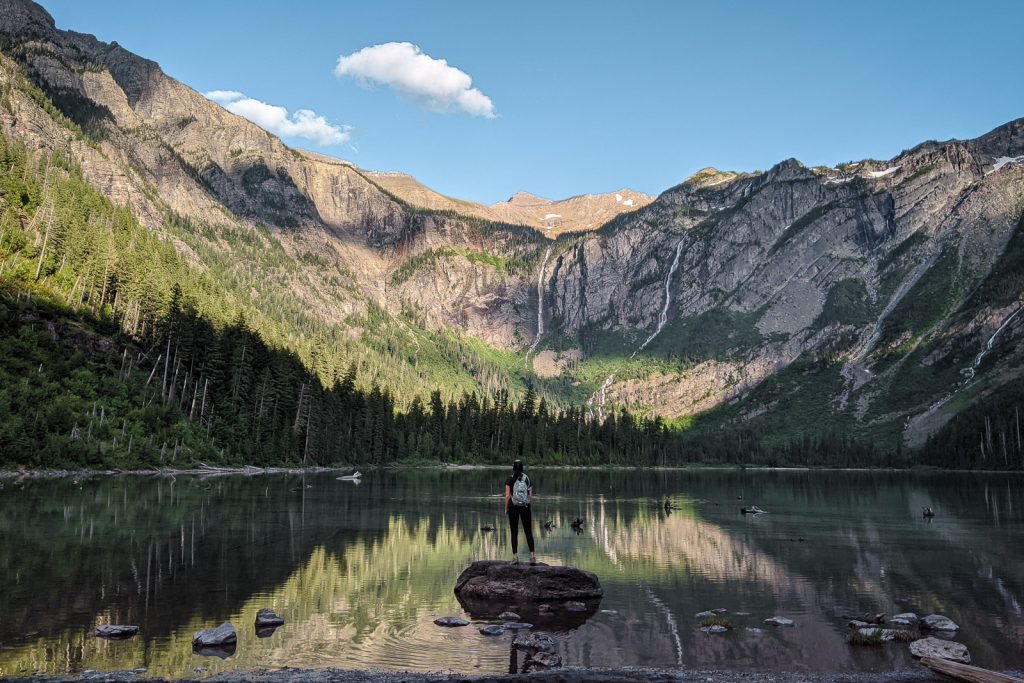
13. Hike to Avalanche Lake
If you have time for a longer hike after Trail of the Cedars, continue on to Avalanche Lake. The trail is 5.9 miles round-trip with around 757 feet of elevation gain, and the lake sits at the base of Bearhat Mountain, where you can see several waterfalls cascading into the water that originate from Sperry Glacier. It’s gorgeous!
14. Take in the views at Big Bend Overlook

This sweeping curve in the road is one of the most photographed spots in Glacier and offers panoramic views of the Lake McDonald Valley, Mount Cannon, and Mount Oberlin. This was our favorite viewpoint on the entire road, and it’s an easy pullout to stop at!
15. Stop at the Logan Pass Visitor Center
At 6,646 feet, Logan Pass is the highest point on the road and a major stop for visitors. There’s a visitor center and gift shop here, plus access to some of the best hikes in the park. It’s also a prime spot to catch the sunrise or look for wildlife. Keep in mind the parking area usually fills up around sunrise in the summer, so you’ll want to get there early. Also, starting July 1, 2026 you can only park for a maximum of 3 hours at Logan Pass.
16. Hike at Logan Pass
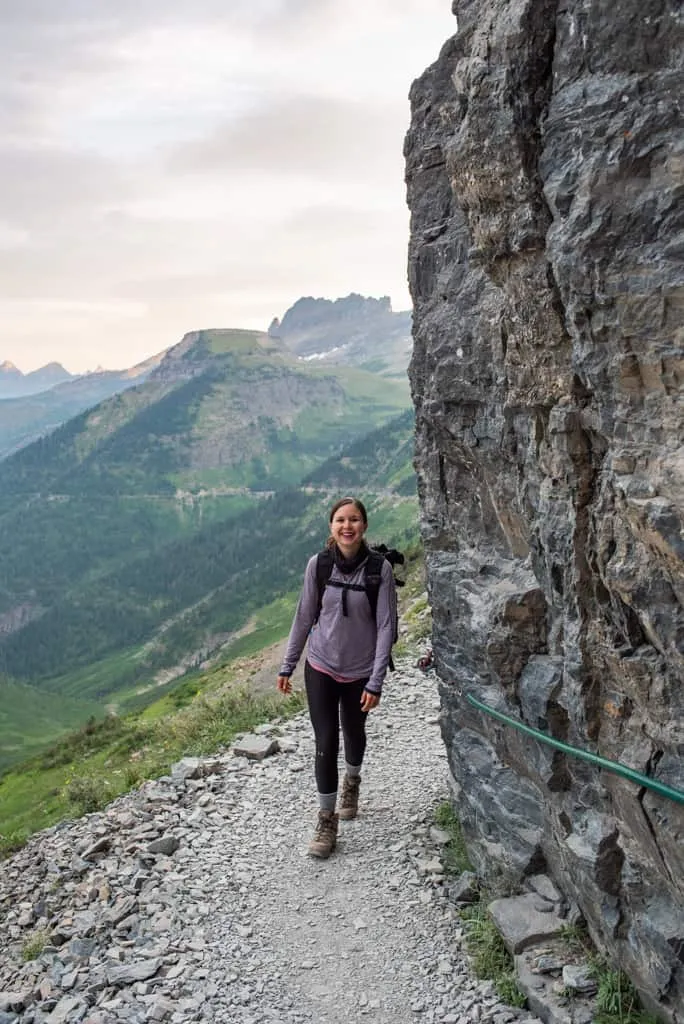


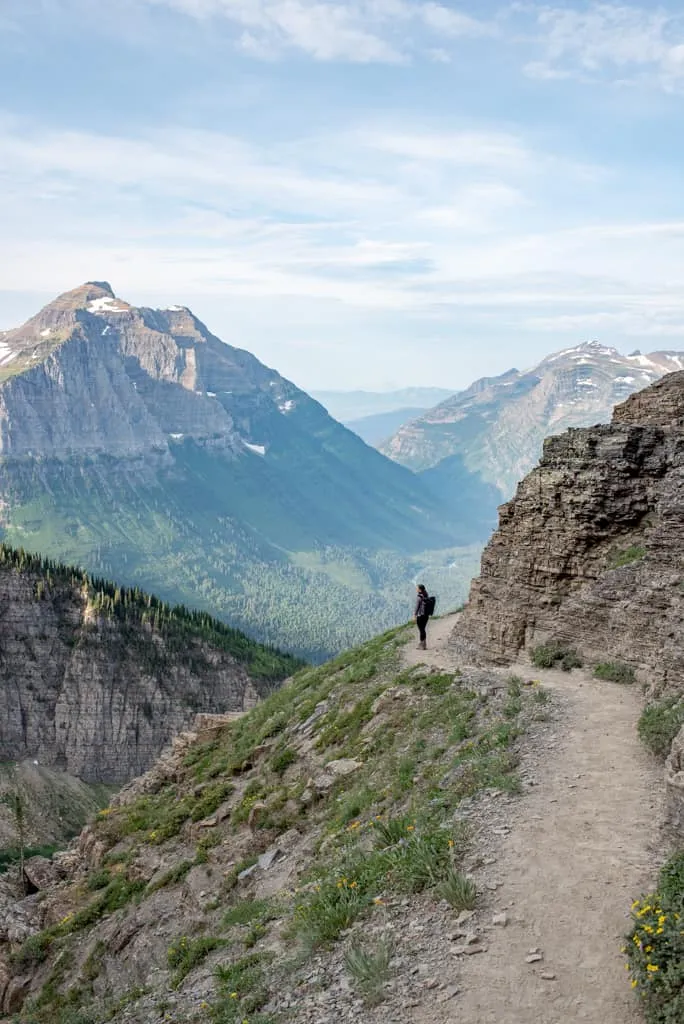
Highline Trail(14.9 miles, 2,621 ft of gain): Often called one of the most beautiful trails in the entire United States, this hike starts from Logan Pass and follows a narrow ledge (with a hand cable) before opening up to nonstop alpine views. You can make it shorter by ending at the Loop shuttle stop, or longer with side trips to Grinnell Glacier Overlook (a steep spur trail) or Granite Park Chalet (a historic backcountry hut).
Beginning July 1, 2026 you will not be allowed to park at Logan Pass for more than 3 hours. Since this hike will take much longer than 3 hours, you will have to purchase shuttle tickets to Logan Pass instead.
If the Highline Trail in Glacier National Park is on your list, we wrote a detailed guide with route options, what to pack, and our experience on the trail, so be sure to check it out!
Hidden Lake Overlook (2.7 miles, 551 ft of gain): This popular trail takes you to a gorgeous overlook above Hidden Lake, where mountain goats and bighorn sheep are often spotted. If you want to go all the way down to the lake itself, it’s about 5 miles round trip.
17. Stop at Jackson Glacier Overlook
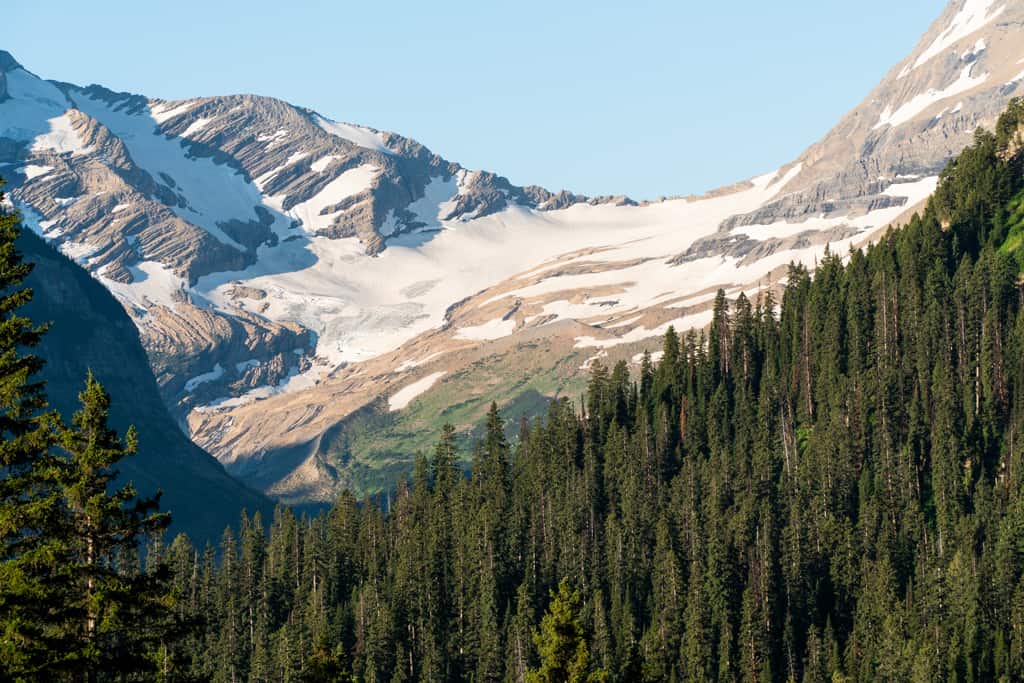
Jackson Glacier Overlook is one of the few places in Glacier National Park where you can actually see a glacier from the road. From the pullout along the Going-to-the-Sun Road, you’ll have a clear view of Jackson Glacier tucked between Mount Jackson and Blackfoot Mountain.
It’s the seventh-largest glacier in the park, and sadly, like many of the glaciers here, it has been shrinking over the years. In 1966, it covered 316 acres, but by 2015 it had shrunk to 187 acres. You can see it right from the parking area, or start the hike to Gunsight Lake from here for even better views along the trail.
18. Bike the Going-to-the-Sun Road
One of the most unique ways to experience Glacier National Park is by biking the Going-to-the-Sun Road. Each spring, before the road officially opens to vehicles, cyclists get the chance to ride along this famous highway without car traffic.
Most people start on the west side near Apgar and ride up as far as the plows have cleared, but you can also begin from St. Mary on the east side. Just know it’s a workout, with steep grades and long stretches of uphill! You can rent an e-bike (which is what we would recommend!)
St. Mary

The St. Mary side of Glacier feels a little different from West Glacier. It’s windier, a bit drier, and the views are more dramatic. St. Mary Lake is the second largest in the park at 9.5 miles long, and it’s where you’ll find some of the most iconic Glacier views and hikes.
19. Take a scenic boat cruise across St. Mary Lake
One of the best ways to experience St. Mary Lake is to hop on a boat cruise aboard one of the park’s historic wooden vessels. Tours leave from the Rising Sun dock and cost about $40 for adults. You can also combine it with a ranger-led hike where you ride the boat across the lake and get to check out Baring, St. Mary, and Virginia Falls.
20. Hike the Sun Point Nature Trail
The Sun Point Nature Trail is a short but scenic hike starting from the Sun Point parking area. Back in the early days of the park, this was the site of the Going-to-the-Sun Chalet, a bustling lodge that welcomed travelers before it was torn down in the 1940s.
21. Check out the Waterfalls


Along Going-to-the-Sun Road, you can make a quick stop to see some of Glacier’s prettiest waterfalls. Baring Falls is just a short 0.6-mile walk from Sun Point.
For something a little longer, St. Mary Falls is about 1.7 miles round-trip from the same trailhead and is one of the most photographed waterfalls in the park! If you continue past St. Mary Falls, you’ll end up at Virginia Falls. Hiking to both St. Mary and Virginia Falls is about 3.6 miles round trip.
22. Snap a Photo at Wild Goose Island Lookout
If you’ve ever seen a photo of Glacier, there’s a good chance it was taken here. Wild Goose Island Lookout is a tiny island that sits in the middle of St. Mary Lake with towering mountains in the background, and it’s one of the most photographed spots in the park. There’s a designated pullout right off the road, and sunrise or sunset is the best time to stop for photos.
23. Go on a longer hike in the St. Mary area
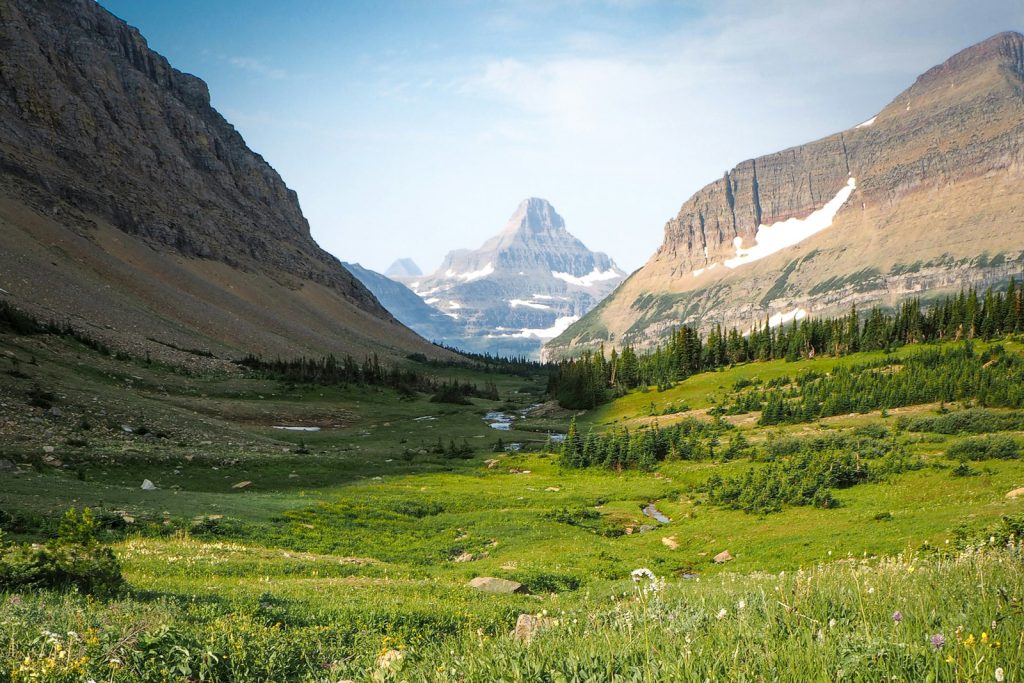
If you’re up for a full-day adventure, the St. Mary area has some incredible hikes. Here are a few we recommend:
Siyeh Pass (9.9 miles one way, 2,247 ft of gain): This trail starts along Siyeh Creek and winds through Preston Park’s wildflower meadows before climbing to one of the highest maintained passes in the park. Set up a car shuttle to hike it point-to-point from Siyeh Bend to Sunrift Gorge for the best experience.
Piegan Pass (16.1 one way, 3,116 ft of gain): This trail takes you through forest and alpine meadows before opening up to views of Jackson and Piegan Glaciers. From the top, you’ll be surrounded by peaks like Angel Wing and Mount Gould, with the Many Glacier Valley stretching out below.
Similar to Siyeh Pass, this is a one way hike, requiring you to have two vehicles to do the entire thing. Or you can just hike part of the way and turn around!
Otokomi Lake (10.9 miles round trip, 2,316 ft of gain): Starting just behind Rising Sun Campground, this trail follows Rose Creek past waterfalls, berry patches, and open views before reaching a lake tucked against a rocky cirque. It’s gorgeous and a great spot for fishing!
If you’re trying to decide which hikes to add to your trip, we put together a full guide to the best hikes in Glacier National Park.
24. Stop by the St. Mary Visitor Center
At the east entrance, the St. Mary Visitor Center is worth a stop before heading into the park. Here, you can grab maps, see what the current trail updates are, and get info about road conditions.
Rangers are usually around to answer questions, and you can also check out exhibits that explain the park’s history, wildlife, and Blackfeet culture, since the park borders the Blackfeet Nation. It’s also one of the main shuttle stops, so it’s a good place to leave your car if you plan to use the free park shuttle system.
Two Medicine

All the way on the southeast side of the park, Two Medicine doesn’t get nearly as much attention, but it’s absolutely worth a visit. This area is less crowded, easier to access if you’re coming from East Glacier, and has tons of things to do.
If you want to see exactly how we spent three epic days here, watch our Two Medicine video on YouTube! And if you’re planning your own trip, we wrote a blog post with the best things to do in Two Medicine.
25. Watch the sunrise from Two Medicine Lake
One of the best things to do in the Two Medicine area is to catch the sunrise at Two Medicine Lake. If you only have time for one activity, make it this! Arrive about 30 minutes before the sun comes up to watch Sinopah Mountain and Rising Wolf Mountain glow in soft pinks. (We loved it so much we went back twice!). Easy spots to enjoy the view are right by the boat dock near the Two Medicine Store or along the campground shoreline.
26. See Running Eagle Falls
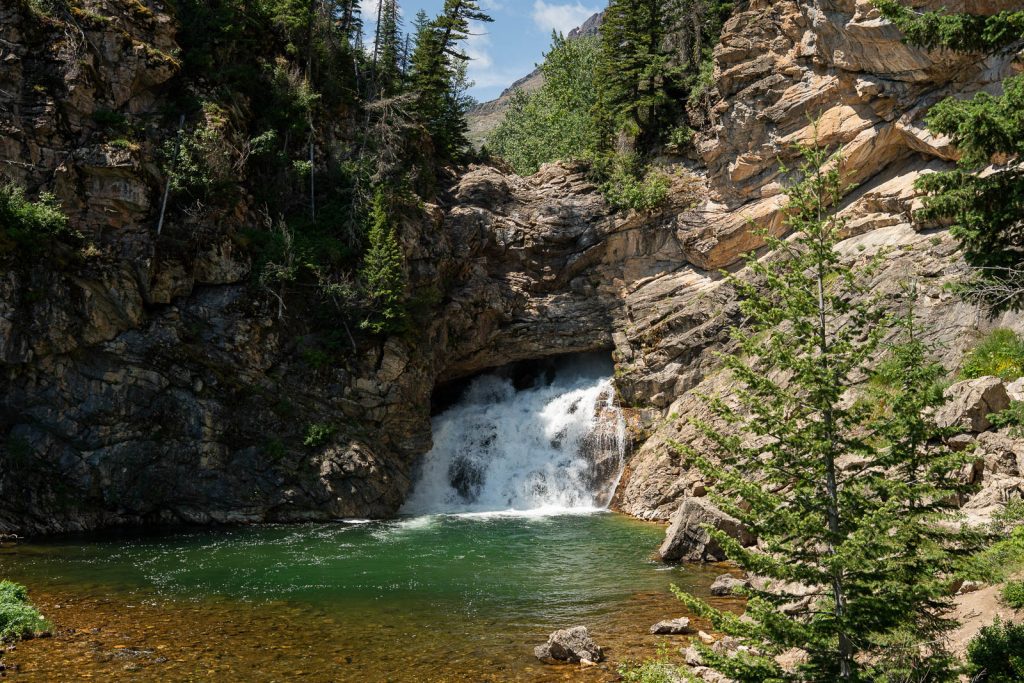
Running Eagle Falls is one of the easiest hikes in the Two Medicine area. The 0.7-mile loop is flat, short, and partly paved. The waterfall is nicknamed “Trick Falls” because in the summer the creek disappears into a hole in the rock and pours out through a cave, but in high water it also spills over the top, creating a double waterfall effect which is so cool to see!
27. Get out on Two Medicine Lake

The Glacier Park Boat Company operates a gorgeous historic wooden boat tour that is almost 100 years old, called the Sinopah. The entire tour is about 45 minutes and is a fantastic way to learn about the Blackfeet Nation and the early days of the Great Northern Railway.
The boat also acts as a shuttle to the far side of the lake, cutting about 3 miles (one way!) off the hike to the west end. We used it for our hike up to the Pitamakan–Dawson Loop, and it saved us so much time. But it’s also perfect for popular hikes like Twin Falls or Upper Two Medicine Lake.
You can ride round-trip for $20.25 per adult, or they offer one-way return tickets for $10.10 for those who want to hike out and ride the boat back. Just make sure to get your one-way ticket in advance, as you cannot buy them at the boat dock.
28. Go on one of the many day hikes
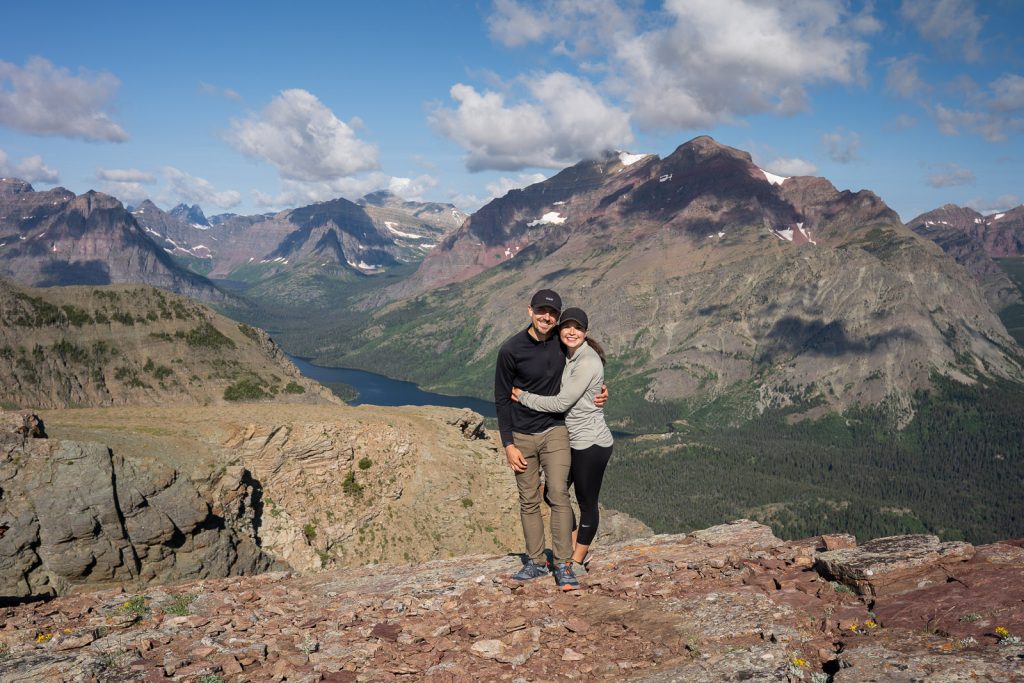
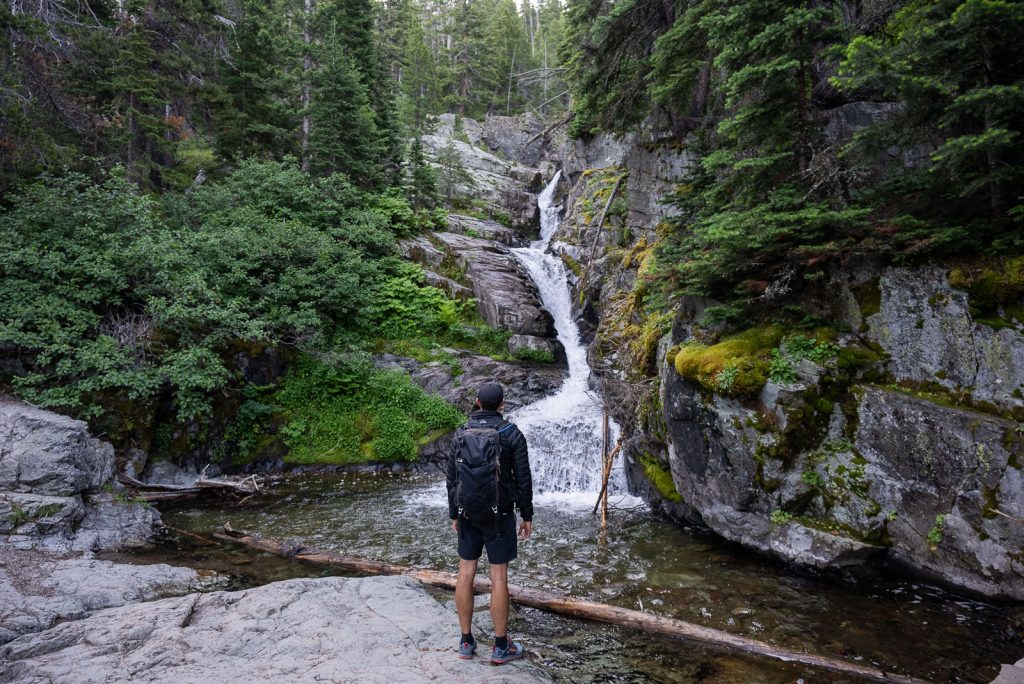
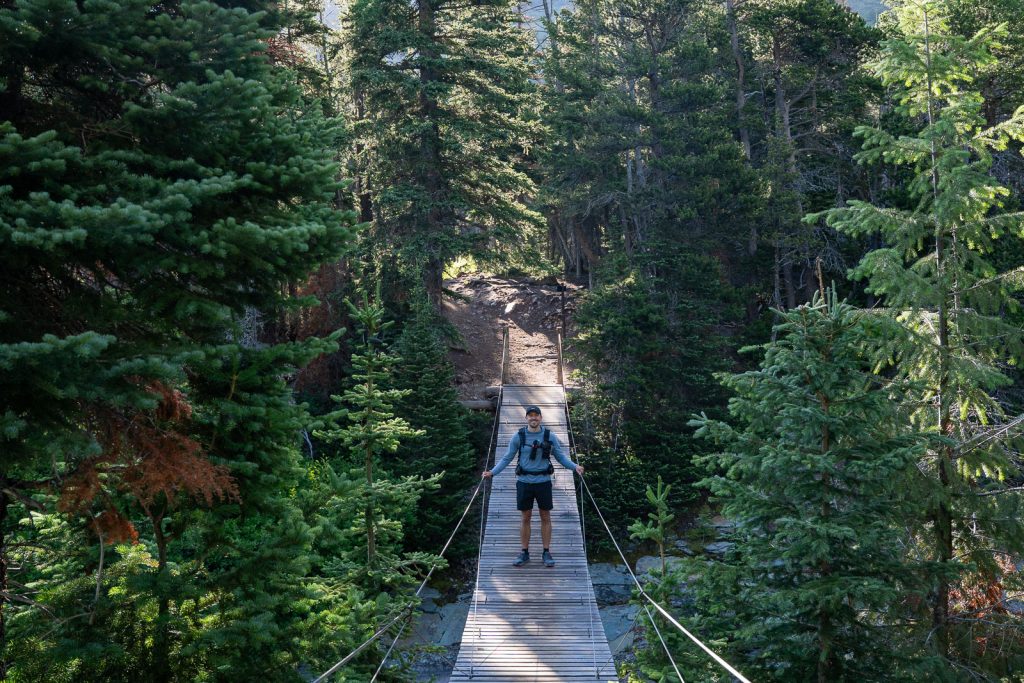
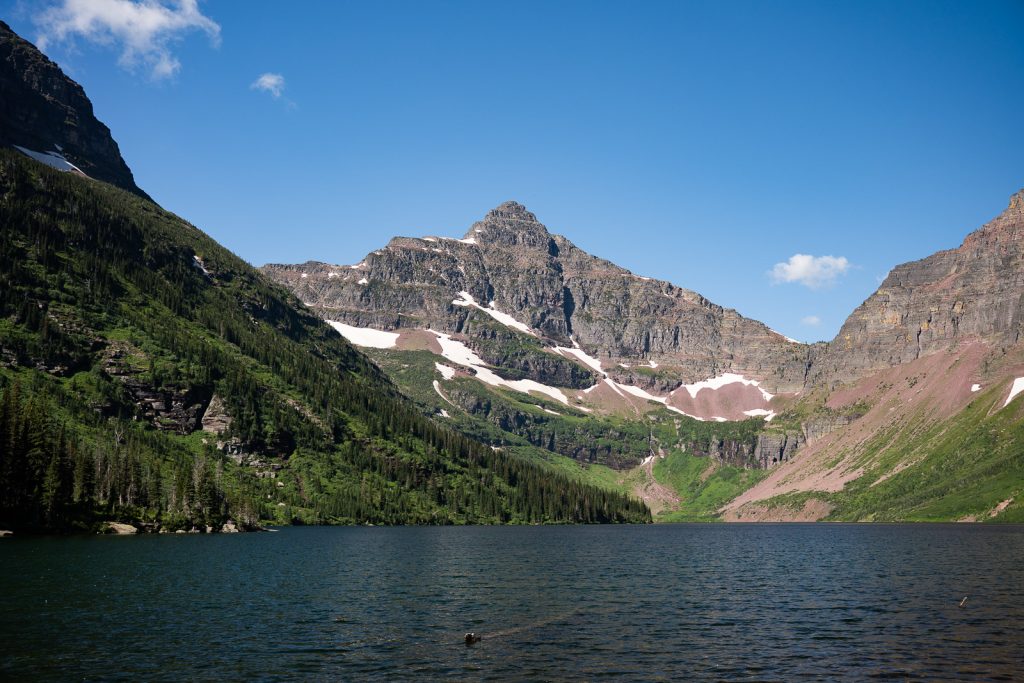
Two Medicine is loaded with some of Glacier’s best hikes, and after doing a few ourselves, these are our top recommendations:
Aster Falls (2.6 miles, 213 ft gain): One of the easier trails in the area, this hike takes you through the forest and past beaver ponds before ending at a 20-foot waterfall tucked into the trees. You can pair it with Paradise Point or Twin Falls, or keep going to Aster Park Overlook for sweeping lake views.
Upper Two Medicine Lake (11.5 miles, 1,036 ft of gain): Sitting in a stunning basin surrounded by peaks, this lake feels wonderfully remote. The hike itself passes through forest, streams, and even a couple of suspension bridges, with side trip options to Paradise Point, Aster Falls, or Aster Park. You can also cut down mileage by taking the boat cruise one way.
Scenic Point (7.7 miles, 2,365 ft of gain): This trail climbs steadily into the alpine, where you can see nearly the entire Two Medicine Valley. It’s exposed and can be windy, but on a clear day, the views are incredible. When we did it, we saw nearly two dozen bighorn sheep, which made it even better!
29. Hike the Pitamakan-Dawson Loop
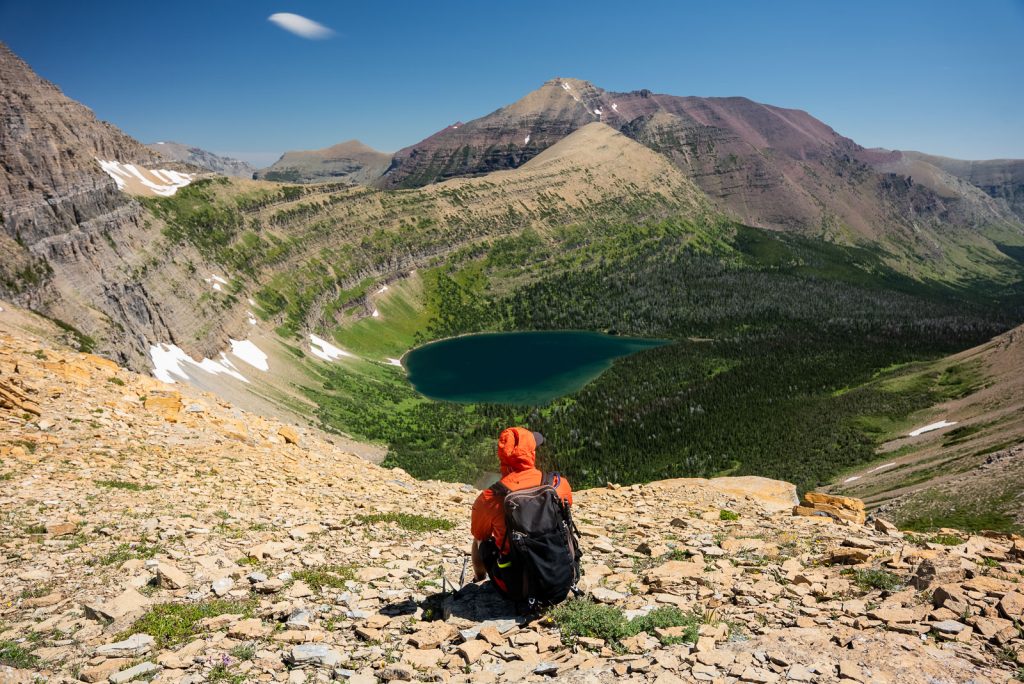
The Pitamakan-Dawson Loop is one of the most famous hikes in Glacier and often makes the list of the best trails in the entire national park system.
At 18.8 miles round trip with nearly 3,800 feet of elevation gain, it’s a long, tough day, but the views are unreal. You’ll pass rugged peaks, alpine lakes, and climb to two high passes that are known for both their sweeping views and notoriously strong winds. This was hands-down our favorite hike in the Two Medicine area, but it’s best for experienced hikers who are ready for a full-day challenge.
If you don’t want to commit to the full loop, you can still hike to either Pitamakan Pass or Dawson Pass as an out-and-back, or even turn it into an overnight trip at the backcountry campsites at Oldman Lake or No Name Lake.
To learn more about this trail, including your different options to hike it and a trail breakdown, check out our detailed guide to hiking the Pitamakan–Dawson Loop!
30. Get frozen yogurt at the general store
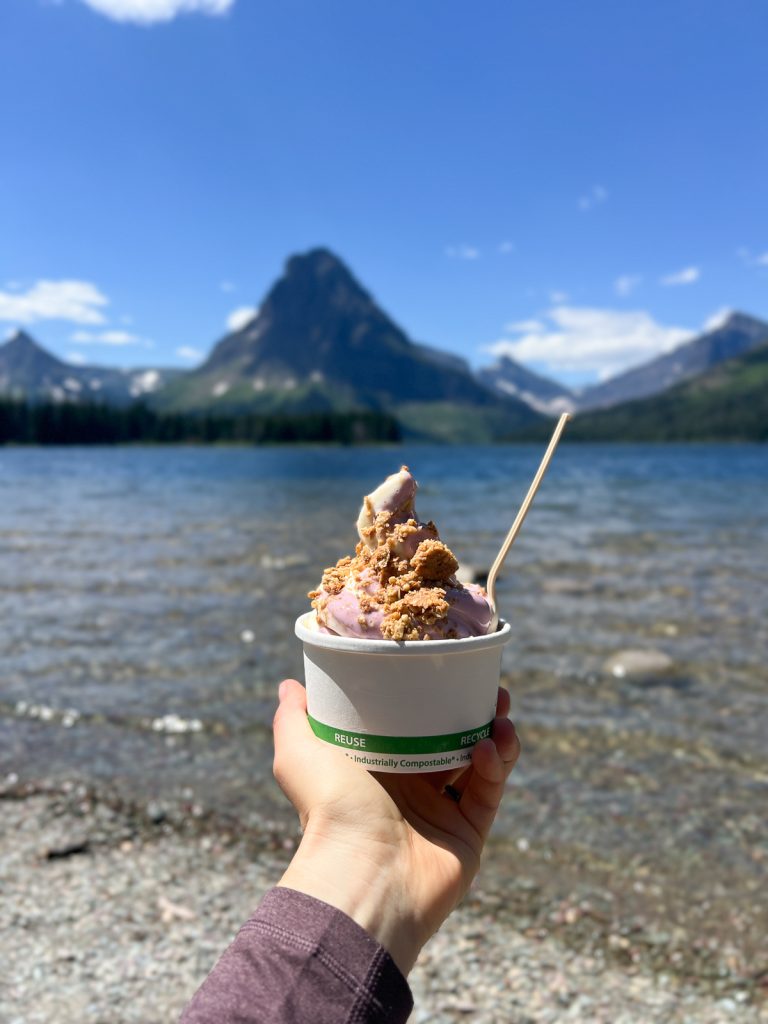
Located on the shore of Two Medicine Lake, the General Store is the last remaining building from the old chalet complex built in 1912 by the Great Northern Railway. It’s the only structure that survived when the others were intentionally burned in 1956.
Today, the store sells frozen yogurt, coffee, breakfast sandwiches, and souvenirs. We stopped in after a hike and grabbed a raspberry frozen yogurt! We even crumbled a granola bar on top for a little crunch (so good!).
31. Drive Looking Glass Road
If you’re heading to or from East Glacier, the drive along Looking Glass Road (Highway 49) is worth the detour. The road climbs up and over the mountains with big views the entire way. It’s narrow and winding, so take your time, but the scenery is gorgeous!
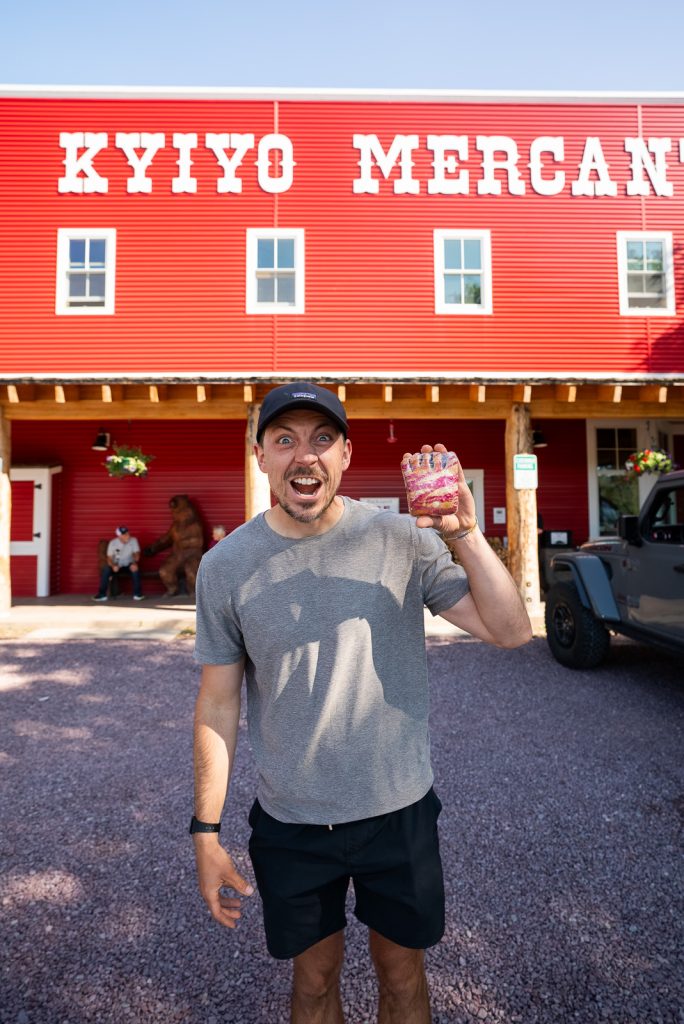
32. Visit Kyiyo Mercantile for a Bear Claw
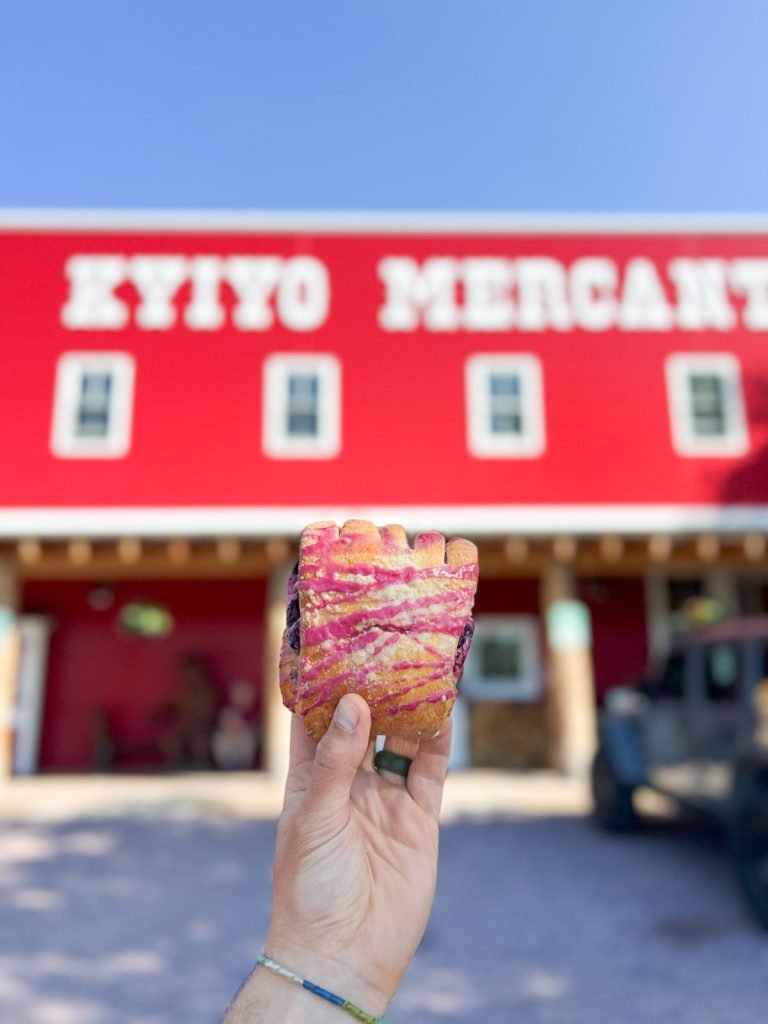
Kyiyo Mercantile is one of the newest additions near Glacier, located at the Kiowa Junction on the east side of the park. The name “Kyiyo” means bear in Blackfeet, and it’s run by the same folks behind the Polebridge Mercantile!
Inside, you’ll find fresh-baked goods (like huckleberry bear claws), deli items like fried chicken and mac and cheese, plus great coffee. The space itself is beautiful too, with handcrafted wood and art made by local Blackfeet and Montana artists.
Many Glacier
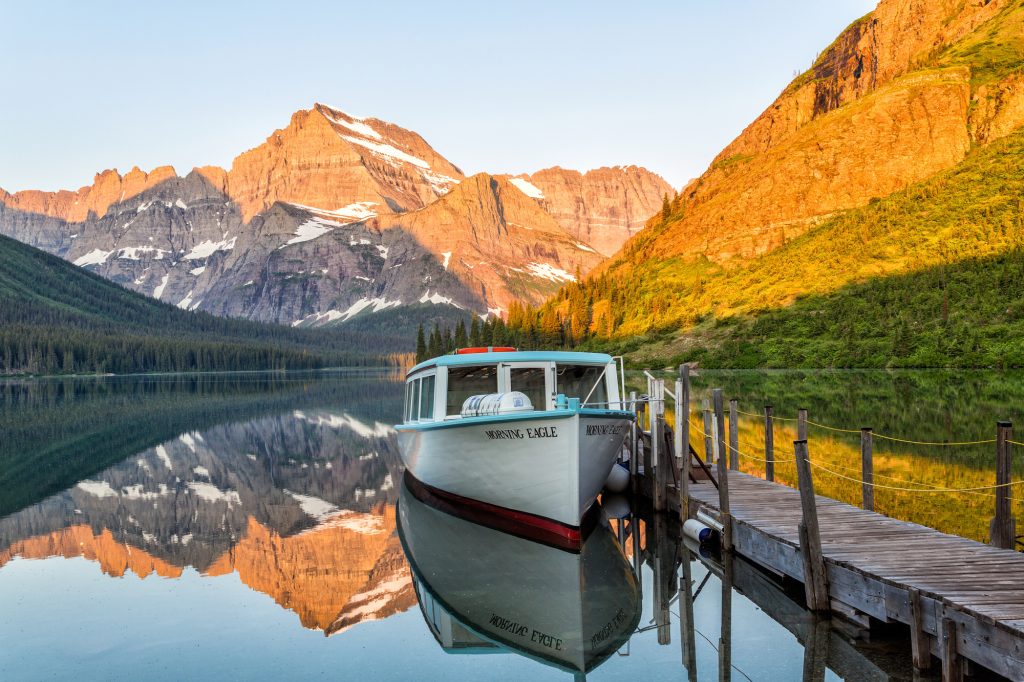
Many Glacier is often called the “heart of the park,” and for good reason. The scenery here is unreal with massive peaks, turquoise lakes, and some of the park’s best hiking trails. It’s located on the east side of Glacier and feels a little more remote. If you only have time for one area outside of Going-to-the-Sun Road, make it this one.
33. Get out on Swiftcurrent Lake
Swiftcurrent Lake is right in front of the Many Glacier Hotel and is one of the easiest spots in the park to get out on the water. From mid-June through September, you can rent a canoe or kayak from the hotel’s boat dock and paddle with mountain views in every direction.
If you’d rather ride than paddle, the boat cruise is a fun way to explore. It starts on Swiftcurrent Lake, then includes a short, easy walk over to Lake Josephine for a second boat ride. This route is not only scenic, but it also saves you some mileage if you’re planning to hike to Grinnell Glacier. Tours run seasonally (mid-June through September) and cost about $40 per adult. Reservations are recommended in the summer since they do sell out.
34. Visit Many Glacier Hotel
Many Glacier Hotel is one of the most iconic lodges in any national park. Built in 1915 by the Great Northern Railway, it was designed to look like a Swiss chalet, with huge wooden beams and balconies overlooking Swiftcurrent Lake. Even if you aren’t staying here, it’s worth popping inside to check out the lobby and grab a coffee or treat from the cafe. If you’re planning to stay overnight, book as far in advance as possible since rooms fill up a year out.
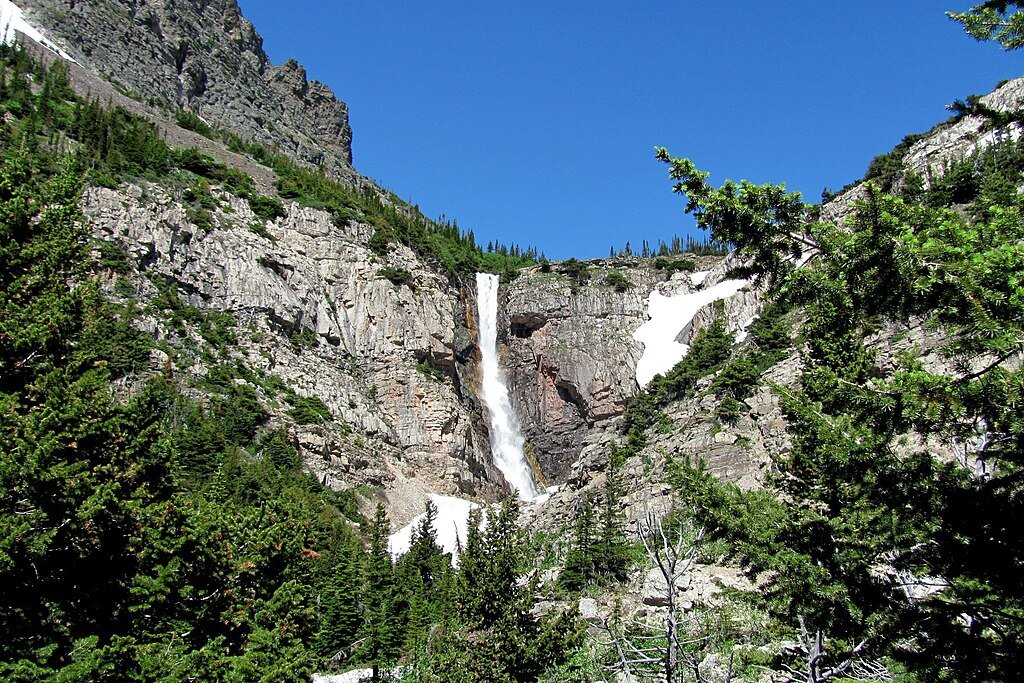
35. Hike to Apikuni Falls
Apikuni Falls is one of the easier waterfall hikes in the Many Glacier area and a great option if you don’t want to commit to a long hike. The trail is about 2 miles round trip with 580 feet of elevation gain, so it’s short but does climb steadily. At the end, you’ll be rewarded with a 100-foot waterfall tumbling down the cliffs, which is especially impressive early in the summer when snowmelt is high.
36. Go on one of the best day hikes in Many Glacier
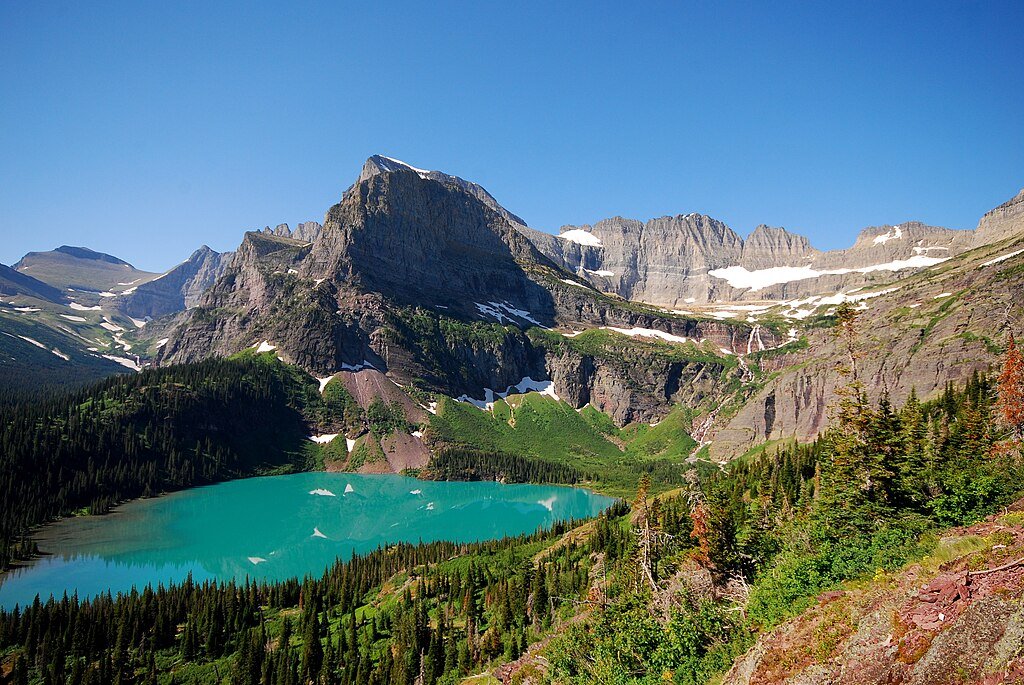
Many Glacier is home to some of the park’s most famous trails, and they’re popular for a reason. Here are a few we highly recommend:
Grinnell Glacier (10.9 miles, 2,073 ft of gain): One of the most iconic hikes in Glacier, this trail leads to a turquoise glacier lake surrounded by jagged peaks. You can cut off about 3.5 miles total by taking the boat shuttles across Swiftcurrent Lake and Lake Josephine.
Ptarmigan Tunnel (10.6 miles, 2,362 ft of gain): This trail climbs to a 240-foot manmade tunnel blasted through the rock in the 1930s, which opens up to sweeping views of the Belly River Valley.
Iceberg Lake (9.6 miles, 1,459 ft of gain): This hike ends at a stunning alpine lake that often has icebergs floating in it well into summer.
If you’re heading into the Many Glacier area, you’ll definitely want to read through our complete guide to the best hikes in Glacier National Park.
37. Take a guided horseback ride
Many Glacier is one of the best spots in the park to experience Glacier National Park on horseback. Swan Mountain Outfitters operates guided trail rides right from the corrals near the Many Glacier Hotel. Rides range from one hour up to half-day trips, with routes that take you through forests, along lakes, and into the valley with mountain views all around.
Rides typically run mid-June through early September and start around $150 per person for an hour ride. Reservations are recommended, especially in July and August.
Highway 2
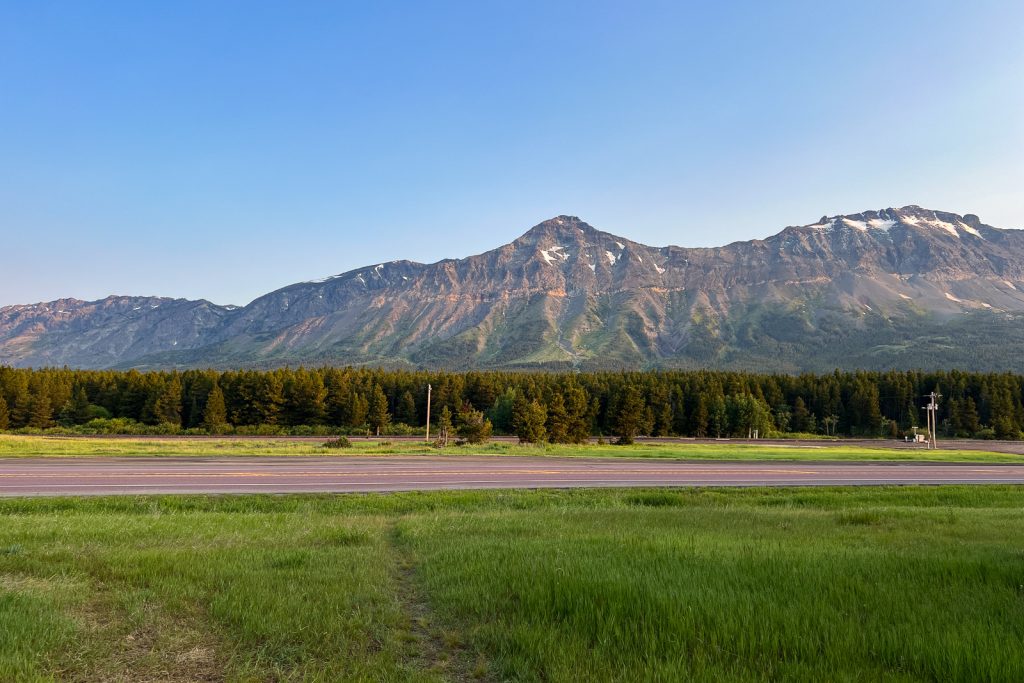
Highway 2 runs along the southern edge of Glacier and connects the park’s west and east entrances. It’s a gorgeous drive on its own, with a handful of pull-offs where you can stop and take it all in. It’s a good option if you’re looking for a less crowded way to get across the park.
38. Hike the Firebrand Pass trail
Firebrand Pass is one of Glacier’s more rugged and remote hikes, named after the massive 1910 wildfires that swept through Montana. The 10.3-mile trail starts in open meadows with views of Little Dog, Summit, and Calf Robe Mountains, then climbs through forest and wildflower-filled slopes before topping out at a windy pass with gorgeous views. Our local friends raved about this one being a hidden gem!
39. Look for mountain goats at the Goat Lick Overlook
Near Essex, you’ll find an easy pullout to watch mountain goats. They gather here to lick the exposed mineral cliffs, and it’s one of the most reliable places to see them without hiking. The best time to spot goats is spring and early summer when they’re more active in the area.
North Fork

The North Fork is one of the most remote corners of Glacier, reached by long gravel roads. Out here, you’ll find Bowman and Kintla Lakes, endless hiking trails, and the tiny town of Polebridge with its famous mercantile.
40. Relax by the shores of Bowman Lake
Bowman Lake is a long, narrow lake surrounded by mountains that is so pretty. There are no rentals here, so if you want to paddle, you’ll need to bring your own kayak or paddleboard. The day-use area has a small beach where you can launch from or just sit and enjoy the view.
41. Stop at Polebridge Mercantile for baked goods


A trip to the North Fork isn’t complete without stopping at the Polebridge Mercantile. This fun little outpost is known for its massive huckleberry bear claws, plus other baked goods, sandwiches, and pizza.
42. Go hiking in the North Fork
There are some solid trail options in the North Fork area, and if you’re up for a longer adventure, check these hikes out:
Numa Lookout (11.3 miles, 2,992 ft of gain): This hike climbs to a historic fire lookout tower built in 1933, where you’ll get panoramic views in every direction, including Bowman Lake stretching out below, the peaks of the North Fork Valley, and even Reuter and Kintla Peaks off in the distance.
Quartz Lake Loop (13.1 miles, 2,641 ft of gain): This loop trail takes you through forest and meadows before visiting three beautiful lakes: Quartz Lake, Middle Quartz Lake, and Lower Quartz Lake, which is framed by the gorgeous peaks of the Livingston Range.
Planning your trip to Glacier National Park

How to get to Glacier National Park
The closest airport to Glacier is Glacier Park International Airport (FCA) in Kalispell, about 30 minutes from the West Glacier entrance. You can also fly into Missoula (about 2.5 hours away) or Great Falls (about 2.5 hours from St. Mary).
Getting around Glacier National Park
Glacier is massive (over 1,500 square miles), so having a plan for how you’ll get around is a must. If you’re flying in, we highly recommend renting a car so you have the freedom to explore on your own schedule.
Free Park Shuttle
During summer (usually July 1 through Labor Day), Glacier runs a free shuttle along Going-to-the-Sun Road between the Apgar Visitor Center and the St. Mary Visitor Center, with plenty of stops in between. It’s a great option if your car is too long for the road or if you want to avoid the stress of parking. Just keep in mind the shuttles don’t start super early, so if you’re hoping to catch sunrise or get a jump on a big hike, having your own vehicle is still best.
When to visit Glacier National Park
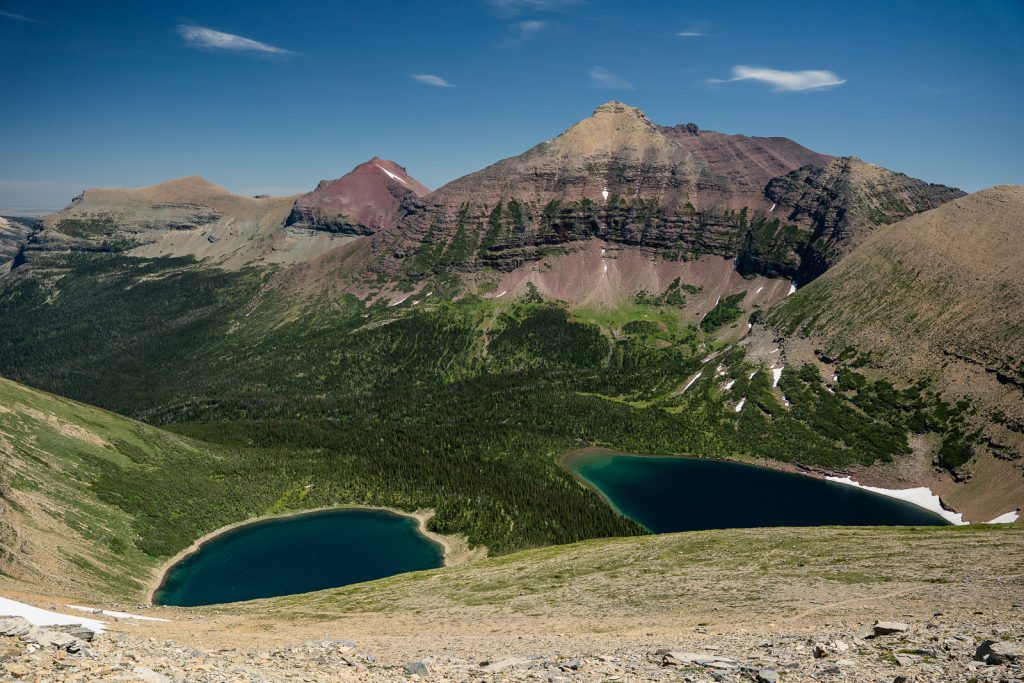
The park is technically open year-round, but the most popular time to visit is late June through mid-September, when Going-to-the-Sun Road is fully open. If you visit in May or early June, expect snow on many trails and closed sections of the road. Fall brings fewer crowds and gorgeous colors, but also colder temps and early snow.
How much time do you need in Glacier National Park?

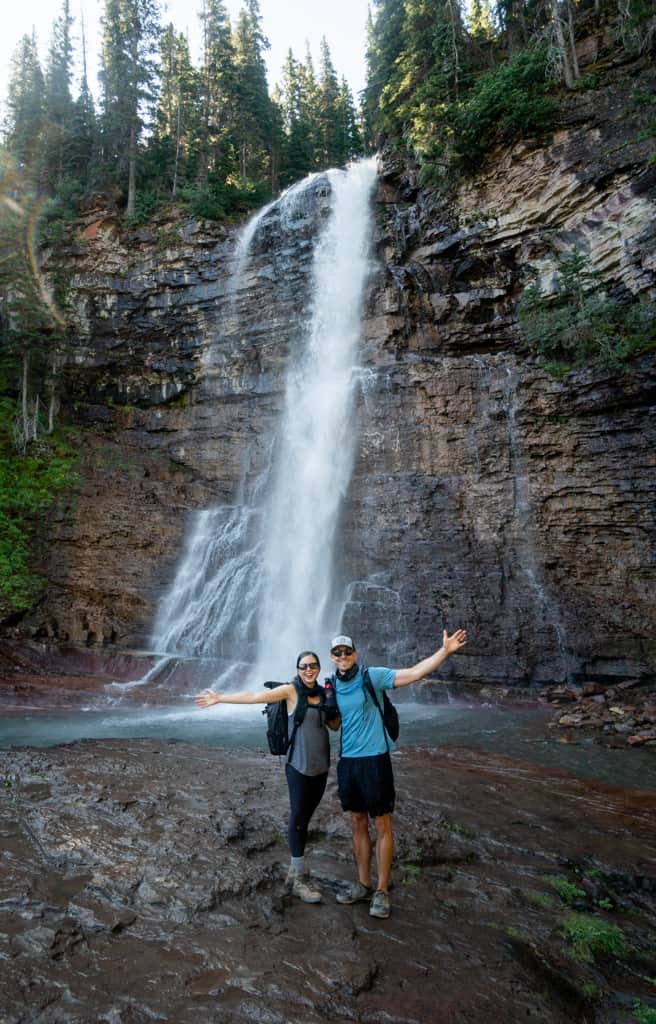
We suggest a minimum of 3 days to see the highlights, but if you want to explore every area of the park, like West Glacier, St. Mary, Many Glacier, and Two Medicine, plan for 5–7 days. This gives you time to do some of the bigger hikes without feeling rushed.
If you’re not sure how to fit everything into your trip, we put together detailed 3 day, 4 day, and 5 day Glacier National Park itineraries.
Where to Stay in Glacier National Park
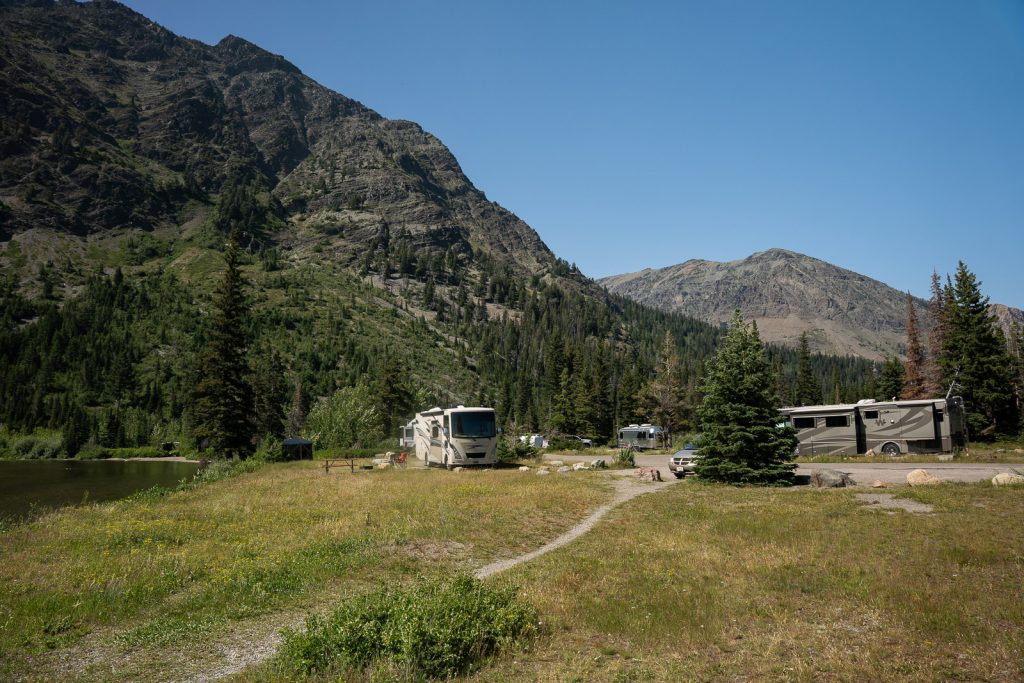
Glacier is big, and driving between the west and east sides takes time. To make the most of your trip, we recommend splitting your stay between the two sides of the park.
West side (Apgar/West Glacier area)
This is the most convenient base for Lake McDonald, Apgar, and the western half of Going-to-the-Sun Road. Options here include Apgar Village Lodge, Lake McDonald Lodge, plus various hotels and vacation rentals in West Glacier or Columbia Falls.
East side (St. Mary/Many Glacier/Two Medicine)
The east side gives you quicker access to some of the park’s best hikes. Popular options include St. Mary Village, Many Glacier Hotel, and Swiftcurrent Motor Inn. Vacation rentals are available in nearby towns like Babb and East Glacier.
Camping
If you’re into camping, Glacier has 13 campgrounds spread throughout the park. Many require reservations in advance (like Many Glacier and Apgar), while some are first-come, first-served. Reservations open up months ahead of time and book up fast, so plan early if camping is part of your trip.
But there are also many campgrounds outside of the park as well. We have stayed at both Mountain Meadow RV Park on the west side and Divide Creek Campground on the east side.
Things to Know Before Hiking in Glacier National Park
Park entrance fee
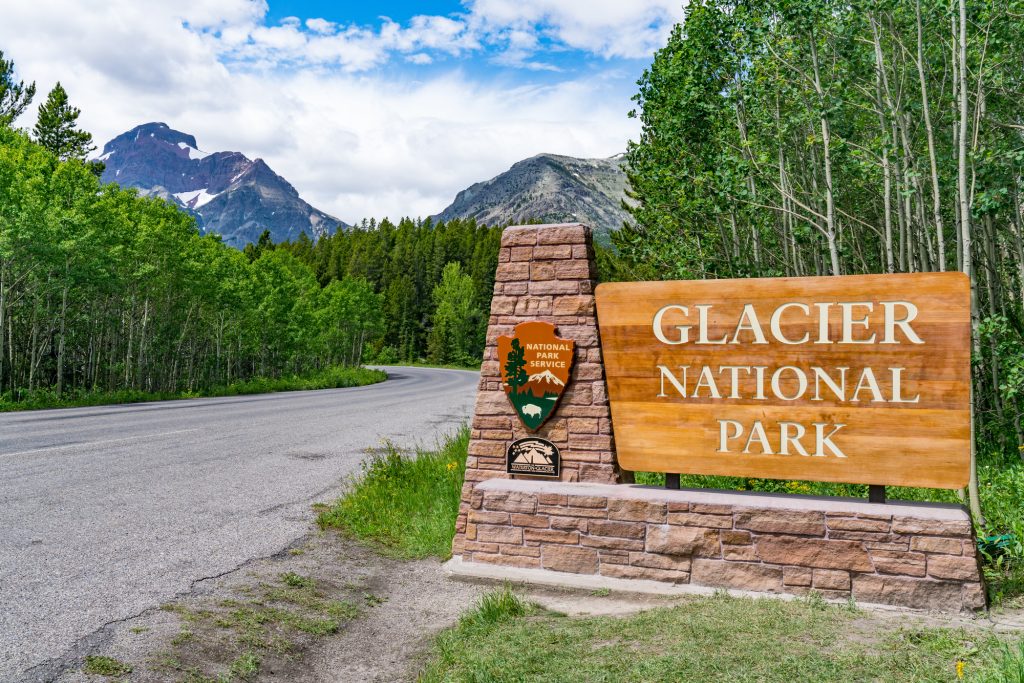
Glacier does require an entrance fee, which is $35 for 7 days. However, if you plan to visit multiple national parks within a year, we highly recommend theAmerica the Beautiful pass, which is $80 and covers all national parks, plus a ton of other federal lands.
Logan Pass Parking Time Limit
Starting July 1, parking for private vehicles at Logan Pass will be capped at three hours. The new limit is designed to improve turnover so more visitors have a chance to enjoy the area.
A three-hour window is enough time to hike to Hidden Lake Overlook, stop by the visitor center, or catch an interpretive program.
If you’re planning a longer hike that starts at Logan Pass, like the Highline Trail to Granite Park Chalet or down to the Loop Trailhead, you’ll need to secure a shuttle ticket.
Overnight parking will no longer be allowed at Logan Pass, except for permitted backcountry campers and registered guests staying at Granite Park Chalet.
Shuttle Tickets Need to be Purchased in Advance
In 2026, the shuttle system at Glacier National Park will offer express service to Logan Pass for visitors planning longer alpine hikes. These shuttles go directly to Logan Pass and won’t stop at Avalanche or allow boarding without a ticket.
Tickets will be released in two phases: some 60 days in advance starting May 2 at 8 a.m. MDT (rolling), and the rest at 7 p.m. MDT for next-day entry beginning June 30. They’re first-come, first-served through Recreation.gov or the call center, cost $1 each, and aren’t sold in the park.
Parking fills up fast
Popular trailheads like Logan Pass and Many Glacier are often full before 7 AM in the summer. Plan to arrive at sunrise or later in the afternoon if you don’t want to circle endlessly.
Vehicle restrictions
The Going-to-the-Sun Road has length and width limits, which means oversized RVs and trailers aren’t allowed. Double-check the rules before you head up if you’re in a large vehicle.
Be bear (and wildlife) aware
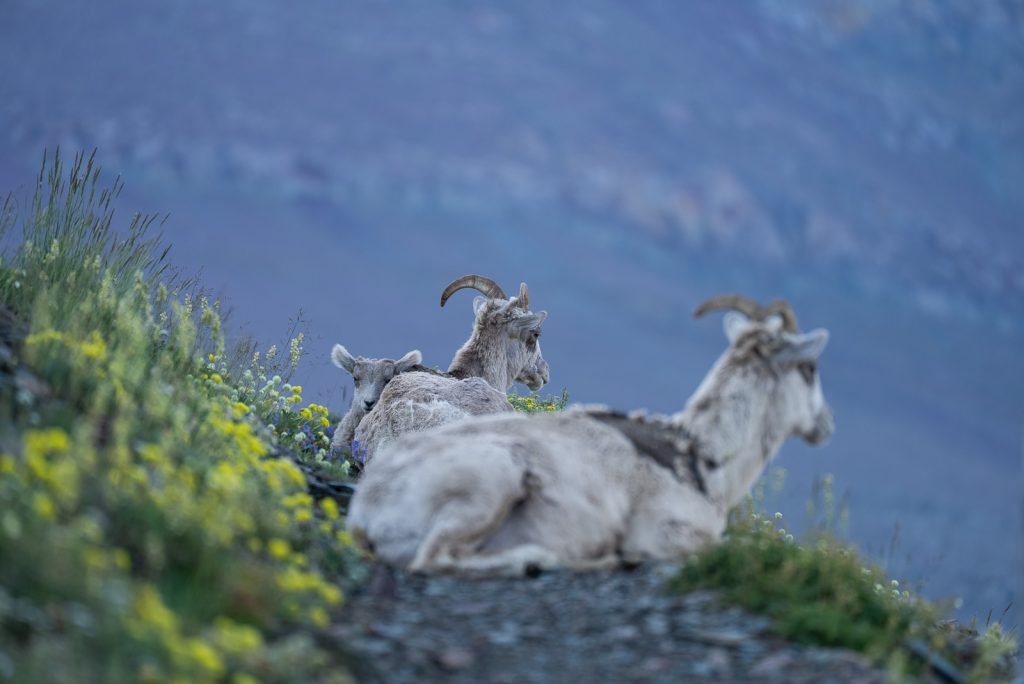
Both black bears and grizzlies live in Glacier, and while encounters are rare, there’s a decent chance you’ll spot one during your visit. Make sure you know what to do if you see a bear and always carry bear spray when hiking. Glacier is also home to moose, mountain lions, mountain goats, and bighorn sheep, so keep a safe distance from all wildlife.
Trail closures
Because of wildlife activity, trails can close temporarily with little notice. We’ve had this happen multiple times due to bears, so always check trail closures at the visitor center or on the park’s website before setting out.
Download maps beforehand
With little to no service in the park, we highly recommend downloading AllTrails maps before you go. You will need an AllTrails Plus membership to do so, which is $35.99 a year and so worth it! Use our code aplusk30 for 30% off.
No dogs on trails
Pets aren’t allowed on any trails in Glacier. If you’re traveling with a dog, you’ll need to have a plan for them while you’re out hiking.
What to Bring to Glacier National Park
Good footwear
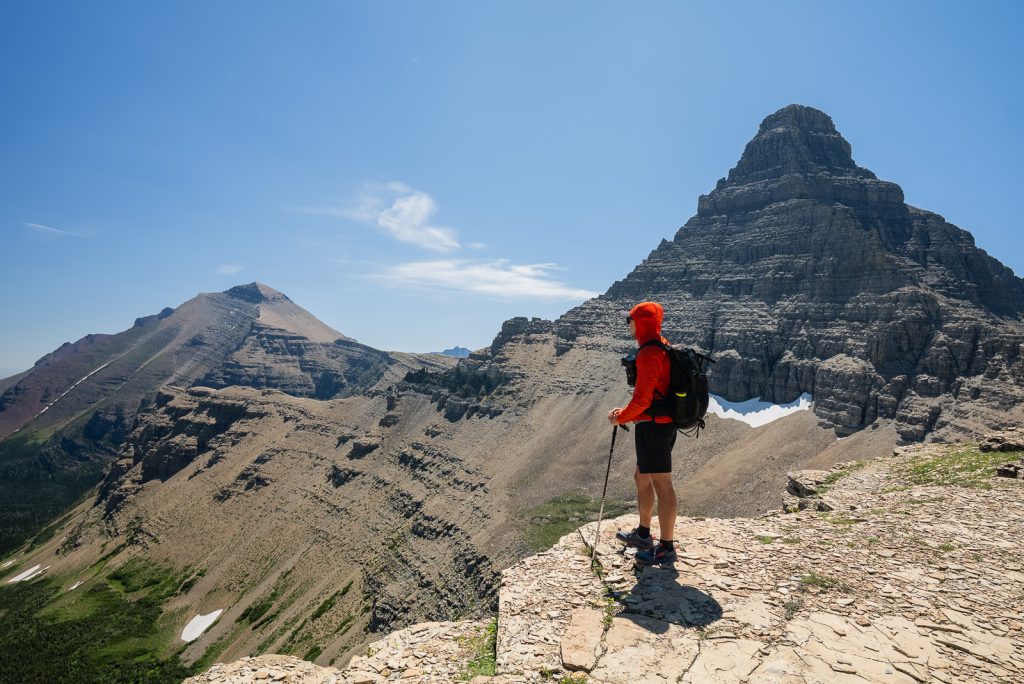
Trails can be rocky, muddy, or even snowy at higher elevations, so sturdy shoes are a must. We both wear Altra Lone Peak trail running shoes and love how lightweight and grippy they are.
Layers
The weather can change fast in Glacier. A moisture-wicking base, a warm mid-layer, puffy jacket, and a waterproof rain shell will cover just about anything the park throws at you.
Sun protection
The sun is strong at higher elevations, even on cooler days. A sun hoodie, hat, sunscreen, and sunglasses are must-haves!
Snacks and lunch
Pack easy foods like bars, trail mix, or sandwiches. (We even wrote a post with all our favorite hiking snacks if you need ideas!)
Plenty of water
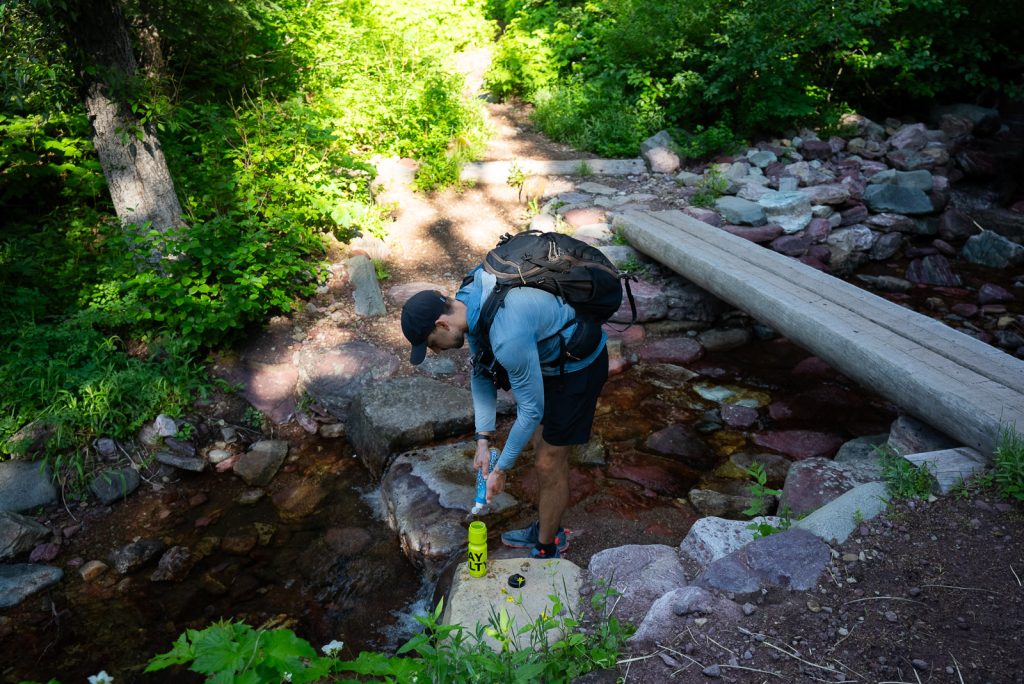
Plan for at least 2–3 liters per person. We usually bring a 3-liter CamelBak plus a Katadyn BeFree Water Filter Bottle so we can refill from streams on longer hikes. And since many hikes are long and exposed, we suggest packing electrolytes to add to your water. LMNT is our favorite and if you use this link you’ll get a free sample pack with any order!
Daypack
You’ll want something big enough to hold food, water, and layers without weighing you down. We’ve used the REI Trail 40 Pack for years, and it’s been perfect.
Hiking poles
Optional, but super helpful for steep climbs and long descents. We use the Black Diamond Distance Z trekking poles.
Headlamp
Even if you don’t plan to hike late, it’s worth having a headlamp just in case.
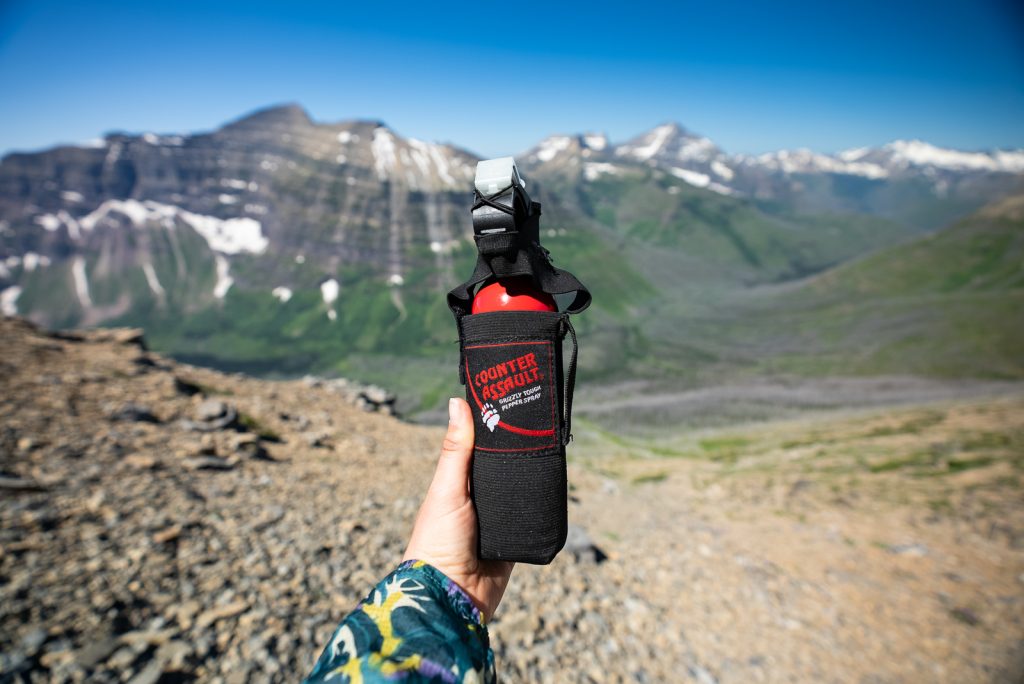
Bear spray
Bear spray is a must in Glacier. Keep it somewhere easy to grab and make sure you know how to use it.
A+K Tip: You cannot fly with bear spray, so if you are flying to Glacier, make sure to buy bear spray when arriving. Or you can rent it, which is much cheaper. Bear Spray Shack has 24/7 bear spray rentals at various locations around the park.
First aid kit
Just a small first aid kit with bandages, blister care, and any personal meds.
Bug spray
Mosquitos can be rough in early summer, carry some bug spray.
Camera
You’ll definitely want one for the views! Check out our camera gear here.
Cash
If you do a guided activity like rafting or horseback riding, it’s nice to have cash to tip your guide.
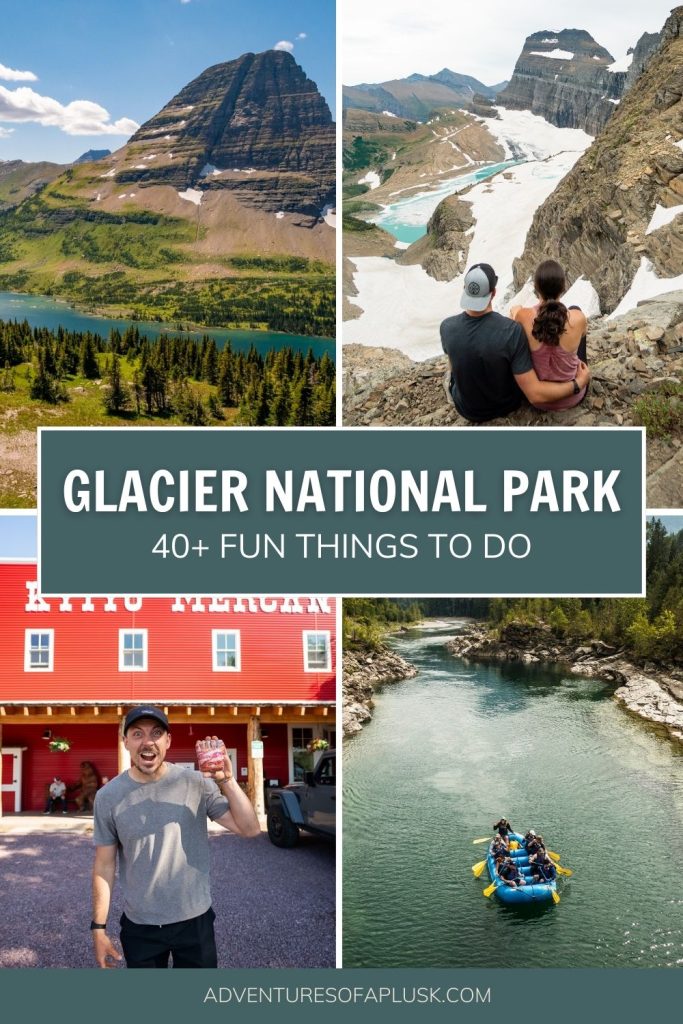
Save this guide with the best things to do in Glacier National Park
About the Author
This blog post was written by our writer Nicoll. Learn a bit about her below!
After six years of full-time travel, Nicoll is now a mountain-loving mama living in Colorado with her husband Jake, their sweet baby girl Teagan, and their pup Gunner. She loves hiking, riding her dirt bike, and finding joy in the little things.