Last updated on May 27th, 2026
Tokyo can be a bit daunting for first timers. We’re sharing all of our Tokyo tips to help you experience the city with ease!
If you’re like us, Tokyo will be your first introduction to Japan. And experiencing Japan for the first time in one of the busiest cities in the world can feel a bit overwhelming! As you plan your trip you may be asking yourself these questions: “What airport is best to fly into?” “How do I get to the city from the airport?” “Where should I stay?” “How much time do I need in Tokyo?” Plus so much more!
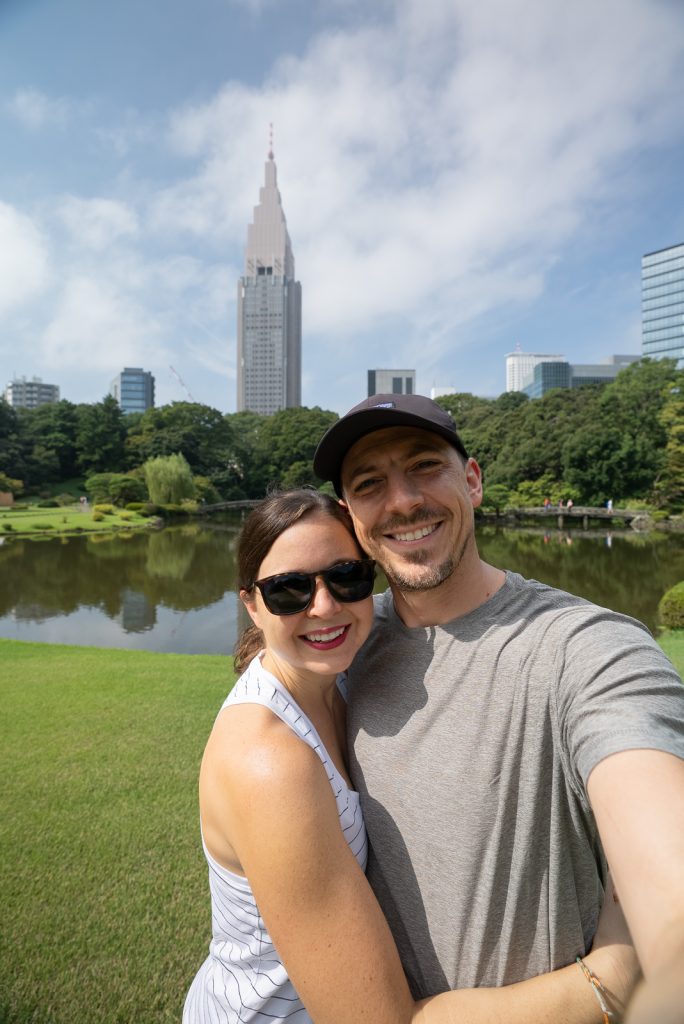
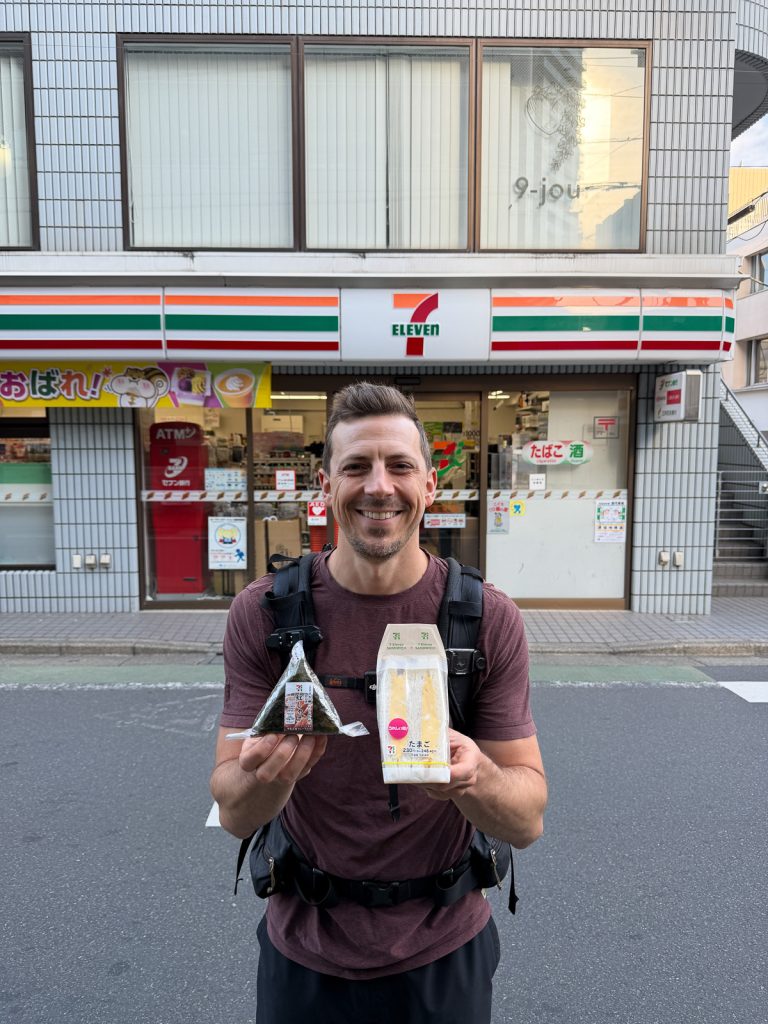
But we’re here to help! In this guide we’re sharing how to visit Tokyo for first timers, including how to get around, where to stay, and how to be a respectful visitor. As well as lots of tips you may not have even considered, but will really impact your experience!
- How to get to Tokyo
- Getting around Tokyo
- When to visit Tokyo
- How many days do you need in Tokyo?
- Where to stay in Tokyo for first timers
- Our top tips for Tokyo first timers
- Plan ahead for some attractions
- Take your trash with you
- Carry cash
- Follow proper public transportation etiquette
- Act respectful at religious sites
- Wear comfortable shoes
- Coffee shops do not open early
- Download offline Google Translate
- Use Tabelog to find restaurants
- Plan enough time for dining queues
- Stick to one or two areas per day
- Arrive early at popular sights
- Save room for souvenirs
- Buy a book for stamps
- Do not tip
- Beware of scams
- Walk on the left
- Looking for more Japan travel tips & guides?
- Save this guide with our top tips for Tokyo first timers
How to get to Tokyo
Which airport to choose
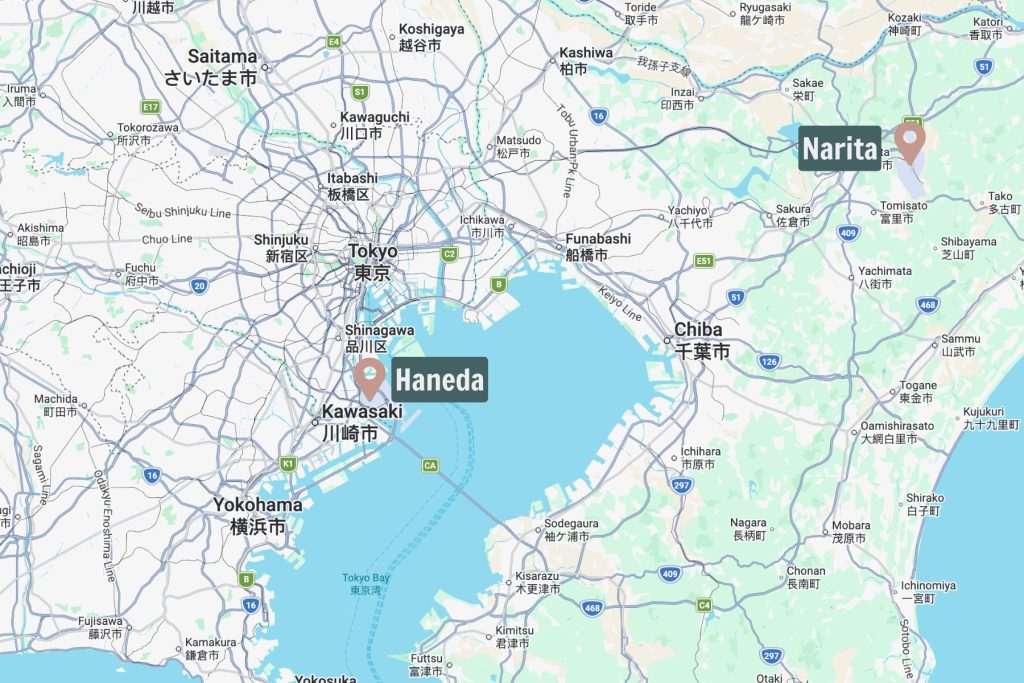
Tokyo is home to two airports: Haneda Airport (HND) and Narita International Airport (NRT).
Haneda is located about 26 km (16 miles) south of the city, while Narita is located about 79 km (49 miles) northeast of the city. So for the ultimate convenience, Haneda is the best pick. However, depending on where you’re coming from, you may find more options flying into Narita.
If you have similar options for both airports, choose Haneda. But if Narita is cheaper, we think it’s worth saving money and just spending a little extra to get into the city. We personally flew into Narita, as it had the best flights for us.
Regardless of which airport you fly into, if Tokyo is your entrance point into Japan, you will need to fill out an immigrations and customs form. We got these on our flight and filled them out, but you can also fill it out on Visit Japan Web. Our wait in line was decently long, so there was enough time to do this, but to be safe, we’d suggest doing it in advance.
Getting from the airport to the city

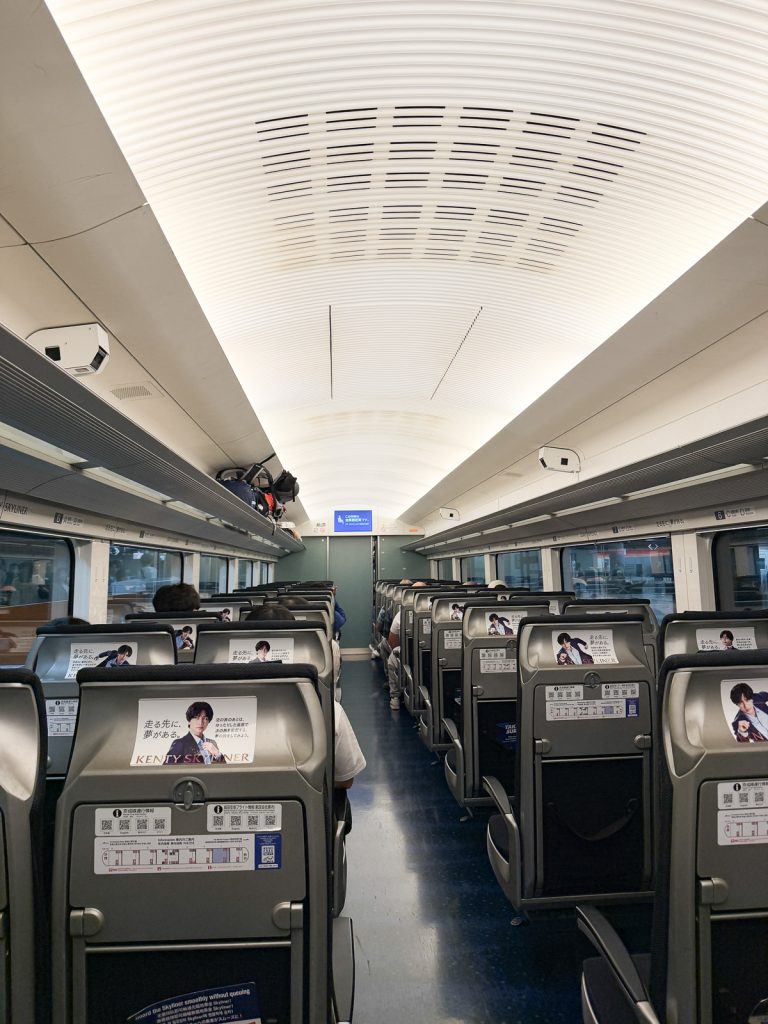
From Narita
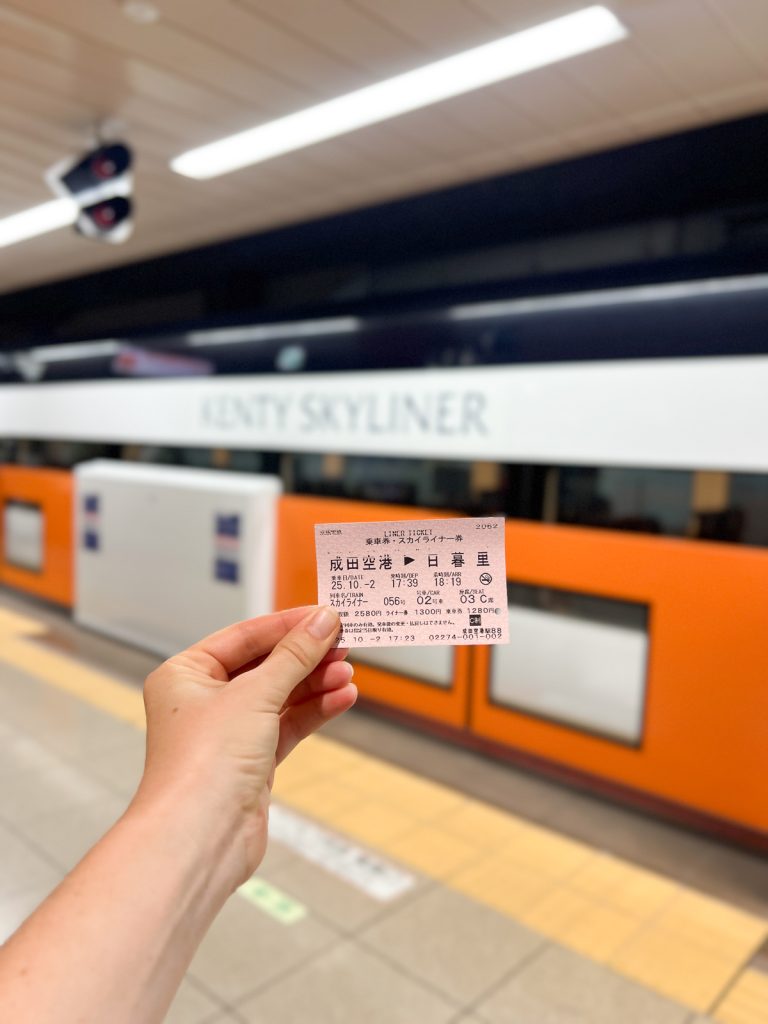
From Narita, you can take local trains or buses, but we suggest hopping onto either the Narita Express or the Keisei Skyliner. The Narita Express stops at Tokyo Station, Shibuya, and Shinjuku, taking up to 1.5 hours if going all the way to Shinjuku. The Keisei Skyliner goes to Nippori and Ueno and takes about 45 minutes. If you’re staying on the west side of the city, you will have to take additional transportation the rest of the way.
We took both during our time in Tokyo and ultimately the best one to choose is the one that is leaving the soonest after you land. They typically run every 30-60 minutes. Just make sure to account for enough time to buy your ticket!
And to get your ticket, look for the kiosks and ticket counters in the basement of the airport. We found the ticketing to be a bit confusing, as they have a base fare and an express fee, plus they may not go to your final destination. So we suggest going to a counter or finding a representative to help you get the correct ticket.
Want to avoid the trains? You can also take the Narita Airport Limousine Bus! While you can book in advance, it’s also possible to get tickets at the airport.
From Haneda
To get from Haneda to Tokyo you have a few options as well! The Tokyo Monorail runs from the airport to Hamamatsucho Station. It only takes 15 minutes! From here, you’ll hop on a more local train to get to your hotel.
You can also take the Keikyu Airport Line to Shinagawa Station (11 minutes!) and then transfer to another train to get to your lodging.
And similar to Narita, there is also a Haneda Airport Limousine Bus, which you can book in advance or get tickets when you land.
Consider forwarding your bags
If you’re traveling with a lot of luggage, you may want to use a bag forwarding service to get your bags from the airport to the hotel. There are a handful of services that offer this, with Yamato Transport having locations in both airports.
We personally did not do this, but if you’re traveling with those with mobility issues or with children, this may be helpful to free up some hands!
Get travel insurance
Before any international trip we always buy travel insurance. Not only will this help cover us in case of travel delays or lost luggage, but also for any medical issues. Our personal favorite is SafetyWing! We use their Nomad Insurance plan before any international trip and have had to file a claim once when Kathryn got a skin infection. It was super easy and they reimbursed us quickly!
Getting around Tokyo
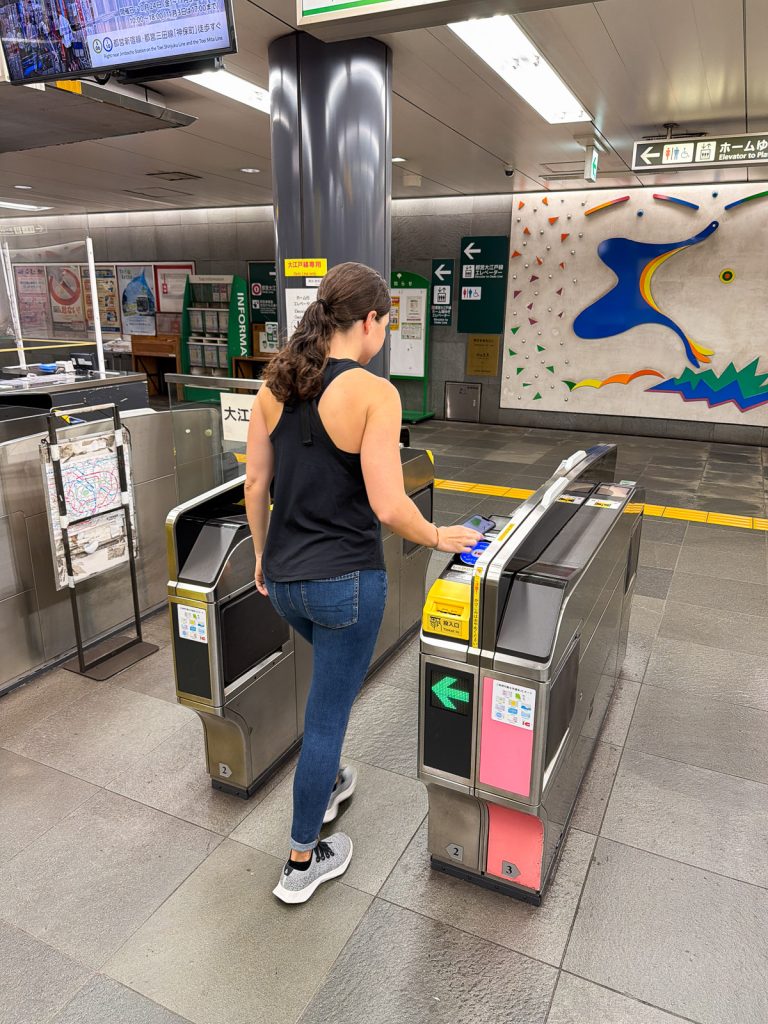
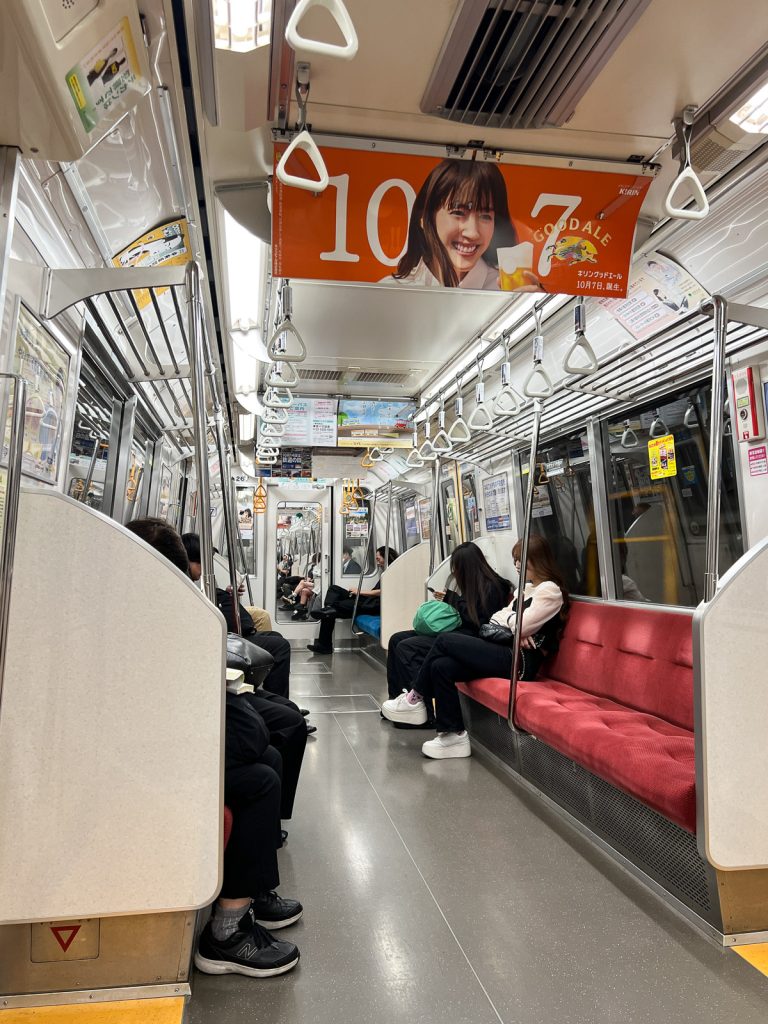
Alright, you’ve successfully made it into Tokyo from the airport! But how do you get around once in the city?
Luckily, Tokyo is known for having an amazing public transportation system, with tons of train and bus routes! Whenever something was too far for us to walk to, we’d just hop onto a bus or a train.
Use Google Maps to decide your route
To figure out which was our best transportation option, we relied on Google Maps! Not only will Google Maps let you know which method to use (and where to go to catch it), but for trains, it will even tell you what platform to go to, which train car is the best one for the fastest transfer or exit, and what exits to use. It makes it so much easier to figure out where to go!
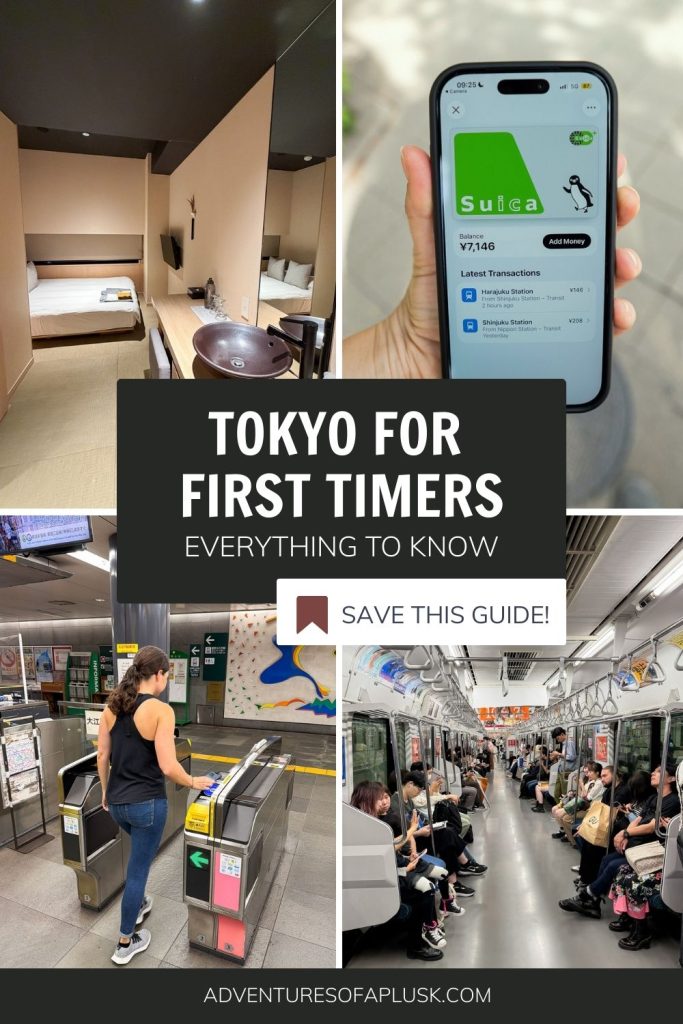
Get a Suica or PASMO Card
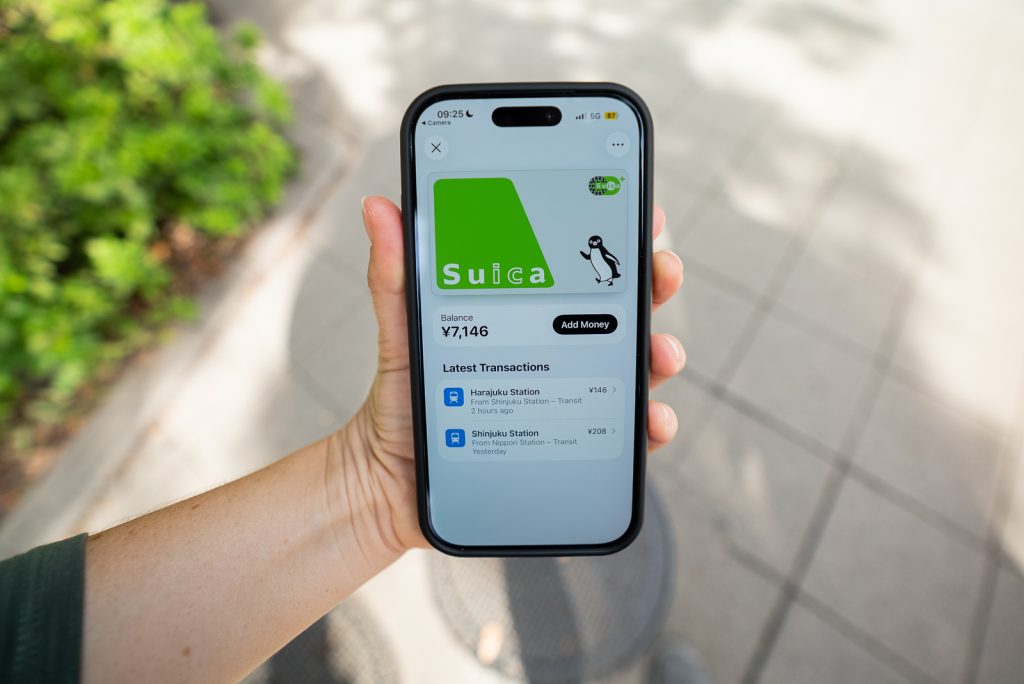
To pay for public transportation you will want to get a Suica Card or a PASMO Card. You can either get a physical card or add it to your Apple Wallet, which is what we’d recommend. Here’s how to do it:
- Open your Apple Wallet
- Click the + sign at the top
- Click “Transit Card”
- Search for Suica or PASMO and then add a new card
You can then add money to the card right from your phone at any time. And to pay, you will just tap your phone. You don’t even have to unlock your phone…it is SO easy and convenient!
Make sure to get an eSIM
If your phone plan from back home doesn’t include international data, make sure to get an eSIM so you can always access Google Maps and other important apps.
An eSIM is a SIM card that you can download to your phone, no physical SIM card needed! You can get an eSIM for a specific country or for an entire region, making it extra easy to use if you plan to hop between countries in Asia.
We personally have used Airalo for eSIMs and if you want to try it for your trip to Tokyo, use our code AK3 for $3 USD off your first eSIM!
When to visit Tokyo
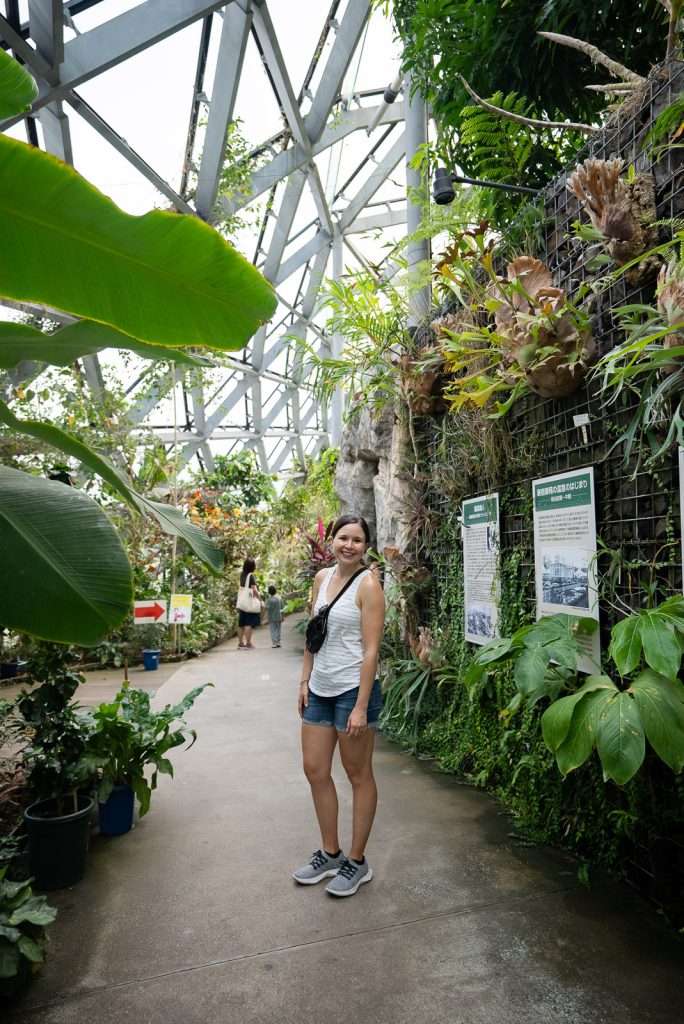
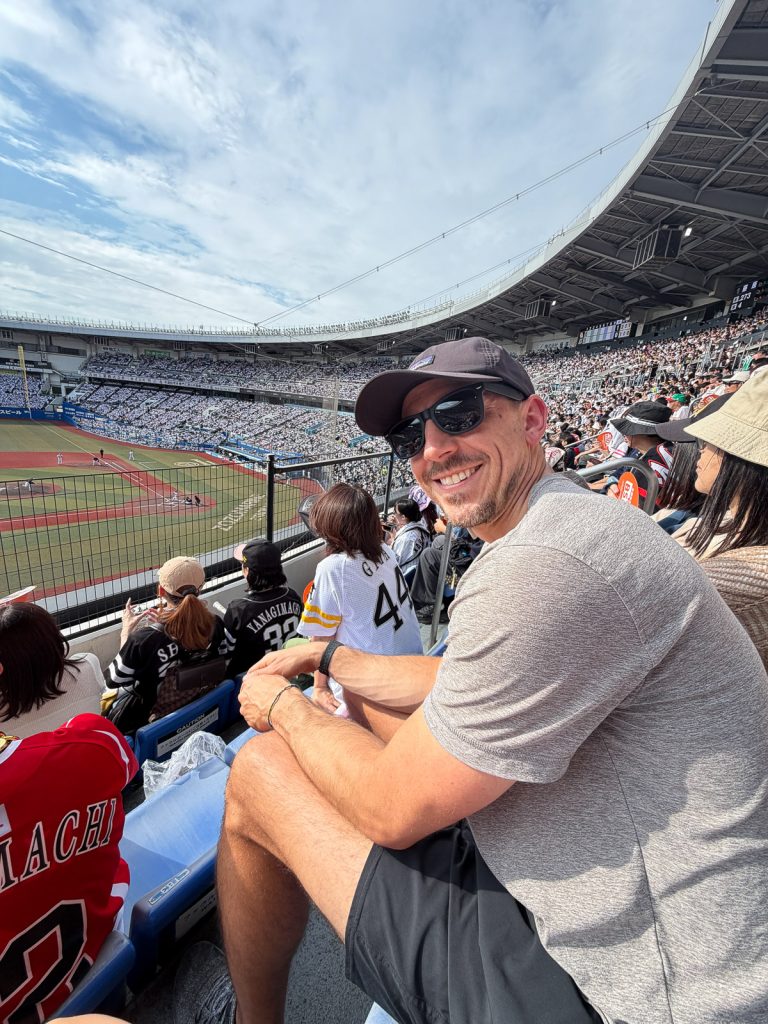
Tokyo can be visited year-round, but the best time for you to visit will depend on a few factors, including where else you’re going during your Japan trip.
Winter in Tokyo is cold, but nowhere near as frigid as other areas of Japan. If skiing or snowboarding in nearby Hakuba or up in Hokkaido is your goal, or if you only plan to explore Japan’s cities, this can be a good time to visit!
Spring is one of the most popular times to visit Japan, as its sakura season! From late March through early April, the city (and surrounding areas) will be filled with colorful pink cherry blossom trees. While this is a very beautiful time to visit, it’s also extremely busy. So keep that in mind if you choose to visit Tokyo then!
If we had to choose one season to avoid it would be summer. One thing you may not know or expect is that Tokyo can get very hot and humid in the summer. Even in early October, when we visited, it was still pretty muggy and warm in the city. If your goal is to do a lot of hiking in the Alps and visit beaches, the summer may still be worth it, but if you’re only visiting Tokyo and other cities, we’d suggest not visiting during this time.
We personally visited Japan in the fall and highly recommend it!! While it was still pretty warm in Tokyo in early October, the rest of the country had moderate temperatures. Plus we were able to see amazing fall foliage and still go hiking in the Japanese Alps and experienced few crowds at the coast. If your trip mostly consists of Tokyo and other cities, we suggest visiting in late November for the best weather and the best foliage. But if you’re adding on the Japanese Alps, we suggest going in early October, as that’s when foliage is the best!
How many days do you need in Tokyo?
There are so many fun things to do in Tokyo. You could spend weeks upon weeks here and not see it all! But for Tokyo first timers who want to see the major highlights, we recommend between 4-5 days! You could do less, but you would have to skip some of the top spots.
Want a ready to go itinerary? Our 4 day Tokyo itinerary will allow you to explore its most popular districts, visit temples and shrines, try lots of local eats, wander through nature and immersive art, and have some unique experiences.
Where to stay in Tokyo for first timers
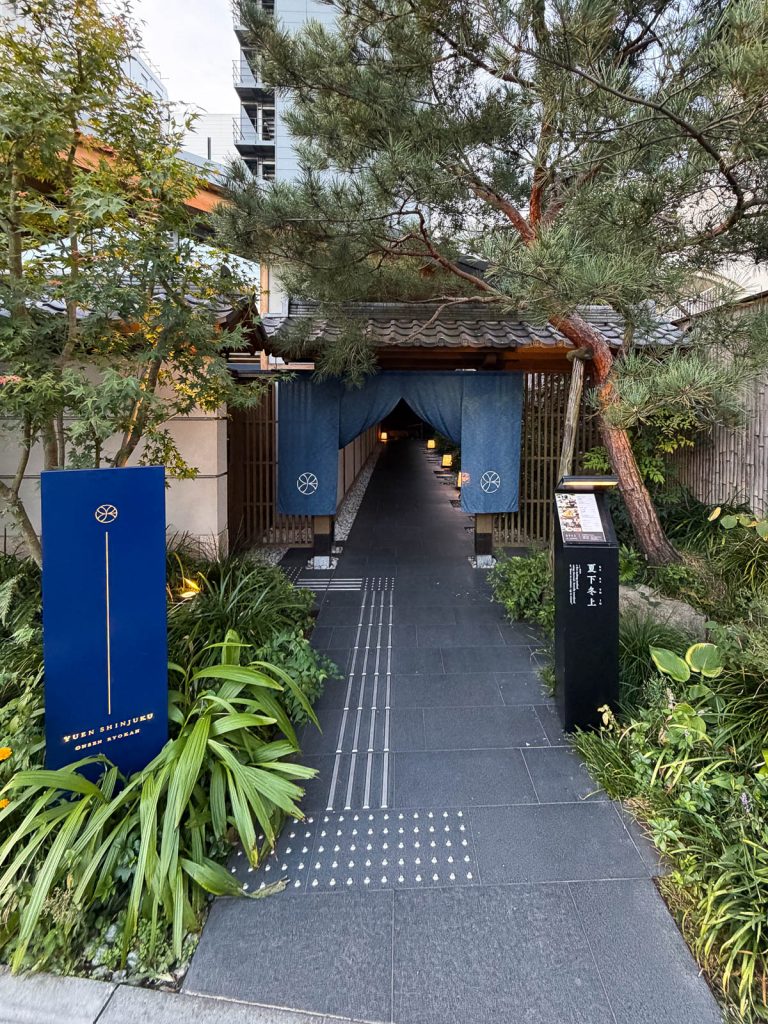
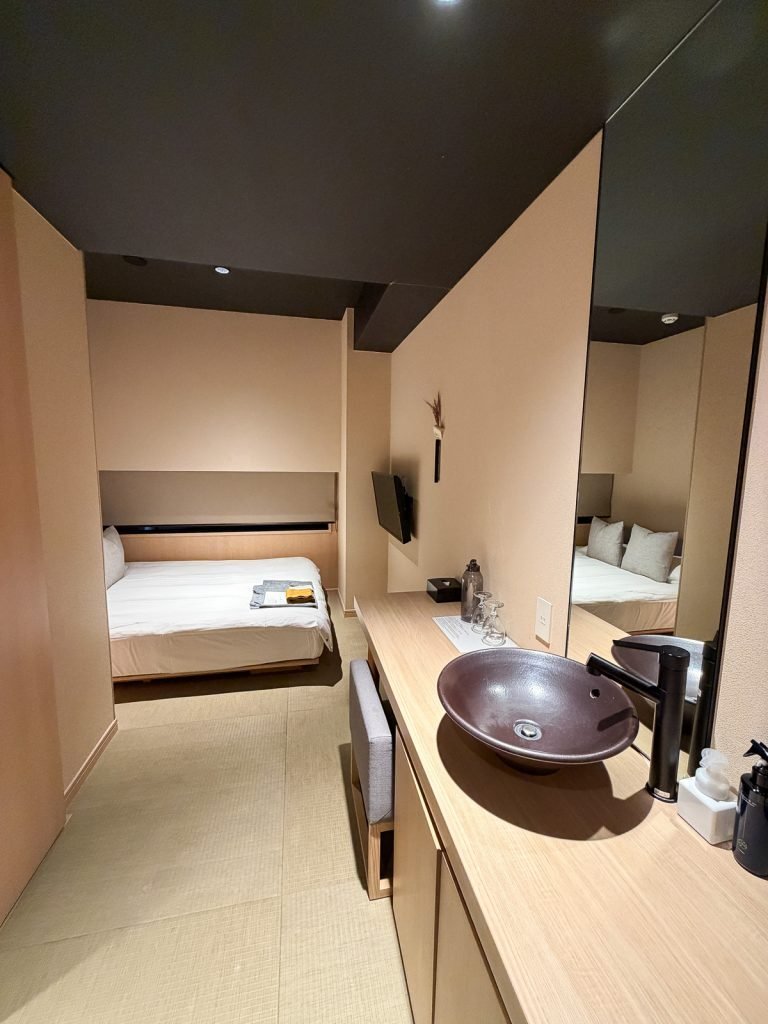
One of the toughest decisions when planning our trip to Tokyo was figuring out where to stay. The city is huge, with many neighborhoods to explore and not one obvious area to stay in, unlike some cities. And the right spot for you depends on quite a few factors!
So to help you decide, we have put together a detailed guide on where to stay in Tokyo. We cover the major areas to choose from and who they are best for, list specific lodging options, and also share things to consider as you decide.
A+K Tip: A couple things to be aware of regarding lodging in Tokyo is that hotel rooms can be very small and they can also be very expensive! We personally spent around $170 per night for a mid-range hotel in Shinjuku and while our room was very nice, it had limited space to store belongings.
Our top tips for Tokyo first timers
Beyond planning your trip logistics, there are a lot of little things to know before visiting Tokyo. These range from tips to help ensure you can visit the attractions you want to see, important cultural norms, and lessons we learned during our own visit.
Want even more Japan travel tips? Check out our guide with even more tips for Japan first timers, that span beyond Tokyo itself! (coming soon)
Plan ahead for some attractions

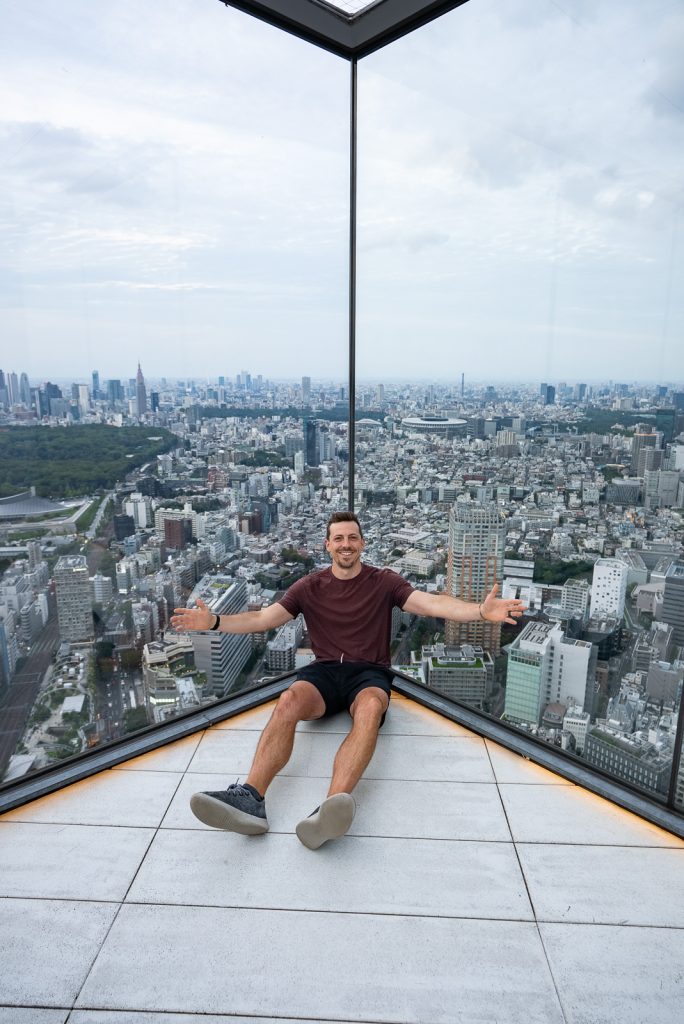
If your goal is to just wander the streets and hit up free sights in Tokyo, you can definitely wing it a bit. But if you want to visit some of the city’s top attractions, like Shibuya Sky and TeamLab Borderless or Planets, you will need to plan ahead, as tickets for specific timeslots can sell out.
Make sure to check when tickets release for any specific activities you want to do so you don’t miss them! For example, for Shibuya Sky, tickets go on sale two weeks beforehand at midnight Japan time and the sunset times sell out within minutes.
Take your trash with you
Public trash cans (such as on the sidewalks, in parks, etc) are not common in Japan. You are expected to take your trash with you and dispose of it at home or at your hotel. So please do not litter!
If you visit a konbini (convenience store), they usually have trash cans for customers, so you can throw away your trash here. We also suggest keeping the bags you get to use as trash bags if you need to carry items in your backpack for a long time.
We also suggest bringing a reusable water bottle! Not only is this better for the environment, but it also saves you from having to carry around a lot of empty plastic water bottles. The tap water in Japan is safe to drink!
Carry cash
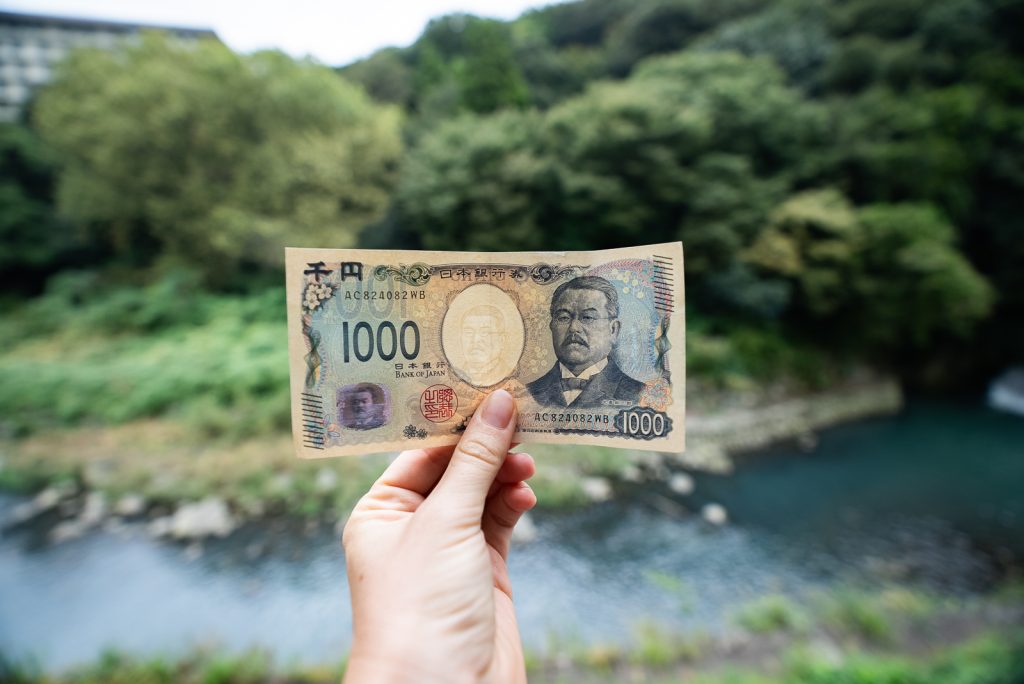
Most businesses in Tokyo accept credit cards and even IC cards (like Suica and PASMO). But markets, vending machines, and some smaller restaurants, may be cash only. So make sure to always have some handy! We often would just go to the ATMs at the different konbinis, like 7-Eleven, Lawson, and Family Mart.
Want to avoid ATM fees? We have a Charles Schwab checking account specifically for international travel. They refund ATM fees from ANY ATM worldwide! This gave us lots of freedom to use whichever ATM was most convenient.
When we could use a credit card in Tokyo, we used one of our travel credit cards to earn points and miles for future trips. Curious which ones we use? Learn more about our favorite travel credit cards.
Follow proper public transportation etiquette
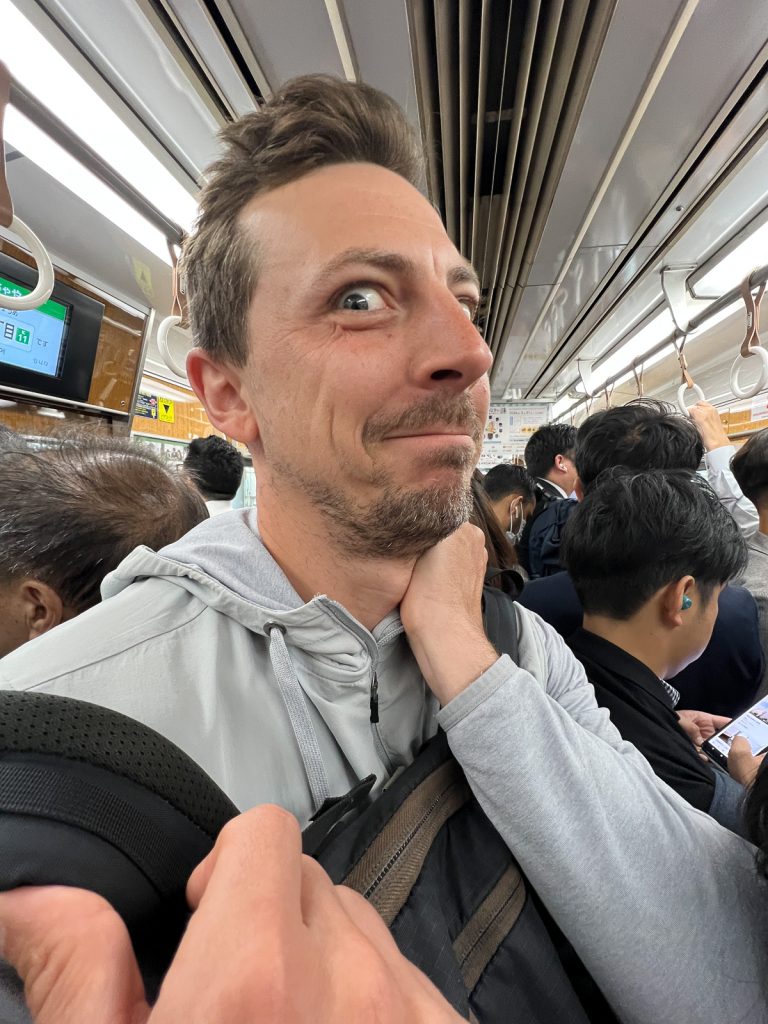
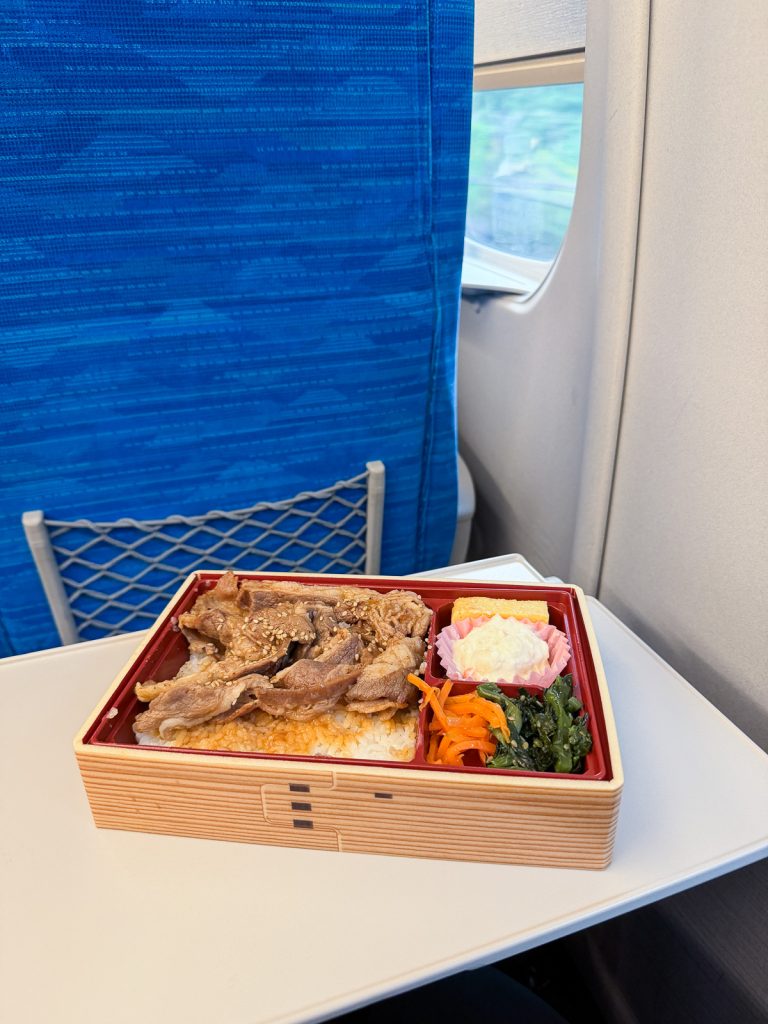
There are quite a few important rules when traveling around Japan on public transportation. All of these are easy to follow, but may not be something you’re used to and could unintentionally break.
First, Japan is a very orderly society and one thing you will notice is that people line up for trains, instead of just forming a large group and rushing on. So as you wait for a train to arrive, please stand in line with others. Make sure to let people get off the train before you start getting on as well!
You may have also heard that Japan is a quiet country. And we can confirm it’s true, especially on public transportation. It was wild to be in a packed train and really only hear the sound of the train moving. So when visiting, please be respectful and keep your speaking volume low. Don’t be the tourist that is talking very loudly on an otherwise quiet train. 😬
It is also not proper etiquette to eat or drink on public transportation. The exception to this is the Shinkansen (bullet train), where bento boxes (ekibens) are popular to enjoy during the ride. You may also notice women only cars for specific hours of the day. Pay attention to this signage and find a different car if needed.
Lastly, one tip we did NOT know, but quickly learned when entering a packed train, is to wear your backpack on your front to help make more space for others.
Act respectful at religious sites
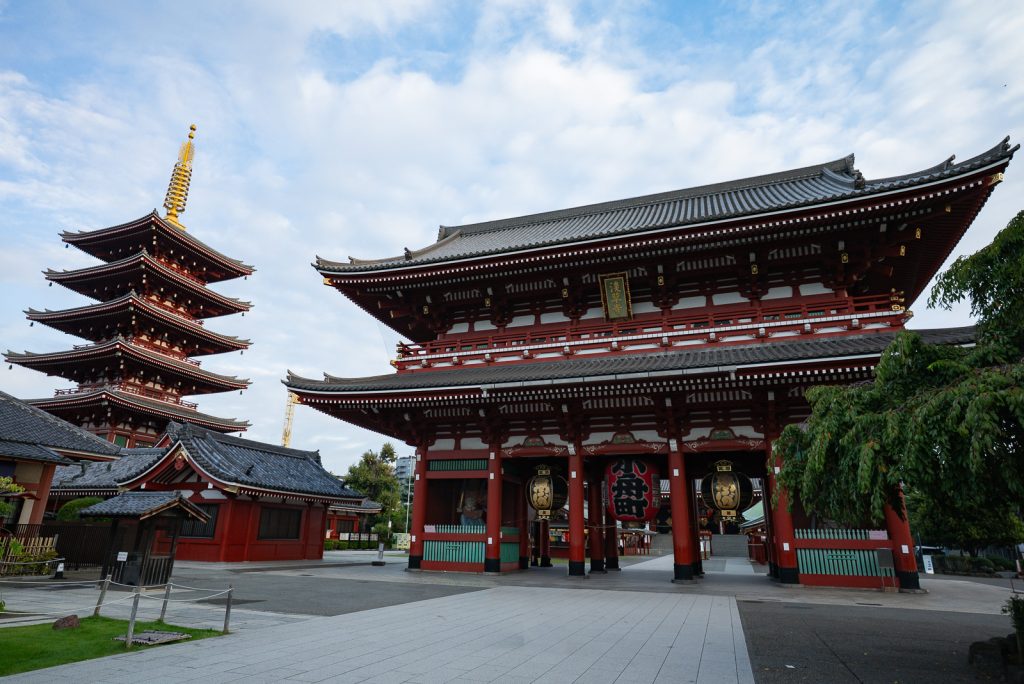
Religious sites are also quieter destinations in Japan, so when visiting temples and shrines, please speak quietly. Additionally, many religious sites will have areas where taking photos or videos are not allowed. Please respect these signs and follow the rules!
Wear comfortable shoes
You will be doing A LOT of walking in Tokyo. Even with taking the trains around, we still walked over 40 miles. So having comfortable shoes is key to making all of the walking a bit more bearable. We personally wore our Altra Lone Peak trail runners (Adam’s, Kathryn’s) since we were packing light. But for comfortable everyday shoes we love our Allbirds!
Coffee shops do not open early
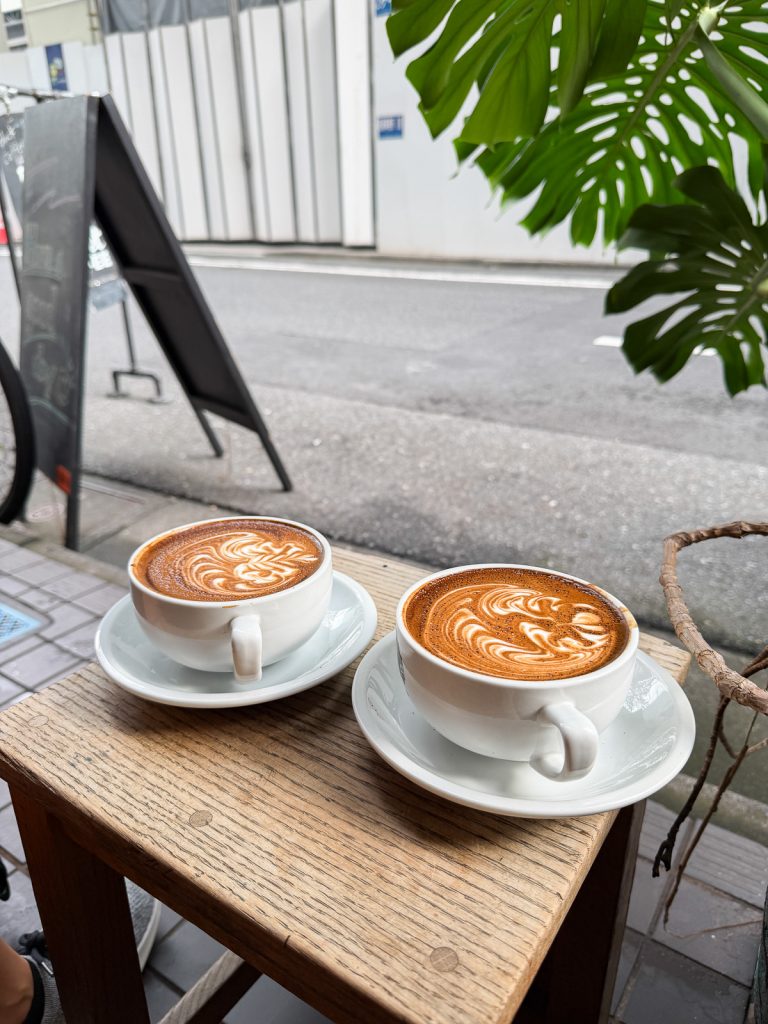
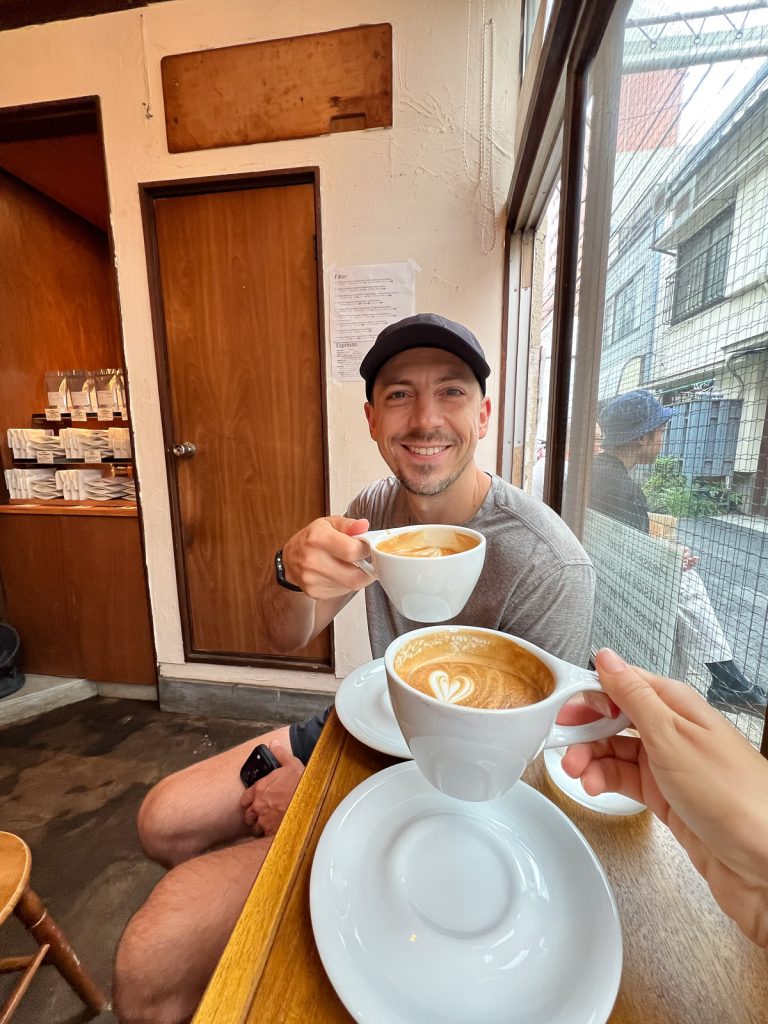
For the coffee lovers, it’s very important to know that most coffee shops do not open until 9 AM or later. So if you’re like us and are out early, you will need to swing by a konbini to get coffee to hold you over. Konbinis are also a great spot to grab a cheap and easy breakfast!
Download offline Google Translate
We found that most people in Tokyo spoke some English (less so in the countryside), but we still recommend having Google Translate downloaded. The biggest issues we had with Japanese tended to be signs and menus. Using the app’s photo feature helped a lot with translating those!
Use Tabelog to find restaurants
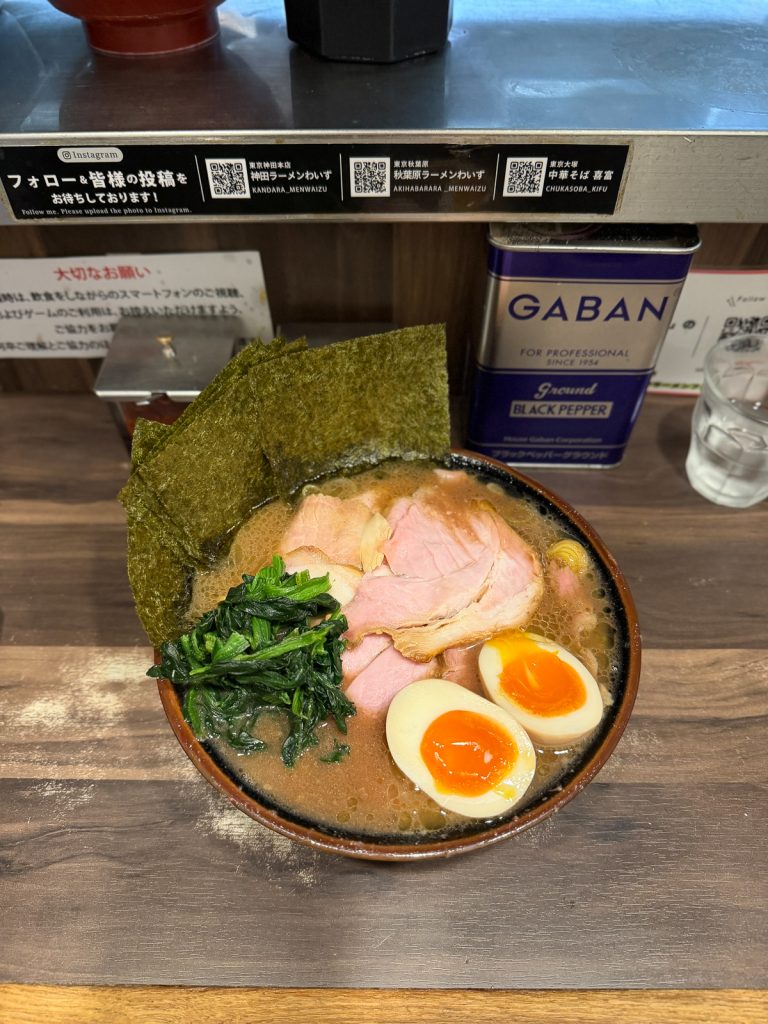
When looking for restaurants in Tokyo (and in Japan in general), use Tabélog! This is Japan’s top restaurant review website, with over 886,000 restaurants. While we typically shoot for as close to 5 stars as possible on Google Maps, we had read that on Tabélog, anything over 3.5 is considered to be really good!
Plan enough time for dining queues
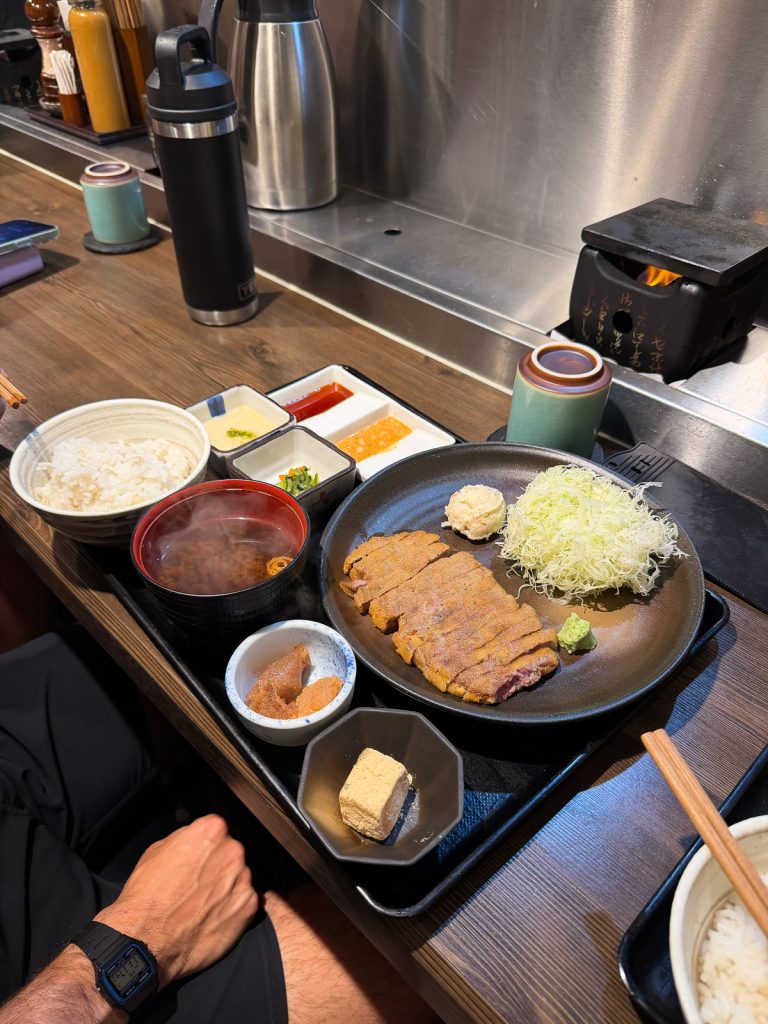
One of our top Tokyo tips for first timers is to plan enough time for dining queues. Many restaurants in Japan are very small, with some just having a counter to sit at. While restaurants have efficient service, it can still lead to long wait times. This is especially true if you choose to dine at an especially popular spot. We tried to visit one ramen shop and the line was 1.5 hours, even shortly after opening, which unfortunately we did not have time for.
So make sure to either reserve a table in advance (if possible) on Tabelog or account for enough time for longer dining queues in your Tokyo itinerary. Arriving right before a restaurant opens or going at an off peak time does help a bit.
Also, one important thing to know is that some spots require you to physically wait in line, while for others you grab a number to secure your spot in line and then can walk around while you wait. This is especially nice if the restaurant is in a mall or close to shops.
Do not eat while walking
It is considered rude to eat and walk in Japan. At places like Tsukiji Outer Market, some stands will have seating. But if they do not, just stand outside of that specific stand and eat it real quick. The same applies for grabbing a snack at a konbini, make sure to stand outside and eat it before you continue exploring.
Everyone may need to order food
Because many restaurants have limited seating, it’s expected for everyone to order food. Some restaurants do have a minimum you have to order as well, so plan your stomach space accordingly!
Stick to one or two areas per day
One of our top Tokyo tips when planning your itinerary is to focus on 1-3 different neighborhoods per day. This allows you to explore areas a bit more in-depth, avoid spending too much time traveling between places, and it makes the city feel a bit more manageable!
Arrive early at popular sights
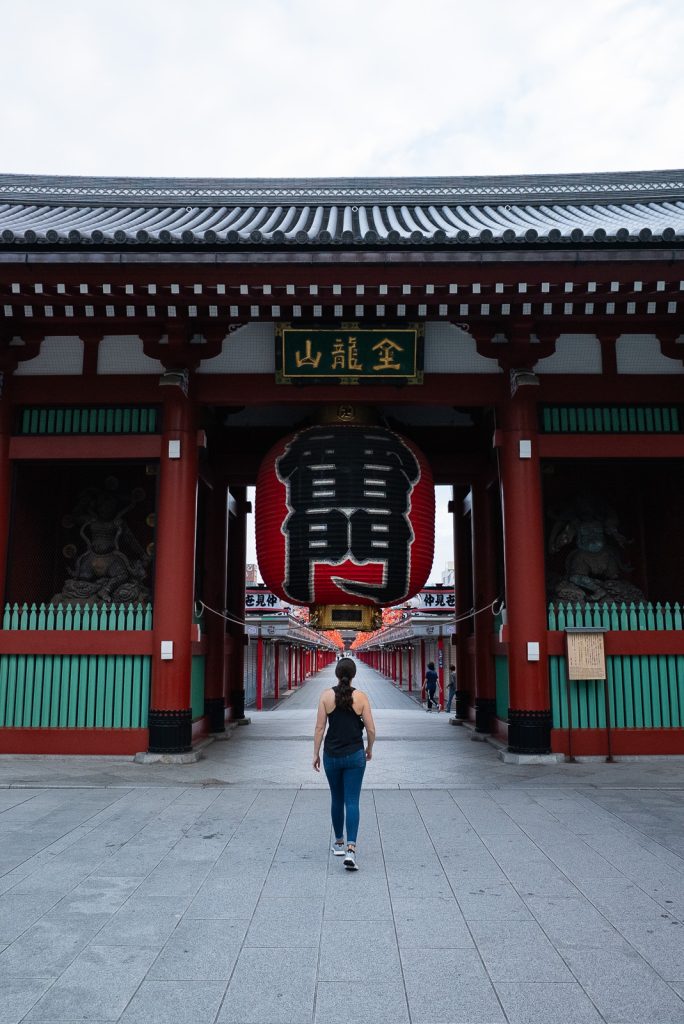
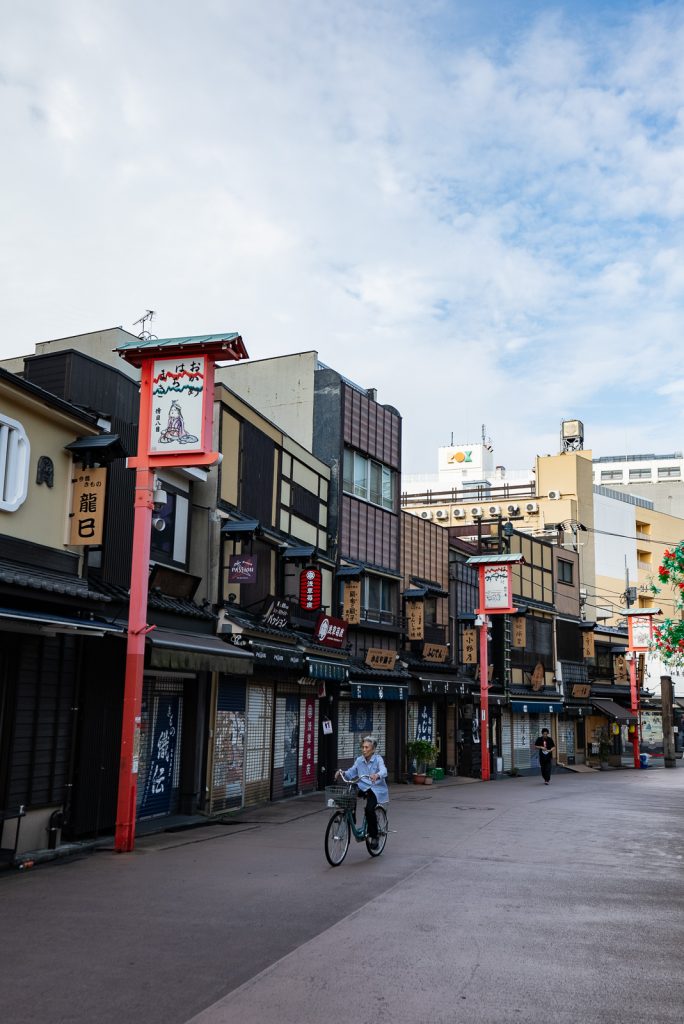
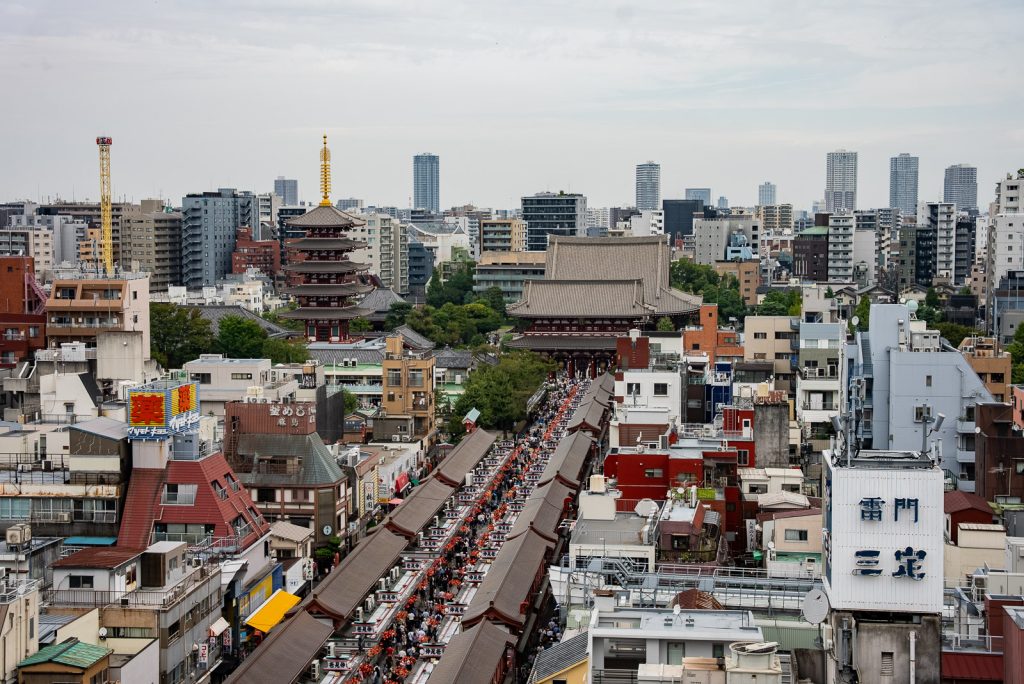
We are big fans of starting our days early to avoid crowds. And this is an especially important tip for Tokyo first timers!
While you will likely never be fully alone at attractions in Tokyo (it is the most populated city in the world, afterall!), arriving to places early will reduce the madness that ensues typically starting at 8 AM or 9 AM when larger tour groups arrive.
For example, we got to Sensō-ji around sunrise. And while there were others around, it was extremely peaceful. Fast forward to about 9 AM and the shopping street leading to the temple was packed with people!
We suggest prioritizing the spots you want to visit with less crowds first thing in the morning. For us, this meant going to temples, shrines, and Tsukiji Outer Market early. But make sure that the spots you want to visit will in fact be open early!
On the flip side, crowds can add to the Tokyo experience at times, so we saved some spots, like the Shibuya Scramble Crossing, for later in the day to witness it at its most chaotic!
Save room for souvenirs
We normally are not huge shoppers when traveling, but Japan is definitely a spot where you’ll want to bring back some items. So make sure to leave enough space in your suitcase or pack a small extra bag in your suitcase to fill up with goodies!
Buy a book for stamps
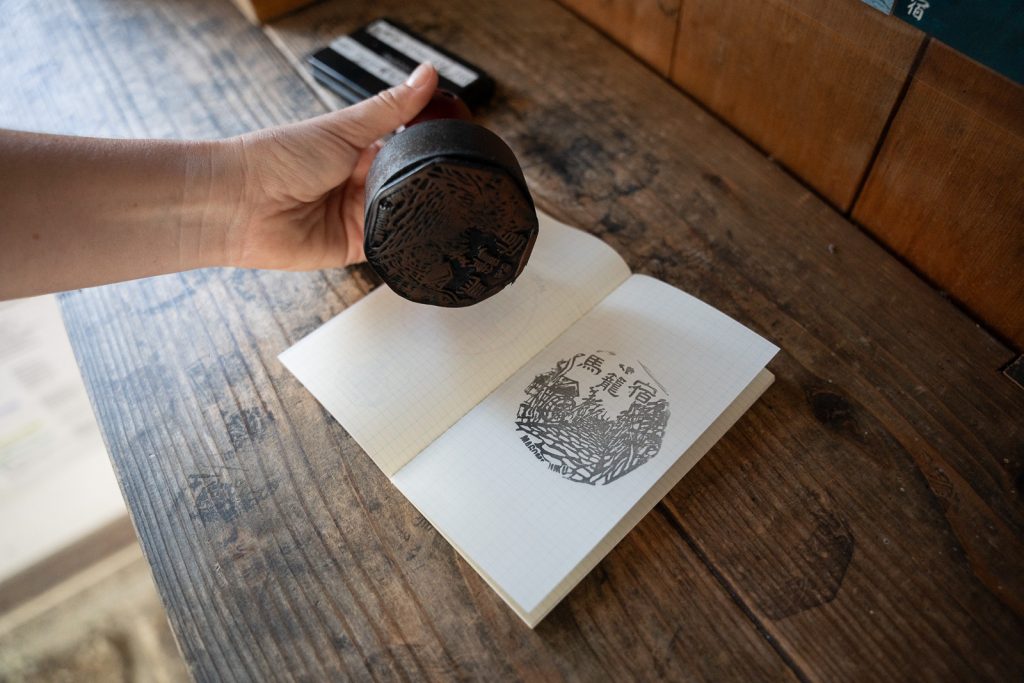
One of our favorite FREE souvenirs from Japan were eki stamps. These are rubber ink stamps that you can find at many train stations, temples, and tourist attractions. It’s super fun to collect them as you travel through the country!
Any type of notebook will work to collect your stamps. We bought a small, blank notebook from Ginza Itoya (an amazing stationary shop in Ginza!).
Do not tip
Coming from a heavy tipping country, we were SO happy to hear that tipping is not a part of Japanese culture. In fact, it’s considered rude to tip!
Beware of scams
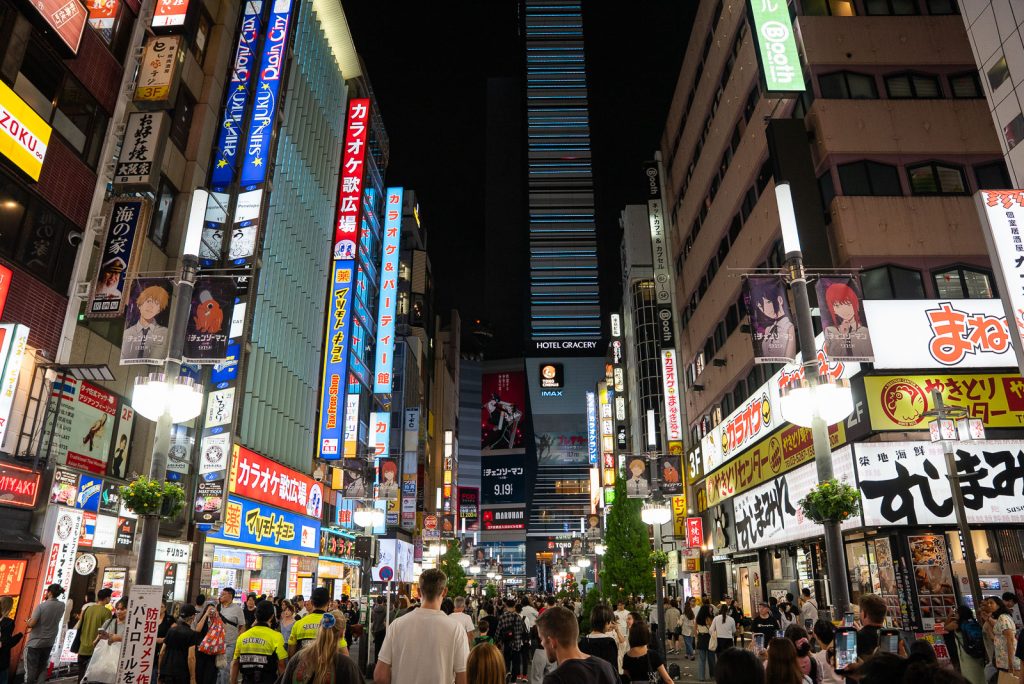
Japan is a very safe place to visit and we had zero safety concerns during our three weeks in the country. However, for those who enjoy going out at night, one thing to be aware of are touts. These are individuals who lure you into specific bars or restaurants, promising a cheap drink or meal, only to charge you WAY more when the bill comes. This is especially common in Shinjuku’s Kabukicho area, so be on the lookout!
One thing that is not a scam though is an otoshi (cover charge) at izakayas. These are usually in the form of a mandatory side dish or food purchase. It may seem like a scam at first, but it’s simply a part of the izakaya culture, as they are small establishments with little seating and typically slower turnover.
Walk on the left
Japan drives on the left side of the road and for proper walking etiquette, you should walk on the left side of the sidewalk as well. We will say, for being a pretty orderly country, not many locals seemed to follow this. But to avoid causing any problems, we tried to always walk on the left. For escalators, you will want to stand on the left and walk up on the right.
Looking for more Japan travel tips & guides?
- 35+ Fun Things to Do in Tokyo, Japan
- 4 days in Tokyo itinerary: See the best of the city!
- 10 Best Places to Visit in Tokyo for First Timers (& What to do in each!)
- Where to stay in Tokyo for first time visitors (The 5 BEST areas!)
- What to eat at Tsukiji Outer Market: The 10 Best Foods & Drinks!
- Renting a campervan in Japan: Everything to know!
- The 37 Best Things to Do in Kyoto, Japan
- Hiking the Nakasendo Trail from Magome to Tsumago
- Staying at an onsen ryokan in Hakone, Japan: Everything to know!
12 best things to do in Hakone: Japan’s mountainous hot spring town! - Read all of our Japan guides
- Watch our Japan video series
Save this guide with our top tips for Tokyo first timers