Last updated on June 18th, 2026
Looking to stay at an onsen ryokan in Hakone, Japan? We’re sharing how to choose the right one for you, important rules, and what to expect during your stay!
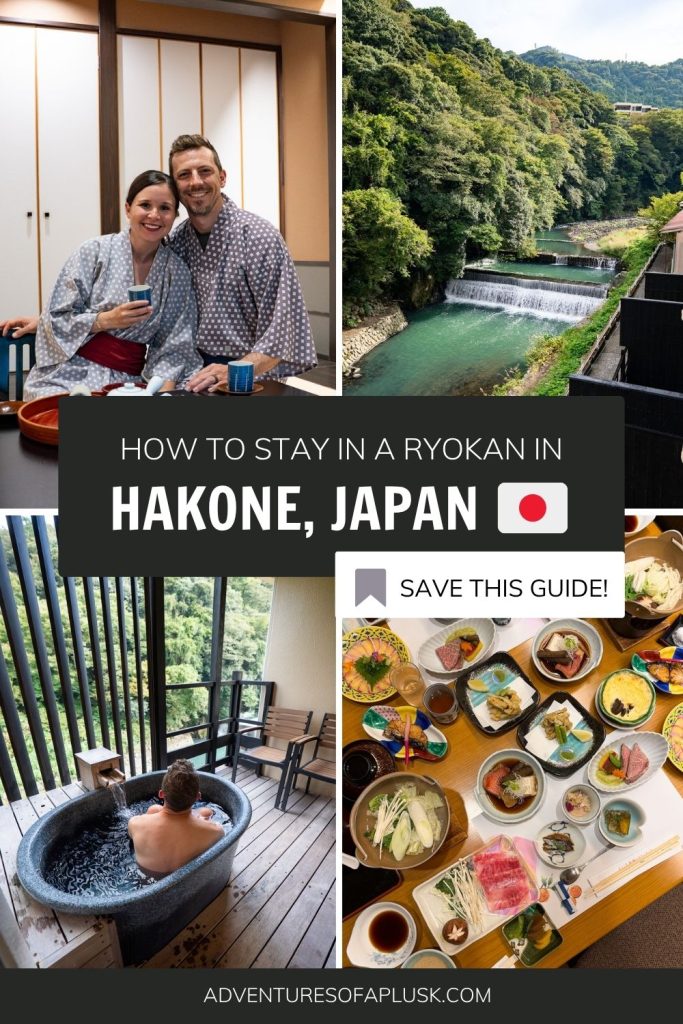
One of the top experiences we wanted to have while in Japan was staying at a ryokan. These traditional Japanese inns are a fantastic way to experience part of the country’s culture. You’ll get to wear a yukata, sleep on a futon on traditional tatami mat flooring (if you choose!), eat elaborate kaiseki meals, and best of all, relax in soothing onsens.
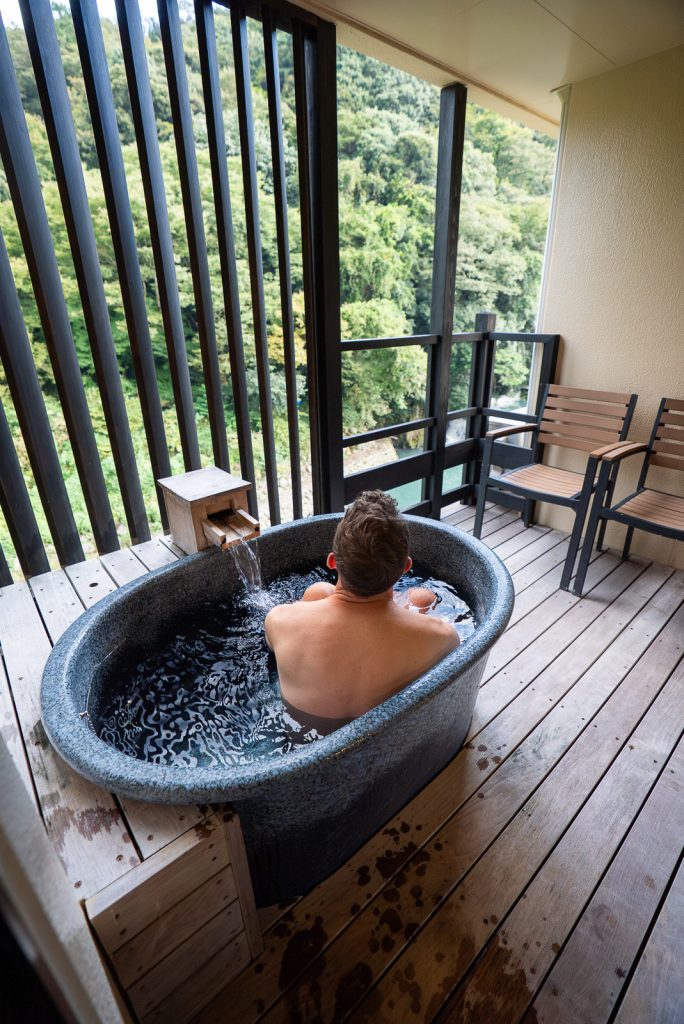
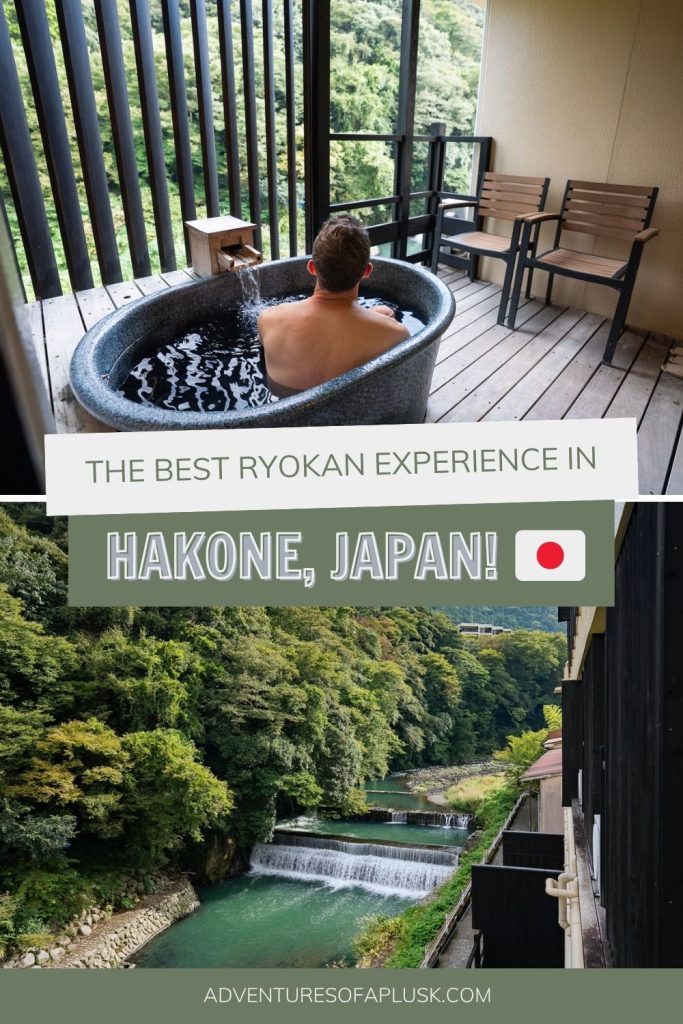
So during our three weeks in Japan, we splurged and stayed two nights at a ryokan in Hakone with our own private onsen. And it was easily a highlight of our trip!
However, there are tons of onsen ryokans in Hakone you can choose from. And not all offer the same experience! So choosing which to stay at can be a bit overwhelming. Before booking ours, we spent hours upon hours researching our choices and evaluating the options.
In this guide we’re sharing how to choose the right onsen ryokan for you and important rules to be aware of before you go. Plus a complete rundown of our stay and what you can expect during yours!
Looking for more Japan travel tips & guides?
- 35+ fun things to do in Tokyo, Japan
- 4 days in Tokyo itinerary: See the best of the city!
- How to visit Tokyo for first timers: Important logistics & tips!
- Where to stay in Tokyo for first time visitors (The 5 BEST areas!)
- Renting a campervan in Japan: Everything to know!
- Hiking the Nakasendo Trail from Magome to Tsumago
- 12 best things to do in Hakone: Japan’s mountainous hot spring town!
- 2 days in Hakone itinerary: Our must-see stops & experiences!
- The 37 best things to do in Kyoto, Japan
- The Perfect 2 Day Mount Fuji Itinerary
- Read all of our Japan guides
- Watch our Japan video series
What is an onsen ryokan?
An onsen ryokan is a ryokan with an onsen. While you can have these experiences separately, combining them into one stay is even more fun!
Unsure what a ryokan and onsen are? Here’s a breakdown of both!
Ryokan
A ryokan is a traditional Japanese inn that dates back centuries. They are sort of like a Japanese bed and breakfast!
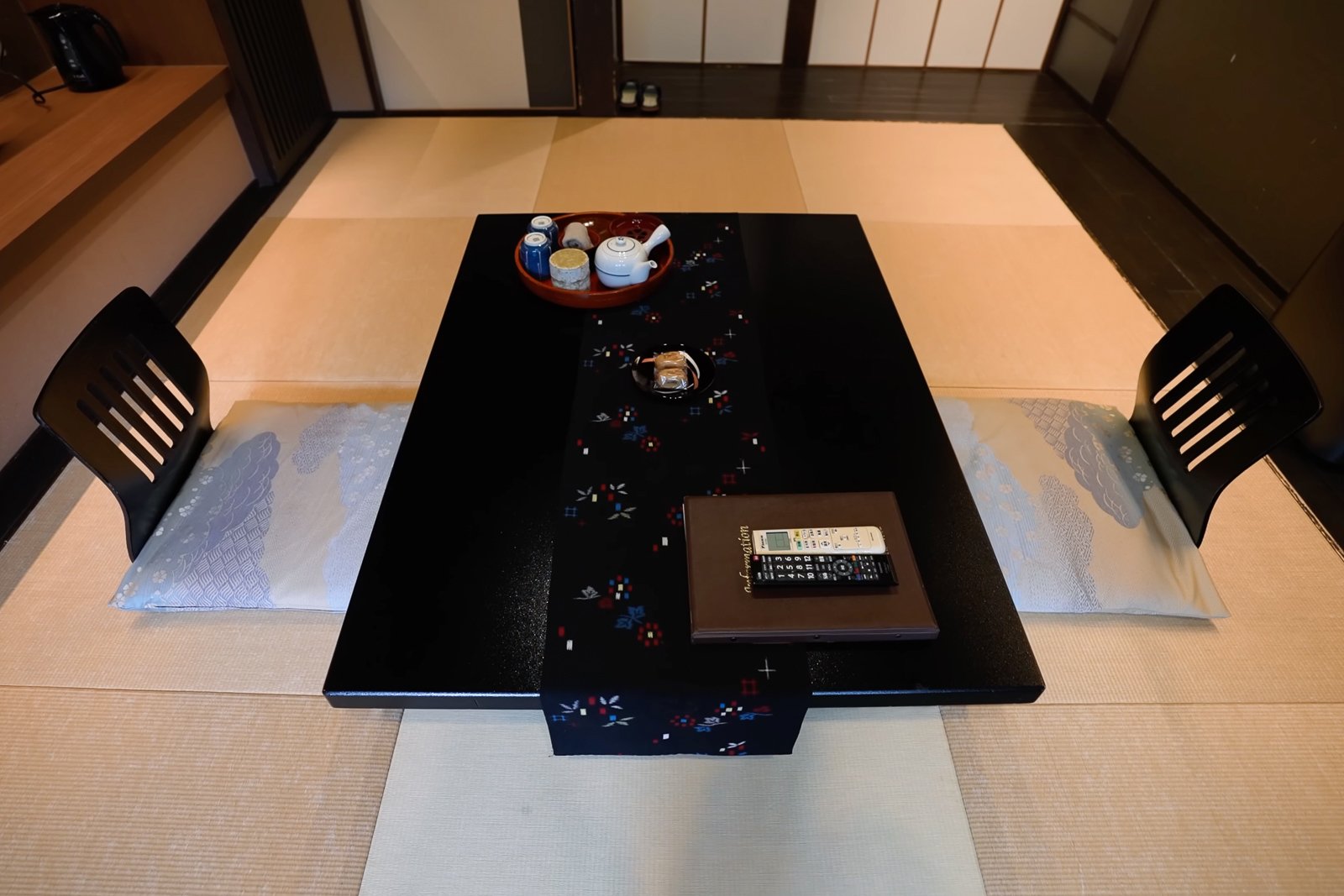
The rooms are typically very simple. You’ll find tatami mat floors, which is flooring made from igusa (rush grass) and rice straw. The walls are typically very minimalistic and often in earthy tones, like tan, there are often wood beams along the walls and ceiling, and sliding doors.
In the most traditional of rooms, you will find a low table and chairs, which allow you to sit on the floor. As well as futons, which have a thin mattress that you sleep on directly on the tamati mat flooring.
Beyond the room itself, ryokans also are known for their kaiseki meals. This is a multiple course dining experience, with lots of small dishes. You’ll often find soups, vegetables, sashimi, cooked fish and meats, rice, and dessert. Kaiseki meals focus a lot on seasonal ingredients and the menu usually changes from day to day!
Onsen
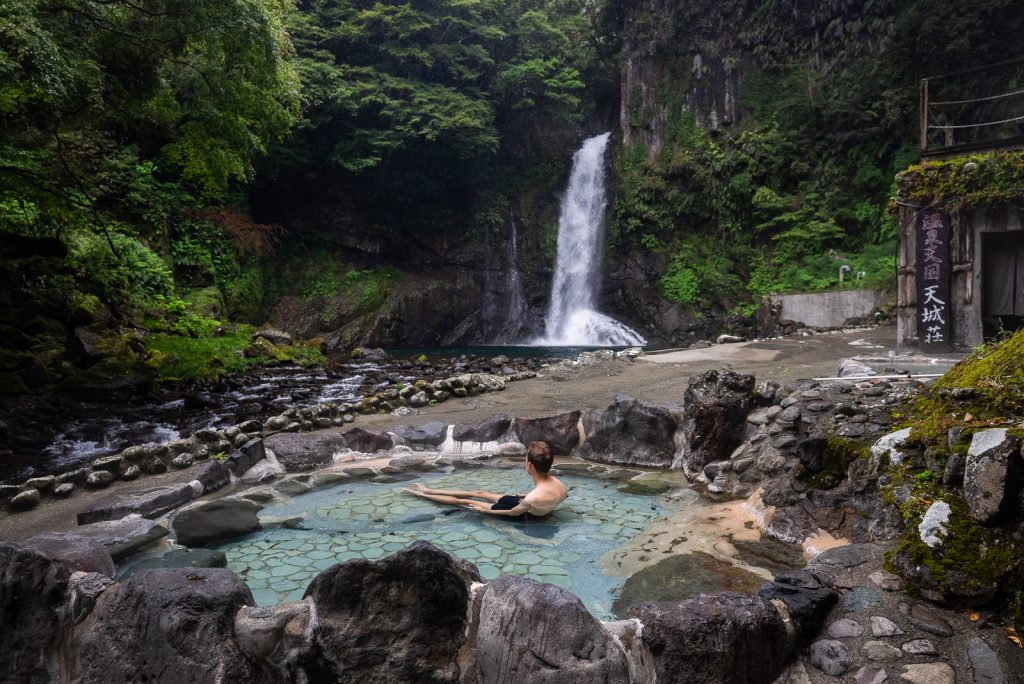
An onsen is a Japanese hot spring that utilizes water that is geothermally heated underground. With Japan’s volcanic activity, you can find many onsens all across the country, both in ryokans, as well as at developed public onsens. These are used by locals (and visitors) as a way to relax.
🚨However, there are quite a few very important rules to know before you soak in an onsen!
- Many onsens do not allow tattoos. If you have tattoos, you will need to research which ones allow them. Some will allow you to cover them and some will allow them only in private onsens, while others may not allow them at all. This website has put together a list of tattoo friendly onsens!
- You soak naked. Yes, even with strangers! Public onsens often have a male onsen and a female onsen, or if they have just one onsen, they split the hours for male vs. female. For those uncomfortable with this, you will want to choose a private onsen. However, we did visit a public onsen on the Izu Peninsula that was mixed gender and you were required to wear a swimsuit.
- You must shower before entering the onsen. This is to ensure you keep the onsen clean, especially for public onsens with multiple bodies in them at once. Onsens have a bathing area you will use before you enter the water, complete with a small stool to sit on, plus shampoo and soap.
- Nothing can touch the water. This includes hair! So for those with long hair, make sure to pull it up. And do not dunk your head! If you are soaking in a public onsen, they often have small towels you can use to cover yourself, but these cannot go in the water.
Why should you stay in an onsen ryokan in Hakone?
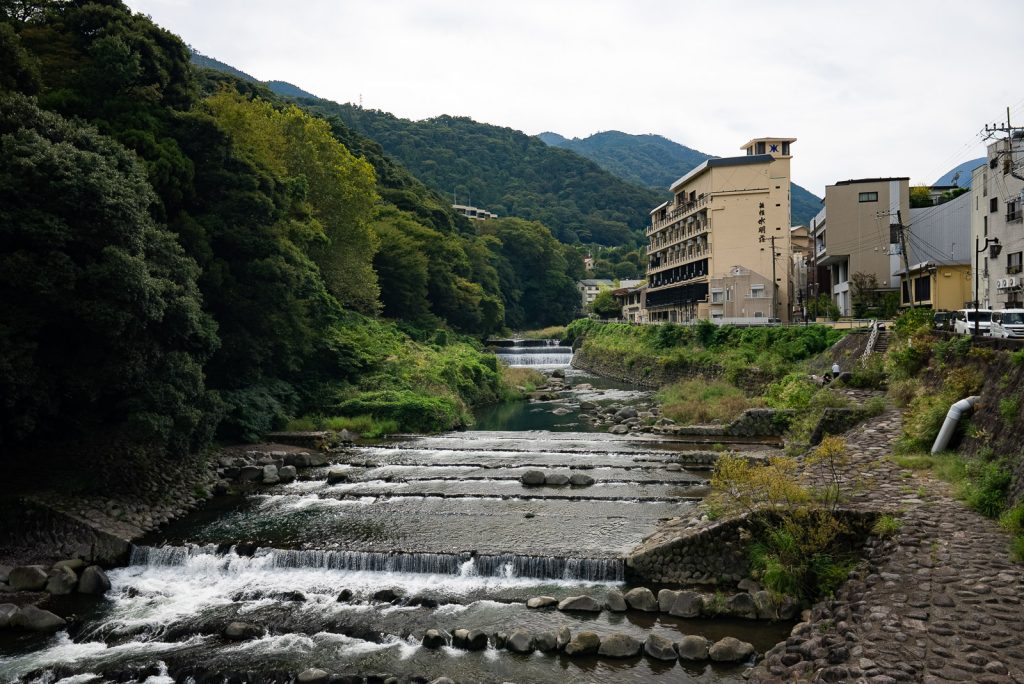
Onsen ryokans can be found all over the country, but quite possibly the most famous place to stay at an onsen ryokan is Hakone, a picturesque mountain town known specifically for its ryokans and natural hot springs.
Located near Mount Fuji, Hakone is definitely a more tourist-focused area than some other onsen towns in Japan. But that just means it’s less daunting for tourists to visit!
Hakone is easy to get to from Tokyo, making it a great location for first-time visitors to Japan. Depending on where you hop on the train in Tokyo, which trains you take, and where you’re staying in Hakone, getting here from Tokyo can take anywhere from 1 hour-2.5 hours.
There are also a lot of fun things to do in Hakone, so it is a great destination on its own, in addition to your ryokan stay. Plus, with the area’s geothermal features, you will actually get to soak in true hot spring water.
How to choose an onsen ryokan in Hakone
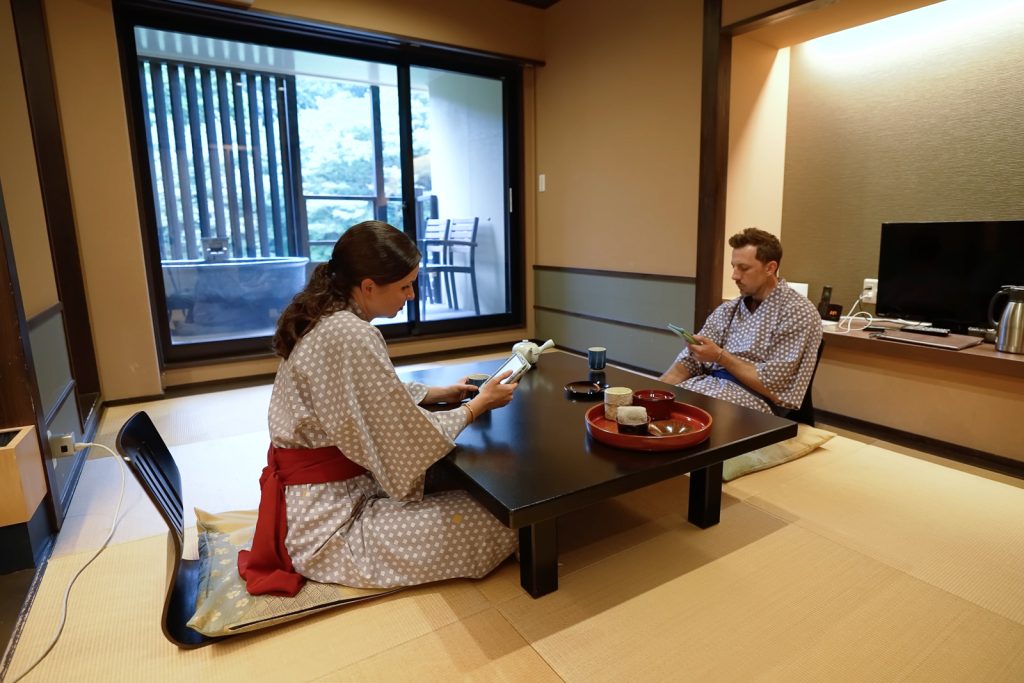
Not all onsen ryokans offer the same experience. When we were personally choosing an onsen ryokan to stay at in Hakone, we had a list of criteria we were specifically looking at. Below are some of the top things you should consider when picking your Hakone onsen ryokan.
Price
Ryokans are not the cheapest experience. We spent $425 per night for the two of us in a room with its own private onsen, plus both breakfast and dinner included. It was the most expensive lodging we have ever booked!
For an onsen ryokan in Hakone, this was about mid-range budget-wise. We saw some with less amenities for cheaper, but many for $500 to even over $1,000 a night!
Location
First, consider the location! Some onsen ryokans are located in more urban areas of Hakone, while others are tucked in nature. Deciding the vibe you want is important, but it’s also crucial to think of transportation, especially if you will not have a car.
Hakone has a great network of public transportation, so a rental car really isn’t needed. However, not all ryokan onsens will be right along a route. So you may have to walk or take a taxi to get around if you stay somewhere more remote.
We opted to stay at an onsen ryokan close to Hakone’s main train station. While we had a rental campervan with us and could’ve driven around, it was much easier to just keep the campervan parked at our ryokan onsen (which has very limited parking) and explore via public transportation.
Bed style
While the most traditional bed type at a ryokan is the futon, many do offer a western style bed. Some ryokans have a choice between the two, while others only offer one or the other. If you have a preference, keep this in mind!
Bathroom
For the most part, ryokans will have private bathrooms. But we did encounter one in our research that had a shared bathroom. We have stayed in hostels with shared bathrooms many times in our travels and always regret it a bit. So if you think this would be inconvenient for you, double check the bathroom situation.
Water source
Not all onsen ryokans use actual hot spring water. We found some cool options in Kyoto, but from our understanding, that area doesn’t have hot spring water, so these ryokans just use regular water that is heated.
Type of onsen
A big factor to consider when choosing an onsen ryokan in Hakone is the type of onsen. Are you okay with a public onsen? Or would you rather have a private one? When it comes to private onsens, there are usually two options. Most ryokans will have a private onsen you can reserve, where it will just be your group in the onsen. But some ryokans offer rooms with a private onsen in the room!
And if you have tattoos, make sure to look for one where you’re able to soak!
Tatami mat floors
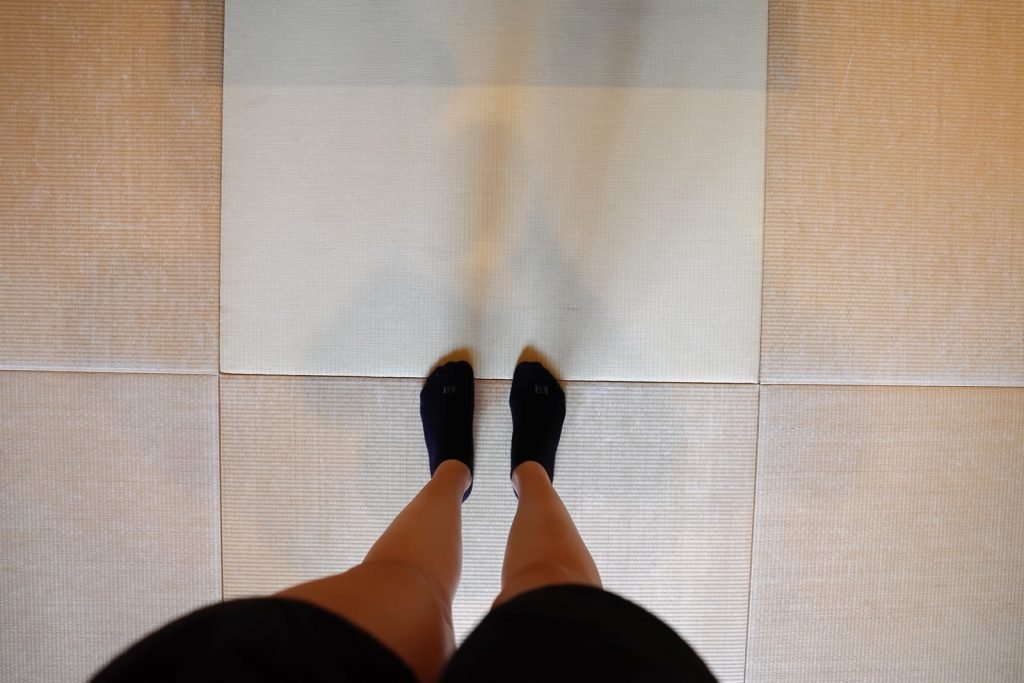
While traditional ryokans have tatami mat floors, we did find some that didn’t have these floors across the entire room. For us, staying in a room that felt as traditional as possible was important. So if you feel the same, that’s something to keep an eye out for.
Meals & dining set up
Most ryokans offer kaiseki meals for breakfast and/or dinner, which you can add on to your room. If you’re a picky eater or don’t like seafood, the kaiseki meals may be a bit tough for you and you may want to either just stick to one meal a day or skip it all together. You can also make requests if you have dietary restrictions and they can usually accommodate!
Ryokans do not offer lunch though, so we suggest staying at a ryokan with a lunch option nearby.
Where you eat will also vary by ryokan. Some have you eat in your own room, some will take you to a separate private dining room, and others will have a large dining area with other guests. If you want a private experience, try to book one with in-room dining or the private dining room.
Onsen ryokan options in Hakone
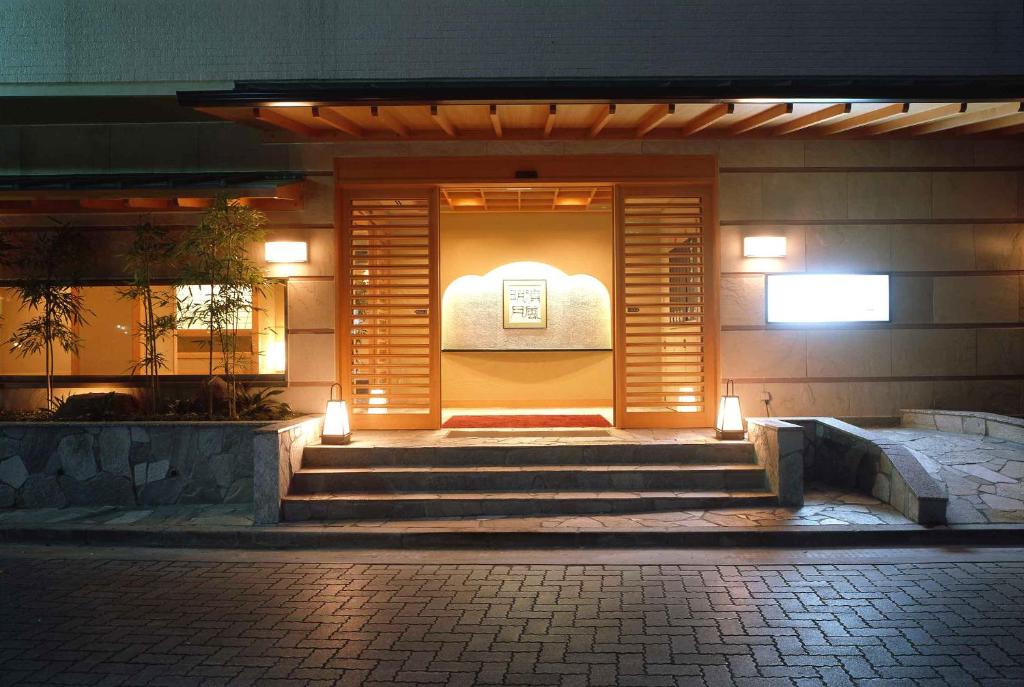
There are countless onsen ryokans in Hakone to choose from across different price points and with different features. After researching tons of options, we decided to stay at Hakone Suimeisou in their Japanese-style room with an open-air bath for quite a few reasons:
- It was in the middle range in price. Like we mentioned above, we spent $425 per night for the two of us in a room with its own private onsen, plus both breakfast and dinner included.
- We had our own private onsen in our room, which was one of our top priorities.
- The room had tatami mat floors and we could sleep on a futon.
- The dining experience was private, although in a separate room.
- It’s located in Yumoto, right by the train station, which made it easy to visit Owakudani!
- It overall had really positive reviews!
But here are a handful of the other options we considered!
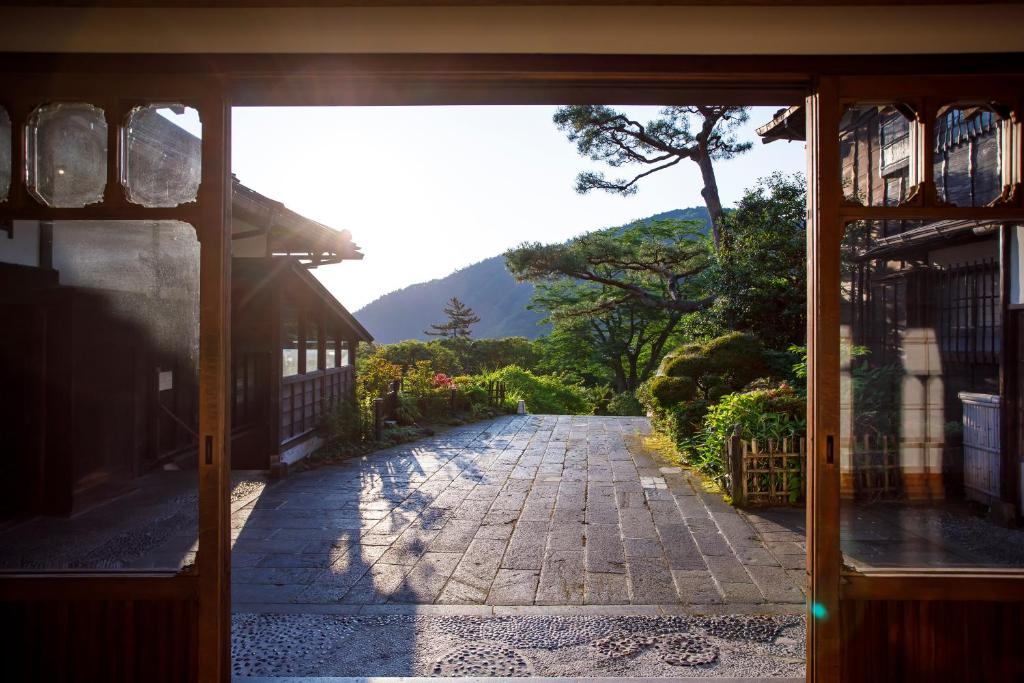
Senkei (Yumoto)
Senkei really checked all of our boxes and we almost stayed here instead! It has traditional rooms with futons and in-room onsens. The only reason we opted for Hakone Suimeisou is that it was a tad more affordable at the time (pricing can vary though)!
Fukuzumiro (Yumoto)
If you want something traditional, this is a great pick! The rooms have tatami mat floors and futon beds, plus a historic Japanese vibe. However, almost all rooms have a shared bathroom and there are only public onsens and shared private onsens.
Hakone Kowakien Mikawaya Ryokan (Gora)
We really loved the vibe of this spot! The building and grounds look gorgeous, the food looks tasty, and they have both shared private and public onsens, plus some rooms with in-room private onsens. Our friends Chad and Claire stayed here and their experience looked fantastic! The biggest reason we did not book here was that the rooms did not have futon beds.
Mizunoto (Gora)
Mizunoto is a gorgeous property, with mountain views, in-room onsens for some rooms, plus a mix of shared private and public onsens. While the rooms are beautiful, they felt more like a western hotel room to us than a ryokan, with western beds and some rooms not having full tatami mat floors.
A+K Tip: If you will be relying on public transportation, try to choose an onsen ryokan in either Yumoto or Gora. These are the two easiest areas of Hakone to access by public transportation.
How to book an onsen ryokan in Hakone
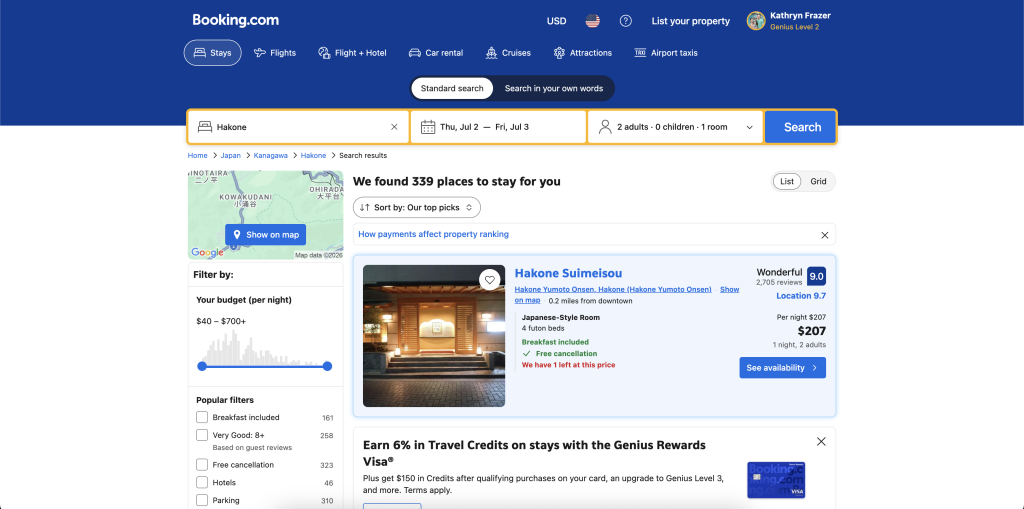
Once you’ve decided which onsen ryokan you want to stay in, it’s time to book your room! We highly recommend booking as far in advance as you can. Especially if you want your own in-room onsen, as these rooms tend to get snatched up the quickest.
However, it’s important to know that some ryokans do not open their bookings until closer to the date. Many open their bookings between 3-6 months out. Hakone Suimeisou specifically doesn’t open bookings until 5 months out. So if you see the month you want to visit greyed out, it’s likely because they haven’t opened booking yet!
Also, how you book an onsen ryokan will vary by the property you choose. While many are on booking.com and similar booking sites, some you need to book directly. Hakone Suimeisou is available on booking.com, but for some reason, their Japanese style rooms with in-room onsens do not always show up there. So if you do not see this option, don’t fully panic! Check their website as well, which is where we had to book our room.
Lastly, as you choose your room, make sure to pay attention to the dining options. Most onsen ryokans in Hakone let you choose between just breakfast or breakfast and dinner. Some also have upgrade options, like higher quality beef, hot pot, etc.
Our Hakone onsen ryokan experience
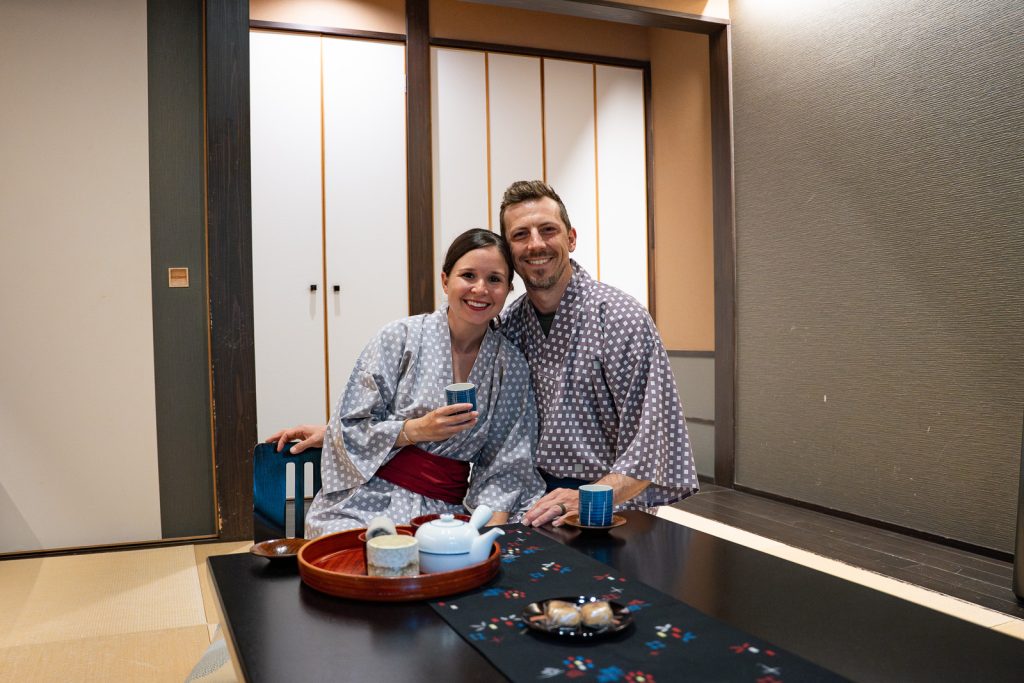
Curious what it’s actually like staying at an onsen ryokan? Below is a rundown of our experience staying at Hakone Suimeisou in their Japanese-style room with an open-air bath. You can also watch our experience here!
While the experience may vary by ryokan, this should give you a good idea of what to expect during an onsen ryokan stay.
Yukata & shoes
The first thing you need to do when entering your room is remove your shoes! Similar to other Japanese accommodations, you should not wear your outside shoes in the ryokan room. Ryokans will provide different slippers/sandals you can wear throughout the room.
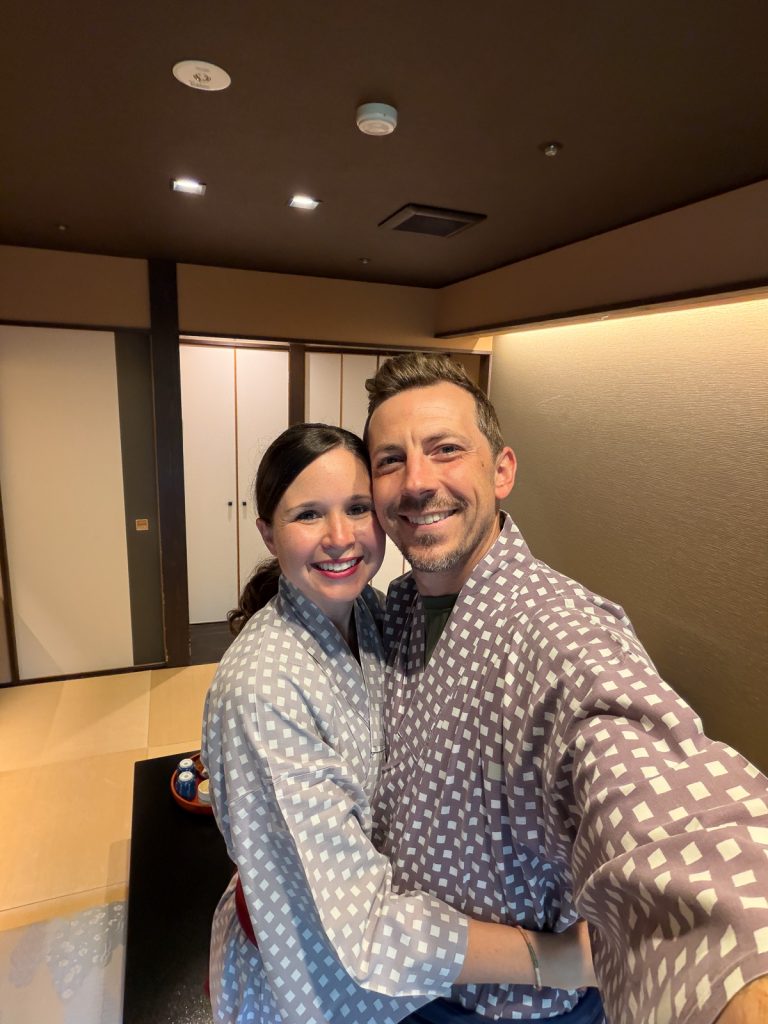
Besides footwear, most ryokans offer a yukata to wear, which is a type of kimono. You can wear this in your room, to dinner, and all around the property. In some onsen towns, like Kinosaki, people even wear them around town. We didn’t personally see people doing this in Hakone though.
You can learn how to put on a yukata here. The most important thing is to wrap the left side over the right side. Doing it the opposite way is specifically for funerals. We personally wore clothes underneath and were glad we did, as the yukatas often opened up a bit while sitting down.
Room
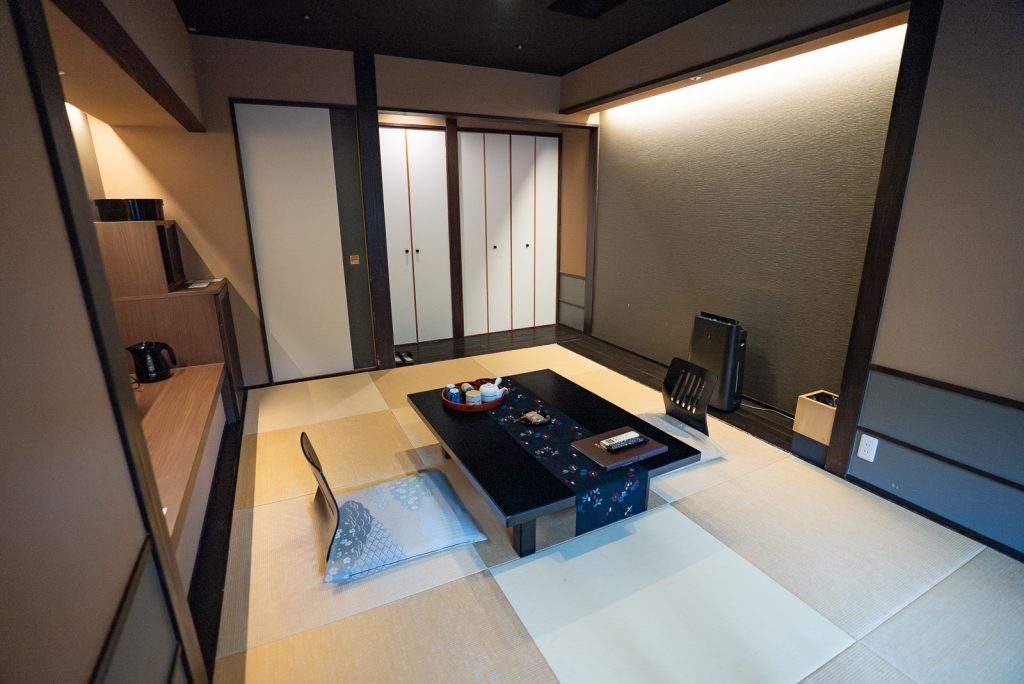
Our room at Hakone Suimeisou was simple, but very nice! When we first entered the room, there was an entryway area where our shoes went. Plus a small room with the toilet, separate from the rest of the bathroom.
In the main part of the room, we just had tatami mat floors and a low table and chairs. On the table we had some tea making supplies, plus onsen manju, which is a steamed bun filled with red bean paste. It’s super tasty and they replenished it everyday! Not a tea fan? The lobby had a coffee machine you could use anytime you wanted!
The room also came with a TV, fridge, kettle, and air conditioning. Plus there was a wall with a closet, which is where the futon items were kept. Our only complaint about the room is that there wasn’t much storage for our luggage, so we mostly kept it out in the room itself.
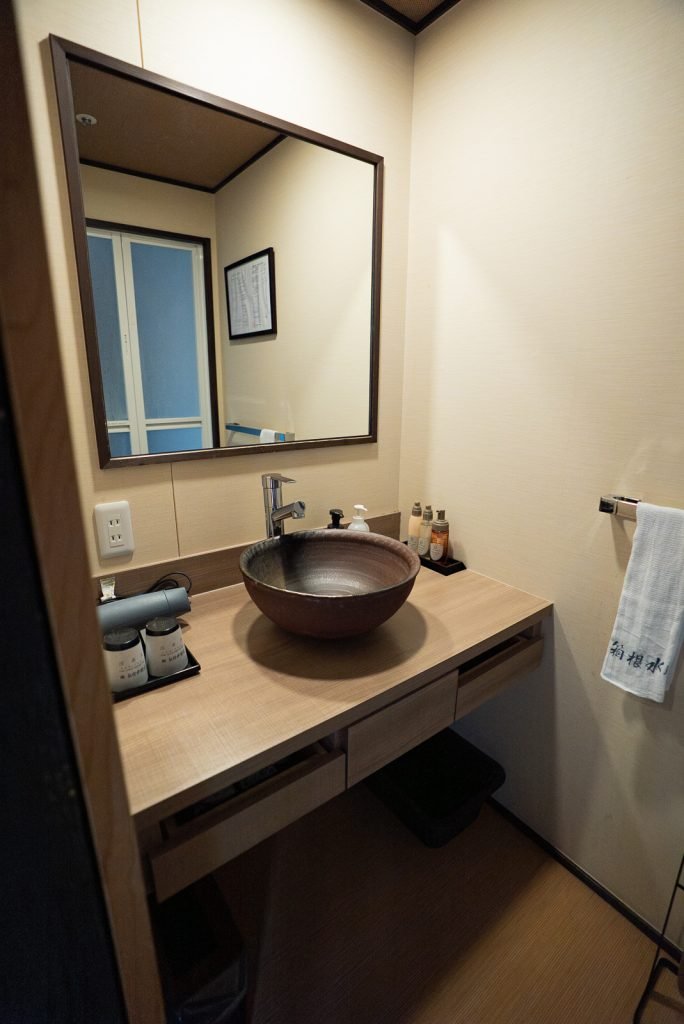
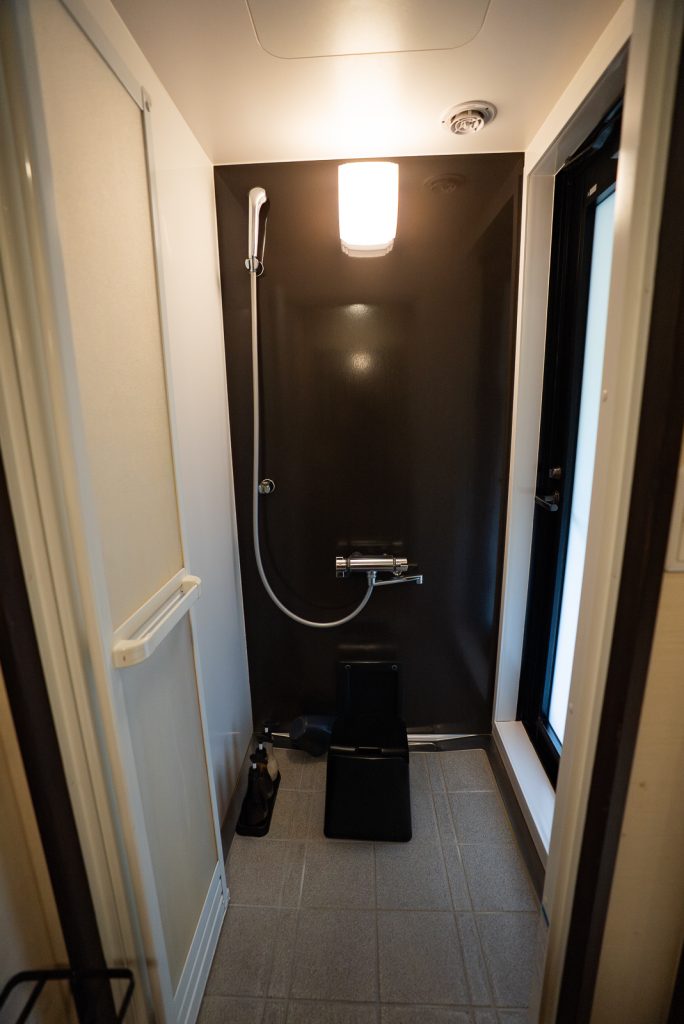
Towards the back of the room we had a wall of windows with a door to our patio and private onsen. Plus you could find the rest of our bathroom, which was split up into a sink area and the shower. The shower was behind a door, so it didn’t get the sink area wet. And inside the shower there was another door that led out to our patio and private onsen. It was really nice to be able to access the shower from both inside and outside!
Onsen
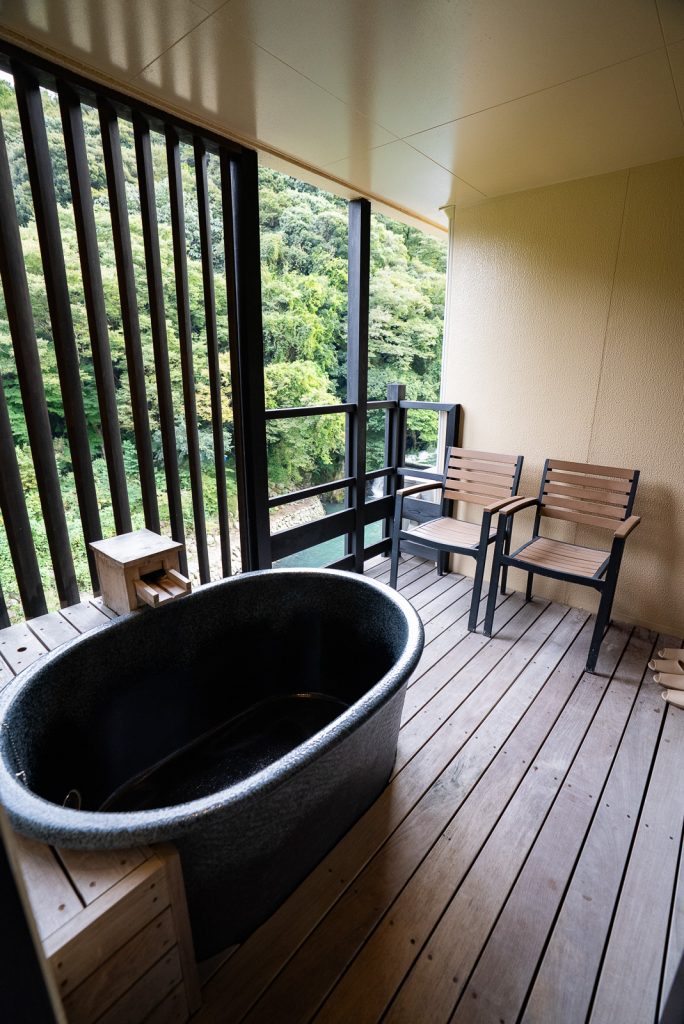
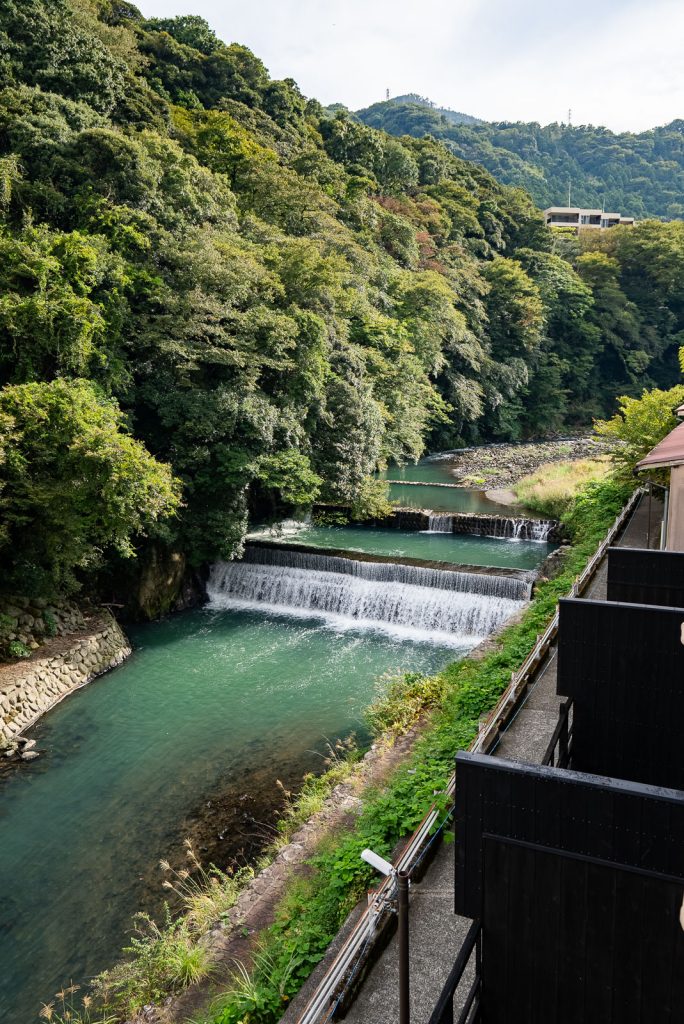
Hands down the best part of the room was our private onsen on our patio! Half of the patio was open, with views of the river and waterfall and town. While the other half had wooden slats for privacy. Although there were zero buildings on the other side of the river that could see into our patio, we did see a man on the other side at one point, so keep that in mind.
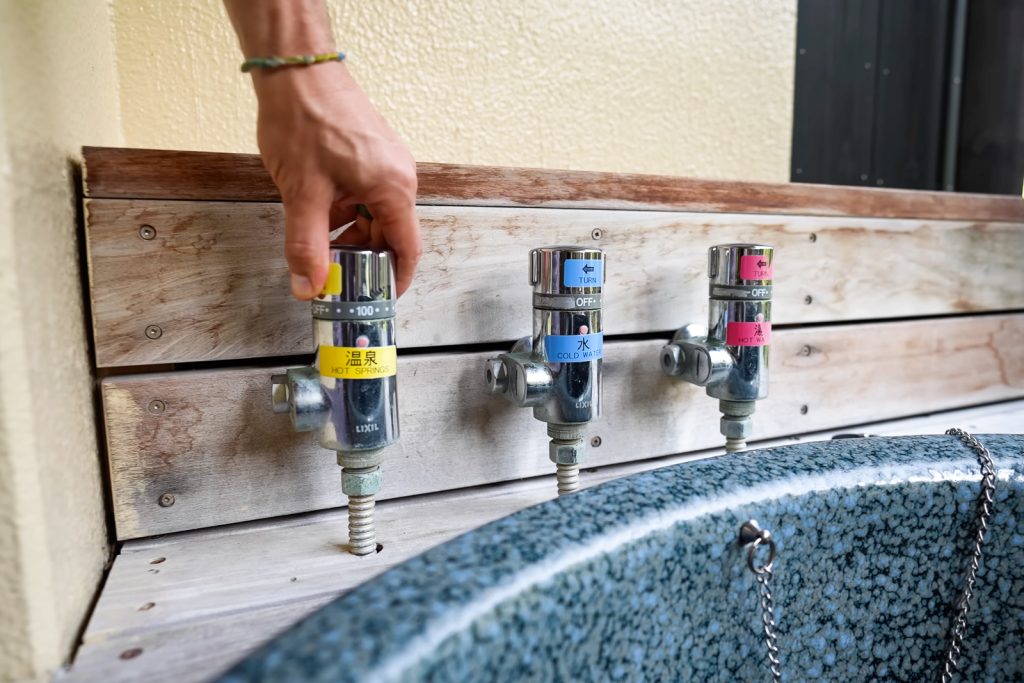
Our onsen itself was a stone tub with a wooden faucet. It was nice and deep and could very snugly fit both of us. There are three different water knobs you could turn: hot spring, cold water, and hot water. That way, you can make the water the perfect temperature for you! It does take a bit to fill up, so we suggest getting it started while you take your shower.
Soaking in this onsen, with the sounds of the waterfall rushing, was such a relaxing experience. We used the onsen multiple times a day and were glad we had our own that we could use anytime we wanted. But the shared private and public onsens at Hakone Suimeisou looked nice as well!
Dining experience
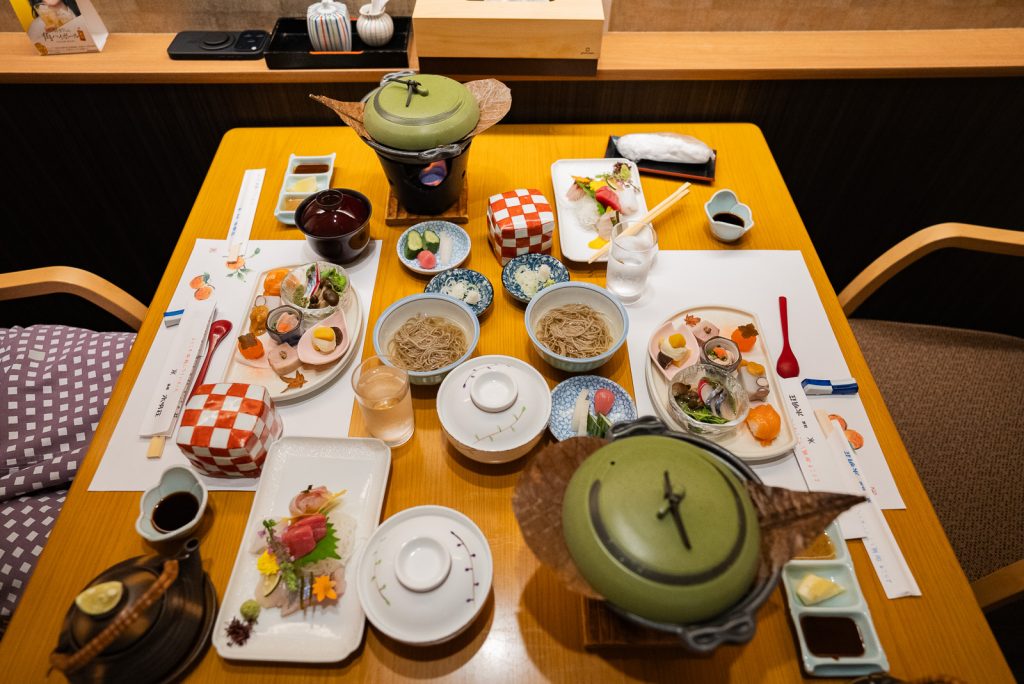
Depending on the meal package you choose, you may have both breakfast and dinner at your ryokan. We opted to do both for both days we were there! And how meal time worked is that we had a room attendant who came by after we checked in to ask what time we wanted our dinner and breakfast. Once it was just a minute or two before that time, we would get a knock that it was time to go to dinner. We were led to a private room across the hall to enjoy our meal.
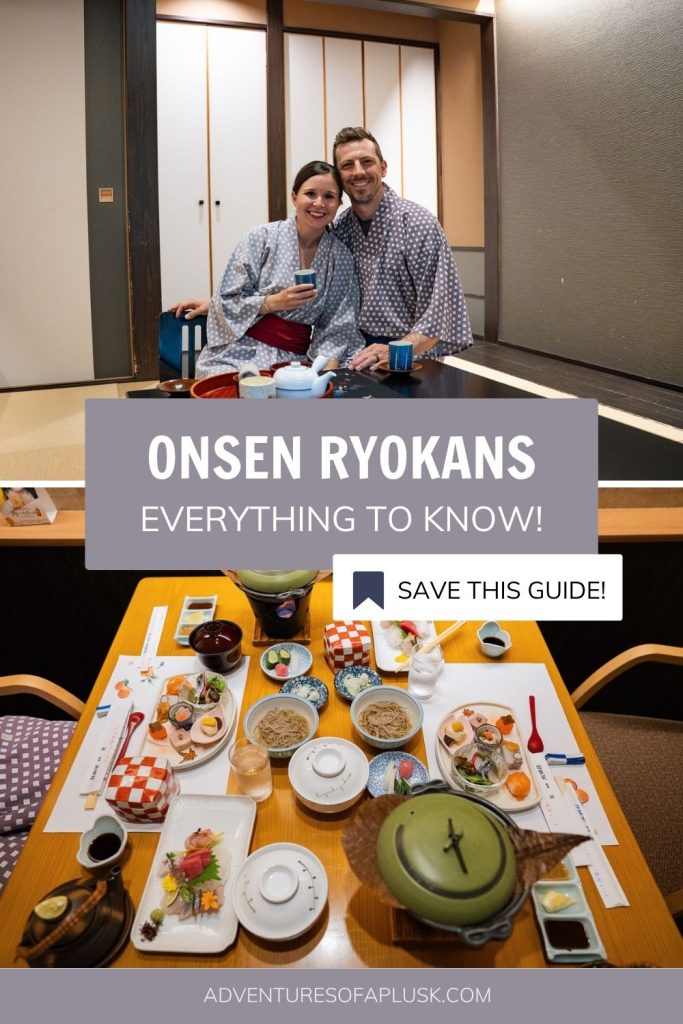
And by meal, we mean a feast! Our kaiseki dinners consisted of nine courses. While many courses were small, all together it added up to a LOT of food. The menu changed each day, but for the dinners (unfortunately not for breakfast) we were given a menu. This was extremely helpful!
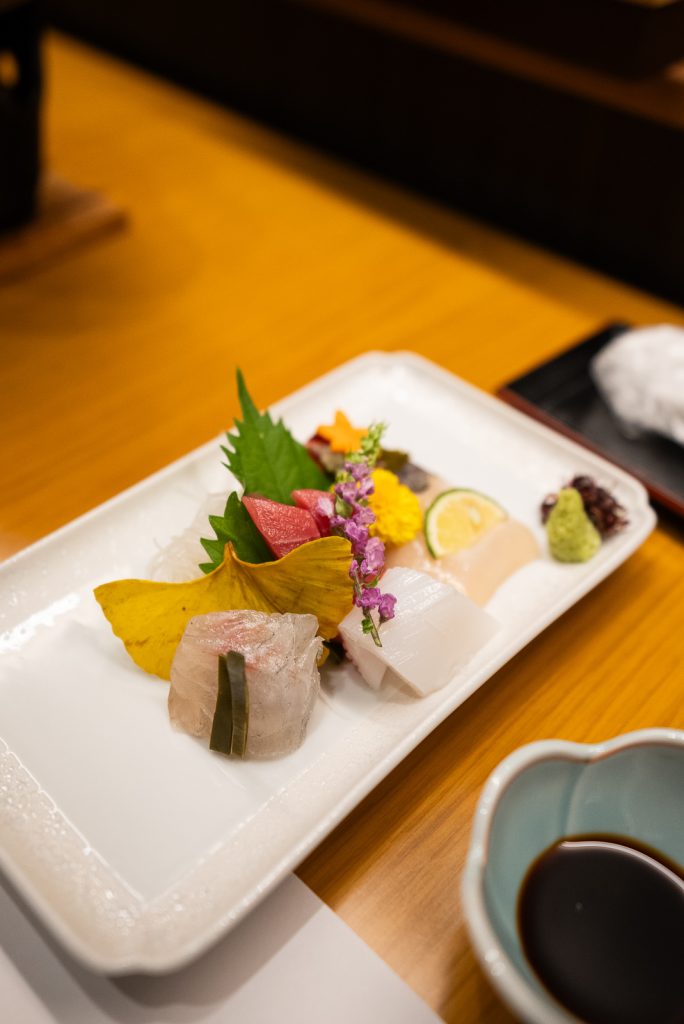
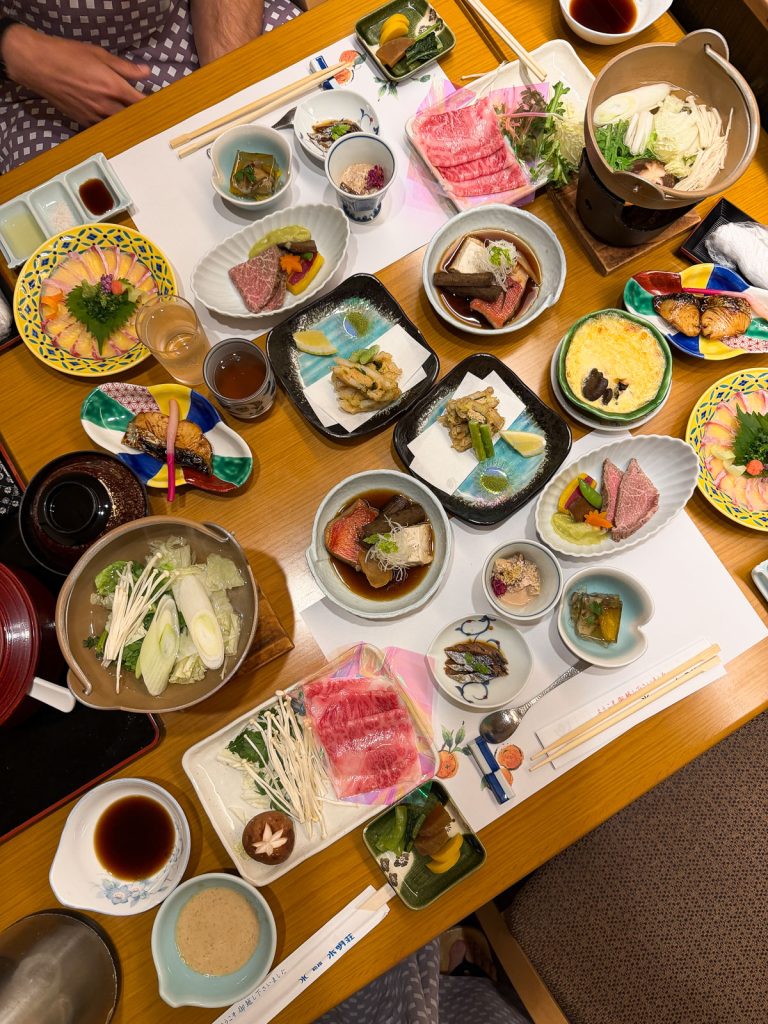
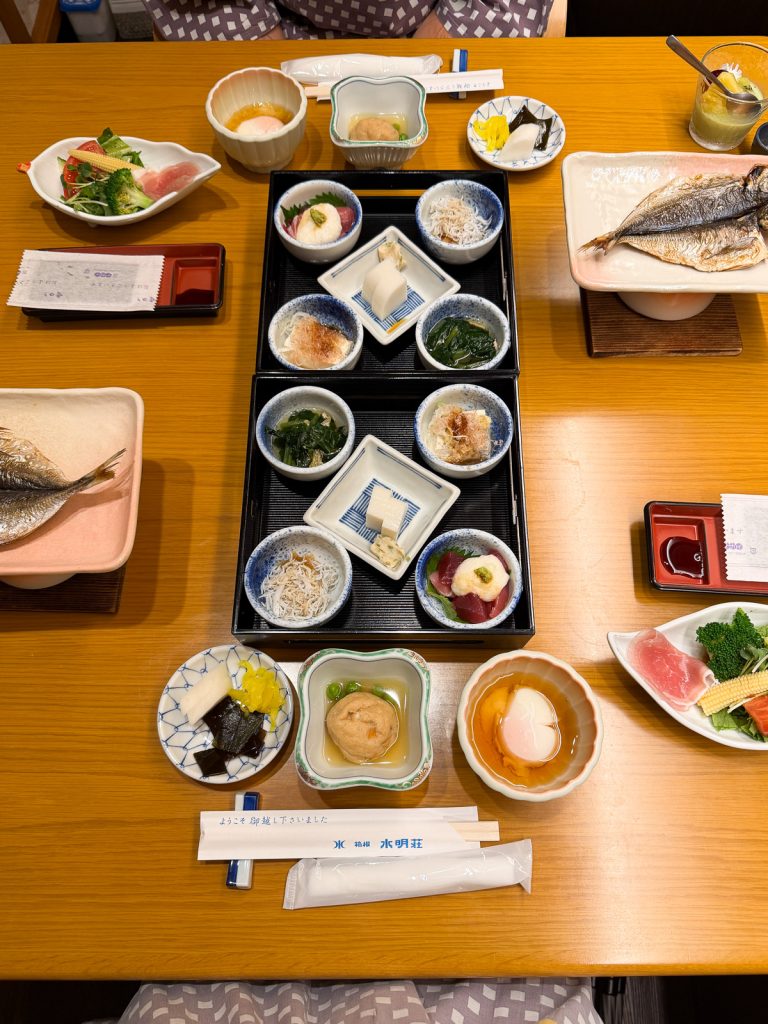
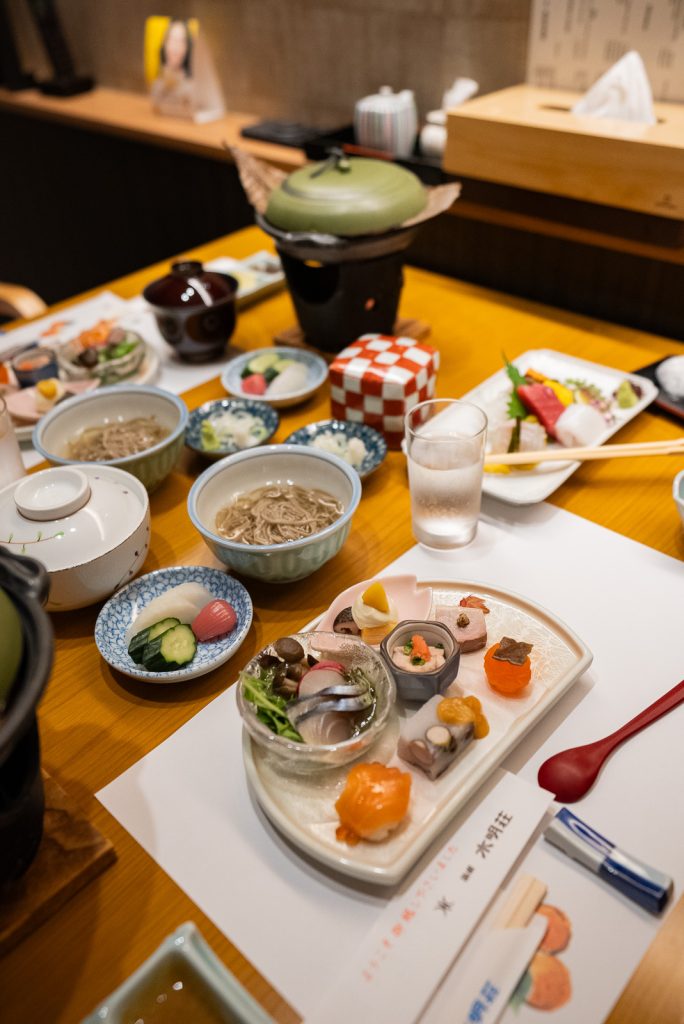
For dinner we usually had soup, rice, sashimi, roe, vegetables, tofu items, cooked fish and meats, jelly-like items, and dessert. To be honest, some of the foods were a bit tough for us, especially texture-wise. But we did try everything! Some of our favorites were the beef hot pot, sashimi, this creamy cheese bake, and of course, the desserts.
Breakfasts were a bit smaller, but probably even more out of our comfort zone. The first breakfast was very fish heavy, including a bowl of teeny Shirasu and a whole cooked fish. Eating fish at 7 AM isn’t something we are totally used to, so it was a bit challenging for us. But we are very glad we tried it!
In Japan it’s typically considered impolite to not finish your food. So in restaurants, try to not order more than you think you’ll eat. However, with kaiseki meals, the amount of food was out of our control. We did our best to finish it all, but we typically always left a little on the plate.
Futon bed
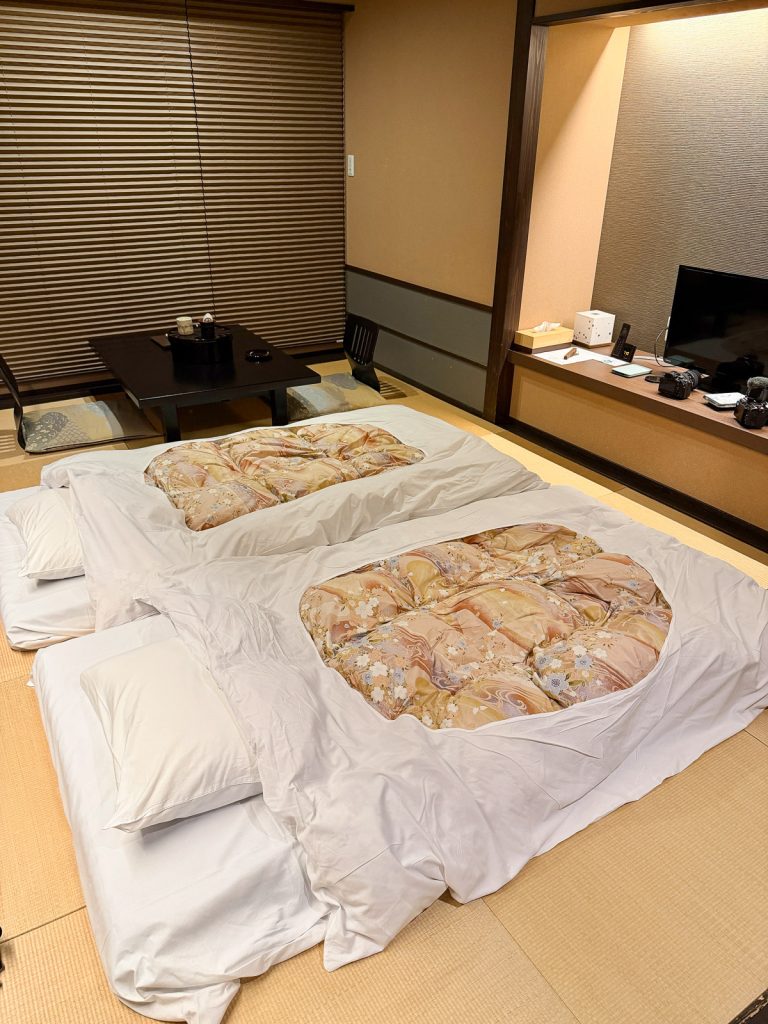
While we ate dinner, our room attendant made up our room for bed! This meant putting the table and chairs to the side and setting up the futon. It was fun to come back after dinner and see our room transformed!
If you’re like us you’re probably wondering: was sleeping on the floor actually comfortable?
And for us, it was! We have a lot of experience camping, so we are used to sleeping on the ground. But this was MUCH more comfortable than camping! We both slept extremely well.
However, we did read reviews where people struggled with the futon beds. If you’re especially sensitive to harder beds, we would probably suggest doing a western style bed.
Is staying at an onsen Ryokan worth it?
Staying at an onsen ryokan is not a cheap experience. When planning our trip to Japan, we did debate if we wanted to spend this much money. However, for us, it was 100% worth it and we are so glad we did it!
First off, it is a unique cultural experience. Getting to wear the yukata and sleep on the futons was a really fun experience that we have not had anywhere else. It’s also extremely relaxing, which after a busy first 10 days in Japan, was much needed for us. Plus, if you consider how much food you get at both meals into the price, it does make the cost a bit more justifiable.
Looking for more things to do in Hakone?

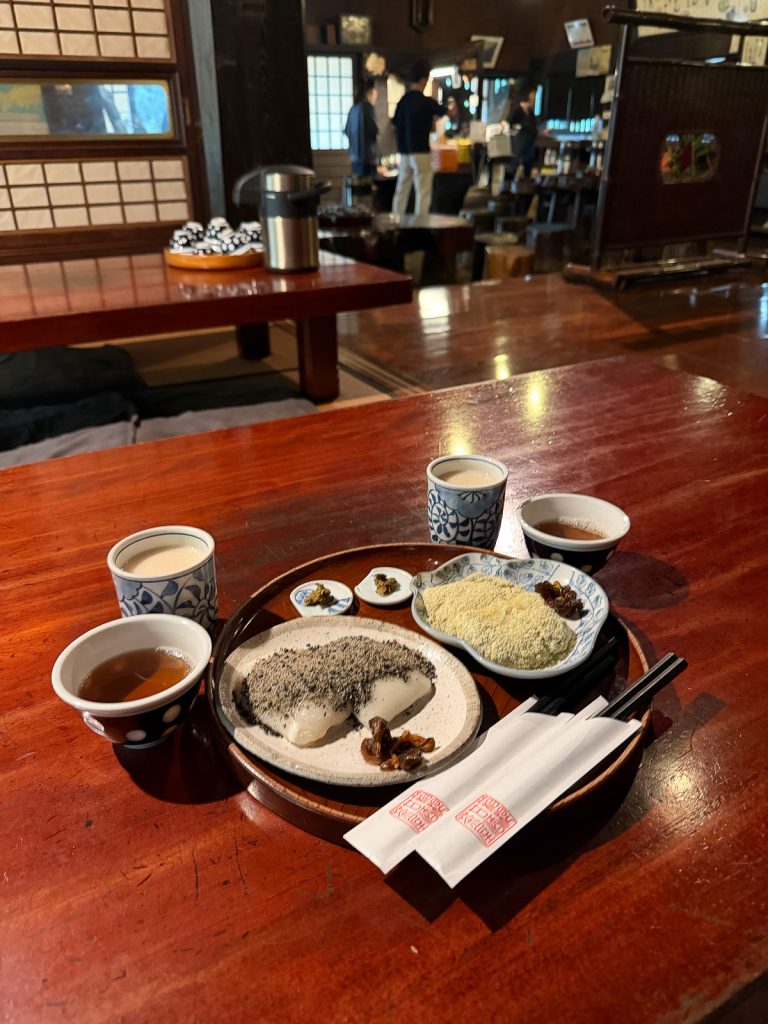
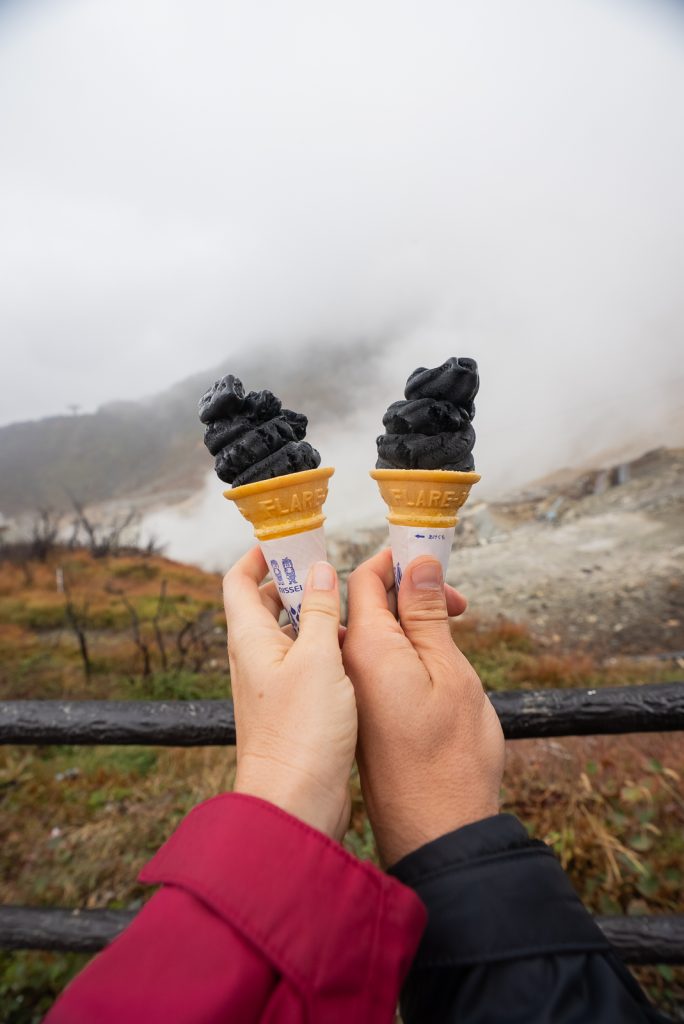
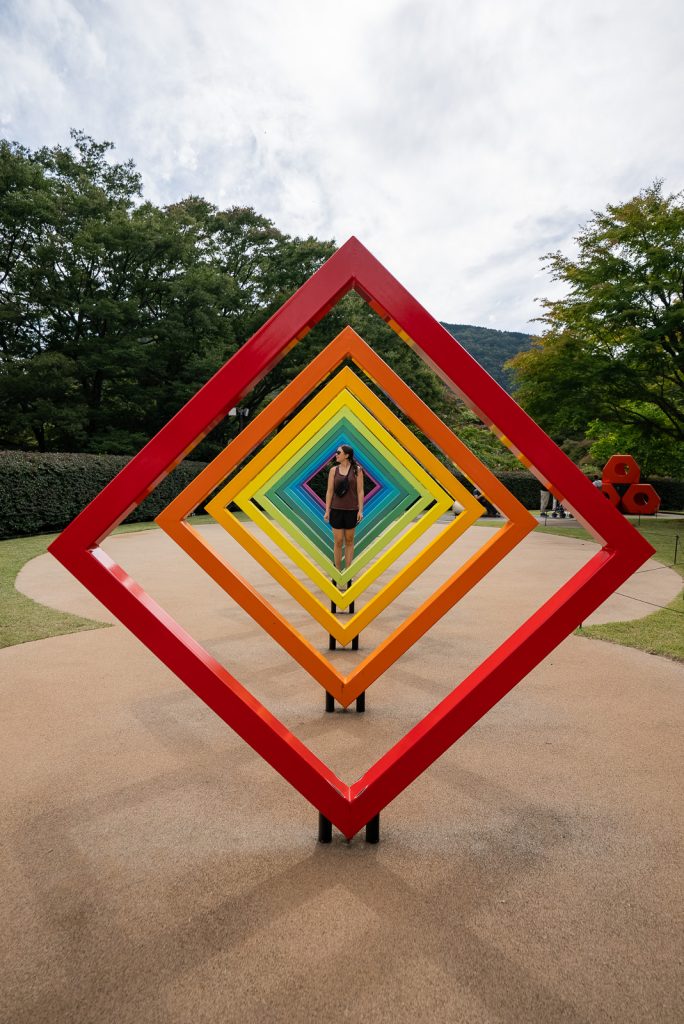
Staying in an onsen ryokan in Hakone is an experience in itself. You could easily just spend your entire time relaxing in your room. But if you are in the area for a few days or just want to go explore, there is a lot to do in Hakone! Some of our favorites were riding the ropeway up to Owakudani, visiting a traditional tea house in the forest, wandering around the Open-Air Museum, and eating delicious burgers at Box Burger.
For even more ideas, check out our complete guide with fun things to do in Hakone and use our 2 days in Hakone itinerary to help plan your time!
Save this guide to staying in an onsen ryokan in Hakone, Japan