Last updated on March 11th, 2026
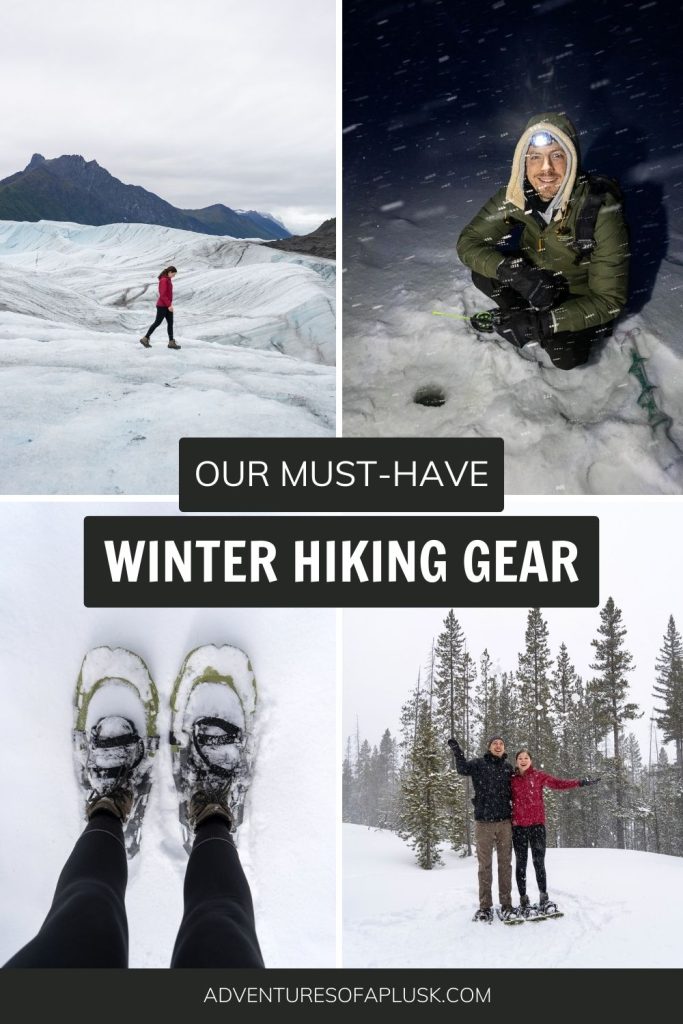
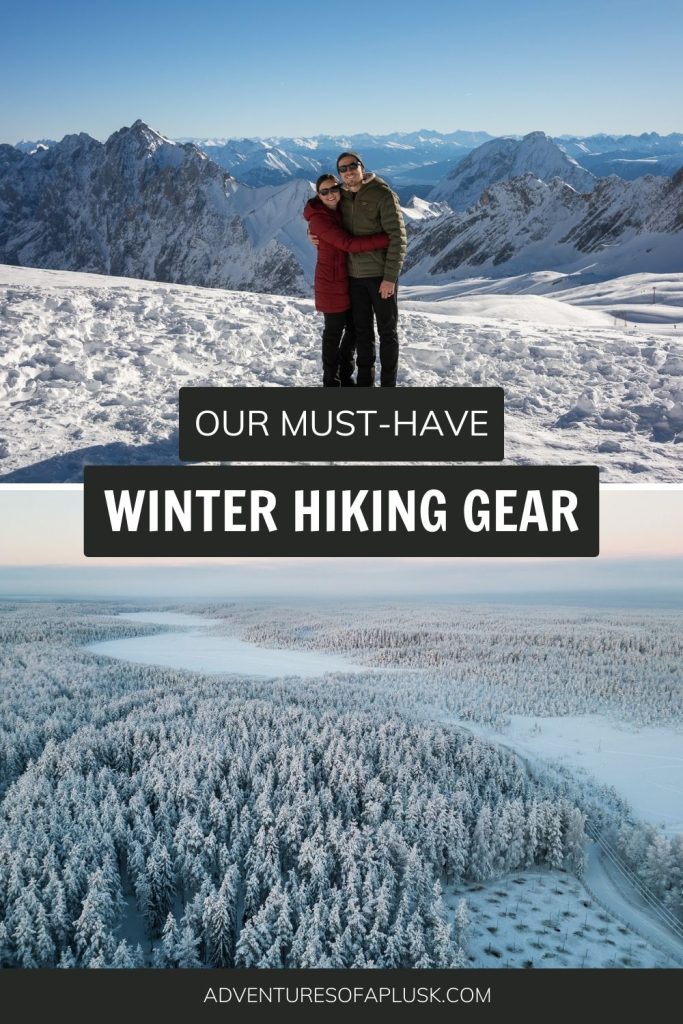
Looking for the best winter hiking gear? We’re sharing our personal favorites to keep you safe and warm on all your cold-weather adventures!
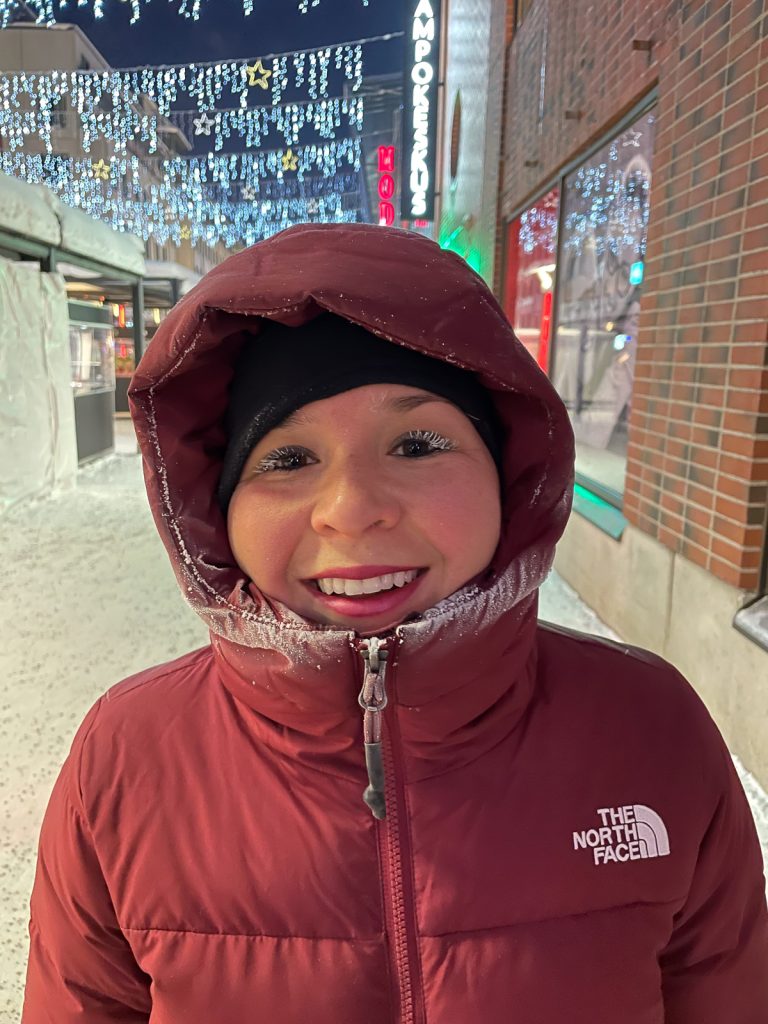
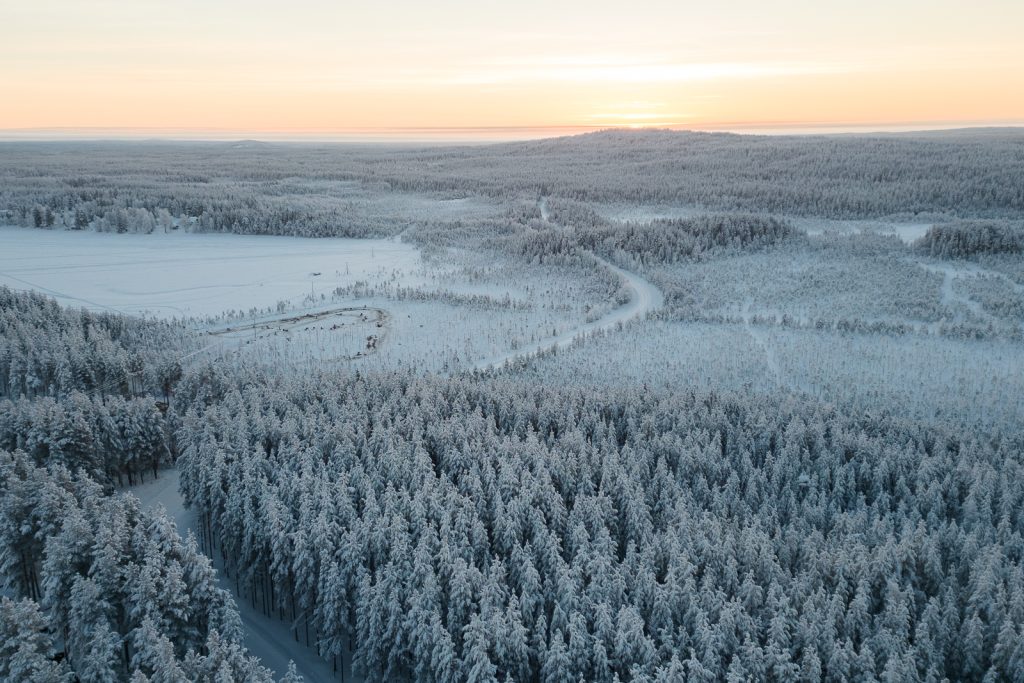
Having lived in Washington State for three years, we went on countless winter hikes across the Pacific Northwest. Recently, we spent two epic weeks in Finland during the middle of winter, with temperatures regularly between -17ºF and -20ºF, where even our eyelashes froze (yes, it was THAT cold!). Our time there was such a great reminder of just how important it is to have the right gear for cold weather.
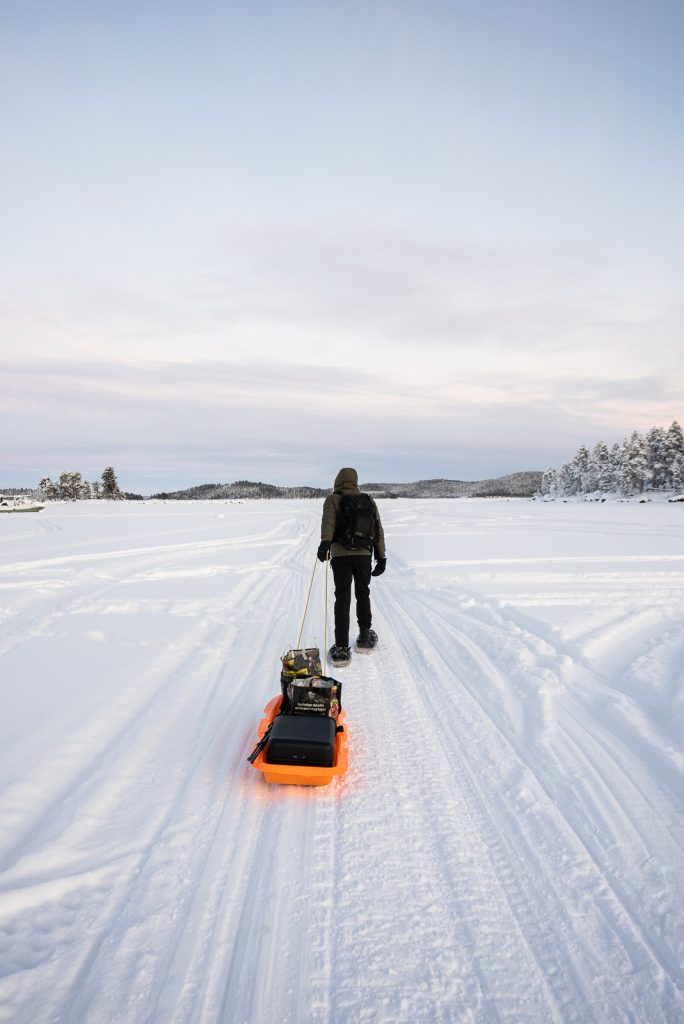
Our winter adventures have taught us that hiking can be super fun year-round with the right clothing and equipment. Even for those not used to harsh winters, like us Texans, where winter meant tank tops! While some of our regular hiking gear works in the winter, there are specific items that you may not have handy that will make winter hiking much more bearable. And through lots of trial and error, we’ve figured out what gear not only keeps us warm, but also adds to the fun of winter hiking!
To help you stay safe and enjoy your winter hikes, we’ve put together a list of the best hiking gear for winter! A huge chunk of the items on this list are things we own, love, and make our winter hikes even better.
Know Before You Go
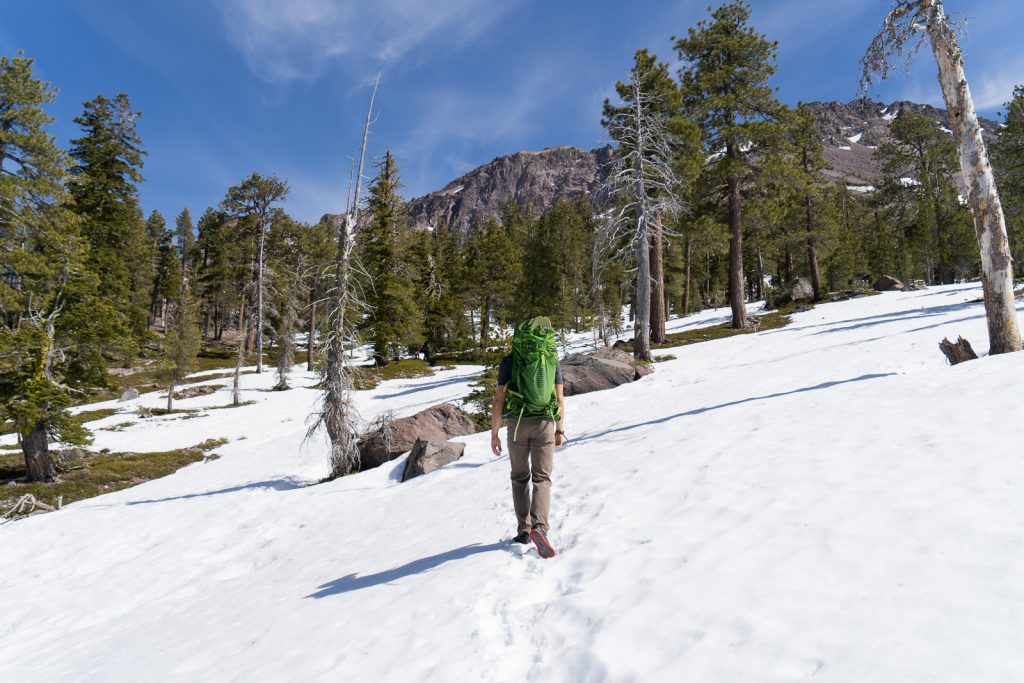
Check the Weather: Mountain weather can be unpredictable, so pack extra layers, food, and water. And always remember, the trail will be there next time, so if conditions are too extreme, it’s okay to turn back.
Be Ready for Cold-Related Injuries: Familiarize yourself with the signs and symptoms of hypothermia and frostbite. Carry a first aid kit with winter-specific gear and know how to treat these conditions if they occur!
Be Prepared for Early Sunsets: In the winter, daylight hours are much shorter. Plan your hike accordingly, and bring a headlamp or flashlight just in case you end up hiking in the dark.
Avoid Cotton Clothing: When cotton gets wet, it loses its insulating properties and can suck away your body heat fast. This can lead to serious issues like hypothermia or frostbite, which is super dangerous when you are in the backcountry.
Avalanche Safety: If you’re hiking in avalanche terrain, check the avalanche conditions and carry the necessary safety gear, such as a beacon, probe, and shovel. You might also want to consider taking an avalanche safety course to learn how to assess and mitigate risks.
Leave No Trace: Before embarking on your winter hiking adventure, please review the Leave No Trace principles to ensure you leave every place better than you found it, so that others can enjoy these beautiful places for many years to come!
What To Wear Hiking In Winter
Base Layers
One of the most important components of our winter hiking outfits is our base layers. This layer is in direct contact with your skin and should be moisture-wicking to keep sweat away from your body. Materials like merino wool or synthetic fabrics like polyester or polypropylene work well. The base layer should fit snugly to your skin without being too tight or restrictive.
Thermal Tops
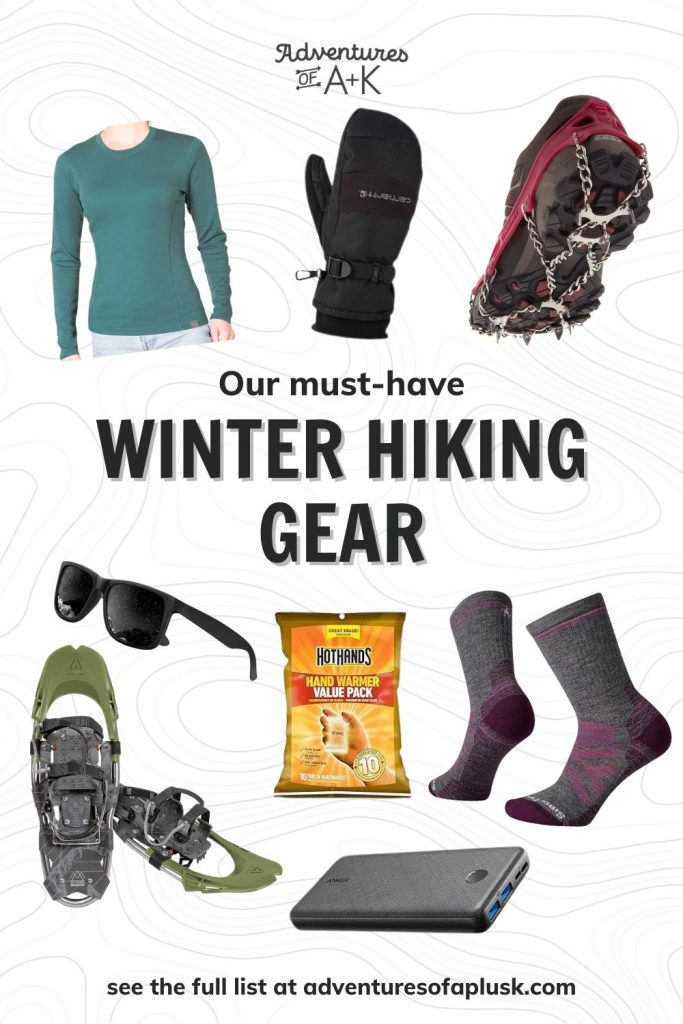
We love Merino wool for our base layer tops because it’s super soft, breathable, and moisture-wicking. It helps us regulate our body temperature and keeps us warm even when it gets wet, making it perfect for winter hiking.
Thermal Bottoms
We swear by thermal leggings made from merino wool because they’re amazing at regulating temperature and wicking away moisture. These leggings fit perfectly under our hiking pants, giving us that extra warmth without any bulk. Plus, they’re super soft—you’ll barely notice you’re wearing them!
Insulating Mid Layers
Insulating mid layers are super important for keeping warm during winter hikes. They’re the main source of insulation between your base layer and outer shell. The thickness of this layer can change depending on how cold it is and what you’re doing. We actually have two mid-layers: a regular one for most hikes (especially harder ones where we may sweat more) and a heavier jacket for those extra chilly, or easier hikes.
A+K Tip: Look for mid-layers with hoods—they’re amazing for staying extra warm (our winter parkas have them and it helps so much!)
- Men’s Ultralight 850 Down – This is one of Adams’ regular jackets for winter hiking. It’s lightweight, warm, and features DownTek PFC-Free™ water repellent down that stays dry longer than untreated down for superior lofty warmth that’s still amazingly light.
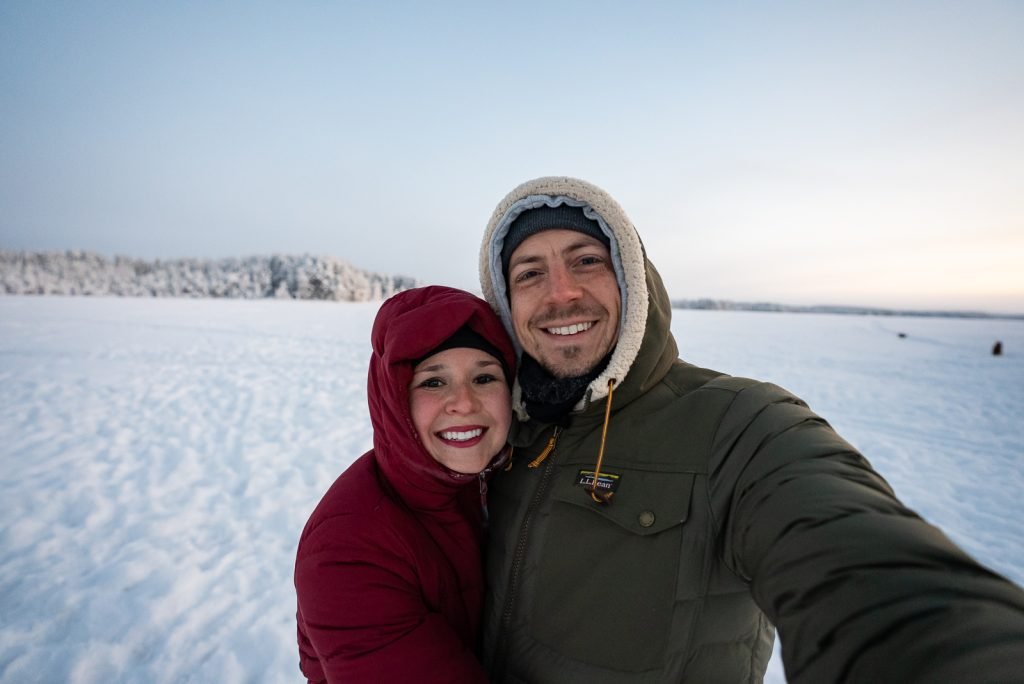
- L.L. Bean Men’s Mountain Classic Down Hooded Jacket – Adam loved this jacket in Finland. It’s sherpa-lined and filled with down insulation, providing excellent warmth and comfort. The hood offers extra protection from the cold, and the durable outer shell is wind-resistant and keeps you toasty even in sub-zero temperatures.
- Women’s Ultralight 850 Down Hooded — This is one of Kathryn’s regular jackets for winter hiking. It’s lightweight, warm, and features DownTek PFC-Free™ water repellent down that repels water and stays dry longer than untreated down for superior lofty warmth that’s still amazingly light.
- Columbia Women’s Autumn Park Down Mid Jacket — This jacket is similar to the one Kathryn wore in Finland. Unfortunately (and fortunately) the parka she did wear on that trip was from a North Face Outlet. Which meant it was 50% off (score!), but also not sold anymore. But this is a good alternative! It’s filled with down insulation for maximum warmth and features a water-resistant outer shell. The longer length provides extra coverage and warmth, making it ideal for extremely cold conditions.
Outer Layer/Waterproof Shell Jacket

A shell jacket’s main job is to keep you dry. Look for jackets made with waterproof materials like Gore-Tex. It should also be breathable to let sweat escape, so you don’t get clammy. A good shell should also block wind to keep you warm and stop the chill from cutting through your layers. Also, be sure to consider the jacket’s weight and how easily it packs down in your backpack.
- Columbia Men’s Watertight II Rain Jacket — Adam loves this jacket because it’s super durable and completely waterproof. It keeps you dry in heavy rain and snow while still being breathable and comfortable to wear.
- Patagonia Torrentshell Women’s Waterproof Jacket — Kathryn thinks this jacket is fantastic for keeping dry in wet conditions. It’s lightweight, waterproof, and has a great fit, making it perfect for all our winter adventures.
Hiking Pants
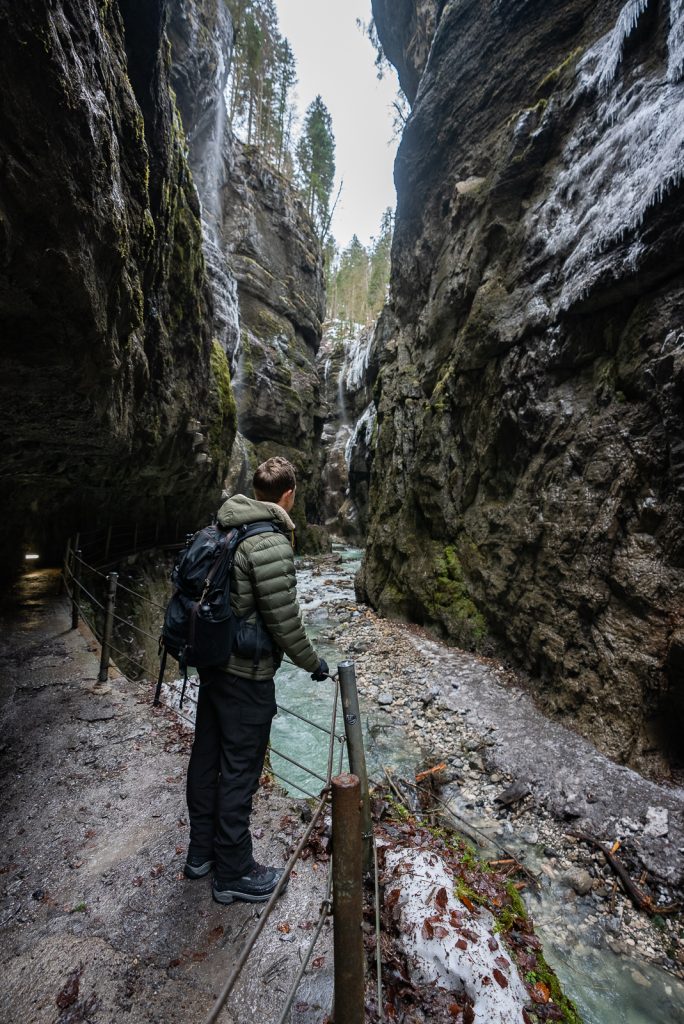
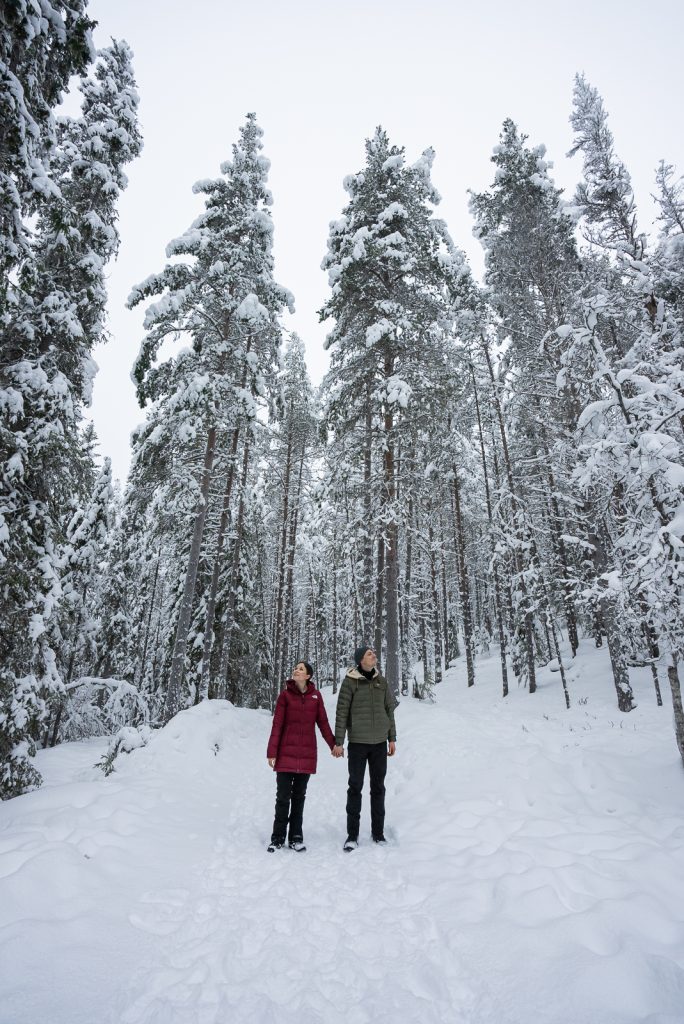
Water-resistant or waterproof pants are a must to stay dry and comfy! Look for hiking pants with built-in insulation to keep you warm when it’s super cold. Fleece-lined or insulated pants are great options!
- Wespornow Men’s Fleece-Lined Hiking Pants — These pants are designed for cold weather with a fleece lining to provide extra warmth. Adam likes to wear them on winter hikes where the temperatures are super cold. He loves that the fleece lining helps to retain body heat on all our adventures.
- prAna Brion Slim Pants II Men’s — These are Adam’s regular hiking pants, and they are great! They’re water-resistant, slim, and comfortable, making them ideal for both hiking and everyday wear.
- Wespornow Women’s Snow Ski Pants — Designed for winter sports but perfect for hiking, Kathryn loves these pants! They are insulated and fleece-lined, with a water-resistant feature that makes them great for snowy trails. Plus, the zipper pockets are awesome for stashing small items. They’re also adjustable, so you get a perfect fit.
- KUHL Women’s Freeflex Hiking Pants — Kathryn doesn’t always wear hiking pants, but she definitely recommends these for winter adventures! These pants are super comfy and durable, with a soft, stretchy fabric that lets you move easily. The water-resistant finish keeps you dry in damp conditions, and the adjustable waistband ensures a perfect fit.
Gaiters
Gaiters are extremely helpful for winter hiking, especially when there’s snow on the ground. They’re essentially protective coverings worn over your shoes and lower pant legs, designed to keep snow, water, mud, and debris out of your boots. We haven’t personally used these while hiking (yet), but there have been many times we wish we had! (We’re looking at you Long Range Traverse)
- Outdoor Research Crocodile Gaiters — These gaiters are known for their durability and weather protection. Made from tough 1000D Cordura fabric, they resist abrasions and tears. They’re waterproof and windproof, with a breathable Gore-Tex membrane.
Winter Hiking Boots
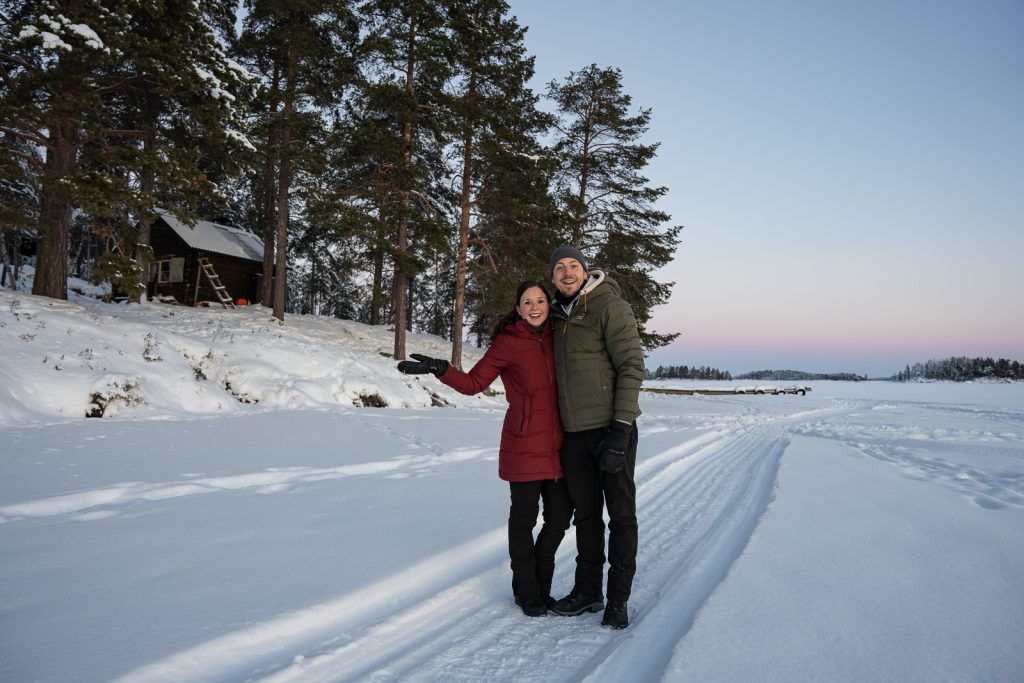
When it comes to winter hiking, your choice of boots can totally make or break your adventure. We swear by waterproof boots to keep our feet dry while trudging through snow or slush. Good traction is also must to prevent slipping on icy trails. And for maximum comfort, definitely break them in before your hike—it helps avoid blisters and keeps your feet happy!
- Columbia Men’s Bugaboot III Snow Boot — Adam loves these boots for winter hikes! They provide excellent insulation and waterproof protection, making them perfect for extreme cold. With an Omni-Heat reflective lining and 200g insulation, these boots ensure your feet stay warm and dry, no matter the weather.
- Columbia Women’s Ice Maiden II Snow Boot — Kathryn wore these in Finland, and they were perfect. They’re warm, waterproof, and comfortable, with excellent traction on snow. The Techlite lightweight midsole provides long-lasting comfort and so much cushioning.
- Lowa Women’s Renegade GTX Mid Hiking Boot — These are Kathryn’s regular hiking boots! They’re waterproof and offer great support and traction, making them perfect for winter trails too. Comfortable and durable, these boots handle both snowy and wet conditions like a champ.
A+K Tip: One important lesson we learned from our time in Finland is the importance of getting winter hiking boots or snow boots 1-2 sizes too large. Your toes need the extra space to stay warmer. Kathryn made the mistake of wearing boots in her normal size, and once temperatures dipped below 0ºF, her feet got super cold.
Microspikes
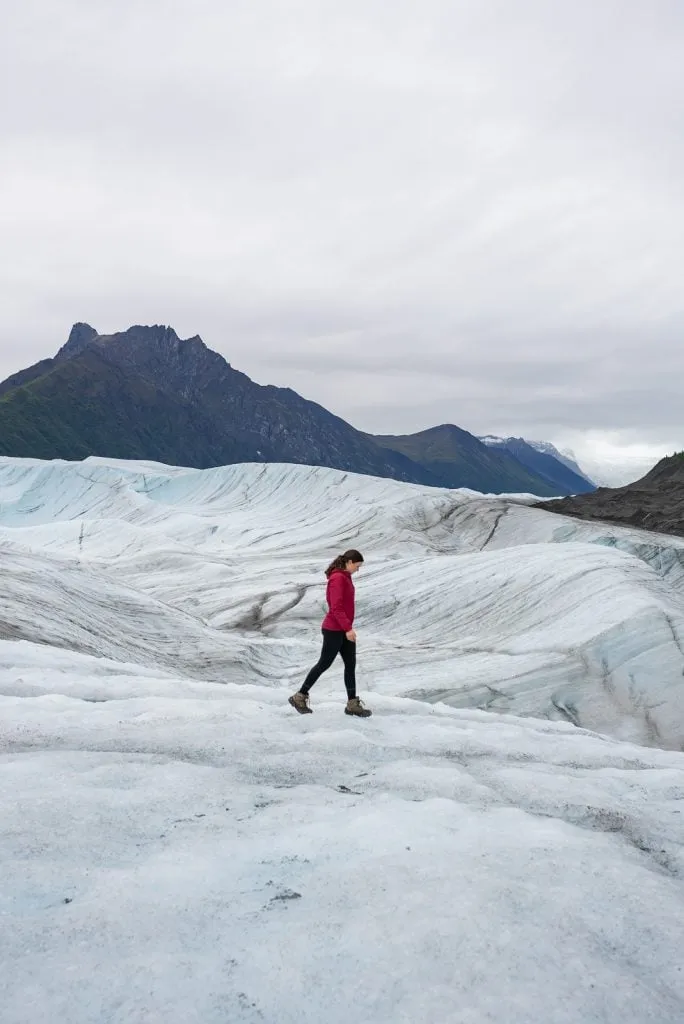
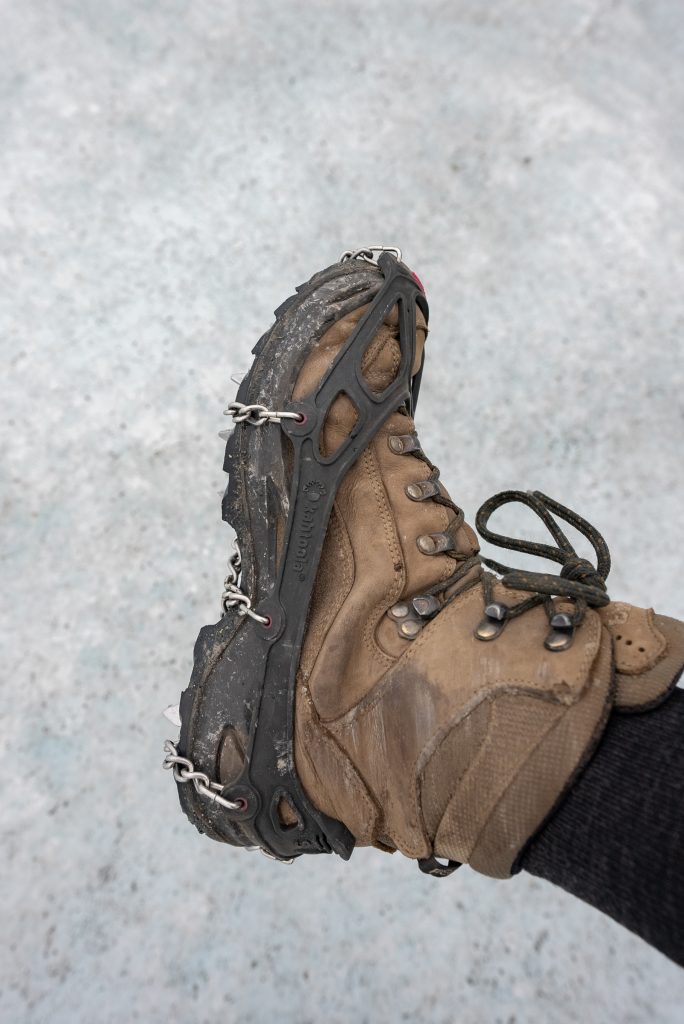
Microspikes are an essential item for your winter hiking gear kit! These lightweight traction devices can easily pop onto your hiking boots. They have small but durable spikes that give you extra grip on icy and snowy surfaces.
- Kahtoola MICROspikes —We have had these microspikes for years now and love them! They fit perfectly on all of our different hiking shoes and make us feel so secure when hiking on slick trails.
Snowshoes
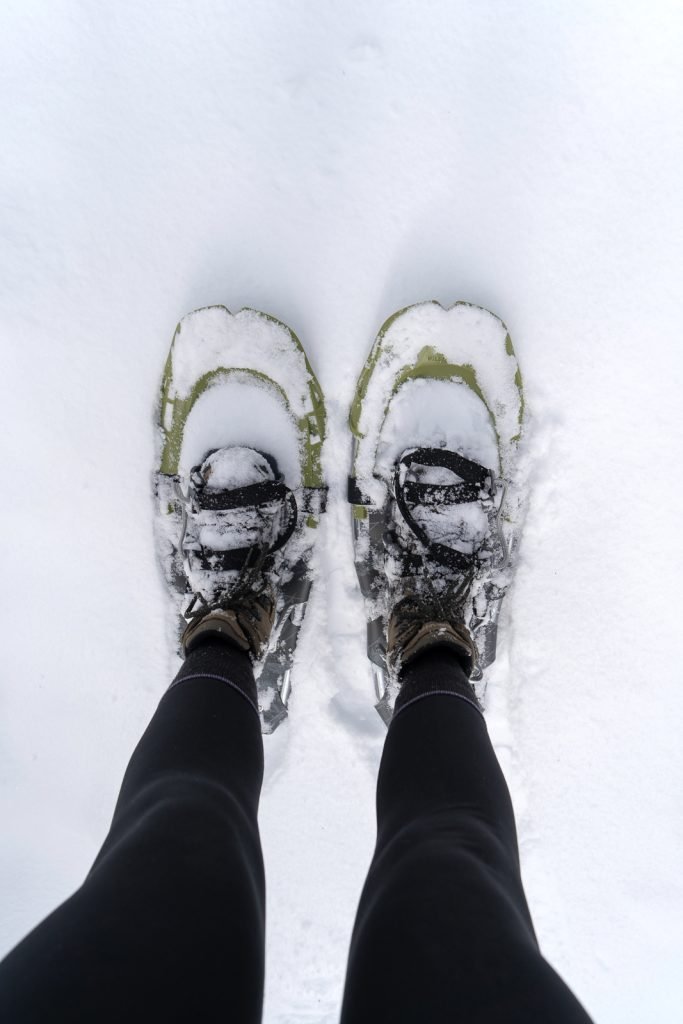
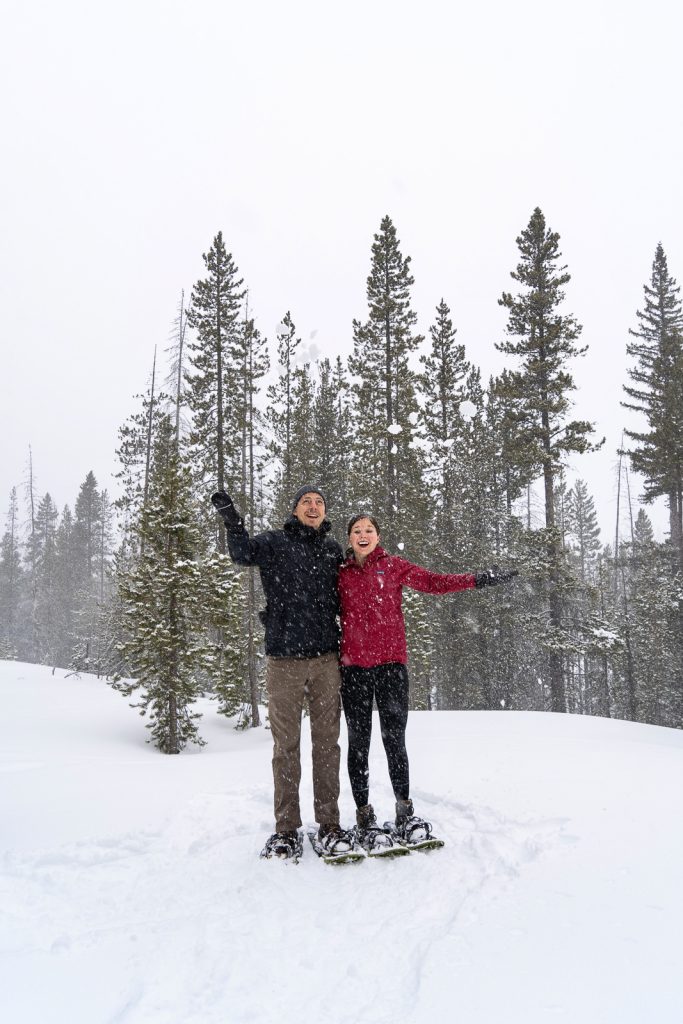
When the snow gets deep, snowshoes are a must-have piece of winter hiking gear. They distribute your weight, allowing you to walk on top of the snow rather than sinking in. And let’s be real, they’re a ton of fun to use!
- Wildhorn Delano Lightweight Snowshoes — These snowshoes provide great flotation and traction in deep snow, making off-trail hiking easier and more enjoyable.
Gloves/Mittens

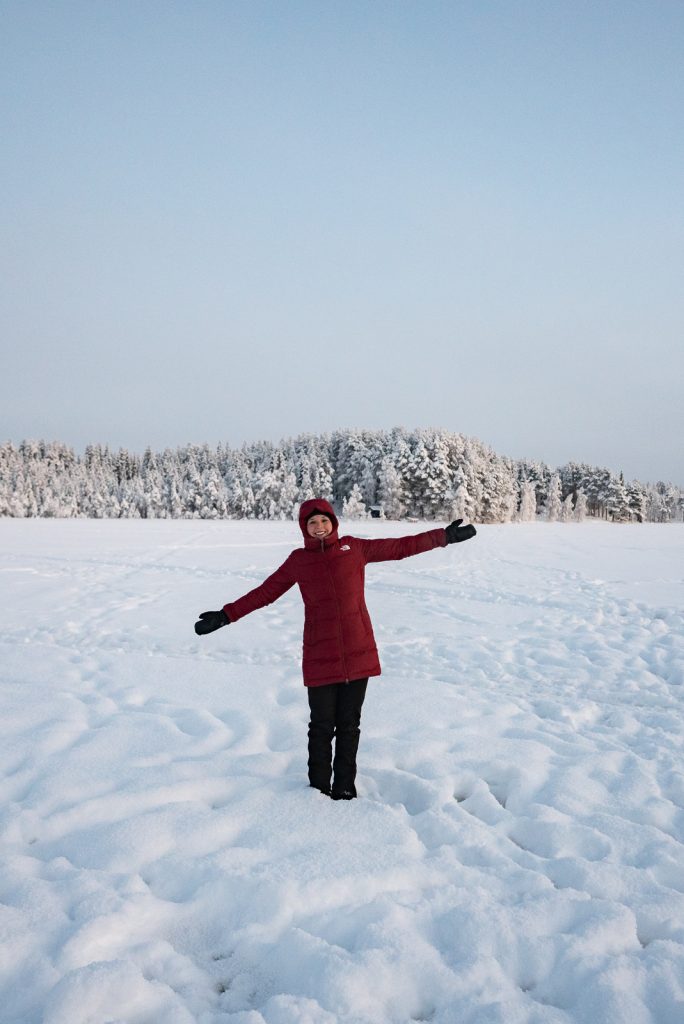
Mittens are amazing for keeping your hands warm in the cold since they keep your fingers together (which helps generate more heat!). In Finland, we found that layering gloves under our mittens worked great for adding an extra layer of warmth and protection against the cold. While gloves are good for dexterity and warmer winter temperatures, mittens work a lot better at keeping your hands warm in below freezing temperatures.
- Carhartt Men’s W.P. Waterproof Insulated Mittens — These are Adam’s favorite mittens for winter hiking. They’re waterproof and insulated, providing excellent warmth and protection in harsh conditions. The durable outer shell and soft interior ensure his hands stay toasty and comfortable, even on the coldest days.
- Carhartt Women’s Quilts Insulated Mitten — Kathryn thinks these mittens are amazing for keeping hands warm and dry! With quilted insulation and a waterproof design, they’re durable and super comfortable. Perfect for winter hikes, they keep your hands cozy no matter the weather.
- 3M Thinsulate Touchscreen Gloves — We think these gloves are awesome! They have 3M Thinsulate insulation that keeps our hands super warm. The best part? The touchscreen-compatible fingertips let us use our phones without taking the gloves off.
Hand Warmers
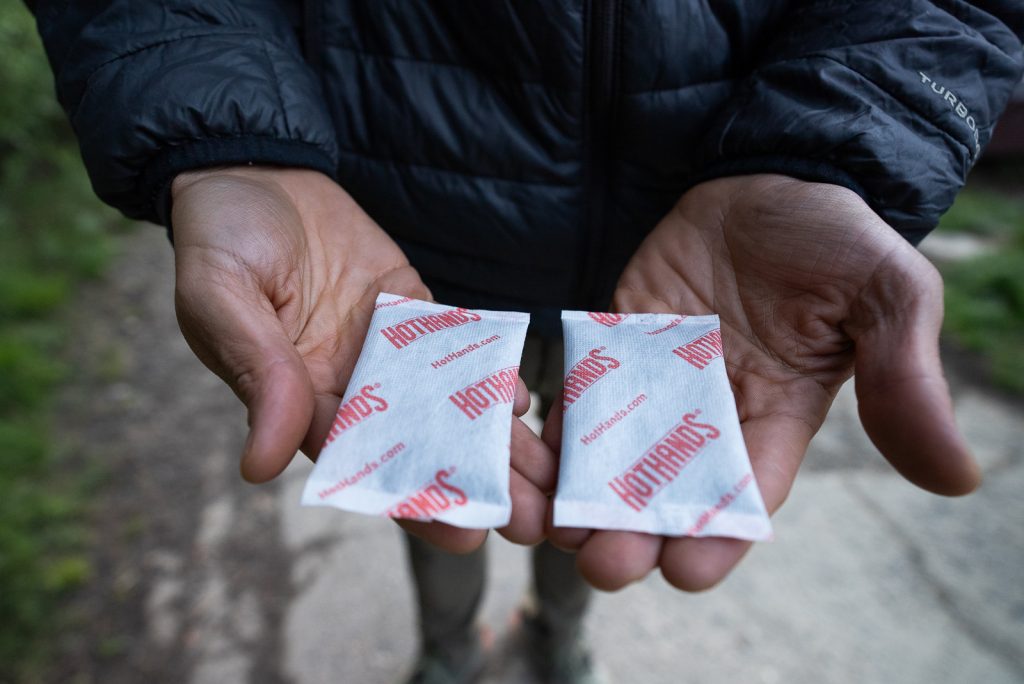
Hand warmers are little packets you shake to activate. They’re filled with compounds that react to create heat. Once you activate them, they stay warm for hours! We like to have these handy just in case the temperatures drop unexpectedly or if we need some extra warmth during our outdoor adventures in the cold.
- HotHands Hand & Toe Warmers — Slip these into your gloves or boots, and they provide up to 10 hours of warmth.
Wool Socks

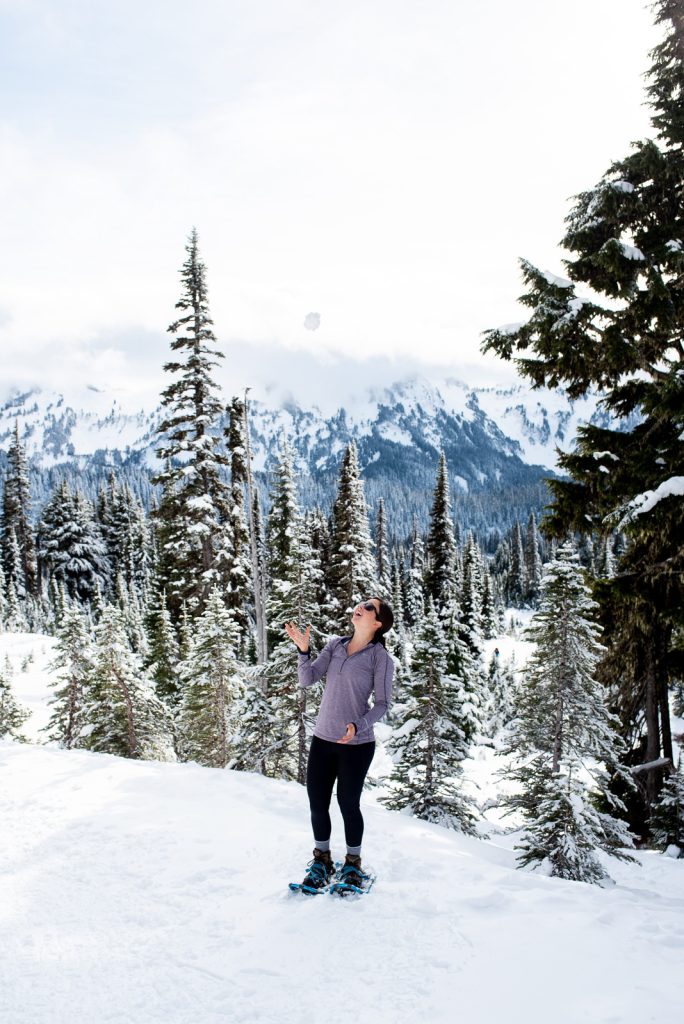
Wool socks are a must-have for your winter hiking gear kit. They wick away moisture and provide extra insulation, keeping your feet warm and dry in cold conditions. Unlike cotton socks, which can retain moisture and make your feet cold, wool socks will keep you comfortable all day long.
- MERIWOOL Merino Wool Hiking Socks — We used these in Finland, and they were fantastic. They have a higher percentage of wool compared to other brands, making them incredibly warm and moisture-wicking. Plus, they’re super comfortable and durable for long hikes.
- Darn Tough Merino Wool Socks — These socks are also amazing! They’re warm, comfortable, and have a lifetime warranty.
Wool Beanie

Wearing a beanie helps prevents a ton of heat loss. Choosing wool for your beanie is a great idea because wool is a natural insulator. It’s really good at trapping heat and keeping you warm, even when it’s wet!
- MERIWOOL Unisex Merino Wool Cuff Beanie — This beanie is perfect for keeping your head warm. It’s made from 100% merino wool, providing excellent insulation and breathability. It’s also super soft and comfortable, making it a great choice for both men and women.
BUFF
A BUFF is a stretchy tube of fabric that you can wear in a bunch of different ways. Use it as a neck gaiter, pull it up as a face mask, or wear it as a headband—it’s incredibly versatile! The fabric is really comfy and wicks away sweat, so it’s great for staying dry.
- BUFF Multifunctional Headwear — We personally used BUFFs in Finland because it’s made of moisture-wicking and breathable material. Plus, it offers UV protection, perfect for those long days outdoors. They also come in tons of colors and patterns, so you can find one that suits your style.
Headband

Headbands are great for keeping your ears warm without overheating. They’re perfect for chilly days when a full hat is too much.
- Thermal Headband — Kathryn has used a headband like this for years, and it’s never let her down. It keeps her ears warm on snowy hikes, even when she wears sunglasses or goggles.
Accessories
Backpack
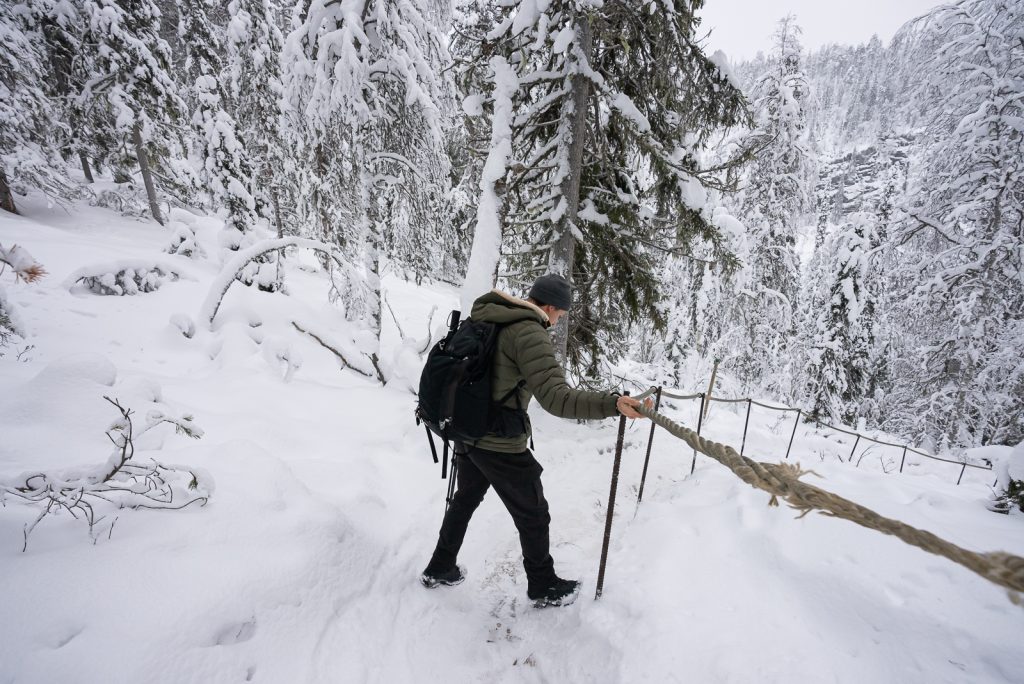
A sturdy backpack is an absolute must-have for carrying all your gear, snacks, and water. Look for one that fits comfortably and has plenty of pockets for easy organization.
- REI Co-op Trail 40 Pack – Men’s — Adam loves this pack for winter hikes! It’s spacious and designed with multiple compartments and attachment points for all his gear. The comfortable suspension system evenly distributes weight, making it perfect for long treks in the snow.
- REI Co-op Trail 40 Pack – Women’s — Kathryn swears by this pack! Tailored for a woman’s frame, it offers the same great features as the men’s version. Comfortable, spacious, and perfect for carrying all her winter hiking gear, it’s her go-to pack for snowy adventures.
Hiking poles
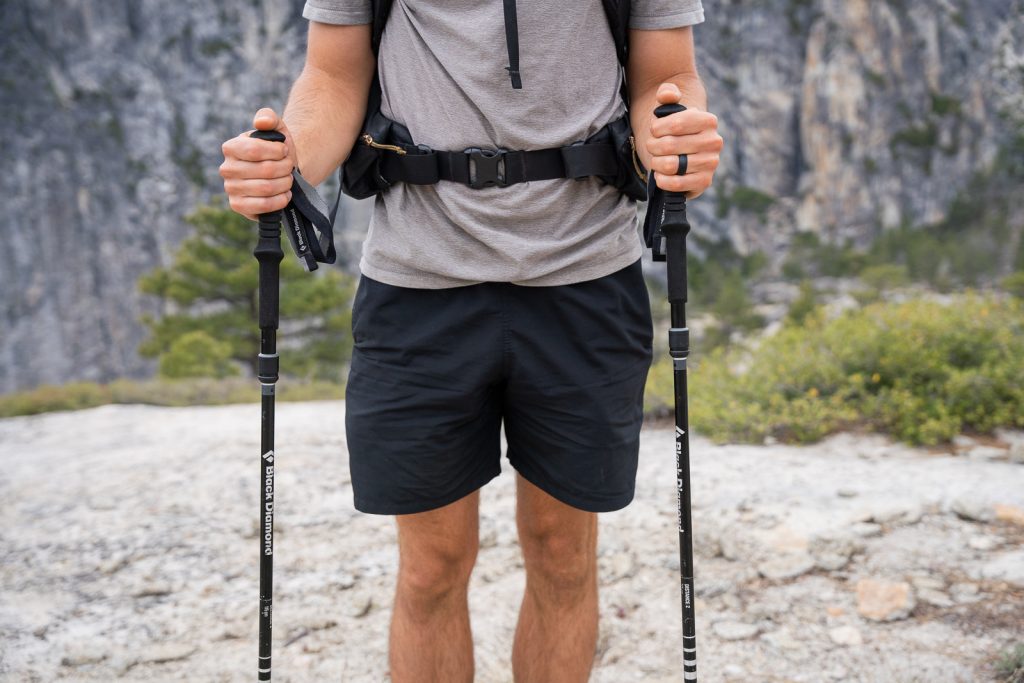
Hiking poles can be extremely helpful on slippery or uneven terrain. They provide us with that extra stability and really help reduce strain on our knees and legs.
- Black Diamond Distance Z Folding Trekking Poles — We love these poles! They’re lightweight and easily packable, providing stability and support on icy trails. Plus, they fold down compactly, making them easy to carry and store.
Water Bottle/Reservoir
We always make sure to stay hydrated, even in the cold. Bringing a water bottle or reservoir is a must, and we make sure to drink plenty of fluids throughout our hike.
- CamelBak Crux 3-Liter Water Reservoir — We love this water reservoir because it holds tons of water (3 liters!), features an easy-to-use bite valve, and if you get the insulated tube cover, it helps prevent freezing in cold temperatures. Plus, the reservoir is BPA-free, so you can feel good about what you’re putting into your body.
Sunglasses

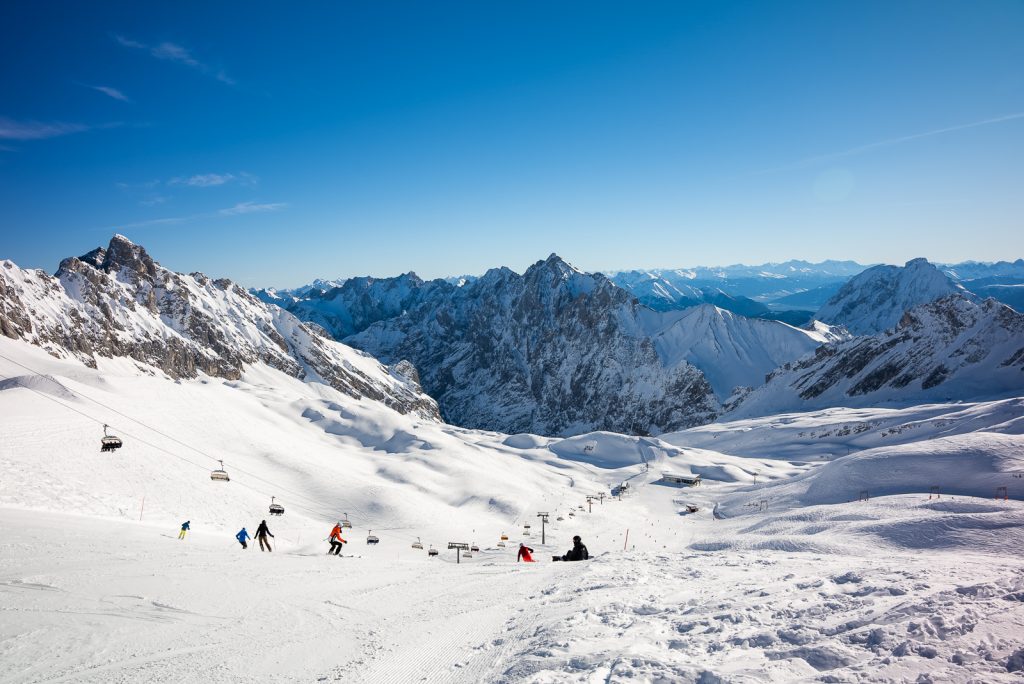
The sun’s reflection off the snow can be incredibly intense, leading to a condition called snow blindness (which is essentially a sunburn on your eyes!). This can cause pain, temporary vision loss, and even long-term damage! So a good pair of sunglasses is necessary for eye protection. Look for sunglasses that block 100% of UVA and UVB rays.
- KALIYADI Polarized Sunglasses — Adam loves these sunglasses! They offer 100% UV protection and reduce glare, making them perfect for snowy conditions. Lightweight and durable, they provide clear vision, ensuring his eyes stay protected on bright winter days.
- Ray-Ban Chris Sunglasses — Kathryn thinks these sunglasses are fantastic! Stylish and functional, they provide excellent UV protection and reduce glare. Their lightweight design and comfortable fit make them a great choice for winter hiking.
Sunscreen
Even in winter, it’s important to protect your skin from the sun’s rays. The sun’s reflection off the snow can actually amplify its effects, increasing the risk of sunburn. Use sunscreen with SPF 30 or higher on any exposed skin, and remember to reapply regularly.
- EltaMD UV Sport Sunscreen Lotion SPF 50 — This sunscreen is our go-to for outdoor adventures. With broad-spectrum protection and a high SPF of 50, we feel confident it’s shielding our skin from harmful UVA and UVB rays. Plus, it’s oil-free and won’t clog pores, which is a big win for sensitive skin. Easy to apply and quick to absorb, it leaves our skin feeling protected without that greasy feeling.
Chapstick
Cold, windy conditions can really dry out your lips, so we always carry a lip balm with SPF to keep them moisturized and protected. We love to use balms with natural ingredients like beeswax or shea butter to soothe and heal dry lips.
- Burt’s Bees Beeswax Lip Balm — Made with natural ingredients, this lip balm provides long-lasting moisture and protection. It’s perfect for preventing chapped lips in cold, windy conditions.
GPS Handheld Communicators
A satellite communicator or similar device can provide peace of mind by allowing you to communicate with emergency services and loved ones, even in remote areas without cell service. Just make sure to activate and test your device before hitting the trail so it’s ready when you need it!
- Garmin inReach Mini — This device is one of our favorite items we own! It lets us send SOS signals and texts from anywhere, even when we’re out of cell range, which gives us so much peace of mind knowing we can call for help if we need to, especially during remote winter hikes. It’s also very compact and lightweight, so it doesn’t weigh us down at all!
10 Essentials
Navigation Tools/Offline Maps
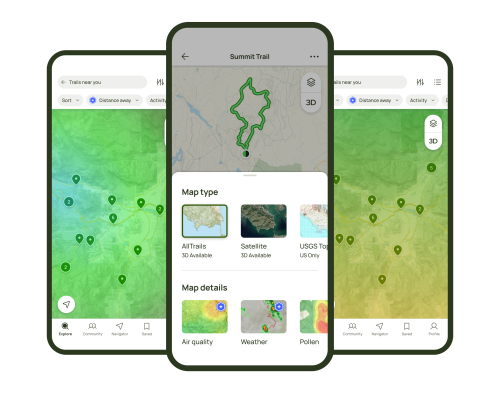
We always download maps before heading out on winter hikes because the trails can be harder to see, especially with snow covering the ground. Some hikes even have specific winter routes, so having those maps handy is super helpful.
- AllTrails — This App is our favorite for offline navigation, which has saved us countless times in areas without cell service. Having offline maps downloaded not only helps us navigate but also keeps us on track and ensures we don’t get lost, especially in snowy conditions.
Looking to save 30% on an AllTrails+ membership? Redeem our code aplusk30 on the website (not the app) to get your discount!
Illumination (Headlamp/Flashlight)
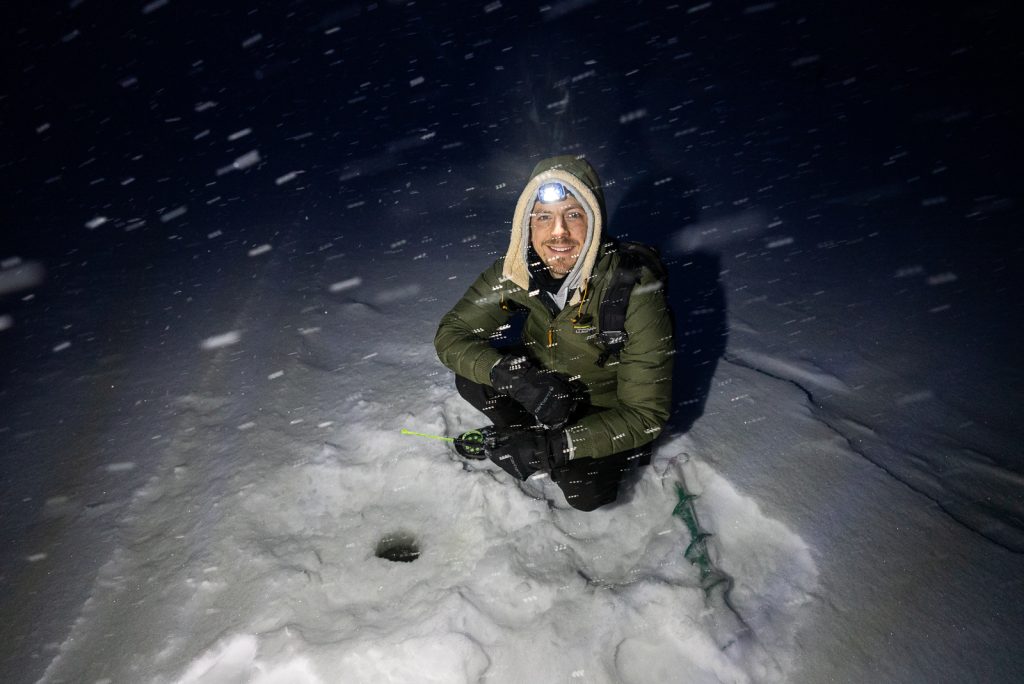
Days are shorter in winter, and it’s easy to get caught out after dark. A headlamp or flashlight is helpful for navigating trails, setting up camp, or signaling for help in emergencies.
- Black Diamond Storm 400 Headlamp – This one is bright and has great battery life. Don’t forget to bring a few extra batteries, just in case you need them.
First-aid Kit
Injuries and illnesses can happen on any hike. Having a well-stocked first-aid kit allows you to treat minor injuries and manage more serious situations until help arrives.
- Adventure Medical Kits — This first aid kit is small and lightweight and contains a variety of supplies such as bandages, wound dressings, medications, and tools for treating common outdoor injuries.
Fire (Waterproof Matches/Lighter)
We always bring a fire starter, like waterproof matches or a lighter, because it can be a lifesaver in an emergency, giving us warmth and light when we need it most. It’s also great for signaling for help if things go wrong. We recommend practicing with your fire starter before your hike so you know exactly how it works!
- UCO Stormproof Match Kit — This match kit includes 25 stormproof matches and 3 strikers in a waterproof case. These matches light up great in harsh conditions, making them perfect for camping and emergencies.
Nutrition

Did you know that hiking in winter burns more calories because your body works harder to stay warm? Additionally, the added weight of winter gear and navigating through snow can contribute to burning more calories! That’s why we always pack extra food, specifically, non-perishable snacks like nuts, protein bars, and dried fruit. Check out our favorite foods to take on hikes!
You can also pack along dehydrated meals if you prefer a hot meal on the trail.
- Bowl & Kettle — Our friends just started Bowl & Kettle, and we have to say, it’s our new favorite! Their meals are delicious and flavor packed (we love all three flavors!) and taste just as good as a fresh meal. They’re super easy to prepare and are a comforting treat after a long day of hiking in the cold.
- Peak ReFuel Chicken Coconut Curry — This meal is a game-changer after a day on the trail. The coconut curry sauce is so flavorful and comforting, and the chicken is tender and satisfying.
- Backpacker’s Pantry Chicken Pad Thai — This is another favorite of ours. The mix of noodles, chicken, and veggies in a tasty sauce is just what you need after a long hike. It’s got a nice kick to it and really warms you up on a cold day.
Emergency Blanket
We always pack an emergency blanket for those unexpected turns in our adventures. It’s a lifesaver if we get caught in a storm or need to stay out overnight unexpectedly, keeping us warm when we need it most. Even if we’re backpacking with a tent, it’s smart to have an emergency blanket handy just in case we venture out for a day hike and run into trouble.
- Swiss Safe Emergency Thermal Blanket — This blanket is designed to reflect and retain up to 90% of your body heat, helping you stay warm in emergency situations. It’s waterproof, windproof, and tear-resistant, making it perfect for hiking, camping, or emergency kits.
Portable Charger

We always bring a portable charger on our winter hikes because electronics tend to die quicker in the cold. Make sure to keep it close to your body to prevent it from getting losing its charge.
- Anker Portable Charger— This portable charger is a staple in our gear. With its 20,000mAh battery, it keeps our devices charged during all our hiking adventures. Its compact size makes it easy to carry, and its durability gives us peace of mind that it can handle whatever we throw at it.
Avalanche Shovel
If you’re hiking in avalanche terrain, an avalanche shovel is a safety tool you should definitely carry along. It can be used to dig out a companion if they’re buried in an avalanche or to create a snow shelter in an emergency.
- RHINO USA Folding Survival Shovel – Lightweight and durable, this shovel is easy to carry and features a collapsible design.
Winter Trail Kitchen Essentials (Optional)

Compact Stove
We love bringing a compact stove on our hikes because it lets us quickly boil water and prepare hot meals on the trail. It’s especially comforting during cold weather hikes or when we need a quick energy boost. Plus, having a stove means we don’t have to rely on building a campfire in wet, cold snow!
- MSR PocketRocket Stove Kit – is a compact and lightweight stove system designed for outdoor use and is known for its fast boiling times. The stove is really easy to set up and operate, making it ideal for boiling water quickly and preparing hot meals on the trail.
Portable Kettle
Portable kettles are perfect for making a quick cup of coffee, tea, or hot chocolate while hiking or camping. They often have a built-in handle and spout for easy pouring and are designed to be used directly over a campfire or portable stove.
- Sea to Summit X-Pot Kettle — One of the key features of the X-Pot Kettle is its collapsible design, which allows it to fold down to a compact size when not in use. This makes it easy to pack and carry, taking up minimal space in your backpack or gear bag.
Insulated Mug
An insulated mug is a must for winter hiking. It keeps your hot drinks warm for longer, which is perfect for staying cozy in the cold.
- Stanley Classic Legendary Camp Mug— This camp mug is great for winter hiking. It keeps drinks hot for hours, perfect for staying warm on chilly mornings or evenings around the campfire. The mug’s handle is comfortable to hold, even with gloves on!
- Sea to Summit Ultralight Collapsible Camp Cup — This cup is a must-have for us! It’s basically identical to another one we use for coffee when backpacking. Since it isn’t insulated, it’s more of an easy-to-bring drinking vessel than a “keep your drink hot” mug. Perfect for a quick sip of something on the trail!

Hot beverage
We always bring along our favorite hot drink mix! It makes a nice treat for enjoying during our hike or as a reward at the end of a long day on the trail.
- Kuju Coffee Premium Pour Over Camping Coffee Singles — We absolutely love these! Each pack has a single-serve pour-over filter with high-quality coffee grounds, perfect for brewing a fresh cup anywhere. Just place the filter over your cup, pour hot water, and enjoy a delicious cup of coffee in minutes. No need for bulky coffee equipment or brewing gadgets—just great-tasting coffee on the go!
About the Author
This blog post was written by our writer Nicoll. Learn a bit about her below!
After six years of full-time travel, Nicoll is now a mountain-loving mama living in Colorado with her husband Jake, their sweet baby girl Teagan, and their pup Gunner. She loves hiking, riding her dirt bike, and finding joy in the little things.
Save this winter hiking gear guide