Last updated on September 26th, 2025
Looking for the best day trips from Cusco? From Inca ruins to epic glacial lakes, we’re sharing the 12 best Cusco day trips, including tour options!
Cusco is easily one of the best places to visit in Peru. And while there are plenty of things to do in Cusco alone, like seeing stunning colonial architecture and Inca ruins IN the city, it also is the perfect launching point for many adventures nearby.

Within just a few hours drive from Cusco you can find glaciers, snow capped mountains, turquoise lakes, and seemingly endless archeological sites. And with the region’s high altitude, you will likely be spending multiple days in the area to acclimate. So there’s no better way to spend your time than on a Cusco day trip!
In this guide we’re sharing the 12 best day trips from Cusco, including ruins, small towns, and jaw dropping hikes. Plus how to experience them, whether it’s on your own or with a guide!
Traveling to Peru? Check out our Peru guides:
- 18 FUN things to do in Cusco, Peru
- 11 MUST try Cusco restaurants & cafes
- The PERFECT 3 days in Cusco, Peru itinerary
- Visiting Machu Picchu in 2025: A step by step guide!
- The 9+ BEST things to do in Aguas Calientes
- How to hike Peru’s Salkantay Trek without a guide
- The Ultimate Peru Packing List (with downloadable list!)
- Our top 25 Peru travel tips & things to know
- The 13 BEST places to visit in Peru
- The Perfect 2 Weeks in Peru Itinerary for First-Timers
- Read all of our Peru travel guides
- Watch all of our Peru videos
- The 12 BEST day trips from Cusco
- 1. Machu Picchu
- 2. Rainbow Mountain (Vinicunca) and Red Valley
- 3. Palcoyo Rainbow Mountain
- 4. Humantay Lake
- 5. 7 Lakes of Ausangate
- 6. Ollantaytambo
- 7. Pisac Archaeological Site and Market
- 8. Chinchero
- 9 & 10. Moray and Maras Salt Mines
- 11. Waqrapukara Ruins
- 12. Adrenaline pumping tours
- Tips for your Cusco day trip
- Save this guide with the best Cusco day trips!
The 12 BEST day trips from Cusco
There are countless day trips from Cusco to consider. And while this isn’t an exhaustive list of every Cusco day trip option, it is our handpicked list of what we personally think are worth the time, effort, and money, based on our experience!
1. Machu Picchu
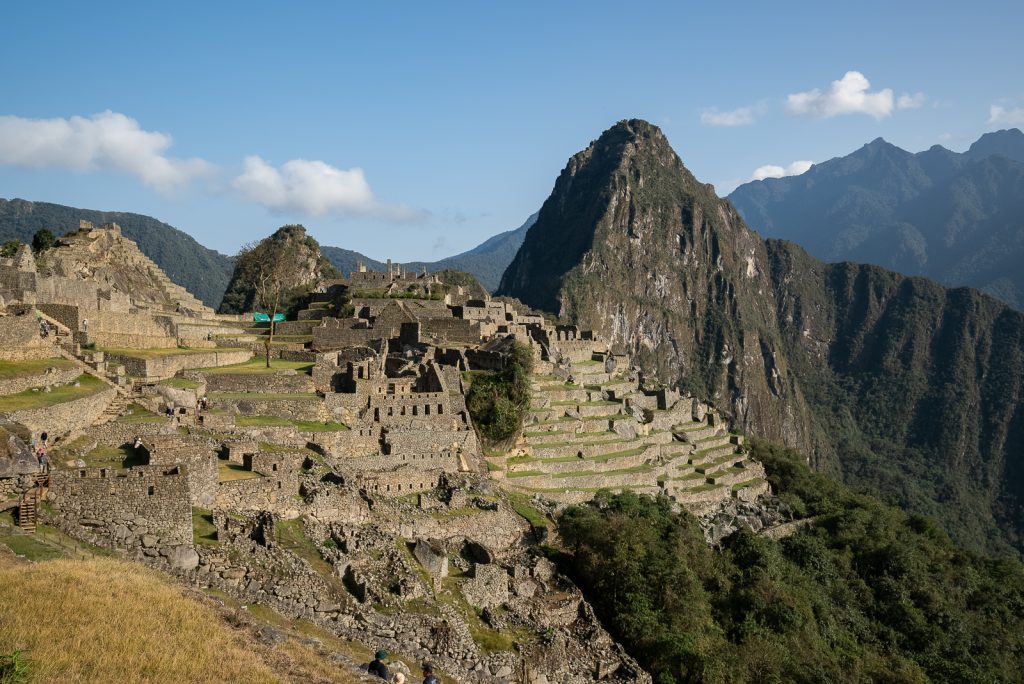
If you’re visiting Cusco, you’re likely here to see Machu Picchu. Machu Picchu needs no introduction. It’s one of the 7 New Wonders of the World, a UNESCO World Heritage Site, and the most impressive archaeological ruin in South America. And on top of all the worldly recognition, it also boasts majestic mountain views.
No trip to Peru is complete without seeing Machu Picchu, but there are quite a few different ways to experience it!
To learn everything you need to know about visiting Machu Picchu check out our detailed guide! We cover how to get there, when to visit, and break down the different circuits inside the ruins.
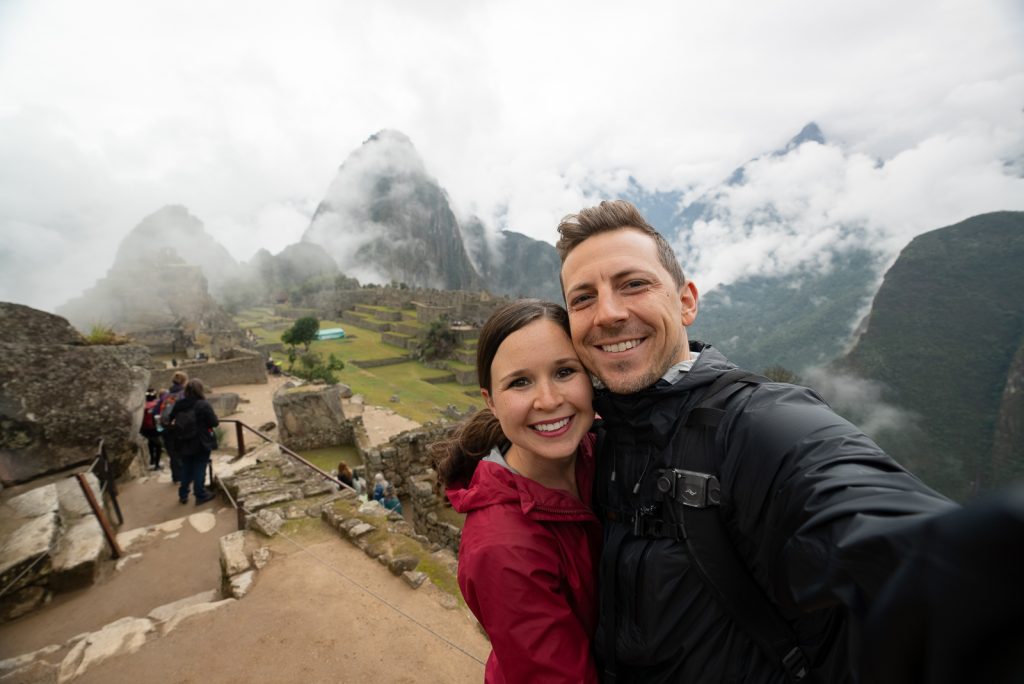
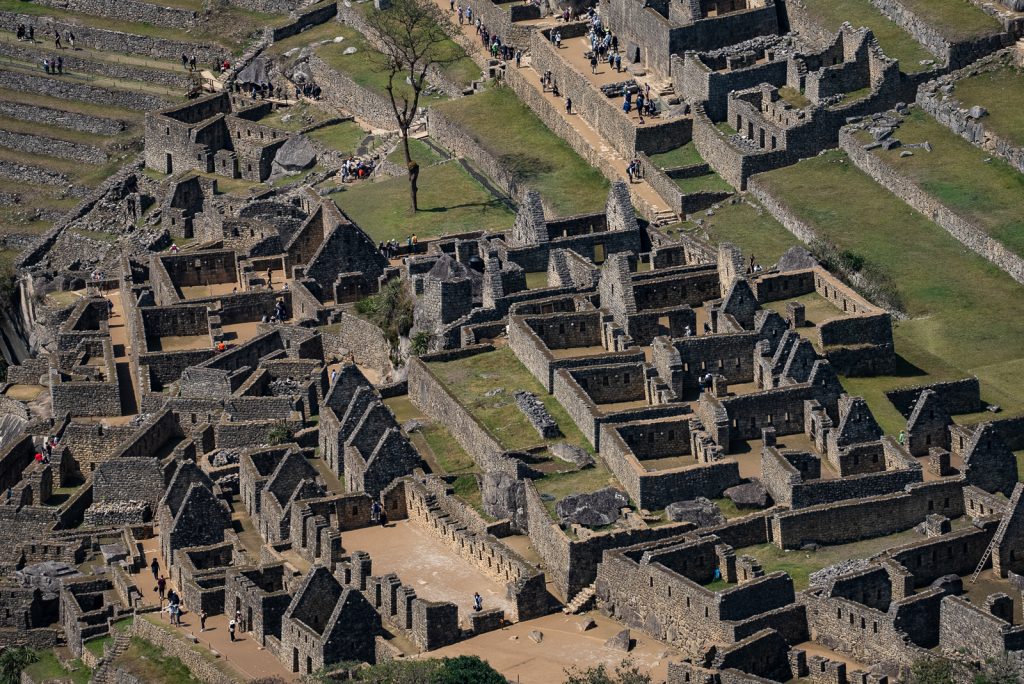
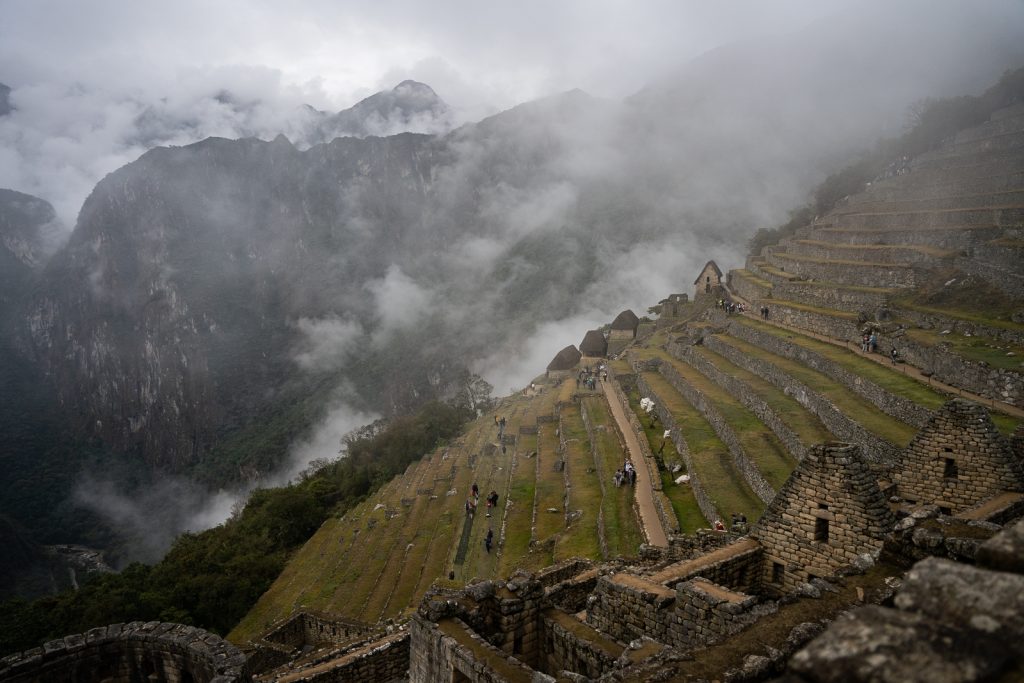
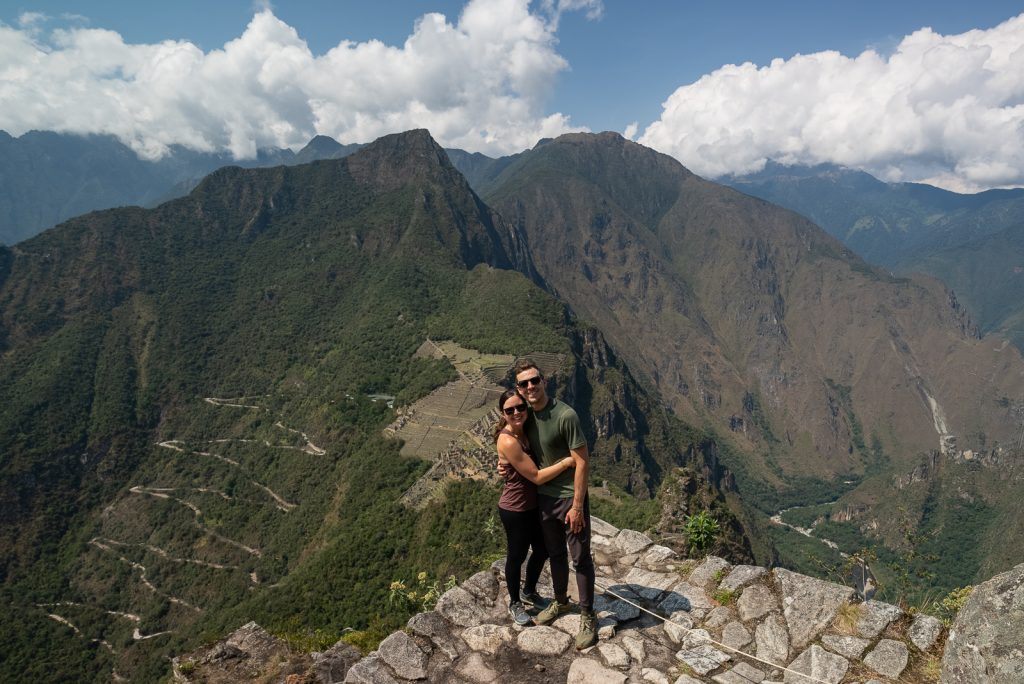
How to visit Machu Picchu
Located near Aguas Calientes, which is only accessible by train or on foot, Machu Picchu is a bit more complex to get to. And while it can be done as a day trip from Cusco, it will be a very long day and feel a bit rushed.
You will leave Cusco bright and early, take a van to Ollantaytambo, then a train to Aguas Calientes, explore Machu Picchu, and then take a train back to Cusco. With a day trip from Cusco, you unfortunately will not have enough time to hike Huayna Picchu, which we think is a highlight of Machu Picchu.
Instead, we suggest spending more time at Machu Picchu by going on a two day tour, which will include other Sacred Valley sites, plus give you a full day at Machu Picchu, where you can enjoy an additional hike. This combines two of the best day trips from Cusco into one!
Want to save some money on this tour or experience? Join Tripadvisor Rewards to earn 5% Trip Cash on any hotel or experience booking made in their app, which can be applied to future in-app bookings!
Beyond these tours, you can also trek to Machu Picchu on the Inca Trail or Salkantay Trek, which is the ultimate way to get to Machu Picchu. But these require a lot more time!
2. Rainbow Mountain (Vinicunca) and Red Valley

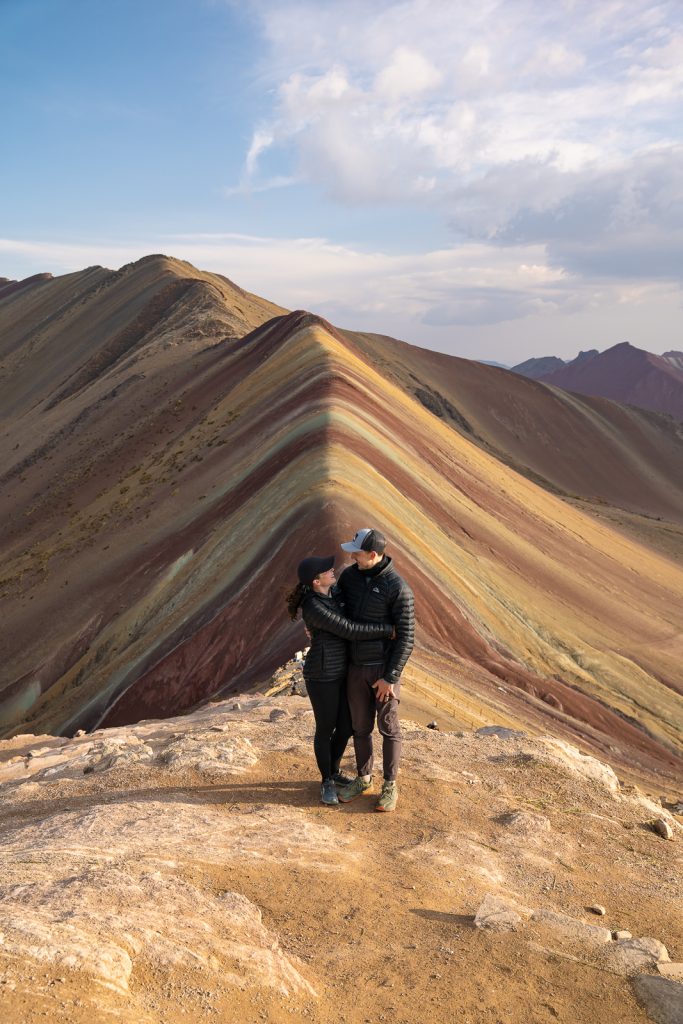
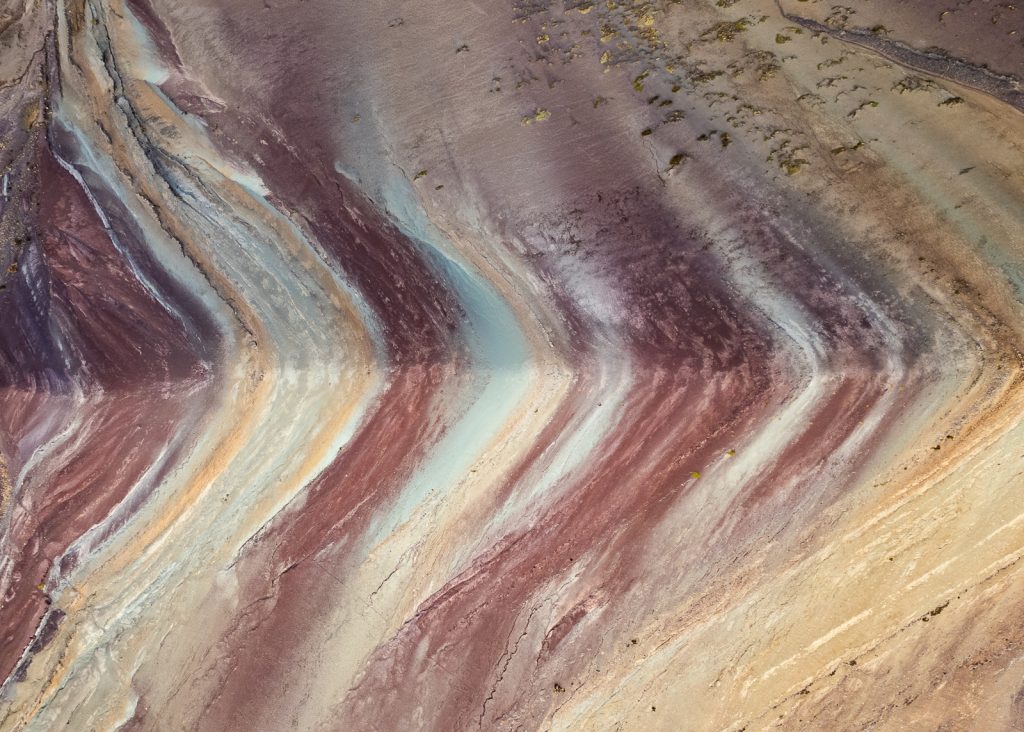
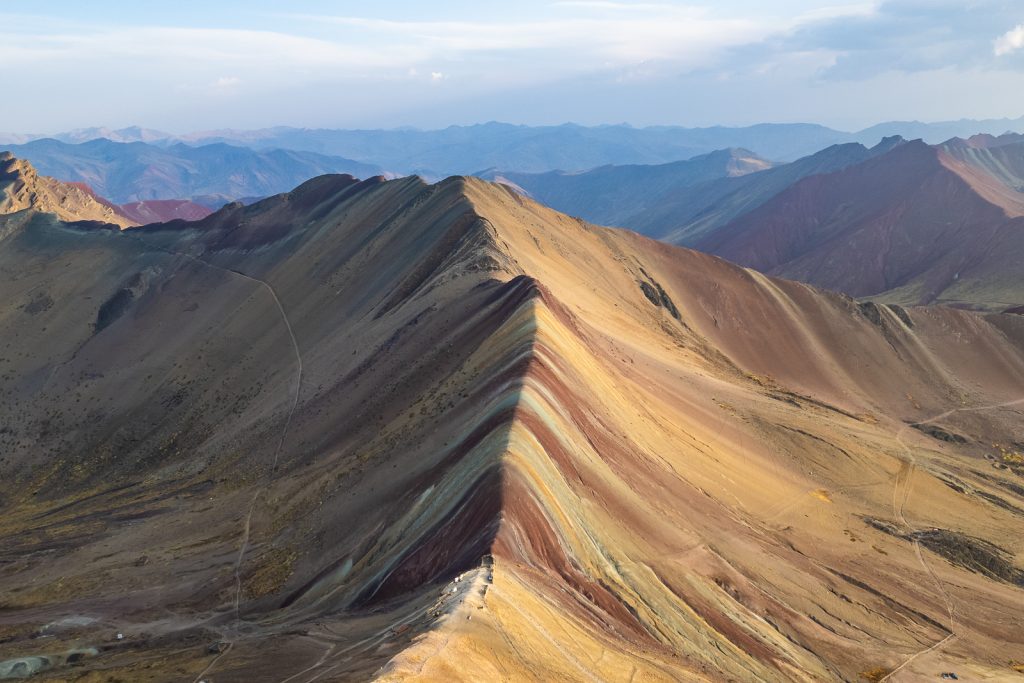
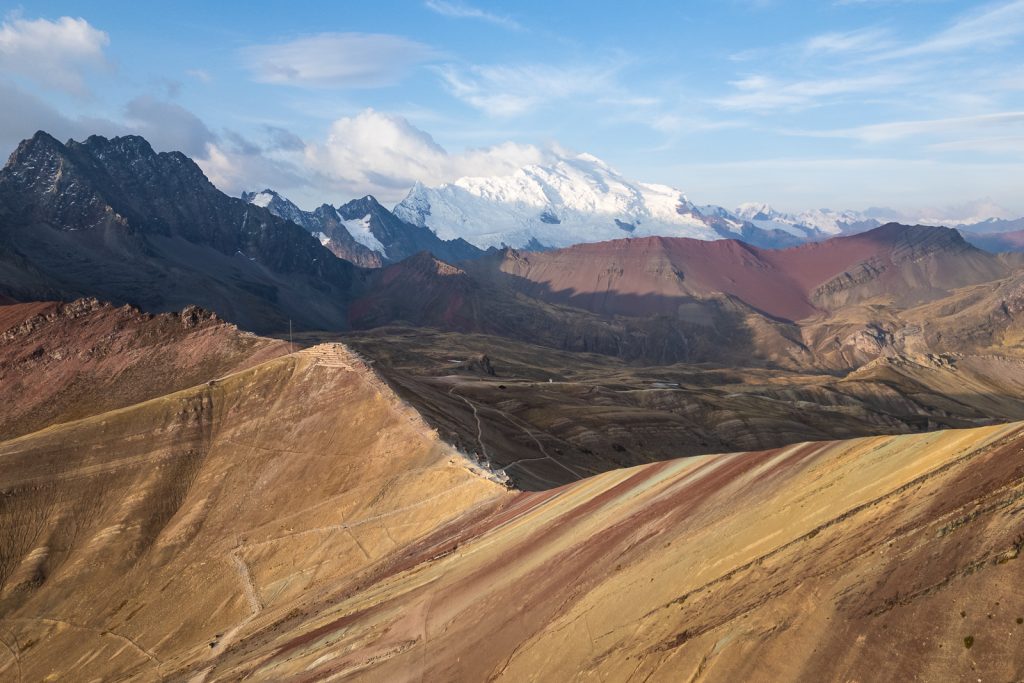
Rainbow Mountain is the second most popular tourist attraction in Peru, after Machu Picchu. Officially named Vinicunca, which means “colored mountain” in Quechua, this mountain is famous for its vibrant, multicolored layers of sediment, which give it a distinctive striped appearance.
And while it’s now one of the most visited places in the country, you may be surprised to know that it’s actually a pretty new attraction. For years, it was mostly covered with snow and ice. But back in 2015, a traveler noticed the colorful mountain on a hike and posted a photo to Instagram. From there, it went viral and it’s now visited by thousands of people per week.
Rainbow Mountain itself is really just a quick photo opportunity. There are two main viewpoints that overlook its stripes, where you can snap a photo. Beyond that, there’s not much else to it. However, there is also another attraction nearby that is worth checking out alongside it: the Red Valley.
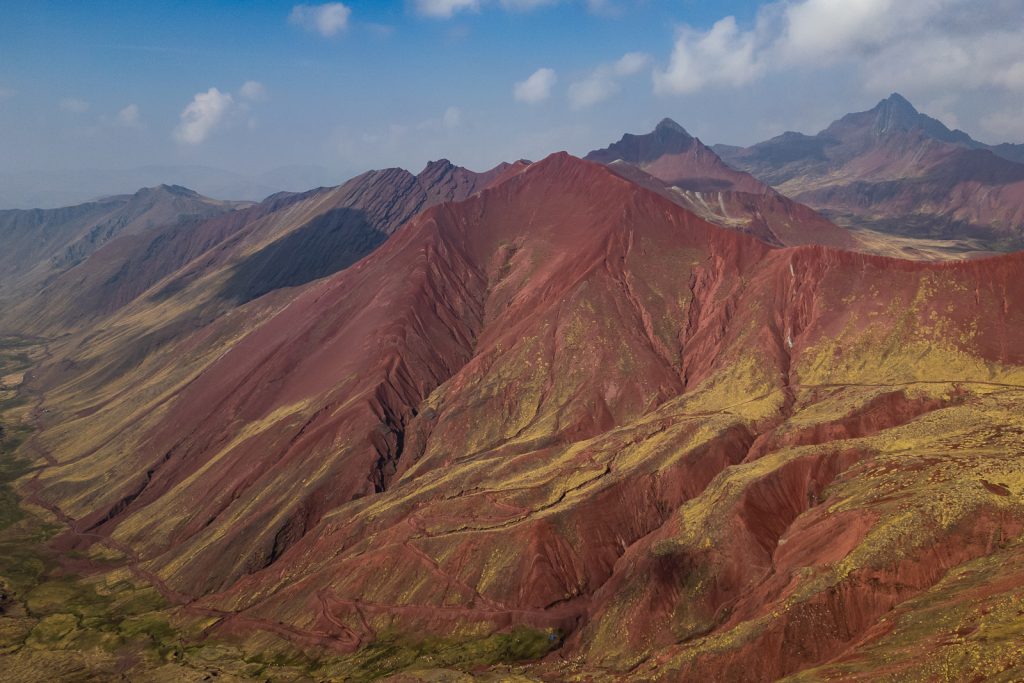
This is a valley painted in a deep red color, which is due to high amounts of iron oxide present in the rocks. It requires a short (but all uphill) hike to get to and is accessible right from the main Rainbow Mountain viewpoints, making it an easy addition.
In our opinion, while Rainbow Mountain is super cool, it’s such a quick experience. So to make a Rainbow Mountain day trip from Cusco more worth it, you should definitely add on Red Valley as well.
How to visit Rainbow Mountain and Red Valley
There are multiple ways to visit Rainbow Mountain and Red Valley, including on a Cusco day trip, hiring a taxi, or on a multi-day trek.
Regardless of which you choose, make sure you are acclimatized to the altitude in Cusco before you go out to Rainbow Mountain. Rainbow Mountain sits at over 5,029 meters (16,500 feet) and we saw many people struggling. So we would suggest only visiting here after 2-3 days of acclimation!

Taking a tour to Rainbow Mountain
Taking a one day tour to Rainbow Mountain is the most common way to visit. On this Cusco day trip your guide will pick you up between 3 AM-4 AM. You will have a 3 hour drive to Rainbow Mountain, stopping for breakfast along the way.
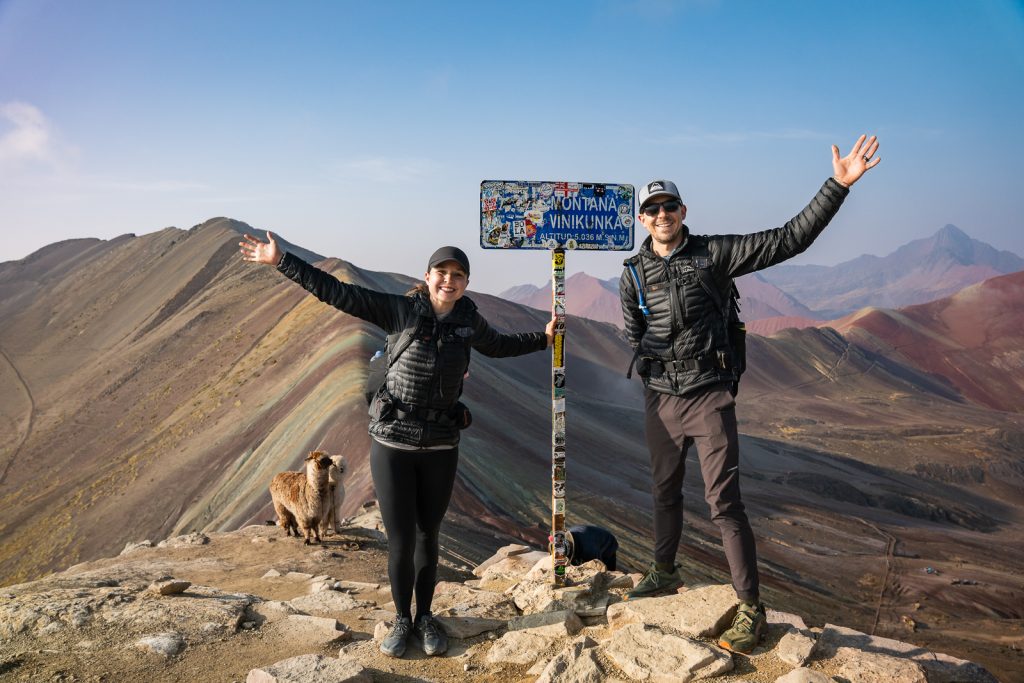
Once arriving, you will have a 1.5 hour hike, mostly along just a dirt road, to the viewpoints. There is both a viewpoint right up against Rainbow Mountain, as well as a higher up viewpoint, which requires some steps. We personally think the higher viewpoint is much better! From up here you’ll have a further (but more impressive) view of Rainbow Mountain, plus views of Ausangate off in the distance.
However, one thing to be prepared for are big crowds. Our guide told us that up to 3,000 people visit Rainbow Mountain some days. Most tours arrive around similar times, so you will likely have to wait in line to get photos. If you want a more peaceful experience, we suggest considering the other two options below to get to Rainbow Mountain.
Around the viewpoints you can find vendors selling souvenirs and snacks, paid toilets, plus there will be photo opportunities with llamas and alpacas. So make sure to bring cash for these items!
Once you’re done seeing Rainbow Mountain, you have the option to visit Red Valley if you’d like. Like we mentioned above, we highly recommend this addition!
After spending time at both spots, you will then hike back to your van and head back to Cusco, stopping for lunch along the way.
Important note: Not all tours include the entrance fee to Rainbow Mountain and Red Valley. Make sure to check with your tour provider in advance and bring cash to enter. Rainbow Mountain costs S/30 (~$8 USD) and Red Valley costs S/20 (~$5.30 USD). Also, there is an option to ride a horse to get to Rainbow Mountain, which would be an additional fee of S/100 (~$27 USD).
Visiting Rainbow Mountain by taxi
You can also visit Rainbow Mountain on your own by hiring a taxi. This will allow you to sleep in a bit and arrive after the big tours, giving you the chance of a possibly more peaceful experience.
Keep in mind that it’s about a 3 hour drive (each way) to Rainbow Mountain, so this will cost more than going on one of the tours and it will not include meals. We’d suggest hiring the taxi in advance, as it could be difficult to find someone willing to drive you there, wait around for you, and drive you back.
One option we know of that you could reach out to is Taxi Intur Perú S.A.C.. But we also suggest asking your hotel if they can help you coordinate a taxi to Rainbow Mountain, as they may know of other options for less.
Hiking to Rainbow Mountain on the Ausangate Trek
In our opinion, visiting Rainbow Mountain as part of the Ausangate Trek is the best way to see it! However, this is a multi-day experience, so it technically doesn’t count as a Cusco day trip. But we wanted to mention it anyway, as it was our favorite experience in Peru!
The Ausangate Trek is a multi-day trek (ranging from 3-6 days) that takes you around Ausangate, Peru’s 5th tallest peak. Throughout the trek you’ll see tons of glaciers, lakes, alpacas, and you get to hike to Rainbow Mountain!
We personally did the 6 day Ausangate trek option with AB Expeditions and with this longer hike, we were able to visit Rainbow Mountain at both sunset and just after sunrise. Both times we were either the only ones or just one of a few people there!
The shorter trek options still visit Rainbow Mountain, but only once, just after sunrise. We personally thought sunset was the prettier of the two times, so if you can swing a 6 day trek, we highly recommend it!
3. Palccoyo Rainbow Mountain
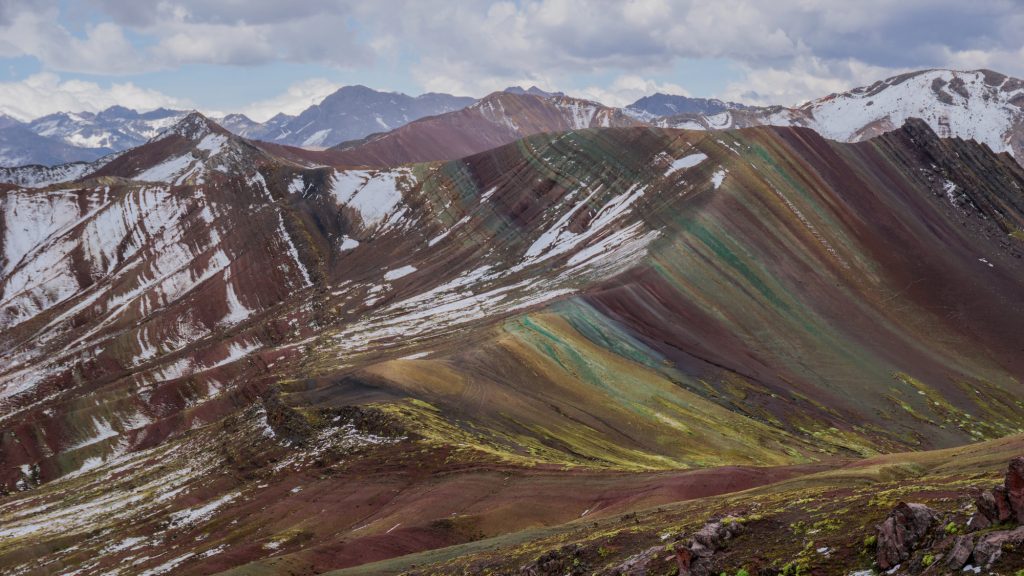
While Rainbow Mountain (Vinicunca) is the most popular, it’s not the only colorful mountain in the Cusco area. You can also take a day trip from Cusco to Palccoyo Rainbow Mountain!
Similar to Rainbow Mountain, Palccoyo Mountain has multi-colored stripes due to mineral deposits. It’s located at 4,900 meters (over 16,000 feet!) in altitude, so it’s guaranteed to take your breath away. However, unlike Rainbow Mountain, where the mountain is RIGHT in front of you, you will not be as close to the colorful mountains at Palccoyo. But on the plus side, there are three colorful mountains to see!
It’s also way less popular than Rainbow Mountain and requires less of a hike to get to. So if you want to see some of Peru’s colorful terrain, but with less crowds and easier hiking, we highly suggest this option! Our friends Chad and Claire have a video on their experience if you want a better idea of what it’s like.
How to visit Palccoyo Rainbow Mountain
The best way to visit Palccoyo Rainbow Mountain is by taking a guided tour from Cusco. This tour with AB Expeditions (an amazing company we used twice in Peru!) includes breakfast, lunch prepared by their talented chefs, and the entrance fee.
4. Humantay Lake
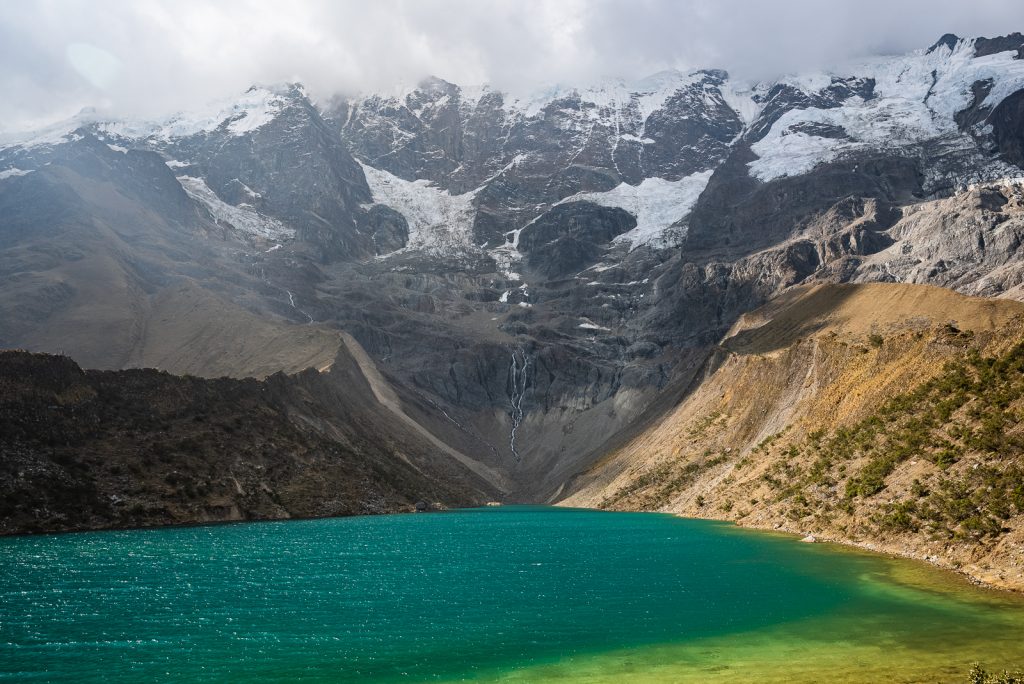
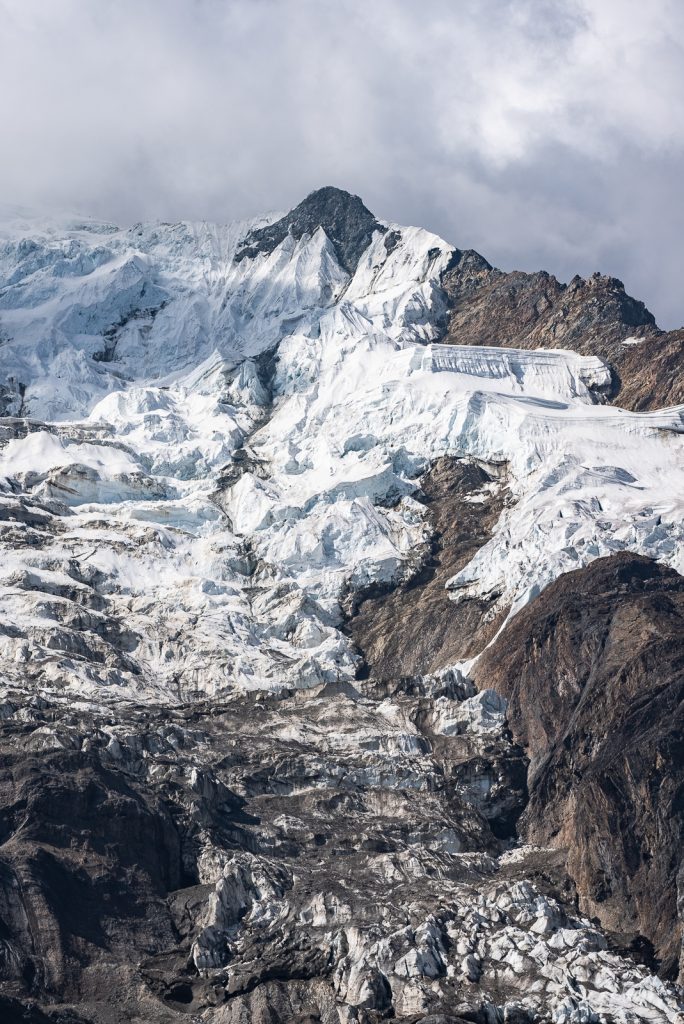
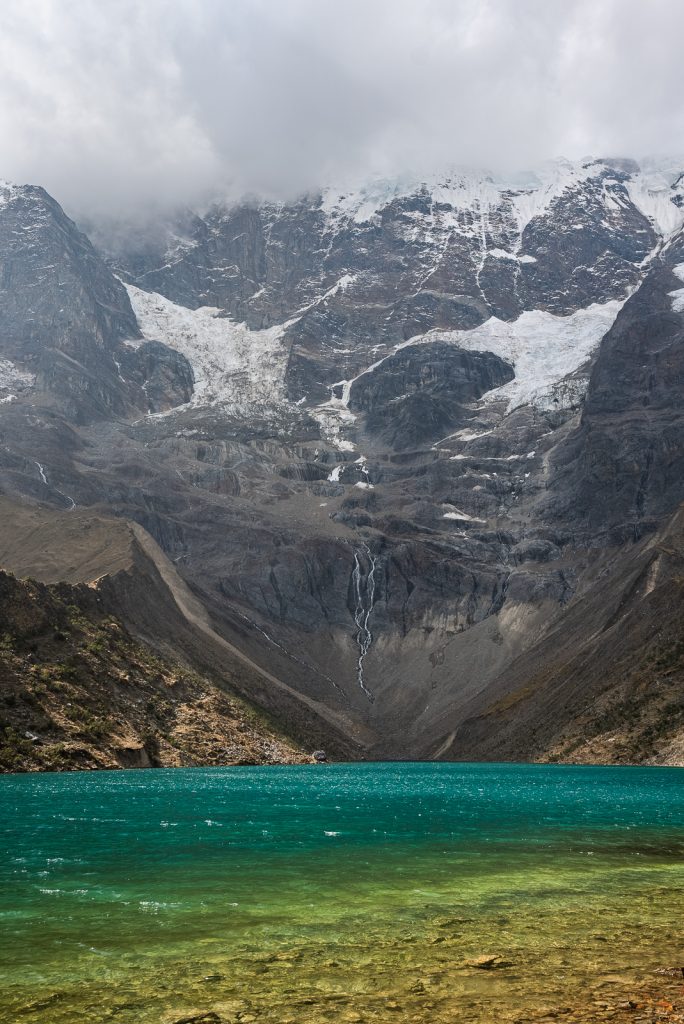
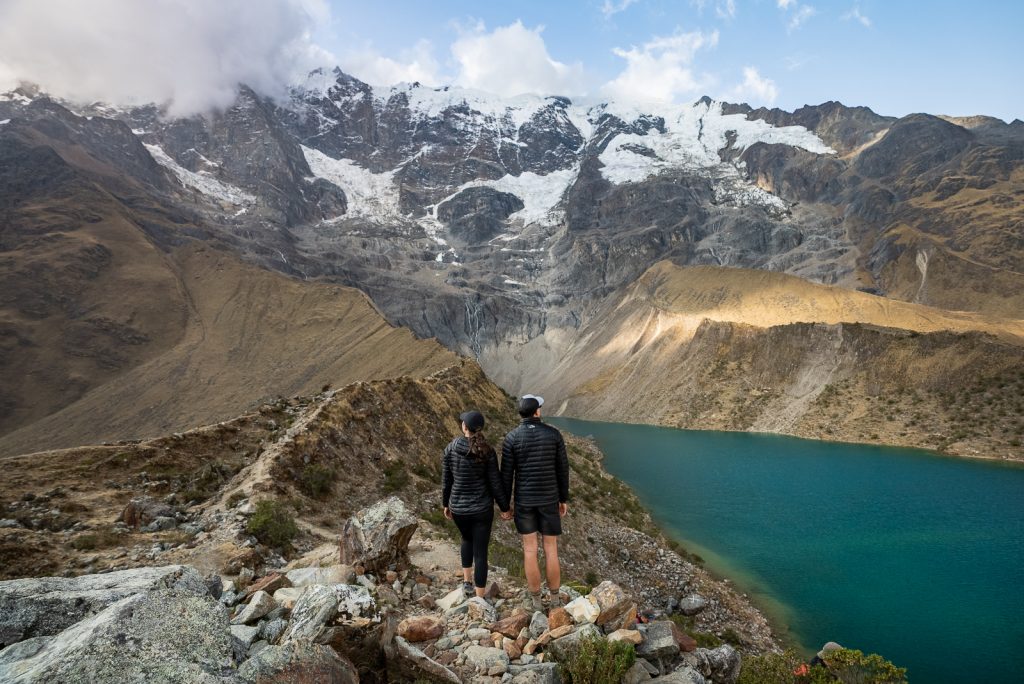
Located near Soraypampa along the Salkantay Trek is the magnificent Humantay Lake. This glacial lake is famous for its bright blue water and dramatic glacial mountain backdrop. It’s one of the places we were most excited to see in Peru and it did not disappoint!
Because of its jaw dropping beauty, hiking to Humantay Lake is quickly becoming one of the top day trips from Cusco. However, there are a few things to know before attempting this hike.
While it’s a relatively short hike, it is pretty steep, making it relatively difficult on its own. But then throw in the altitude, which is around 4,200 meters (almost 14,000 feet!) and it becomes pretty challenging. We’d only suggest this Cusco day trip if you’re in great physical shape. Even as experienced hikers, we thought it was a bit tough!
How to visit Humantay Lake
There are a handful of ways to visit Humantay Lake, including going on a day hike tour, hiring a taxi, and hiking the Salkantay Trek. To learn more about how to visit Humantay Lake, including more tour options, a detailed look at the trail itself, rules, and what to bring, check out our complete guide to hiking to Humantay Lake. But here is a quick rundown of your options!
Day hike tour to Humantay Lake
The easiest way to visit Humantay Lake is to go on a day hike tour. These tours will include pick up and drop off from your accommodation, an experienced guide, and possibly breakfast and lunch. Similar to Rainbow Mountain, you will get picked up VERY early for this tour, spend a lot of time driving, and experience a lot of crowds, as all tours are at the lake around the same time.
Important note: The cost to hike to Humantay Lake is S/20 ($5.35 USD) per person for foreigners. If you’re with a tour, the fee may be included in your tour price and they will handle the payment. But make sure to confirm this in advance, as not all tours are the same.
Hire a taxi to Humantay Lake
The next easiest way to visit Humantay Lake is to hire a taxi. You don’t really need a guide to hike to the lake, as it’s easy to follow. So instead, you could use that money towards a taxi, which will drive you to and from the lake, and wait for you while you do the hike.
Taxi Intur Perú S.A.C. also can take you to Humantay Lake for $130 USD. But if you want more options for taxis, we suggest asking your hotel!
One big perk of doing it this way is that you can leave later than the tour groups and stay at the lake until after they leave. The groups typically crowd the lake between 10 AM-12 PM, so if you leave Cusco between 8-9 AM, you will be able to beat most of the crowds.
Visit Humantay Lake on the Salkantay Trek
While not a day trip, the ultimate way to visit Humantay Lake is on the Salkantay Trek. This is a 4-5 day trek that takes you to Aguas Calientes and Machu Picchu. And on the first day of the trek you can visit Humantay Lake!
You can either do the Salkantay Trek on your own, which is what we did, or go on a guided hike. We share everything you need to know to hike the Salkantay Trek, especially on your own, in this detailed guide.
5. 7 Lakes of Ausangate

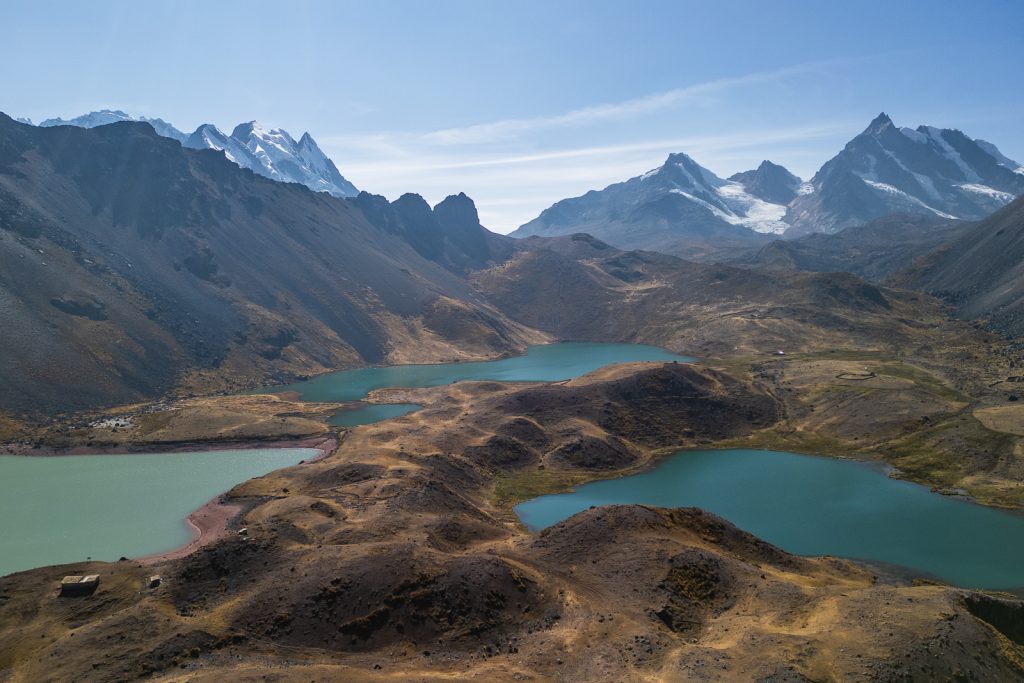
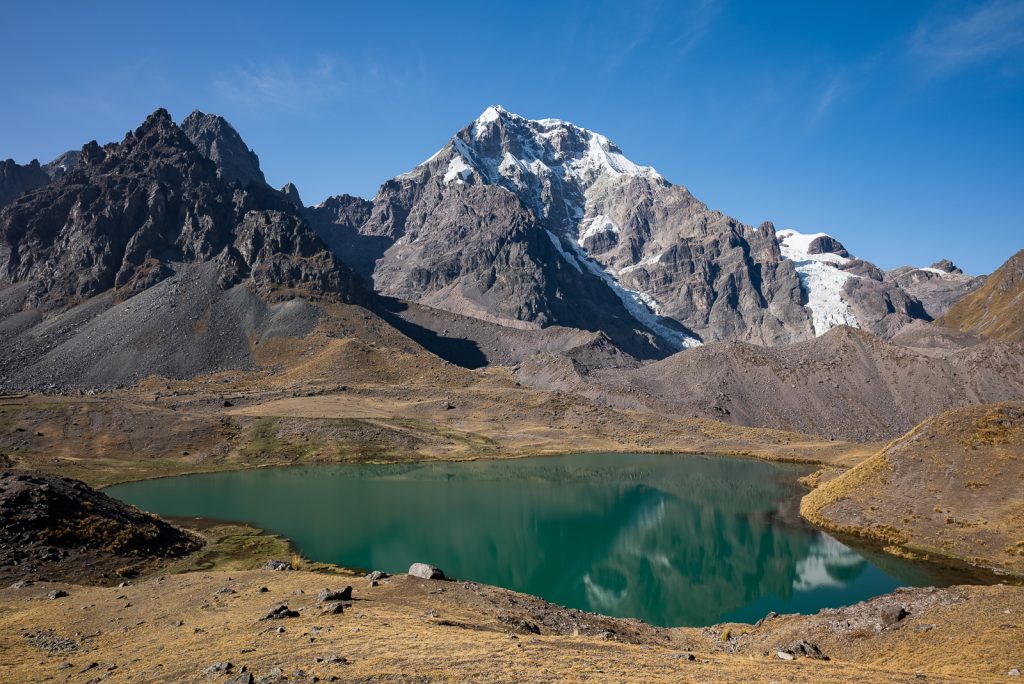
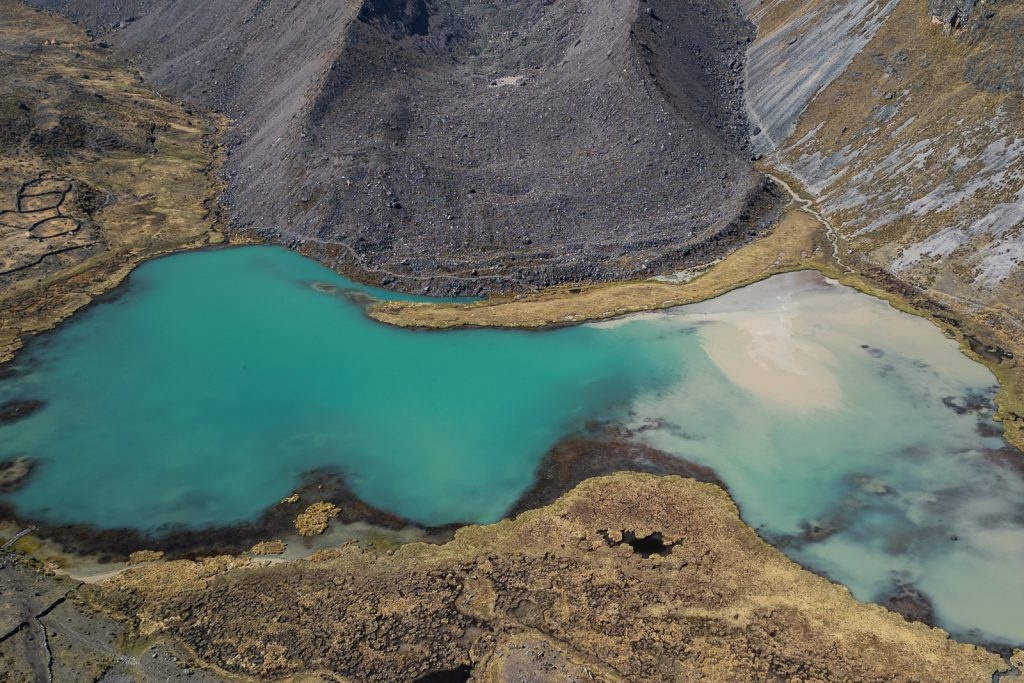
One of the most underrated Cusco day trips is the 7 Lakes of Ausangate. This group of glacial lakes lie below one of the most important mountains for the Quechua people, Ausangate. Not only will you get to see 7 lakes, which are all different colors, shapes, and sizes, but you’ll also get to see ridiculous views of mountains and glaciers.
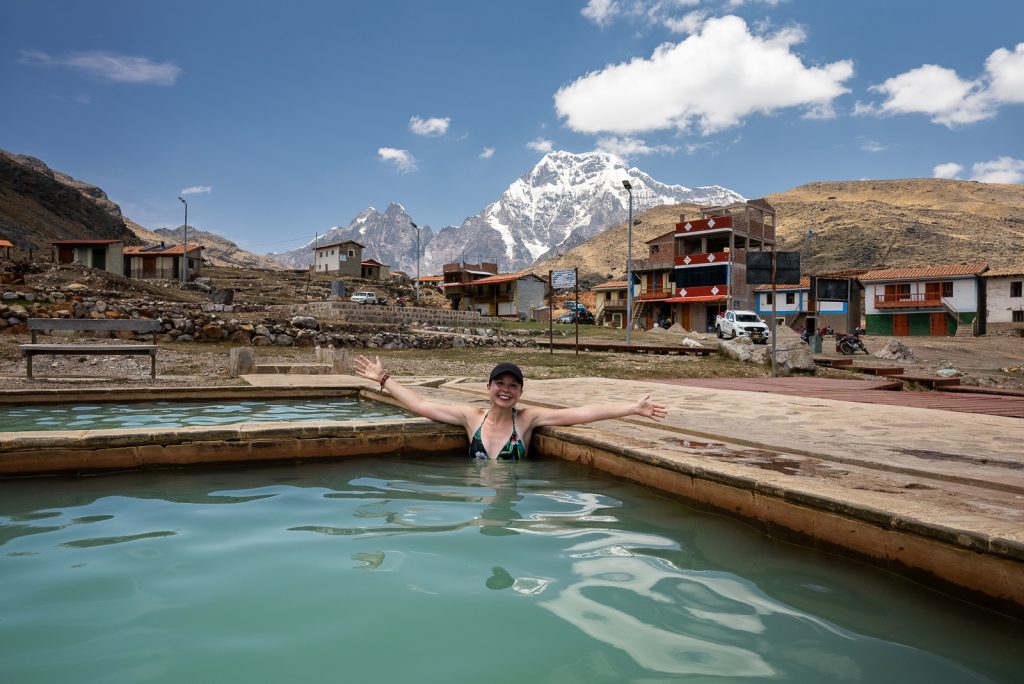
And as an added bonus, the tours start and end in Pacchanta, a tiny town known for its hot springs. So after hiking to the lakes, you can go for a relaxing soak!
Humantay Lake may get all of the hype (and for good reason!), but we loved that the 7 Lakes of Ausangate included more than one glacial lake. Plus, it isn’t as busy as Humantay, although it is becoming more popular.
How to visit the 7 Lakes of Ausangate
Similar to many of these Cusco day trips, there are a couple different ways to get to the 7 Lakes of Ausangate, depending on how much time and hiking you want to do.
Day hike tour to the 7 Lakes of Ausangate
The 7 Lakes of Ausangate can be visited as part of a day trip from Cusco. You will park in the town of Pacchanta and have an uphill hike to the lakes, which will be tough due to the altitude. But once you make it to the first lake, the rest are closeby!
You will spend the morning exploring the lakes, before making the downhill (and much easier!) hike back to Pacchanta for lunch and a hot spring soak.
Via the 7 Lakes of Ausangate on the Ausangate Trek
We visited the 7 Lakes of Ausangate on the final day of our Ausangate Trek. It not only was a pretty spectacular grand finale to the trip, but we also beat all of the day tours to the lakes and had them all to ourselves.
6. Ollantaytambo
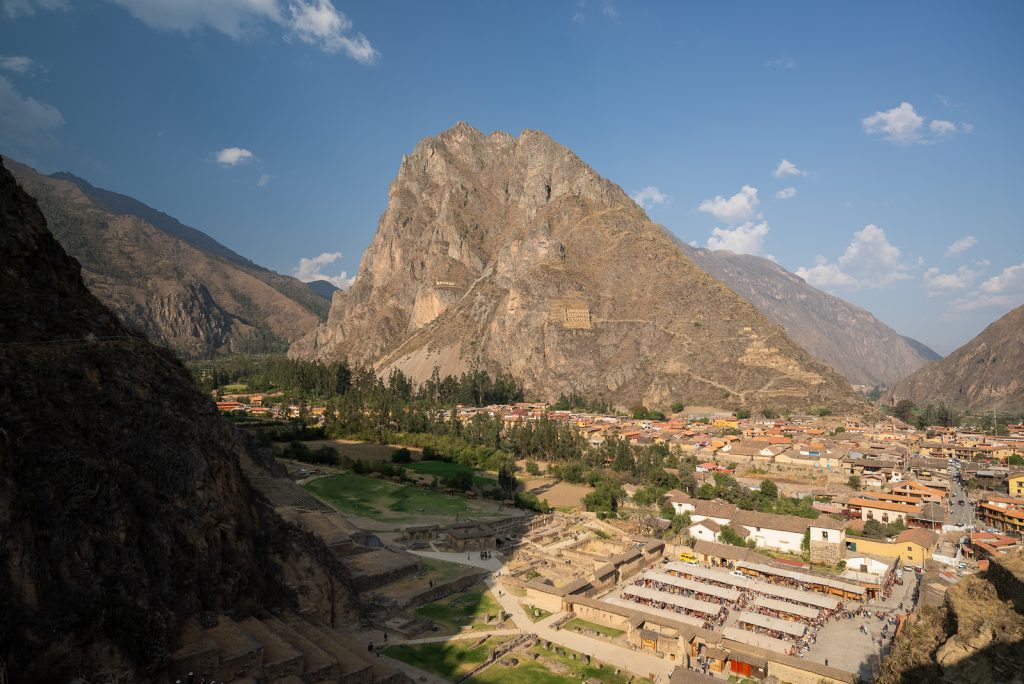
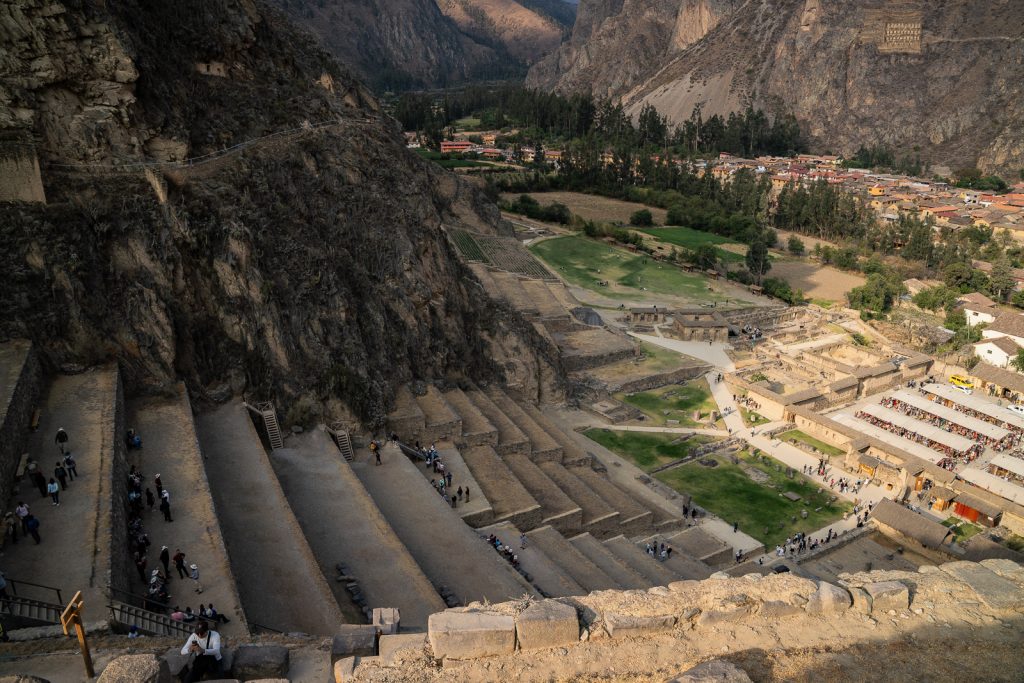
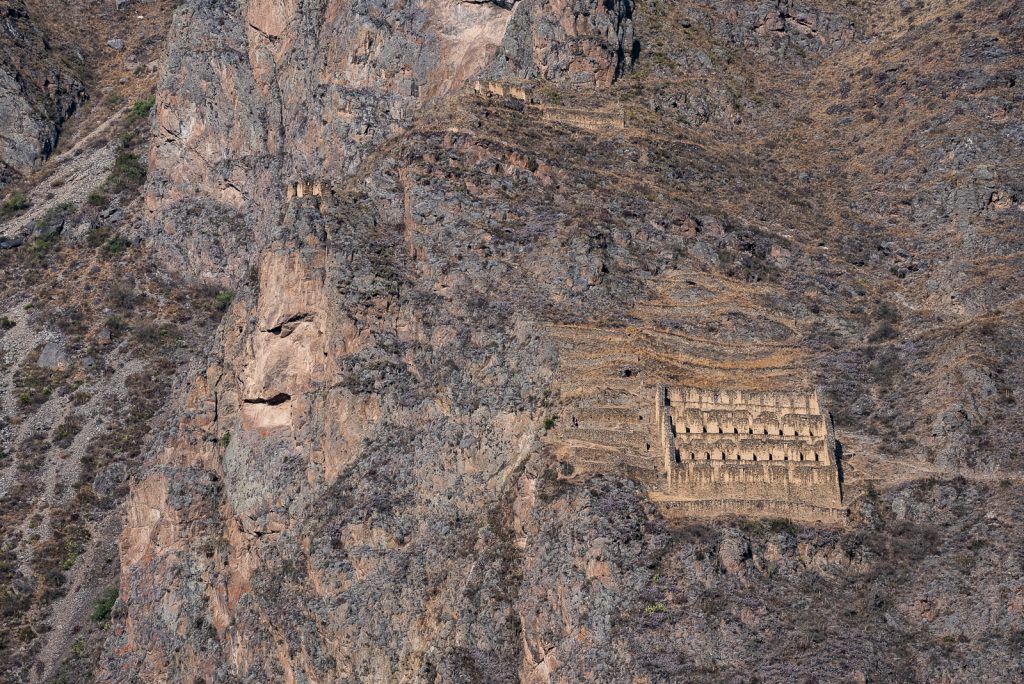
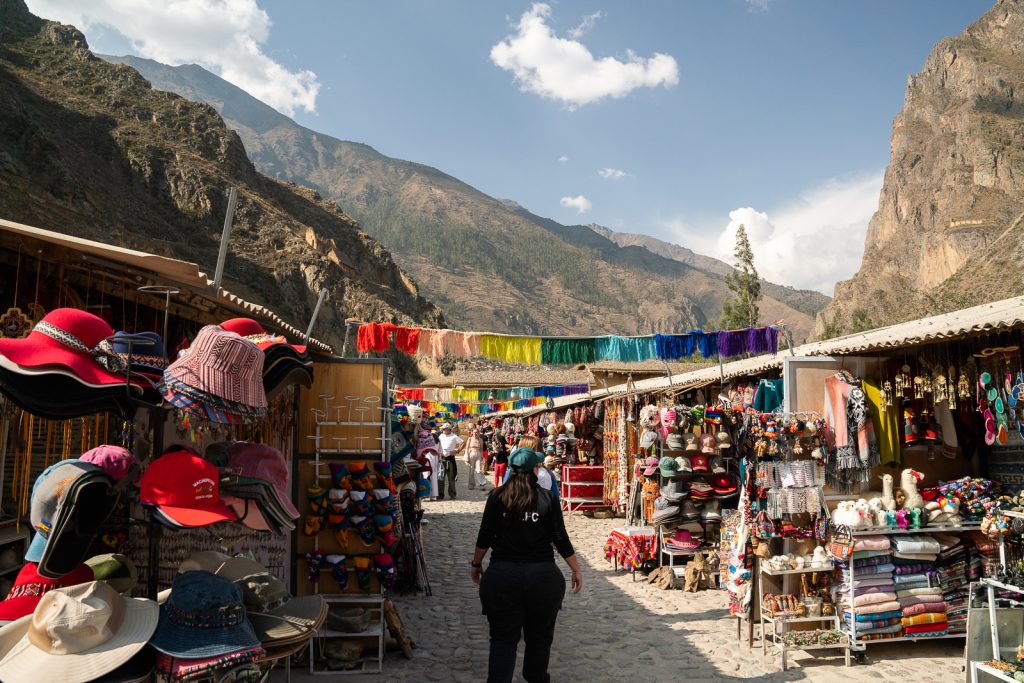
Ollantaytambo was an important agricultural, military, and religious center during the Inca Empire, with the fortress at the top of the terraces playing an important role during the Spanish conquest. In fact, one of the few times the Incas won a battle against the Spanish was at Ollantaytambo!
We visited quite a few ruins throughout our time in Peru and after Machu Picchu, Ollantaytambo was our favorite. Here you’ll find giant terraces, plus defense mechanisms, like guardhouses and store houses located high up in the mountains to protect items from enemies.
Not only are the ruins a must see, but the actual town of Ollantaytambo is worth a visit as well. The town is known as a “living” Inca town because its residents still live according to traditions. In town you’ll find neat architecture, restaurants, and a nice outdoor market to explore.
How to visit Ollantaytambo
While you could hire a taxi or hop on a train to Ollantaytambo to visit on your own, the easiest way to visit is on a Sacred Valley day trip from Cusco.
We went on a tour with AB Expeditions and highly recommend it! The trip also included a visit to the textile center of Chinchero, Moray, and the Maras salt mines. Plus lunch at a local buffet!
Another good tour option to Ollantaytambo is this option, which includes Pisac, Ollantaytambo, and Chinchero.
Regardless of how you visit, make sure you have a guide to visit the ruins, as there is no signage. You will get a lot more from the experience with a local expert to tell you all of the interesting facts!
Important note: In order to enter the Ollantaytambo ruins, plus some of the other Sacred Valley sites below, you’ll need the Cusco tourist ticket. The ticket includes 16 museums and archaeological sites like Sacsayhuaman, Qorikancha, Ollantaytambo, and Pisac, to name a few.
You can either choose the General Comprehensive ticket, which includes all sites and is valid for 10 days. Or you can choose from 3 circuits that include a limited number of sites and are only valid for 1 or 2 days depending which you choose. To learn more and decide which is best for you, check out this website.
7. Pisac Archaeological Site and Market
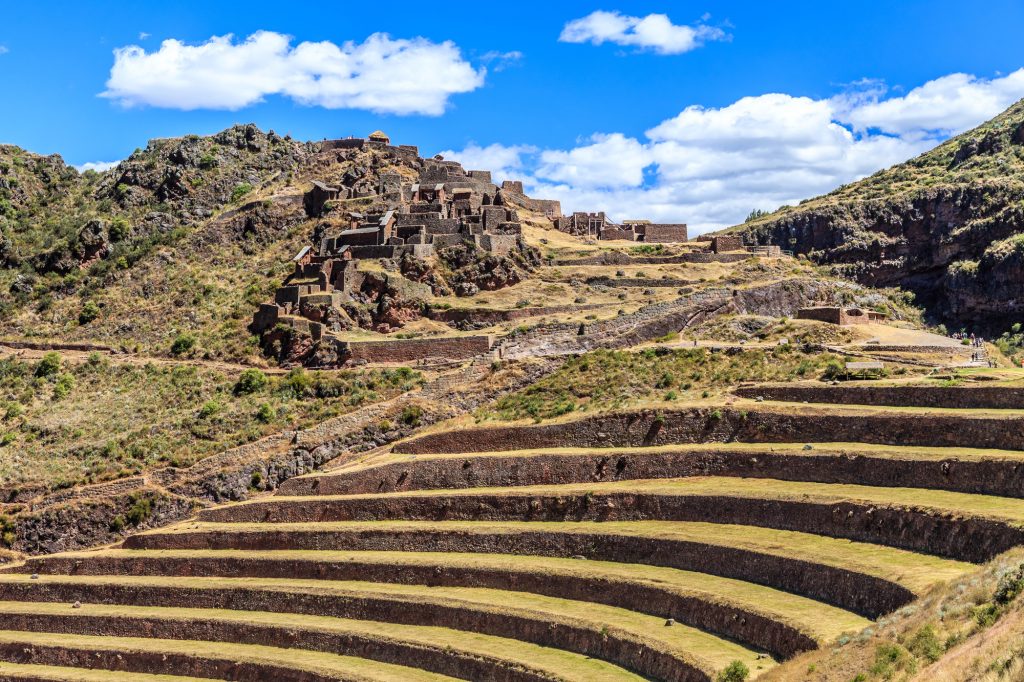
Pisac is another town located in the Sacred Valley, which is known for its market and nearby Pisac Archaeological Site.
Findings at the Pisac ruins indicate that people have lived in the area for centuries, even before the Inca. This large complex sits above the town and includes terraces, towers, temples, an Inca cemetery, and more. It is said to be one of the best preserved Inca sites in Peru!
How to visit Pisac
You can visit Pisac and the ruins on your own by taking a taxi or public transportation. But it’s often part of a Sacred Valley tour, which is how we recommend visiting. On a tour you will have a knowledgeable guide with you, plus get lunch and have the chance to visit other Sacred Valley sites.
AB Expeditions offers an itinerary that includes Pisac, along with other sites, and this tour option includes Pisac, Ollantaytambo, and Chichero.
8. Chinchero
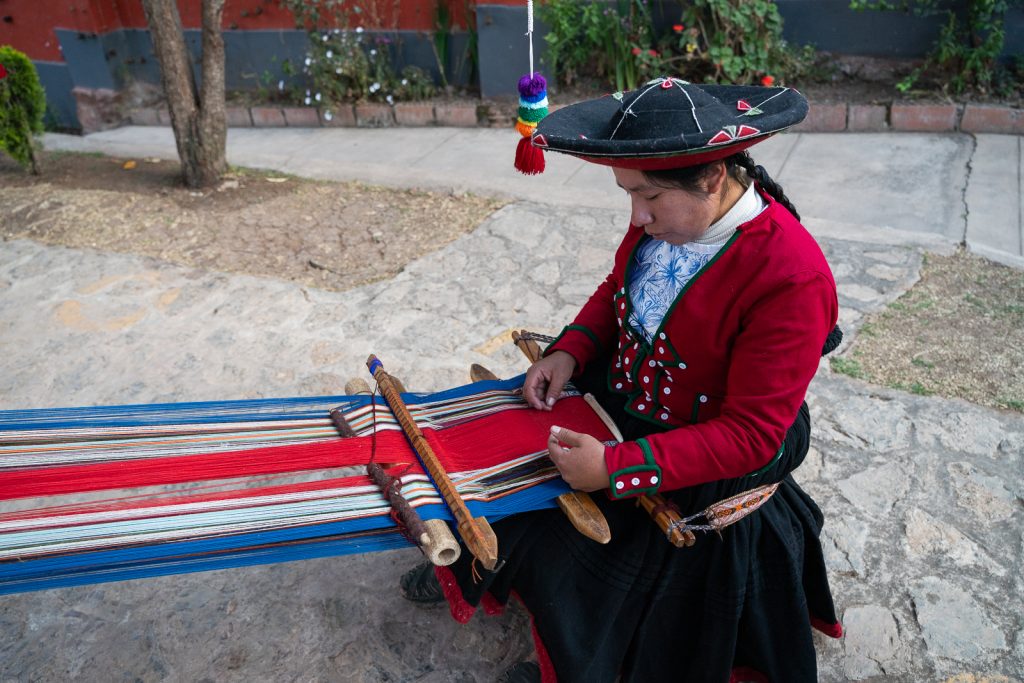
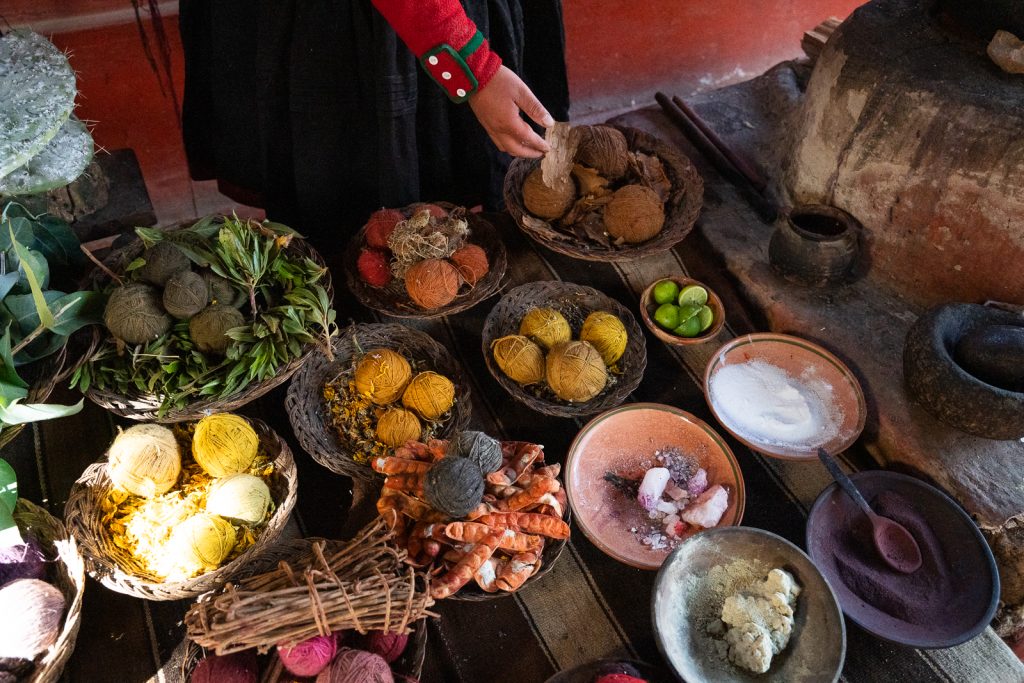
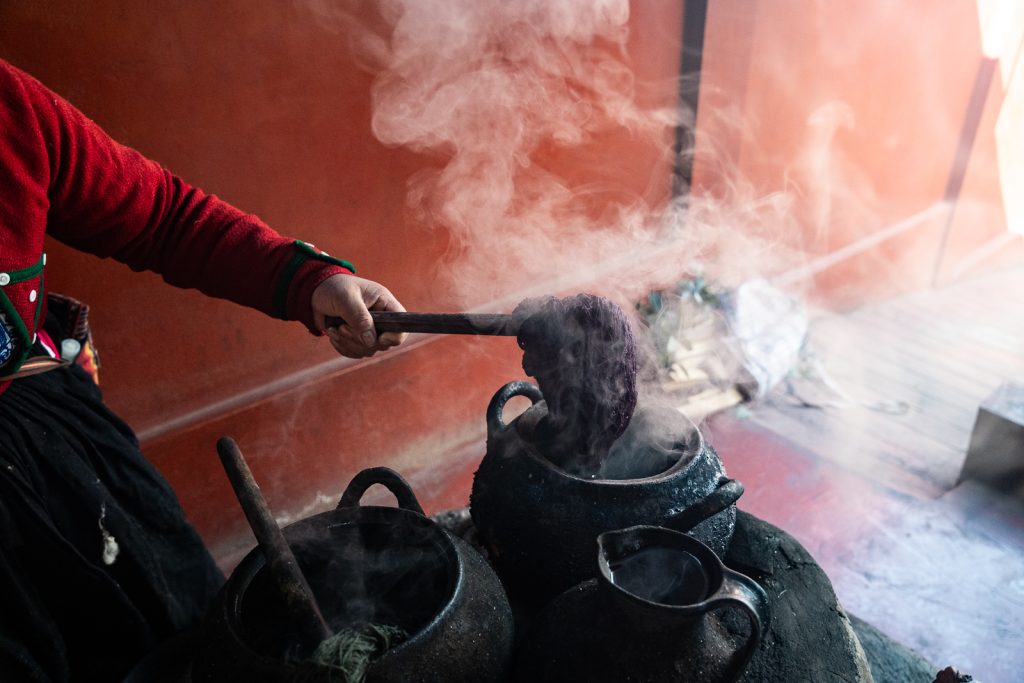
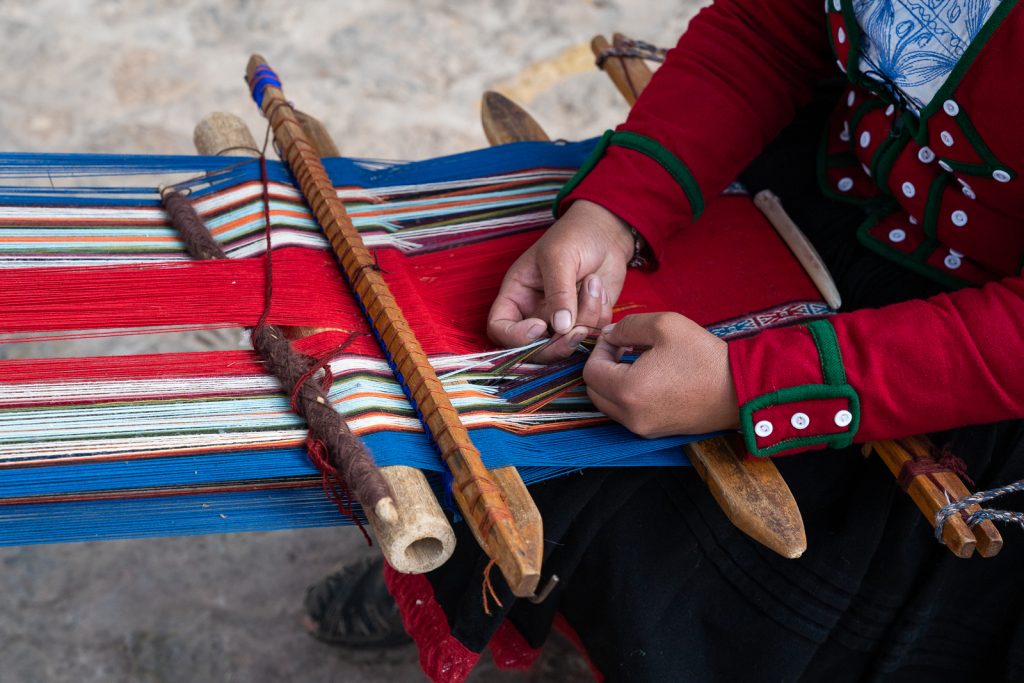
Chinchero was once home to the palace of an Inca emperor, before being destroyed by the Spanish. Today, you can see the influence of both the Spanish and the Inca, with colonial buildings built on top of Inca ruins, plus various Inca agricultural terraces. The area boasts some of the most fertile soil in the Sacred Valley and potatoes, quinoa, and fava beans are just some of the many crops grown here.
But besides its Inca history and agriculture, Chinchero is also believed to be the mythical birthplace of the rainbow. Not only can you often see rainbows arching over the nearby fields during the rainy season, but the town is also known for its colorful textiles.
While in Chinchero you can visit a textile center and learn about the entire process to make textiles, including how they turn the wool into yarn and dye it using natural materials. It was SO interesting to witness!
Just be aware, you are expected to support the textile center and buy something. So make sure to come prepared to purchase something. It makes for a great souvenir and supports the local community!
A+K Tip: Visit on a Sunday for the chance to check out the small local market in town as well!
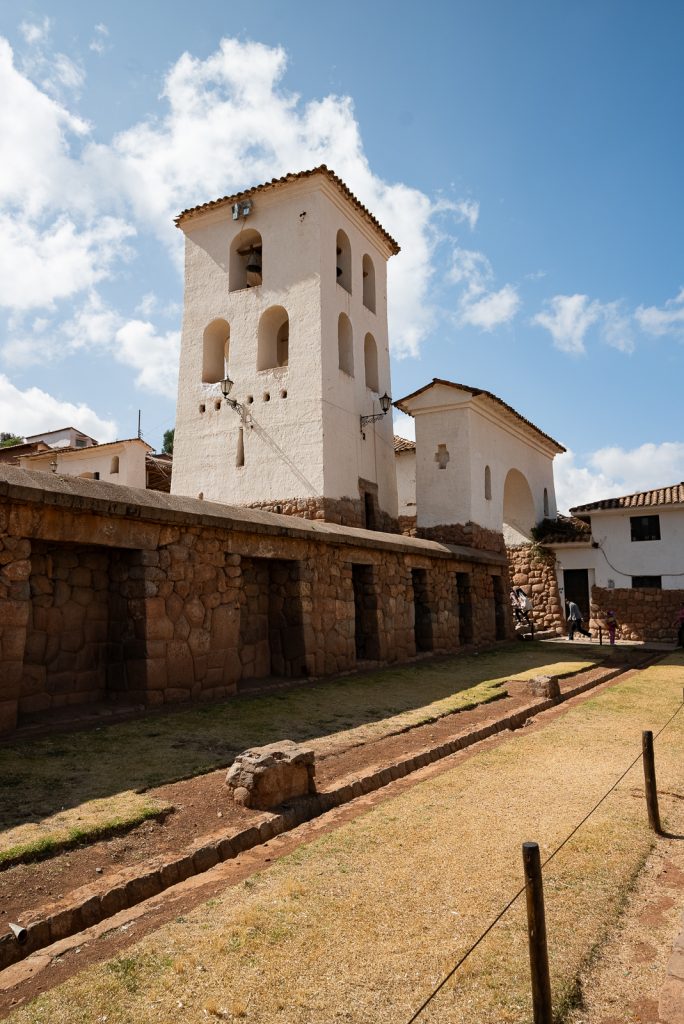
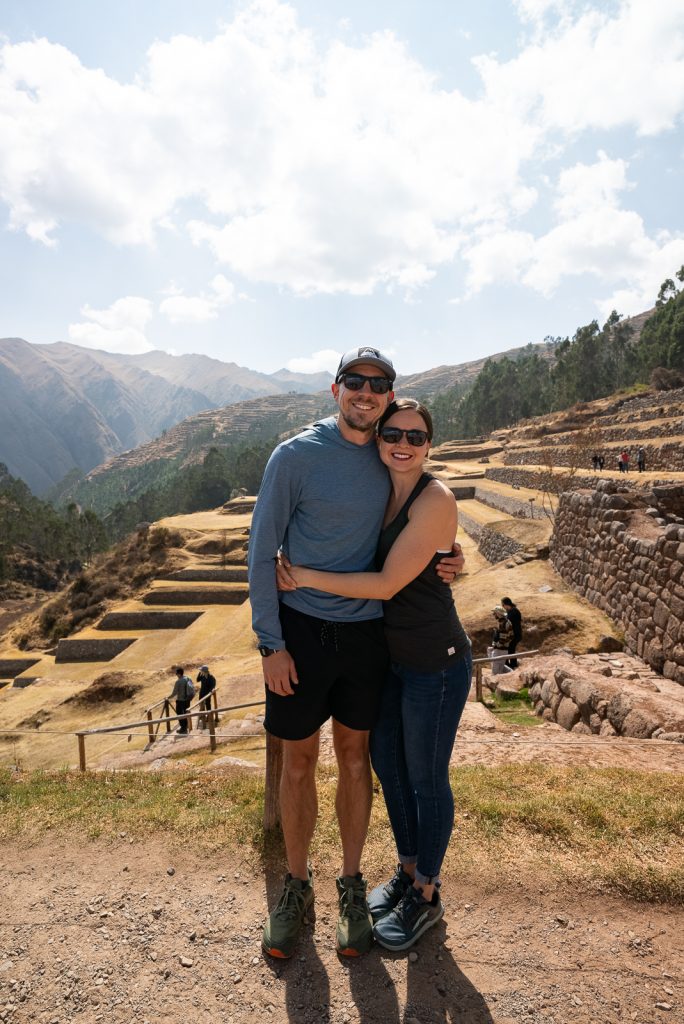
How to visit Chinchero
Chinchero is a relatively quick stop, so it’s often visited alongside other sites in the Sacred Valley. We visited Chinchero alongside Moray, the Maras Salt Mines, and Ollantaytambo on a day trip with AB Expeditions. But there are many other day trip options to choose from!
9 & 10. Moray and Maras Salt Mines
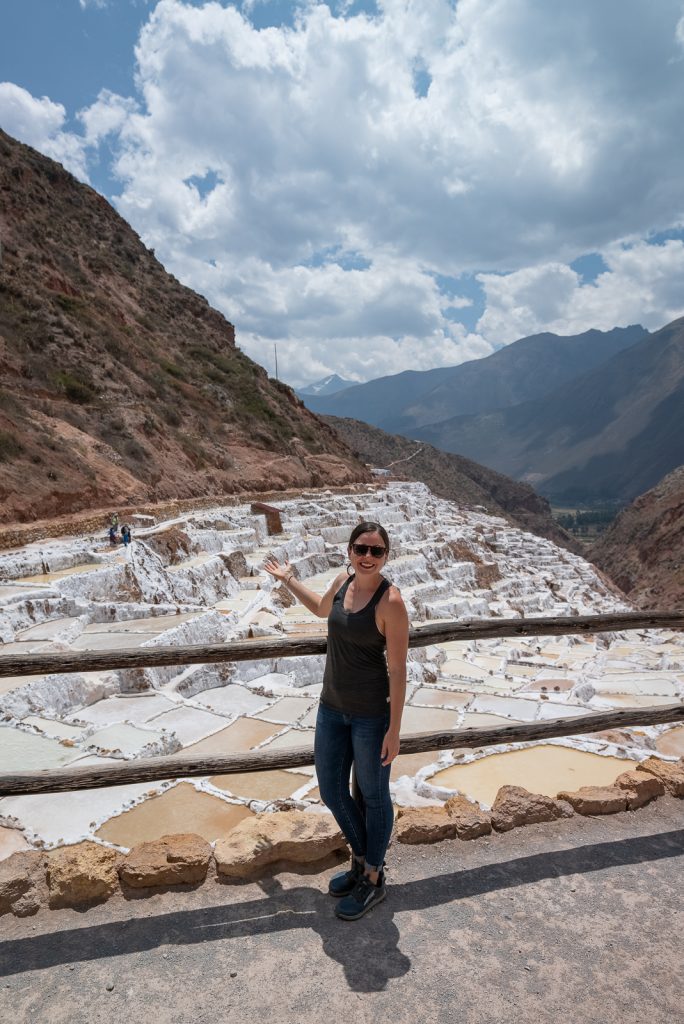
Two of the best stops in the Sacred Valley are Moray and the Maras Salt Mines. While they are technically two different locations, they are located close together and often combined.
Moray
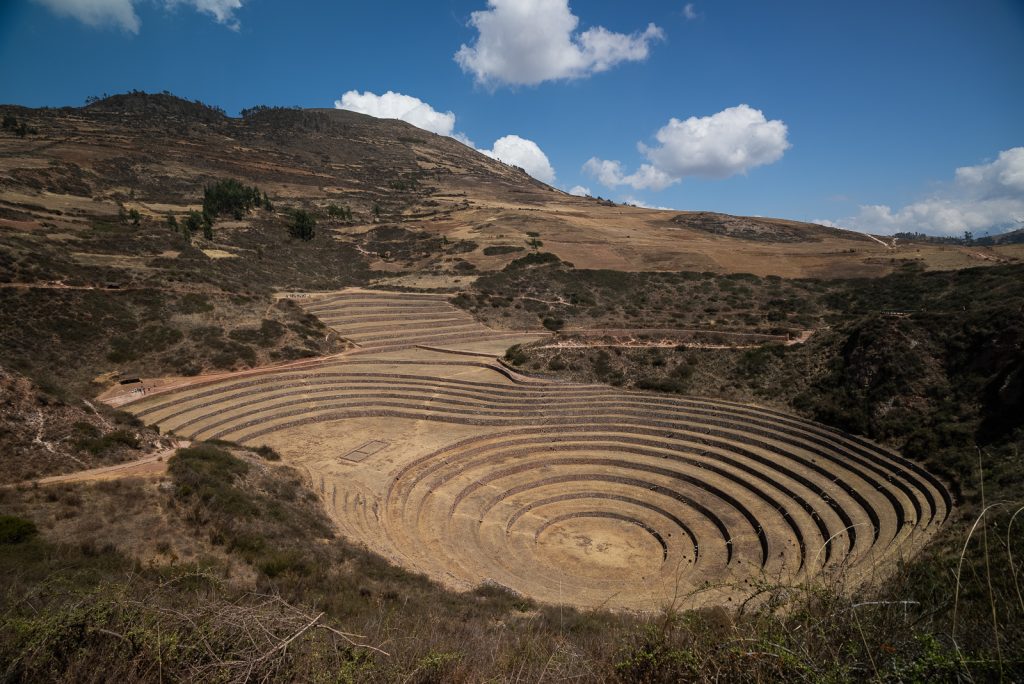
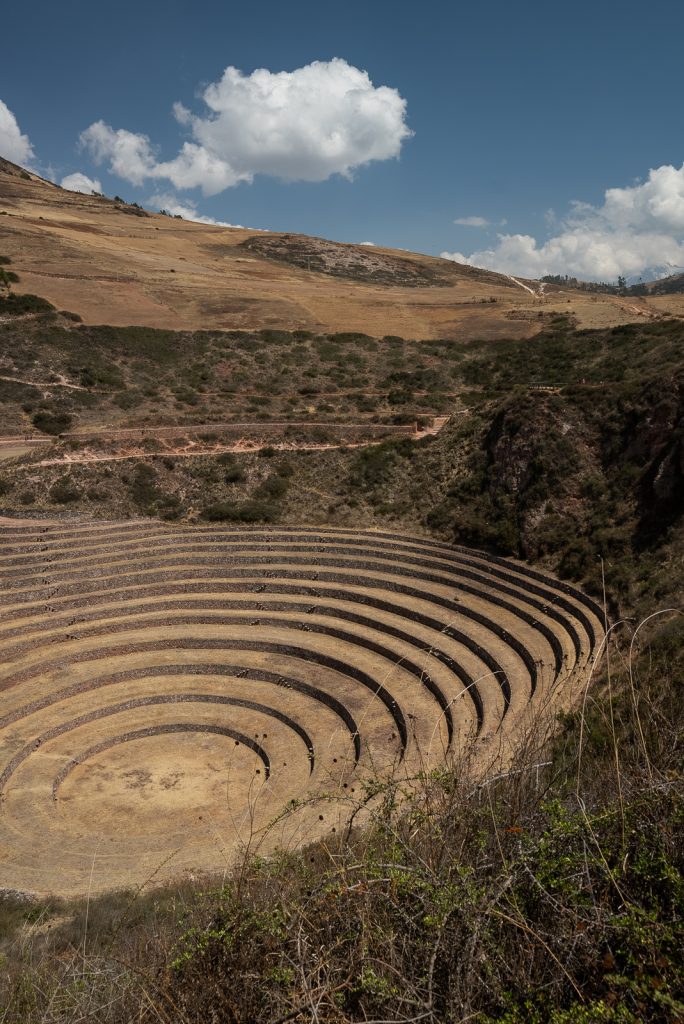
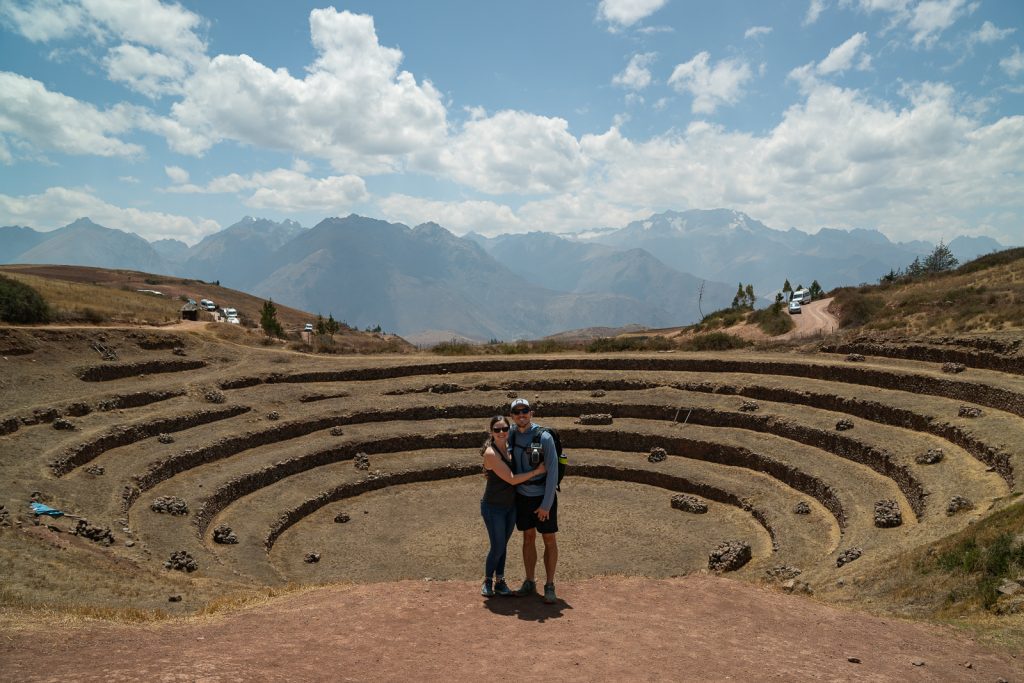
Moray is an archaeological site known for its series of circular, terraced depressions that resemble an amphitheater. It was the greenhouse for the Incas and was believed to have been used as an agricultural research station.
The terraces span over a total height of 150 meters (492 feet) and represent different microclimates, which allowed the Inca to experiment with different crops and farming techniques, like potatoes. And because of their ability to experiment and create hybrids, Peru is now home to thousands of varieties.
But besides agricultural experimentation, Moray is also known for having an intricate irrigation system. Even during hard rains in the wet season, Moray never floods. There are canals carved into the stone walls that allow water to flow between the terraces, as well as evidence of an underground water draining system.
Maras Salt Mines
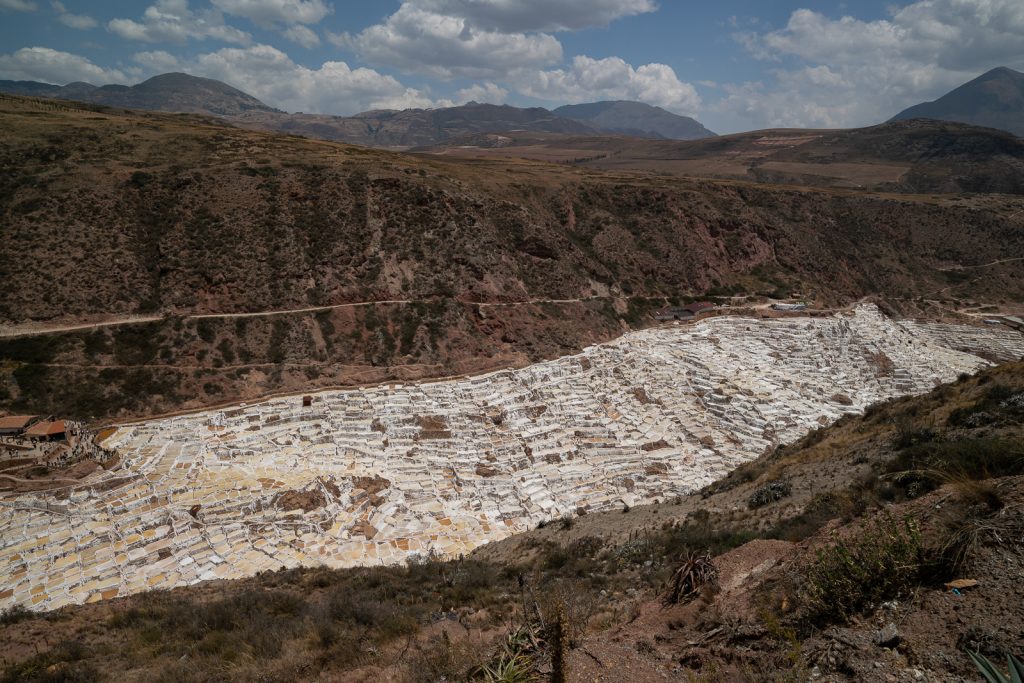
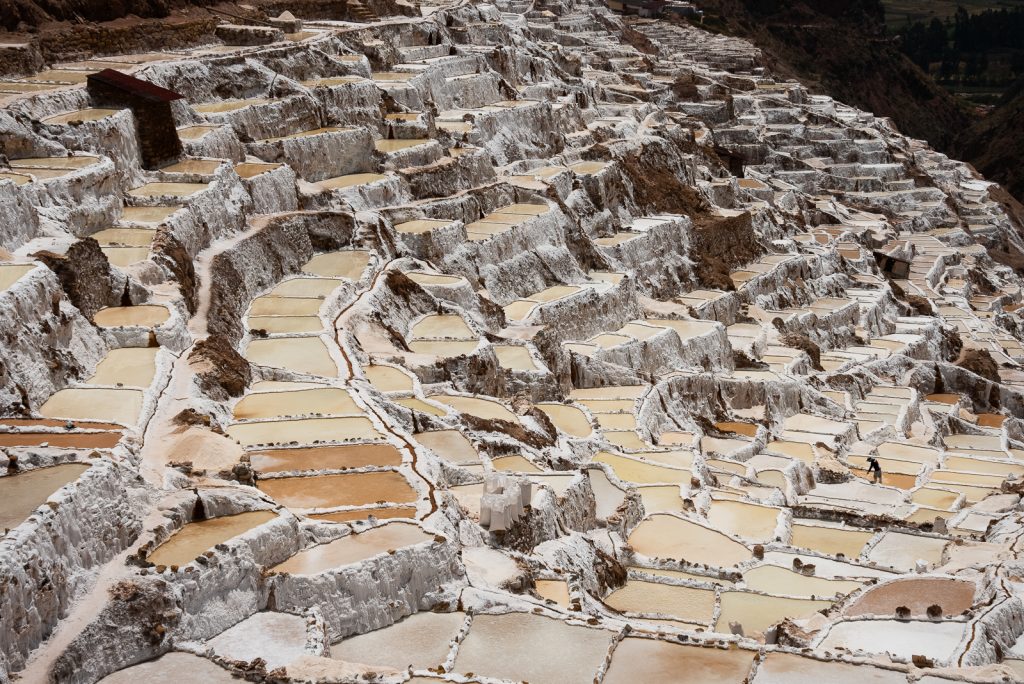
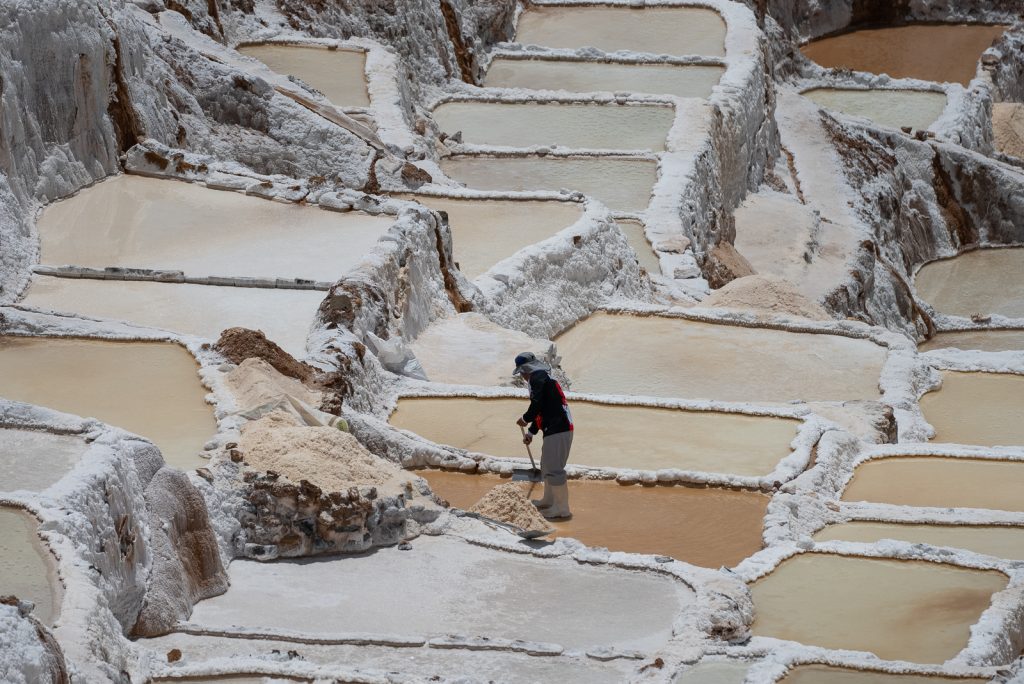
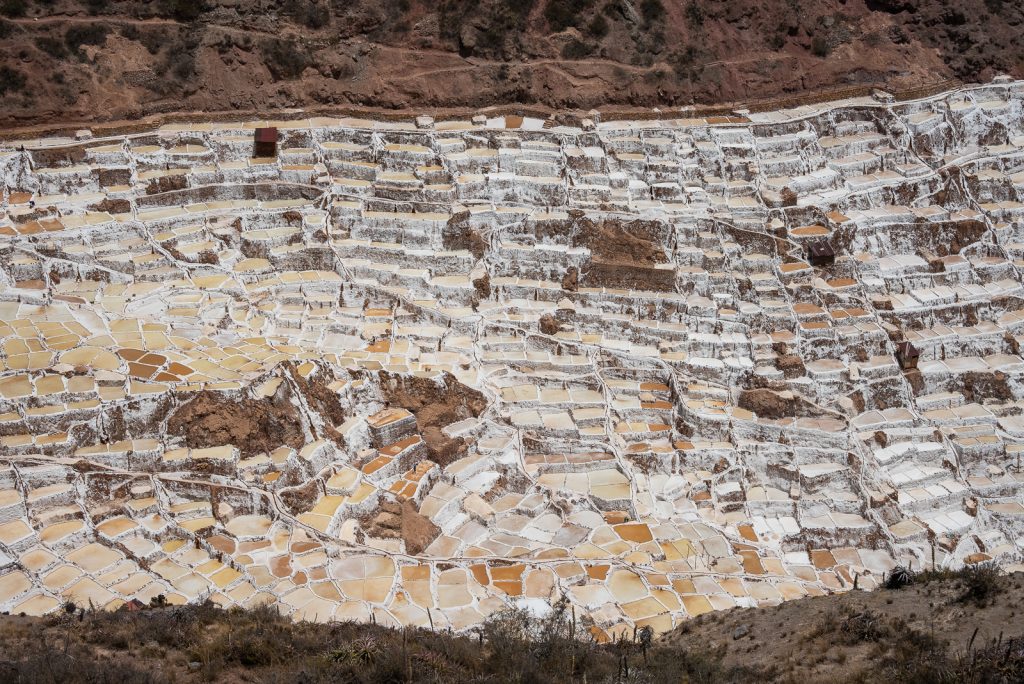
The Maras Salt Mines are a unique spot that totally blew us away! Nestled in a valley, with mountain views off in the distance, you’ll find a massive grid of white and brown salt ponds.
These salt mines date back to pre-Inca times and are made up of multi-level terraces with thousands of salt ponds, which are owned by local families and can produce 150–200 kilos (330–440 pounds) of salt per month!
The ponds are fed by an underground hypersaline spring that originated 110 million years ago during the formation of the Andes Mountains. And as the water evaporates under the sun, salt crystals are left behind, which are then harvested in three layers. The first layer is pink salt, the second is white table salt, and the third is brown salt for industrial uses.
During our visit, we were able to see locals working in their ponds, which was super neat to witness. And at the end of our visit, we were even able to buy some of the salt to take home!
How to visit Moray and the Maras Salt Mines
Similar to other Sacred Valley sites, the most popular way to visit these places is through a tour. We chose a tour with AB Expeditions that took us to these two sites, plus Ollantaytambo and Chinchero.
If these are the only two sites you want to see in the Sacred Valley, check out this ATV tour for a more thrilling way to experience them!
Tickets: To visit Moray you’ll need the Cusco tourist ticket. Entrance to the Maras salt mines is not included on the Cusco tourist ticket, so you’ll pay for that entrance ticket on site.
11. Waqrapukara Ruins
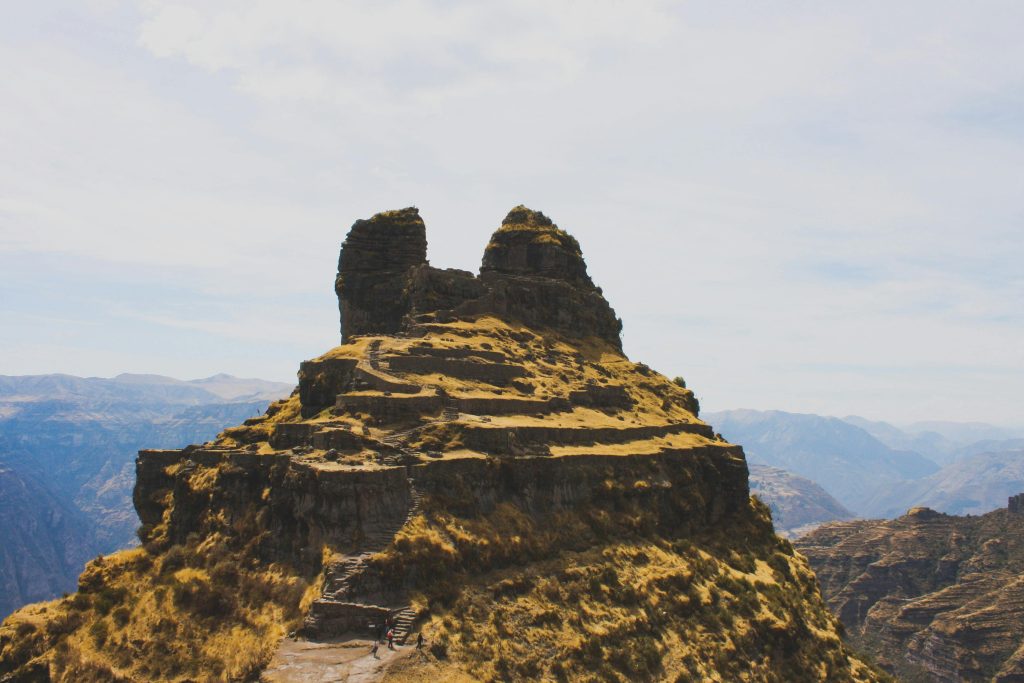
If you want an off the beaten path Cusco day trip, look no further than the Waqrapukara Ruins! Waqrapukara translates to “Fortress of Horns,” because of the two rock formations on the top that resemble horns.
You can visit these ruins along a 3 hour trek, which takes you past lakes and to the top of the fortress, where you can walk through the ruins and have views of the surrounding mountains and forest.
How to visit Waqrapukara Ruins
Due to this being a less popular option, we’d suggest going with a guide to make things easier and safer. Two of the top tour providers in Cusco, AB Expeditions and Salkantay Trekking, offer a day trip to Waqrapukara. These tours both include transportation, breakfast, and lunch!
12. Adrenaline pumping tours
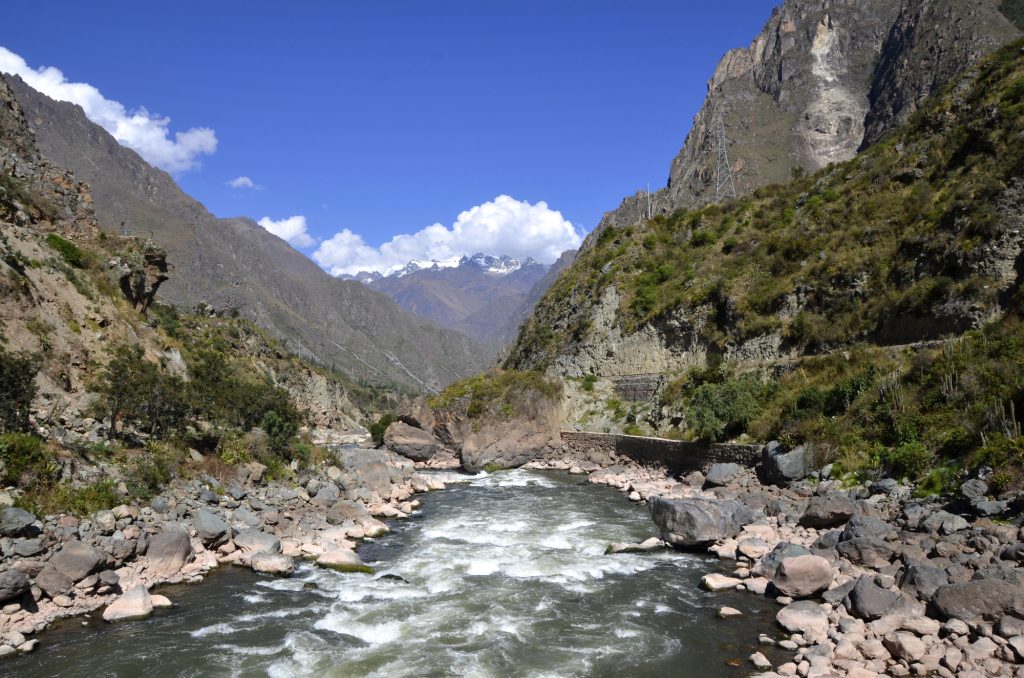
For the adrenaline junkies, there are a handful of fun day trips from Cusco that will give you a bit of a thrill. Some of the best experiences include going whitewater rafting on the Urubamba River, scaling a cliff face on a via ferrata, and ziplining!
Tips for your Cusco day trip
Adjusting to the altitude
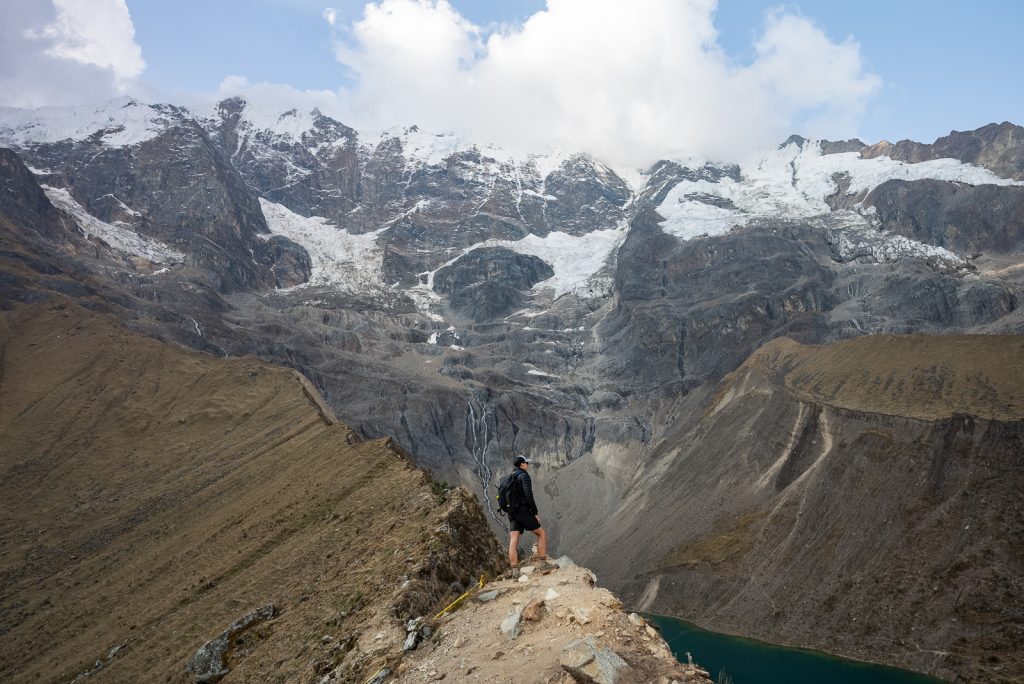
One of our top Peru travel tips is to adjust to the altitude. Cusco sits at 3,399 meters (11,152 feet) above sea level. And if you’re coming from Lima, like we were, this altitude will kick your butt a bit! Especially because there are so many stairs in Cusco.
So when you first arrive in Cusco, make sure to take it easy and get acclimated to the altitude. Typically 2-3 full days is enough to feel like you’ve adjusted.
Our personal suggestion for acclimating is:
- The day you fly into Cusco: Take it easy and rest!
- Your first full day: Explore Cusco itself! If you need ideas, we share all of the best things to do in Cusco here!
- Second full day: Go on a tour to the Sacred Valley, which is a similar (and slightly lower) altitude.
- Third full day: Tackle one of the higher altitude Cusco day trips, like Rainbow Mountain, Humantay Lake, or the 7 Lakes of Ausangate.
To help your body adjust, make sure to drink lots of water, coca tea, and electrolytes. We personally love LMNT and drank it daily while in the Andes Mountains.
Going on a tour vs. independently
Depending on your level of travel experience you may be thinking about doing some of these day trips from Cusco without a guide.
There are a lot of advantages to hiring a tour! You get to have a knowledgeable guide, have all of the logistics handled, and depending on the group size, may make some new friends! Plus, you get to support locals by paying for a tour.
But many of these Cusco day trips can be done on your own. This will give you more flexibility and likely save costs, but it will also be a lot more work logistically. You’ll have to find a way out there and back, figure out your meals, and make many more small decisions.
If you do decide to do it this way, make sure you’re choosing a Cusco day trip that is relatively easy to do on your own.
Tipping your guides
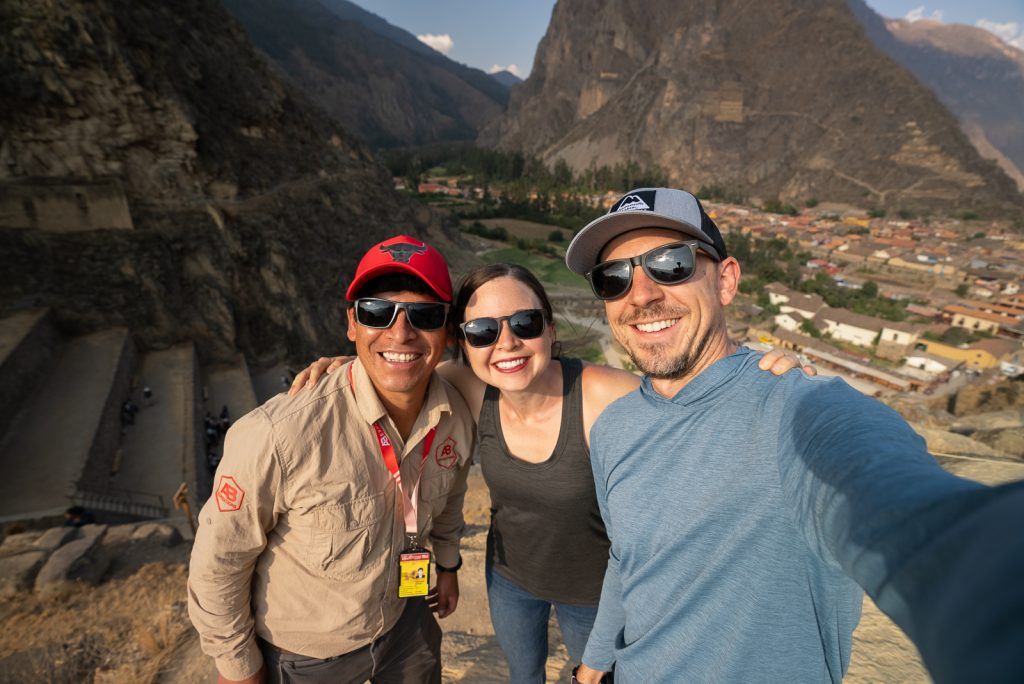
Figuring out how much to tip when traveling is always a bit stressful for us. Coming from the US, 20% is typically expected for any type of service. But this really varies across the world! In Peru, tipping is not required in all scenarios, but on tours, we would highly advise giving your guide a tip. They work hard!
This tipping guide by Salkantay Trekking is helpful to give you an idea of how much to tip. It is a few years old though, so we’d suggest doing a little more than it says. For us personally, we tried to always tip our guides 20%, as they were all phenomenal. Make sure to tip your drivers too!
Make sure to bring cash
While many of these Cusco day trip tours include your meals and transportation, there are sometimes entrance fees or items that are not included that you’ll need to pay for. Or you may decide to buy a souvenir or snack along the way! So make sure to review your tour’s inclusions beforehand and pack enough cash.
You may need a tourist ticket (boleto turistico)
Many of the attractions in and around Cusco require the Cusco Tourist Ticket, also known as boleto turistico. The ticket includes 16 museums and archaeological sites like Sacsayhuaman, Qorikancha, Ollantaytambo, and Pisac, to name a few.
You can either choose the General Comprehensive ticket, which includes all sites and is valid for 10 days. Or you can choose from 3 circuits that include a limited number of sites and are only valid for 1 or 2 days depending which you choose.
To learn more and decide which is best for you, check out this website!
Read tour reviews
We thoroughly researched all tours we listed in this guide, to ensure we were suggesting the best of the best. But if you opt to choose other tours, make sure you read reviews! This will ensure you’re picking a high quality company, which can truly make or break the experience. As well as give you a better idea of what to expect, so you don’t have any surprises the day of.
Wear sun protection & pack layers
All of these day trips from Cusco are at high altitude. And when up this high, the sun is quite a bit more intense! Make sure to cover up, wear a hat, and apply sunscreen. Plus drink lots of water!
Also, depending on when you visit, the temperatures can vary throughout the day. During our visit in mid to late September, the mornings and evenings were chilly. But as soon as the sun came up, it warmed up quickly. Make sure to pack layers so you can adjust your clothing as needed!
Save this guide with the best Cusco day trips!