Last updated on November 7th, 2025
There is a lot to know before planning your trip to Peru! And we’re sharing our top Peru travel tips from one month in the country.
One of the things we love about traveling is that no two countries are the same. From different currencies, languages, cultural customs, and climates, it’s always a new experience with every country we check off our list. While this makes traveling extra exciting, it can also lead to mishaps and challenges if you don’t know what to expect.
And if Peru is on your travel bucket list, there are quite a few things to know before you go. But we’re here to help you feel prepared for your trip! In this guide we’re sharing our top 25 Peru travel tips from our one month in Peru. Including some very important ones that could’ve saved us a trip to Urgent Care. 😬
- Our top 25 Peru travel tips & things to know for first-timers
- 1. Lima is the only major international airport
- 2. Don’t try to do too much
- 3. Peru is more than Machu Picchu
- 4. Always carry your passport
- 5. Get an eSIM
- 6. Pack for multiple climates
- 7. Understand the seasons
- 8. Purchase travel insurance
- 9. Give yourself time to acclimate
- 10. Only drink purified water
- 11. Carry cash
- 12. Download offline Google Translate & Maps
- 13. Learn some spanish
- 14. Understand the tipping culture
- 15. Download WhatsApp
- 16. User Uber instead of taxis
- 17. Always carry toilet paper (& don’t flush it!)
- 18. Download a VPN
- 19. Take buses to smaller towns
- 20. Hire local guides
- 21. Book some tours WELL in advance
- 22. Tours can be far away
- 23. Prepare for WILD driving
- 24. Do a trek (if you can!)
- 25. Pack a small first aid kit
Looking for more help planning your time in Peru?
- The 13 BEST places to visit in Peru
- The Perfect 2 Weeks in Peru Itinerary for First-Timers
- The Ultimate Peru Packing List (with downloadable list!)
- 24 traditional Peruvian foods & drinks you MUST try in Peru
- The 19+ BEST things to do in Lima, Peru
- 18 FUN things to do in Cusco, Peru
- How to hike Peru’s Salkantay Trek without a guide
- Visiting Machu Picchu in 2025: A step by step guide!
- The 9+ BEST things to do in Aguas Calientes
- 11 FUN things to do in Paracas, Peru
- How to spend 24 hours in the Huacachina Oasis near Ica, Peru
- Read all of our Peru travel guides
- Watch all of our Peru videos
Our top 25 Peru travel tips & things to know for first-timers

1. Lima is the only major international airport
While Peru is a large country, with multiple big cities, Lima is the only major international airport. This means regardless of where you hope to explore in Peru first, you will have to connect in Lima. And if you’re traveling between cities in Peru, you may have to pop back into Lima to get where you need to go.
Thankfully, the Jorge Chavez International Airport (LIM) is pretty nice! They even have two Priority Pass lounges, which is one of our favorite perks of our travel credit cards. However, it’s not located in the best part of town. So even if you’re just in Lima for an overnight layover, we suggest staying in one of the safer, tourist areas. We share a bunch of options of places to stay in Lima in this post!
2. Don’t try to do too much
One of our biggest Peru travel tips is to not try to do too much. Which is hard! There are so many amazing places to visit in Peru and it may be tempting to squeeze them all into one short trip, but we’d suggest focusing on just a couple areas instead.
Not only are some of the best destinations in Peru located at very high altitude and require multiple days of acclimating, but traveling between places can take quite a bit of time and multiple transportation methods. So by focusing on just a few areas, you can spend less days on planes and buses.
During our trip to Peru we focused on three main areas:
- Lima
- The desert and coastal areas south of Lima
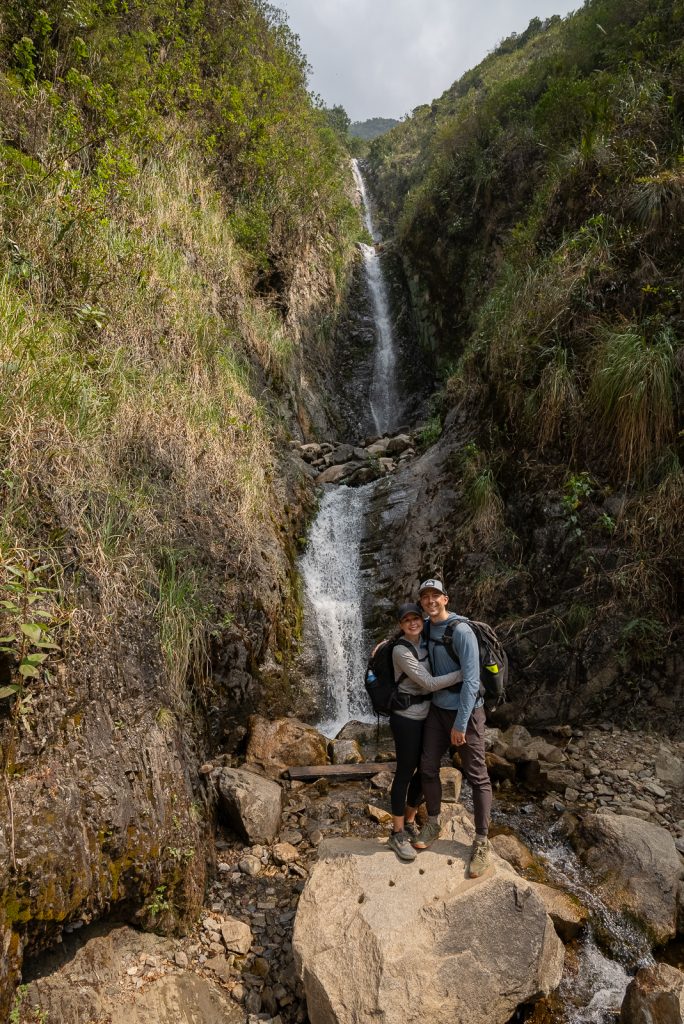
- Cusco and the Andes Mountains, including Machu Picchu and multiple treks
While we missed out on Lake Titicaca, Huaraz, and the Amazon, we loved that we were able to explore these areas a bit deeper than some travelers get to. And next time we visit Peru (because there WILL be a next time), we will focus on these areas.
3. Peru is more than Machu Picchu
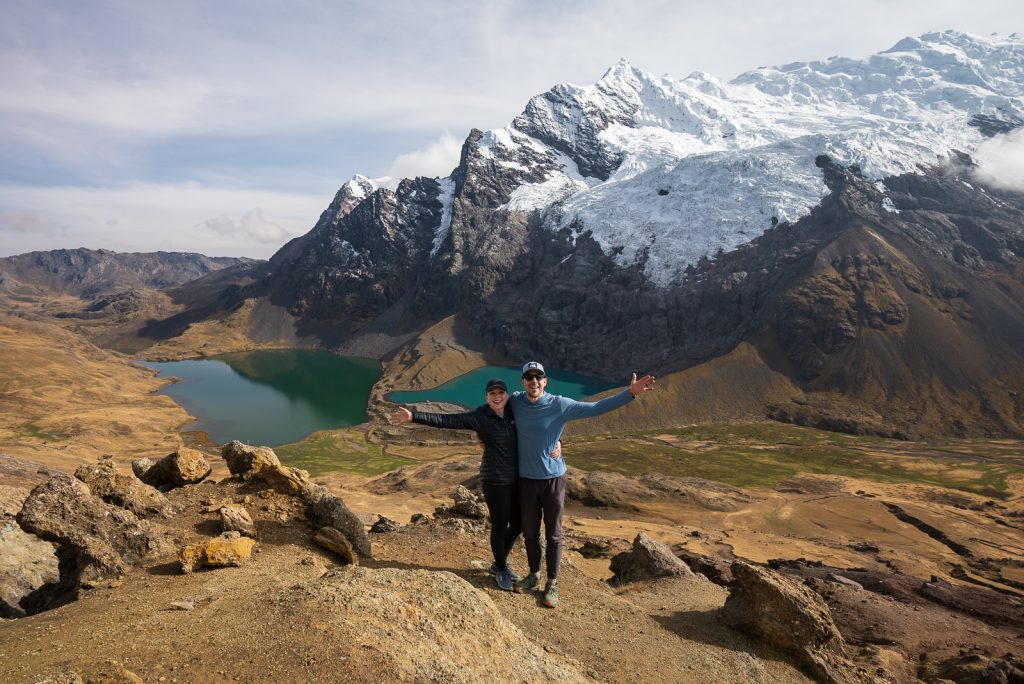
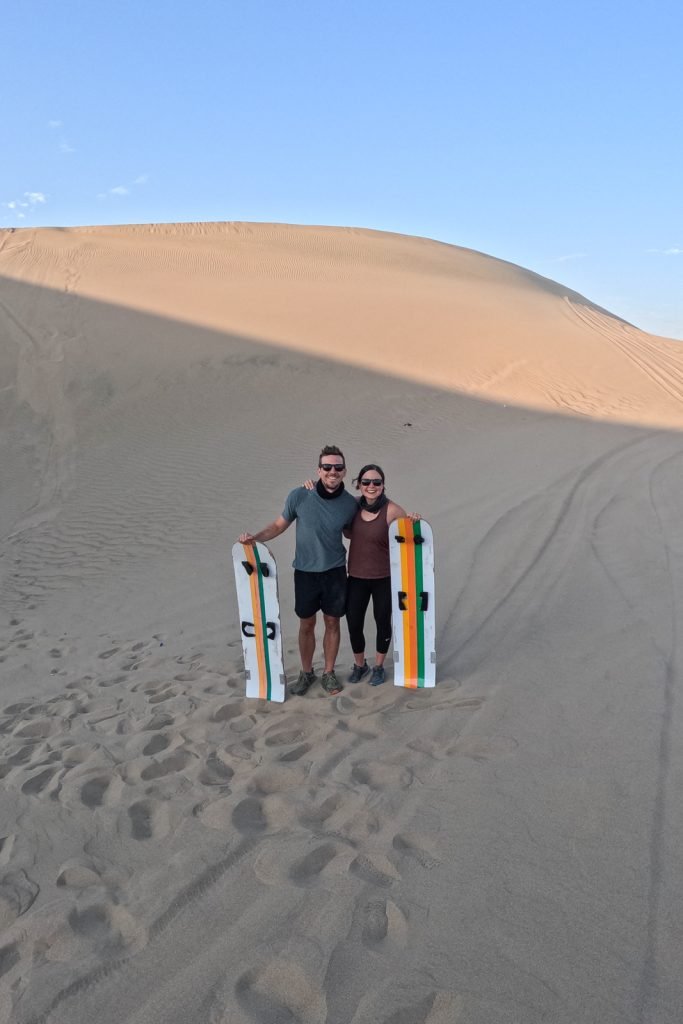
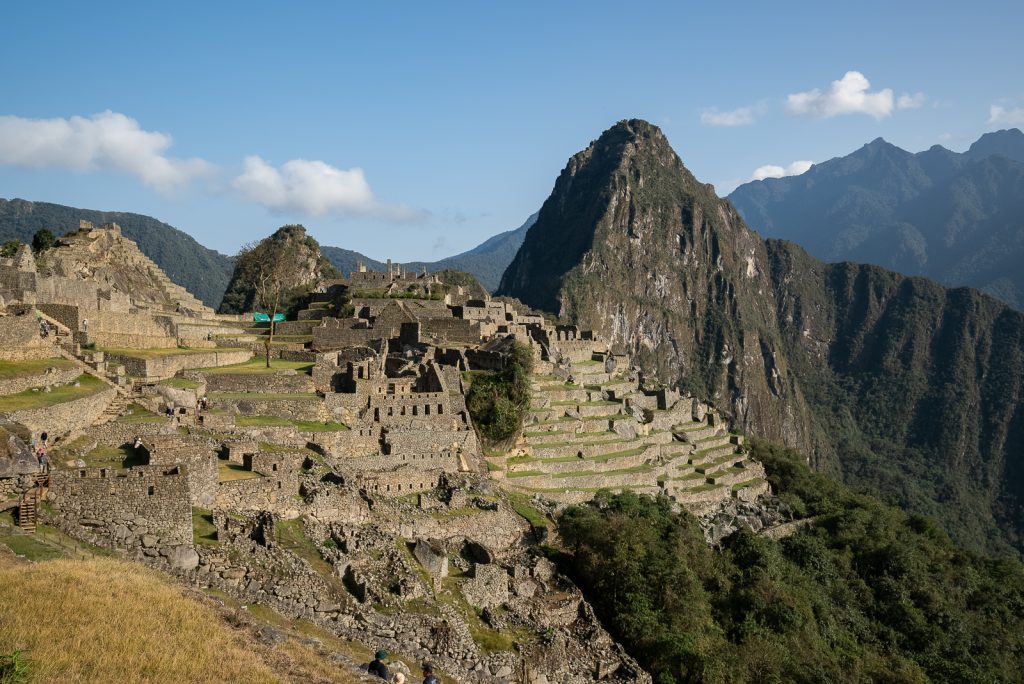
Speaking of places to visit in Peru, many people focus solely on Machu Picchu. And while Machu Picchu is pretty incredible, the country has SO much more to offer. In fact, our top three favorite experiences in Peru weren’t Machu Picchu. We enjoyed the Ausangate Trek, riding in a sand buggy and glamping in Huacachina, and the Salkantay Trek (which does lead to Machu Picchu) even more!
That’s not to say skip Machu Picchu. It 100% should be on your Peru itinerary! But don’t make that your only stop in Peru.
4. Always carry your passport
One thing we noticed in Peru is that we had to show our passport a lot. This was especially true at Machu Picchu, where we had to show it to get on the bus (multiple times) and to enter Machu Picchu itself. So make sure you always have it on you! BUT it’s important that you keep it in a safe spot, where it cannot easily be stolen. Ours are always located in a passport holder in an inside pocket of our backpack.
Also, you have the chance to pay for a novelty passport stamp at Machu Picchu and Rainbow Mountain. But we would advise against getting this, as it could potentially invalidate your passport and prevent you from entering or exiting a country. On page 5 of the US Passport it states only authorized officials can place stamps or additions to the passport.
If you’re one to collect these types of stamps or want to start, another way to do it is to take a journal with you. With a journal you can get the stamp and then even write down some memories from that experience and still make it home!
5. Get an eSIM
You have a few options for cell service while in Peru: Pay for an expensive international plan with your home provider, only use Wi-Fi (not recommended), get a physical SIM, or what we have started to do, get an eSIM from Airalo!
This is a SIM that you can download to your phone. It saves the hassle of having to get a physical SIM. Plus, you can get an eSIM for a specific country or for an entire region, making it extra easy to use if you plan to hop between countries in South America.
If you want to try it for your trip to Peru, use our code AK3 for $3 USD off your first eSIM!

6. Pack for multiple climates
Peru is not only home to many different climates, but also huge swings in altitude. During our trip to Peru, we explored from sea level up to 16,700 feet! So you will want to ensure you pack clothes for a wide variety of temperatures, weather, and activities. We went from puffy jackets to swimsuits in just a couple days!
As carry-on only travelers, we suggest packing only a handful of outfits for each climate/activity and utilizing laundry services. With the help of packing cubes, we were able to fit one month’s worth of items (including some trekking supplies) in just two backpacks and two carry-ons.
Want a ready to go Peru packing list? You can download ours for free!

7. Understand the seasons
Peru is located in the Southern Hemisphere, so they have opposite seasons from the US and many other countries. When it’s summer in the US, it’s winter in Peru.
However, Peru mostly has just two main seasons: a rainy season and dry season. The rainy season is typically from November through March, while the dry season is April through October. Most visitors visit during the dry season, which is what we recommend. While it’s possible to visit in the rainy season, you run the risk of a completely fogged out Machu Picchu, unsafe trekking conditions, and just an overall wet time.
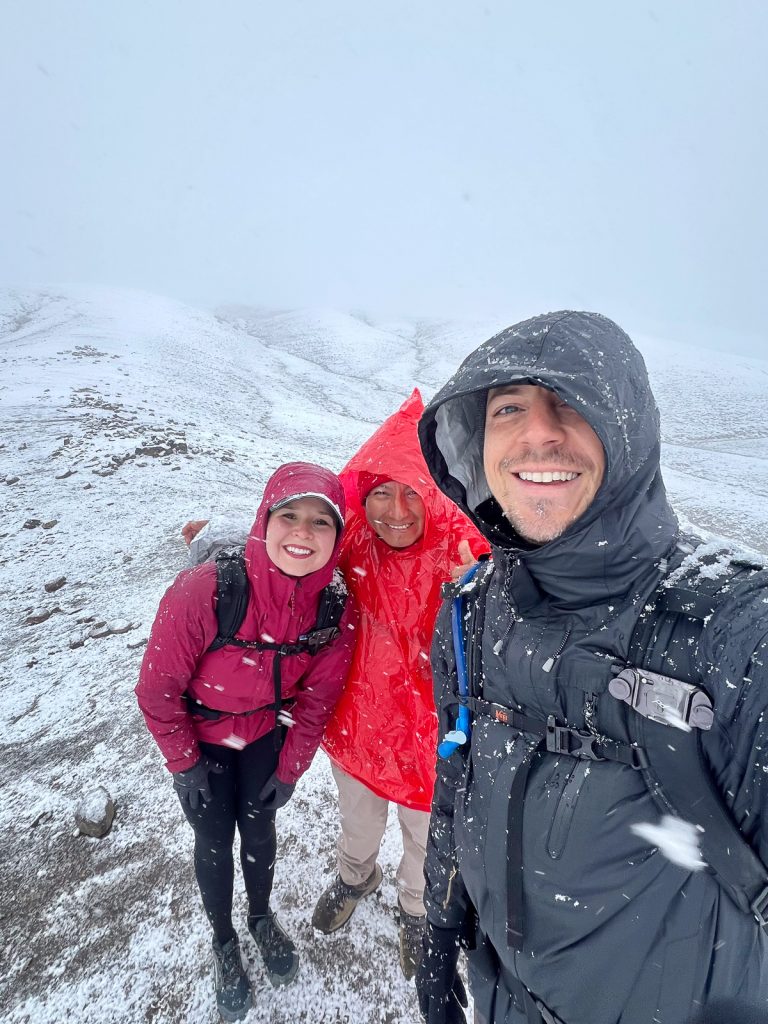
We personally visited Peru from mid-September until mid-October. And minus two snow storms on the Ausangate Trek and one day of fog at Machu Picchu, we had perfectly sunny weather!
8. Purchase travel insurance
One of the most important Peru travel tips is to get travel insurance! This is something we suggest for any international trip. But it is especially important in Peru, due to the high altitude, more adventurous activities, and if you’re like me, bug bites.
We are big fans of SafetyWing! SafetyWing is travel medical insurance that will cover you outside of your home country for however long you need it. We purchase their Nomad Insurance plan before any international trip, which not only gives us travel medical insurance, but also provides coverage for lost baggage and travel delays.
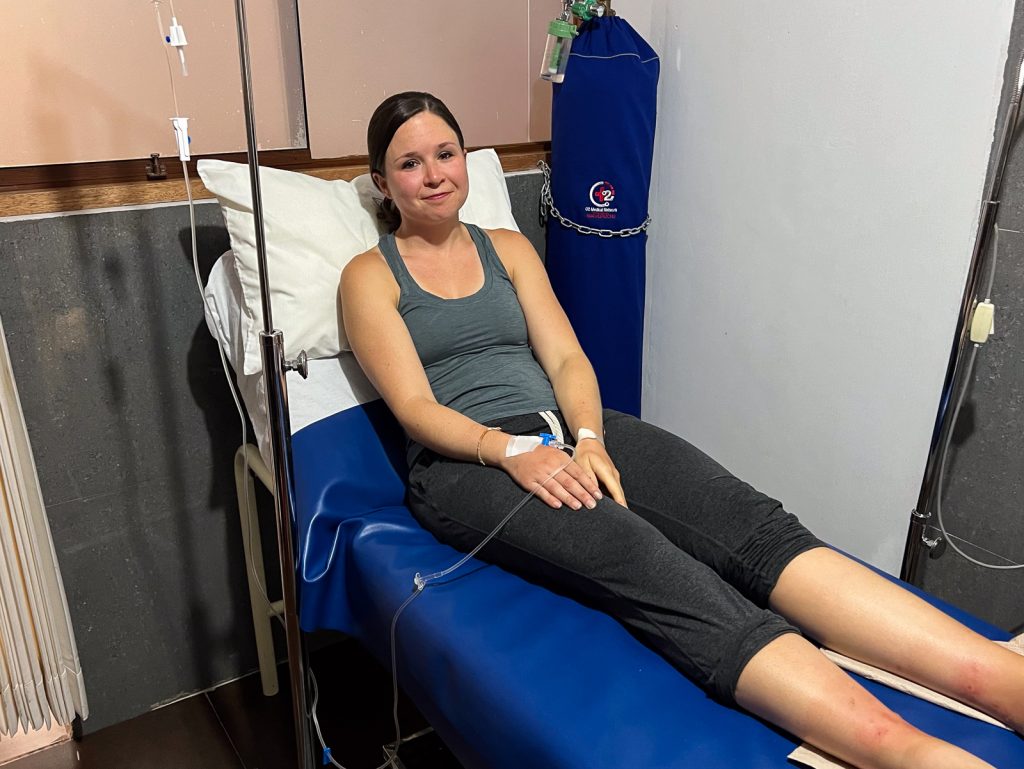
After always purchasing it for many trips over the years and never needing it, we actually had to use it in Peru! I was bitten by some bugs on the Salkantay Trek and had to go to a clinic in Aguas Calientes. The treatment at the clinic cost $367 USD and SafetyWing covered all of it! And we got reimbursed within just a few days.
9. Give yourself time to acclimate
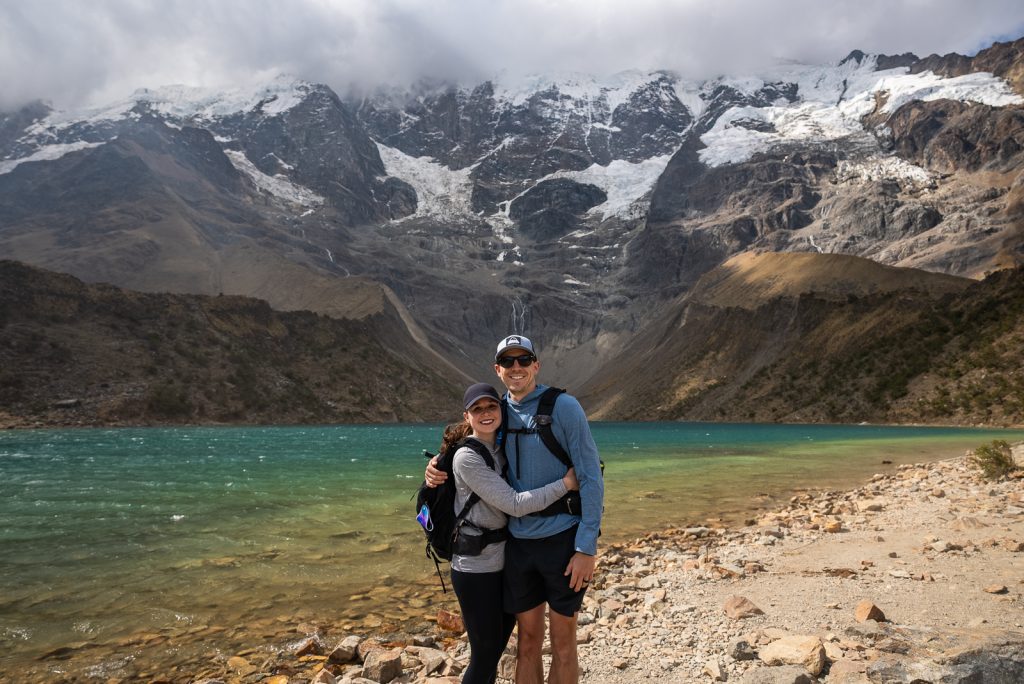
Another crucial Peru travel tip is to acclimate. Going from Lima (sea level) to Cusco (3,399 meters/11,152 feet) is a HUGE shock to the system. And altitude sickness is very common among travelers, which could put a huge damper on your trip! Here are some of our top suggestions to adjust to the altitude.
Give yourself time to adjust
We suggest spending 2-3 full days in the Cusco area before venturing to even higher altitudes. And on these days, try to take it a bit easier. We spent 3 full days in Cusco before tackling the Salkantay Trek and minus a few headaches (which could’ve been due to less coffee than normal), our bodies did well!
Drink LOTS of water
Hydration is key when at high altitudes. We especially recommend adding electrolytes. LMNT is our absolute favorite! And if you use this link, you get a free sample pack (8 flavors!) with any order!


Drink coca tea
Besides water, make sure to drink coca tea! Coca is a plant grown in Peru that is said to help with altitude sickness. Just make sure you don’t bring any back home, as it’s illegal in some countries due to it being used to make cocaine. Don’t worry though, in its leaf form it’s 100% safe to consume. You can get coca leaves ALL over Cusco and many accommodations have it readily available as well.
Get altitude sickness medicine
Ask your doctor about altitude sickness medicine before you go to Peru. Our doctor in the US, as well as the Urgent Care doctor in Peru, both recommended Diamox. We didn’t personally take it, but it’s worth looking into!
10. Only drink purified water
Speaking of drinking water, it is not safe to drink tap water in Peru. So make sure you only consume filtered water, to reduce getting sick.
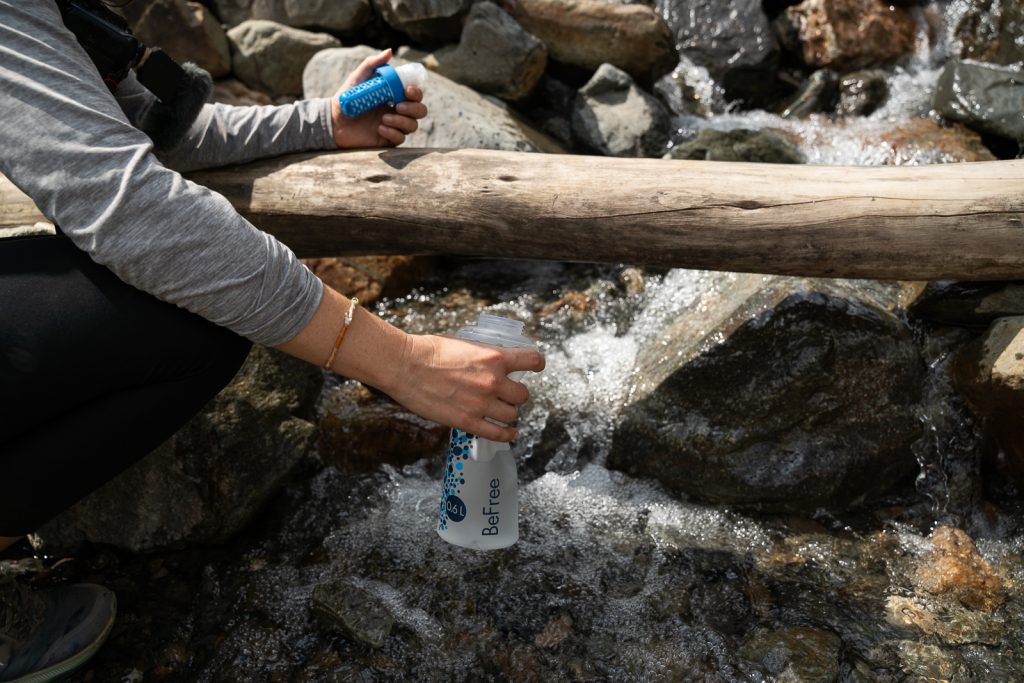
It’s easy to find bottled water at convenience stores around Peru and restaurants will have it available as well. However, one method we used (to reduce plastic!) was bringing a Katadyn BeFree water filter bottle. This is a water bottle with a filter, which meant we could fill up at our hotel sink and have the water filtered before we drank it. We also used this to fill up our Camelbak during treks!
11. Carry cash
One thing that is always tricky when traveling internationally is carrying cash. Back in the US, we use our credit cards for everything. But in many countries, including Peru, it was very hit or miss when we could use our credit card vs. cash.
In major cities, like Lima and Cusco, it is much easier to use your credit card, especially at nicer restaurants. But at markets, smaller local joints, and some attractions, both in larger cities and smaller cities, you will want to have cash. Plus you will need this for any taxis, toilets, and tips.
What is Peru’s currency?
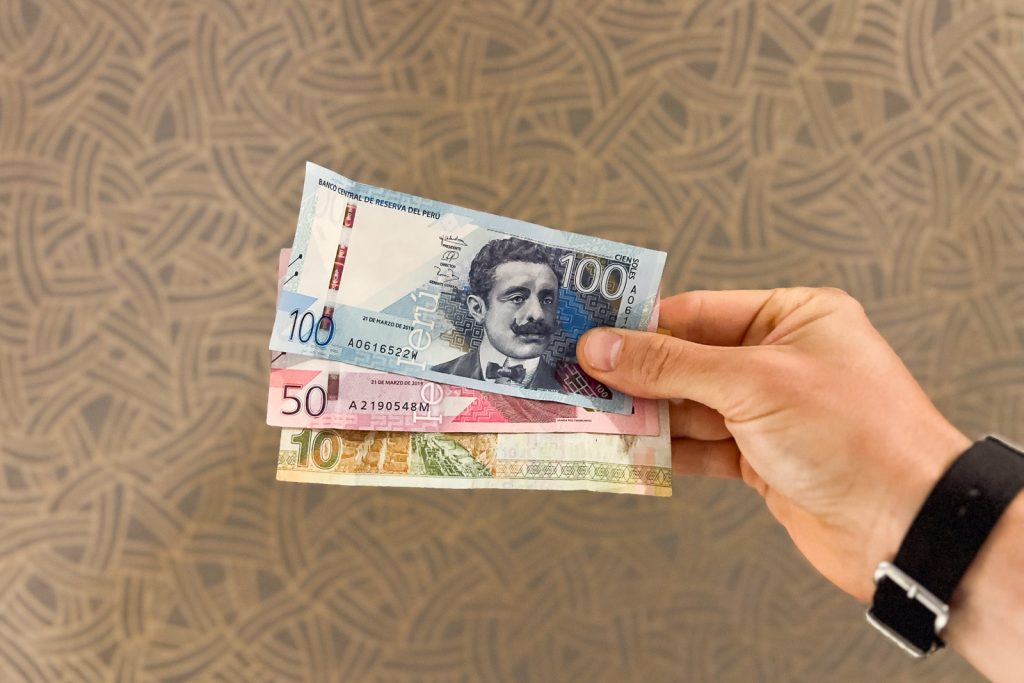
Peru’s currency is the Peruvian Sol and you can find the current conversion for your country’s currency here.
There may be a fee for credit cards
There is sometimes an extra charge to pay with your credit card. For example, when booking our Ausangate Trek, we could either pay the remaining balance with cash or with our card. There was a 3% extra charge for using our credit card. But since we owed over $1,000 USD, we opted to pay the fee, as that would’ve been over S/3,700, which is a lot of cash to get from an ATM.
In some cases, like the one above, paying with a card will be safer and easier. But in others, you may want to ensure you have enough cash to avoid paying extra.
Try to get smaller bills
One thing we really struggled with in Peru was not having enough small bills. The ATM would give us larger bills and sometimes we would try to pay a taxi driver or buy a small item and they wouldn’t have enough change. So we would have to frantically find a way to get smaller bills to pay them. Try to think ahead of what you may need cash for and get smaller bills, if possible. One way to do this is to pay for a meal (even if it’s one you could use a credit card for) with a larger bill and get cash back.
Using ATMs in Peru
You don’t necessarily need to bring cash to Peru. However, we suggest getting cash out as soon as you arrive though, as you may need it quickly.
You can find ATMs all over Peru and we suggest going to a bank ATM for the best rates. Want to avoid ATM fees? We have a Charles Schwab checking account specifically for international travel. They refund ATM fees from ANY ATM worldwide! This gave us lots of freedom to use whichever ATM was most convenient.
12. Download offline Google Translate & Maps
Even if you have an eSIM, make sure to download offline Google Translate and Google Maps beforehand. This will come in handy if for some reason you do not have service or if you get a small data plan.
13. Learn some spanish
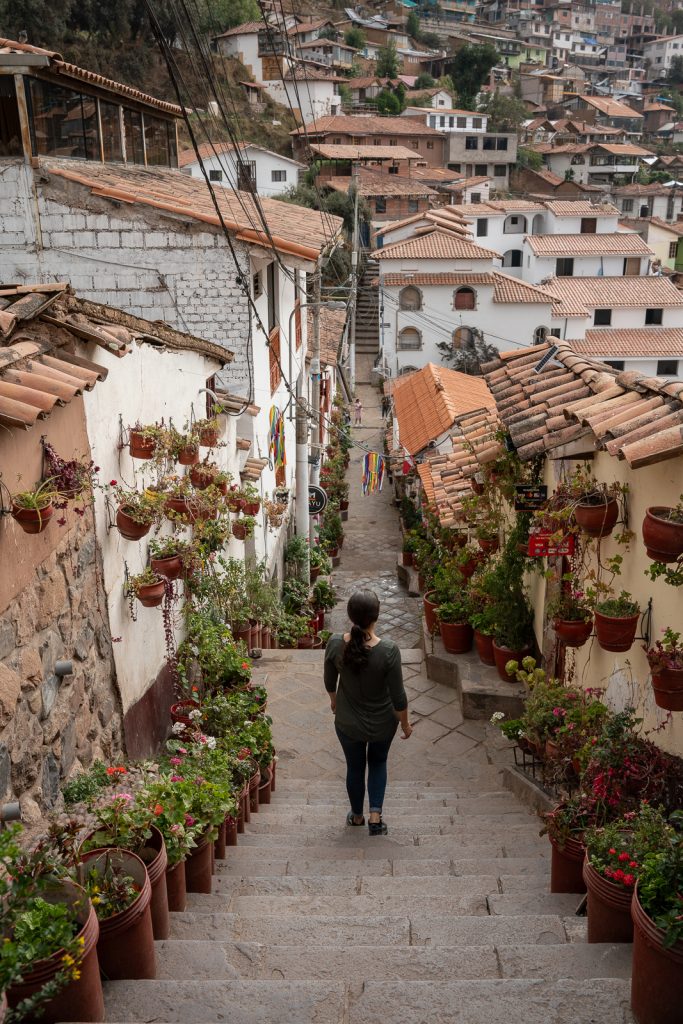
Peru is a Spanish speaking country, with many people in the more rural areas also (or only!) speaking Quechua, which is the indigenous language. While locals spoke some English in Lima, Cusco, and Paracas, we had many instances, like on treks or in smaller towns, where no one spoke English.
So make sure to learn some Spanish before you go (this list is helpful)! We like to use an app called Mango to practice Spanish. While we are far from fluent, we know a little bit and between that and Google Translate, we were able to get by just fine.

14. Understand the tipping culture
Figuring out how much to tip when traveling is always a bit stressful for us. Coming from the US, 20% is typically expected for any type of service. But this really varies across the world! In Peru, tipping is not required in all scenarios. However, since the prices in Peru were so affordable for us, we chose to tip most of the time.
At restaurants, we would typically give anywhere from 5-15 Soles (about $1-$4 USD), depending on how expensive the meal was. With Ubers, we usually added on a small amount as well.
But when it came to tours and treks, we tipped quite a bit more, as our guides, drivers, cooks, and horsemen were always so knowledgeable and worked very hard. We found this tipping guide by Salkantay Trekking helpful to figure out how much to tip. It is a few years old though, so we’d suggest doing a little more than it says. For us personally, we tried to always tip our guides 20% (with less for drivers, cooks, and horsemen), as they were all phenomenal.
15. Download WhatsApp
Make sure to download WhatsApp before heading to Peru! We used it to book our Machu Picchu tour, make dinner reservations, and communicate with guides. It’s an extremely helpful way to be able to communicate with international phone numbers!

16. User Uber instead of taxis
While you could take a taxi around the cities in Peru, they have a greater risk of scams. Instead, take an Uber! Uber is reliable, easy to use, and very cheap. We used it exclusively to get around Lima and it was great! Well, except for the fact that many drivers would cancel and it would take a few tries to get one (make sure to allot yourself enough time to get a ride!). You can also schedule rides, which we did multiple times to get to the Lima airport very early in the morning.
There are a few scenarios in which you will need to use a taxi. The first is from the Lima airport. We had heard some mixed things on if Uber can pick you up from the Lima airport. Some people say that you have to walk slightly outside the airport to get picked up, which we didn’t feel comfortable doing in the dark. So we used Green Taxi for our ride from the Lima airport instead. It cost S/65 ($17 USD), which we paid at the stand inside the airport, eliminating any possible scams by the driver. We’d highly recommend it! But going to the airport, we had no issue using an Uber.
Also in some cities, like Paracas and Huacachina, Ubers do not exist. In this case, you will need to take a taxi or a tuk tuk. Just make sure to agree on a price before starting the drive!
17. Always carry toilet paper (& don’t flush it!)
Minus the inside of most cafes and restaurants (that you’re a customer of), you will have to pay to use public toilets. These toilets are usually just a few Soles and while they typically include toilet paper, we suggest packing some of your own so you don’t have an issue. We just took a bunch off a roll and put it into a ziploc bag before flying to Peru and replenished it from our hotels as needed.
Also, you cannot flush toilet paper in Peru, so please throw it in the trash can next to the toilet. Most of our hotels had signs saying this, so this even applies at your lodging.
For the ladies, I LOVE my Kula cloth. This is an antimicrobial pee cloth that I mostly used on our treks, but it could also be handy when exploring town!
18. Download a VPN
If working remotely, you may want to download a VPN to be able to access specific websites while in Peru. There are tons of VPN options and you can get a trial for most, if you just want to test it out for your trip.
19. Take buses to smaller towns
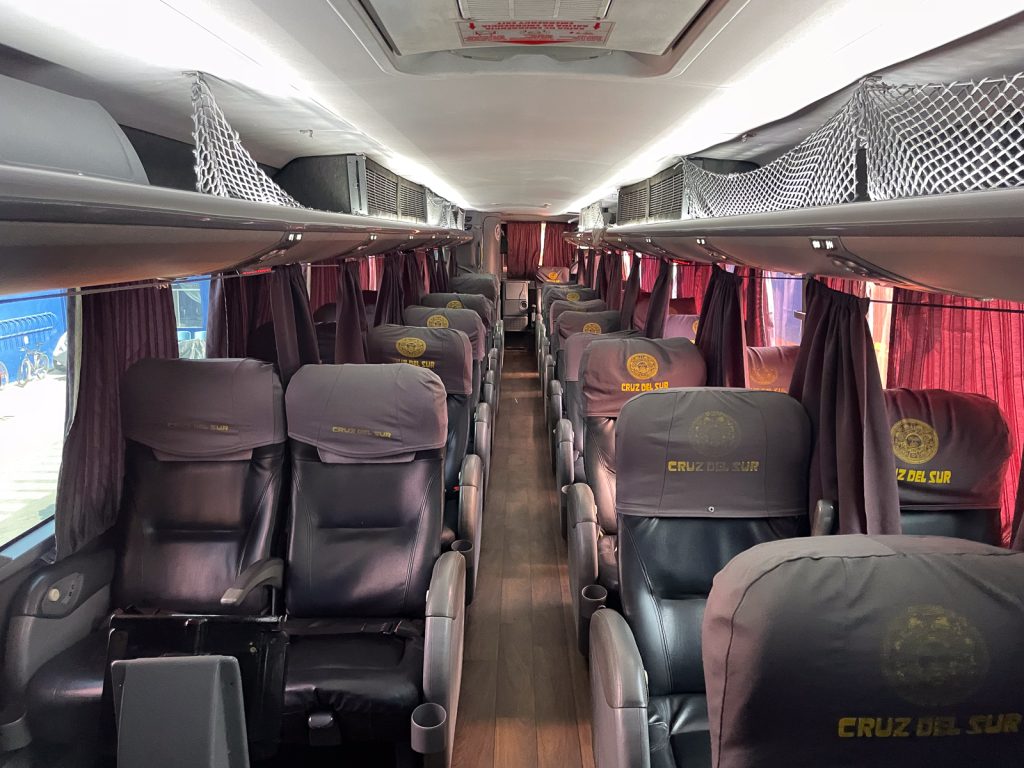
You can fly from Lima to Cusco, as well as to other larger cities. But there are no airports in some of the smaller destinations, like Paracas and Huacachina, so you will need to find another way to get there. While you could book a tour, the cheapest way to visit is by bus. Plus, you can then be on your own schedule!
Taking a bus in a foreign country may seem daunting, but Peru has a handful of tourist focused buses that can safely take you from place to place. These often have comfortable seats, plus toilets on board. We rode with Cruz del Sur three times and overall had a positive experience.
To book your buses in Peru, we highly recommend using BusBud. It made purchasing the tickets so easy and we had no issues redeeming them in person.
20. Hire local guides
Many of the country’s top sites, like the Sacred Valley and Machu Picchu do not have signage, which means you will have zero idea what you’re looking at. So one of our top Peru travel tips is to hire a local guide when you can!
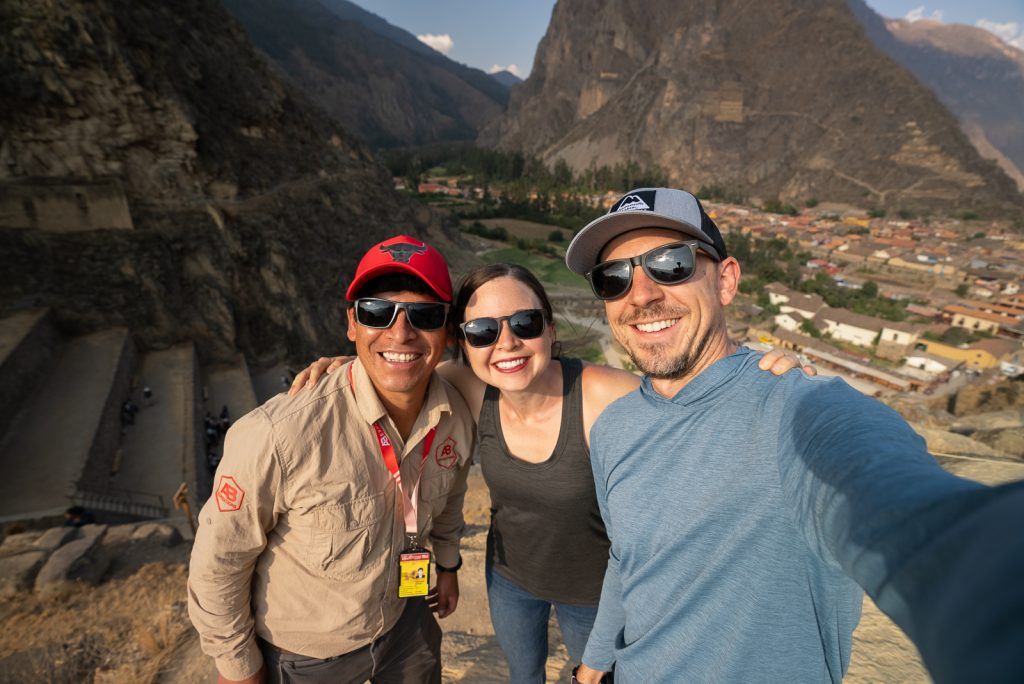
We tend to prefer to explore places on our own and at our own pace, but having guides in Peru heavily enhanced our experience. Not only did they teach us about the important history, but they handled transportation, which made the logistics of visiting certain spots a lot easier. Plus, by hiring a guide, you get to help support a local.
We booked AB Expeditions for multiple tours in the Cusco area and highly recommend them! But there are tons of other great companies as well. You can see some of the top tours in Peru here and if you book a tour or experience on Tripadvisor, make sure to use our code APLUSK10 for 10% off!
21. Book some tours WELL in advance
While you can book many tours in Peru at the very last minute, there are some activities that you cannot do this for. Mostly, Machu Picchu and the Inca Trail.
For Machu Picchu, there are limits on how many people can visit per day. But not even just that, there are 10 total routes you can do within the ruins, each with set time slots. And the more popular times and routes sell out very far in advance. We suggest getting your Machu Picchu tickets 3-4 months in advance to ensure you can get the route and time slot you want.
For the Inca Trail, you are required to hire a guide and only 200 tourists are allowed to start the hike each day. And during the peak hiking months (April-October), these slots sell out very quickly. Make sure to secure your spot in advance!
For other tours, like day trips and less popular treks, some people opt to wait until they are in the starting city to book their tour. You can supposedly get a cheaper price if you do this. However, we would advise choosing a reputable company over the cheapest price, as not all tours are created equal. For us personally, we booked all of our tours in advance so we had one less thing to worry about while in Peru.
22. Tours can be far away
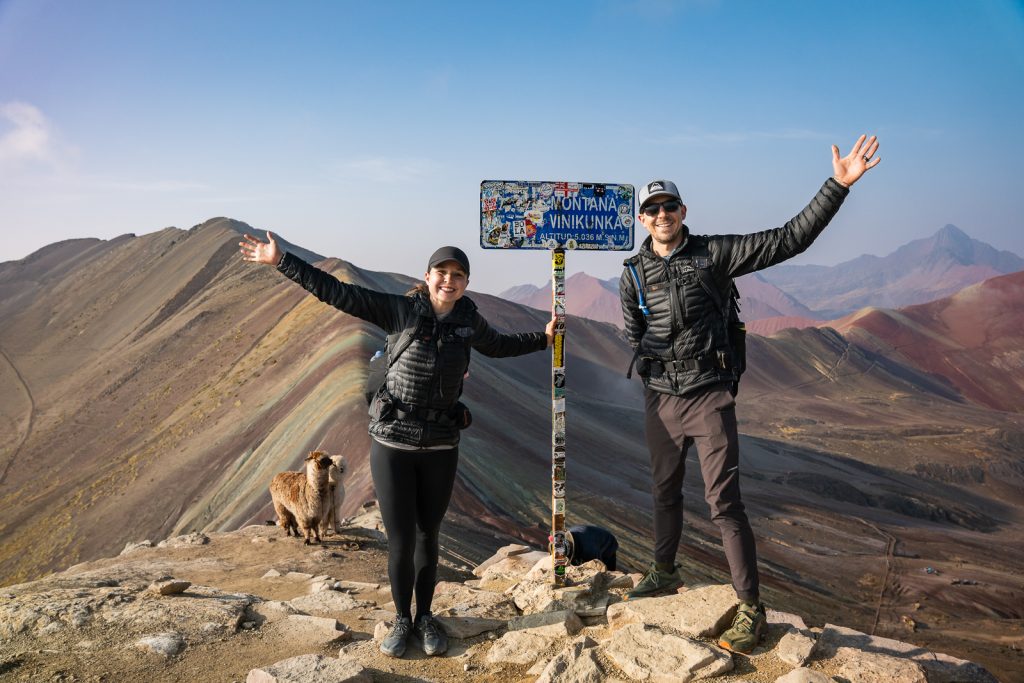
Something that you may not expect when visiting Peru is how far some of the top attractions are. For example, one of the top things to do in Cusco is visit Rainbow Mountain. But what you may not know is that Rainbow Mountain is 3 hours (one way!) from Cusco. And many tours leave around 3 AM. 😬 So it will be a VERY long day!
As you plan your time in Peru, keep this in mind and make sure to double check the distances, so you can plan your time accordingly.
23. Prepare for WILD driving
Oh man, the driving in Peru is INSANE! We have been to quite a few countries with some wild driving, but Peru is definitely towards the top of the list. Drivers are very aggressive and love to inch into tiny spaces between cars, cut out in front of others, etc. There were so many moments where we thought “this would NEVER fly in the US!”
However, somehow it just works and we never saw road rage or an accident in Peru. And thankfully we always made it to our destination in one piece. But if you’re like me and struggle from car anxiety, prepare to feel a bit nervous!
24. Peru IS safe (but know what to be on alert for)
While bad things can happen anywhere, we felt 100% safe in Peru and had zero issues. However, there are a couple things to keep in mind in terms of safety.
Be alert & keep your valuables secure. As for any travel destination, it is always good to be aware of your surroundings and keep your valuables secure. The largest risk to tourists in Peru is theft. We suggest keeping your wallet and phone in a front pocket (preferably zipped). During our visit, we were walking around with expensive camera gear and never felt unsafe. But we did almost witness someone get pickpocketed in Plaza de Armas in Cusco at night.
There could be political unrest. Peru has had some political unrest in the past, which has caused protests and closures, and is something to be aware of if you visit. But for the most part, this would just cause an inconvenience or logistical challenge rather than a safety issue for tourists.
Scams are possible. The most common scam that could occur is being overcharged by a taxi driver. So make sure to take Uber instead! Another common occurrence in Cusco are women with llamas, alpacas, and baby lambs that try to get you to take photos with them. They will ask for money afterwards and may try to charge you a lot, so we suggest avoiding this photo opp.
25. Pack a small first aid kit
And speaking of bug bites, for our final Peru travel tip, make sure to pack bandaids, plus important medicines and creams. We suggest bringing Benadryl, Advil, antibiotic cream, and anti-itch cream for bug bites. While we did pack Advil, we forgot the other items, which definitely did not help our situation when I got bit by bugs and got infected.
You could get these in Peru, but the brands will be different and they’ll be in Spanish. So we suggest bringing them from home, so you can ensure you’re bringing exactly what you need.
Save this guide with our top Peru travel tips