Last updated on March 29th, 2026
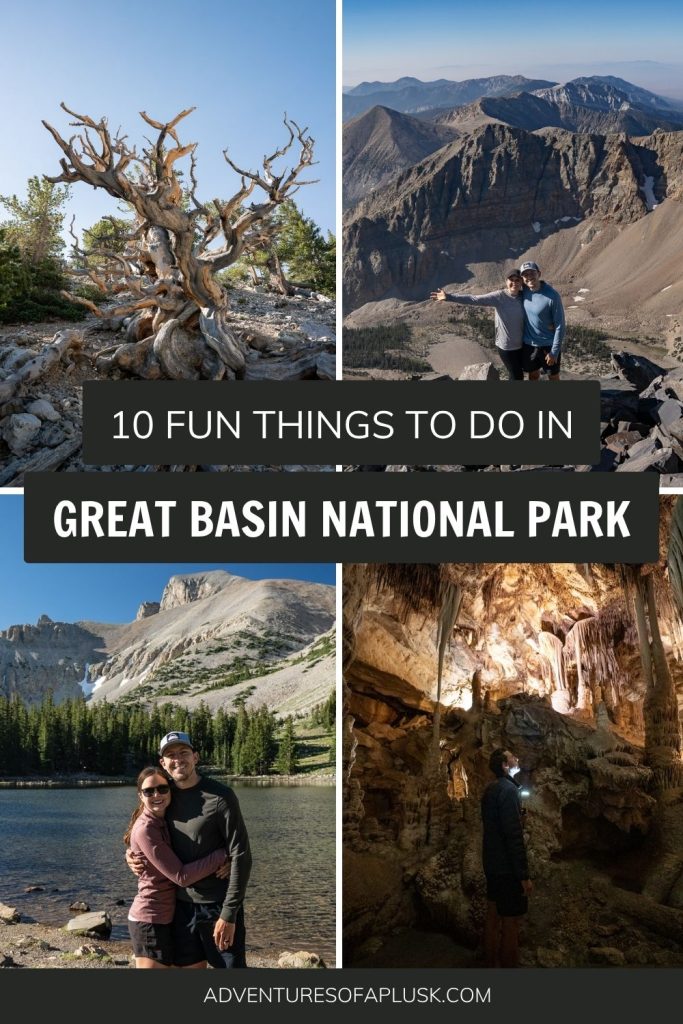
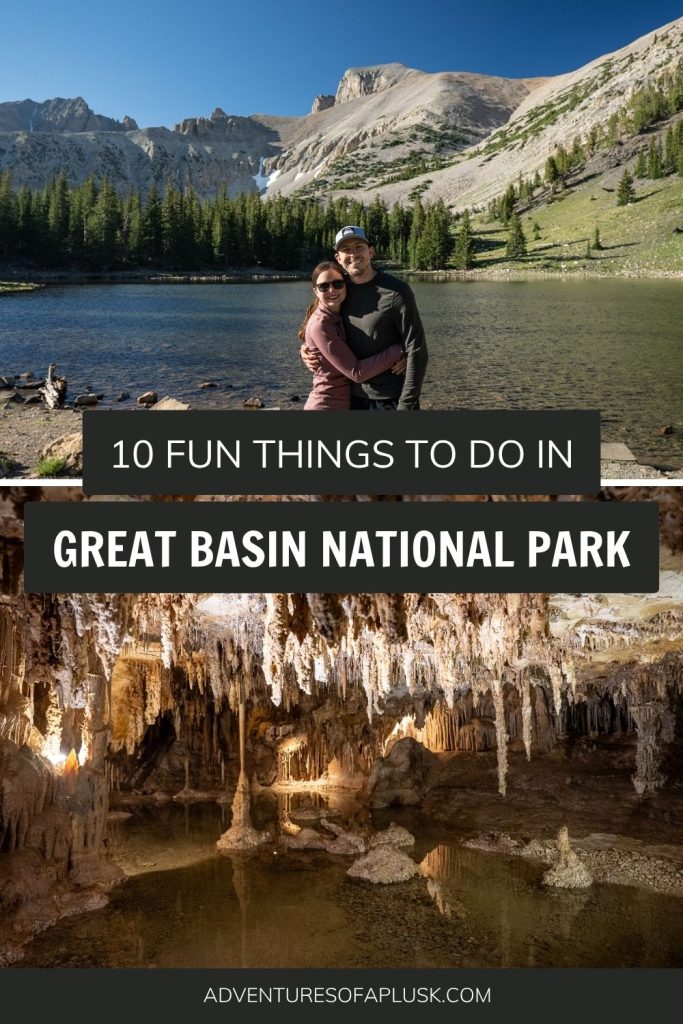
We’re sharing 10 fun things to do in Great Basin National Park, one of the most underrated parks in the country!
We have been to 52 of the US National Parks and hands down one of the best surprises was Great Basin National Park. With stunning alpine lakes, epic mountains, an impressive cave, and ancient trees, it offers an amazing mix of scenery and things to do, all within a relatively small space!
But the best part? It’s the 10th least visited National Park in the United States. Which means you won’t be fighting the crowds on the trails!
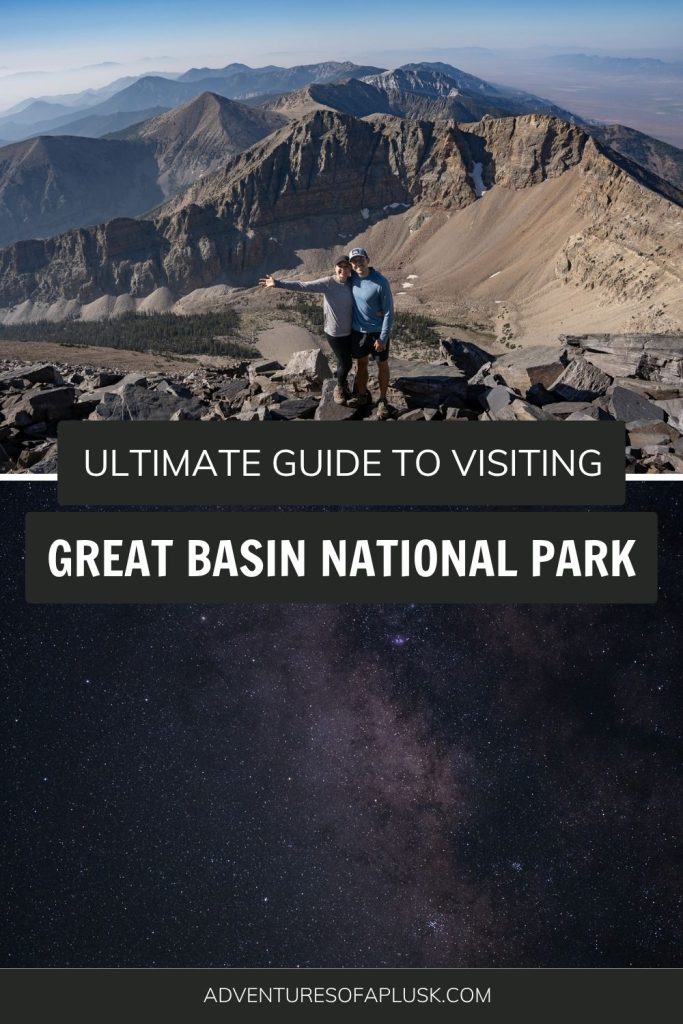
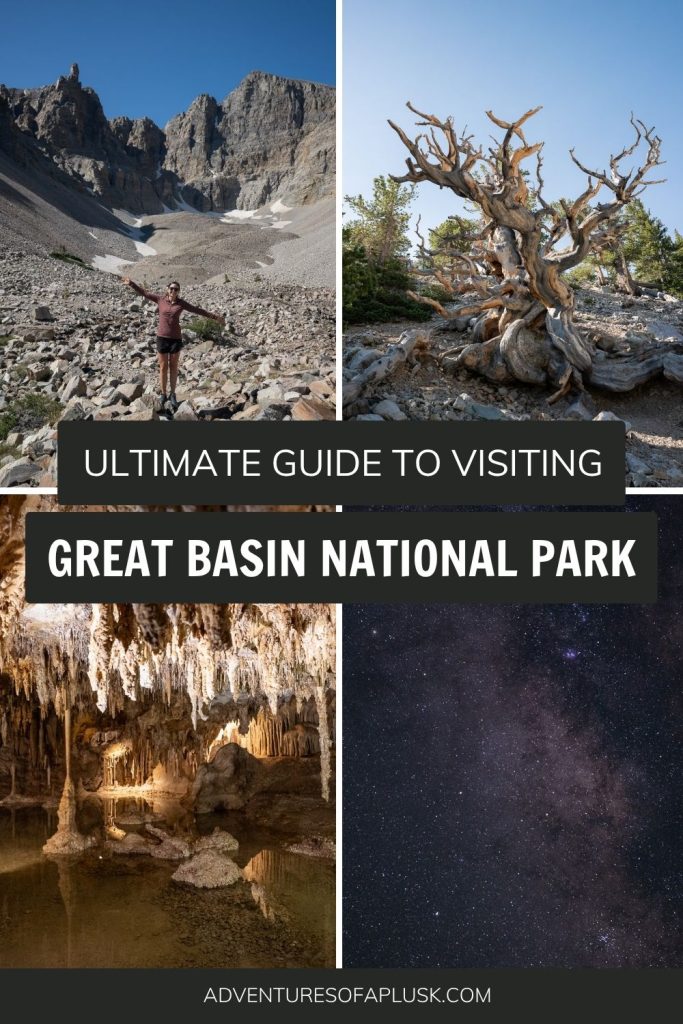
And if you’re looking for the best things to do in Great Basin National Park, you’ve come to the right place! We spent multiple days exploring the park, from its highest peaks to below the surface. And in this guide we’re sharing our top can’t-miss experiences, plus tons of helpful tips to make your time in the park a success!
Looking for more things to do in Nevada?
The Loneliest Road in America: Nevada’s Ultimate Road Trip
Our ULTIMATE 3 Days in Lake Tahoe Itinerary
The 11 BEST Lake Tahoe hikes
23+ Fun Things to Do in Lake Tahoe in the Summer
10 Best Things to Do at Valley of Fire State Park in Nevada
18 Things to Do in Las Vegas (Without alcohol!)
About Great Basin National Park
The term Great Basin refers to a 200,000 square mile region that encompasses most of Nevada, plus parts of the neighboring states. It is an area where no water drains to an ocean, but rather evaporates, sinks underground, or flows into mostly saline lakes. And is known for having long, flat valleys that span between numerous mountain ranges.
While that description may put images of a dry, desolate landscape in your mind, Great Basin National Park is anything but that. Here you’ll find a wide variety of ecosystems, clear alpine lakes, rushing creeks, the second highest point in Nevada, some of the darkest skies in the country, Nevada’s only remaining glacier, and a vast cave system.
It’s a place that will make you think, “wait, this is Nevada?”
Great Basin National Park at-a-glance
Cost: Great Basin National Park is FREE to visit!
Reservations required?: No reservations are needed to enter the park, but you should make a reservation for the cave tour and campgrounds.
Best time to visit: June through the end of September.
Where to stay: The park has 5 campgrounds, plus there is free camping near the park. You can also find a couple lodging options in the small town of Baker.
Can’t miss activities: Our top things to do in Great Basin National Park are hiking to the top of Wheeler Peak, seeing alpine lakes, bristlecone pines, and a glacier on this hike, touring Lehman Cave, and stargazing!
How much time should you spend: You can experience most of the park’s main highlights in 24 hours. But if you want to hike to Wheeler Peak, we’d suggest spending at least two days.
The best things to do in Great Basin National Park
1. Visit the Great Basin Visitor Center
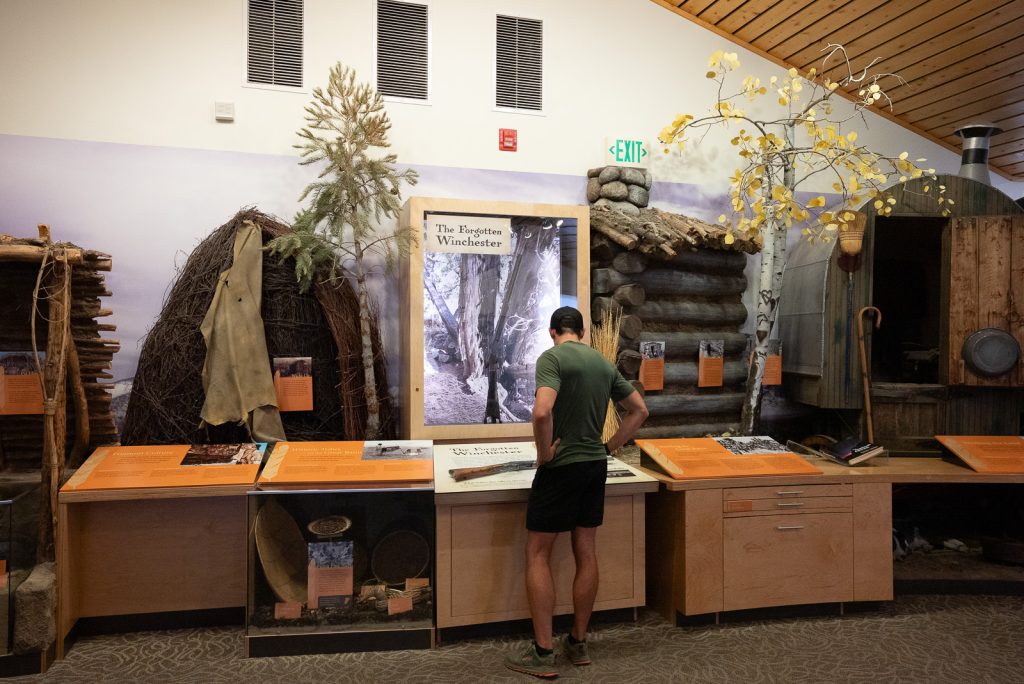
First things first, head to the Great Basin Visitor Center! Located in Baker, this makes for the perfect first stop before starting your adventures in the park. Here you can find different exhibits on the park’s wide variety of ecosystems, plus Bristlecone Pines. There is also a park movie, a gift shop, and rangers to speak with if you need any tips.
And as a bonus, you can also pick up your Junior Ranger booklet here. Which isn’t just for kids! We recently started filling these out and have found them to be a fun way to learn a lot about the park.
2. Hike some of the lower altitude trails
Great Basin National Park ranges from 6,825 feet to 13,065 feet in altitude. And if you’re not ready to tackle some of the higher altitude hikes or are visiting in the off season, check out some of the trails closer to the Baker area!
Baker Creek Loop
The Baker Creek Loop winds you through the forest and meadows, plus along Baker Creek, with some mountain views along the way. At 3.5 miles round trip and 935 feet of elevation gain, it’s definitely not a flat stroll, but is overall pretty moderate. And since it’s a loop, you’ll have different scenery the entire trail! (Counterclockwise is recommended for a more gradual incline)
Lexington Arch
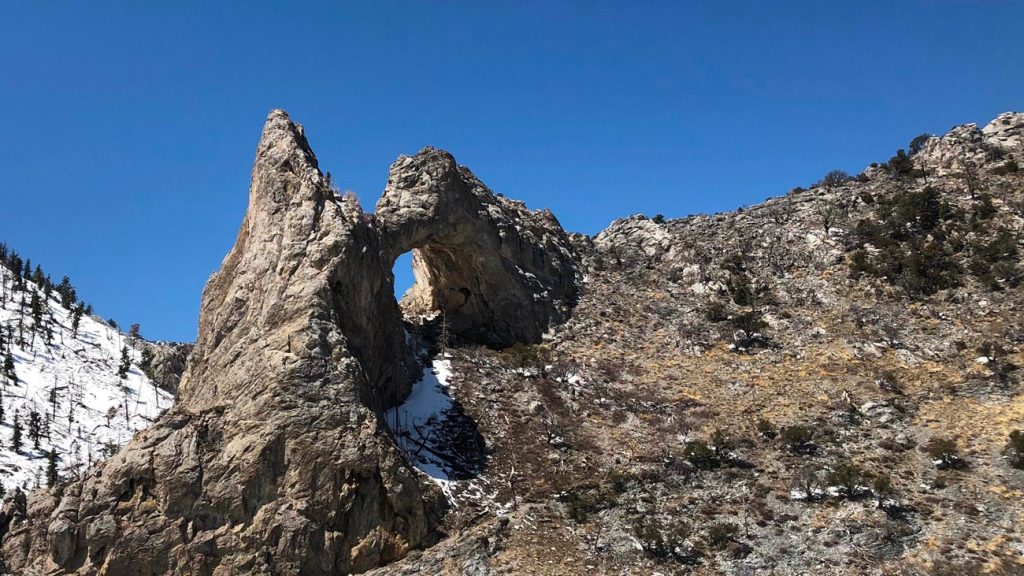
Great Basin offers a wide variety of scenery and one feature you may not expect is an arch! The Lexington Arch Trail takes you to a giant and unique limestone arch which is very different from the arches you can find in the Utah National Parks!
However, getting here requires a bit of effort. First off, the road is unpaved and in very rough condition. It is recommended that you have higher clearance to get there. Secondly, do NOT follow the generic Google Maps instructions, as this will take you down some gnarly roads. Instead, use these directions, which takes you down Highway 487, which turns into Highway 21 once you cross into Utah. You will turn right just after Pruess Lake (there will be a sign that says Lexington Arch). Parking for the hike is about 1 mile before the official trailhead, due to the rest of the road being washed out.
The trail itself is very exposed, which means you will have views along the entire way. But it also means it can get very hot. So we suggest hiking early, bringing plenty of water, and wearing lots of sun protection!
As a bonus, this is the ONLY dog friendly hike in the park (on a leash)! But keep in mind that this is rattlesnake territory.
Lehman Creek Trail
Lastly, another lower elevation hike (well, sort of) is the Lehman Creek Trail. We say “sort of” because while it starts at around 7,000 feet at the Upper Lehman Creek Campground, it climbs all the way up to over 9,800 feet, to the Wheeler Peak Campground. So it’s no walk in the park!
Along the way you’ll walk through the trees and along the creek, with sporadic views of the area.
We personally wouldn’t hike the entire trail, unless you want a good workout. Instead, we’d hike about 1.8 miles in to a meadow with gorgeous views. And then if the road to the Wheeler Peak Campground is open, drive up the rest of the road and explore that area along different trails.
However, if the road is not fully open yet, this trail is your only option to reach the higher elevation destinations, like the Bristlecone Pines and alpine lakes. But keep in mind that these trails could be snow covered if you go early in the season, so only attempt those if you have proper snow hiking gear.
3. Tour Lehman Cave
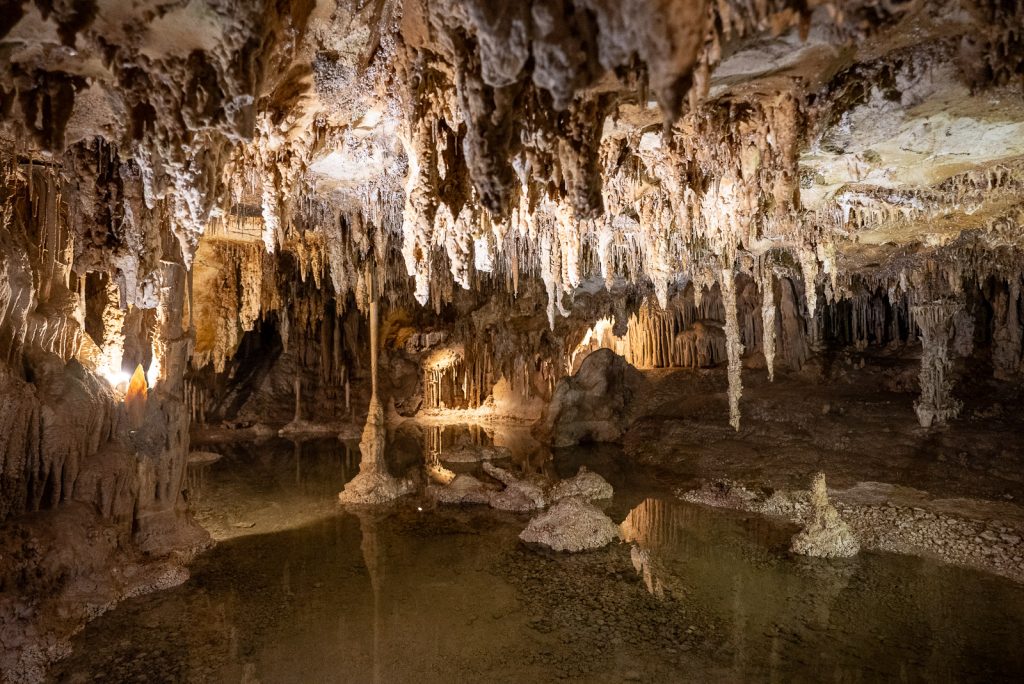
Hands down one of the best things to do in Great Basin National Park is to tour Lehman Cave, the largest cave system in Nevada!
First discovered by Native Americans, Lehman Cave is named after a local rancher, who stumbled upon it in the 1880s. And since 1885, tours of the cave have been offered. The cave has 2 miles of passageways and a variety of different rooms, including a room filled with water, the Grand Palace, the Sunken Garden, and many formations, like shields.
To visit the cave, you are required to go on a ranger-led tour. The park offers a couple different tour options and times, depending on the season. So make sure to check the schedule to see what your options are.
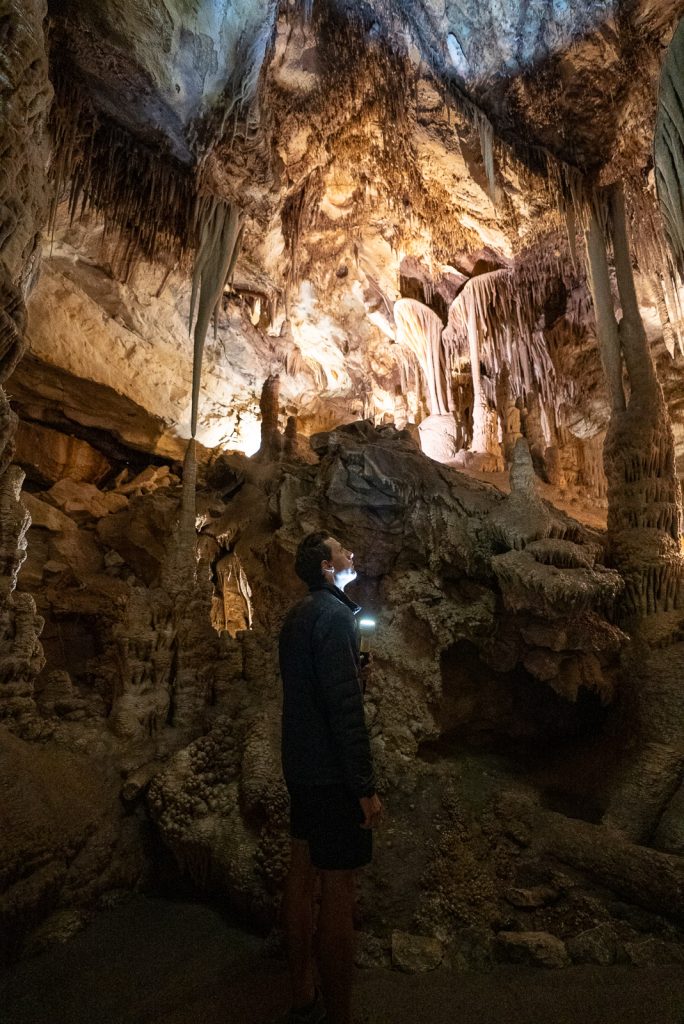
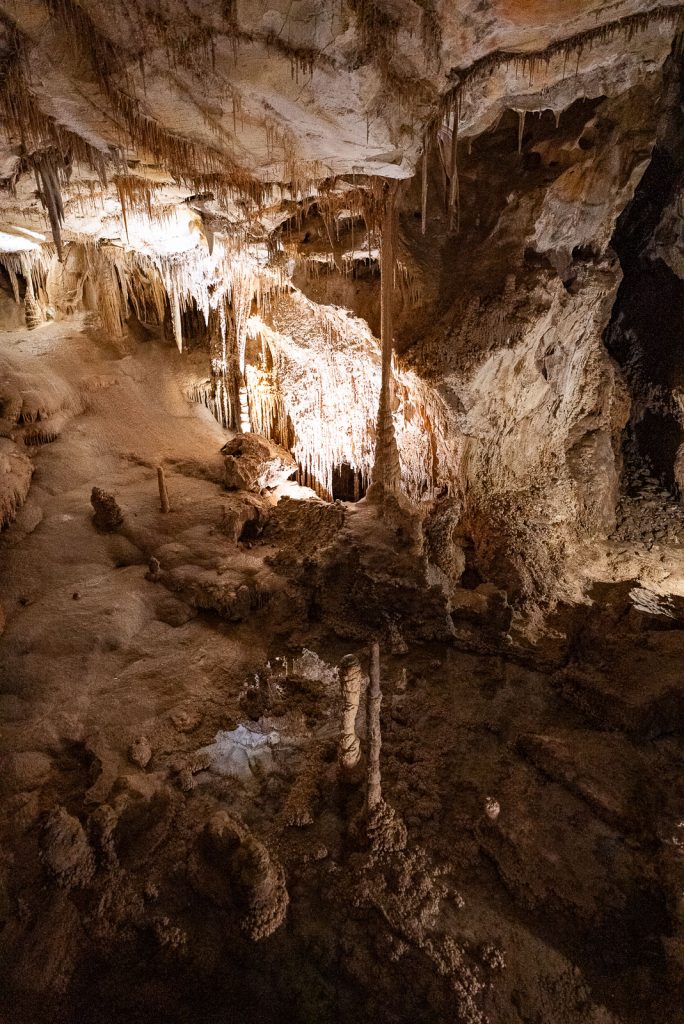
We personally recommend going on the longest tour they offer at the time. The exact tour we did (Grand Palace Tour) doesn’t appear to be offered anymore, but the Parachute Shield Tour looks like it covers the same areas of the cave.
And while you can get walk up tickets for a tour the day of (only for specific tours), we suggest booking your tour in advance. This will save you the time and hassle of trying to get a tour while in the park!
A+K Tip: Before your tour, make sure to check out the exhibits in the lobby area for the cave tours. This will give you some nice extra context before heading underground!
4. Drive the Wheeler Peak Scenic Drive
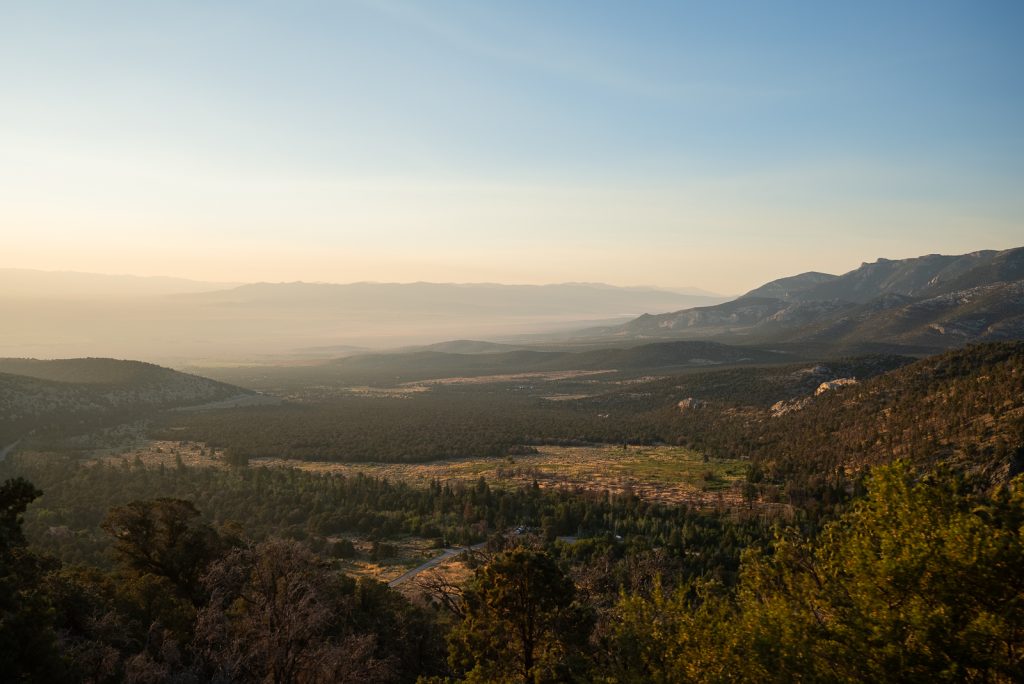
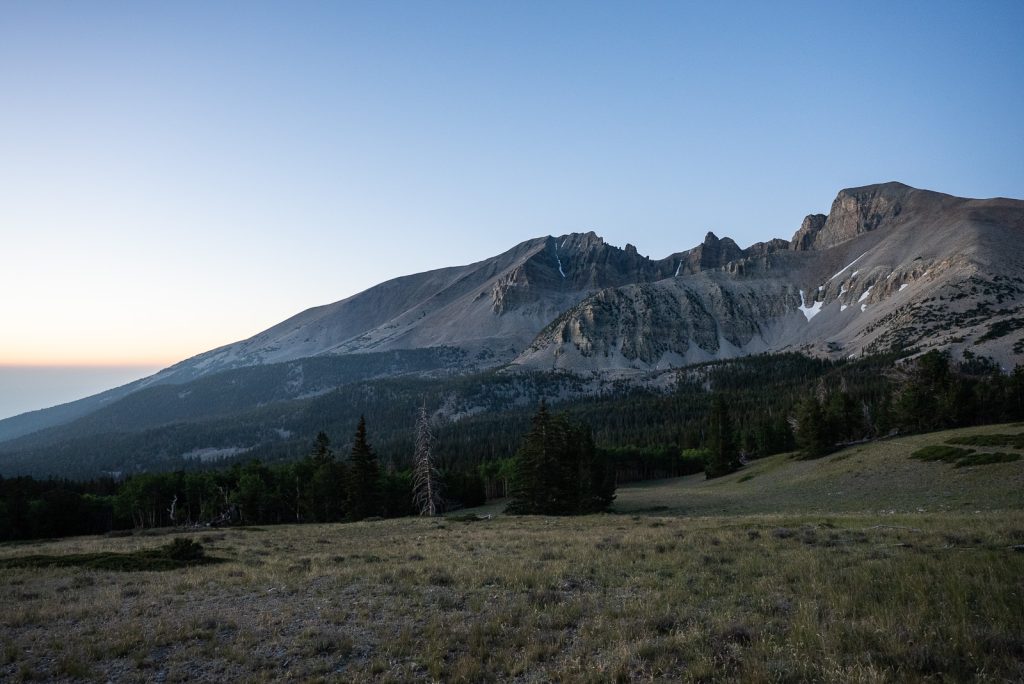
One of the easiest things to do in Great Basin National Park is drive the Wheeler Peak Scenic Drive. This 12 mile (one way) scenic drive will give you some insane views of the park–no hiking required!
Along the way you’ll go up over 4,000 feet in elevation to the face of Wheeler Peak, at 10,000 feet. And as you drive up, you will go through different ecosystems, which is said to be the equivalent of going from Nevada to the Yukon Territory in one drive.
Because of its higher elevation, this road is only fully open in the summertime, typically from around Memorial Day until the fall (around late October). So if driving this road is at the top of your Great Basin bucket list, make sure to plan your visit from within that time frame.
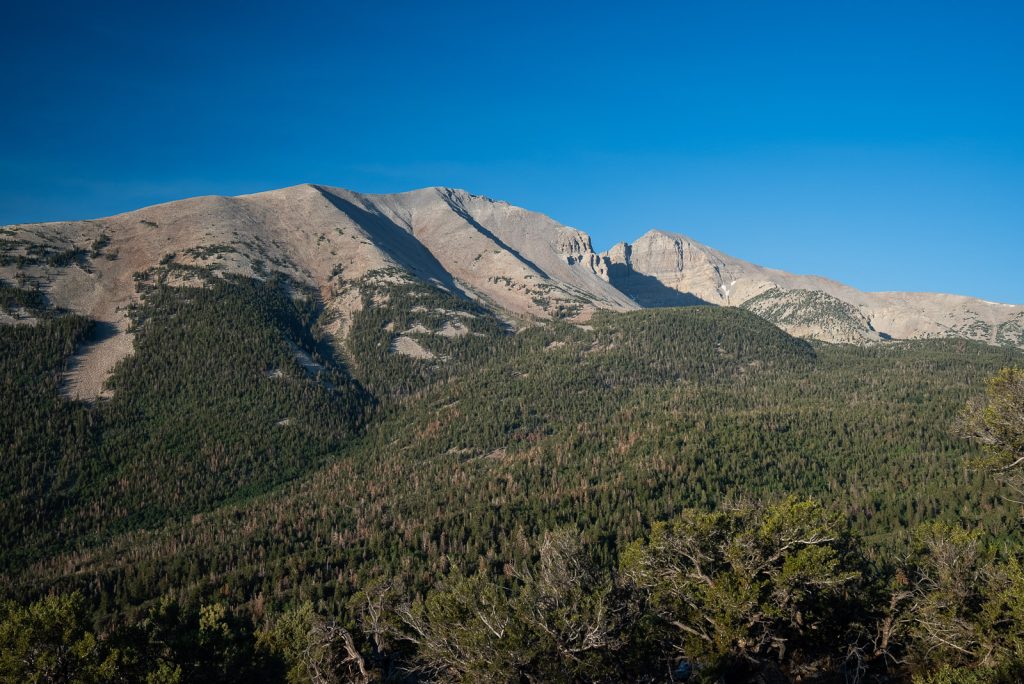
Along the way there are a handful of pullouts to stop at, with one of the best being the Mather Overlook, which has a great view of Wheeler Peak. But besides the views you can get along this drive, it also gives you access to the best hikes in the park, which we’ll be sharing all about below!
Driving an RV? Vehicles and trailers over 24 feet in length are not allowed past the Upper Lehman Creek Campground.
5. Hike to alpine lakes

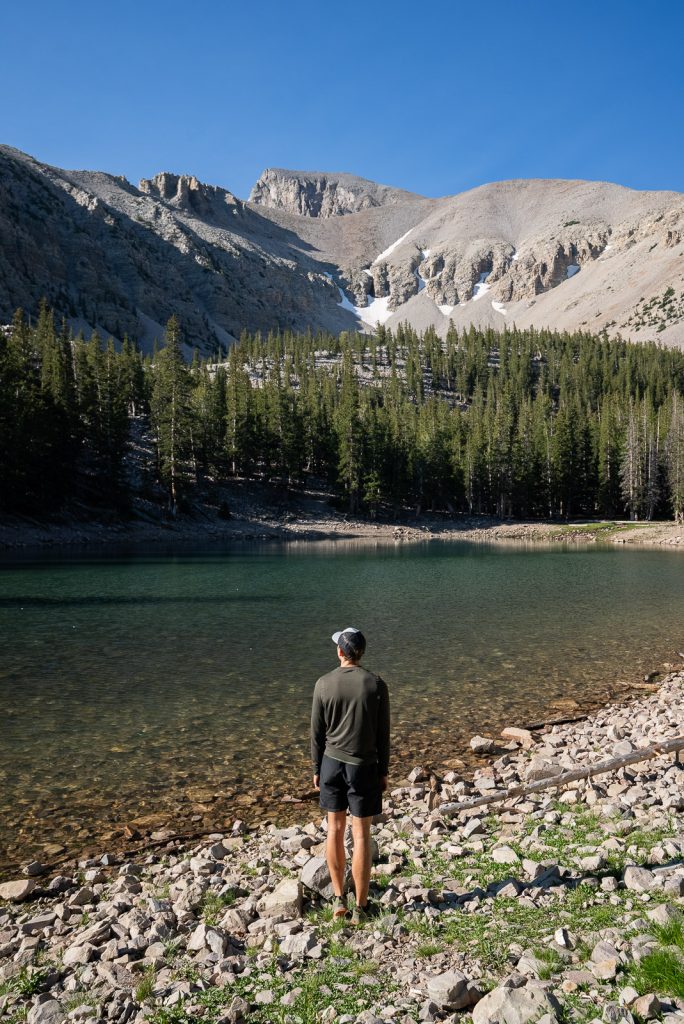
Easily one of our favorite things to do in Great Basin National Park is to Stella Lake and Teresa Lake. These two clear, alpine lakes have a striking mountain backdrop. And will easily make you think you’ve transported to the Rocky Mountains!
The most straightforward way to visit these lakes is along the 2.6 mile Alpine Lakes Loop Trail! But for an extra adventure, we highly recommend combining them with the Bristlecone Pines and the Wheeler Peak Glacier, which we will be sharing more about next!
A+K Tip: Pack a lunch or snacks to enjoy along the lakeshore!
6. Walk among ancient Bristlecone Pines
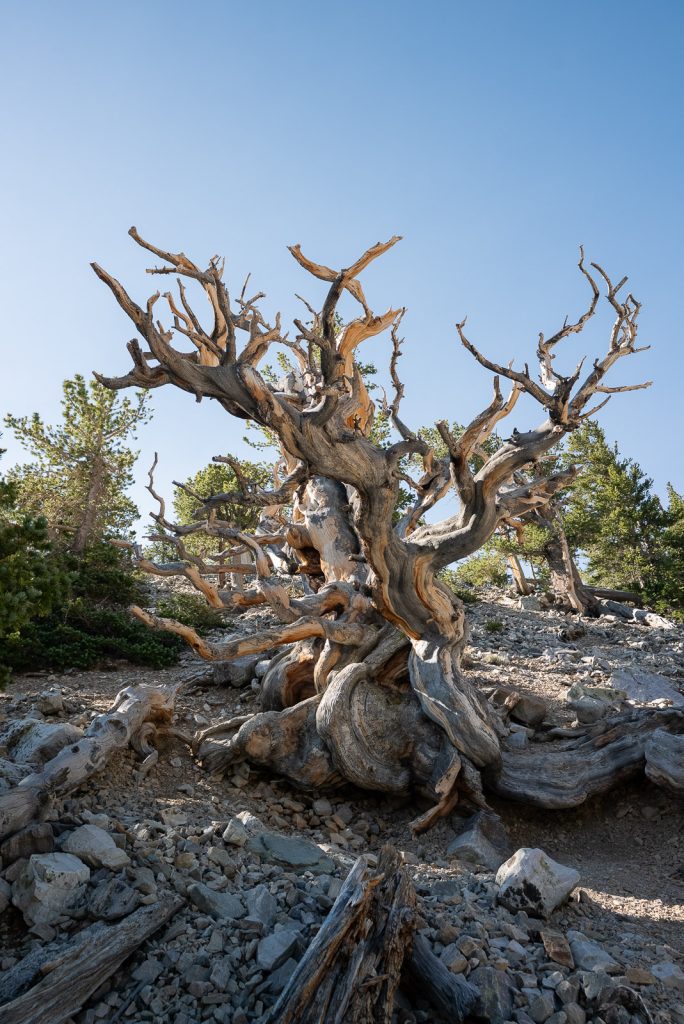
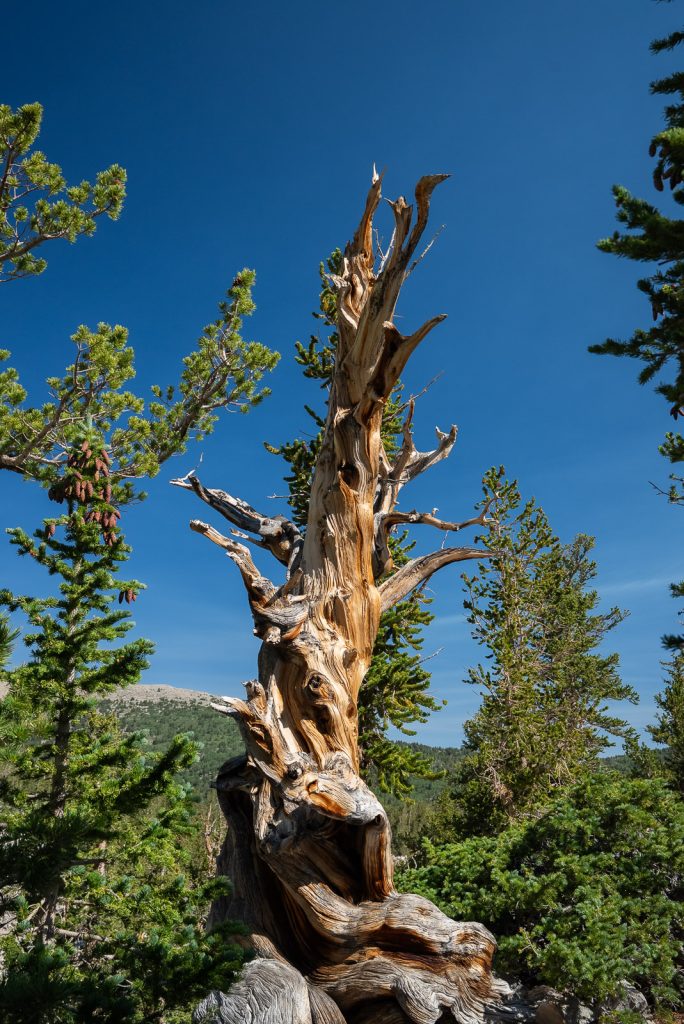
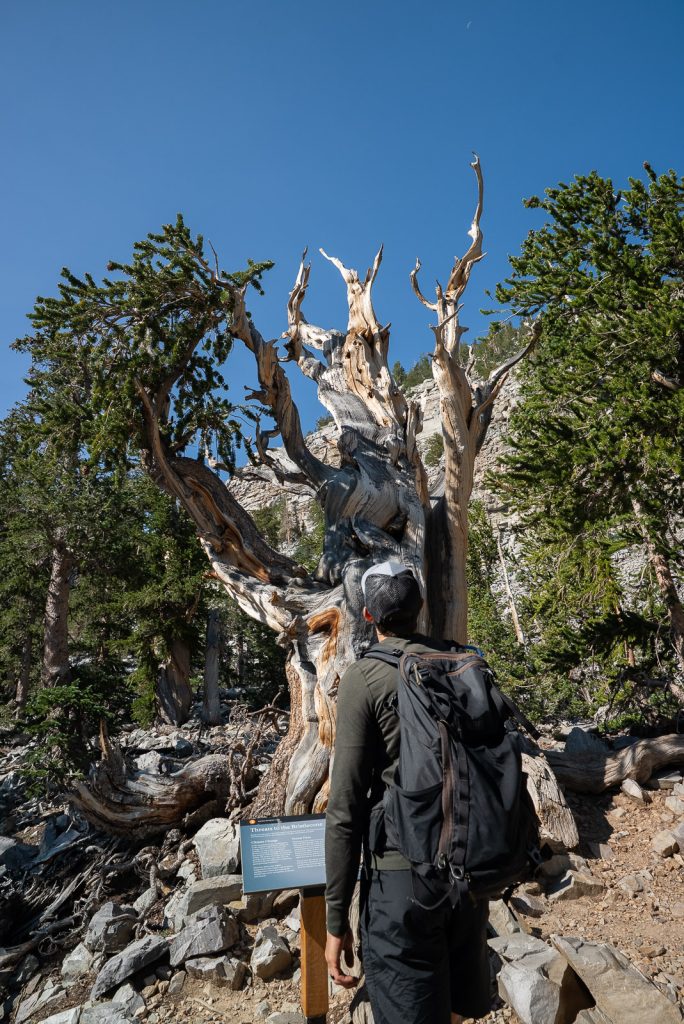
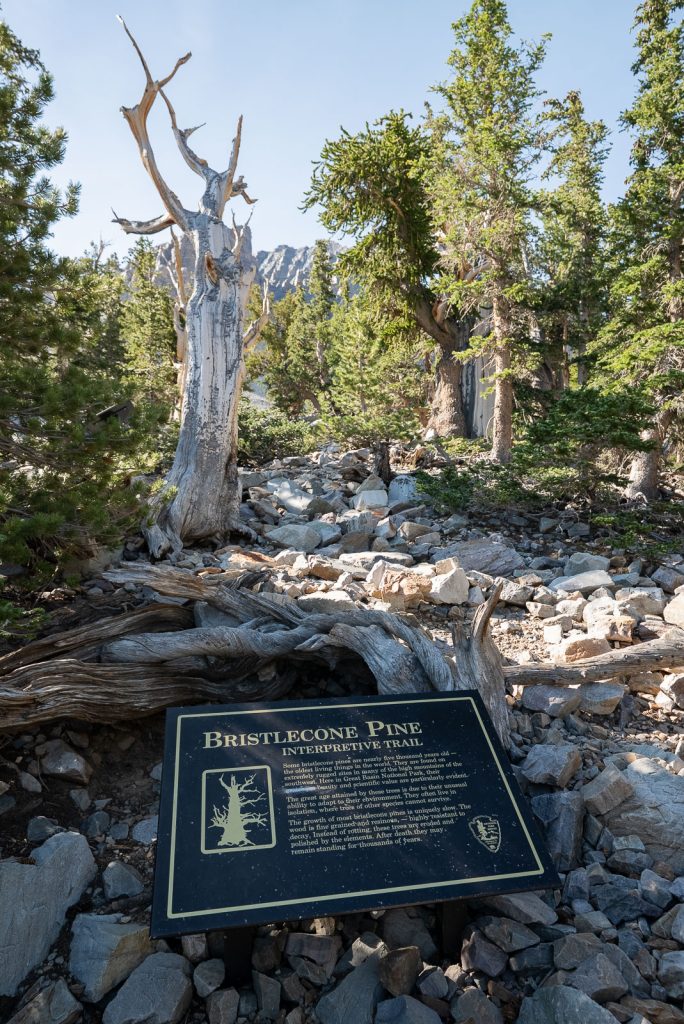
Bristlecone Pines are the oldest trees in the world, with many being over 4,000 years old. These trees are extremely rare and only grow in select places in California’s Eastern Sierra, Nevada, and Utah in high altitude settings, typically from 5,600 feet up to 11,200 feet. And they are famous for their gnarly shapes, which is partially due to the harsh environment they live in.
Great Basin National Park is home to three groves of Bristlecone Pines, but the easiest to access are in the Wheeler Peak region. To see them, head onto the Bristlecone Trail! This route takes you by Teresa Lake (make sure to add on Stella Lake too!) as you climb up into a grove filled with these wildly shaped trees.
What we loved about this trail is not only do you get to see the Bristlecone Pines, but there are also interpretive signs to educate you about the trees along the way.
7. See Nevada’s only glacier
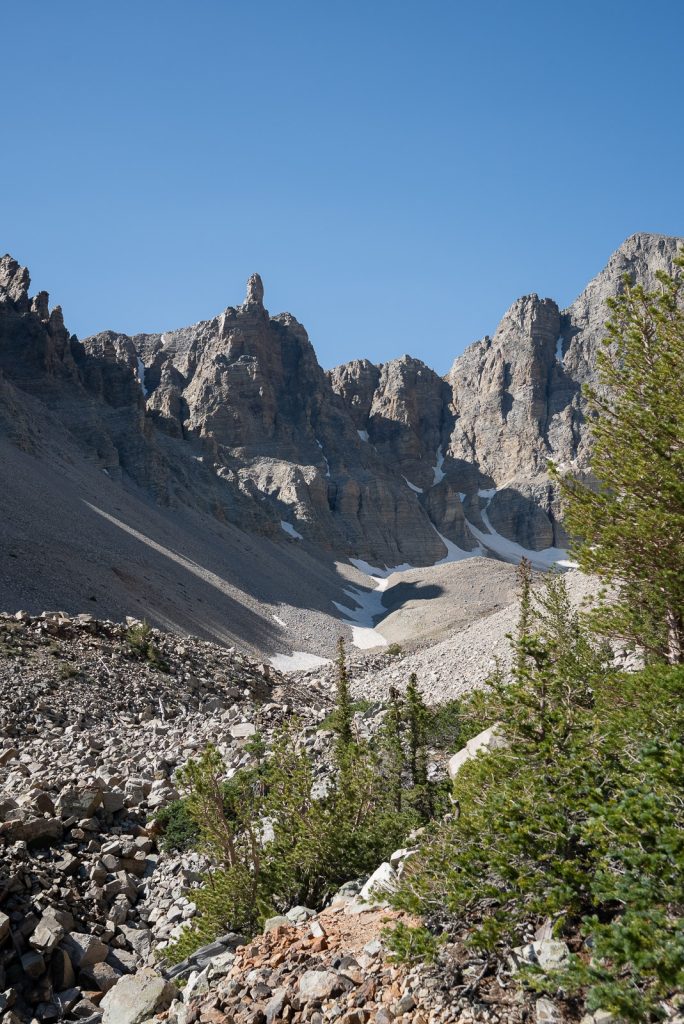
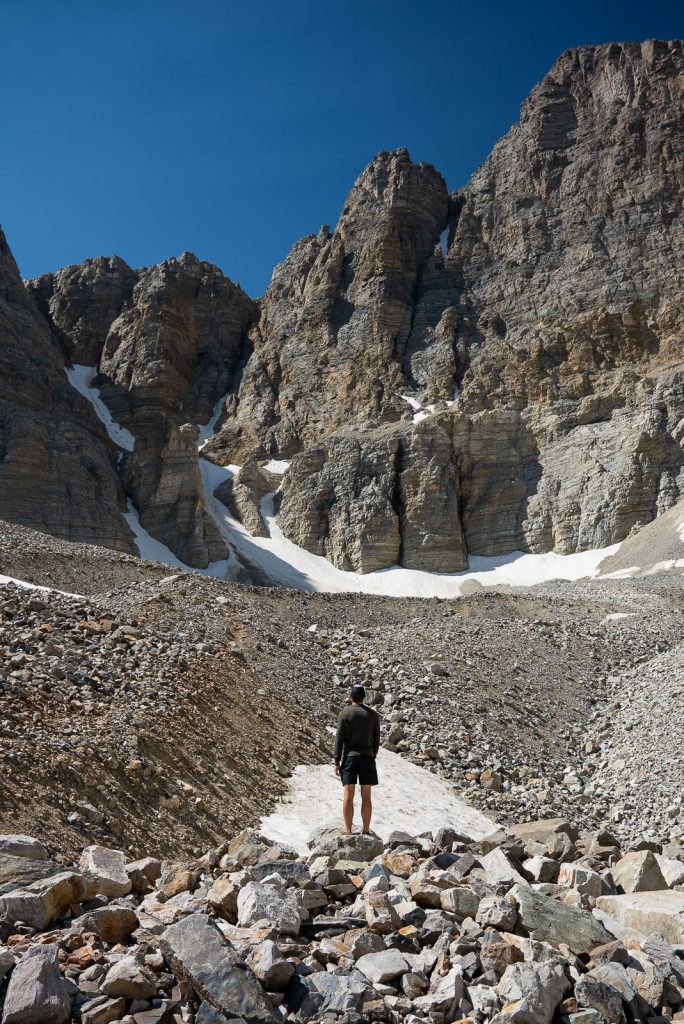
The Wheeler Peak Glacier is the only glacier in Nevada and one of the southernmost in the US. And hiking to it is a must while in Great Basin National Park!
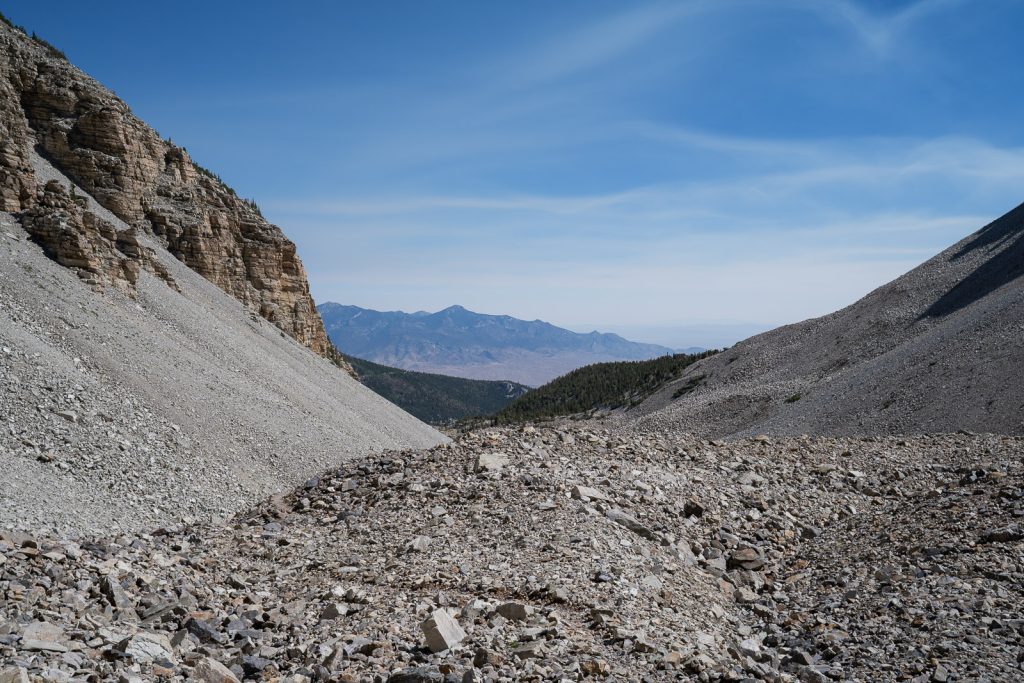
To get to the glacier, you will follow this route, which also takes you by both alpine lakes and the Bristlecone Pines. It’s the ultimate hike in Great Basin National Park, offering such a wide mix of scenery along the way! But be warned, the last part of the trail, after leaving the Bristlecone Pines, is pretty rugged and rocky and takes you to over 10,900 feet! So make sure to have good shoes on, plenty of water, and pace yourself.
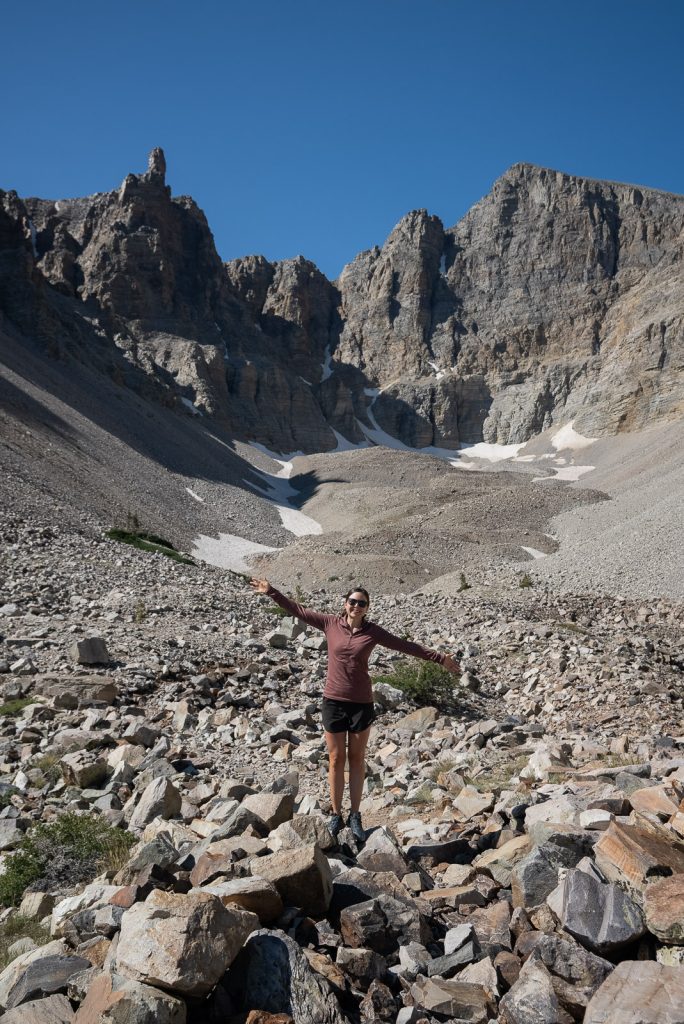
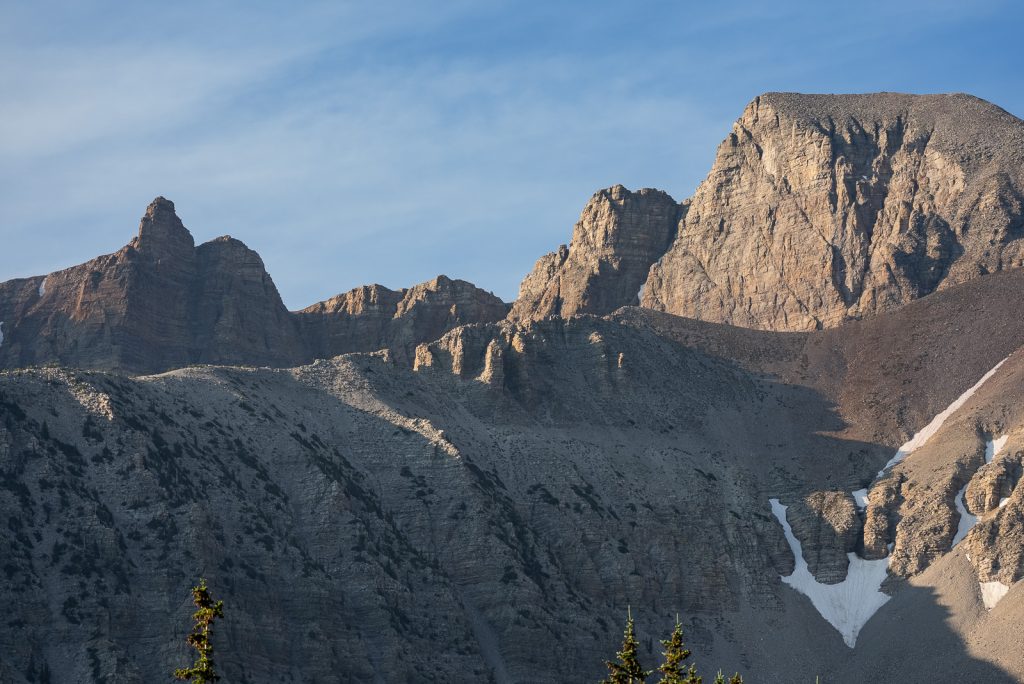
The Wheeler Peak Glacier itself is very small (about 2 acres) and looks more like a patch of snow than glaciers you can find in Alaska. But it’s still well worth a visit, just for the mountain views alone. At the end of the hike you will essentially be in a bowl, surrounded by some very rocky and jagged peaks!
8. Summit Wheeler Peak
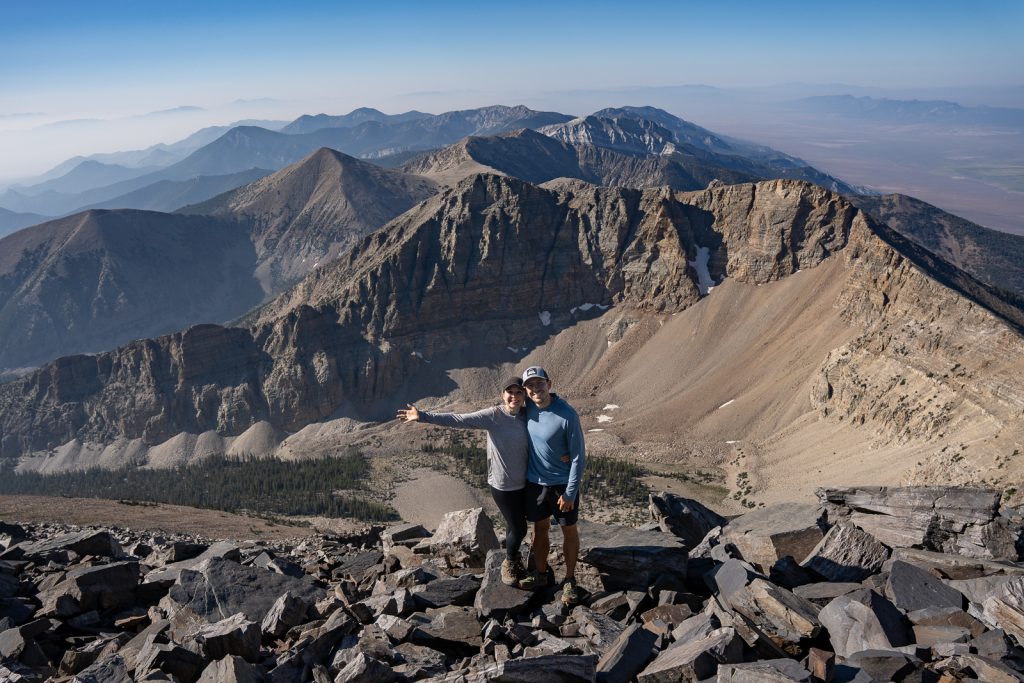
One of the ultimate experiences in Great Basin National Park is summiting Wheeler Peak. This is the second tallest peak in Nevada at 13,065 feet, just 82 feet shy of the state’s highest point, Boundary Peak.
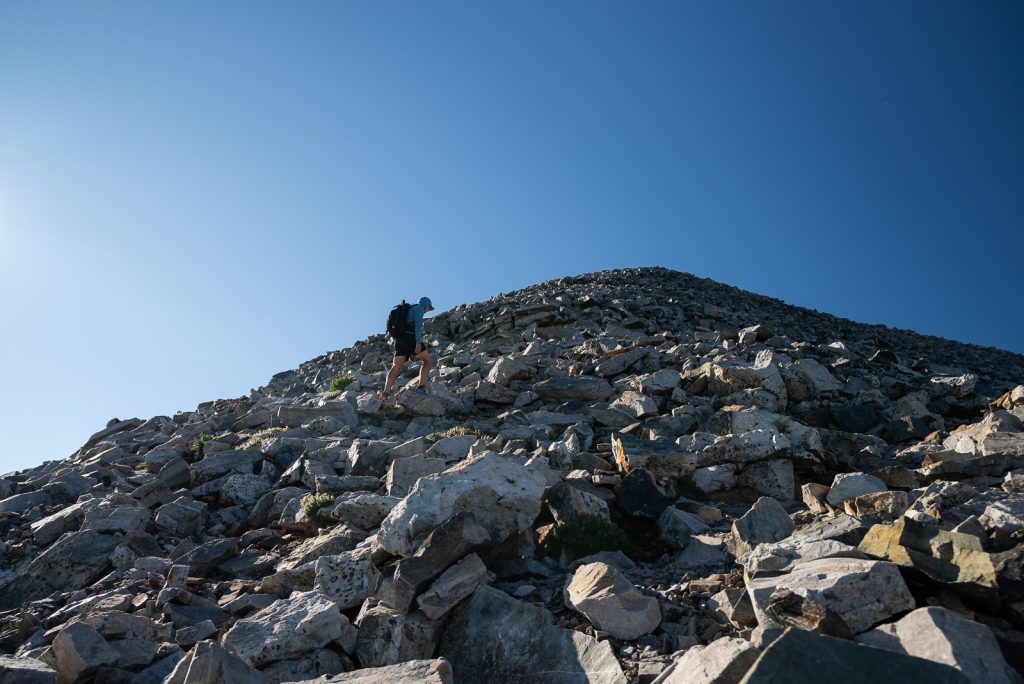
And getting to the top is a doozy! The trail gains over 2,900 feet in around 4.25 miles (one way), all while at a higher elevation, so breathing is tough. Despite being pretty experienced hikers, including at altitudes above 11,000 feet, this hike kicked our butts a bit and we were moving very slowly at the end. Especially because the trail is extremely rugged and rocky.
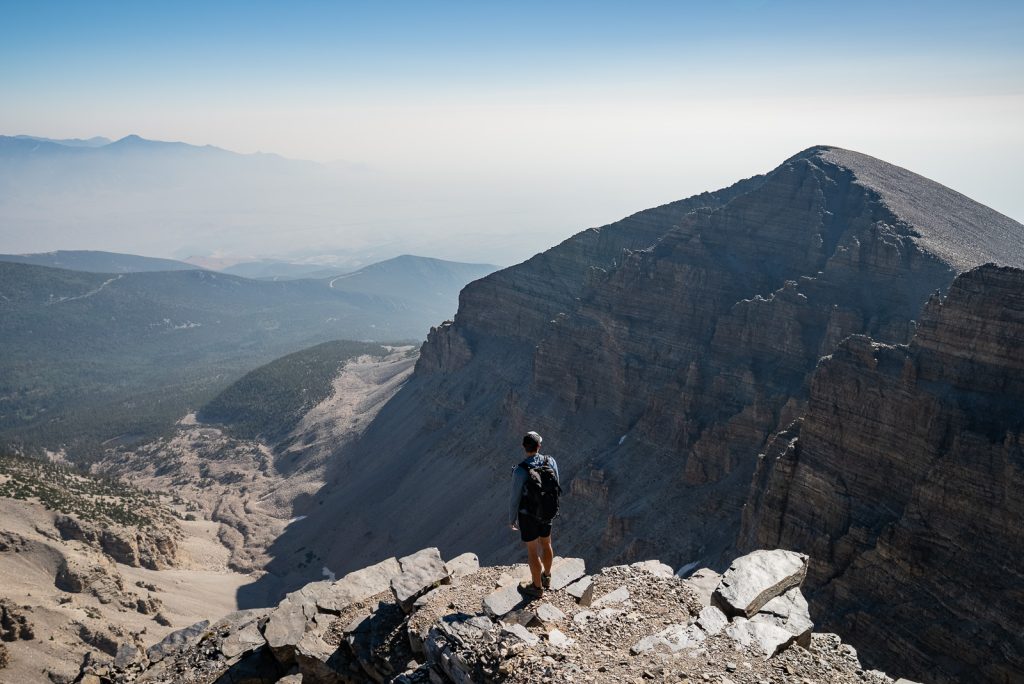
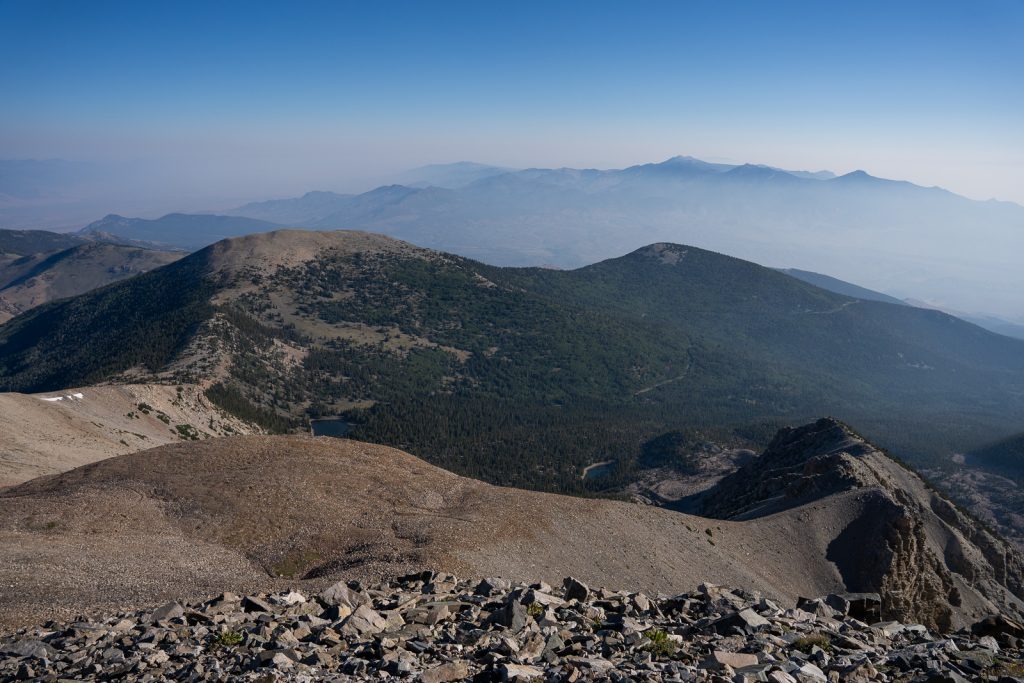
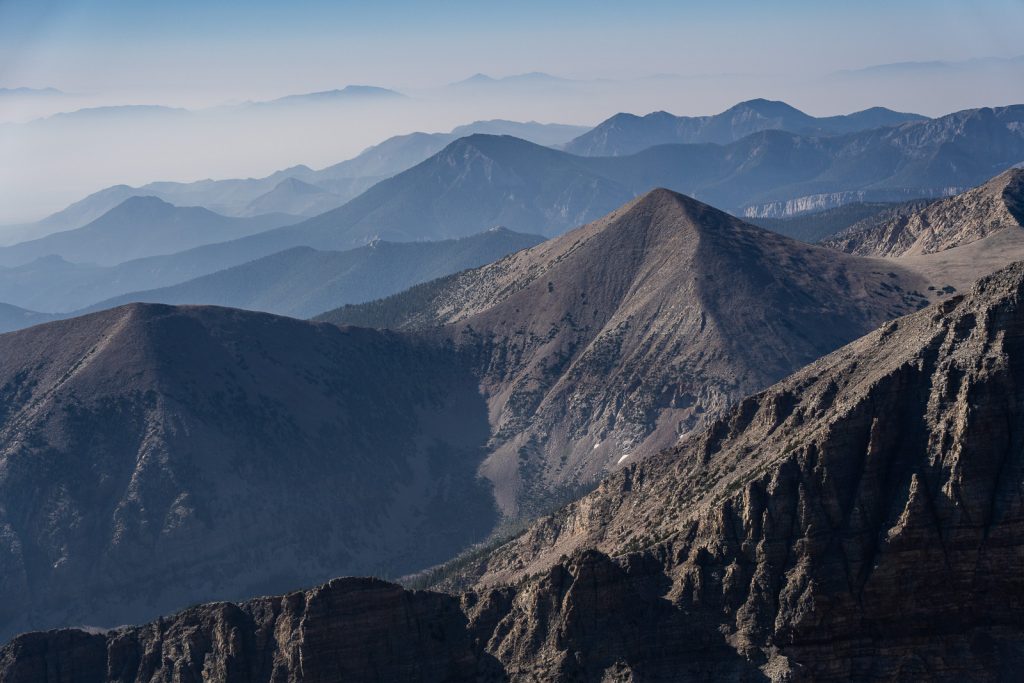
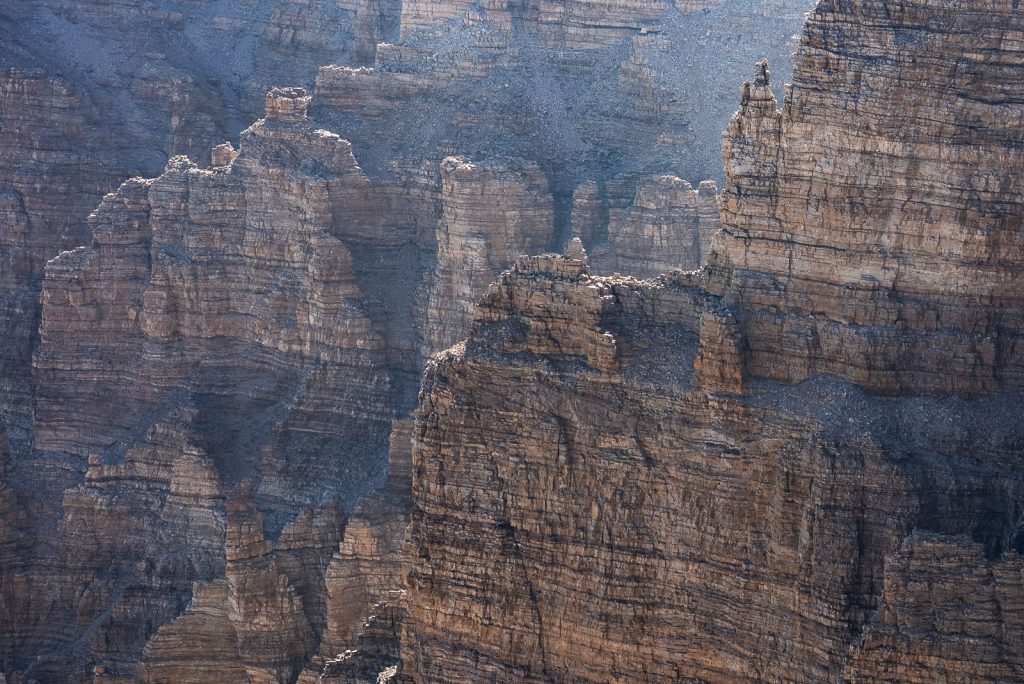
However, it was more than worth the struggle to stand at the top of the park! From here you can see the park’s lakes, the valleys below, Wheeler Peak Glacier, and tons of mountains in the distance. Fun fact: Nevada has 314 named mountain ranges, which is more than any other state (crazy, huh?!). And from the top, you can see quite a few of them.
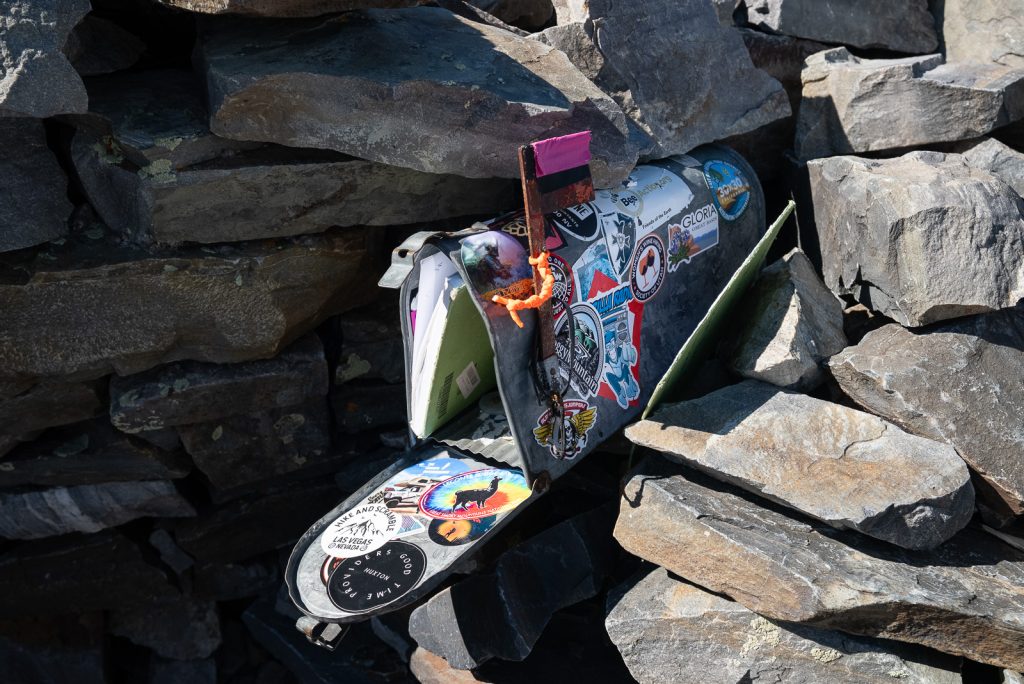
While hanging out at the summit, look for the small rocky enclosure. This is intended to act as a small shelter if it’s windy at the top, which it often can be. But inside this enclosure you’ll find a mailbox, which has a logbook. Make sure to sign it!
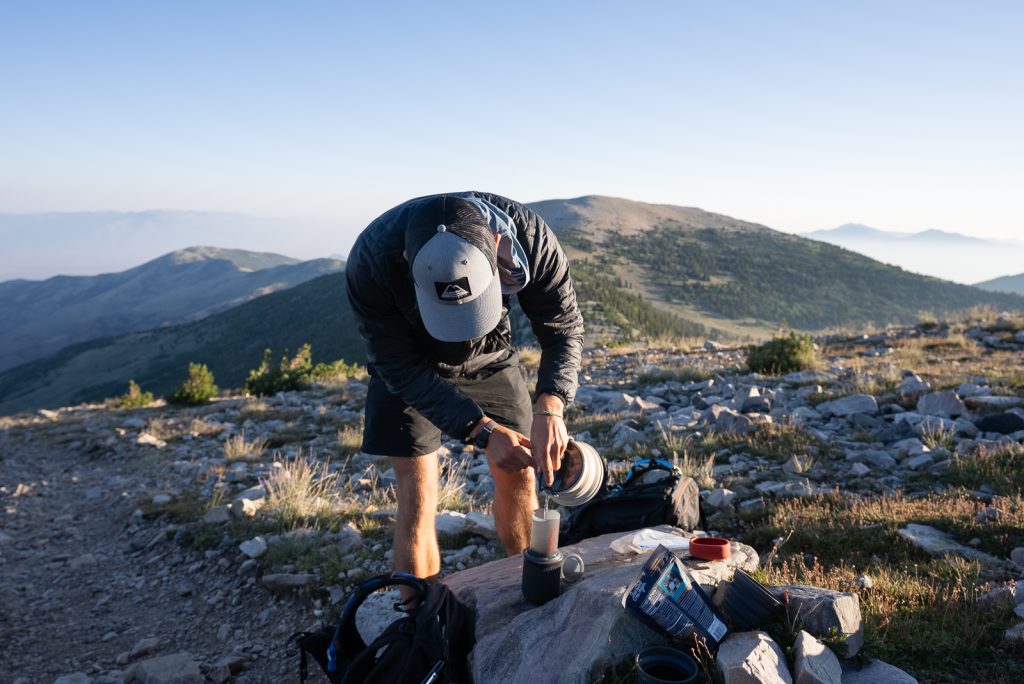
A+K Tip: Start this hike before sunrise so you can see the sunrise on the way up! We packed coffee to make along the way, which was the perfect way to start the day (and a nice break). Plus, with this trail’s exposure, you will want to get to the top as early as possible. The sun and heat will only make this tougher!
9. Hike the Baker Lake-Johnson Lake Loop
For another tougher and longer hiking experience, tackle the Baker Lake-Johnson Lake Loop! This 13.1 mile loop takes you by two small alpine lakes, up Pyramid Peak, and has a wide mix of scenery along the way. It will take the entire day to complete, so make sure to start early!
But if you want to spend more time along the trail, it can be done as a one night backpacking trip as well. To do this, you will need to get a backcountry permit. These permits can be obtained at the visitor center and are free. We hope to backpack this trail next time!
10. Go stargazing
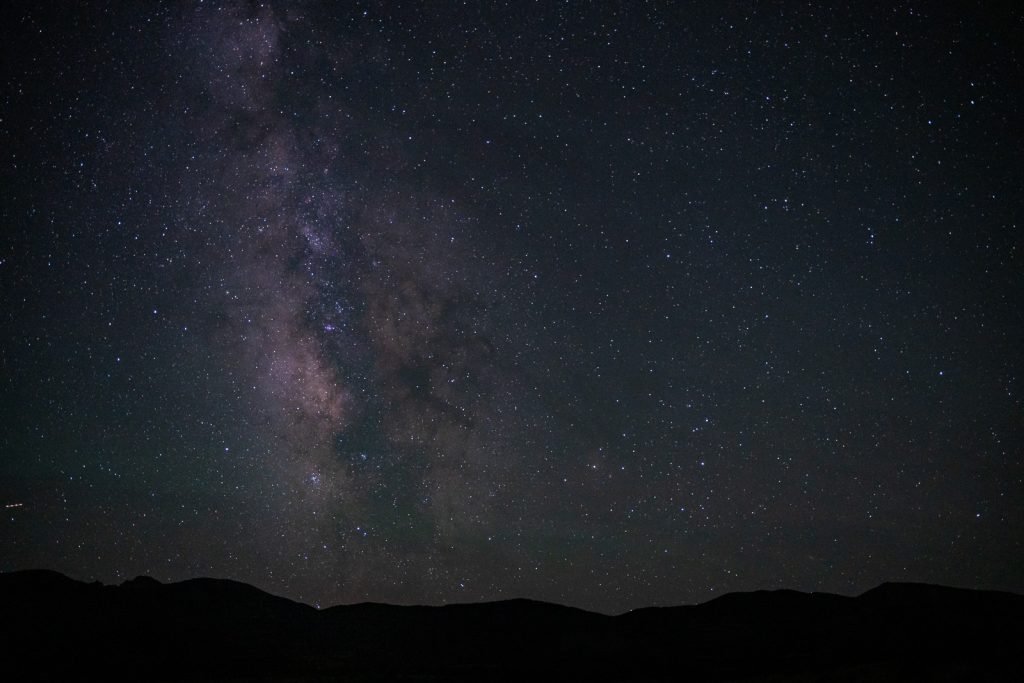
One of the best things to do in Great Basin National Park is after dark! The park is home to some of the darkest skies in the country and is an International Dark Sky Park.
To experience the night sky, you have a handful of options!
- Go stargazing on your own (any area with open views will be perfect for this!).
- Join a ranger led program on Wednesday, Thursday, and Saturday between Memorial Day and Labor Day. There are less frequent times after Labor Day as well. These free programs include a talk, plus time to view stars through a telescope!
- Attend the Great Basin Astronomy Festival in mid September. This is free to attend, but some events require a registration.
- Ride the Star Train from Ely, Nevada. These tickets sell out fast!
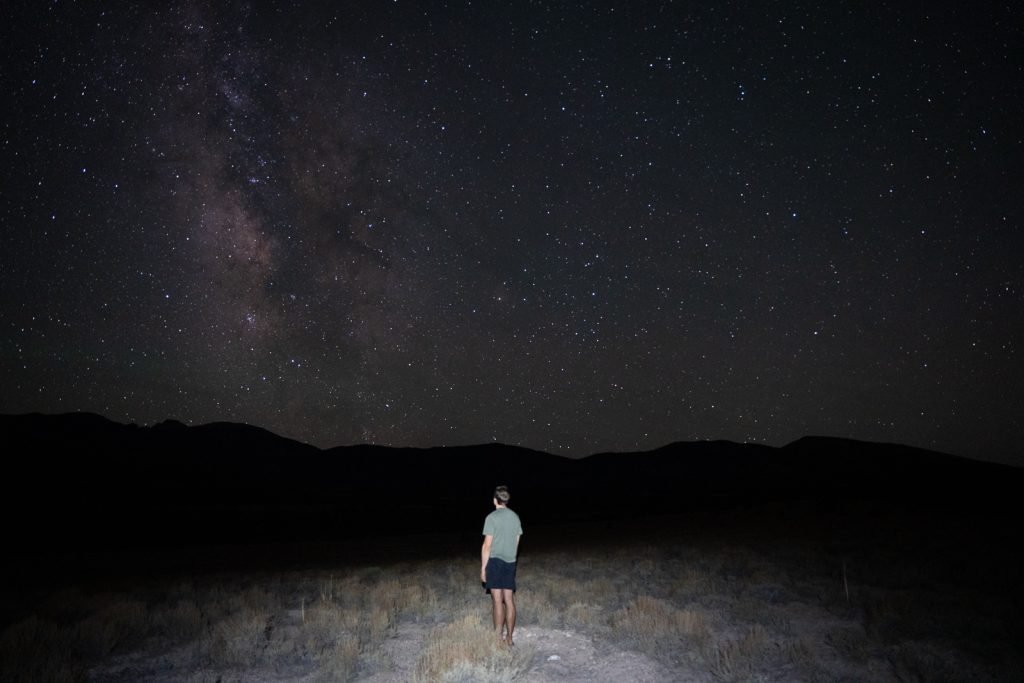
During our time in the park we saw so many stars, including the Milky Way with our own eyes. Although it can be hard to stay up late to stargaze, we highly recommend sacrificing some sleep to do so!
Planning your trip to Great Basin National Park
How to get to Great Basin National Park
Despite being one of the least visited National Parks in the United States, Great Basin National Park is actually not that hard to get to. Especially if you don’t mind a little bit of driving!
The park is located in eastern Nevada, right by the Utah border. While there are no major cities super close by, the park isn’t that far from both Las Vegas and Salt Lake City. Here’s a quick rundown of how to get to the park, both by flying and driving!
Flying to Great Basin National Park
The two closest airports to Great Basin National Park are the Salt Lake City International Airport (SLC) at just under 4 hours away and the Las Vegas Harry Reid International Airport (LAS) at 4.5 hours away.
Once arriving, you will need to rent a car to head into the park. No special type of vehicle is needed! Unless you plan to hike to Lexington Arch. Then we’d suggest getting an SUV.
Driving to Great Basin National Park
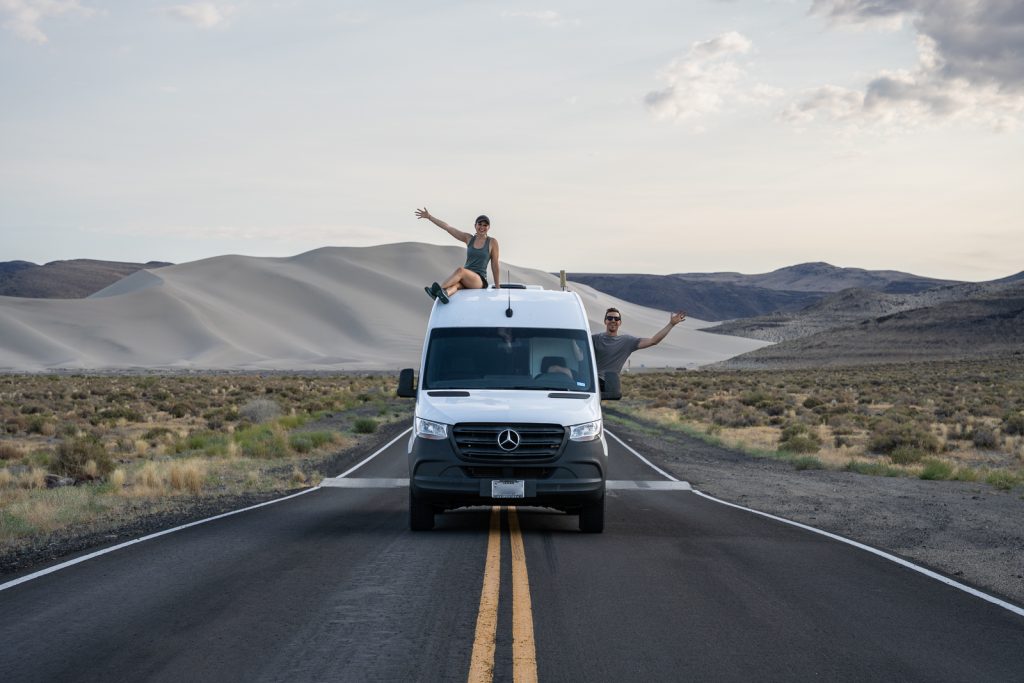
Great Basin National Park is located along the Loneliest Road in America, also known as Highway 50. This route runs from Carson City, near Lake Tahoe, all the way to the park. It’s just over a 6 hour drive, but is filled with so many fun stops along the way! So we highly recommend spending a few days to experience it.
Great Basin National Park also makes for a great stop when road tripping around the Southwest National Parks. It’s only a 3 hour, 15 minute drive from Zion National Park and 5 hours from Canyonlands and Arches National Parks.
Getting around Great Basin National Park
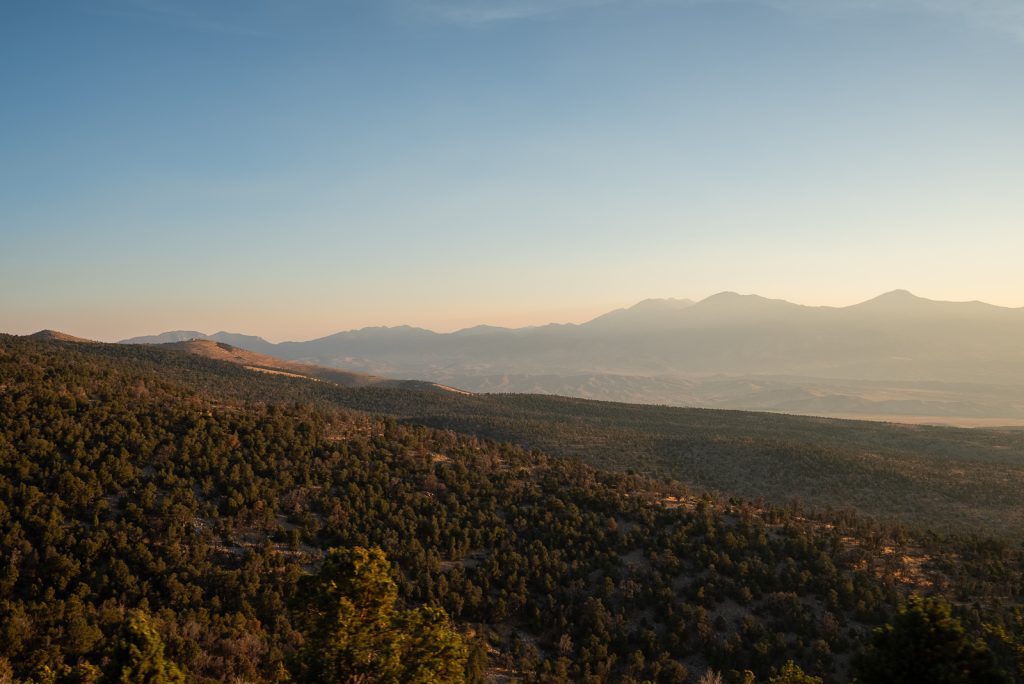
There is no park shuttle at Great Basin National Park, so you will need your own vehicle to drive around. The main park road (Wheeler Peak Scenic Drive) is paved, while side roads are not. However, they’re doable in any vehicle.
Just keep in mind that vehicles and trailers over 24 feet in length are not allowed past the Upper Lehman Creek Campground. So if you are traveling in a large RV or have a trailer, you will need to drive a tow vehicle instead.
When to visit Great Basin National Park
Great Basin National Park is open year round, but the best time to visit is between June-early October. This is when the majority of the park is open and accessible!
If you visit before Memorial Day, you’ll be a lot more limited with what you can do in the park. And in our opinion, you will miss the best things to do in Great Basin National Park.
However, during the June-October time frame, there are some months that are better than others, depending on what you want to do. The Wheeler Peak Scenic Drive usually opens by Memorial Day, but the trails near the top can still be snowy through June. So if hiking the higher elevation trails, especially Wheeler Peak, is top priority, we’d suggest visiting in July at the earliest.
And if you want to see the park’s amazing fall foliage, head to the park at the end of September or early October!
How much time do you need in Great Basin National Park?
To experience all of the best things to do in Great Basin National Park, we’d suggest spending a minimum of two days.
With two days in the park, you can spend one day driving the Wheeler Peak Scenic Drive and hiking to the alpine lakes, Bristlecone Pines, and glacier. Plus going on an afternoon cave tour. While your second day could be spent hiking Wheeler Peak and stargazing!
With more than two days you can add on other hikes, like the Baker Lake-Johnson Lake Loop or some of the lower elevation hikes.
Where to stay when visiting Great Basin National Park
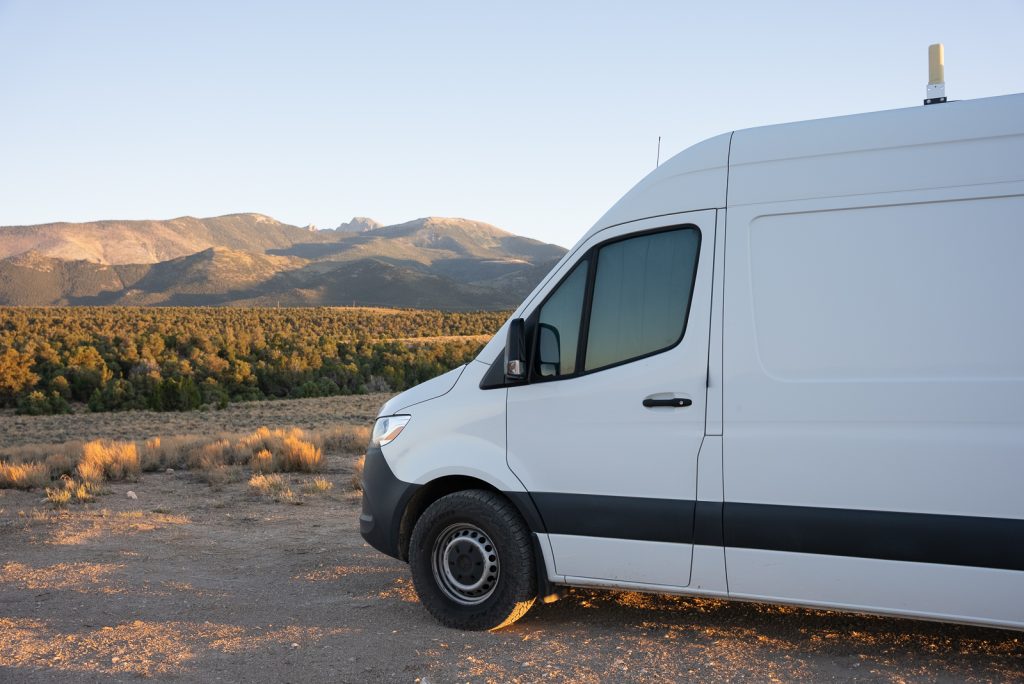
Great Basin National Park is located in Baker, Nevada. Which is a very tiny town, with limited amenities and lodging. If you prefer a hotel, your best bet is the Stargazer Inn.
Great Basin National Park Campgrounds
In our opinion, the best way to visit Great Basin National Park is to camp! The park has 5 campgrounds to choose from. Most campgrounds are only open seasonally and rigs over 24 feet are not allowed at the Wheeler Peak Campground.
These campgrounds offer convenience, but are pretty bare bones. The only amenities are picnic tables, fire rings, and pit toilets. There are no hookups, potable water, or showers. If you need a dump station, there is a paid ($10) dump station near Lehman Caves. And in Baker you can find a dump station ($5) and free potable water.
Stargazer Inn also offers paid showers ($3 per person), which was so clutch during our visit! You can pay for these at the Bristlecone General Store. They also have a small laundry room too!
A+K Tip: Our friends stayed at the Upper Lehman Creek Campground at Site 24 and it looked pretty epic!
Free camping
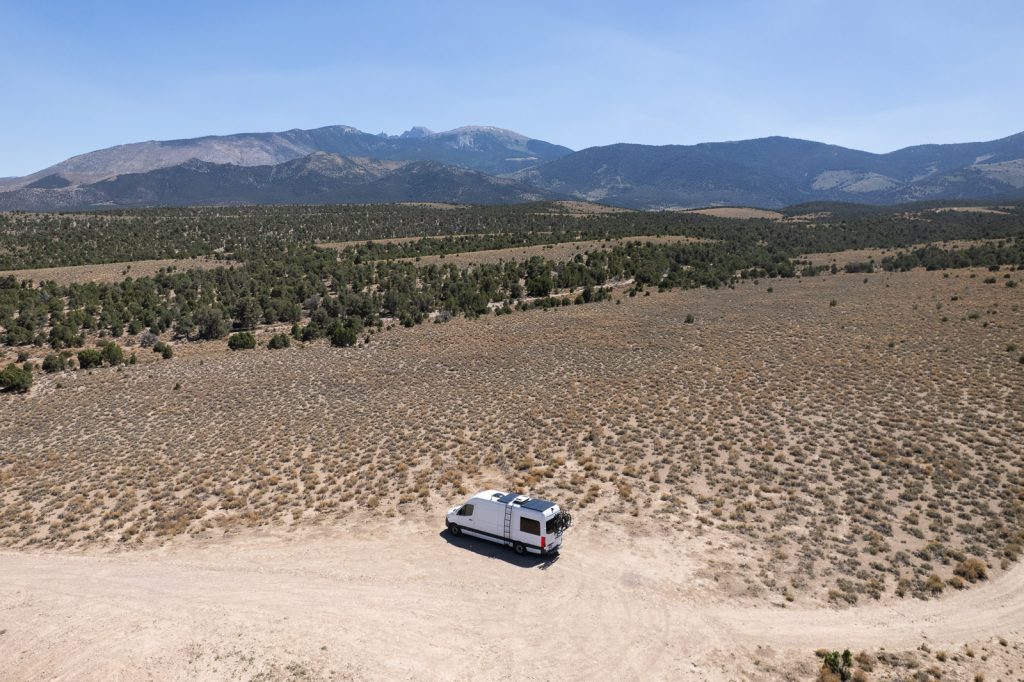
We personally decided to camp outside the park at the Sacramento Pass BLM Campground. This is a super nice FREE campground with toilets, a dumpster, and a small pond, plus mountain views. There is an upper and lower level and each campsite has a picnic table (most are covered), plus a fire ring. We also found some great dispersed spots here!
However, the downside of this campground are the mice. We saw lots of mice running around and even had two IN our van, which caused us some sleepless nights. So if you camp here, make sure to bring some supplies to deter mice if needed. While no reviews seem to mention mice, they were a big hassle for us. Maybe we just got unlucky!
Things to know before visiting Great Basin National Park
Leave No Trace
Before embarking on your Great Basin National Park adventure, please review the Leave No Trace principles to ensure you leave every place better than you found it so that others can enjoy these beautiful places for many years to come!
These seven principles include planning ahead and preparing, hiking and camping on durable surfaces, disposing of waste properly (pack out what you pack in!), understanding campfire rules and always fully extinguishing your fires, respecting wildlife, and being considerate of other visitors.
The park is FREE
Unlike most National Parks, which have a fee to visit, Great Basin National Park is 100% free! However, the exception is the cave tour, which does have an additional cost.
Dogs are (mostly) NOT allowed on trails
If you’re bringing your pet with you to the park, keep in mind that minus the Lexington Arch Trail, they are ONLY allowed on roads, in parking lots, at picnic areas, and at campgrounds. All of which require them to be on a 6 foot leash.
Keep in mind that the summertime can get pretty hot here, especially down in Baker. So if you bring your dog with you, make sure they have a safe and cool place to hang out while you hike.
Curious what we do with Kona when she cannot join us on a hike? Read this guide about how we travel full time with a dog.
Download offline maps
In many areas of the park there is little to no cell service. We recommend downloading Google Maps for offline use. You’ll want to have the area of the park downloaded so that you can get between places, even if you don’t have cell service. While the park has good signage, some spots are easy to miss, so it’s nice to have Google Maps to direct you.
We also suggest downloading offline AllTrails maps so you can navigate on hikes even without cell service.
Want to get 30% off an AllTrails Plus membership? Use our code aplusk30 (you must redeem this code on the website, not the app)!
We use AllTrails Plus on every single hike and it is the most helpful hiking tool out there! Some of the features we love are offline maps (so we can navigate even without cell service), wrong-turn alerts, and its 3D maps feature, so we can get a feel for trails before we hike.
Food options are limited
Being a more remote area, food options are pretty limited near the park, so make sure to come prepared! The closest major grocery store is in Ely, which is about 1 hour northwest. But if you need a bite to eat in Baker, there are a few options!
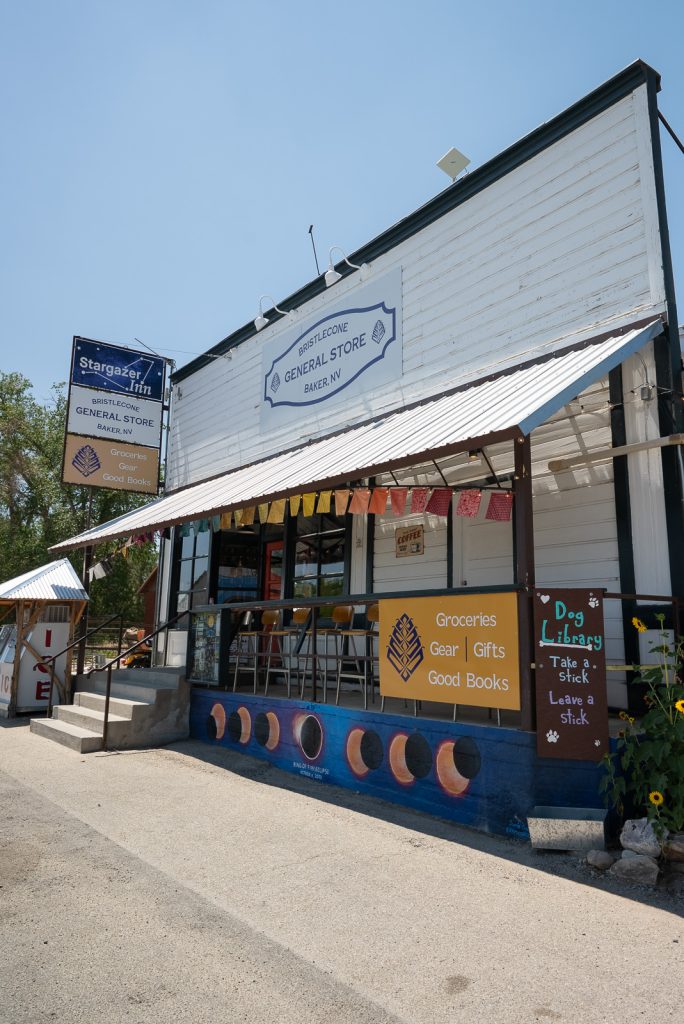
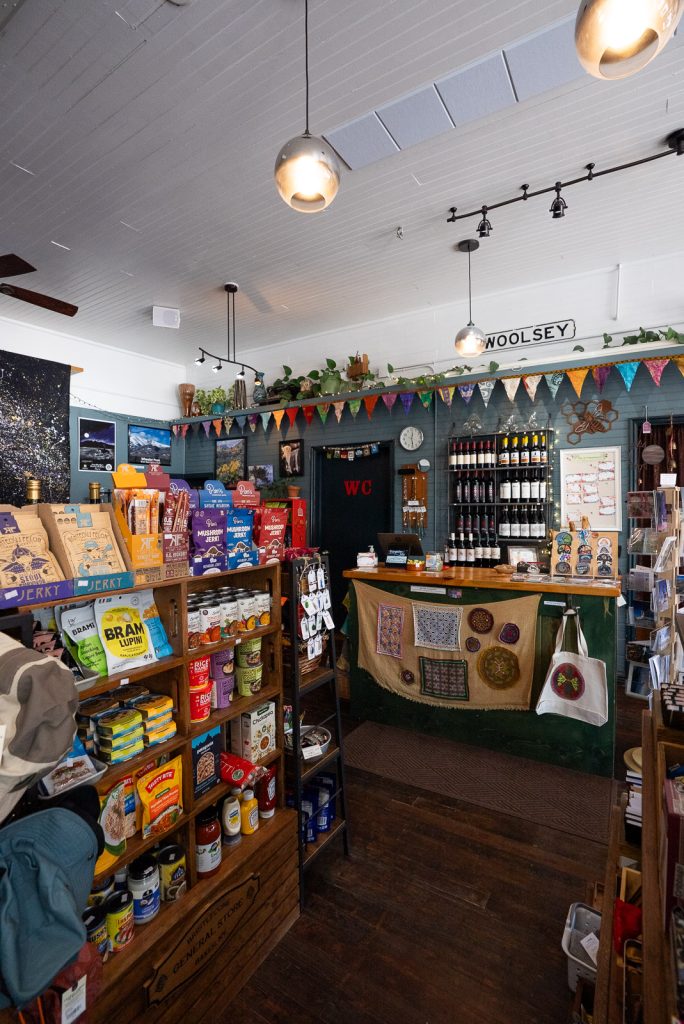
- Bristlecone General Store: This super cute general store has delicious coffee, snacks and some grocery items, gear, and gifts! Stopping by here is a MUST, in our opinion.
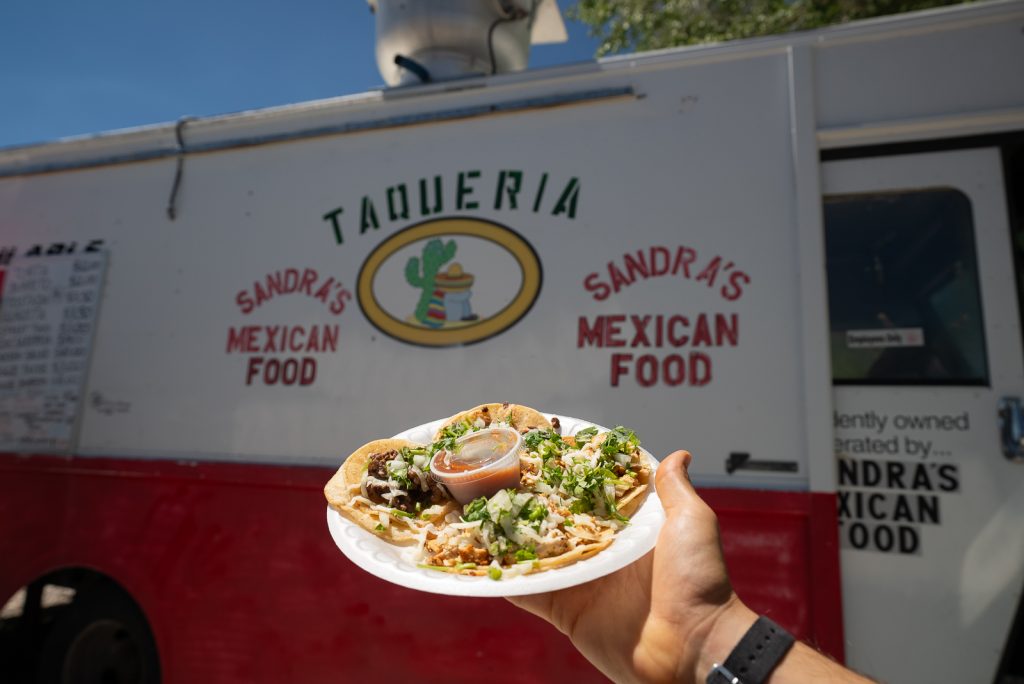
- Sandra’s Mexican Food: If you can only eat at one spot, make sure it’s here! This food truck makes some delicious tacos.
- Great Basin Café: Located right by the Lehman Caves tour, this cafe offers breakfast and lunch items. It’s an easy stop before or after your tour!
- Sugar, Salt & Malt Restaurant: This restaurant has lunch and dinner, coffee, ice cream, and a bar.
Acclimate to the higher altitude
The elevation in the park ranges from 6,825 feet to 13,065 feet above sea level, with many of the best hikes being at 10,000 feet and above. If you plan to hike Wheeler Peak, we would hike to the alpine lakes and Bristlecone Pines your first day to help you acclimate to the elevation.
What to bring to Great Basin National Park
The best things to do in Great Basin National Park require being outdoors, so you will want to bring proper outdoor and hiking gear. To see everything we take hiking, check out our hiking gear as well as our guide about how to make a 10 essentials kit.
But here are a few items we want to especially recommend bringing to the park!
Proper hiking shoes
The trails in Great Basin National Park range in terrain. Some are smooth and easy to walk on, while others, like Wheeler Peak, are extremely rocky. Having good hiking shoes is key for safety! We both love our Altra Lone Peaks, as they are less bulky than boots, but have good traction. They are also great for hiking in water, as they dry fast!
Layers
Different areas of the park lie at drastically different elevations, so the temperatures can range throughout the day. Every 1,000 feet you go up, the temp will normally drop about 5 degrees. Pack layers so you’re ready for different temperatures and unpredictable weather.
Also, Lehman Cave is about 50ºF, so make sure to dress appropriately!
Sun Protection
Many hikes in Great Basin National Park are very exposed to the sun. So you’ll definitely want to bring a sun hoodie, hat, sunscreen, and sunglasses. Adam wears KALIYADI sunglasses and Kathryn wears Ray-Bans.
Water
Make sure to pack lots of water! You can find fresh water at Lehman Caves Visitor Center, Park Dump Station, and the Great Basin Visitor Center. Our 3L Camelbak bladders helped ensure we had enough water throughout the day!
And since you’ll be at a higher altitude and will be very active, we recommend bringing LMNT to help you stay hydrated. If you use this link, you get a free sample pack with any order!
Packed lunch & snacks
As we mentioned above, there are limited dining options. And if you plan to be on the trails most of the day, you will want to pack lunches and snacks. If you need snack ideas, you can see a list of our favorite hiking snacks here!
Save this list of the best things to do in Great Basin National Park