Last updated on October 3rd, 2026
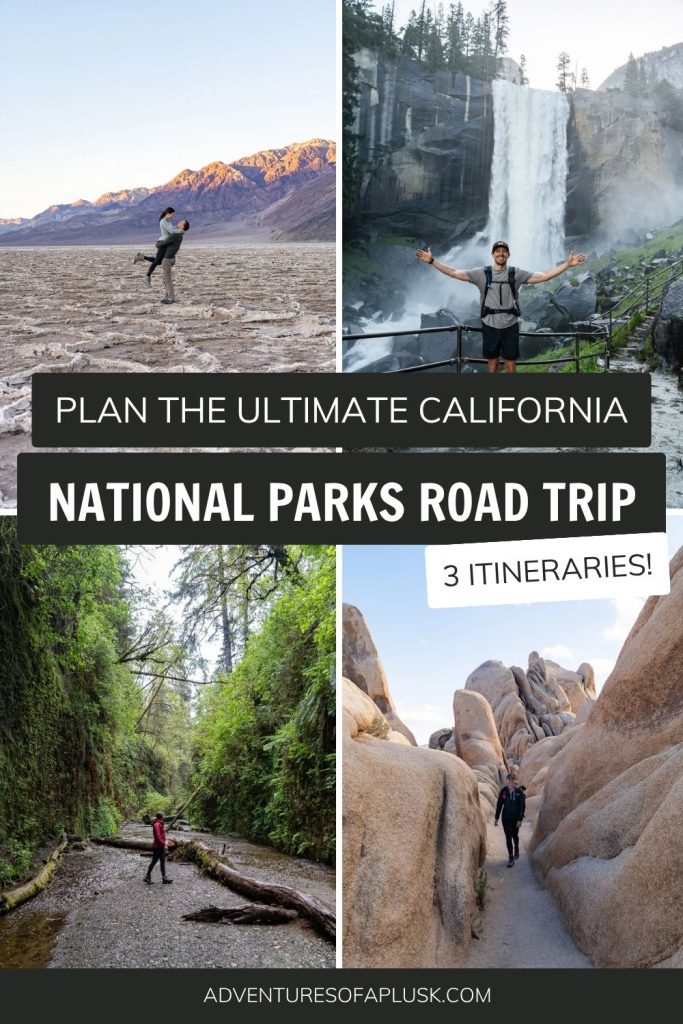
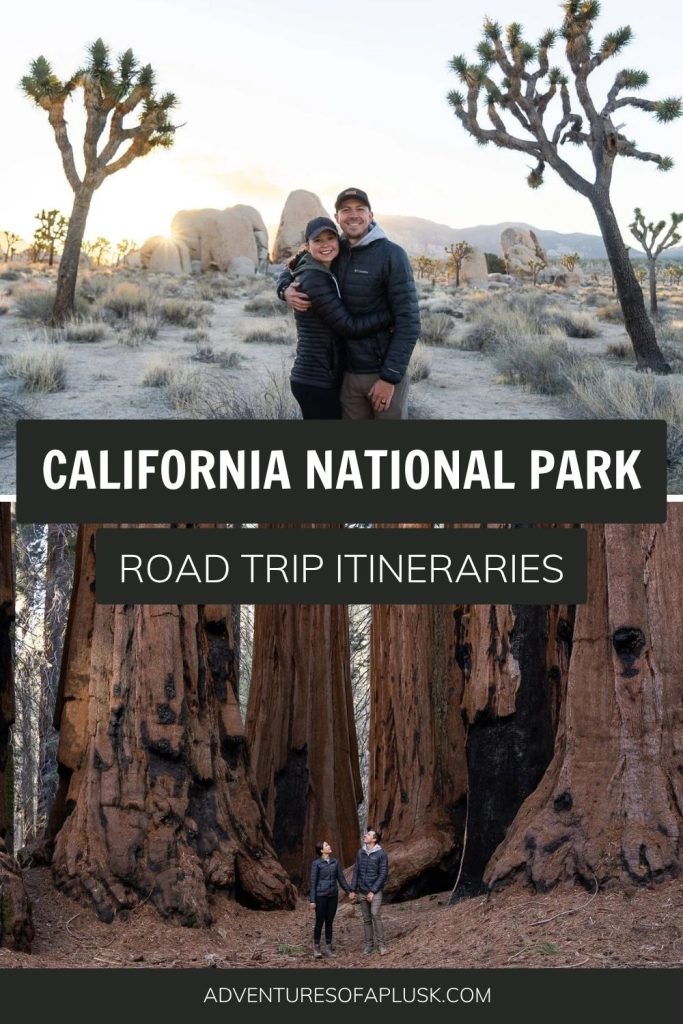
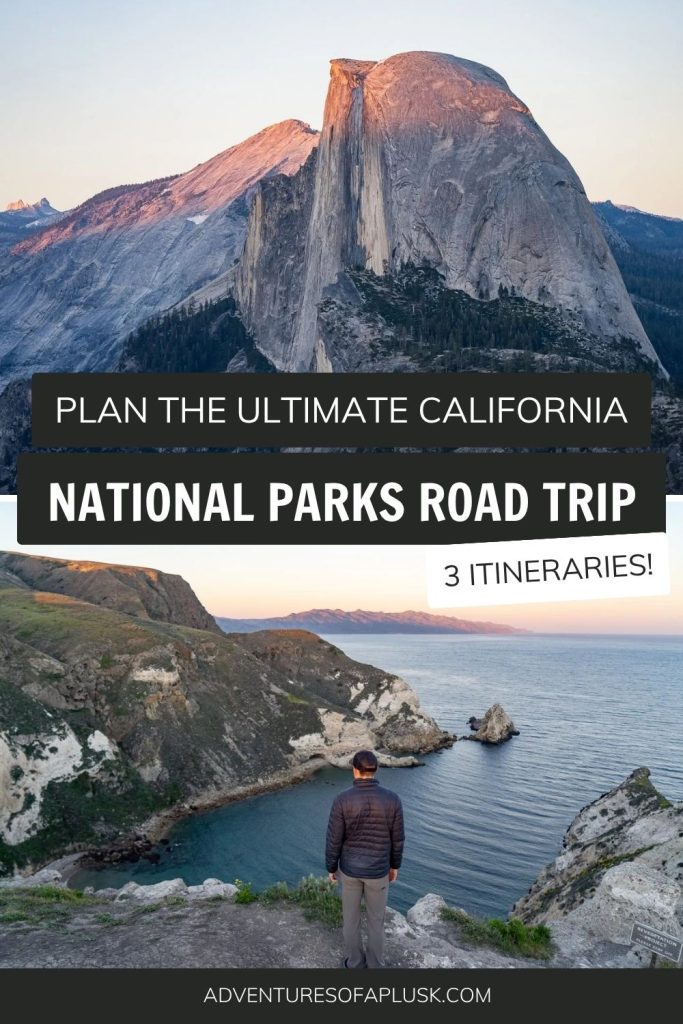
Want to go on the ultimate California National Parks road trip? We’re sharing 3 itineraries to help you plan your adventure!
California is easily one of our favorite states! It’s home to just about every type of scenery you can imagine, from the coast, to epic mountains, desert terrain, dense forests, and geothermal activity. And one of the best ways to experience its mix of ecosystems is by visiting the California National Parks!

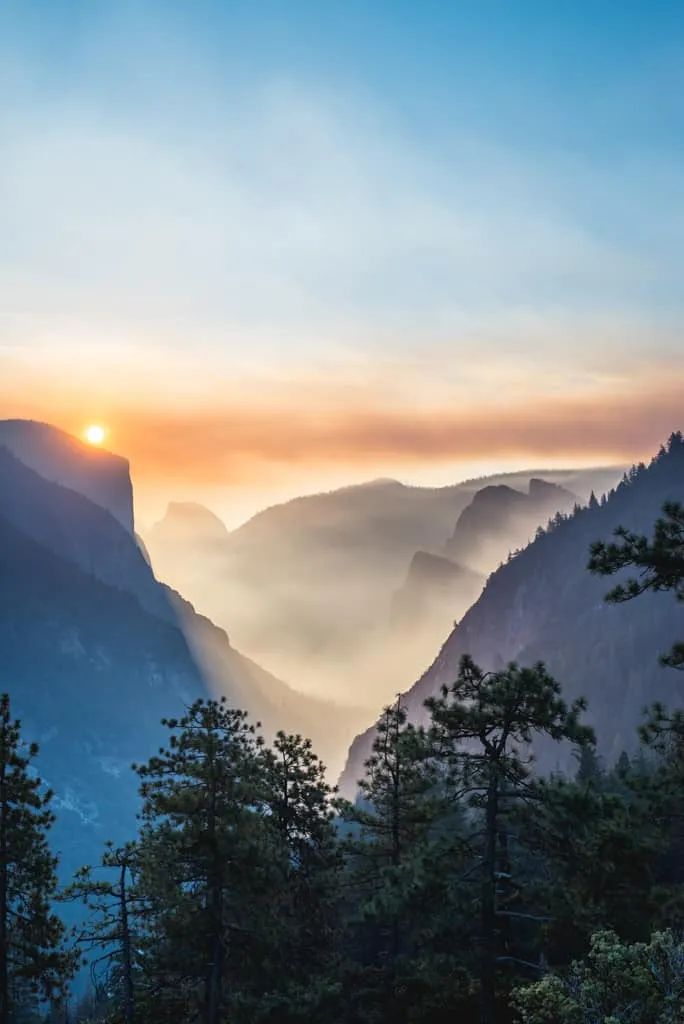
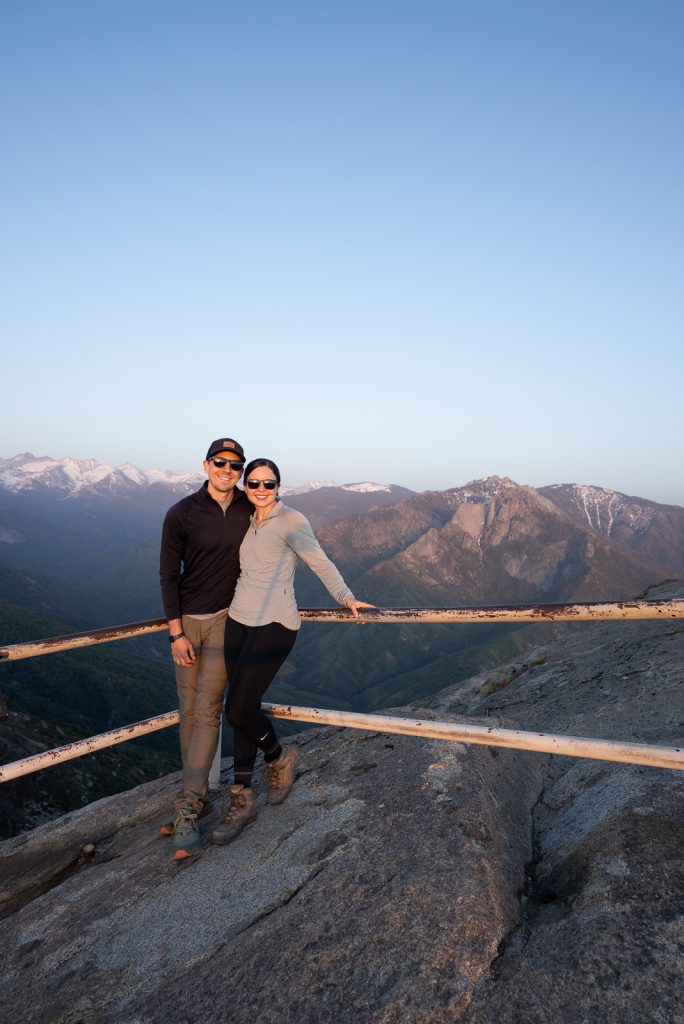

We have been lucky enough to visit all of California’s National Parks (many more than once!) and every single one has blown us away. And if you want to experience them for yourself, we’re sharing 3 different California National Parks road trip itineraries to help you plan your own adventure!
About the California National Parks
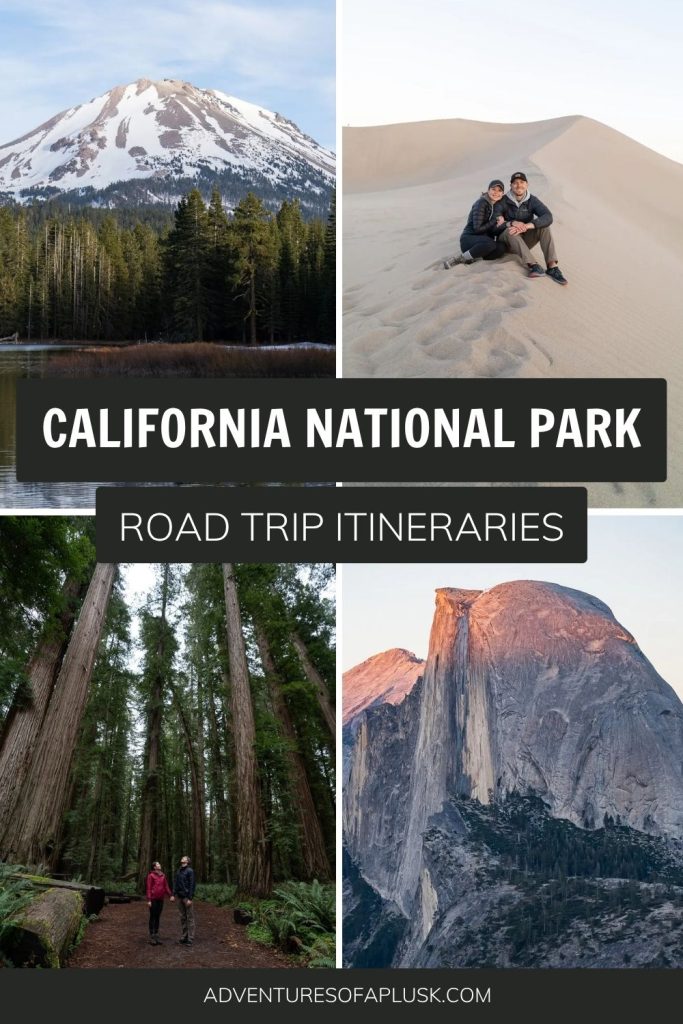
California is home to 9 National Parks…more than any other state! These include: Joshua Tree, Death Valley, Channel Islands, Pinnacles, Sequoia, Kings Canyon, Yosemite, Redwoods, and Lassen Volcanic.
And among these 9 National Parks you can experience the highest and lowest points in the lower 48, walk among giant trees, kayak in sea caves, and see striking granite domes and bubbling hot springs. Plus have some unique experiences, like boat rides and hikes with cables and ladders!
While some, like Yosemite, are iconic and visited by millions of people every year, others are a bit more underrated, like Pinnacles and Lassen Volcanic. But every single one is full of incredible scenery and well worth a visit!
Before embarking on your adventure, please review the Leave No Trace principles to ensure you leave every place better than you found it, so that others can enjoy these beautiful places for many years to come!
These seven principles include planning ahead and preparing, hiking and camping on durable surfaces, disposing of waste properly (pack out what you pack in!), understanding campfire rules and always fully extinguishing your fires, respecting wildlife, and being considerate of other visitors.
Want to Learn More as you explore?
We highly suggest downloading the Guide Along – Joshua Tree and Yosemite audio tours to navigate you on the road. Even when you don’t have service it knows where you are and provides commentary and history about the area. As well as alerts you when to stop for specific sights. These guides are fun to listen to and the narrator feels like a fun friend in the car with you!
California National Parks road trip itineraries

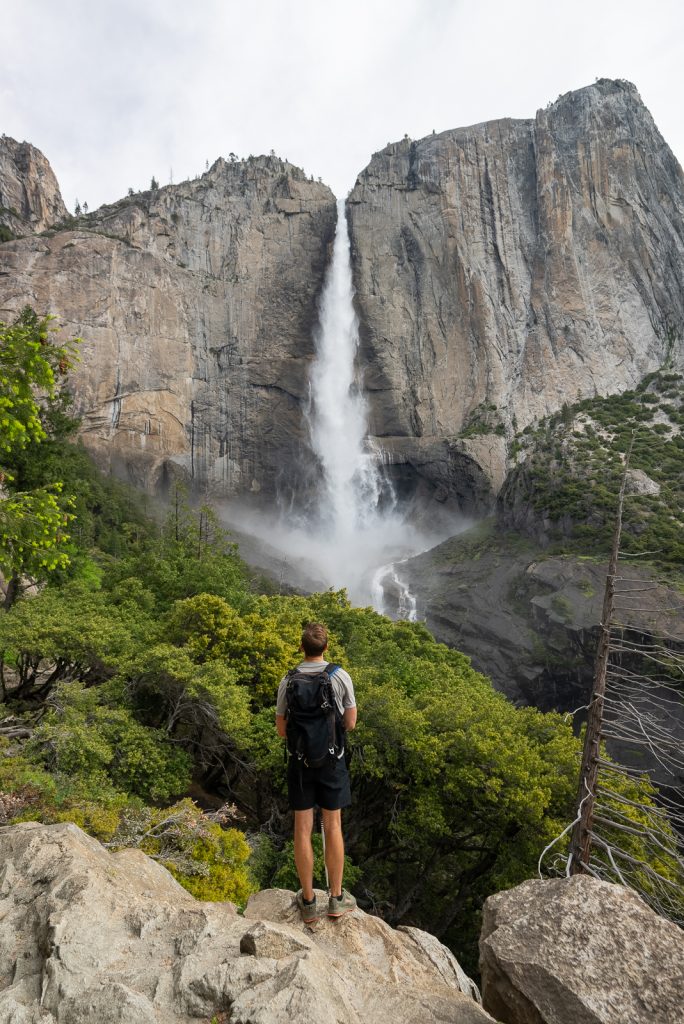
While it may be tempting to try to visit all 9 California National Parks in one road trip, we’d advise against it! Not only would you need a good amount of time to visit all of them, but they aren’t all best to visit in the same season.
So instead, we have created 3 itinerary options to go on a California National Parks road trip. These itineraries combine parks that are not only easy to visit together from a driving perspective, but also can be enjoyed together in specific seasons.
Each 10 day itinerary includes 3-4 parks, making it easier to tackle. All of the California National Parks are represented across the itineraries, with one park being included in multiple. And if you have less than 10 days, you can easily shave off a park or two to make it work for your schedule!
The three itineraries include:
Desert & Coast Itinerary: Joshua Tree, Death Valley, Channel Islands, and Pinnacles.
Sierra Nevada Itinerary: Sequoia, Kings Canyon, and Yosemite.
Northern California Itinerary: Pinnacles, Redwood, and Lassen.
You can click the name of the itinerary above to be taken directly to it!
Looking for even more itinerary ideas? Check out our California National Park eBook, where we outline even more things to do in each park, custom Google Maps, detailed park specific itineraries, as well as more California National Park road trip ideas. All in an ad-free and easy to save format!
Desert & Coast- Option #1
Closest airport: For the least amount of driving, we suggest flying into San Diego (SAN) and flying out of San Jose (SJC) or San Francisco (SFO).
Time needed: 10 days
Hours of driving: 17.5 hours (about 4-5 hours between each park).
Best months: We’d suggest this road trip in the winter or spring only. Joshua Tree, Death Valley, and Pinnacles can get VERY hot!
Day 1: Arrive in San Diego

Begin your desert and coastal California National Parks road trip in San Diego! This is the most convenient airport to fly into for this itinerary, unless you choose to do it in the opposite direction we suggest.
San Diego is a beautiful city with tons to see, do, and eat! If you land early enough and have time to explore, check out our 3 day itinerary for some ideas of how to spend the rest of your day.
Where to stay
We suggest staying in San Diego this evening! And since you’re only in the city for one night, we suggest getting a hotel vs. a vacation rental. A few good options include:
Day 2: Drive to Joshua Tree National Park
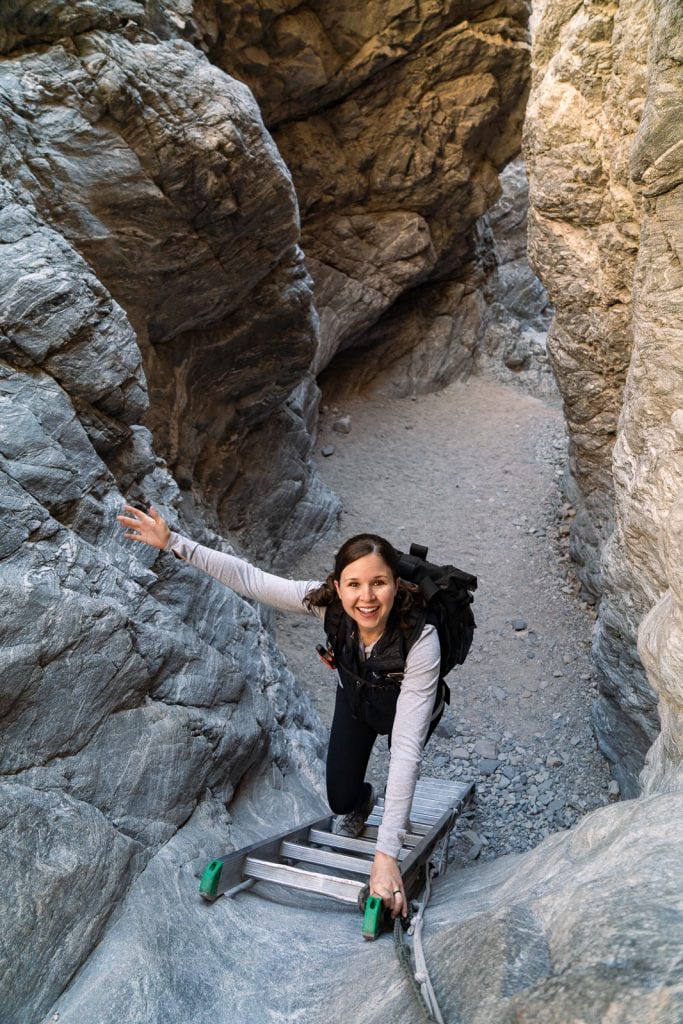

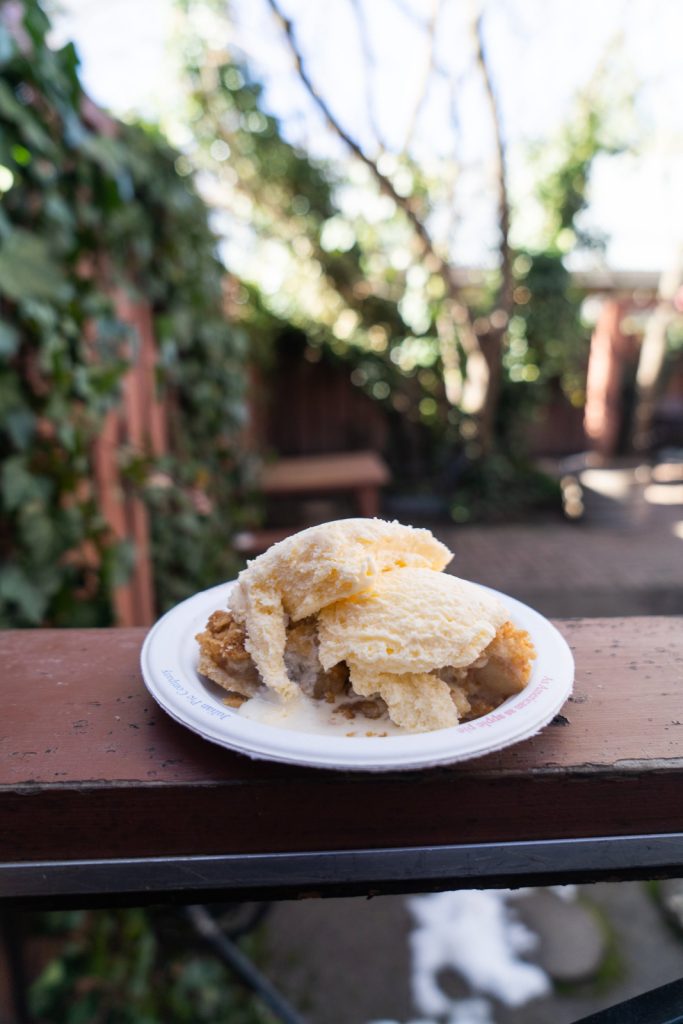
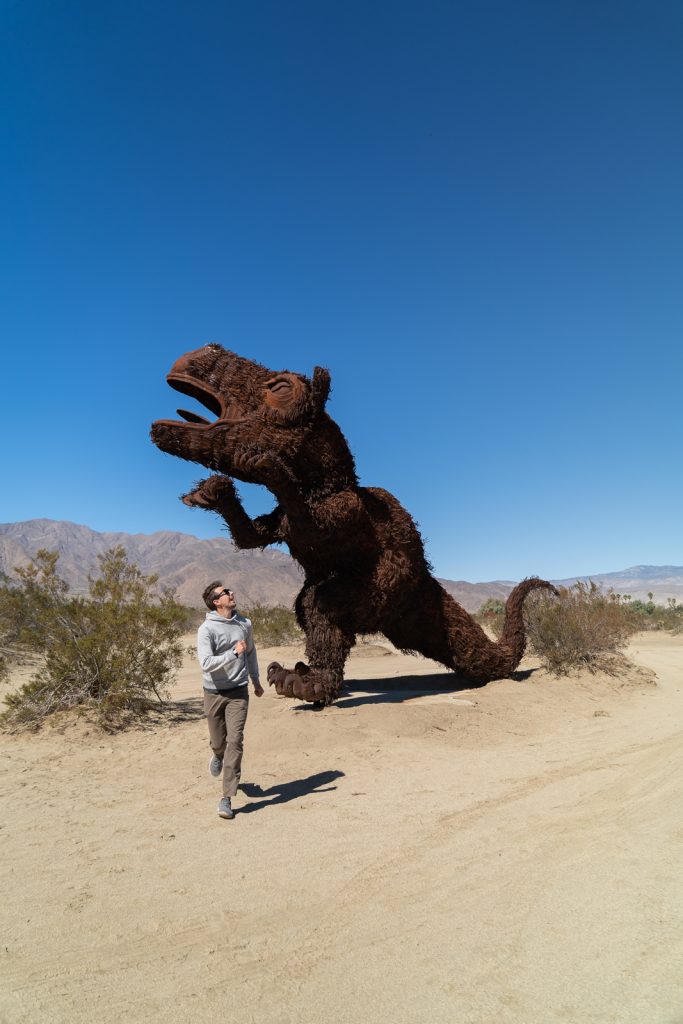
While you could take the most direct route from San Diego to Joshua Tree, we suggest taking the longer, more fun route! There are so many great stops to make along the way. Here are some of our top suggestions!
- The charming town of Julian to enjoy their famous pies at Julian Pie Company!
- See the unique sculptures in Borrego Springs.
- Experience The Salton Sea. This is the largest lake in California and sits at 236 feet below sea level. While it used to be a large resort area, over time it has become contaminated and now has 50% more salinity than the ocean. One of the best spots to visit here is Bombay Beach. This former resort town still has 200 residents and features some unique art and sculptures along the beach. Warning: it has an odor!
- Hike the Ladder Canyon Trail. This hike requires a high clearance vehicle to get to, plus a good amount of time for the hike itself.
- Grab a date shake at Shields in Palm Springs!
Where to stay
You will want to stay close to Joshua Tree National Park this evening! The park has 8 campgrounds to choose from, plus great free camping nearby. But for those looking for a vacation rental or hotel, Palm Springs, Indio, and Twentynine Palms will be your best bet!
A few hotel options include:
Day 3: Joshua Tree National Park


Joshua Tree National Park is the second most visited park in California and is famous for its Joshua Trees. Which in fact, aren’t actually trees at all, but instead, are a part of the agave family.
But this park is more than just trees! Here you can find two deserts, the Mojave and Colorado, plus boulders to climb and mountain peaks. It feels like one giant playground!
Itinerary
With one day in Joshua Tree National Park you can accomplish quite a bit. Here’s how we’d suggest spending your day:
- Start with sunrise at Keys View. This is the highest point in the park (bring a jacket, it can be windy and cold!) and has 360º views of the park and the surrounding area.
- Next up, hike to the top of Ryan Mountain! We loved getting to see the park’s rock formations from this higher vantage point.
- Admire the Joshua Trees in Hidden Valley. This is our favorite area to see them! You can either just enjoy them from the picnic area or hike the Hidden Valley Nature Trail.
- Combine the Barker Dam and Wall Street Mill into a fun afternoon hike mixing nature and mining history! If you’re lucky, you’ll get to see the reservoir at Barker Dam filled with water. But even if you don’t, it’s still a nice hike.
- Snap a quick photo of Skull Rock! Or just admire it quickly, as the line for a photo can be ridiculously long. We personally loved climbing around the rocks in this area even more than seeing the skull.
- Hike the Arch Rock Trail, which is one of our favorite hikes in the park! You will get to see a cool arch, walk through fins, and can even go find a heart shaped rock.
- End the day with sunset at the Cholla Cactus Garden. Right before sunset, the Cholla Cacti glow in the afternoon light, which is a gorgeous sight to see! However, it is super important to note that the sun “sets” earlier here than what the sunset time actually is, since the mountains will block the light. So we recommend getting there 1.5 hours early to ensure you don’t miss the glow effect!
Where to stay
We’d once again recommend staying near Joshua Tree National Park this evening, to avoid doing any major drives in the dark.
Day 4: Drive to Death Valley National Park


Today you’re heading to Death Valley National Park! This is the largest US national park outside of Alaska. It’s larger than both Rhode Island and Delaware combined!
But not only that, it is also a place of extremes! It’s the lowest spot in the United States at 282 feet below sea level, it has the hottest recorded temperature ever on Earth (134ºF), and is the driest place in North America.
It’s a little over a 4 hour drive from Joshua Tree National Park, but make sure to fuel up on the way, as services are extremely limited (and very expensive) out there.
Itinerary
- Grab a coffee at Más o Menos and hit the road! If you leave Joshua Tree early enough, you’ll have time to begin exploring Death Valley.
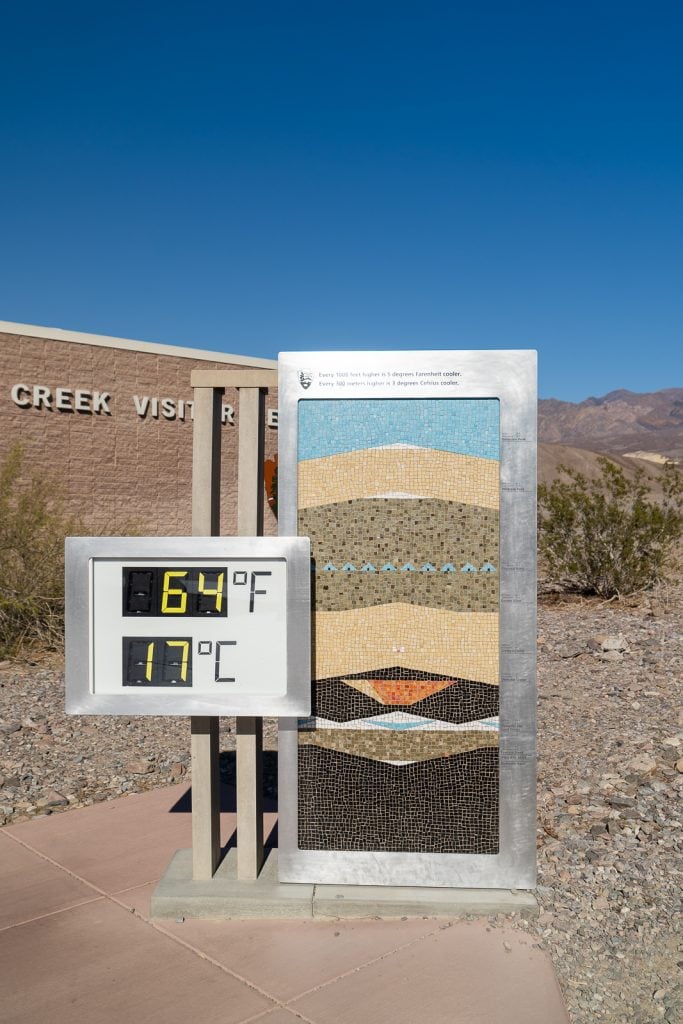
- Once arriving, head to the Furnace Creek Visitor Center to snap a photo with the park’s thermometer. While you hopefully will be visiting on a cool day, it’s still a fun photo opportunity in the hottest place on earth!
- Then, make your way down to the Devil’s Golf Course. This “golf course” is not in fact a golf course, but is actually a large area of extremely jagged, serrated spires of rock salt that were eroded by wind and rain over time. In a 1934 National Park Service guide book, it was said that “only the devil could play golf on such rough links!”
- After this quick stop, drive the Artists Palette Scenic Drive. This is a 9 mile, one way drive (only vehicles less than 25 feet allowed) that takes you to the Artists Palette Overlook. Here you can find shades of pinks, blues, and purples that paint the hillside. While not as vibrant as many heavily edited photos online, it’s still a neat contrast to the rest of the park!
- Then head to Badwater Basin for sunset, the lowest point in North America! Here you’ll find salt flats that are shaped like polygons, which cover almost 200 square miles and are made of mostly table salt, with calcite, gypsum, and borax. There is a large parking area with restrooms and after parking, you can walk out onto the valley floor to see the salt flats up close.
Where to stay
Since Death Valley National Park is pretty remote, you will ideally want to stay in the park. Within the park you can find a few hotels, including The Inn at Death Valley, The Ranch at Death Valley, Stovepipe Wells Village Hotel, and Panamint Springs Resort. Some of these are a bit more convenient (and expensive) than others.
For the campers, the park has seven park managed, developed campgrounds. And you can find free camping nearby. The Pads is a great free spot super close to the park!
Day 5: Death Valley National Park

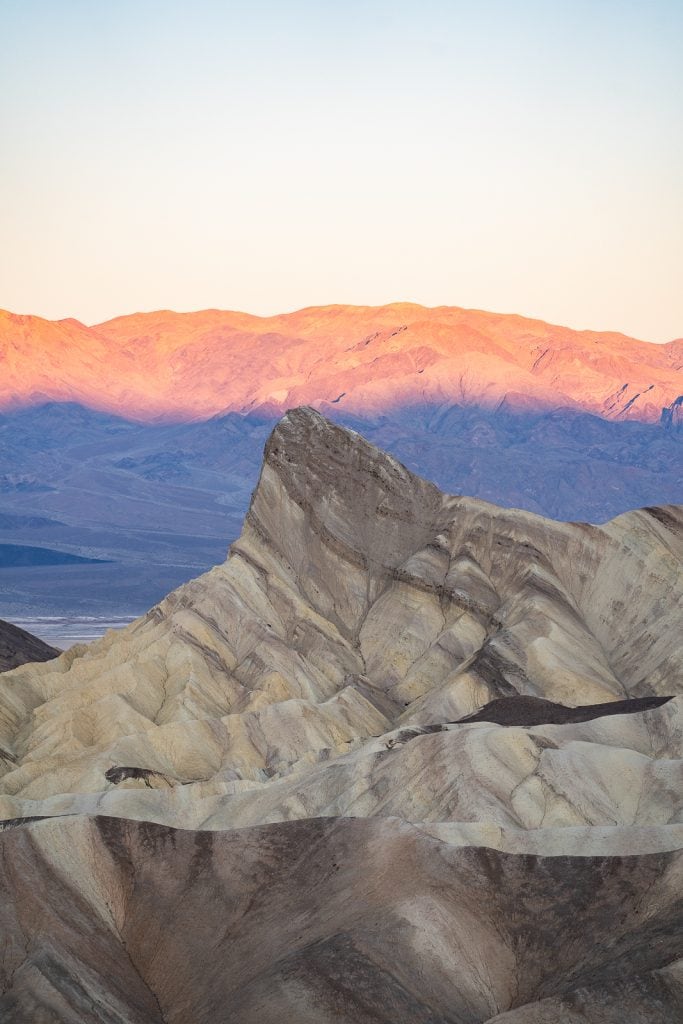

Being the largest National Park in the lower 48, there is a lot to see at Death Valley. But with one full day, you can still accomplish quite a bit and see the major highlights!
Want to spend more time in this park? Check out our ultimate guide to visiting Death Valley National Park for more ideas of things to do.
Itinerary
- Kickoff your day in the park with sunrise at Zabriskie Point. This is a VERY popular sunrise spot, so don’t expect solitude. But trust us, it’s worth it to see the area illuminate with shades of pink and gold.
- After sunrise, hike the Golden Canyon and Gower Gulch Loop Trail. This was one of our favorite hikes in the park! And since the trail starts at Zabriskie Point, it’s very easy to start right after sunrise. Despite the sunrise crowds, hardly anyone continued onto the trail, so we had quite a bit of solitude!
- Head up to Dante’s View! To get here it is a steep 45 minute drive from Furnace Creek (only vehicles 25 feet or less are allowed). And once at the top you’ll have incredible views of the valley, Badwater Basin, and the Panamint Range. If you’re a Star Wars fan you might recognize this view from Episode IV: A New Hope when Luke Skywalker is overlooking the Mos Eisley Spaceport! Just keep in mind that you’re at a much higher elevation up here, so it will be a lot cooler.
- Stop by Harmony Borax Works to learn about the history of borax in the area, which is used for a variety of household and industrial applications, like in laundry detergent and household cleaners.
- If you have enough time, hike to Mosaic Canyon. On this trail you can see mosaic breccia, which is a scientific term for rock created by the natural cementing together of older smaller pieces of rock. It looks just like mosaic art and is absolutely beautiful!
- To end the day, visit the Mesquite Flat Sand Dunes for sunset. We recommend walking out as far as you can for solitude and the best views of the dunes.
Where to stay
We suggest staying in or near Death Valley National Park again this evening!
Day 6: Drive to Channel Islands

Today you’ll make the 5 hour drive (without traffic) to Channel Islands National Park. While the park itself consists of 5 islands, both the Visitor Center and the boat tours are located in Ventura, California.
Once arriving in Ventura, we highly recommend grabbing some fish tacos at Baja Bay Surf n Taco and enjoying sunset at the beach. And if you want a sweet treat, head to McConnell’s Fine Ice Cream, a beloved California based ice cream chain!
Where to stay
Ventura will be the easiest place to stay before exploring Channel Islands National Park! A few options to check out are Caravan Outpost (a refurbished Airstream in a cool little campground!), Crystal Lodge Motel, Best Western Oxnard Inn, Courtyard by Marriott Oxnard Ventura, and the Holiday Inn Express & Suites Ventura Harbor.
Day 7: Channel Islands National Park


It’s time to explore the Channel Islands! While there are 5 islands to choose from, for a one day trip we recommend Santa Cruz Island. This island offers a good mix of activities for your day in the park and has some jaw dropping scenery. Plus, the cutest little island foxes!
Itinerary
To get there, you will need to take the Island Packers boat from Ventura to Scorpion Cove. Make sure to book this well in advance! Note: You will book your outbound and return cruise separately. Make sure to book both ways!
We suggest taking the earliest boat, which will likely have you arrive by 10 AM. Once on the island, you’ll have about 5-7 hours until heading back to the mainland and we suggest spending your day doing the following:
- Go on a kayaking tour with Santa Barbara Adventure Company. If you want to hike as well, make sure to choose their Discovery Sea Kayaking Tour, which is only 2.5 hours, leaving some time to explore the island.
- Go for a hike! For day trippers, we recommend the Cavern Point Loop, Potato Harbor, and if you’re feeling ambitious, Smugglers Cove.
Where to stay
Once returning to Ventura, you will want to stay in Ventura for the night so you can rest up before a fun drive in the morning!
Have an extra day? Stay the night on Santa Cruz Island at the Scorpion Cove Campground! This was one of our favorite National Park experiences, as you get to see the sunrise from its coastline, enjoy the island without the larger day trip crowds, and have more time for hikes. You can even backpack from Prisoners Harbor to Scorpion Cove, which is what we did!
Day 8: Drive to Pinnacles National Park

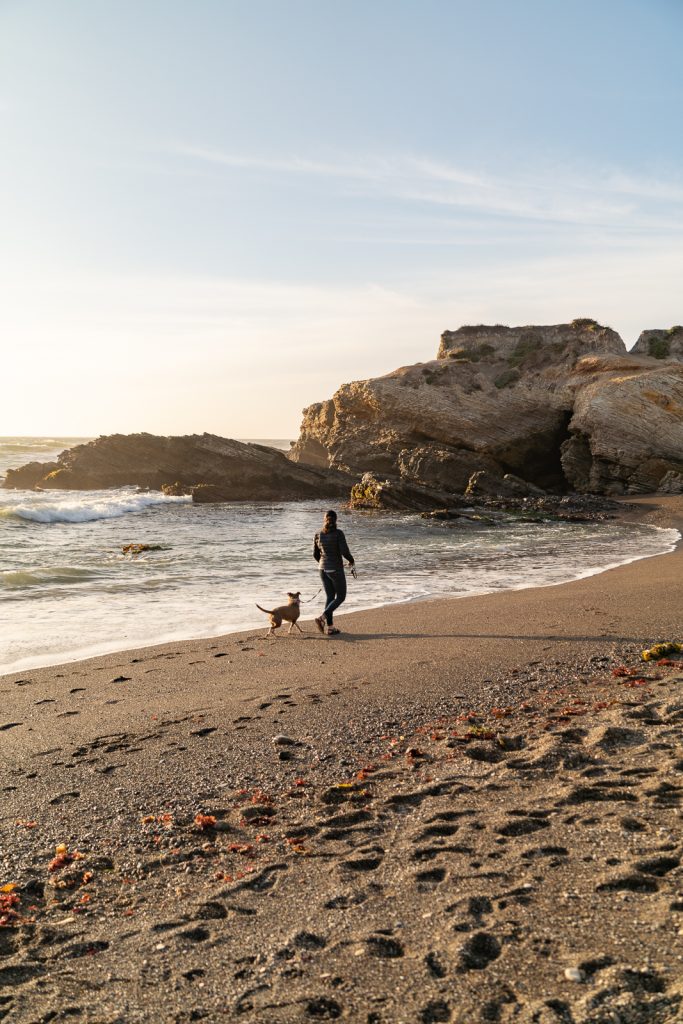
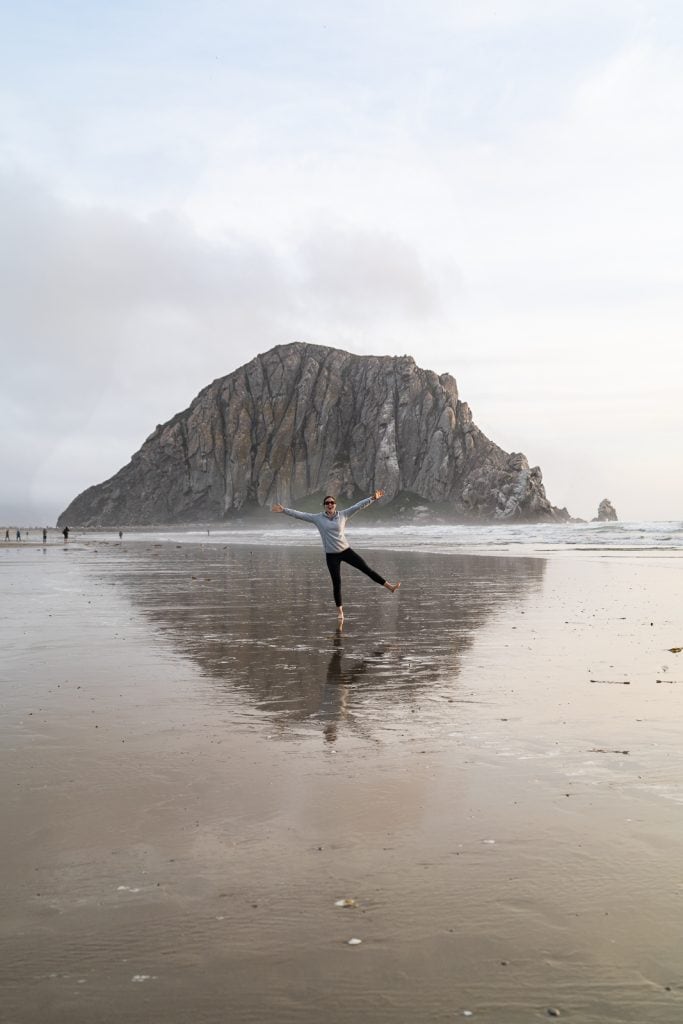
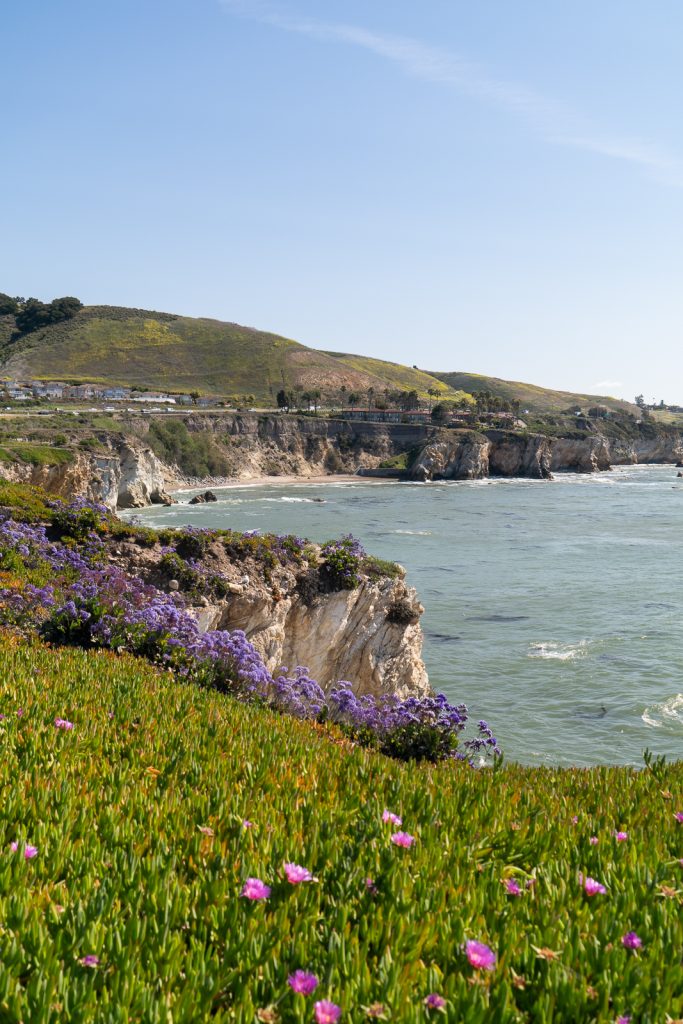
The drive itself is about 4 hours, but along the way you’ll be going through one of our favorite regions of the California Coast: San Luis Obispo County! We highly suggest starting early so you can make a few fun stops.
Itinerary
There are tons of things to do in SLO, but some of our top suggestions are:
- Visit the pier at Pismo Beach.
- Enjoy some of the best chowder at Splash Cafe.
- Grab coffee at Scout Coffee Co in downtown SLO.
- Hike up one of the area’s famous Morros, which are volcanic plugs that were created over 20 million years ago when liquid magma welled up and solidified inside softer rock. Our top pick is Bishop Peak!
- Try a tri-tip sandwich at Firestone Grill.
- See the coastline at Montana de Oro State Park.
- Visit Morro Rock!
After a fun-filled afternoon, arrive near Pinnacles National Park so you can get an early start in the morning!
Where to stay
Pinnacles National Park is kind of located in a weird spot, with no larger towns nearby or hotels within the park. This means that lodging can be a bit trickier. For those looking to stay in a hotel, the town of Hollister will be your best bet. They have a Holiday Inn Express & Suites and Fairfield Inn & Suites, which are about a 45 minute drive to the park.
For campers, there is one campground on the east side of the park, the Pinnacles Campground. They have both tent and RV sites, plus tent cabins. We personally camped at the Hollister Hills State Vehicular Recreation Area, which is an OHV campground (so expect noise) that costs $10 per night.
Important Note: Pinnacles National Park has both a west side and east side. And there is no road in the park connecting the two! Driving between the two entrances takes 1.5 hours, so it’s important to go to the correct side. For this California National Parks road trip itinerary, we suggest going to the east side.
Day 9: Pinnacles National Park


Pinnacles National Park may be California’s smallest park, but it’s packed with scenery and unique features! The park gets its name after its rhyolite rock pinnacles, which began forming over 23 million years ago after a volcanic eruption and have been shaped over time by wind and water.
But there’s a lot more to see! Here you can also find caves, mountain views, and California Condors. Which are one of the largest flying birds in the world, with a 9.5 foot wingspan!
Itinerary
To experience the best of the park in one day, we highly recommend hiking the Bear Gulch Cave, High Peaks Trail, & Condor Gulch Trail.
Along this route you’ll get to see the park’s iconic rock pinnacles, California condors, hike up rock steps and narrow ledges (with railing), visit a reservoir, and wander through caves, all in under 6 miles. It’s one of our favorite hikes in all of the National Parks!
However, there is a lot to know before you go, including cave closures. So for more details on the hike and what to expect, check out our full trail guide!
Where to stay
If you start the hike early (which we recommend due to heat and exposure), you could definitely drive to near whichever airport you’re flying home from afterwards. This would allow you to take an earlier flight home the next day!
Or you can opt to stay in Hollister again that evening and make the drive tomorrow.
Day 10: Travel home
And now it’s time to say goodbye to the California National Parks! For the closest airport, we suggest flying out of San Jose (SJC) or San Francisco (SFO).
Sierra Nevada- Option #2
Closest airport: We suggest flying both in and out of Fresno (FAT).
Time needed: 10 days
Hours of driving: 11 hours to the main areas of the park. Make sure to allow for extra time in Yosemite National Park.
Best months: We’d suggest this road trip in the late spring through early fall!
Day 1: Arrive in Fresno & travel to Sequoia National Park

To kick off your Sierra Nevada California National Parks road trip, fly into Fresno! While not the largest airport, it is the closest to the parks and will make for less driving than Los Angeles (LAX), San Jose (SJC), or San Francisco (SFO). But those are all options to consider as well!
After landing, start making your way to Sequoia National Park. The park has two main entrances. First is the Ash Mountain Entrance (1.5 hours from Fresno), which takes you directly into Sequoia National Park, starting in the Foothills and going up the Generals Highway into the park.
You can also enter via the Big Stump Entrance (1 hour from Fresno), which is technically in Kings Canyon National Park, but provides access to Sequoia National Park as well.
We suggest entering via the Ash Mountain Entrance. However, if you happen to be driving an RV into the park, keep in mind that there are windy roads on this route and vehicle length recommendations.
Just before the entrance is the town of Three Rivers. This is a good spot to grab a bite to eat at Sierra Subs & Salad (if you arrive early enough), Tony’s Taverna On Wheels, or River View Grill & Bar. Or get a drink and hit up the food truck at Three Rivers Brewing Co!
Where to stay
Since your adventure in Sequoia National Park will begin near the Three Rivers area, we suggest staying there for the night. There are a variety of hotels and vacation homes to choose from in this area, like AutoCamp and Comfort Inn & Suites.
Plus campgrounds, including the park’s Potwisha Campground, Three Rivers Hideaway, and Horse Creek Campground.
Days 2 & 3: Sequoia National Park
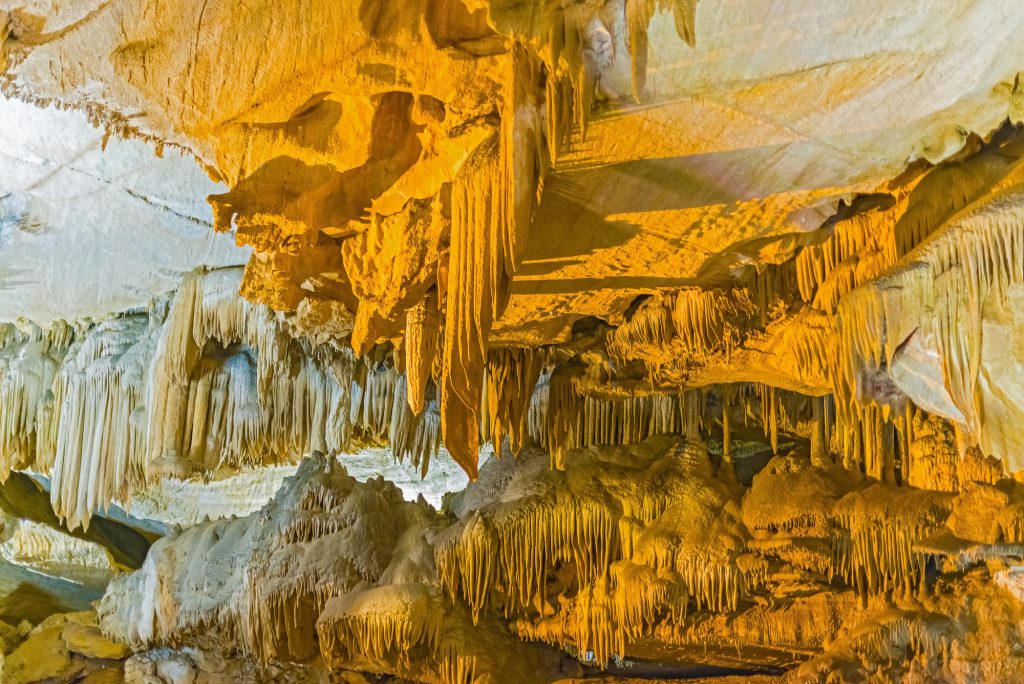
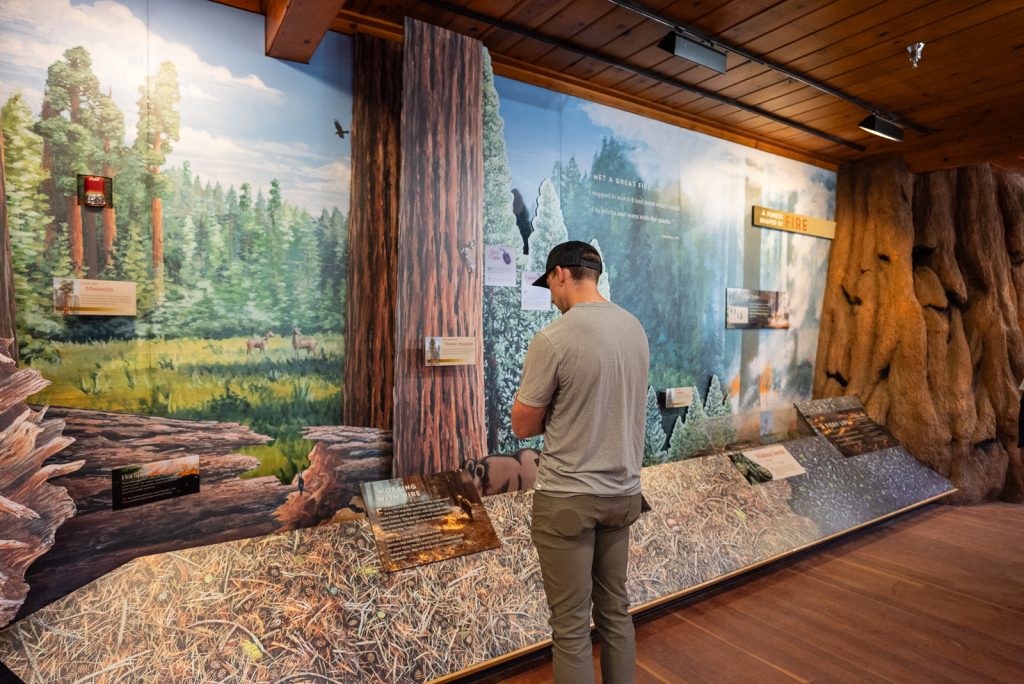
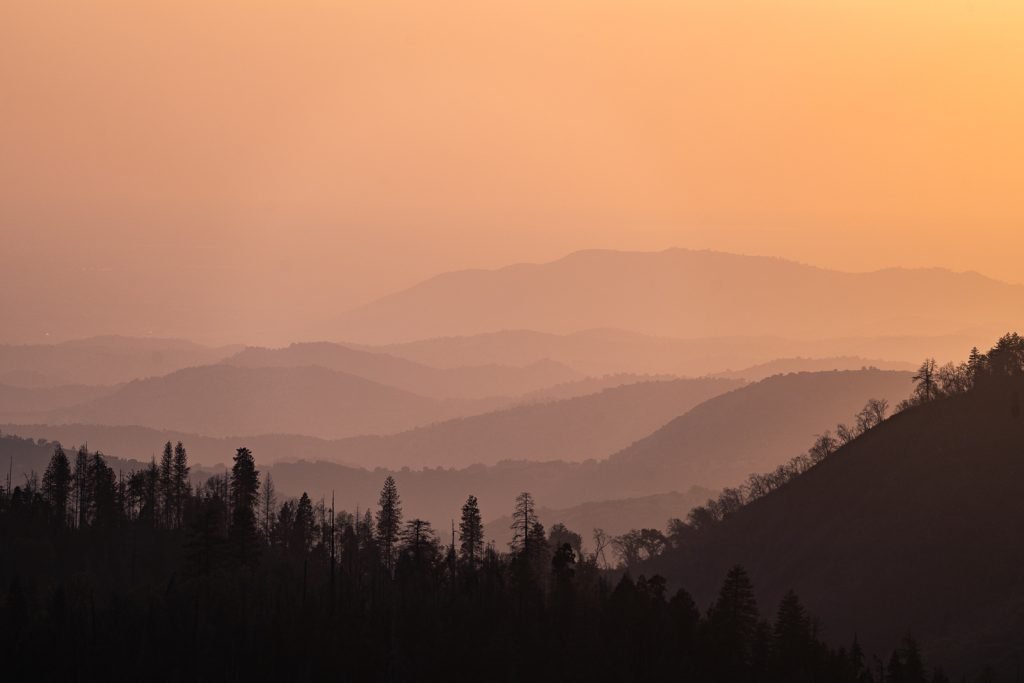
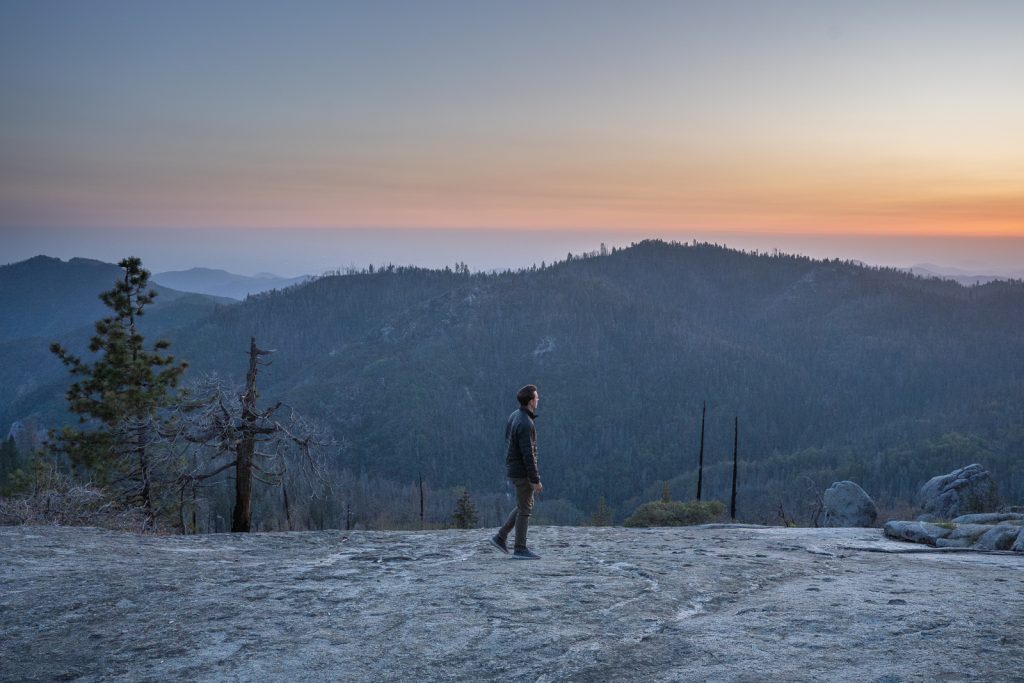
For the next two days you’ll explore Sequoia National Park! Sequoia National Park was established in September 1890, making it the second oldest National Park in the United States.
Its purpose was to protect Giant Sequoias, which only grow on the western slopes of California’s Sierra Nevada Mountains, between 4,000 and 8,000 feet. And they are the largest trees on Earth by volume!
While these trees attract most visitors to the park, there are so many more things to see and do in the park. Including caves, pristine alpine lakes, waterfalls, meadows, and unique hikes!
First day itinerary
- Kick off your first day in the park with coffee and breakfast at Sequoia Coffee & Kitchen. Make sure to get here right when they open so you can enter the park early!
- Begin your drive up the Generals Highway! During this stretch of the highway you will start down at a lower elevation (1,400 feet), along the Kaweah River, before climbing up to 7,200 feet, where the Giant Sequoias reside.
- Along the way, go for a hike on the Marble Falls Trail, which takes you to a stunning waterfall tucked into the mountains.
- Continue up the Generals Highway and if you have enough time, go on a tour of Crystal Cave, a marble cavern that is only accessible by tour. Make sure to book this in advance! We’d suggest a 2:30 PM or 3 PM tour, to ensure you have enough time after your hike to get there. It’s a 1 hour drive from the Marble Falls Trail to this cave.
- For an easy sunset spot, head to either Beetle Rock (0.3 miles) or Sunset Rock (1.6 miles)! Both of these start right across from the Giant Forest Museum and offer an amazing, west-facing mountain view, perfect for ending the day.
Note: The Foothills region of the park (Three Rivers and Marble Falls Trail) can get very hot in the summertime. If you plan to do this road trip in the summer, we’d make sure you start your Marble Falls hike no later than 8:30 AM to beat some of the heat.

Second day itinerary
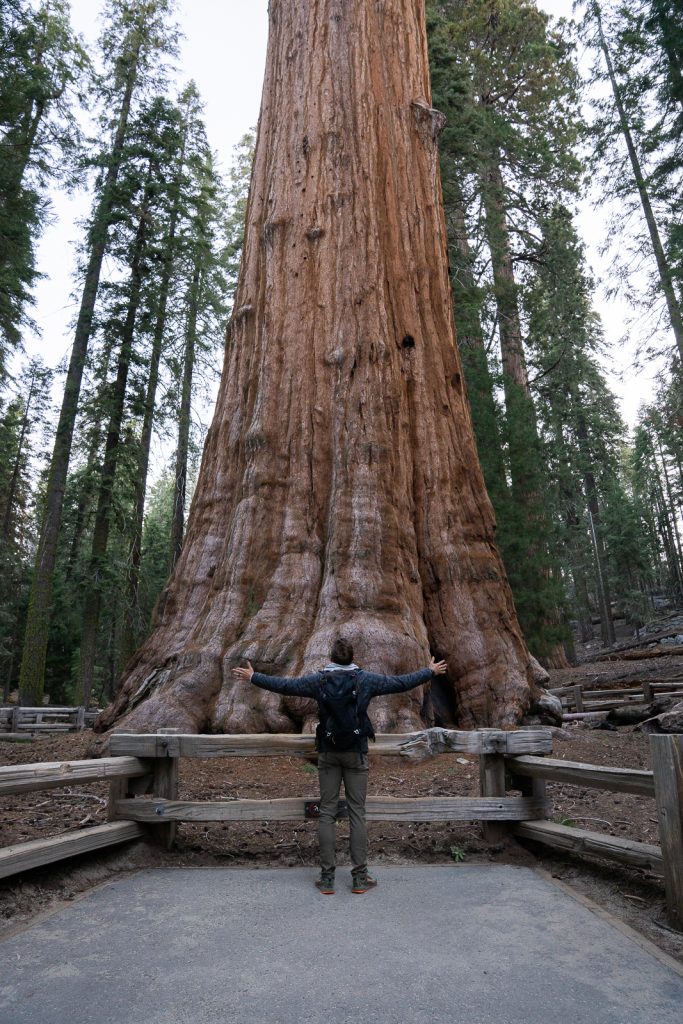
- Start your second day in Sequoia by visiting General Sherman, the largest tree in the world! This beast is 274.9 feet tall, a circumference on the ground of 102.6 feet, and a total volume of 52,508 cubic feet. We highly recommend coming around sunrise for solitude, as it’s easily the most popular sight in the park!
- After seeing General Sherman, continue onto the Congress Trail. Together with the General Sherman Trail it’s the ultimate Giant Sequoia hike!
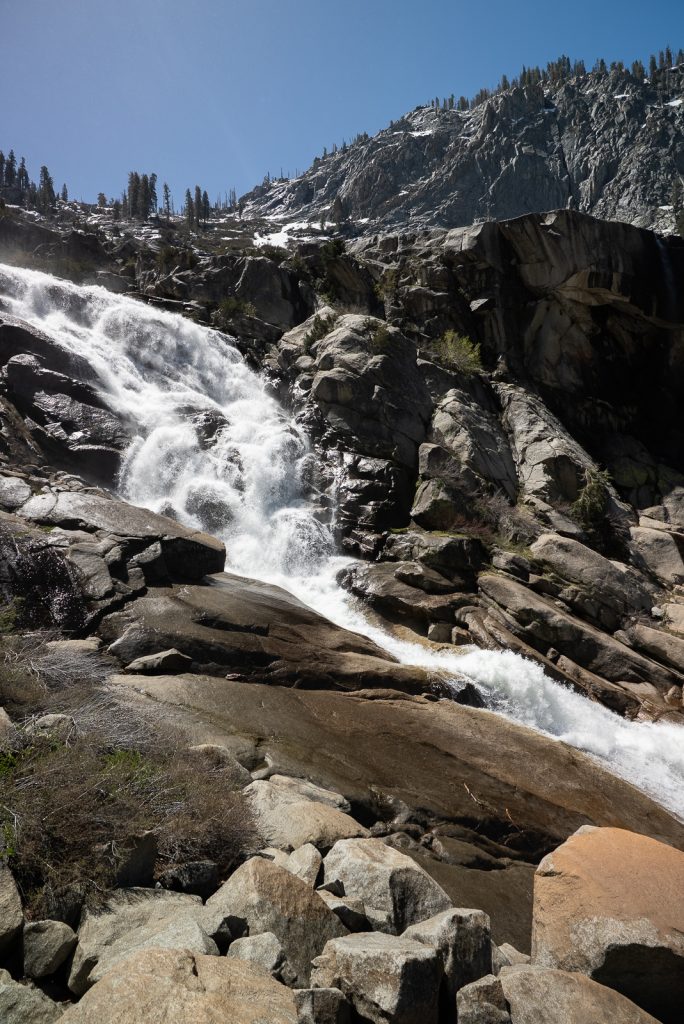
- For the rest of the morning and early afternoon, hike to Tokopah Falls! This is a 1,200 foot tall waterfall that cascades down multiple levels.
- Pop into the Giant Forest Museum! Here you can find a small park shop, access to rangers, and a small FREE museum where you can learn about the lifecycle of the Giant Sequoia.
- Head to Tunnel Log where you can drive (or walk) through a tree! This 275 foot tall Sequoia fell across the road in late 1937 and the following summer, a 17 foot wide and 8 foot tall tunnel was cut through to make it a visitor attraction. Don’t worry, if you drive a big rig like us, there is a bypass for large vehicles!
- For a short and sweet hike, head to the Hanging Rock Trail to see a rock that is precariously hanging on the edge of a cliff.
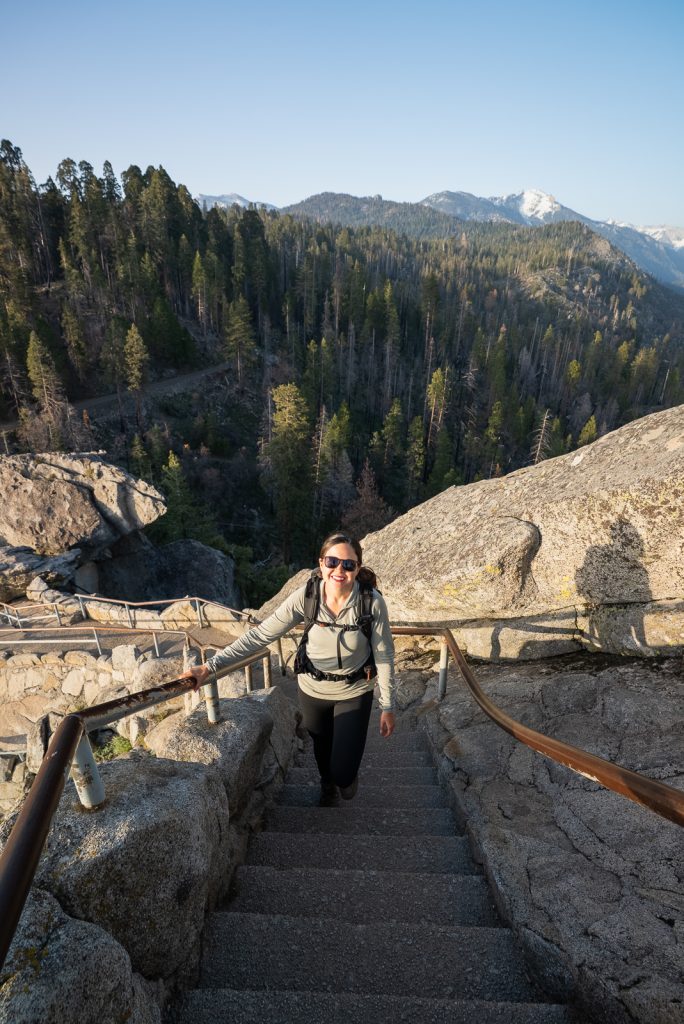
- End the day with sunset at Moro Rock! This is one of the most fun hiking trails in the National Park System. The park has etched a pathway, plus 350 steps into its granite walls to take you to its summit. It feels like an adventure as you make your way to the top!
Note: Depending on when you visit, there may be a seasonal road closure on Crescent Meadow Road and Moro Rock Loop. During our visit we had to walk to Tunnel Log and Moro Rock, for about a 5 mile hike. The road typically opens in late May and you can either drive it yourself or take the free park shuttle. Parking spots are very limited!
Where to stay
We suggest staying in Sequoia National Park (or Kings Canyon) for these two days! But unlike last night, you will want to stay in the higher elevation area. This region of the park has multiple front country campgrounds both in Sequoia National Park, as well as 7 more in the neighboring Kings Canyon. Make sure to book in advance, as they do fill up!
Besides camping, there are also a handful of lodges and cabins you can stay at. During our visit we stayed at the Crystal Springs Campground at Kings Canyon, plus boondocked in the National Forest between the two parks. Big Meadows Road is a popular boondocking spot, but it fills up FAST, especially in May, when part of the road is closed.
Days 4 & 5: Kings Canyon National Park
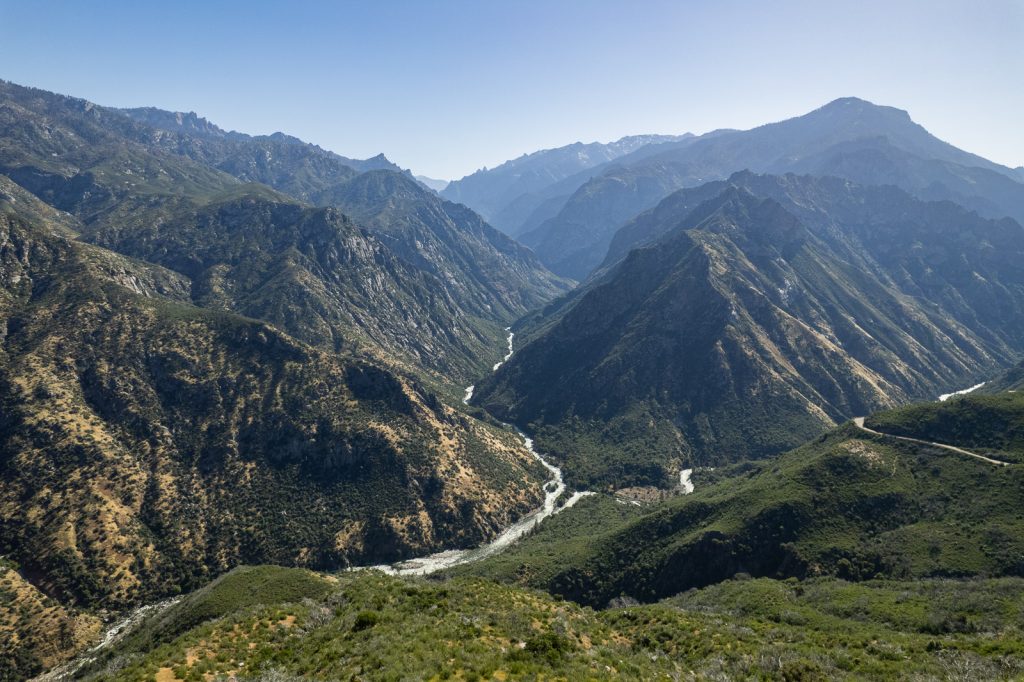
Next up, head just up the road to Kings Canyon National Park! The park gets its name after the striking Kings Canyon, a glacially carved canyon with the Kings River rushing through. While many state that Hells Canyon on the Oregon and Idaho Border is the deepest canyon in North America, Kings Canyon reaches a maximum depth of 8,200 feet, which technically makes it deeper.
The park itself is split up into two regions, a smaller area near General Grant, plus a larger area northeast by Cedar Grove, which is primarily wilderness. Unlike many US National Parks out west, which are designed to offer tons of day hikes and accessible activities, Kings Canyon is primarily a backcountry park. However, there are still SO many fun things to do in Kings Canyon National Park if you want to stick to the frontcountry!
First day itinerary
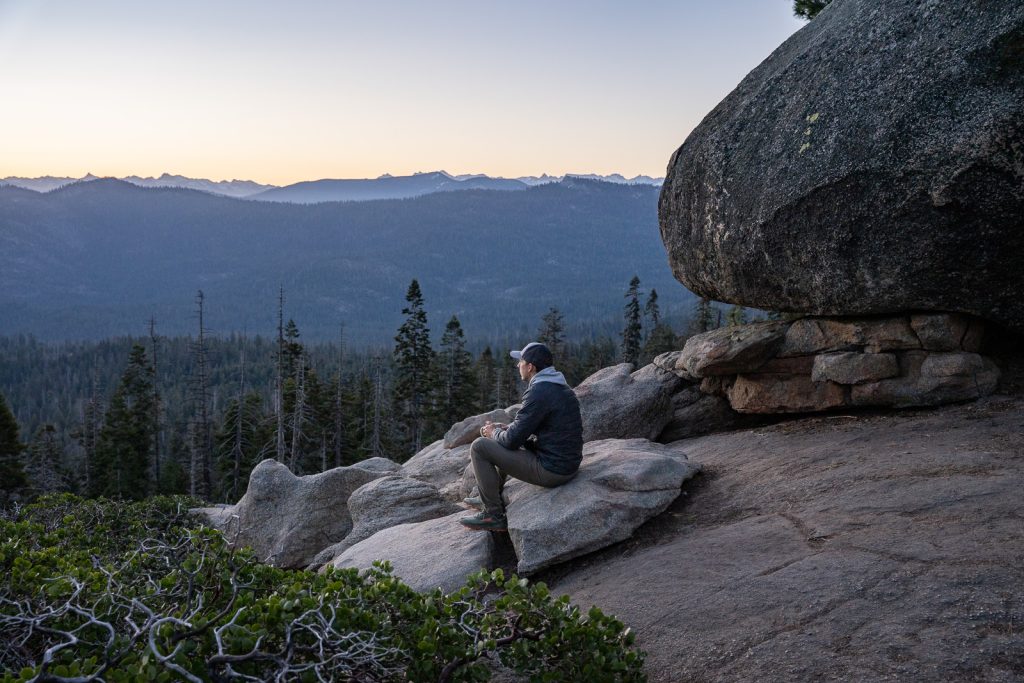
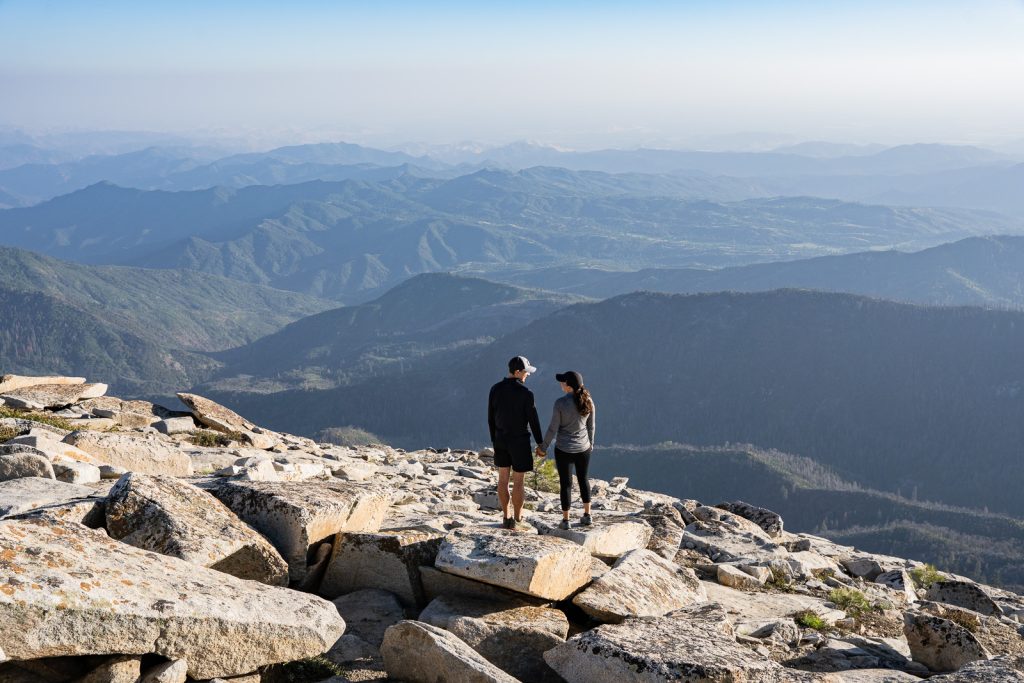
- Start the day with sunrise at Panoramic Point! This short hike leads you to a viewpoint of both Hume Lake and a wall of mountains. It was especially beautiful at sunrise, with the sun flooding the area with golden light.
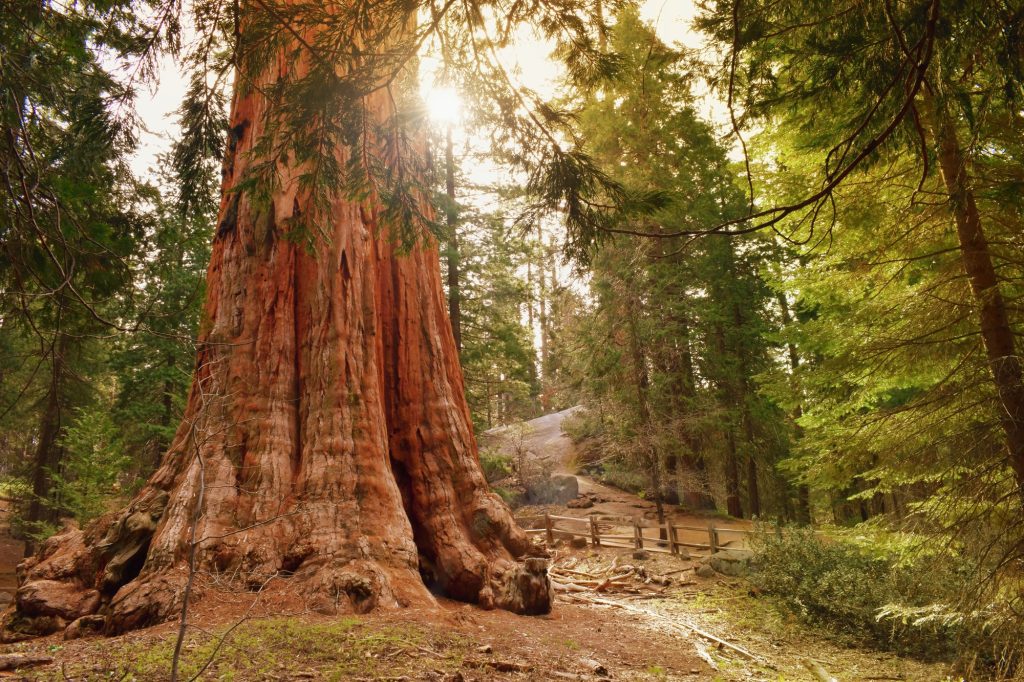
- See the General Grant Tree! This tree has a volume of 46,608 cubic feet, which is equivalent to being filled with 159,000 basketballs. And while the General Sherman Tree takes the cake for the world’s largest tree by volume, General Grant is either the second or third largest, depending on your sources. Make sure to visit the Fallen Monarch while here as well!
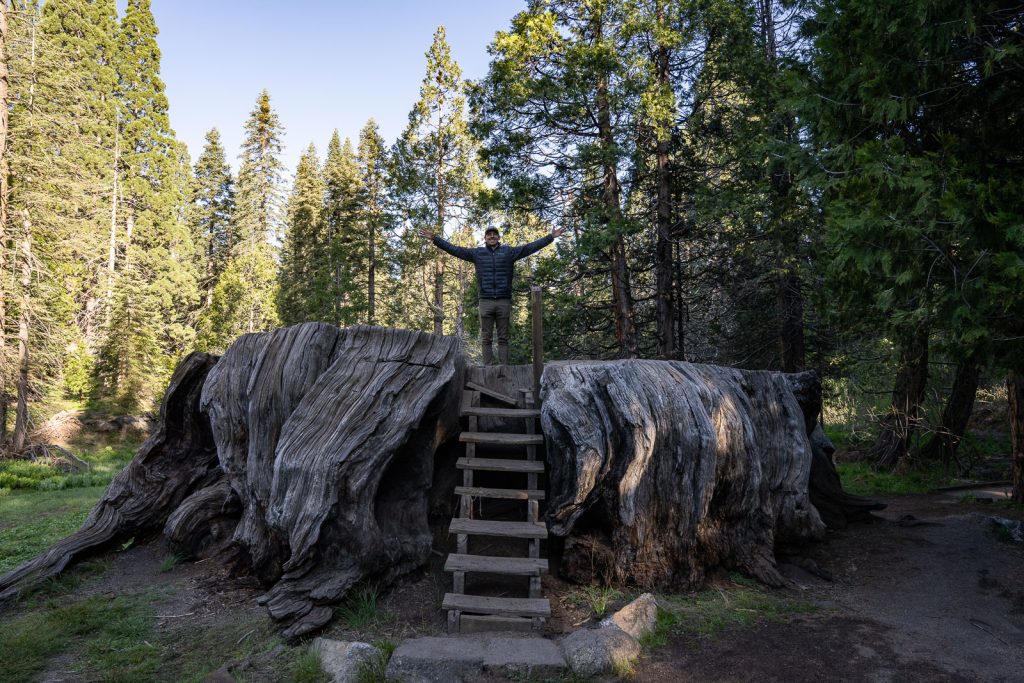
- Hike the Big Stump Loop! This 1.7 mile hike takes you through the Big Stump Grove, one of 40 Giant Sequoia Groves across Sequoia and Kings Canyon National Parks.
- End the day with a sunset hike on the Big Baldy Ridge Trail! This hike takes you through a partially burnt forest to a bald dome with fantastic views of the mountains south of the park. For the best views, continue ½ mile past the end point on AllTrails!
Note: The road to Panoramic Point is steep and windy and RVs, plus trailers, are NOT allowed. We drove our 23 foot Sprinter van on this road with no issues, but anything larger would be tough, especially for parking.
Second day itinerary
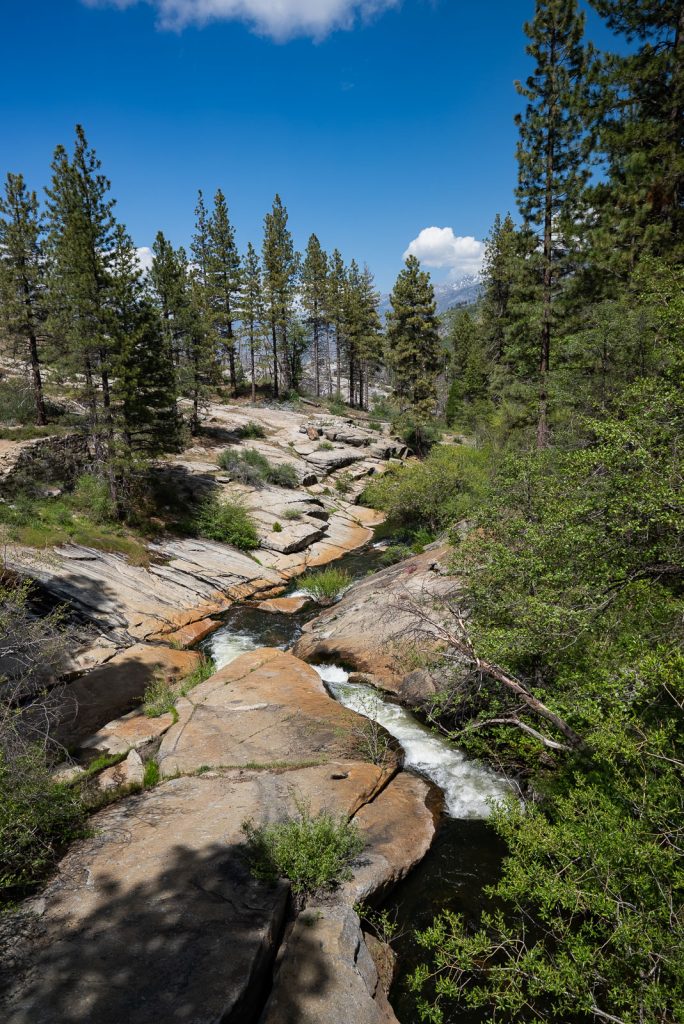
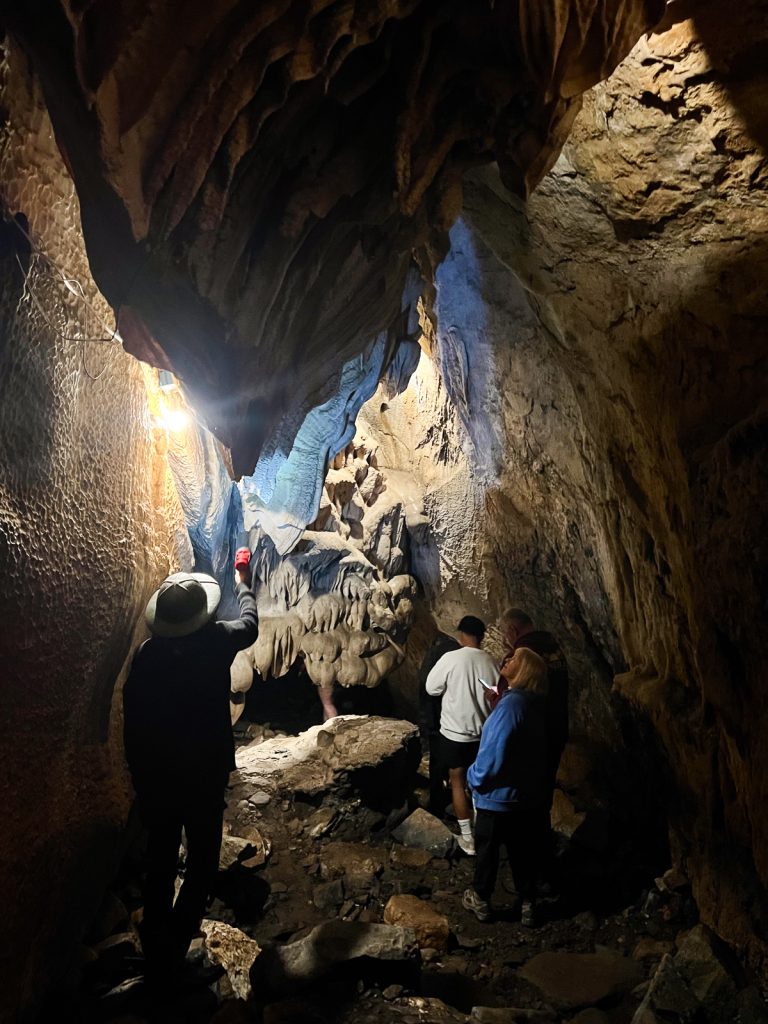
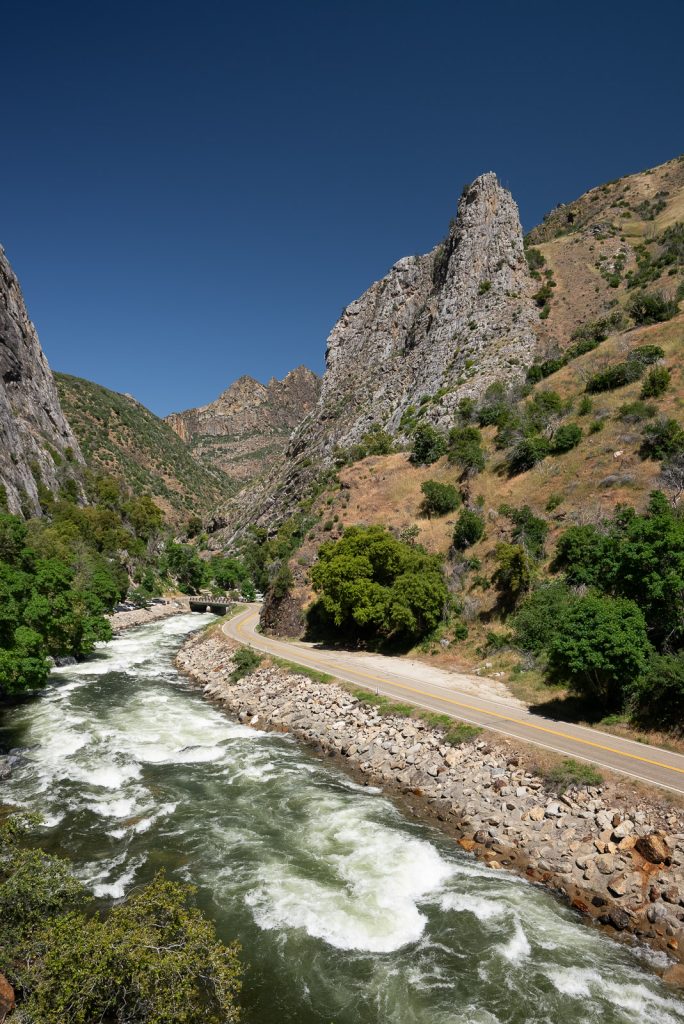
- Today you’ll explore the Cedar Grove area of Kings Canyon. And to get there, you drive the Kings Canyon Scenic Byway! This drive, which is mostly in the National Forest, is incredibly scenic. Along the way make sure to stop at the different viewpoints, tour Boyden Cavern (if time permits), and see Grizzly Falls!
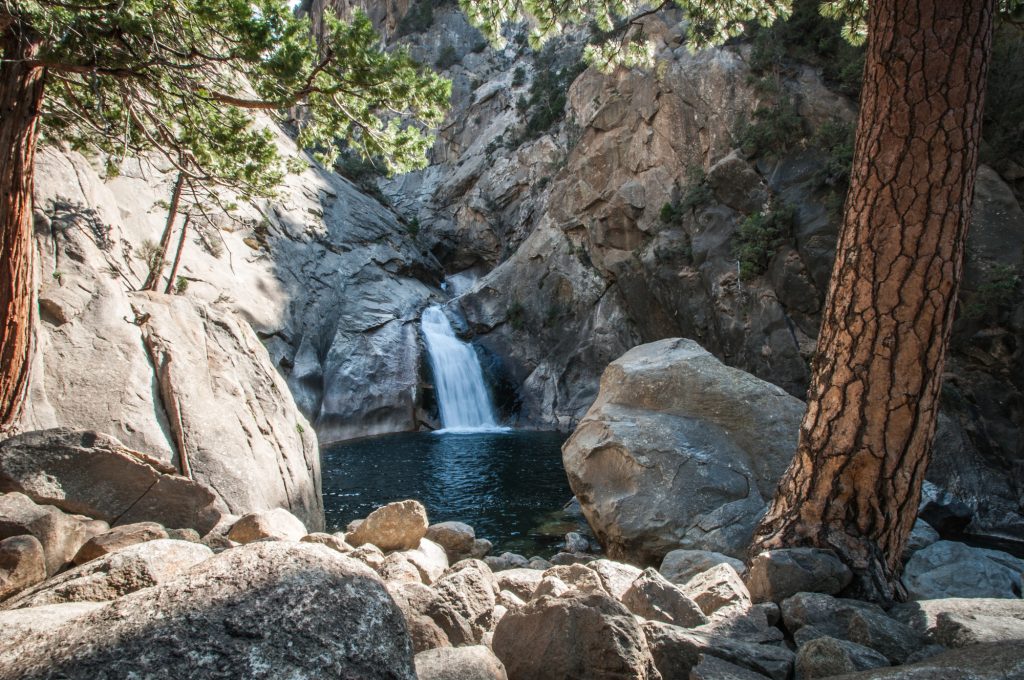
- Once you reach the end of the road, go on a hike! We suggest either Zumwalt Meadows and Roaring River Falls or Mist Falls.
- End the day at Hume Lake! This lake is just a 12 minute detour off the Kings Canyon Scenic Byway. Here you can find a campground, the Hume Lake Loop Trail, and the Hume Lake Snack Shop. Make sure to stop here for burgers, fries, and delicious handspun milkshakes!
Note: Highway 180 (Kings Canyon Scenic Byway) is typically closed just past the Hume Lake turnoff from late October until late April. Make sure to check its status in advance!
Where to stay
We suggest staying in either the northern part of Sequoia National Park or in Kings Canyon National Park for both days of this itinerary! Wherever you chose to stay after days 2 and 3 will work for these days as well, as everything is close to one another.
Day 6: Drive to Yosemite National Park

Today you’ll make the drive from Kings Canyon National Park to Yosemite National Park! The route and distance of this drive heavily depends on where you’re staying to visit the park. But it will likely be anywhere from 2-3.5 hours!
Where to stay
Figuring out where to stay in Yosemite National Park can be a tough decision. While the park itself has many lodging options, they sell out instantly, leaving most visitors to find lodging outside of the park. And there are quite a few neighboring towns and communities to choose from!
How many days you have in the park and what areas you plan to explore will play a big factor in choosing where to stay. In our where to stay in Yosemite National Park guide we break down all of the options (for all budgets!), their distances from different areas of the park, plus things to consider when choosing which spot is right for you.
We would suggest staying in one spot for your entire time in Yosemite. This will mean that some days you’ll drive more than others, but it will reduce the hassle of packing up and moving around.
Days 7-9: Yosemite National Park

Yosemite is the 6th most visited National Park in the United States. And it’s easy to see why!
With towering granite peaks and sheer cliffs, impressive waterfalls, wildlife, giant sequoias, scenic drives, and stunning lakes, the park is considered by many to be the most beautiful in the country. Us included! We have been fortunate enough to visit Yosemite National Park multiple times, spending over a week in the park across both visits. And it never fails to take our breath away!
The park is split up into 5 major areas: Yosemite Valley, Glacier Point, Wawona and Mariposa Grove, Hetch Hetchy, and Tioga Road. Each area offers a different experience and vantage point of the park.
And with three days in Yosemite you can experience a lot of what it has to offer. But for even more ideas, check out our guide with the best things to do in Yosemite National Park!


First day itinerary
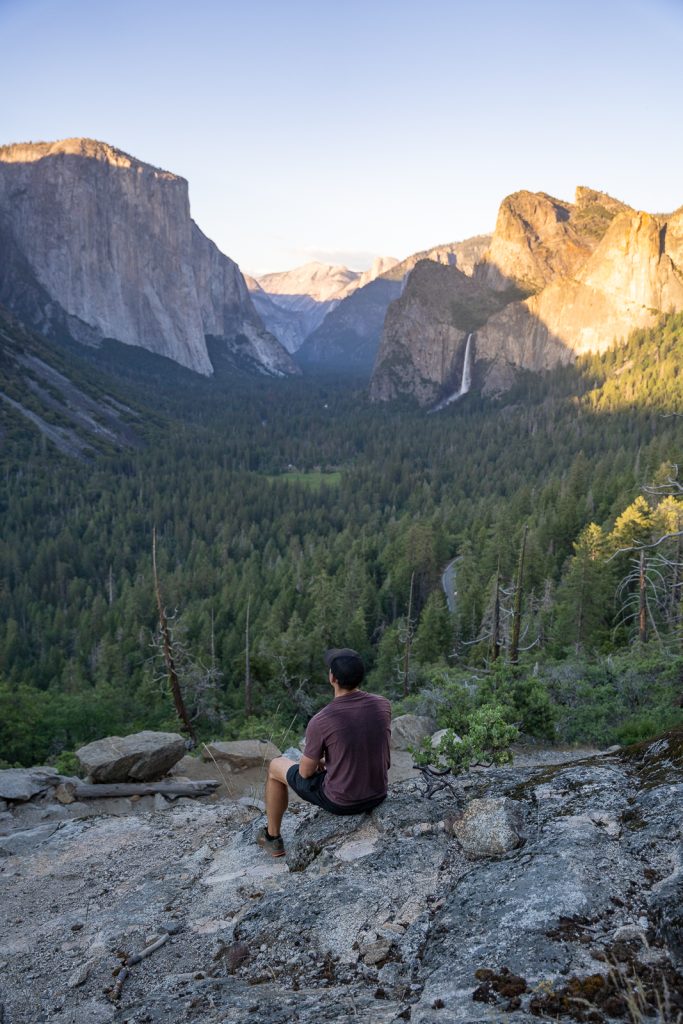
- Watch the sunrise at Tunnel View, one of the most breathtaking views in the park!
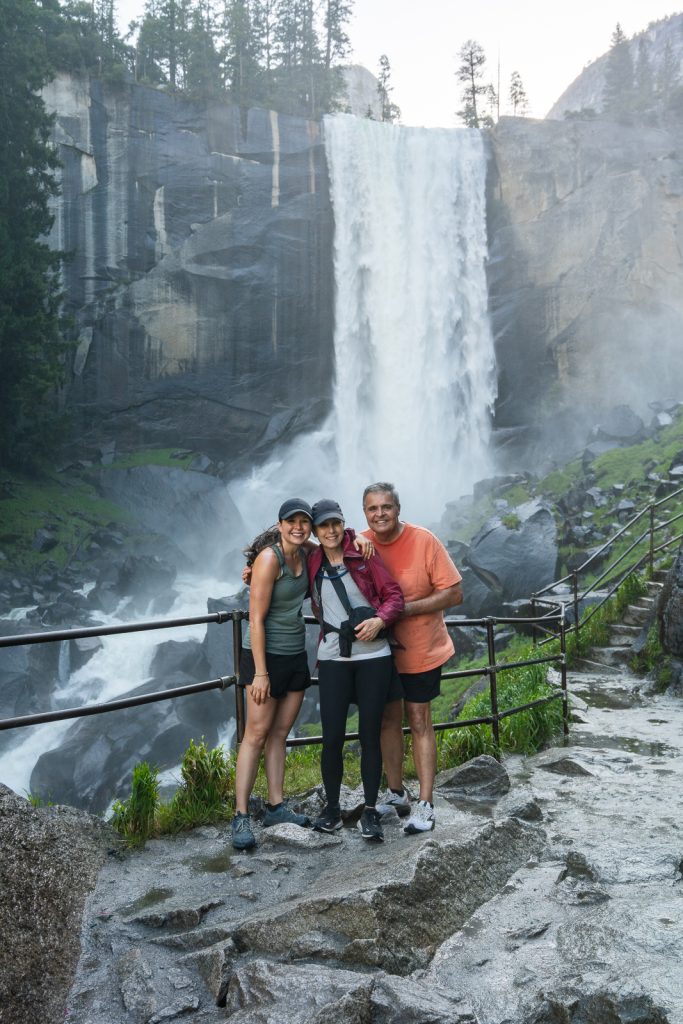
- Right after sunrise, start your hike on the Mist Trail to Vernal and Nevada Falls! This is one of the most popular hikes in the park, so it gets busy very fast. But for good reason! Along the way you’ll climb to the top of both Vernal and Nevada Falls. And get misted (or soaked) by Vernal Falls along the way!
- Spend the rest of the day exploring Yosemite Valley! There is a lot to see and do across the valley, which can be enjoyed by walking or riding a bike (the park has bike rentals and free short term bike shares!). Below are some of our favorite spots to check out!
- Walk the Lower Yosemite Falls Trail to see Yosemite Falls. This is an easy, paved hike (that is dog friendly!) and is a must-see in the park. It can be very busy though, so be prepared!
- Check out the Swinging Bridge. This idyllic bridge passes over the Merced River with views of Yosemite Falls.
- Head to Sentinel Beach, where you’ll be surrounded by towering cliff faces including Sentinel Rock. This is a great spot for a picnic!
- Grab a treat at the Village Store. They have cold drinks, snacks, plus most importantly, pints of ice cream! You can also explore the Yosemite Museum and Ansel Adams Gallery along the way.
- Check out El Capitan Meadows. Be sure to watch Free Solo before you visit the park to truly appreciate this spot! If you have binoculars you’ll easily be able to see climbers on the wall. And please, ONLY stick to established paths, to protect the terrain.
- Valley View is another gorgeous, quick viewpoint of the Yosemite Valley that you can drive to.
- For sunset, either hike up to Artist Point or revisit Tunnel View. While you won’t see the actual sun set at either of these spots, you will get to see a beautiful alpenglow on the valley walls and Half Dome.

Second day itinerary
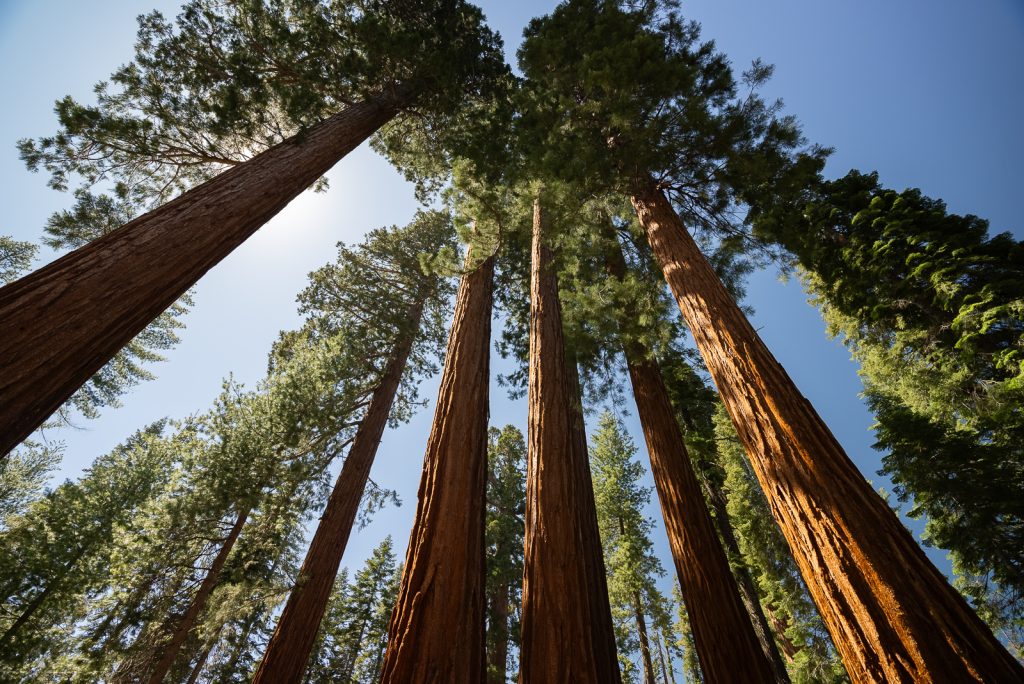
- Visit Mariposa Grove! This is the largest grove of Giant Sequoias in the park, with over 500 mature giant sequoias. To visit here, you’ll have to take the free shuttle that leaves from the Mariposa Grove Welcome Center. You can also hike to the grove or ride your bike on the road (both about 2 miles one way), but be warned it will be a steep climb back. Since Mariposa Grove shuttles don’t start until 8 AM, you can sleep in a little bit today!
- While there you can hike the Grizzly Giant Loop (2 miles), Guardians Loop Trail (6.5 miles), and Mariposa Grove Trail (6.7 miles).
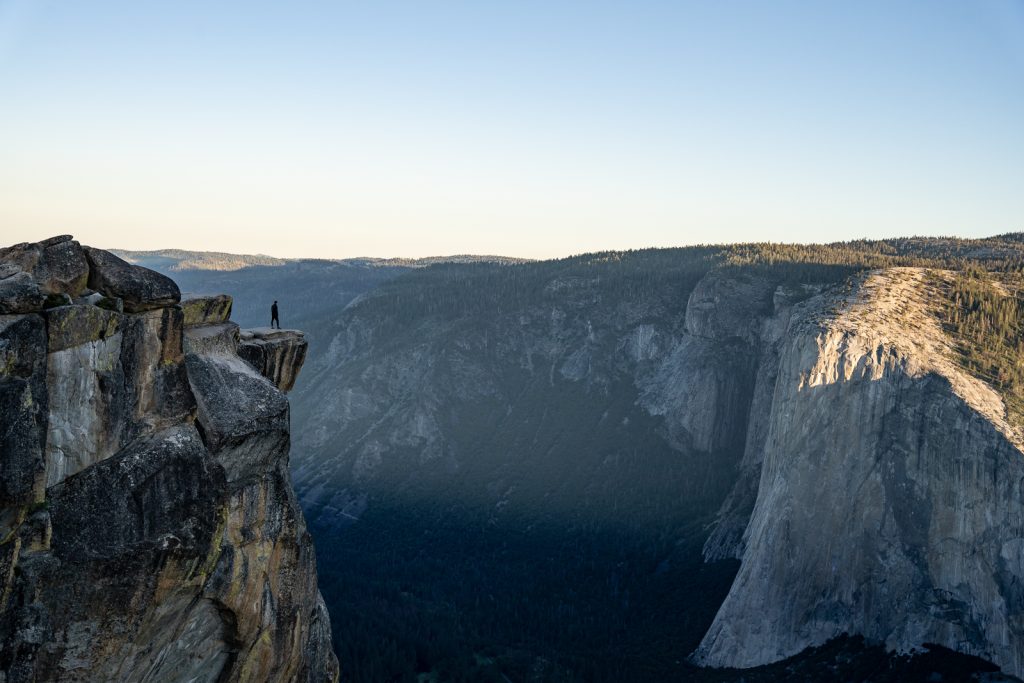
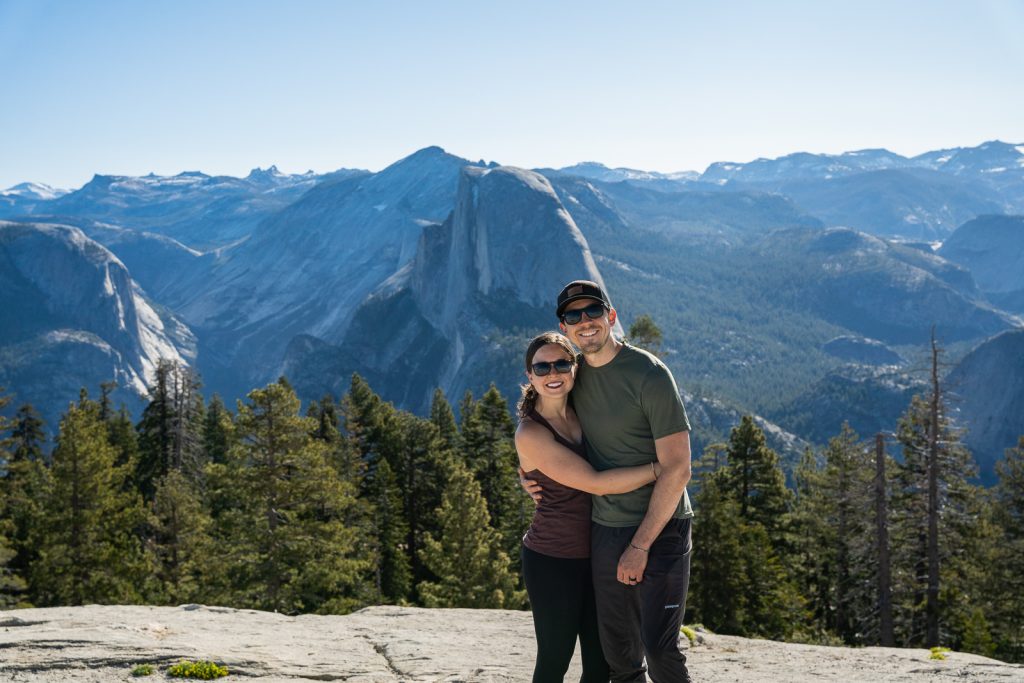
- Make the one hour drive to Glacier Point Road for the rest of the day! While here, make sure to visit Glacier Point, Taft Point, or Sentinel Dome (or both!). We’d suggest choosing one of these spots for sunset (Glacier Point is the easiest, as it requires no hike) and then visiting the others before sunset.


Third day itinerary
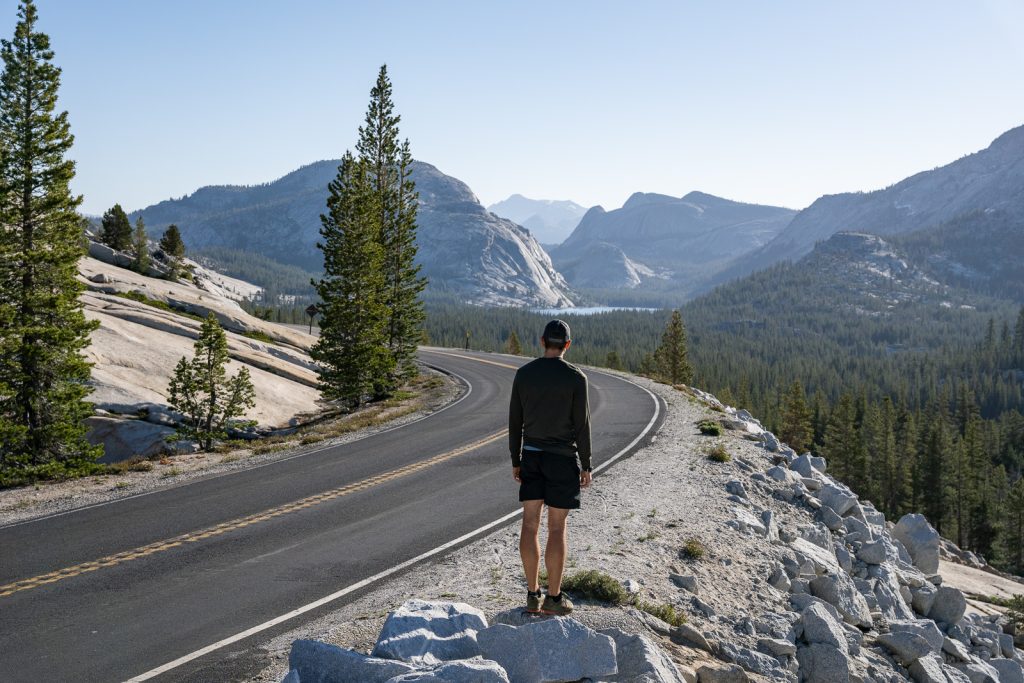
Today you’ll explore Tioga Road! This road runs from Crane Flat to Lee Vining in the Eastern Sierra and is California’s highest highway pass at 9,945 feet. It offers a totally different perspective of the park, plus has beautiful views of Yosemite’s high country, different lakes to explore, short hikes, and longer backcountry adventures.
However, this road is only open in the summer (usually June through October), with its opening date differing year to year, so be sure to check the conditions before your visit.
Some fun things to do include:
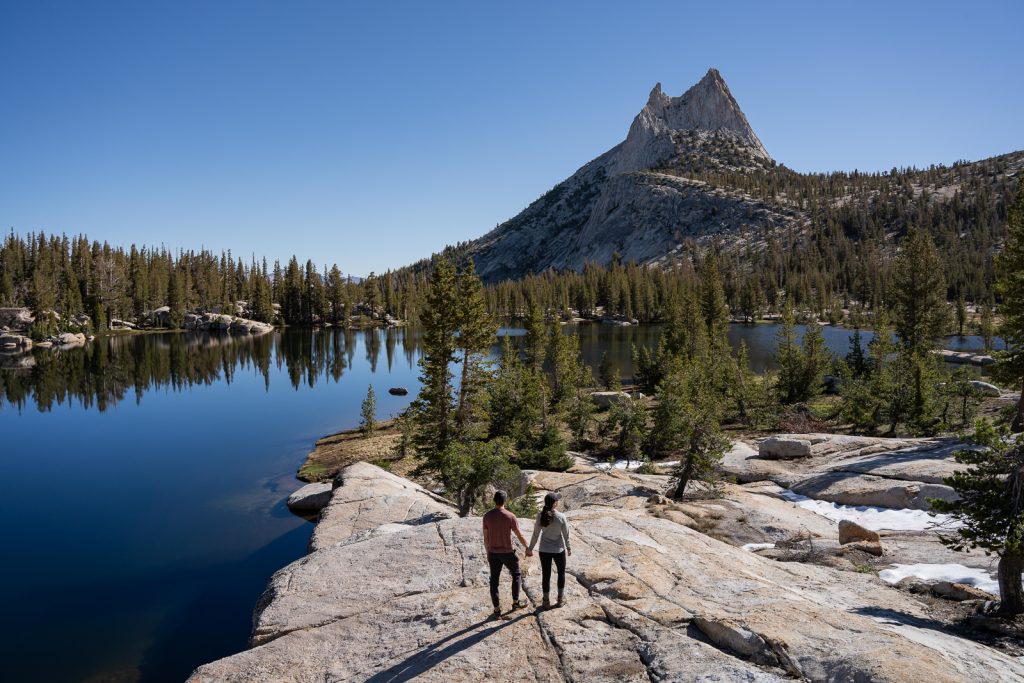
- Hike to May Lake for a short hike that combines forest, granite slabs, and a clear lake with a stunning mountain backdrop!
- See the views from Olmsted Point.
- Relax at Tenaya Lake, which is one of the most accessible lakes in the park. It makes for a great place to kayak, swim, or paddleboard. Or if you don’t have your own watercraft (there are no rentals near the lake), you can just enjoy a picnic here!
- Hike to Cathedral Lakes, one of our new favorite hikes in Yosemite!
- Visit Tuolumne Meadows, a wide open subalpine meadow with the Tuolumne River lazily winding through. A couple highlights here are walking to the footbridge and walking to Soda Springs and Parsons Lodge.
- To get a higher view of the Tuolumne Meadows hike to the top of Lembert Dome!
- The last stretch of Tioga Road leaves Yosemite National Park, as it makes its way down to Lee Vining. If you are able to continue further, we suggest stopping by Tioga and Ellery Lakes. And once making it to the end of the road, stop at Whoa Nellie Deli in the Mobil gas station for fish tacos!
Have more time? Visit the Eastern Sierra! This is our favorite part of California and is filled with alpine lakes, epic peaks, hot springs, and so much more. Check out our full guide to road tripping the Eastern Sierra for ideas!
Day 10: Travel home
And now for the sad part, heading home! For the quickest airport, we suggest flying back out of Fresno (FAT). But you could also head to one of the Bay Area airports and explore a bit of San Francisco along the way!
Northern California- Option #3
Closest airport: We suggest flying into San Jose (SJC) or San Francisco (SFO) and flying out of Sacramento (SMF).
Time needed: 10 days
Hours of driving: 19 hours
Best months: Redwoods and Pinnacles are both great in the winter and spring, but Lassen Volcanic is best in the summer. This itinerary below is focused on visiting during the summertime or fall. If you decide to do this road trip in the winter or spring, check out our guide to Lassen Volcanic in the off season! You will likely only need one day in the park in the winter/spring due to closures.
Day 1: Arrive in San Jose or San Francisco

To start your Northern California National Parks road trip, fly into San Jose (SJC) or San Francisco (SFO). And then make your way to Pinnacles National Park, which is about 1.5-2 hours from the airport. If you arrive early enough, we’d suggest exploring the Bay Area a bit. Or driving down some of the coast!
Where to stay
There aren’t that many great options for lodging when visiting Pinnacles National Park. But for those looking to stay in a hotel, the town of Hollister will be your best bet. They have a Holiday Inn Express & Suites and Fairfield Inn & Suites, which are about a 45 minute drive to the park.
For campers, there is one campground on the east side of the park, the Pinnacles Campground. They have both tent and RV sites, plus tent cabins. We personally camped at the Hollister Hills State Vehicular Recreation Area, which is an OHV campground (so expect noise) that costs $10 per night.
Important Note: Pinnacles National Park has both a west side and east side. And there is no road in the park connecting the two! Driving between the two entrances takes 1.5 hours, so it’s important to go to the correct side. For this California National Parks road trip itinerary, we suggest going to the east side.
Day 2: Pinnacles National Park


Despite being California’s smallest National Park, Pinnacles National Park packs quite the punch! The park gets its name after its rhyolite rock pinnacles, which formed from a volcanic eruption 23 million years ago, plus erosion by wind and water.
But beyond these pinnacles you can also find caves, mountain views, and California Condors. Which are one of the largest flying birds in the world, with a 9.5 foot wingspan!
Itinerary
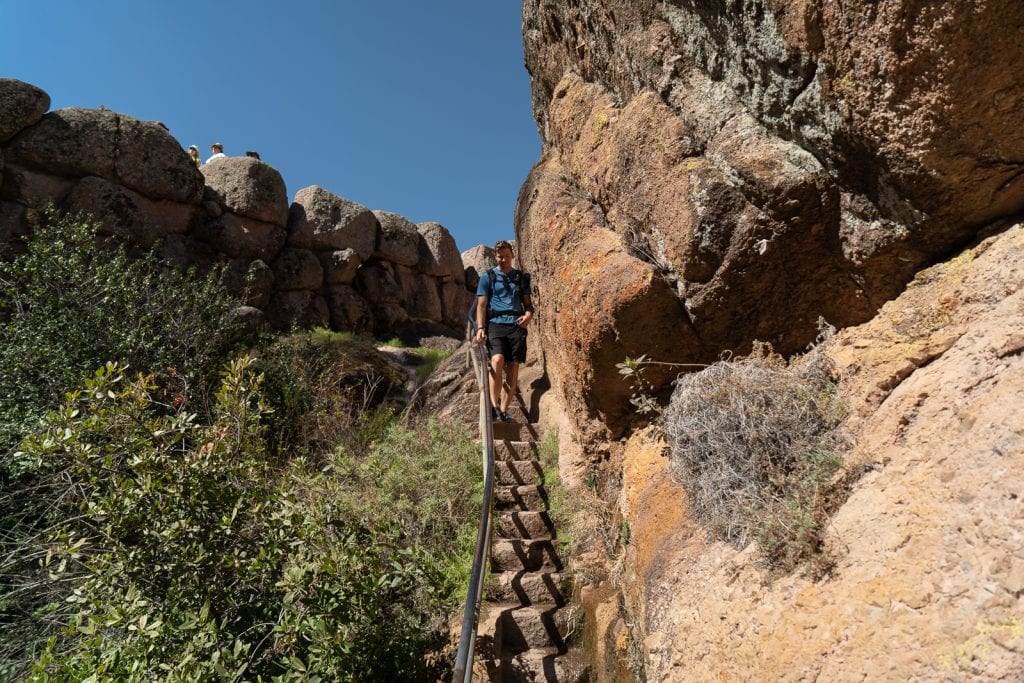
For the ultimate one day in Pinnacles National Park, hike the Bear Gulch Cave, High Peaks Trail, & Condor Gulch Trail. Along this almost 5.5 mile hike you’ll wander among the park’s iconic rock pinnacles, hike up rock steps and ledges, visit a reservoir, and explore caves. And if you’re lucky, spot California condors!
It is such a fun mix of sights and activities. But there is a lot to know before you go, including cave closures. So for more details on the hike and what to expect, check out our full trail guide!
Where to stay
From Pinnacles National Park to Redwood National & State Parks it’s about a 7 hour drive. So if you start the hike early, you could definitely do a portion of this drive this afternoon. We’d suggest stopping in San Francisco for the night for a fun city adventure. You can see all of our San Francisco recommendations in this guide!
Or you can opt to stay in Hollister or in the park and do the drive the next day.
Day 3: Drive to Redwood National & State Parks

Since it’s a bit of a drive from Pinnacles National Park to Redwood National & State Parks, we suggest doing part of the drive the day before. But if you’d rather knock it out in one drive, make sure to start early, so you have plenty of daylight and time to stop for breaks (Palace Market is a good stop for Buffalo milk ice cream!).
The most direct route does not go along the coast. But don’t worry, you’ll get some coastal views within the park itself!
One important thing to note about visiting Redwood National & State Parks is that it’s a system of 4 parks: Redwood National Park, Jedediah Smith Redwoods State Park, Del Norte Coast Redwoods State Park, and Prairie Creek Redwoods State Park. These parks are jointly managed by both the National Park Service and California State Parks. And all of them are worth a visit!
Also, Redwood National Park is FREE to visit, but some areas within the state parks do have a fee, including Gold Bluff Beach and Fern Canyon at Prairie Creek Redwoods State Park. However, the state parks within Redwood National Park are the only state parks in California that do accept the America the Beautiful pass.
Where to stay
Since Redwood National & State Parks consists of multiple parks and is pretty spread out, figuring out where to stay is difficult, as there isn’t one obvious spot!
For those camping, there are four developed campgrounds in Redwood National Park, spread out among the state parks, which you can reserve on Reserve California.
If you’re looking for a hotel, Roosevelt Base Camp is a cool option right in Orick, which is on the south end of the parks. They renovated an old motel and it looks beautiful! A more central option is the Holiday Inn Express (Klamath). You can also find lots of vacation rentals in the nearby towns!
Days 4 & 5: Redwood National & State Parks


Over the next two days you’ll explore all of the parks within Redwood National & State Parks. You’ll hike among giant trees, explore the coast, and wander through a magical canyon. There are countless things to do in the park, but these are our absolute favorites!
First day itinerary
- Kickoff your time in the park by seeing the iconic Redwoods! We suggest starting with either Prairie Creek Trail and Foothill Trail Loop or the Tall Trees Grove Loop. The Tall Trees Grove Loop does require a free permit to hike (only 50 parties a day) and requires driving a 6 mile narrow gravel road. RVs must be less than 21 feet long and trailers are not allowed.
- Look for elk at Elk Prairie in Prairie Creek Redwoods State Park.
- If you have time to see more redwoods, hike the Trillium Falls Trail.
- Visit Gold Bluffs Beach, which is one of the few dog friendly spots in the park! There are vehicle restrictions (24 feet) to visit this area as well. And timed entry permits are required to visit between May 15 and September 15, unless you’re camping. These permits are free and can be obtained here.
- Since your permit for Gold Bluffs Beach also gets you into Fern Canyon, end the day by walking through Fern Canyon! This canyon feels like a fairytale, full of lush, green ferns, mossy walls dripping with water, and the peaceful sounds of a creek running through. To learn more about this canyon, check out our complete guide to hiking it.


Second day itinerary
- Start the day with a scenic drive! Along the way, check out the views from the High Bluff Overlook and Klamath River Overlook.
- Head to Del Norte Coast Redwoods State Park! While here, hike either the Damnation Creek Trail or the Coastal Trail and Yurok Loop. We loved this loop hike, as you’ll get to visit multiple beaches (including one that is hidden)! Make sure to pack a picnic lunch to enjoy at the beach, regardless of which trail you pick.
- Drive Howland Hill Road to Stout Memorial Grove in Jedediah Smith Redwoods State Park. This is one of our favorite hikes in the entire park to see redwoods!
- Grab dinner in Crescent City. We hear SeaQuake Brewing is good!
- Watch the sunset from a beach in Crescent City along North Pebble Beach Drive!
Where to stay
For these days, we’d stay in the same spot you stayed at for day 3! Unless you want to hop around between campgrounds or hotels to be close to the next day’s activities.
Day 6: Drive to Mt. Shasta, California
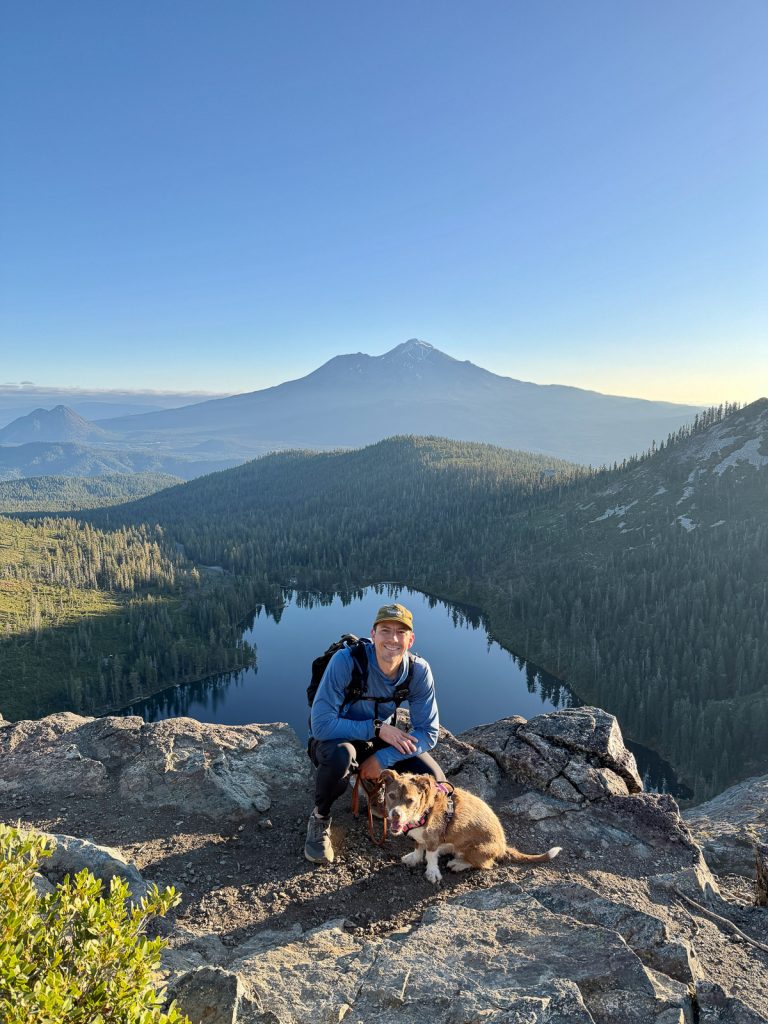

Today you’ll begin your drive to Lassen Volcanic National Park! It’s a 5 hour drive and if you have less than 10 days, you could drive straight there today and explore the park on days 7 & 8. But we suggest enjoying some of the sights along the way!
And today your goal is to get to Mt. Shasta, California, named after the striking 14,179 ft tall stratovolcano that towers over the area! This region is about 3.5-4 hours from Redwood National & State Parks (depending on where you’re coming from). We suggest getting an early start to your drive, so you have time to explore once you arrive!
Our top suggestions while in the Mt. Shasta area are to hike the Crags Trail to Castle Dome at Castle Crags State Park (an underrated GEM!) or the Heart Lake Trail.
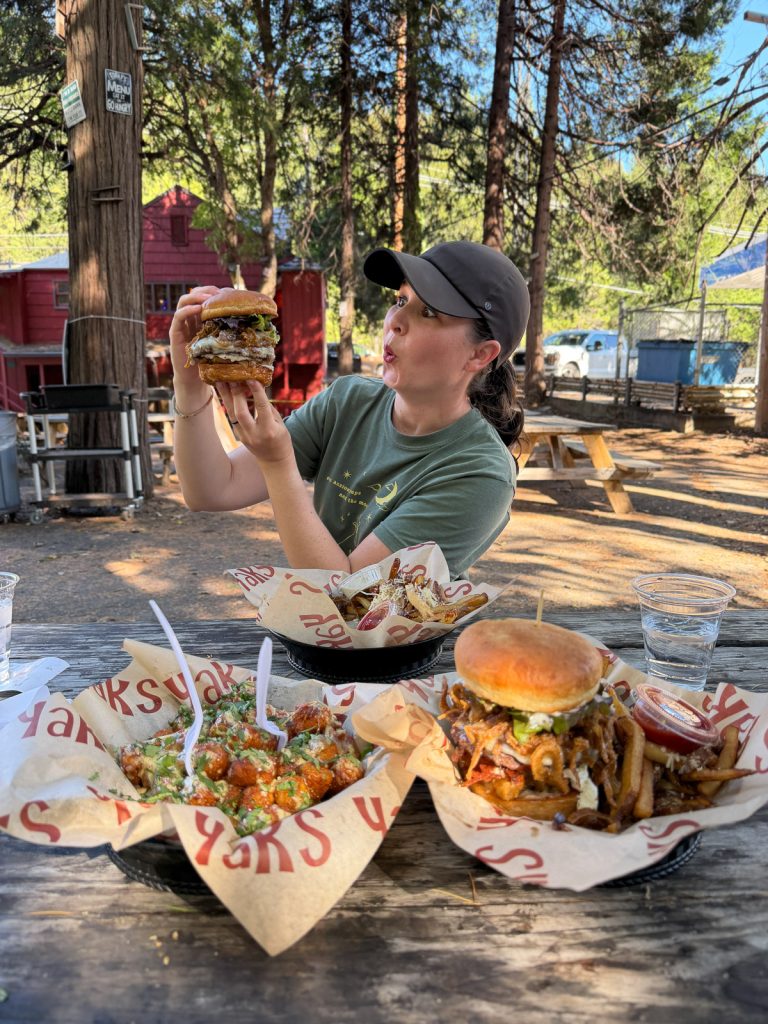
And you cannot leave the area without enjoying a burger at YAKS on the 5! It’s one of the BEST burgers we have ever had, with some fun and unique flavor combinations.
Where to stay
To give you as much time in the area as possible, we suggest staying near Mt. Shasta for the evening. For hotels, check out Basecamp Lodge, Mount Shasta Resort, Best Western Plus Treehouse, or the Inn at Mount Shasta. If you prefer to camp, Castle Crags State Park has campsites, plus you can find privately owned campgrounds, like a KOA, or the McBride Springs Campground in the National Forest.
Day 7: Explore Northern California


While the National Parks are beautiful, there are SO many epic spots people miss by only focusing on the parks. So as you continue your drive to Lassen Volcanic National Park, we suggest spending today visiting some gorgeous spots in Northern California.
Itinerary
- Start your day with coffee and breakfast burritos or sandwiches in Mt. Shasta at Drizzle.
- First up, hike the McCloud Waterfalls Trail, which takes you by three waterfalls, Lower McCloud Falls, Middle McCloud Falls, and Upper McCloud Falls. All of which are different from the others! You can drive to each waterfall or hike to them for around a 4 mile hike.
- Next, head to Burney Falls! This iconic waterfall is said to be the most beautiful in California. In fact, Teddy Roosevelt dubbed it “the eighth wonder of the world.” Here you’ll find dozens of spring fed waterfalls flowing 129 feet down moss covered rocks. It’s a magical sight! However, because of its beauty, it’s mega popular. So be prepared to wait for a parking spot ($10), since you’ll be arriving later in the day. Also, dogs are NOT allowed on the trail!
- Finally, head to Lassen Volcanic National Park! Check into your lodging and prepare for a fun couple days in the park.
Where to stay
Accommodations are a bit more limited in Lassen Volcanic National Park, but there are options for all types of lodging.
For those wanting a hotel or cabin experience, check out the Manzanita Cabins, Hat Creek Resort, Highlands Ranch Resort, and Tall Timbers B&B. The nearby city of Redding has a ton of hotels too (plus some fun things to do!)
And for the campers, the park has 8 campgrounds to choose from. Make sure to book in advance! The Manzanita Campground and both Summit Lake campgrounds would be our top picks for convenience. You can also find a KOA nearby, plus quite a few free camping options in the nearby National Forest!
Days 8 & 9: Lassen Volcanic National Park

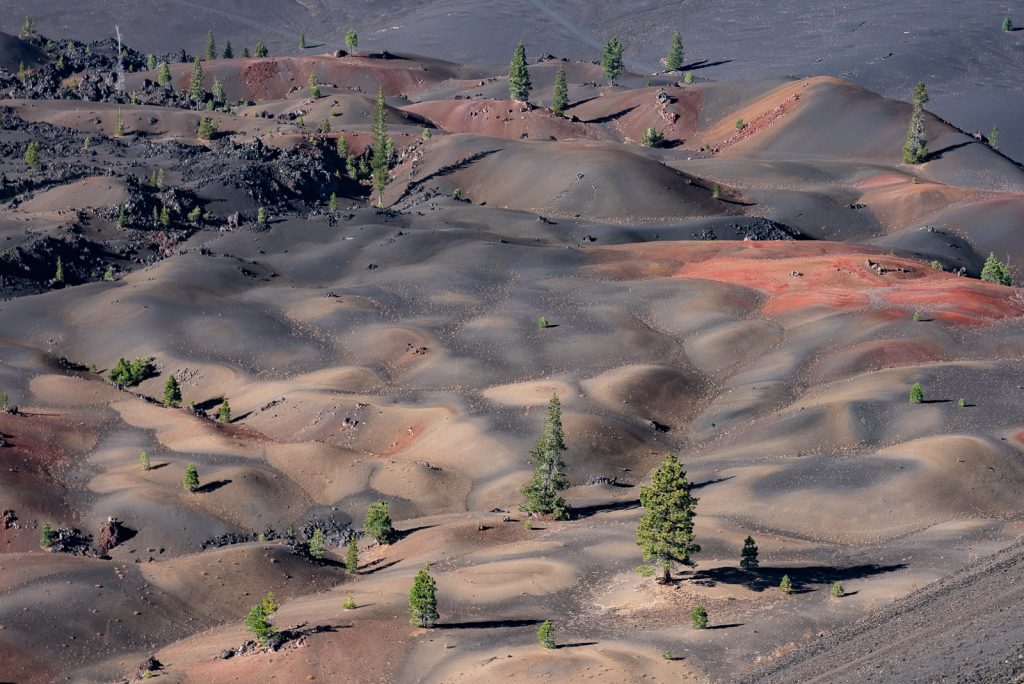
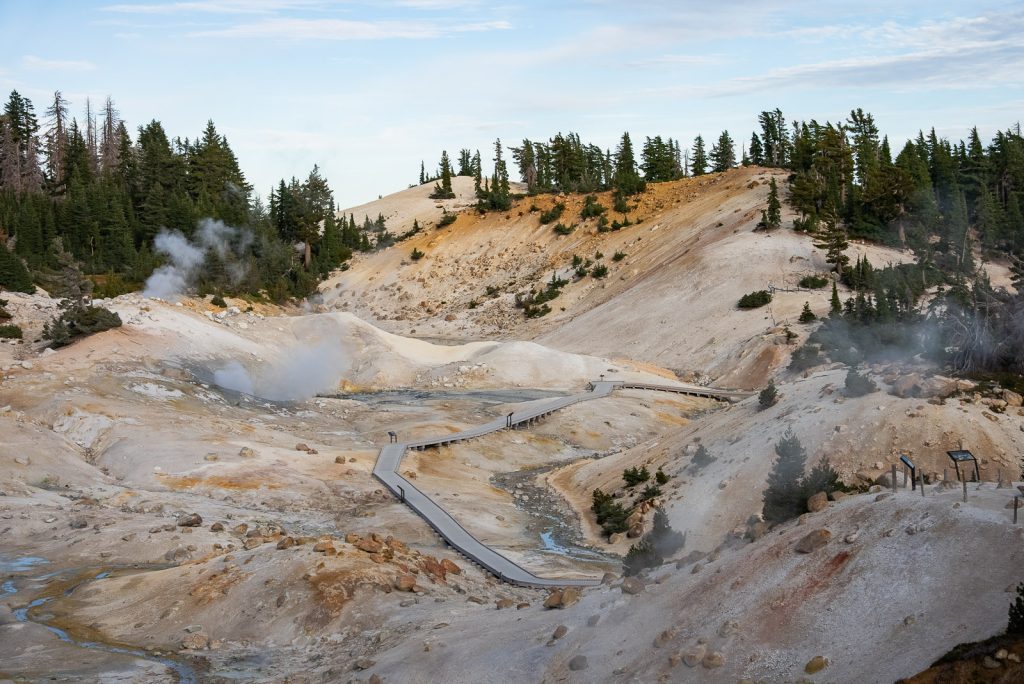
Lassen Volcanic National Park is an underrated gem among the California National Parks. This park is home to all four types of volcanoes found in the world. And here you can find volcanic landscapes, bubbling mud pots, steaming fumaroles, clear lakes, and epic peaks!
The park has two main entrances and to get between the two it’s only a 28 mile drive (which takes about 1 hour). However, the Lassen Peak Highway closes anytime from late October through mid November, depending on when the snow arrives. And it reopens typically in late May or early June (sometimes later depending on the snowpack). You can see the opening and closing dates from years past here. We have visited the park in both the spring, when most of it was closed, as well as in September. September is definitely our top pick if you want to experience it all!

First day itinerary
- Kick off your first day in the Manzanita Lake area! Start with a morning on the Crags Lake Trail. On this hike you’ll get to see some rugged peaks, potentially a lake (if it has water at the time), and the Chaos Jumbles rockslide, which occurred in the 1600s when rocks fell and slid down at 100 mph, wiping out the forest below.
- After your hike, head down to Manzanita Lake and walk the easy Manzanita Lake Loop! You get some great views of Lassen Peak from the northwest side of this hike.
- While in the area, visit the Loomis Museum, which shares more about the park’s volcanic history. And pick up an ice cream treat at the Manzanita Lake Camper Store.
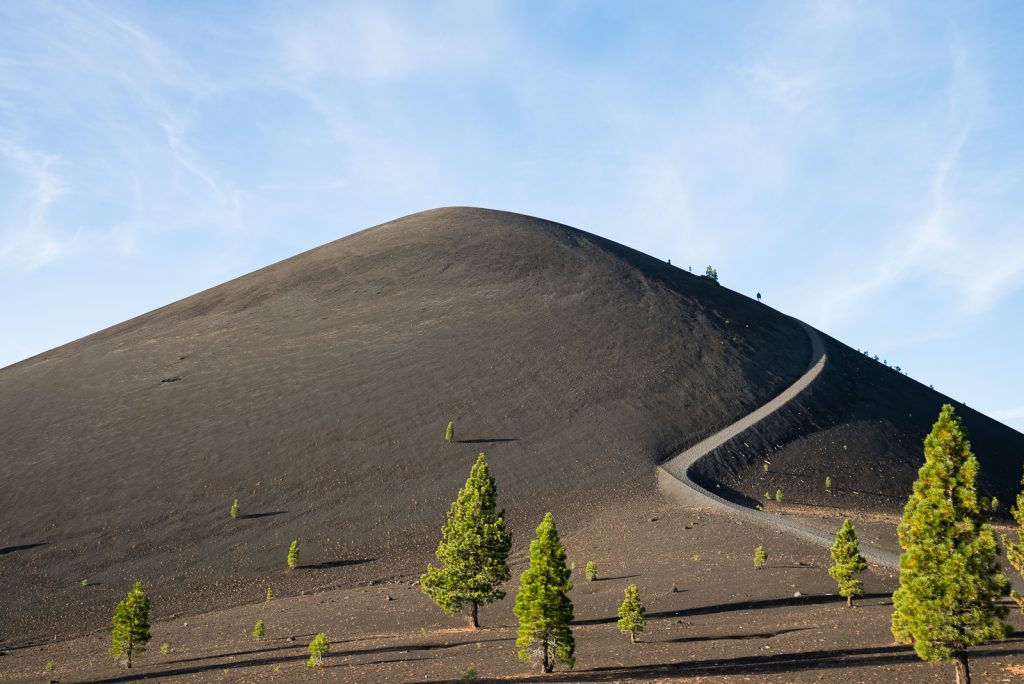
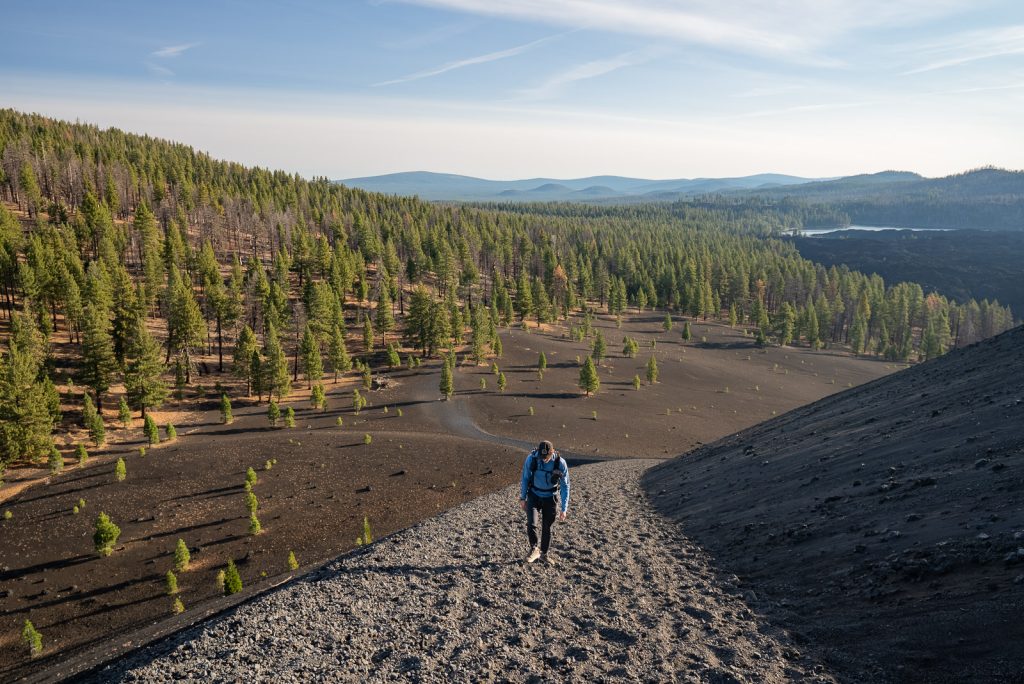
- If you don’t mind a bit of a drive, head about an hour northeast to the Cinder Cone Trail. On this hike you’ll get to climb to the top of a cinder cone!
Second day itinerary
For this day, you have a couple options, depending on how much you want to hike and your fitness level! Here are a handful of trails we’d suggest mixing and matching to make your perfect second day at Lassen Volcanic.
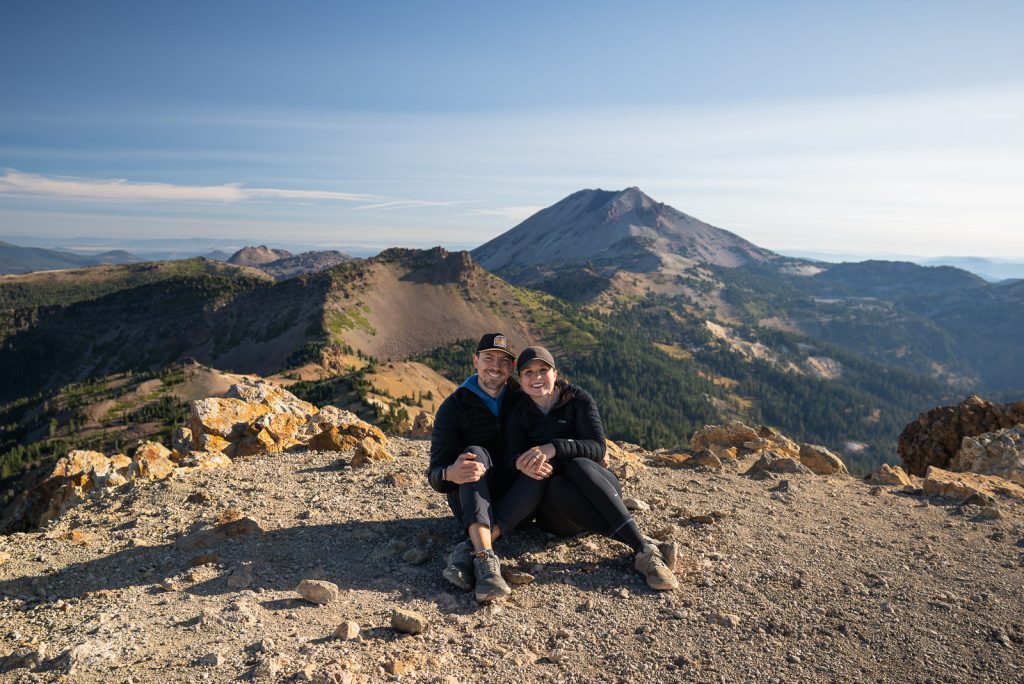
- One of the top hikes to do at Lassen Volcanic is Lassen Peak! This is the park’s iconic volcanic peak, which stands at 10,457 feet tall. It’s only a 5 mile hike, but you will gain almost 2,000 feet. Combine that with the higher altitude and it is pretty tough.
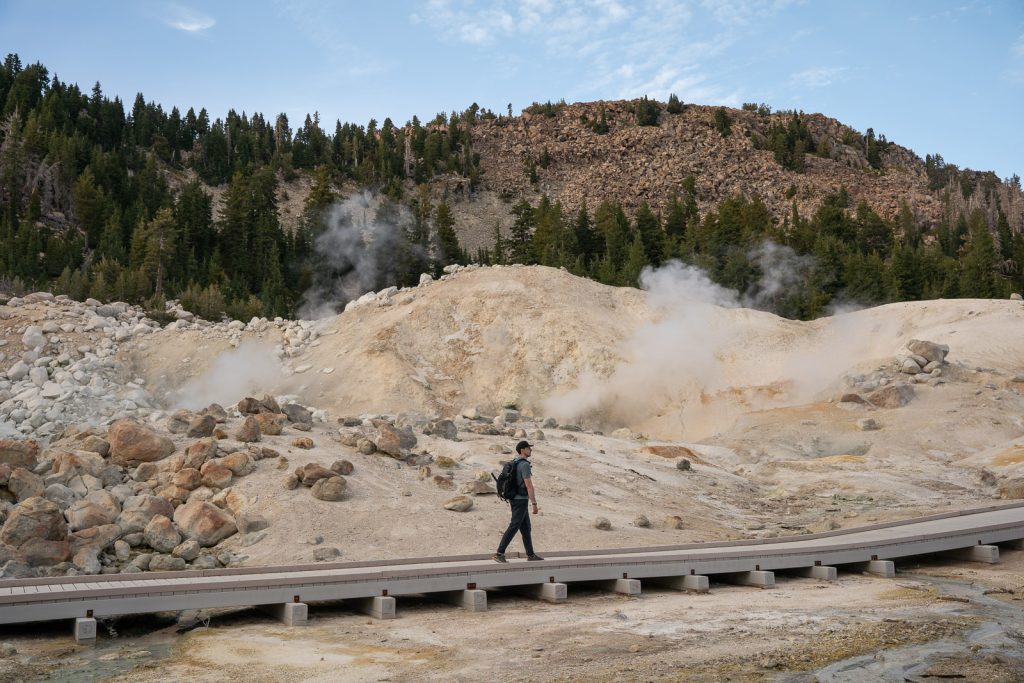
- For the ultimate geothermal experience, hike the Bumpass Hell Trail. Not only is the name pretty fun, but along this 3 mile hike you’ll get to see bubbling mud pots and steaming vents. It feels like a mini Yellowstone National Park! You can also take the Cold Boiling Lake Trail to get there.
- If you want an easier geothermal experience, check out Sulphur Works. This is just alongside the road, but is a good, quick option.
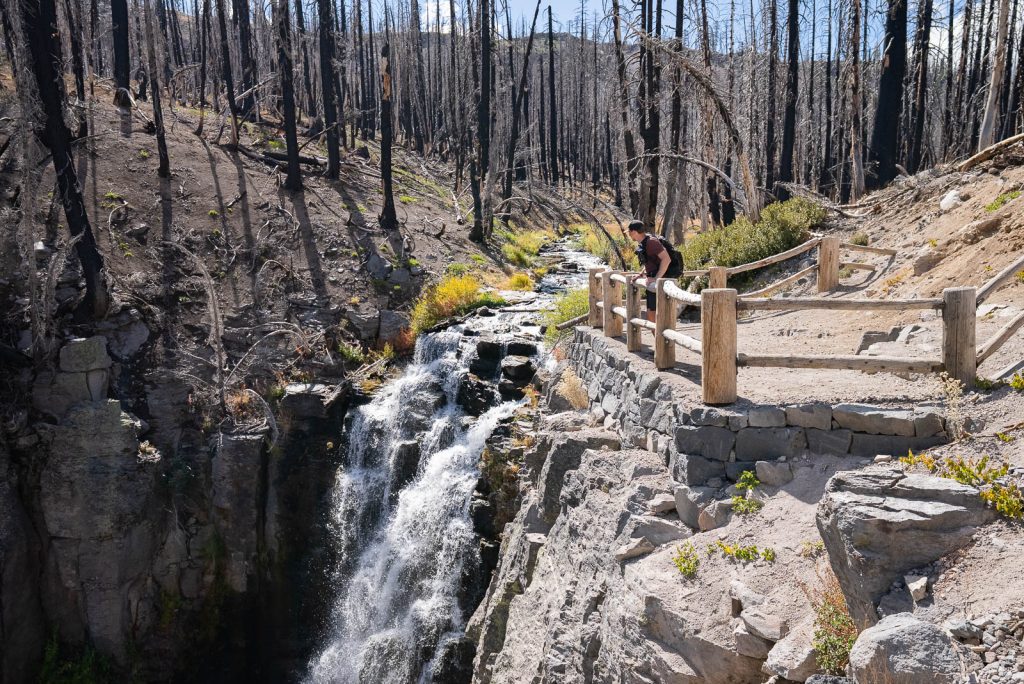
- For something different, head to the Kings Creek Falls Trail to see a waterfall! This trail does go through a burned area, so keep that in mind.
- Another tough hike to tackle is Brokeoff Mountain. This is a longer hike than Lassen Peak, but the perk is that you can see Lassen Peak from the top! And even Mount Shasta if it’s a clear day.
Where to stay
We suggest staying in the same spot as you did on day 7, when you arrived at Lassen Volcanic National Park.
Day 10: Travel home
And now it’s time to head home (or wherever your adventures take you next)! The most convenient airport to fly home from will be Sacramento (SMF). But if it’s cheaper, you could also fly back out of San Jose (SJC) or San Francisco (SFO).
When is the best time to go on a California National Parks road trip?

While some parks, like Channel Islands, are doable year round, others, like Death Valley, are unsafe to visit during specific times of the year.
Because of this, visiting all of the California National Parks in one road trip is pretty tricky and not recommended by us. You would have less than ideal conditions in some of the parks and may not get to experience the park’s full beauty or top sights.
Here’s which itineraries we recommend based on the season!
Winter: Desert & Coast itinerary or Northern California itinerary (with some adjustments for Lassen Volcanic)
Spring: Desert & Coast itinerary or Northern California itinerary (with some adjustments for Lassen Volcanic)
Summer: Sierra Nevada itinerary or Northern California itinerary
Fall: Sierra Nevada itinerary or Northern California itinerary
Tips for your California National Parks road trip
You will need a car
This may seem obvious, but you will need a car for your California National Parks road trip, whether that’s your own or renting a car. However, you not only need a car to get between the parks, but for many of the parks you will need a car to get around. Most of the parks do not have a shuttle system!
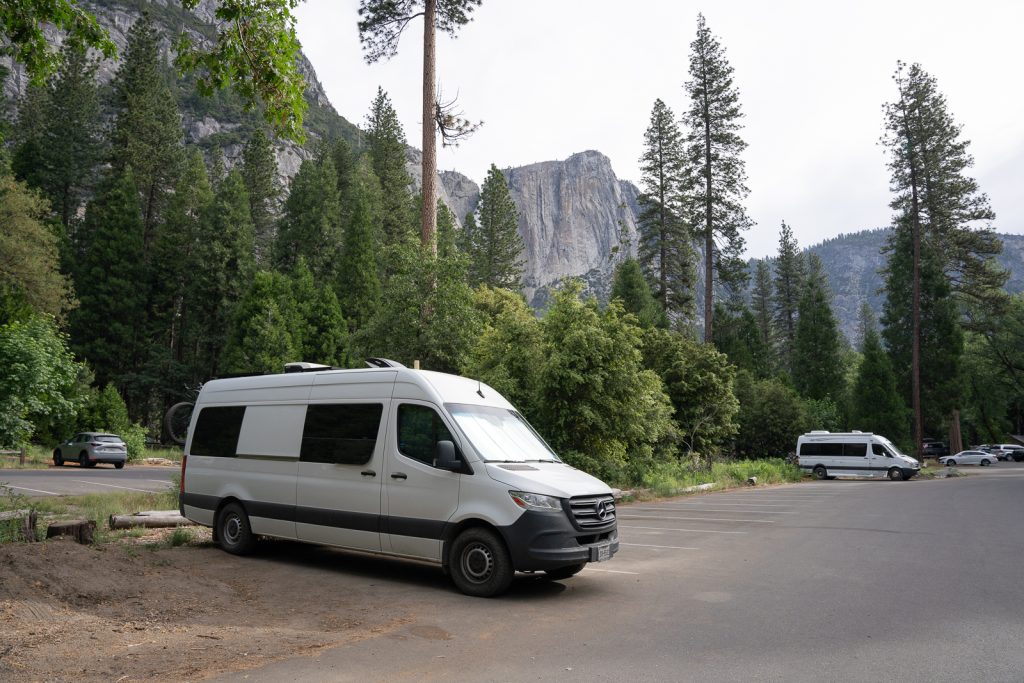
Any type of car will work just fine for the activities listed in the itineraries above. The only thing to consider is if you have an RV, as some parks have length restrictions or may not have enough parking for larger vehicles.
Reservations may be needed
A couple of the California National Parks require reservations to visit. Yosemite National Park requires a timed entry reservation during specific times of the year. You can see the exact time frame and how to get a reservation here. Channel Islands National Park also requires you to book a boat tour in advance.
For all parks, if you plan to stay at park lodging or campgrounds, make sure to book well in advance. These typically sell out quickly!
Make sure to pack food
While some of these parks offer general stores, restaurants, or are close to towns to get food, overall most of the California National Parks are pretty remote. We suggest packing your own lunches and snacks to stay fueled up during your days in the parks!
If you’re driving to the parks, bringing a cooler will be super handy. We have also checked a cooler on an airplane before, filling it with some items to double it as luggage.
To see what food items we like to bring hiking, check out our go-to hiking snacks!
Start early
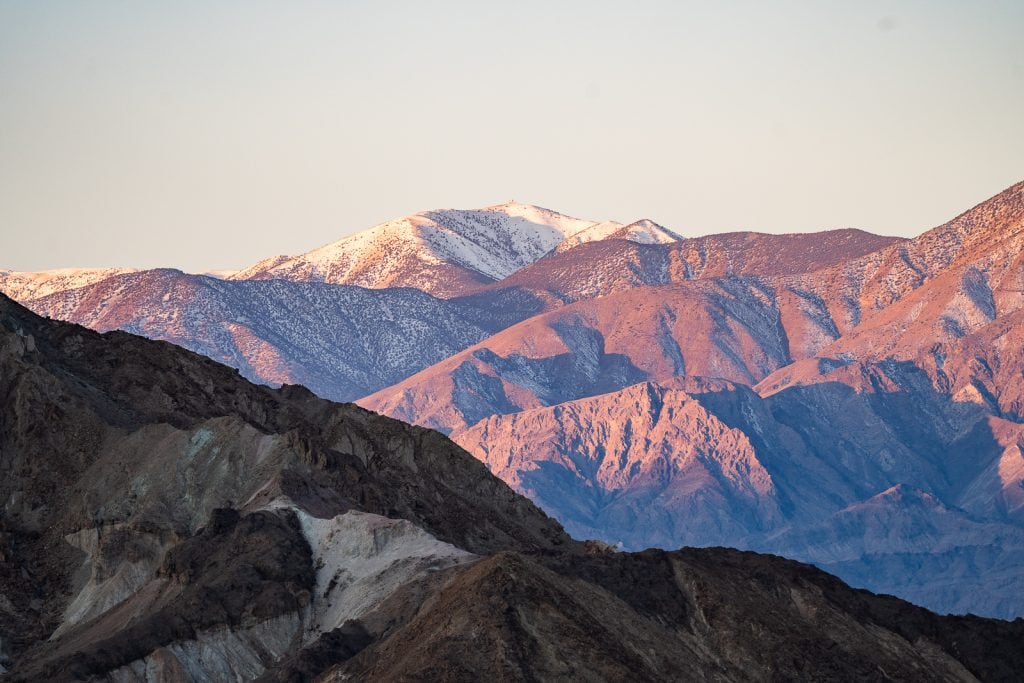
Our biggest tip for visiting any National Park is to start your days early! Parking at Yosemite National Park fills up by 9 AM usually, with other parks experiencing similar crowds during peak season. We always try to start our days in the National Parks at sunrise. Not only do we get to experience a bit more solitude on the trails, but the early morning light is stunning.
America the Beautiful pass
Each of these National Parks has a fee to enter, minus Channel Islands, which only has a boat tour fee. The fees range from $30-$35 per vehicle for a set number of days.
Since you’ll be visiting multiple parks on your California National Parks road trip, get the America the Beautiful Pass! For $80 you get unlimited access to any federally managed site (including National Monuments and Forests) for a year.
Dog friendliness
Unfortunately for our furry friends, National Parks are not very dog friendly. All of these parks do NOT allow dogs on trails, minus some of the beaches at Redwood National and State Parks. Typically dogs are only allowed at paved overlooks, parking lots, and at campgrounds. Make sure to check the rules before bringing your dog and ensure you have a safe place for them to hang out.
Curious what we do with Kona when she can’t join us? We share all of our tips here!
Save these California National Parks road trip itineraries