Last updated on December 17th, 2025
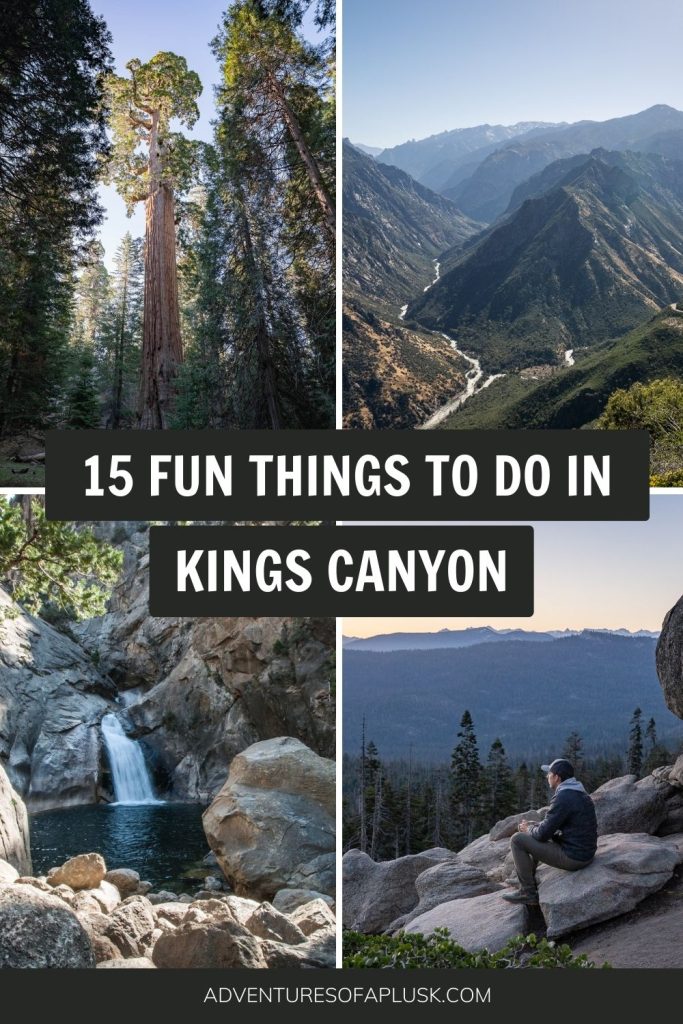
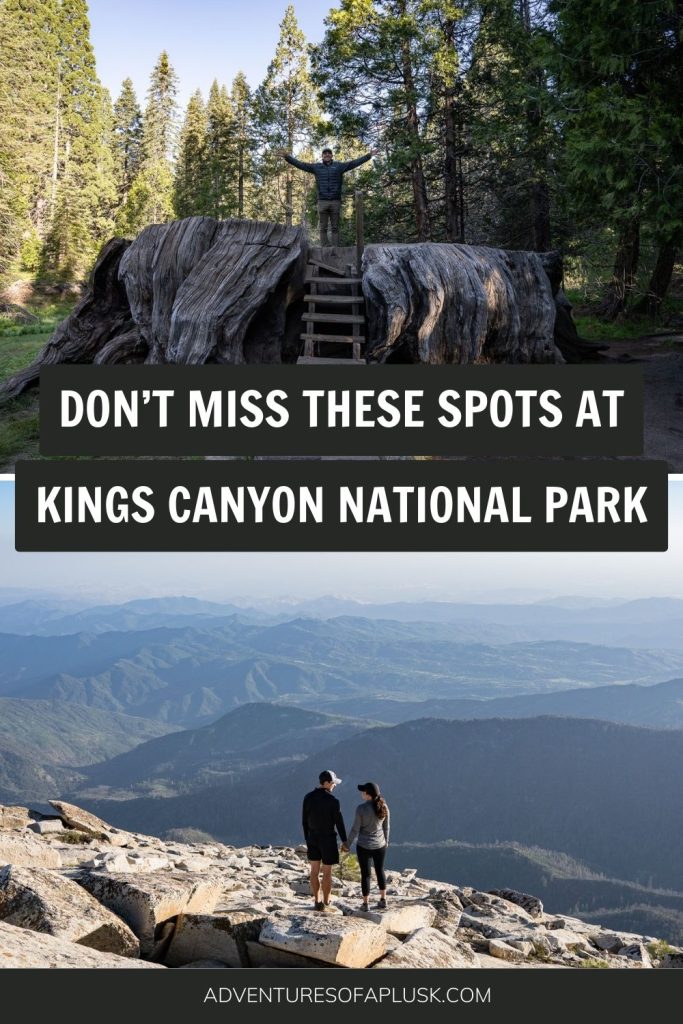
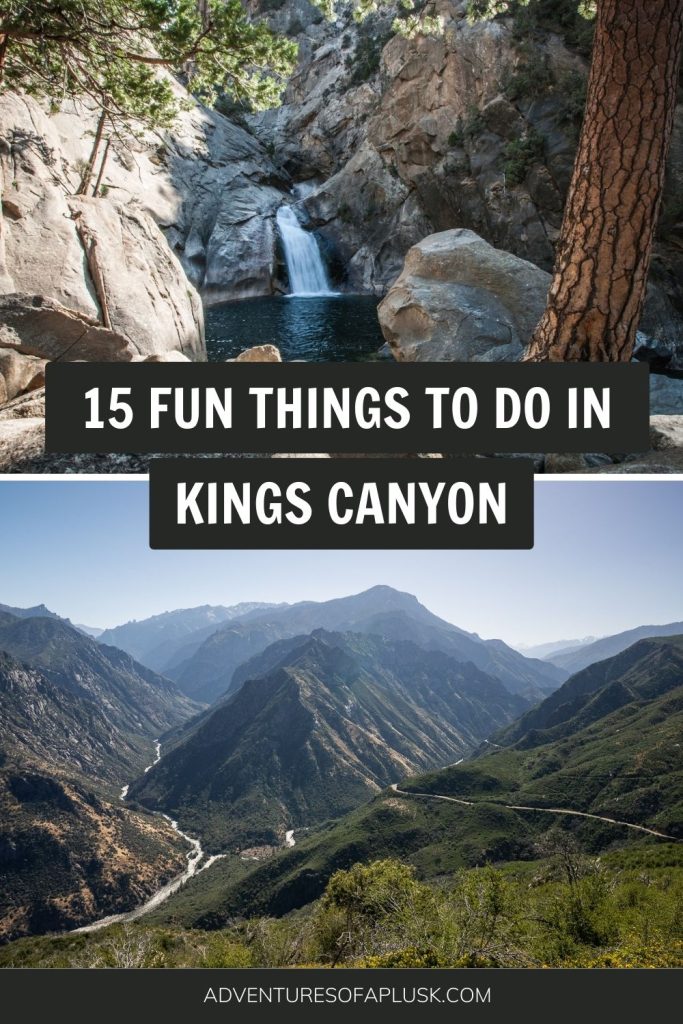
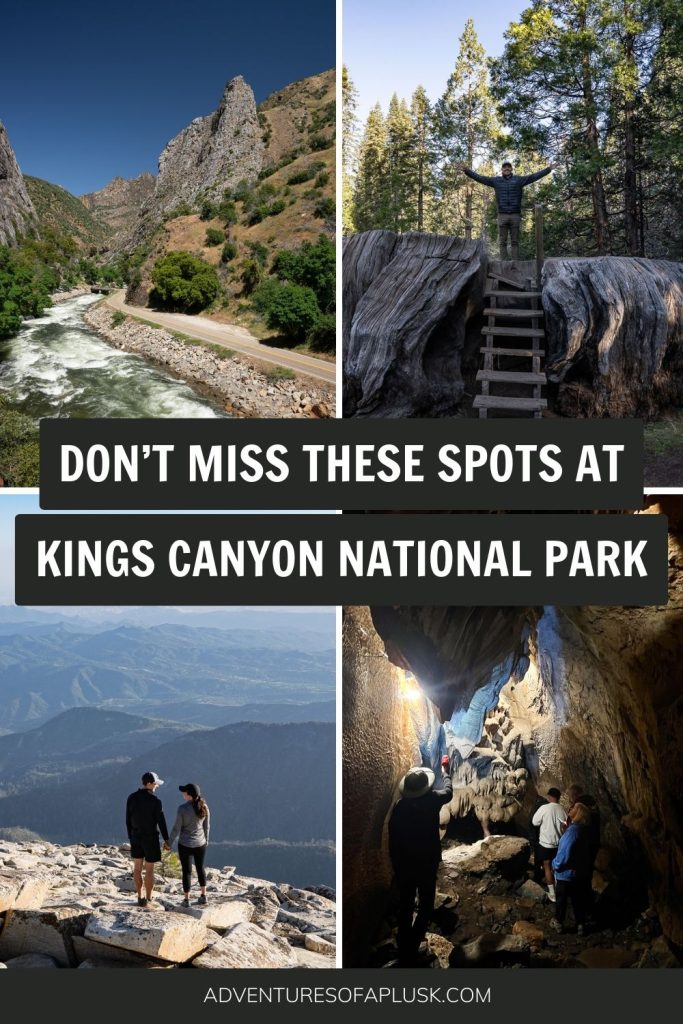
Looking for the best things to do in Kings Canyon National Park? We’re sharing our favorite hikes and quick stops, plus tips to help you plan your own trip!
Compared to some of the other California National Parks, we hadn’t heard much about Kings Canyon before visiting. And wow, this park totally blew our (admittedly low) expectations out of the water!
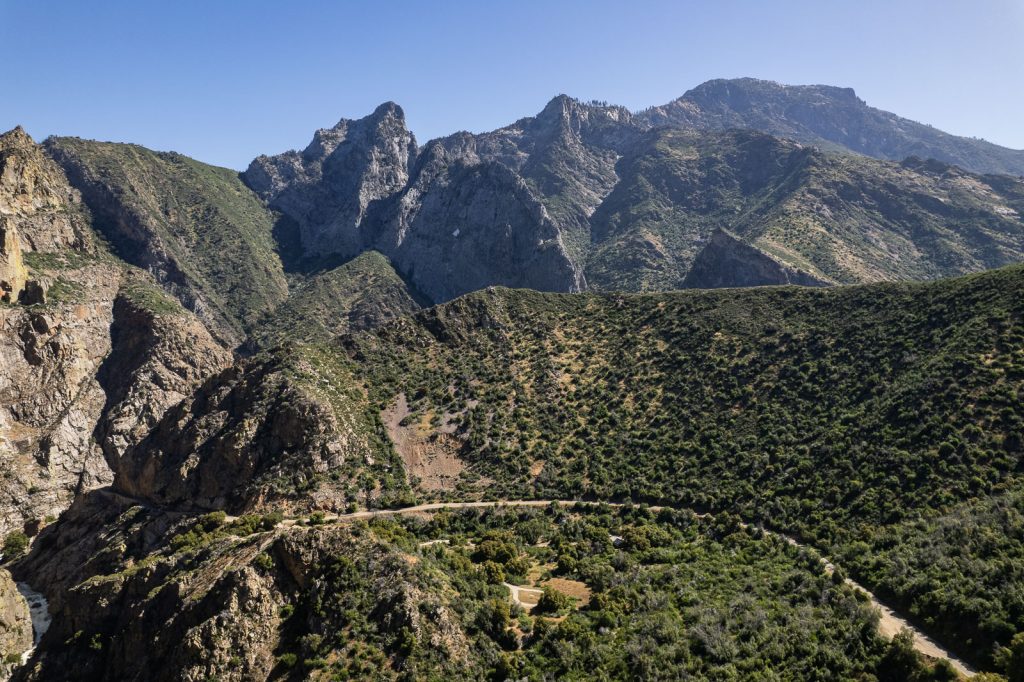
Not only can you wander among Giant Sequoias here, but you can also go on an epic scenic drive through the park’s namesake Canyon, hike to gorgeous mountain views, and see multiple waterfalls. Plus there are some fun things to do close by, like a cave and beautiful lake (with killer milkshakes), that only enhance the park experience!
So if you find yourself visiting California’s Sierra Nevada Mountains, don’t skimp on Kings Canyon National Park. It may not have as many iconic sights as some other parks, but trust us, it is well worth a visit.
And in this guide we’re sharing 15 fun things to do in Kings Canyon National Park, from short day hikes to longer adventures. Plus helpful planning logistics to ensure you have a smooth trip to the park!
Check out more California National Park resources
- Plan the Ultimate California National Parks Road Trip! (3 itineraries)
- The 17 Best Things to Do in Sequoia National Park
- 33+ Fun Things to Do in Yosemite National Park
- Visiting Santa Cruz Island at Channel Islands National Park
- The Ultimate Guide to Visiting Death Valley National Park
- A Perfect One Day in Joshua Tree National Park Itinerary
- The BEST Day Hike in Pinnacles National Park
- How to Visit Lassen Volcanic National Park in the Winter & Spring
- The Ultimate Guide to Visiting Redwood National Park
- See more California National Park guides
- About Kings Canyon National Park
- 15 fun things to do in Kings Canyon National Park
- 1. Hike the Big Stump Loop
- 2. See the General Grant Tree
- 3. Watch the sunrise at Panoramic Point
- 4. Hike the Big Baldy Ridge Trail
- 5. Drive the Kings Canyon Scenic Byway
- 6. Visit Hume Lake
- 7. Tour Boyden Cavern
- 8. Stop by Grizzly Falls
- 9. Visit Cedar Grove
- 10. See Roaring River Falls
- 11. Visit Zumwalt Meadows
- 12. Hike to Mist Falls
- 13. Backpack the Rae Lakes Loop
- 14. Tackle Kearsarge Pass Trail to Kearsarge Lakes
- 15. Visit Sequoia National Park
- Planning your trip to Kings Canyon National Park
- Things to know before visiting Kings Canyon National Park
- What to bring to Kings Canyon National Park
About Kings Canyon National Park
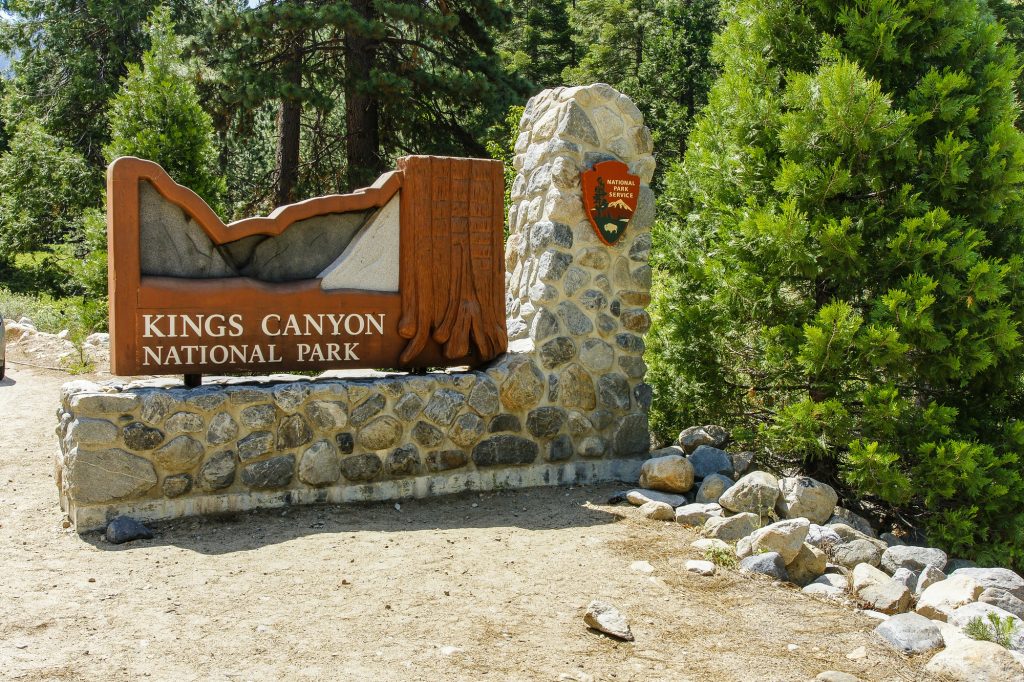
Located in California’s Sierra Nevada Mountains, right next to Sequoia National Park, lies Kings Canyon National Park.
The park gets its name after the striking Kings Canyon, a glacially carved canyon with the Kings River rushing through. While many state that Hells Canyon on the Oregon and Idaho Border is the deepest canyon in North America, Kings Canyon reaches a maximum depth of 8,200 feet, which technically makes it deeper.
And unlike many US National Parks out west, which are designed to offer tons of day hikes and accessible activities, Kings Canyon is primarily a backcountry park, with over 90% of the park being wilderness. However, there are still SO many fun things to do in Kings Canyon National Park if you want to stick to the frontcountry!
Kings Canyon National Park at-a-glance
Cost: $35 per vehicle for 7 days, which also includes Sequoia National Park. Or FREE with the America the Beautiful pass.
Reservations required?: Not to enter the park, but you will need a permit for backcountry hiking.
Best time to visit: May is a great time to do most of the frontcountry hikes in the park, but with less crowds than the summer. While July-September are the best months if you want to get in the backcountry!
Where to stay: Ideally within the park, either at one of the campgrounds or at the Grant Grove Cabins or John Muir Lodge.
Best things to do: Watch the sunrise at Panoramic Point, see the General Grant tree, drive the Kings Canyon Scenic Byway, and backpack the Rae Lakes Loop.
How much time should you spend: 1-2 days is enough to do most frontcountry experiences, but if you want to hike in the backcountry, we suggest 5+ days.
15 fun things to do in Kings Canyon National Park
This list of things to do in Kings Canyon National Park is based on our personal experience in the park, plus a couple items that we were unable to do due to closures and visiting too early in the season. We’re listing them in order of how you’ll come across them, from the Big Stump Entrance, all the way to the end of the Kings Canyon Scenic Byway. That way, it’s easier to plan your time in the park!
1. Hike the Big Stump Loop
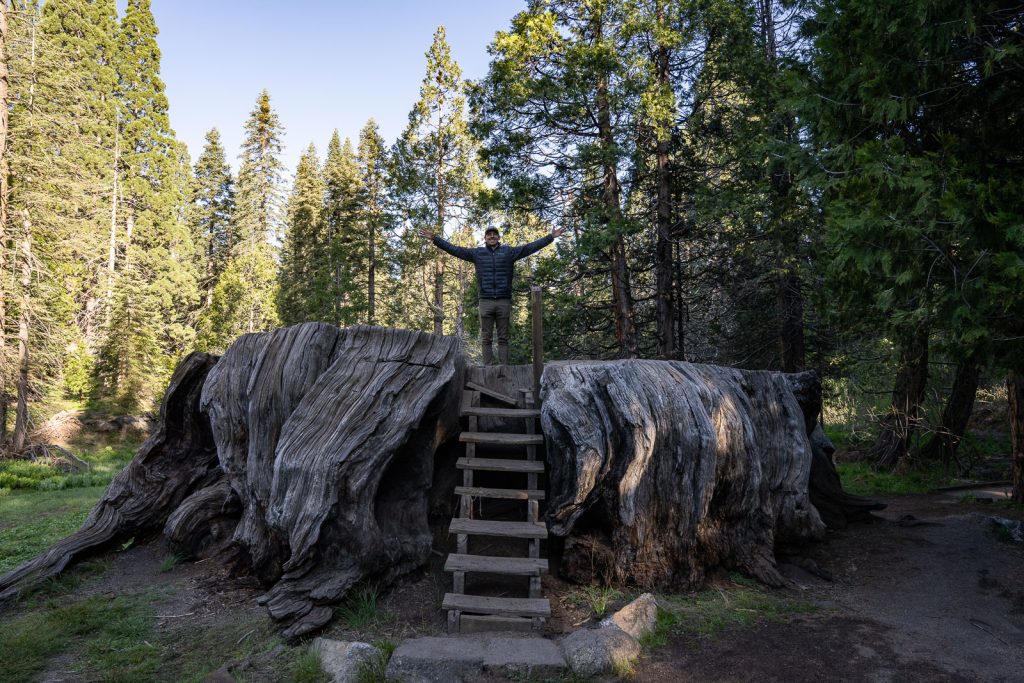
Similar to the neighboring Sequoia National Park, Kings Canyon is home to some massive trees. And one of the best things to do in Kings Canyon is hike the Big Stump Loop! This 1.7 mile hike takes you through the Big Stump Grove, one of 40 Giant Sequoia Groves across Sequoia and Kings Canyon National Parks.
Not only will you see some standing Giant Sequoias here, but you’ll also see, as the name implies, some big stumps! With the most iconic being the Mark Twain tree stump, which was at one point a 16 foot wide tree. However, it was cut down in 1891 so pieces could be taken to New York and London to prove to people just how large the trees were.
Today all that remains is its stump, which you can actually climb a short staircase and stand on!
2. See the General Grant Tree
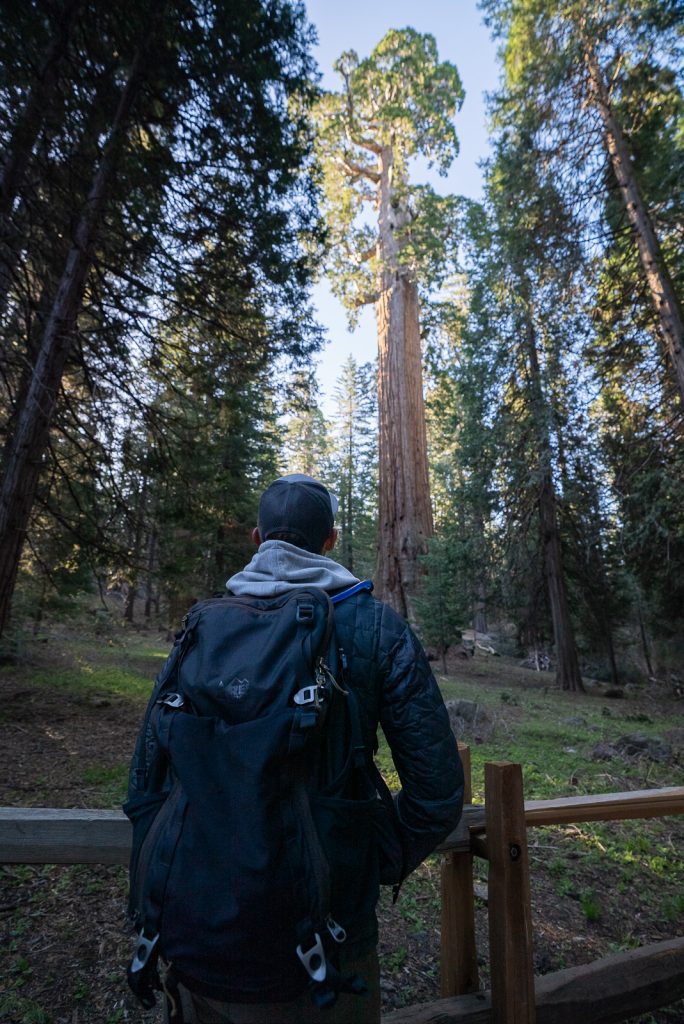
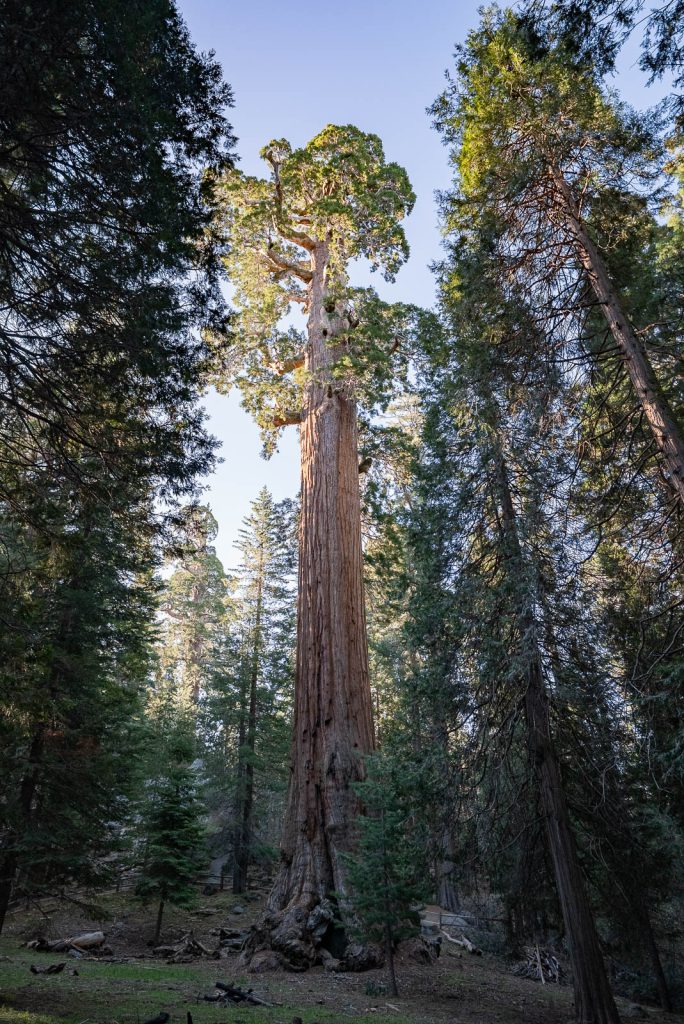
One of the must-do activities in Kings Canyon National Park is to see the General Grant Tree. This tree has a volume of 46,608 cubic feet, which is equivalent to being filled with 159,000 basketballs! And while the General Sherman Tree at Sequoia National Park takes the cake for the world’s largest tree by volume, General Grant is either the second or third largest, depending on your sources.
But beyond its impressive size, it also has some other unique titles, like the “Nation’s Christmas Tree,” which it has held since 1926. They still have a yearly Christmas ceremony on the second Sunday in December! General Grant is also the country’s only living national shrine, dedicated in 1956 in memory of the men and women of the Armed Forces.
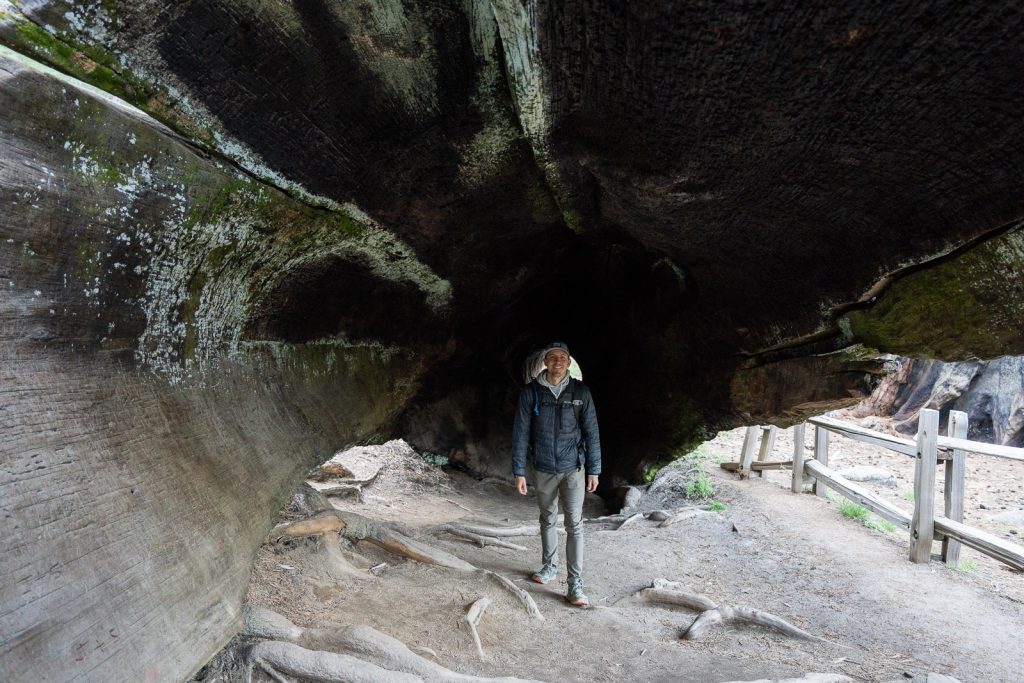
While you can just quickly walk over to see General Grant, we suggest wandering around the grove as well. One of our favorite spots along this trail was the Fallen Monarch, which is a fallen Sequoia that you can walk through!
3. Watch the sunrise at Panoramic Point
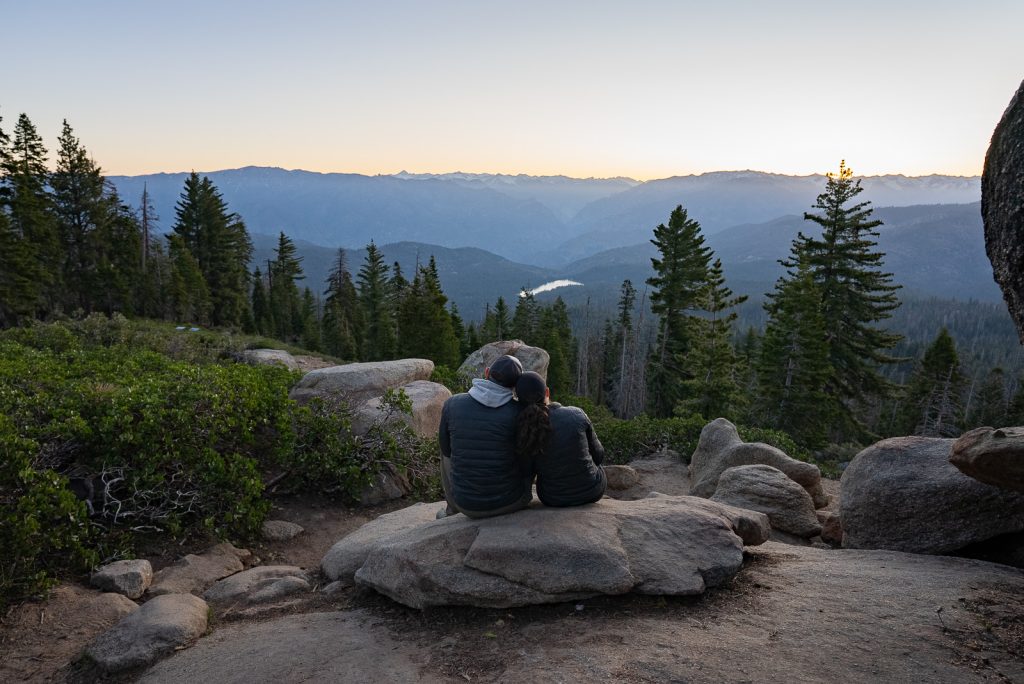
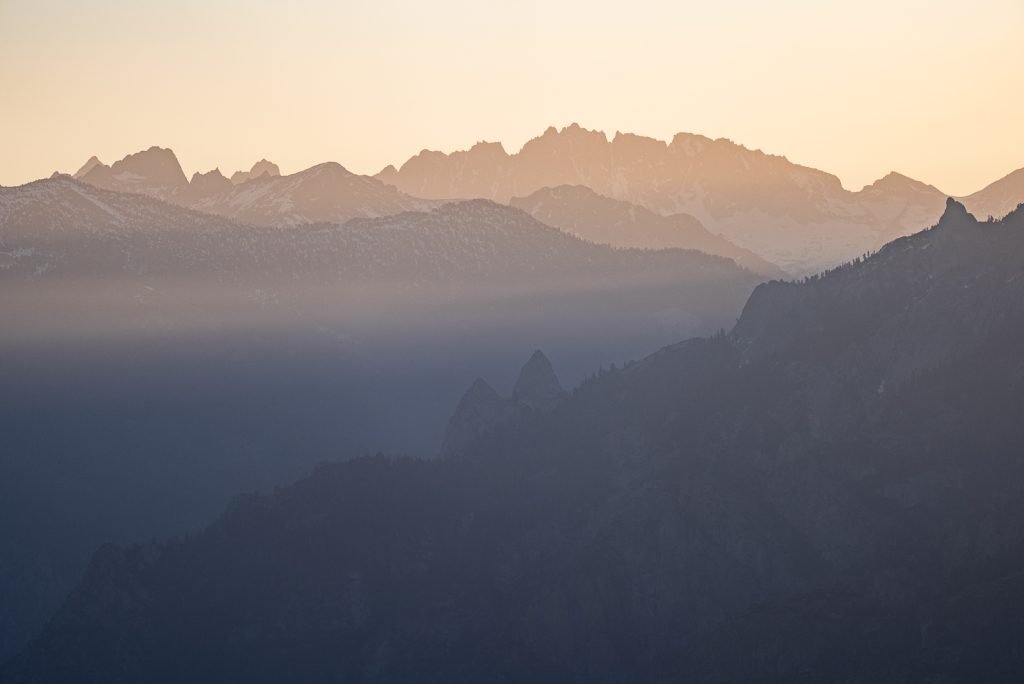
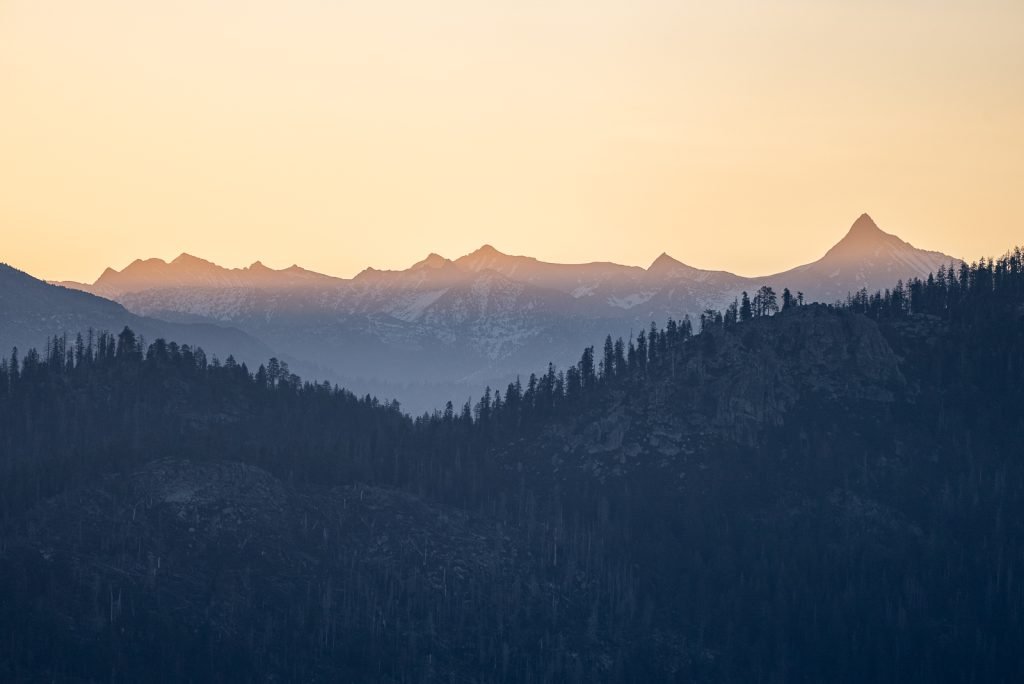
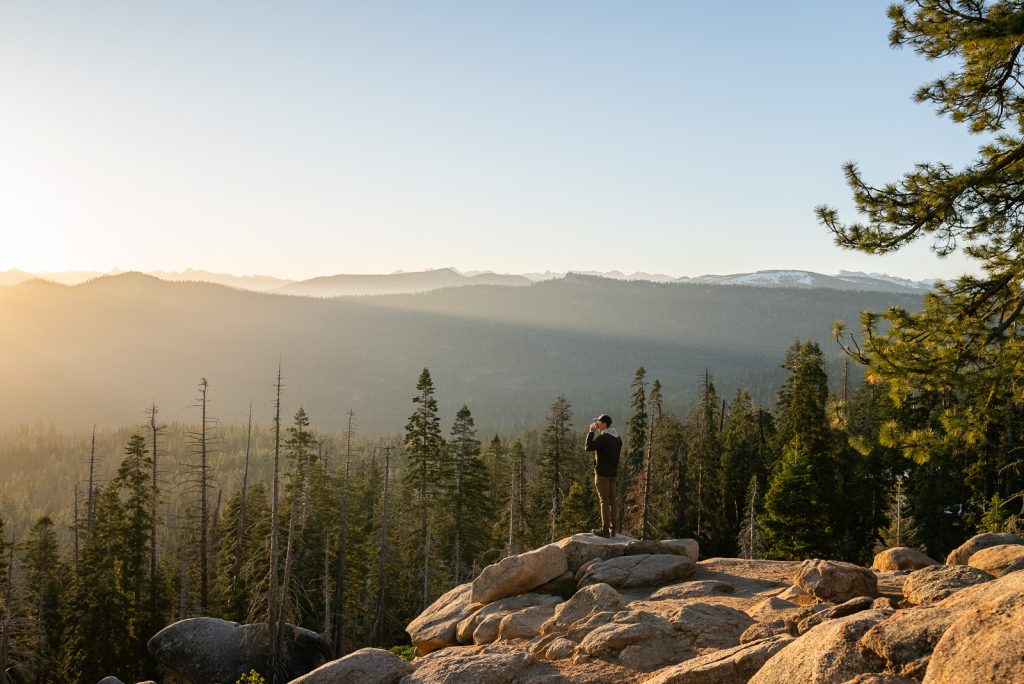
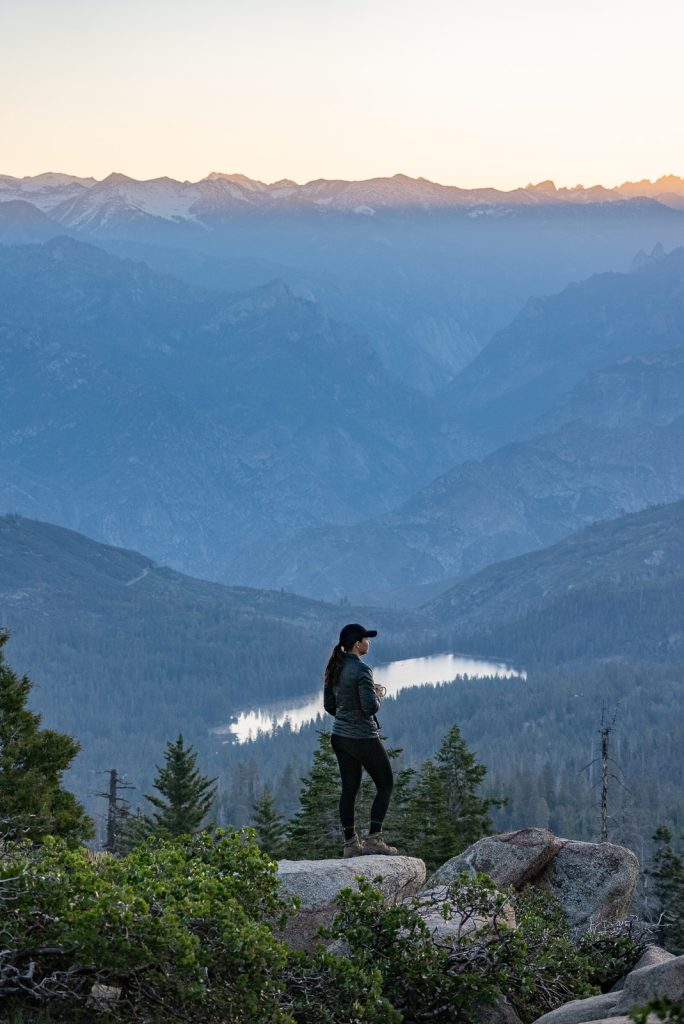
One of our favorite things we did at Kings Canyon National Park was watch the sunrise at Panoramic Point. This short hike leads you to a viewpoint of both Hume Lake and a wall of mountains. It would be beautiful anytime of day, but we especially loved it at sunrise, as we got to watch the sun pop up over the mountains and flood the area with light.
Want an extra challenge? Continue on to the Park Ridge Fire Lookout for a 5.2 mile hike!
Important Note: The road to Panoramic Point is steep and windy and RVs, plus trailers, are NOT allowed. We drove our 23 foot Sprinter van on this road with no issues, but anything larger would be tough, especially for parking.
4. Hike the Big Baldy Ridge Trail
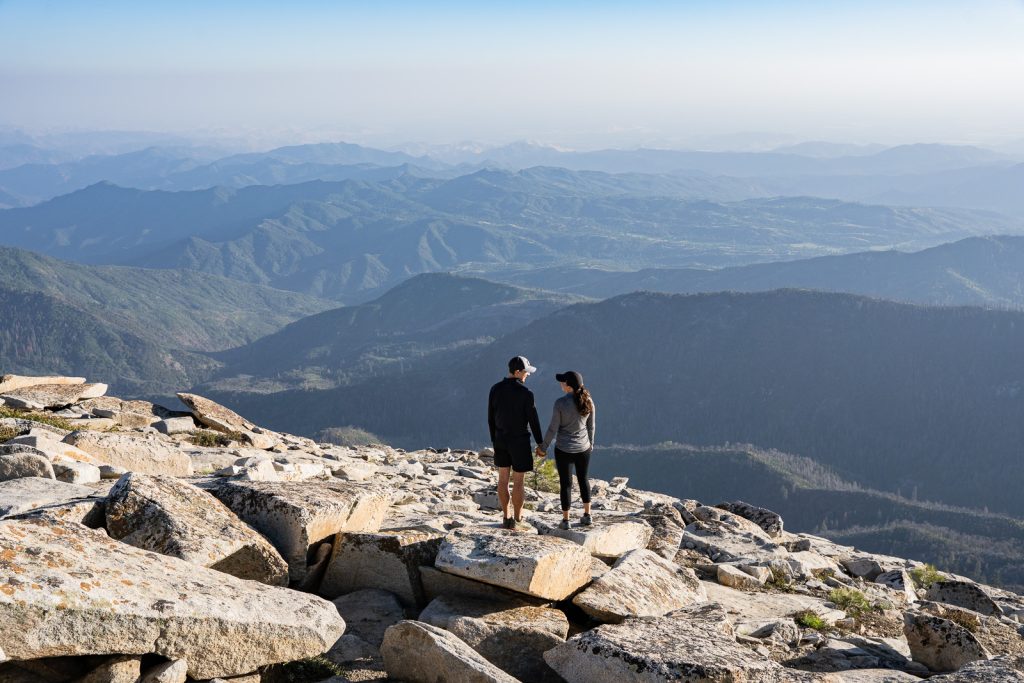
There aren’t a ton of mountainous hikes in the area of the park near General Grant. But one can’t-miss hike in this region is the Big Baldy Ridge Trail!
This hike starts right along the Generals Highway at the border of Kings Canyon National Park. You will park alongside the road (there are no toilets here, fyi!) and immediately hit the trail.
It’s about a 4.6 mile (roundtrip) hike to get to Big Baldy, a bald dome with fantastic views of the mountains south of the park. However, during our visit in May 2024, the trail had a lot of downed trees due to past forest fires. This not only made the forest scenery along the way a bit charred, but it also made things a bit trickier, as we had to climb over them, plus navigate the path. Make sure you’re up for this before hitting the trail!
While the AllTrails route ends at Big Baldy, we suggest going about ½ mile past this spot for an even better and more open view! We did this hike around sunset and would highly recommend it for this time of day. But it would be beautiful no matter what time you do it!
5. Drive the Kings Canyon Scenic Byway
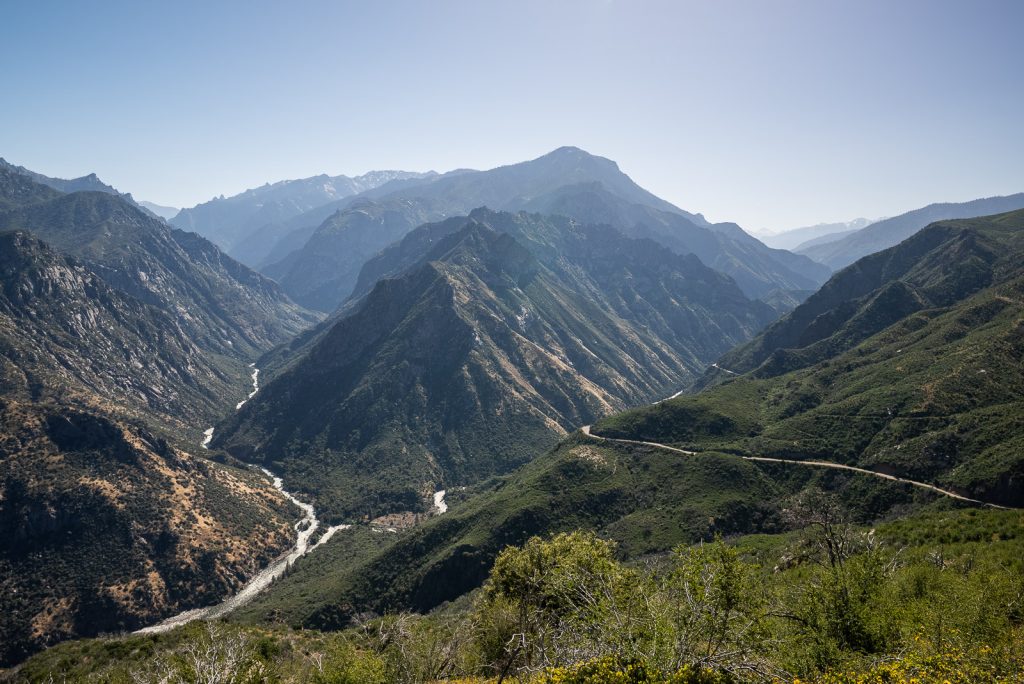
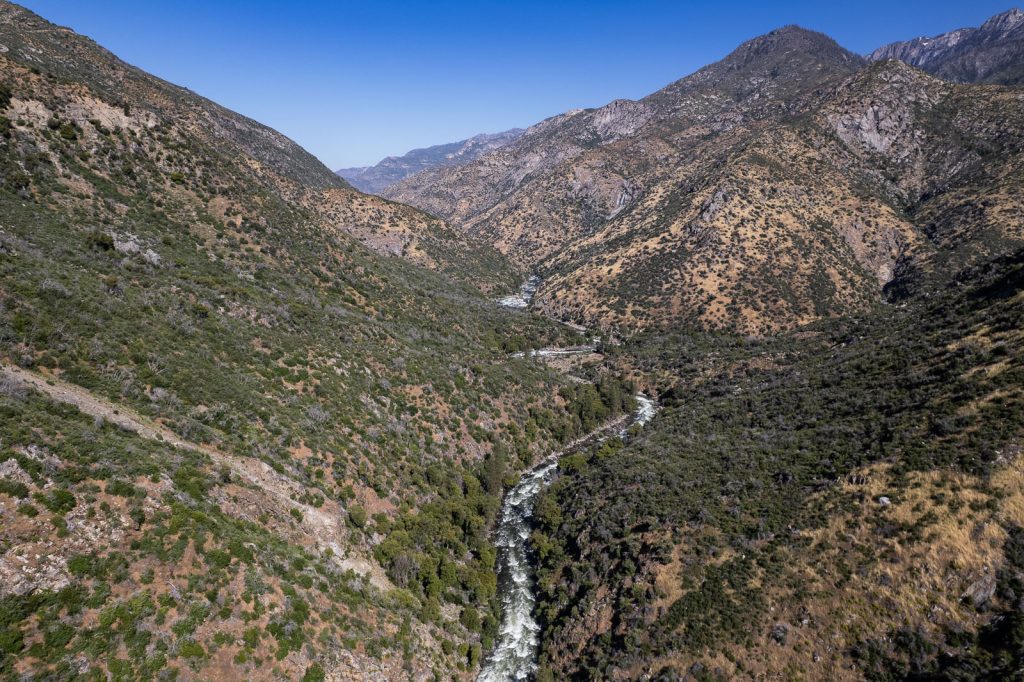
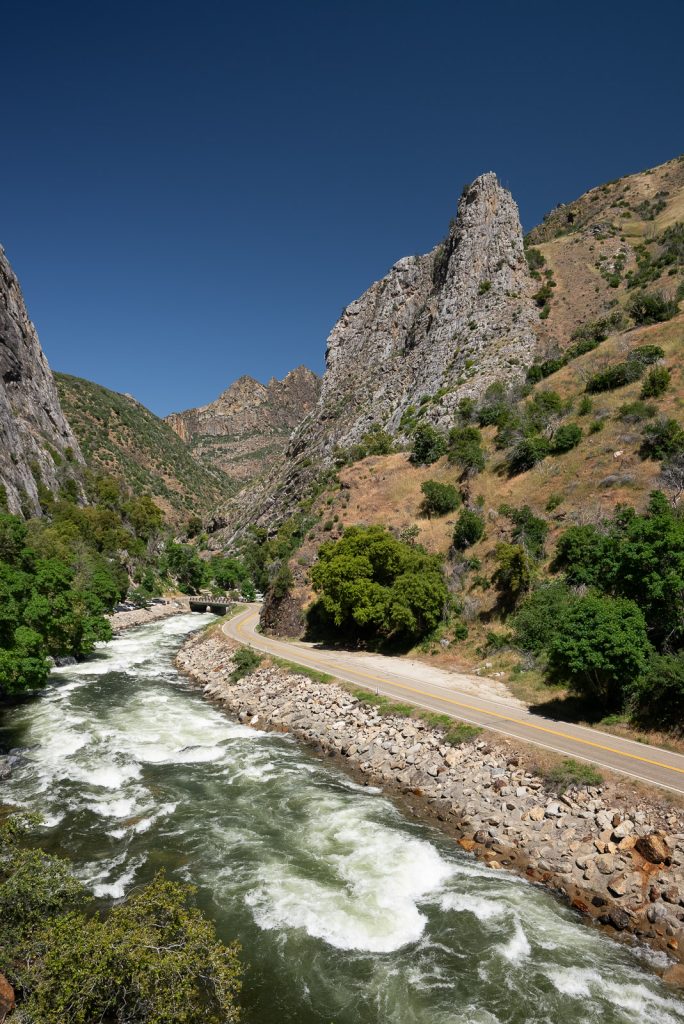
Kings Canyon National Park is split up into two regions, a smaller area near General Grant, plus a larger area northeast by Cedar Grove, which is primarily wilderness. And to get between the two, you drive the Kings Canyon Scenic Byway (Highway 180). This highway takes you through Kings Canyon itself and we were NOT prepared for just how beautiful it would be!
However, it’s important to know that most of this drive is NOT actually in Kings Canyon National Park, but rather in Sequoia National Forest (hence the drone shots). But it’s still easily one of the best things to do in Kings Canyon National Park! In fact, this drive is what made us fall in love with this park.
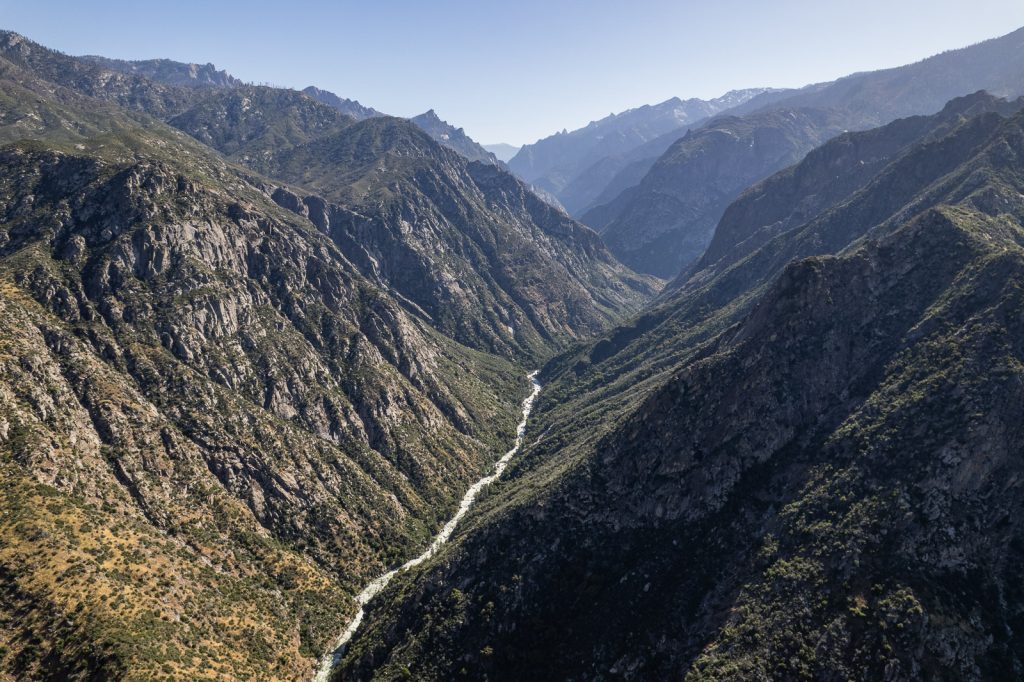
From the Kings Canyon Visitor Center to the end of the road it’s only about 34 miles, but since it’s extremely steep and windy, you can expect to spend a minimum of 1 hour, 10 minutes on the drive. But trust us, you will want to stop along the way!
There are countless pull offs to admire the view, detours to make (like to Hume Lake), plus fun hikes and activities. Items 6-12 on this list of things to do in Kings Canyon National Park are all accessible from this drive and considered some of our must-stops!
6. Visit Hume Lake
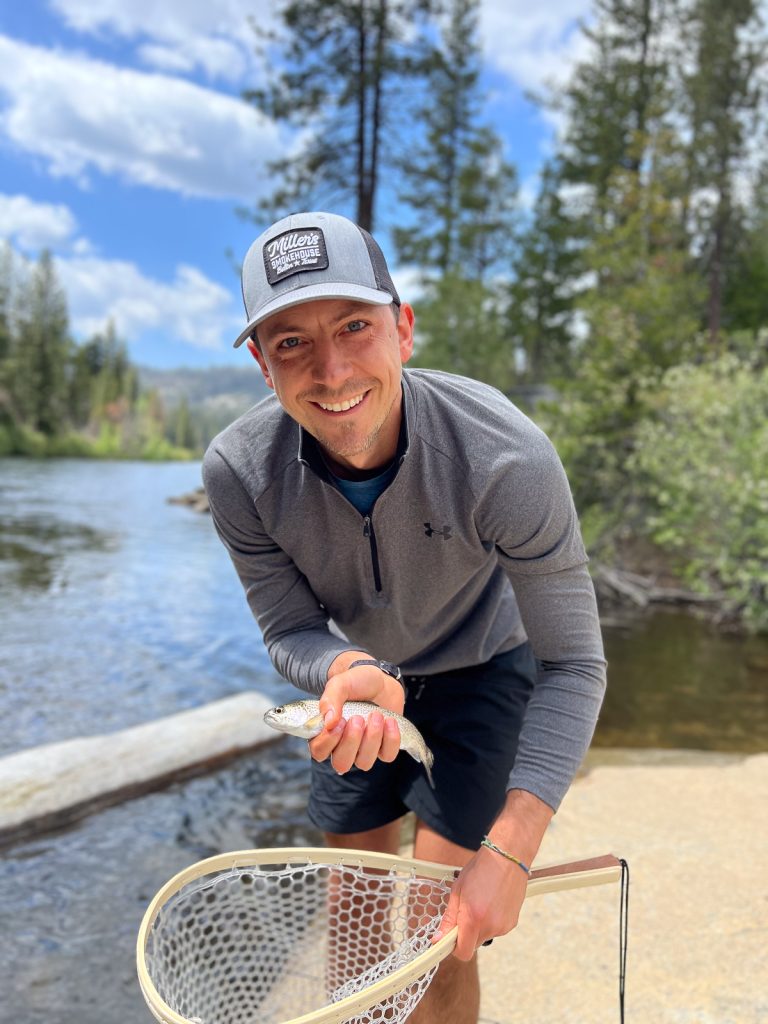
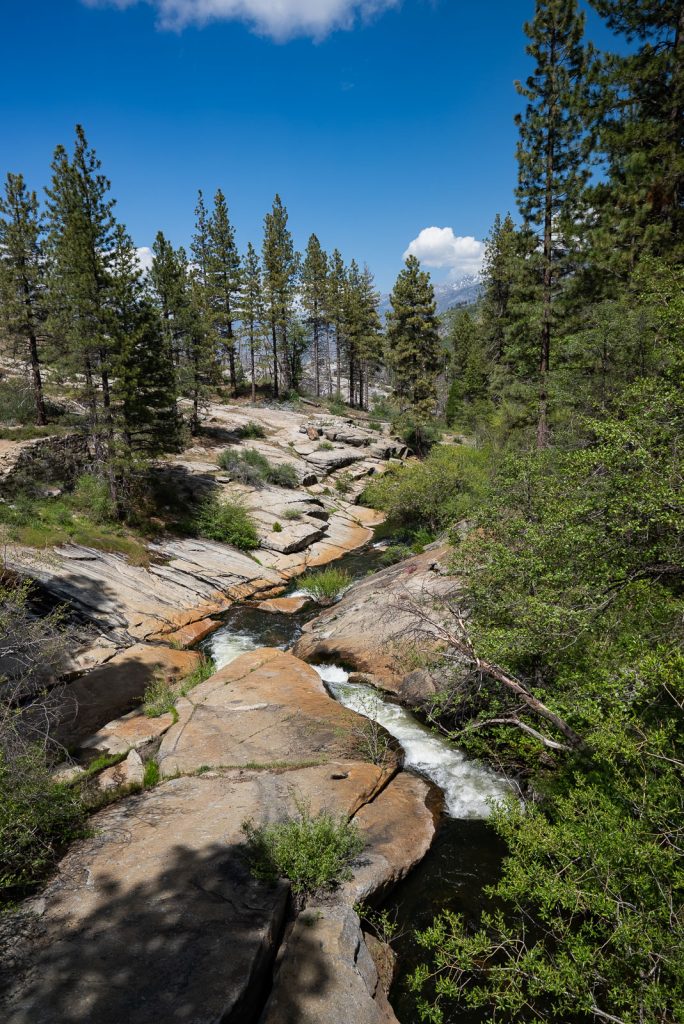
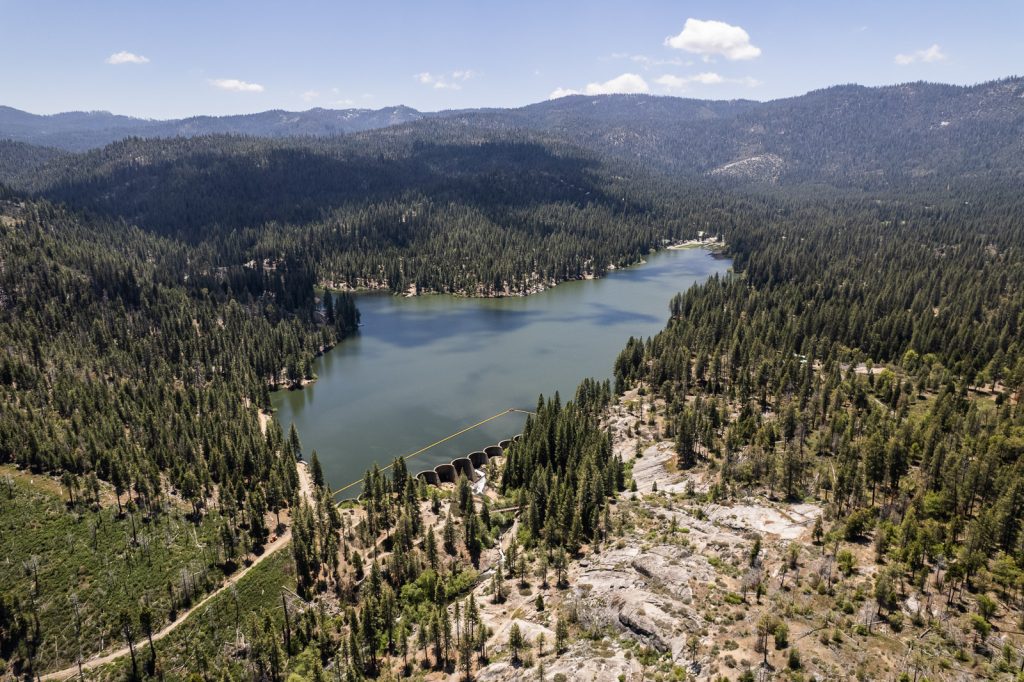
Although it’s not technically located in the park, one of our favorite things to do in Kings Canyon National Park is visit Hume Lake! Just a 12 minute detour off the Kings Canyon Scenic Byway, this beautiful lake is home to a campground, plus various picnic and waterfront areas.
And if you’re traveling with a dog, it’s one of the best things to do with your pup near Kings Canyon National Park! We came here twice while visiting the park to walk Kona along the beautiful Hume Lake Loop Trail and for Adam to fish.
And whatever you do, do not leave Hume Lake without swinging by the Hume Lake Snack Shop for burgers, fries, and delicious handspun milkshakes!
Important note: Highway 180 (Kings Canyon Scenic Byway) is typically closed just past the Hume Lake turnoff from late October until late April. This means that the remaining items on this list of things to do in Kings Canyon National Park are NOT accessible when this road is closed.
7. Tour Boyden Cavern
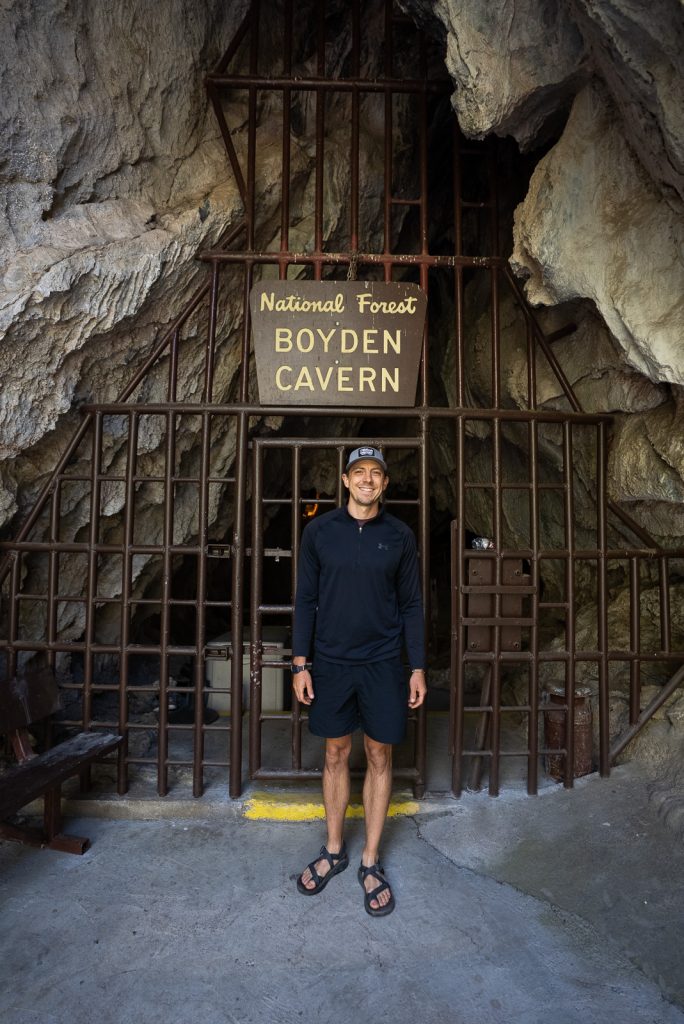
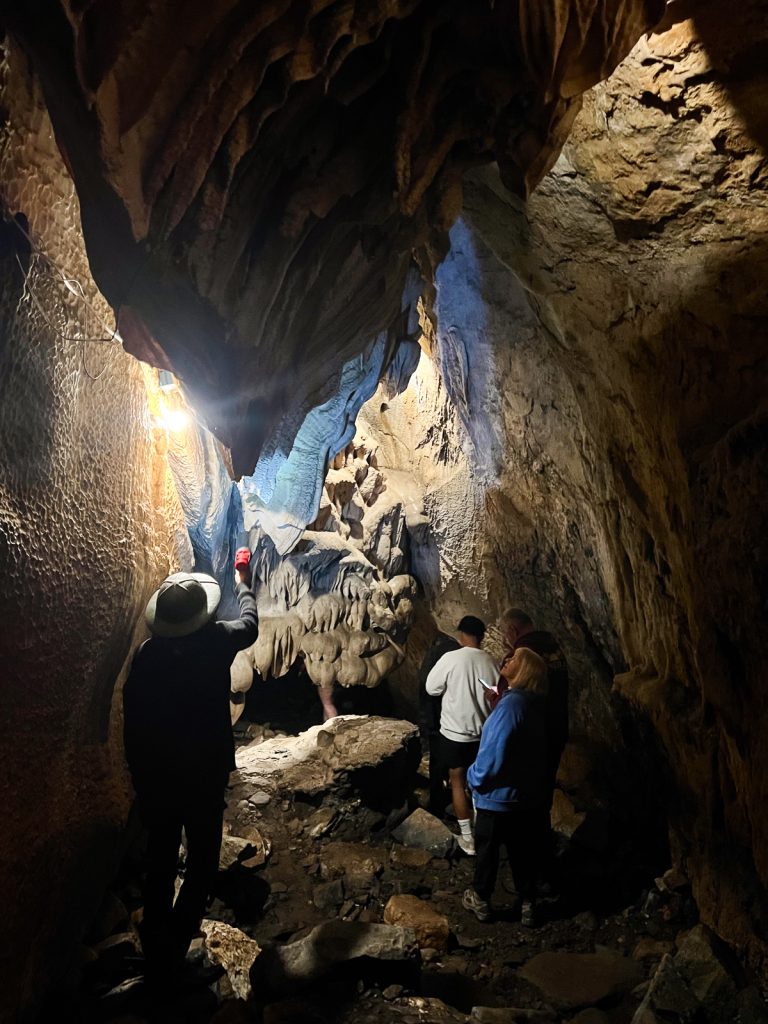
Sequoia and Kings Canyon National Parks are home to over 275 caves! And along the Kings Canyon Scenic Byway you can find Boyden Cavern, a marble cavern that formed over 100,000 years ago. It is named after J. Putnam Boyden, a Hume Lake logger who discovered the cavern and lived inside it for several years, even using it to entertain others.
From late April until early November you can tour the cave, which costs $17 per adult and is about 45-60 minutes long. There is a very steep walk up to the entrance of the cave and once inside, you’ll walk about 750 feet going through narrow and low sections.
Along the way you get to see different formations, like the wedding cake, the upside down city, pancakes with butter and syrup on top, the brain, and wavy formations that resemble curtain drapes. Plus the Christmas tree, which forms an inch per century. We really enjoyed this tour and would highly recommend it when visiting Kings Canyon!
A+K Tip: The cave is 55ºF inside, so make sure to wear warmer clothes! You also may have the chance to get your feet wet on the cave tour, so wear shoes that you don’t mind getting wet. Flip flops are not allowed.
8. Stop by Grizzly Falls
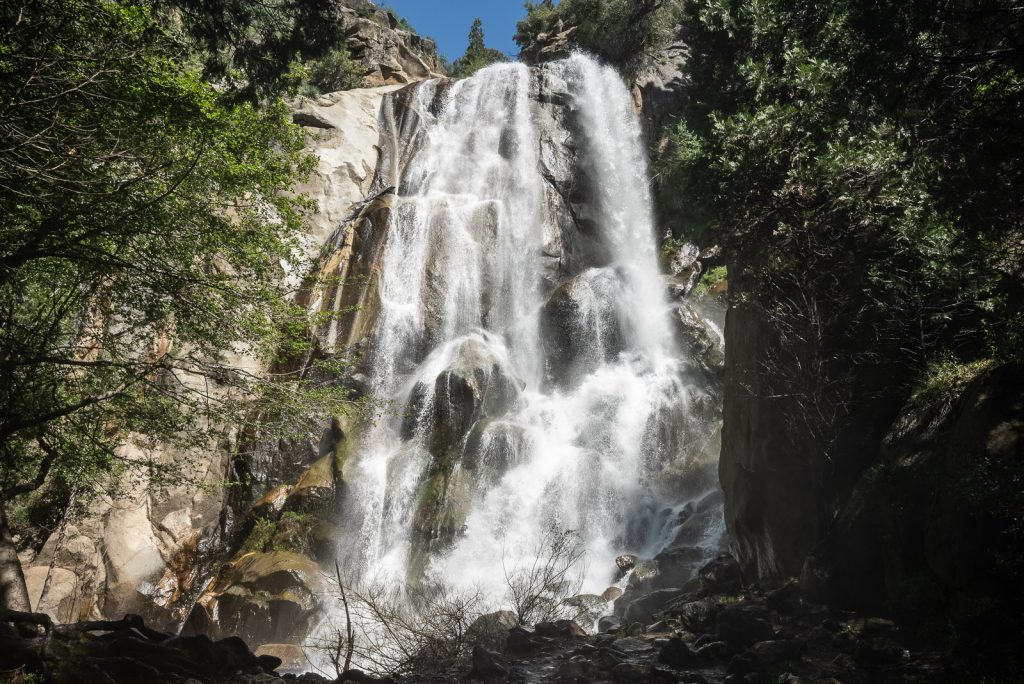
Grizzly Falls is a super quick stop along the Kings Canyon Scenic Byway, but well worth checking out! This 80 foot waterfall is just a minute walk from the Grizzly Falls Picnic Area and is very impressive, especially in the spring.
9. Visit Cedar Grove
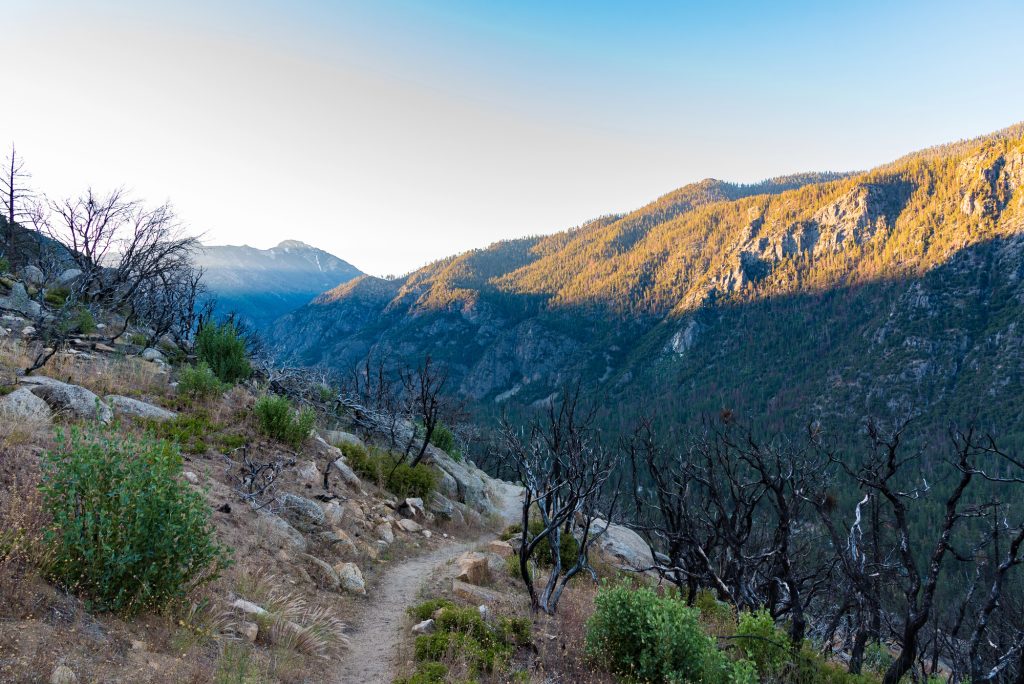
Cedar Grove marks the Kings Canyon National Park boundary on the east side of the scenic byway. Here you can find a small Visitor Center, multiple campgrounds, and the Cedar Grove Pack Station, where you can go on both one day and multi-day horseback rides.
And for a nice challenge, hike to the Cedar Grove Overlook, which gains over 1,600 feet in its 2.2 mile ascent to the top!
10. See Roaring River Falls
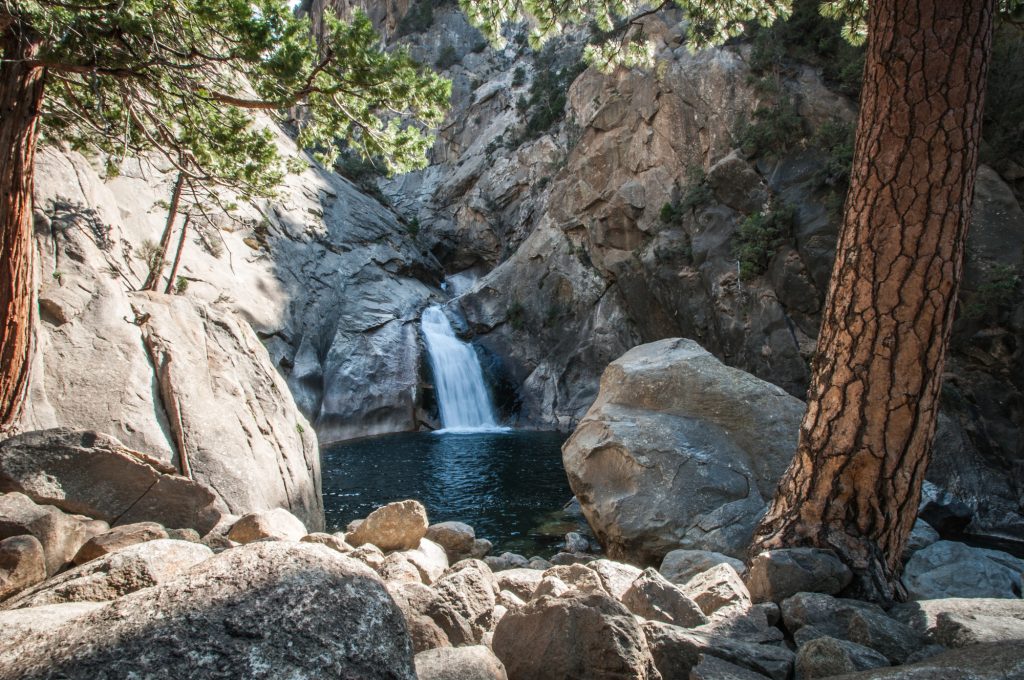
For another waterfall experience, head to Roaring River Falls! While not as tall as Grizzly Falls, this waterfall is still stunning, as it crashes through granite into a small emerald pool.
11. Visit Zumwalt Meadows
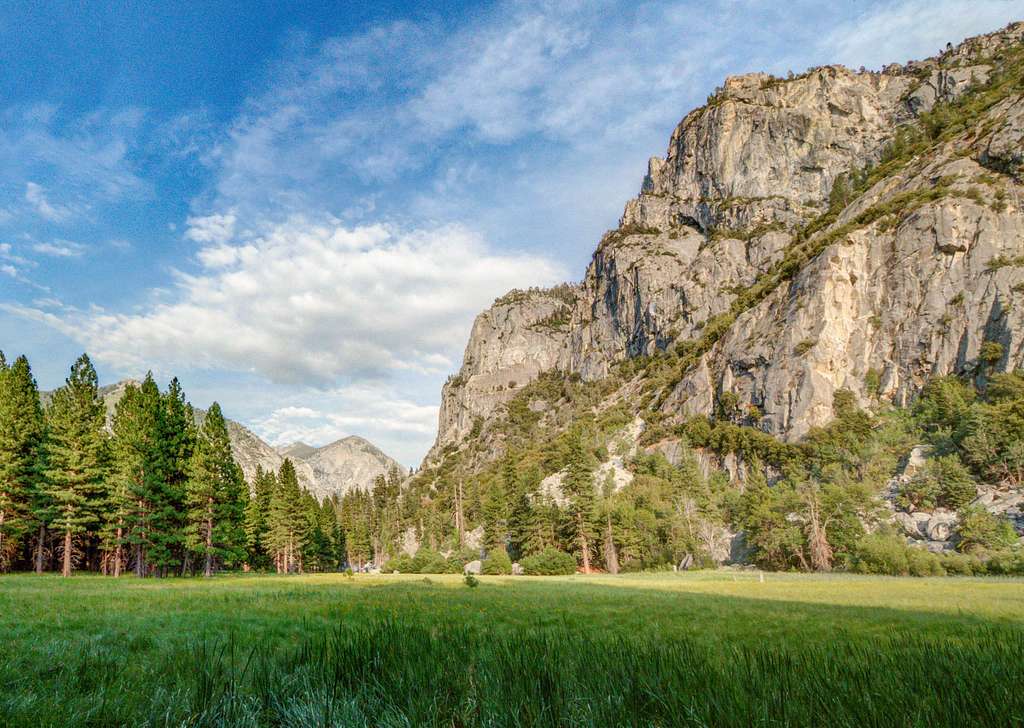
Both Sequoia and Kings Canyon National Parks are home to some picturesque meadows. And Zumwalt Meadow may be the most beautiful of them all! Along this short hike you’ll get to see the South Fork Kings River, mountain views, and the lush Zumwalt Meadow. And if you’re very lucky, you may get to see some wildlife, including bears!
A+K Tip: Combine Zumwalt Meadows and Roaring River Falls into an easy 4.2 mile hike!
12. Hike to Mist Falls
While most of the waterfalls we’ve shared have required just a quick walk, for a harder and longer waterfall hike, head to Mist Falls!
The hike itself is pretty flat as you walk through the trees and river, with glimpses of the surrounding mountain. But during the last mile, you’ll gain 600 feet to reach the waterfall, which rushes down a granite slope. If you visit in the late spring, you’ll be treated to a powerful waterfall from snowmelt. But even if the water levels are low, don’t worry, the mountain views on this hike are worth it alone!
13. Backpack the Rae Lakes Loop
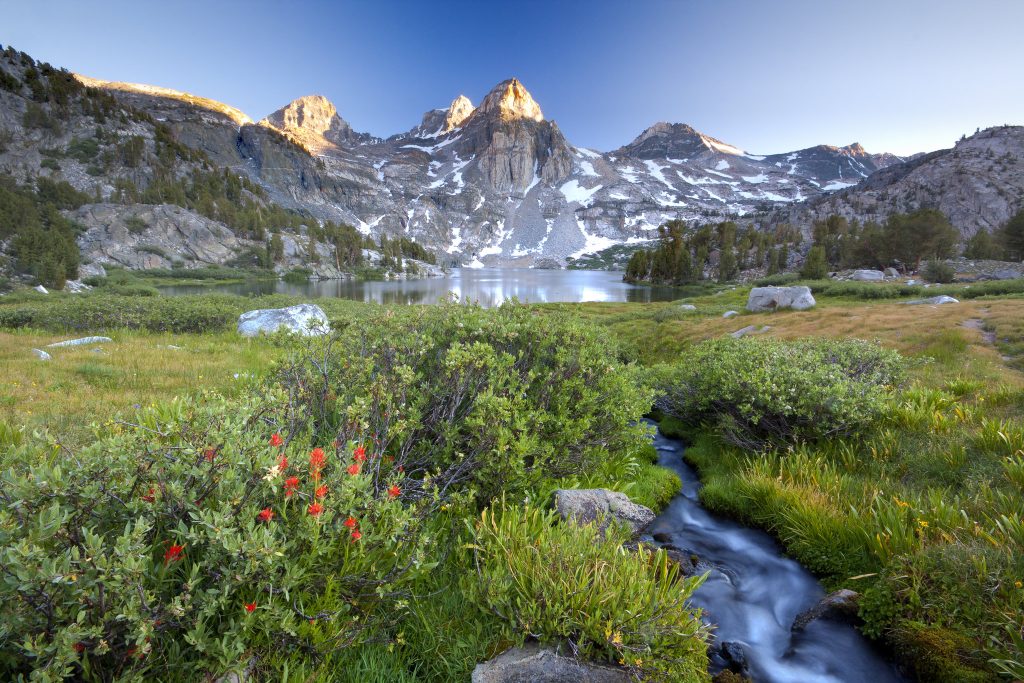
As we mentioned, 90% of Kings Canyon National Park is wilderness. So for the experienced hikers out there, one of the best things to do in Kings Canyon National Park is to go on a backpacking trip!
And hands down the best backpacking trip in the park is the Rae Lakes Loop! This 39 mile backpacking loop takes you through some of Kings Canyon’s best scenery, from alpine lakes, to sweeping mountain views. You will need 4-5 days to complete it, depending on how much you want to hike per day.
During our visit, this trail was unfortunately closed due to damage from a fire, so we were unable to hike it. But it’s one of the top backpacking trails we want to hike!
Wilderness Permit Required: To camp in the backcountry, you are required to get a wilderness permit. These can be tough to get, so make sure to plan in advance for your best chance at getting the trail you want!
14. Tackle Kearsarge Pass Trail to Kearsarge Lakes
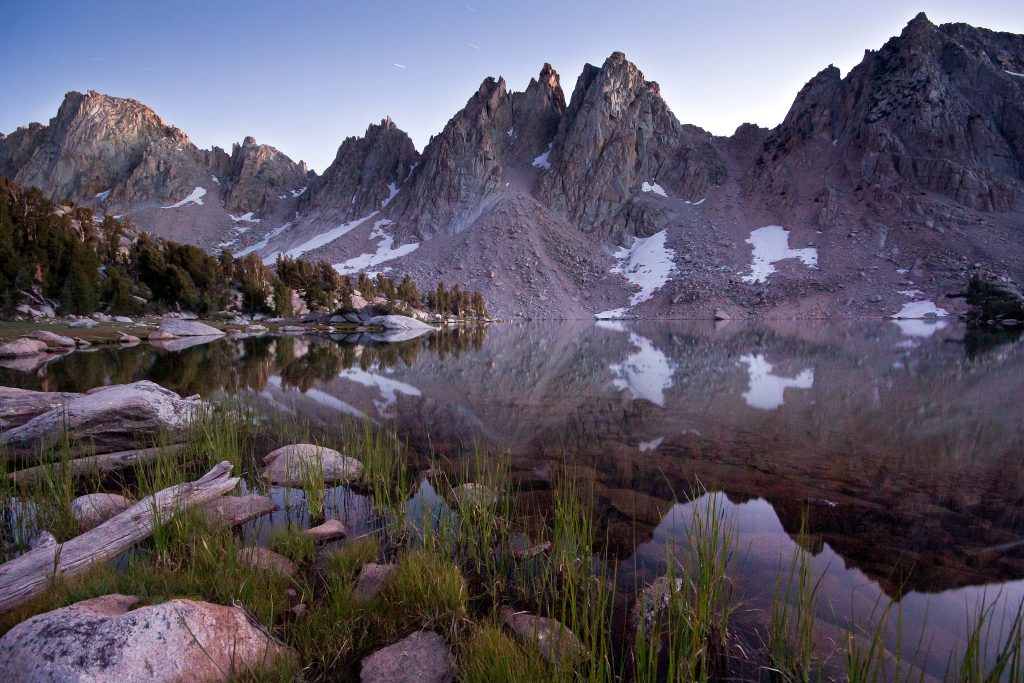
Another bucket list hike in Kings Canyon National Park is Kearsarge Pass Trail to Kearsarge Lakes! This 12.4 mile hike can be done as a long day hike or as a one night backpacking trip. However, unlike all of the other things to do in Kings Canyon National Park, which start in the park itself, you start this hike on the other side of the mountains near the Alabama Hills.
The first 4.7 miles, up to Kearsarge Pass, is technically in the Inyo National Forest. Once you get to the top of the pass, you enter Kings Canyon National Park for the rest of the hike. Along this hike you’ll encounter unreal views of the Sierra Nevada Mountains jagged peaks, spanning miles and miles, plus multiple alpine lakes. This is another hike that is high up on our list for our next visit!
A+K Tip: Dogs are allowed on the first part in the Inyo National Forest, but are NOT allowed past Kearsarge Pass, so if you want to hike with your dog, you can just do the first part!
15. Visit Sequoia National Park

One of the best things to do in Kings Canyon National Park is to hop on over to Sequoia National Park! Located right next to each other, these parks are super easy to combine into one trip. In fact, they are even managed together!
Similar to Kings Canyon National Park, Sequoia is home to Giant Sequoias, including the world’s largest tree. Plus gorgeous waterfalls, unique hikes, rugged peaks, and so much more! Some of our top suggestions of things to do include climbing up to Moro Rock for sunset, hiking General Sherman and the Congress Trail, see Tokopah Falls, and visit the Giant Forest Museum.
To see all of our recommendations for the park, check out our guide with the best things to do in Sequoia National Park, as well as our perfect one day Sequoia National Park itinerary!
Planning your trip to Kings Canyon National Park
How to get to Kings Canyon National Park
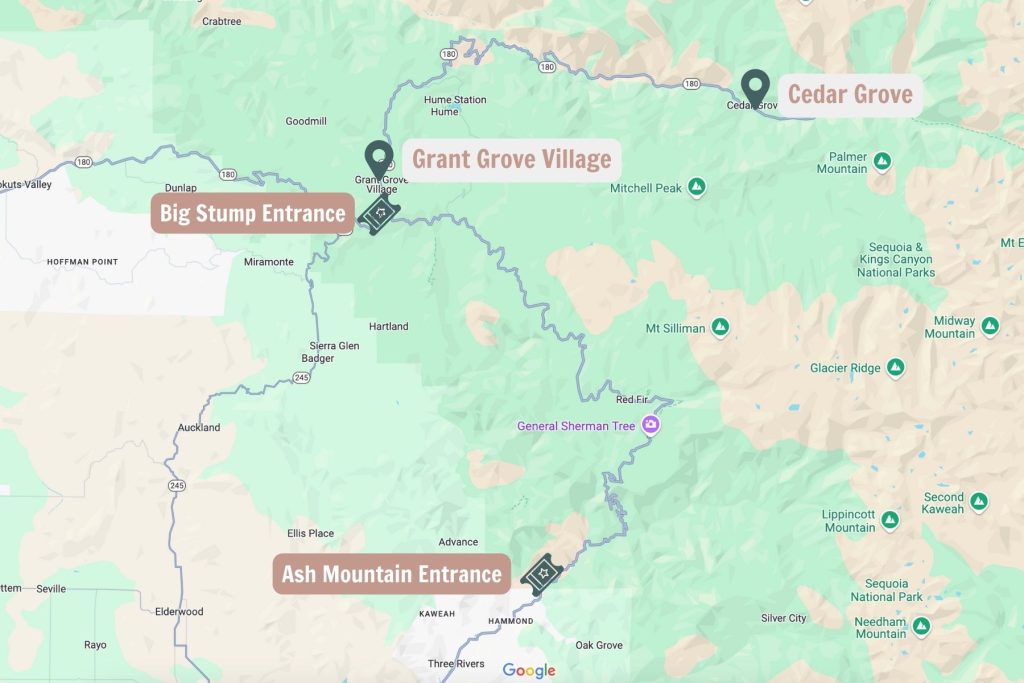
Kings Canyon National Park is located just east of Fresno, California on the western slope of the Sierra Nevada Mountains. The park has two main areas: Grant Grove Village, which is where you can find General Grant and the Visitor Center. Plus, Cedar Grove, which is at the end of the Kings Canyon Scenic Byway and is the gateway into the backcountry.
And to access these areas, you can enter the park through two entrances. First is the Big Stump Entrance (1 hour from Fresno), which takes you directly into Kings Canyon National Park. This route is better suited for large RVs and is only a 10 minute drive from Grant Grove Village.
However, you can also enter through the Ash Mountain Entrance (1.5 hours from Fresno), which takes you directly into Sequoia National Park, starting in the Foothills and going up the Generals Highway into Kings Canyon National Park. While this is the longer option, it gives you the chance to explore Sequoia National Park as well. Just keep in mind that there are windy roads on this route and there are vehicle length recommendations.
Flying to Kings Canyon National Park
The closest airport will be the Fresno Yosemite International Airport (FAT), about 1-1.5 hours away from the park’s Visitor Center.
Alternatively, you could fly in or out of San Francisco International Airport- SFO (4.5 hours) or Los Angeles International Airport- LAX (4.5 hours). This is a good option if you plan to do a California National Parks road trip!
Once arriving, you can rent a car to head into the park. No special type of vehicle is needed!
Driving to Kings Canyon National Park
If driving to Kings Canyon National Park, here’s how long you can expect it to take to drive to Kings Canyon National Park’s Visitor Center from nearby popular destinations:
- Sequoia National Park’s Giant Forest Museum: 1 hour (30 miles)
- Fresno, CA: 1-1.5 hours (56 miles)
- Sequoia National Park Visitor Center (Foothills): 1 hour, 40 minutes (46 miles)
- Yosemite Valley: 3-4 hours (147 miles)
- San Francisco, CA: 4-5 hours (242 miles)
- Los Angeles, CA: 4-5 hours (243 miles)
Getting around Kings Canyon National Park
Driving is the only way to get around Kings Canyon National Park. Unlike Sequoia National Park, there is NO free park shuttle here.
The park does have some vehicle length limits for those in camper vans and RVs, including on roads coming from Sequoia National Park, plus on the road to Panoramic Point in Kings Canyon itself. So make sure to plan ahead!
A+K Tip: Make sure to fill up on fuel before entering the park! There is a gas station at Stony Creek, whose pricing seemed on par with outside the park. As well as one at Hume Lake. But don’t depend on them!
When to visit Kings Canyon National Park
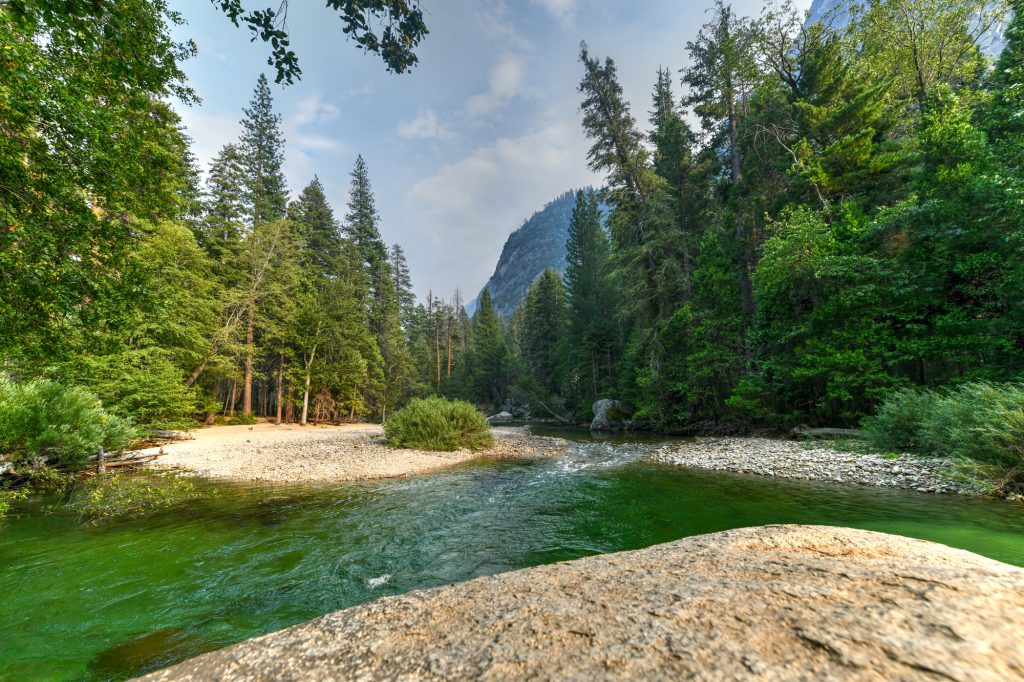
While you can visit a couple areas of the park year-round, like General Grant and Big Stump Grove, Kings Canyon is overall much more limited in the winter and early spring months. So we’d personally think the best time to visit Kings Canyon National Park is between May–September. This is when some (or all) trails will be snow-free and more roads will be open!
For those only interested in the park’s frontcountry experience, May is a great time to see the Giant Sequoias, drive the Kings Canyon Scenic Byway, and hike the front country trails without the massive crowds of summer. However, keep in mind that holidays, like Memorial Day, will be extra busy.
Depending on the snowpack, you may be able to do backcountry hiking in late May, but for the best chance of snow-free trails, we’d save your visit for July-September.
We personally visited the park in late May, right before Memorial Day, and minus a couple closures due to past wildfire damage, we were able to do almost everything in the frontcountry section of the park.
A+K Tip: Kings Canyon National Park has a wide range in elevation, with Grant Grove being at around 6,600 feet and some parts of the Kings Canyon Scenic Byway reaching 3,300 feet. And even higher elevations in the backcountry! This means that the weather can vary greatly, with the lower elevations being much warmer and even very hot in the summer. Make sure to check the weather forecast for all areas of the park and pack layers!
How much time do you need in Kings Canyon National Park?
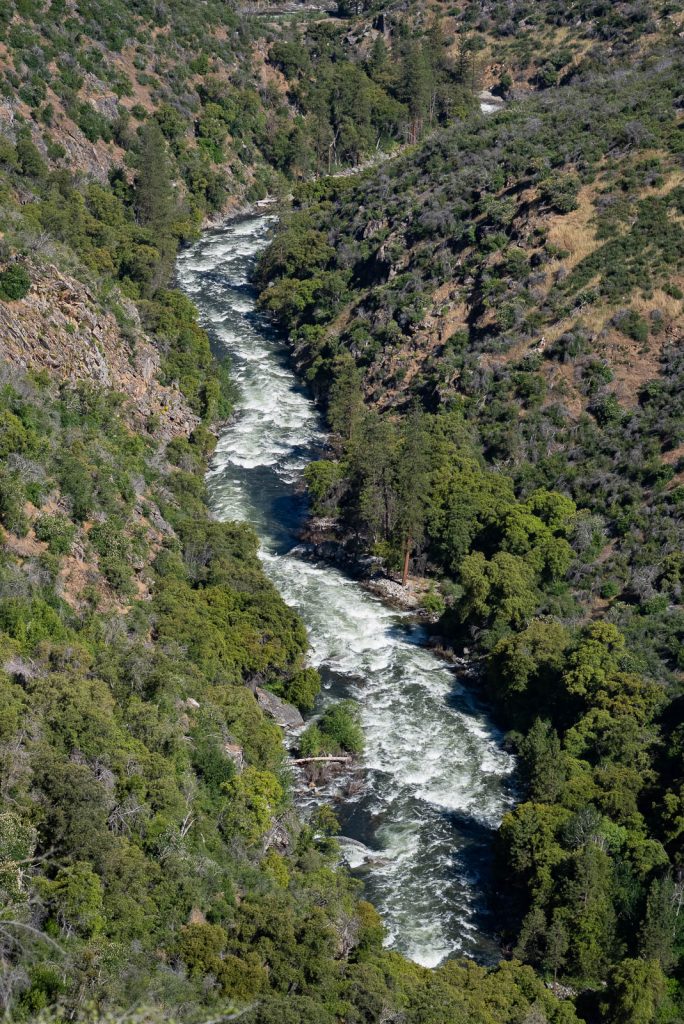
For most visitors, 1-2 days is enough time to experience the frontcountry area of the park. We personally spent one jam packed day exploring Kings Canyon National Park, exploring from sunrise to sunset. But if you want to do backcountry hiking, including the Rae Lakes Loop, you will need at least 5 days, for both the backpacking trip, plus smaller activities in the park.
Here’s a quick sample itinerary of how to spend 2 days in the frontcountry of Kings Canyon:
Day 1
- Watch sunrise at Panoramic Point
- See the General Grant Tree
- Visit the Big Stump Grove
- Hike Big Baldy Ridge
Day 2
- Drive the Kings Canyon Scenic Byway, stopping at Boyden Cavern, Grizzly Falls, and different overlooks along the way.
- Hike Zumwalt Meadows and Roaring River Falls or to Mist Falls
- End the day at Hume Lake and grab a burger, fries, and a milkshake!
Where to stay when visiting Kings Canyon National Park
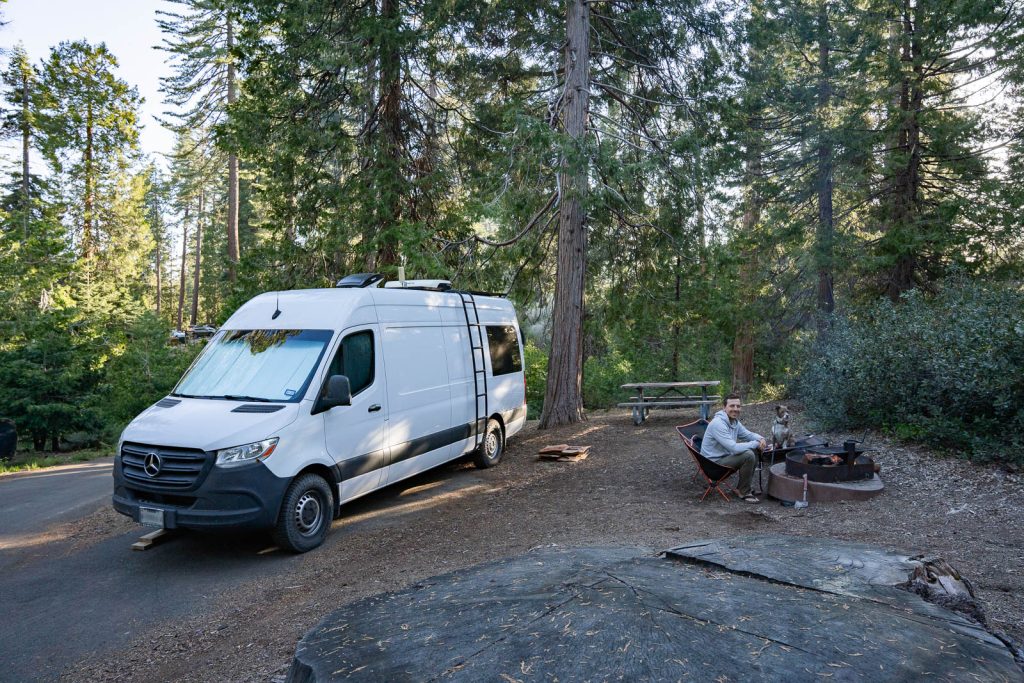
The best place to stay in Kings Canyon National Park is in the park itself! Or in the neighboring Sequoia National Park. This will eliminate long drives to get into the park every day.
There are 7 front country campgrounds in Kings Canyon National Park, as well as 7 more in the neighboring Sequoia National Park. Two of these, Potwisha (Sequoia) and Azalea (Kings Canyon), are open year-round. The sites vary, but none have electric hookups. Make sure to book in advance, as they do fill up! Hume Lake also has a campground you can stay at if you can’t snag a spot in the park.
Besides camping, there are also a handful of lodges and cabins you can stay at. Outside the park, we’d suggest looking into the Three Rivers area. There are a variety of hotels and vacation homes to choose from!
During our visit we stayed at the Crystal Springs Campground at Kings Canyon, plus boondocked in the National Forest between the two parks. Big Meadows Road is a popular boondocking spot, but it fills up FAST, especially in May, when part of the road is closed.
Things to know before visiting Kings Canyon National Park
Leave No Trace
Before embarking on your Kings Canyon National Park adventure, please review the Leave No Trace principles to ensure you leave every place better than you found it so that others can enjoy these beautiful places for many years to come!
These seven principles include planning ahead and preparing, hiking and camping on durable surfaces, disposing of waste properly (pack out what you pack in!), understanding campfire rules and always fully extinguishing your fires, respecting wildlife, and being considerate of other visitors.
Entrance Fee
It costs $35 per vehicle to enter Kings Canyon National Park, which is good for both Kings Canyon and Sequoia, up to one week. We highly recommend getting the America the Beautiful pass, which is $80 per year and gets you into all National Park Service managed sites and federal lands for free.
Dogs are NOT allowed on trails
If you’re bringing your pet with you to the park, keep in mind that they are ONLY allowed on fully paved roads, in parking lots, at picnic areas, and at campgrounds. All of which require them to be on a 6 foot leash. They are NOT allowed on any trails in Kings Canyon or Sequoia National Parks.
Curious what we do with Kona when she cannot join us on a hike? Read this guide about how we travel full time with a dog.
Download offline maps
In many areas of the park there is little to no cell service. We recommend downloading Google Maps for offline use. You’ll want to have the area of the park downloaded so that you can get between places, even if you don’t have cell service. While the park has good signage, some spots are easy to miss, so it’s nice to have Google Maps to direct you.
We also suggest downloading offline AllTrails maps so you can navigate on hikes even without cell service.
Want to get 30% off an AllTrails Plus membership? Use our code aplusk30 (you must redeem this code on the website, not the app)!
We use AllTrails Plus on every single hike and it is the most helpful hiking tool out there! Some of the features we love are offline maps (so we can navigate even without cell service), wrong-turn alerts, and its 3D maps feature, so we can get a feel for trails before we hike.
Be bear aware
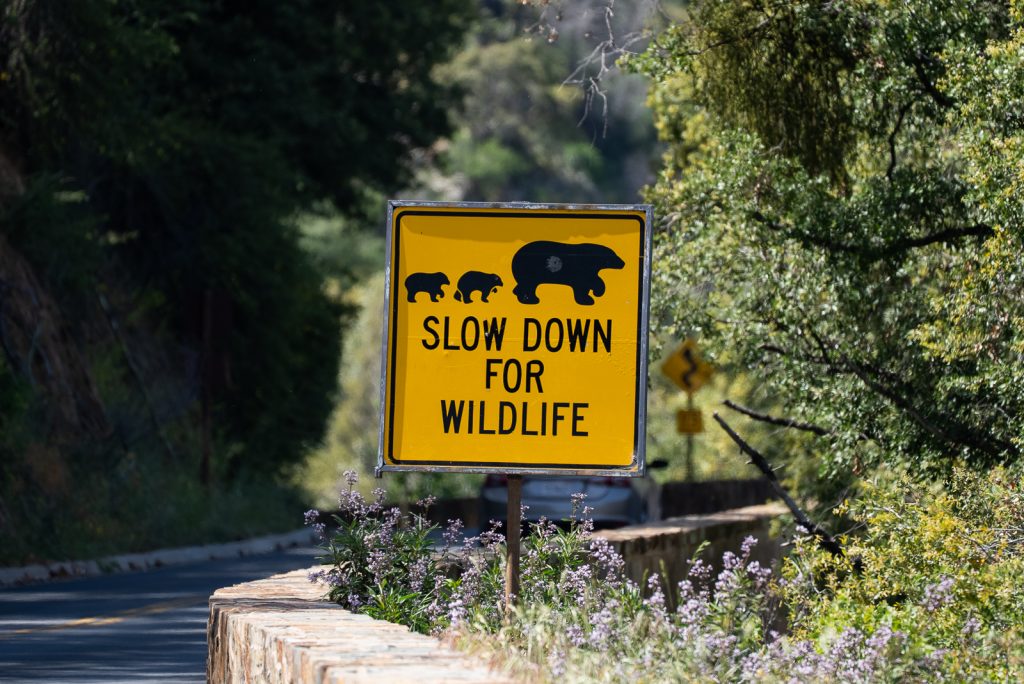
The park is home to hundreds of American black bears. Not only do you need to be bear aware while hiking (and know what to do if you see one), but you also need to practice proper food storage. When bears get access to human food they often get aggressive. This can lead to the bear being killed in order to protect humans.
Not only that, the food storage rules in the park are backed by federal law and disobeying can result in a fine. Anything with a scent (even toiletry items) must be properly stored.
And as backwards as it may sound, bear spray is not allowed in any California National Park, including Kings Canyon. During our time in the park, we didn’t see a single bear. But they are not uncommon to see!
What to bring to Kings Canyon National Park
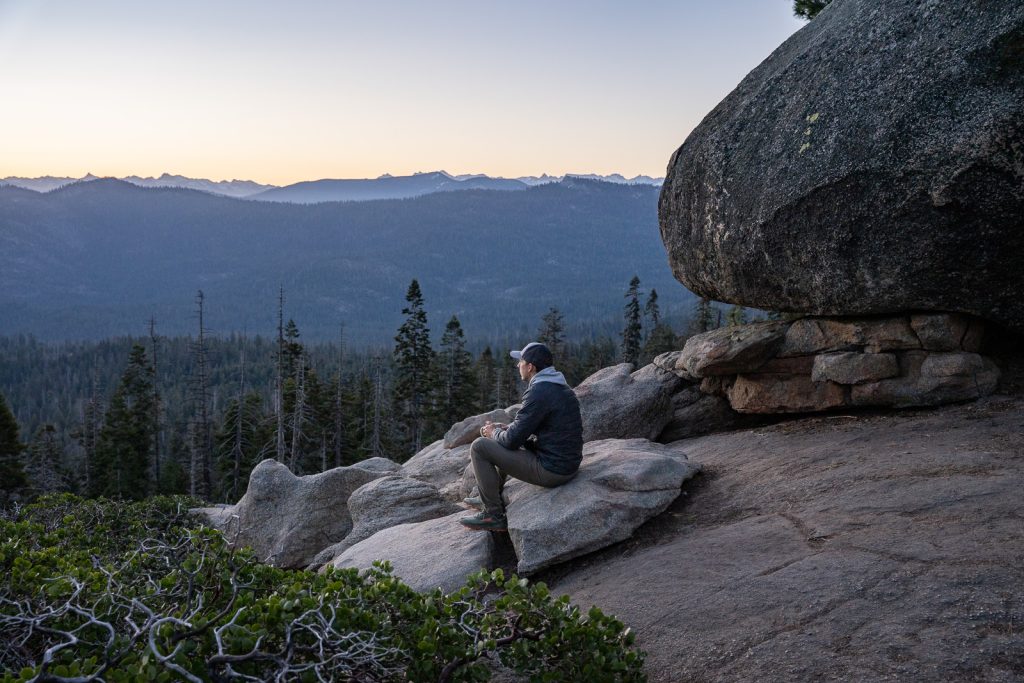
The best things to do in Kings Canyon National Park require being outdoors, so you will want to bring proper outdoor and hiking gear. To see everything we take hiking, check out our hiking gear as well as our guide about how to make a 10 essentials kit.
But here are a few items we want to especially recommend bringing to the park!
Proper hiking shoes
The trails in Kings Canyon National Park range in terrain. Some are smooth and easy to walk on, while others may be rocky or wet. Having good hiking shoes is key for safety! We both love our Altra Lone Peaks, as they are less bulky than boots, but have good traction. They are also great for hiking in water, as they dry fast!
Layers
Different areas of the park lie at different elevations, so the temperatures can range throughout the day. Every 1,000 feet you go up, the temp will normally drop about 5 degrees. Pack layers so you’re ready for different temperatures and unpredictable weather.
Sun Protection
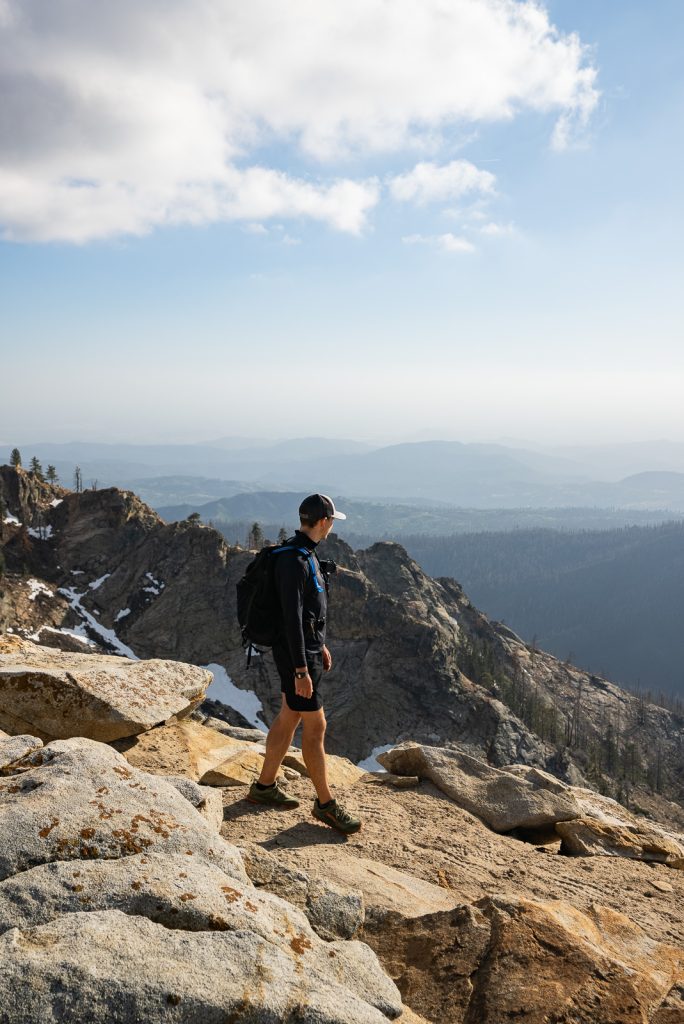
Some areas of Kings Canyon National Park are very exposed to the sun. So you’ll definitely want to bring a sun hoodie, hat, sunscreen, and sunglasses. Adam wears KALIYADI sunglasses and Kathryn wears Ray-Bans.
Water
Make sure to pack lots of water! There are water fountains at the Visitor Center and at campgrounds if you need to fill up, but our 3L Camelbak bladders helped ensure we had enough water throughout the day.
And since you’re at a higher altitude and will be very active, we recommend bringing LMNT to help you stay hydrated. If you use this link, you get a free sample pack (8 packets!) with any order!
Packed lunch & snacks
While there are some places to grab a quick bite to eat or snack in Kings Canyon National Park, like Grant Grove Market, we personally would suggest bringing (and cooking) your own food to save money. If you need snack ideas, you can see a list of our favorite hiking snacks here!
Check out more California National Park resources
- The 17 Best Things to Do in Sequoia National Park
- 33+ Fun Things to Do in Yosemite National Park
- Visiting Santa Cruz Island at Channel Islands National Park
- The Ultimate Guide to Visiting Death Valley National Park
- A Perfect One Day in Joshua Tree National Park Itinerary
- The BEST Day Hike in Pinnacles National Park
- How to Visit Lassen Volcanic National Park in the Winter & Spring
- The Ultimate Guide to Visiting Redwood National Park
- See more California National Park guides
Save this list of the best things to do in Kings Canyon National Park