Last updated on March 18th, 2026
Looking for the best things to do in Sequoia National Park? We’re sharing tons of ideas + tips to help you plan your own trip!
Want to feel like a tiny speck on this planet? Head to Sequoia National Park! Located in California’s Sierra Nevada Mountains, Sequoia National Park is a park full of giants. Not only is it home to the Giant Sequoia, the largest tree on Earth by volume, but also Mount Whitney, the tallest peak in the lower 48!

But beyond its impressive stats, you can also find rushing rivers, waterfalls, a cave, and unique hikes, plus have the chance to see wildlife. Although the park is named after the Giant Sequoia, it surprisingly offers a wide mix of activities and scenery for all kinds of outdoor lovers!
We spent a few days visiting Sequoia National Park in May 2024 and it was hard to not be in awe the entire time. It’s easily one of the best national parks in the west!
And in this guide we’re sharing some of the best things to do in Sequoia National Park, plus lots of helpful tips to help you plan your own adventure!
Check out more California National Park resources
- Plan the Ultimate California National Parks Road Trip! (3 itineraries)
- The Perfect One Day in Sequoia National Park Itinerary
- 15 Fun Things to Do in Kings Canyon National Park
- General Sherman Tree & Congress Trail: The Ultimate Giant Sequoia Hike!
- The Ultimate Yosemite National Park itinerary: Options for 1-6 days!
- The 33+ BEST things to do in Yosemite National Park
- Visiting Santa Cruz Island at Channel Islands National Park
- The Ultimate Guide to Visiting Death Valley National Park
- A Perfect One Day in Joshua Tree National Park Itinerary
- The BEST Day Hike in Pinnacles National Park
- How to Visit Lassen Volcanic National Park in the Winter & Spring
- The Ultimate Guide to Visiting Redwood National Park
- See more California National Park guides
- About Sequoia National Park
- The best things to do in Sequoia National Park
- 1. Drive the Generals Highway
- 2. Hike to Marble Falls
- 3. Tour Crystal Cave
- 4. Visit the Giant Forest Museum
- 5. Watch the sunset from Beetle Rock or Sunset Rock
- 6. Walk the Big Trees Trail
- 7. Drive through Tunnel Log
- 8. Hike the Hanging Rock Trail
- 9. Climb up Moro Rock
- 10. See General Sherman
- 11. Hike the Congress Trail
- 12. Hike to Tokopah Falls
- 13. See alpine lakes on the Lakes Trail
- 14. Hike the Little Baldy Trail
- 15. Spend a night (or more!) in the backcountry
- 16. Summit Mount Whitney
- 17. Visit Kings Canyon National Park
- Planning your trip to Sequoia National Park
- Things to know before visiting Sequoia National Park
- What to bring to Sequoia National Park
- Save this list of the best things to do in Sequoia National Park
About Sequoia National Park

Sequoia National Park was established in September 1890, making it the second oldest National Park in the United States. And its purpose was to protect Giant Sequoias, the largest trees on Earth by volume.
Giant Sequoias only grow on the western slopes of California’s Sierra Nevada Mountains, between 4,000 and 8,000 feet. And around ⅓ of all naturally occurring sequoias grow in both Sequoia and Kings Canyon National Parks.
These giants are part of the Redwood family, along with Dawn Redwoods, the smallest of them all. Plus the Coast Redwoods, the tallest of them all and the kind you’ll find at Redwood National Park in Northern California. And compared to the Coast Redwoods, Giant Sequoias are shorter, but their trunks are a lot thicker.
Sequoia National Park at-a-glance
Cost: $35 per vehicle for 7 days, which also includes Kings Canyon National Park. Or FREE with the America the Beautiful pass.
Reservations required?: Not to enter the park, but you will need a permit for backcountry hiking and to summit Mount Whitney.
Best time to visit: May is a great time to do most of the frontcountry hikes in the park, but with less crowds than the summer. While July-September are the best months if you want to get in the backcountry!
Where to stay: Ideally within the park, either at one of the campgrounds or at Wuksachi Lodge.
Best things to do: Climb up to Moro Rock for sunset, hike General Sherman and the Congress Trail, see Tokopah Falls, and visit the Giant Forest Museum.
How much time should you spend: 1-2 days, unless you plan to do backcountry experiences as well.
The best things to do in Sequoia National Park
This list of the best things to do in Sequoia National Park is based on our personal experience in the park, plus a couple items that we were unable to do due to closures and visiting too early in the season. For the most part, we’re listing them in order of how you’ll come across them, from south to north, that way it’s easier to plan your time in the park!
1. Drive the Generals Highway
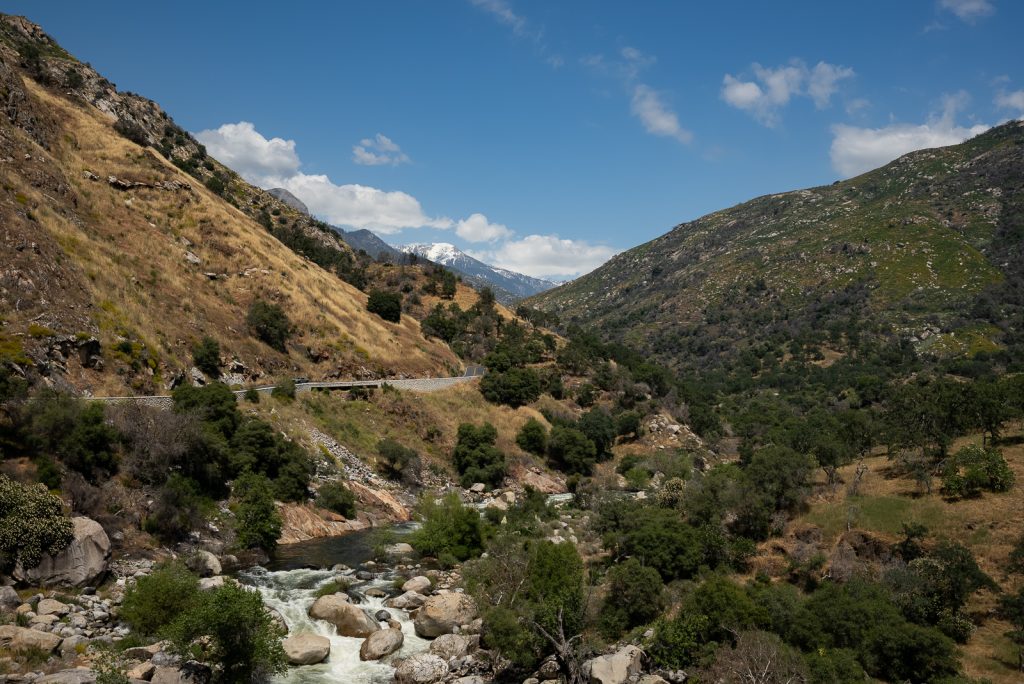
The Generals Highway is a 45 mile highway that connects Sequoia National Park to Kings Canyon National Park. Minus a couple outlying areas, Sequoia National Park is fully located along this highway. So regardless of where you enter the park, you will drive a good chunk of it!
But for the best views, we recommend entering through the Ash Mountain entrance. During this stretch of the highway you will start down at a lower elevation (1,400 feet), along the Kaweah River, before climbing up to 7,200 feet, where the Giant Sequoias reside. It’s a windy and steep drive, with various pullouts to admire the gorgeous mountain scenery along the way. Plus some hikes (like Marble Falls, mentioned below!) and fun stops, like Tunnel Rock!
2. Hike to Marble Falls
One of the best hikes in the Foothills region of the park is Marble Falls. This 6.3 mile hike (round trip) gains about 1,500 feet as you climb up to Marble Falls, a stunning waterfall tucked into the mountains.
One big perk of this hike is that since it’s located in the Foothills region, which is at a lower elevation, it’s accessible earlier in the year than the higher regions of the park. So if you find yourself visiting in the winter or spring, this is a great pick! It also has some colorful wildflowers in April. 😍
A+K Tip: Beware, the trail can be narrow at times, with high grass and some poison ivy. So we recommend wearing pants and long sleeves! However, because of the trail’s lower elevation, it can get very hot (and longer clothing may be a tad warm). So start this hike early to beat the heat!
3. Tour Crystal Cave
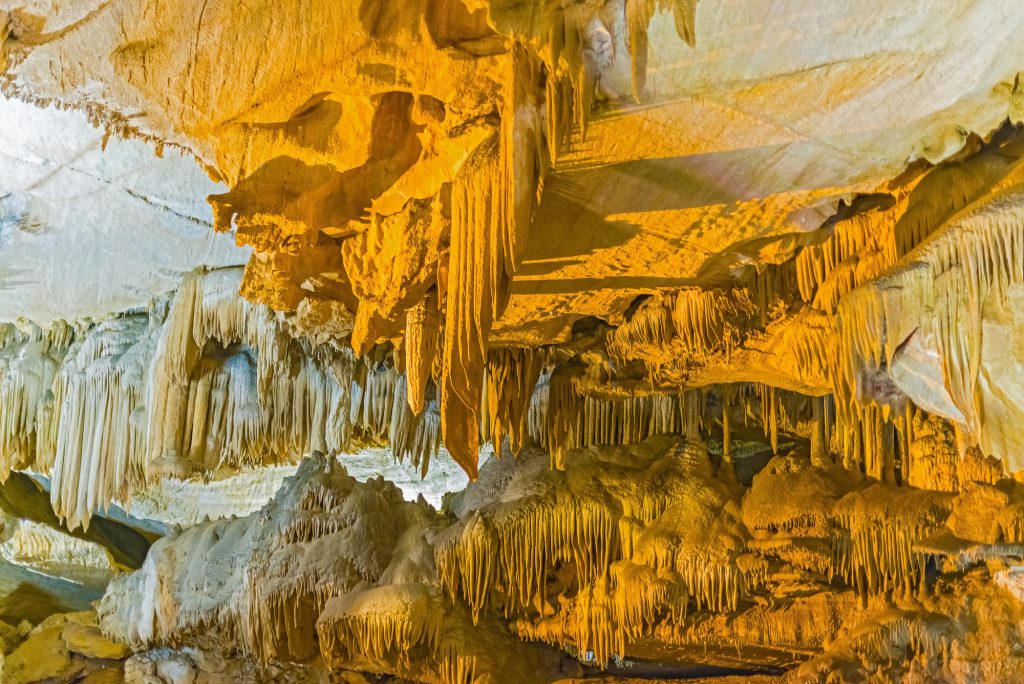
Not only are there many things to do in Sequoia National Park above the surface, but you can find wonders underground as well! Sequoia and Kings Canyon National Parks are home to 275 caves, but there is only one accessible to the public: Crystal Cave. This is a marble cavern that showcases millions of years through its impressive formations.
And exciting news! After closing in 2021 due to wildfire damage, Crystal Cave is finally reopened as of May 2025! So while we were unable to visit ourselves, we have visited many caves across the United States, such as Carlsbad Caverns and Lehman Caves at Great Basin. And each cave we visit has been slightly different and extremely impressive, so we know we’d love this one as well!
The only way to visit Crystal Cave is on a guided tour. Tours are offered every 30 minutes from 9 AM-3:30 PM between lat May and early September. The tours are 2 hours long and include a 0.5 mile round trip hike, plus stairs and steep terrain. Make sure to book your tickets in advance, as dates can sell out!
Important note: Vehicles over 22 feet and towed trailers are NOT allowed on the road to Crystal Cave!
4. Visit the Giant Forest Museum
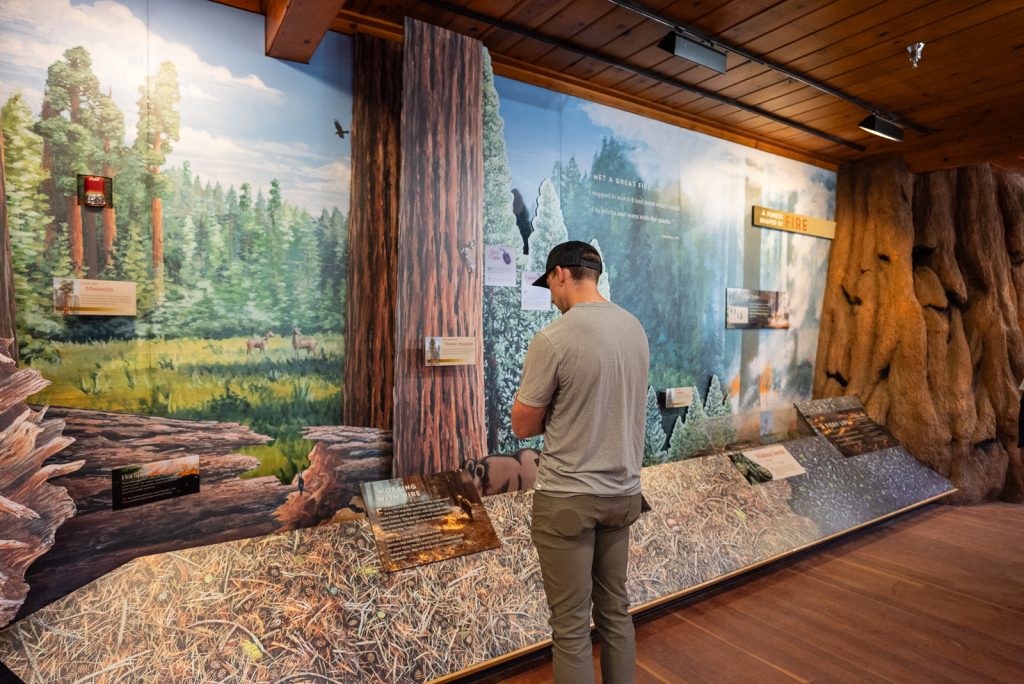
After driving up the Generals Highway from the Foothills, you will start to catch your first sight of the Giant Sequoias around 4,000 feet in elevation. But before you go hiking among them, we highly recommend stopping at the Giant Forest Museum to learn more about them!
This museum is home to a small park shop, access to rangers, and a small FREE museum, where you can learn about the lifecycle of the Giant Sequoia. One of our favorite parts about this museum was learning about how vital fires are to Giant Sequoias.
Over time, branches and leaves litter the forest floor, which make it hard for seedlings to grow. But fires help burn up all of this debris and create a really fertile soil. At the same time, the heat from the fires is helping the cones to open up, causing seeds to rain down.
Unfortunately, many seedlings do not end up making it. And to demonstrate this, they have a fun wheel to spin where you are a “seedling” and get to see if you survive or not! Adam’s seedling was eaten by squirrels and my seedling landed in a bad spot and never sprouted. 😩 Womp womp…
5. Watch the sunset from Beetle Rock or Sunset Rock
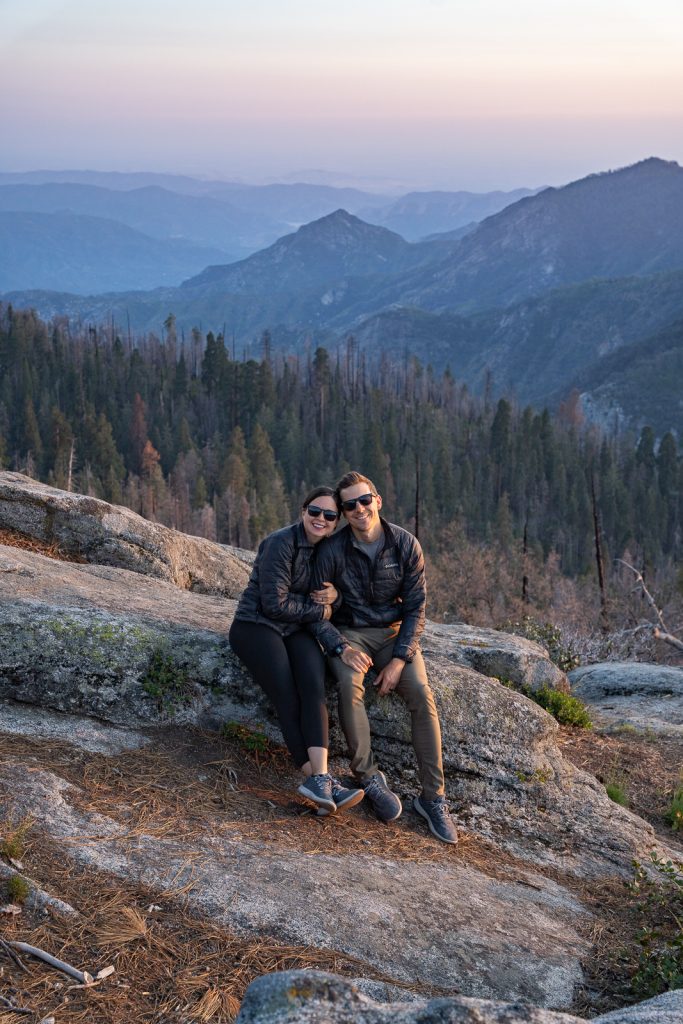
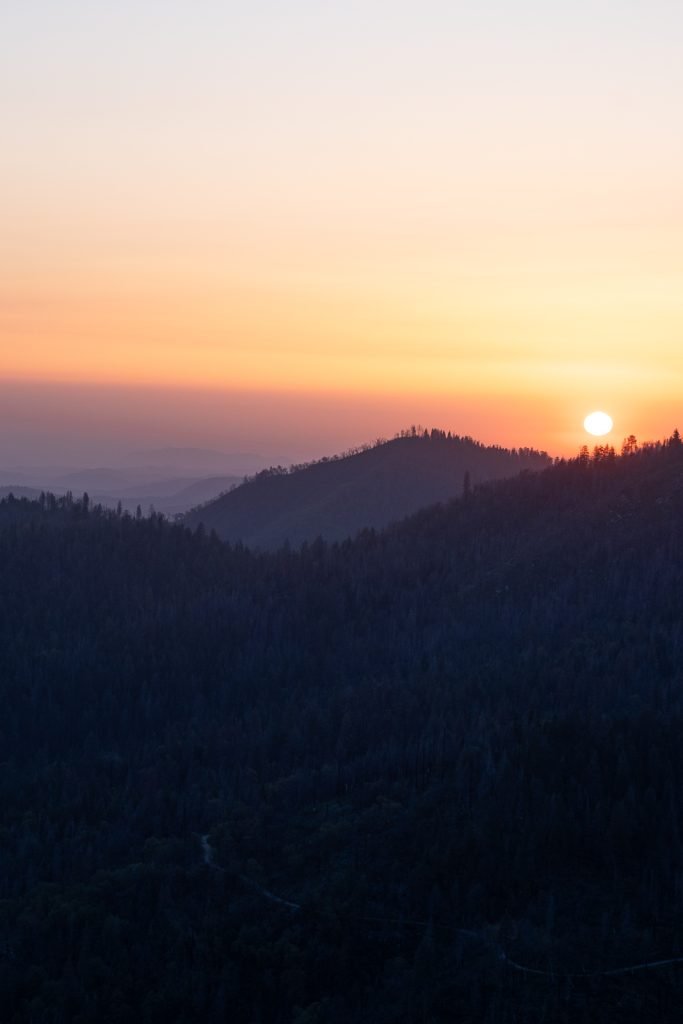
For an easy sunset spot, head to either Beetle Rock (0.3 miles) or Sunset Rock (1.6 miles)! Both of these start right across from the Giant Forest Museum and offer an amazing, west-facing mountain view, perfect for ending the day.
We ultimately chose to hike to Beetle Rock, as it was shorter. And we loved it! There was a lot of space to spread out and since it was so short and easy, we were able to make it back to the van before dark.
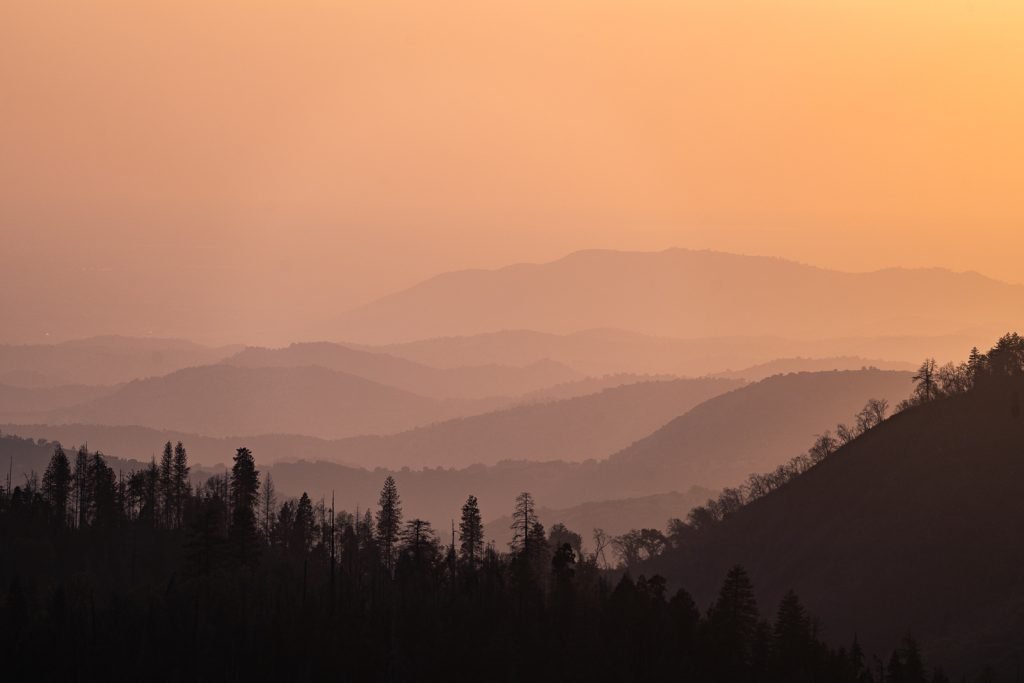
One thing to keep in mind is that both Sequoia and Kings Canyon National Parks are said to be some of the most polluted in the United States. And this was very evident on this hike, as the skies were pretty hazy.
6. Walk the Big Trees Trail
Another great hike to check out near the Giant Forest Museum is the Big Trees Trail. At only 1.2 miles and minimal elevation gain, this is an easy option to see lots of Giant Sequoias. And as an added bonus, it’s a boardwalk trail, making it accessible for both wheelchairs and strollers!
7. Drive through Tunnel Log

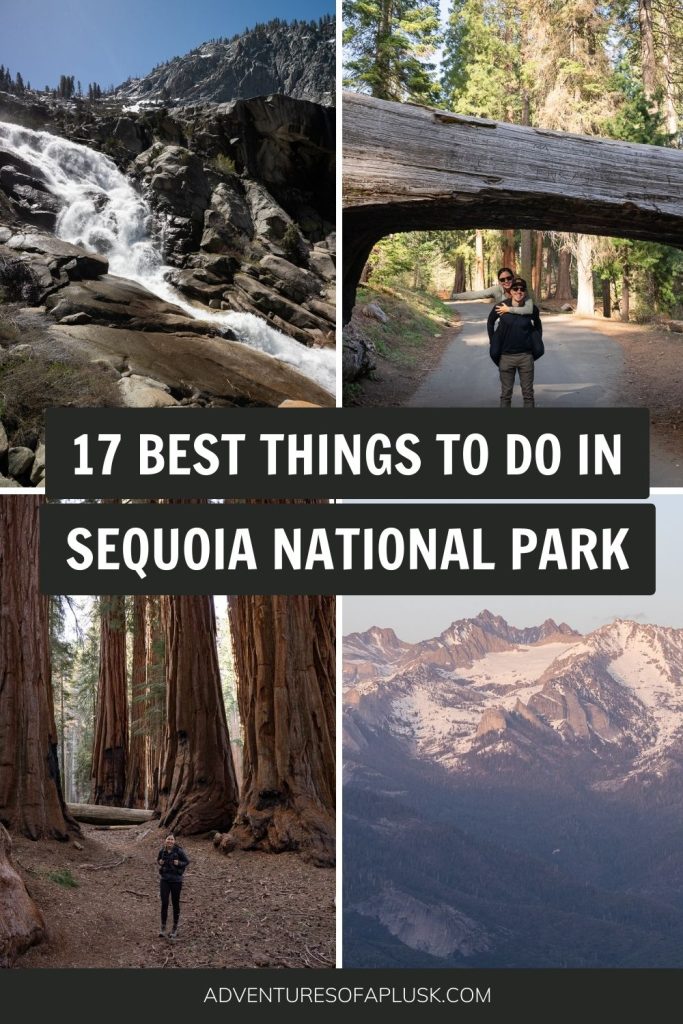
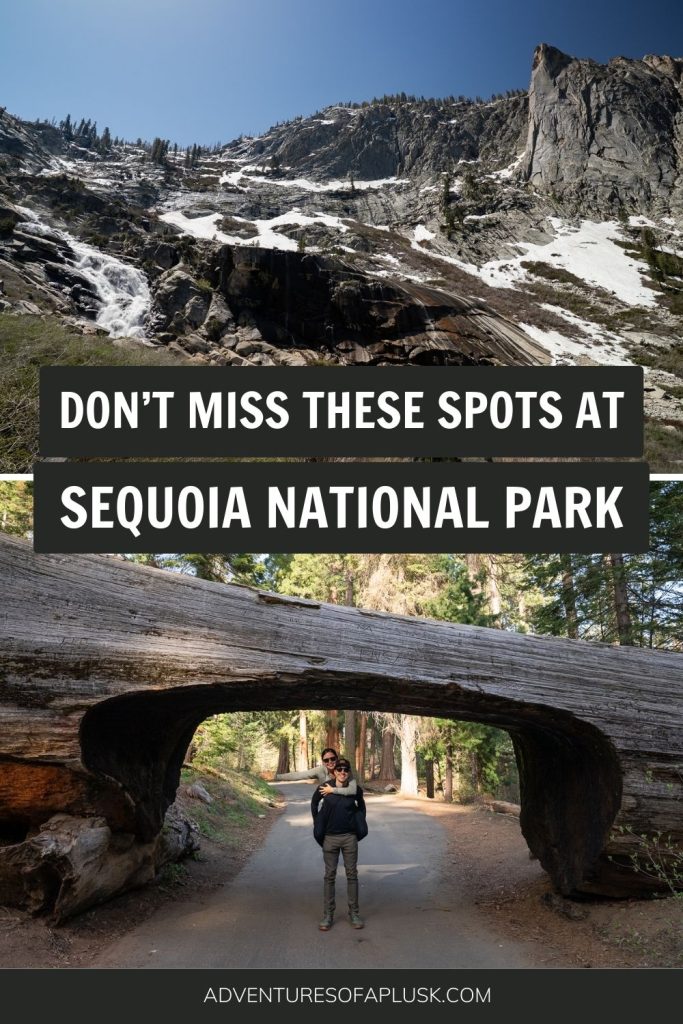
Ever wanted to drive through a tree? Well, at Tunnel Log you can! It’s without a doubt one of the more unique things to do in Sequoia National Park. This 275 foot tall Sequoia fell across the road in late 1937 and the following summer, a 17 foot wide and 8 foot tall tunnel was cut through to make it a visitor attraction.
When we visited in late May, the road to Tunnel Log (as well as Hanging Rock and Moro Rock) was still closed. So we walked to it instead! Since our van wouldn’t have fit under the tunnel anyways, we liked this better, as it was WAY less busy than it would be when the roads are open.
Although we didn’t get to drive under Tunnel Log, we did drive through a Redwood tree once in our SUV at the time. And it’s definitely a memorable experience!
Driving a large rig like us? There is a bypass for tall vehicles! You can park before the tunnel log as well (assuming there is space) and then walk under it, like we did.
8. Hike the Hanging Rock Trail
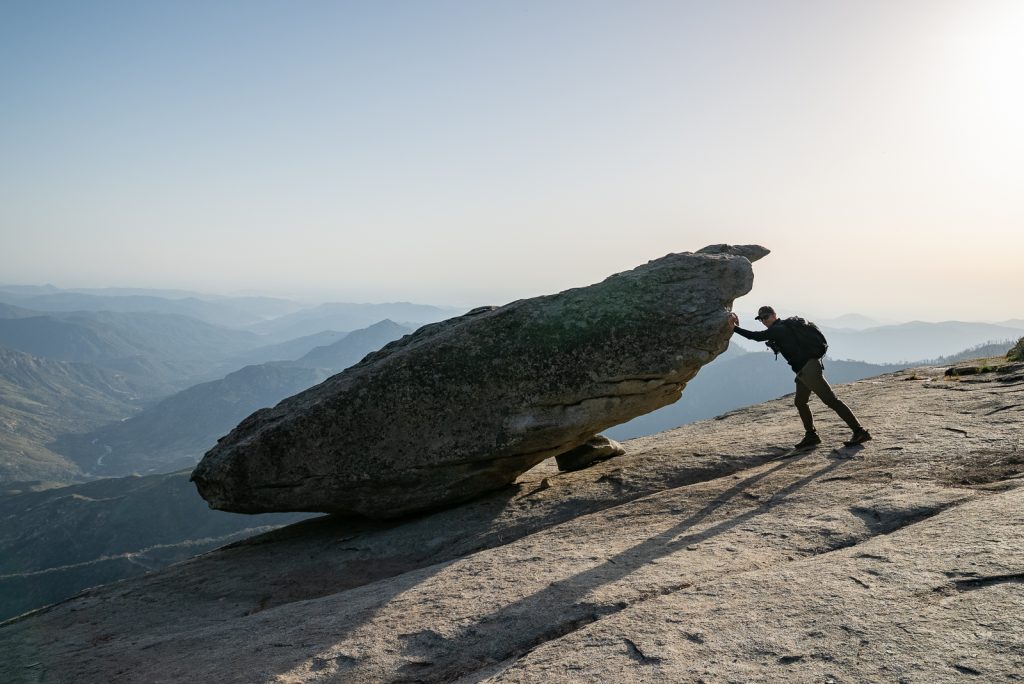
For a short and sweet hike, head to the Hanging Rock Trail. At only 0.3 miles round trip, you won’t have to exert much effort for a pretty killer reward. Not only do you get to see a rock that is precariously hanging on the edge of a cliff, but you also have fantastic views of the Kaweah River Valley and of Moro Rock (which helps put it into perspective).
A+K Tip: Due to a seasonal road closure on Crescent Meadow Road and Moro Rock Loop, we had to walk to both this trail, plus Tunnel Log and Moro Rock, for about a 5 mile hike. The road typically opens in late May and you can either drive it yourself or take the free park shuttle. Parking spots are very limited!
9. Climb up Moro Rock
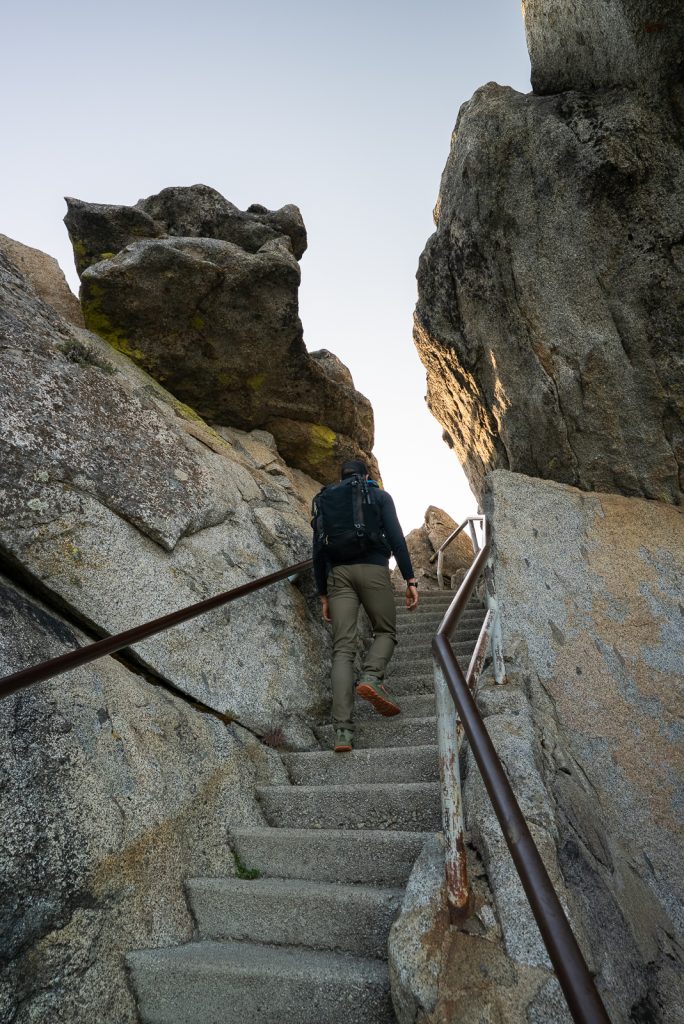
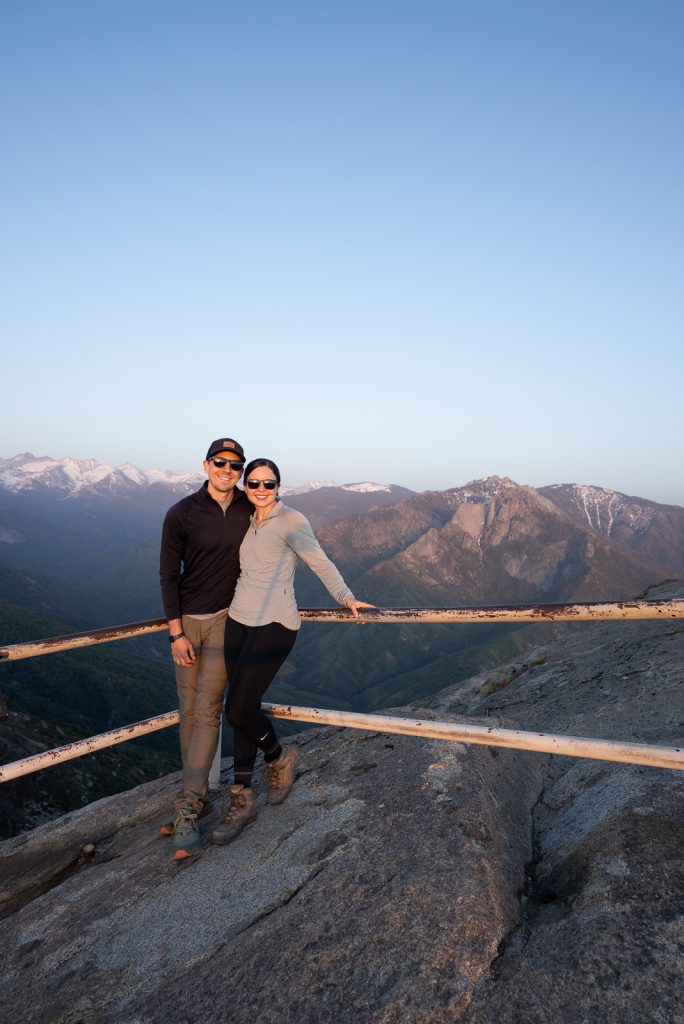
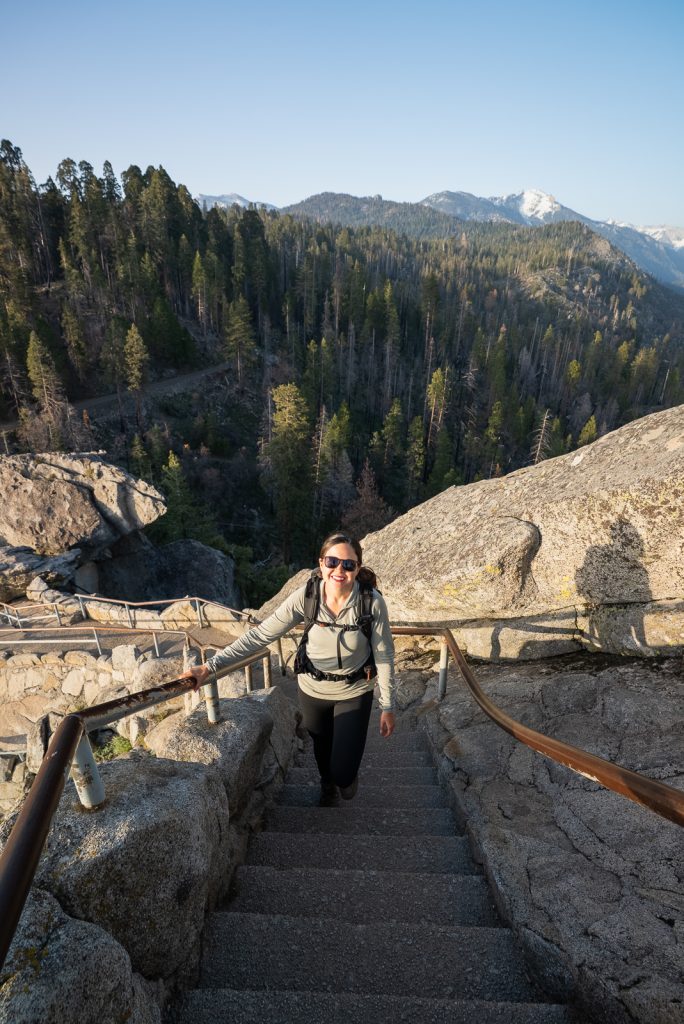
Moro Rock is one of the most fun hiking trails in the National Park System. And is without a doubt one of the best things to do in Sequoia National Park. So don’t miss it!
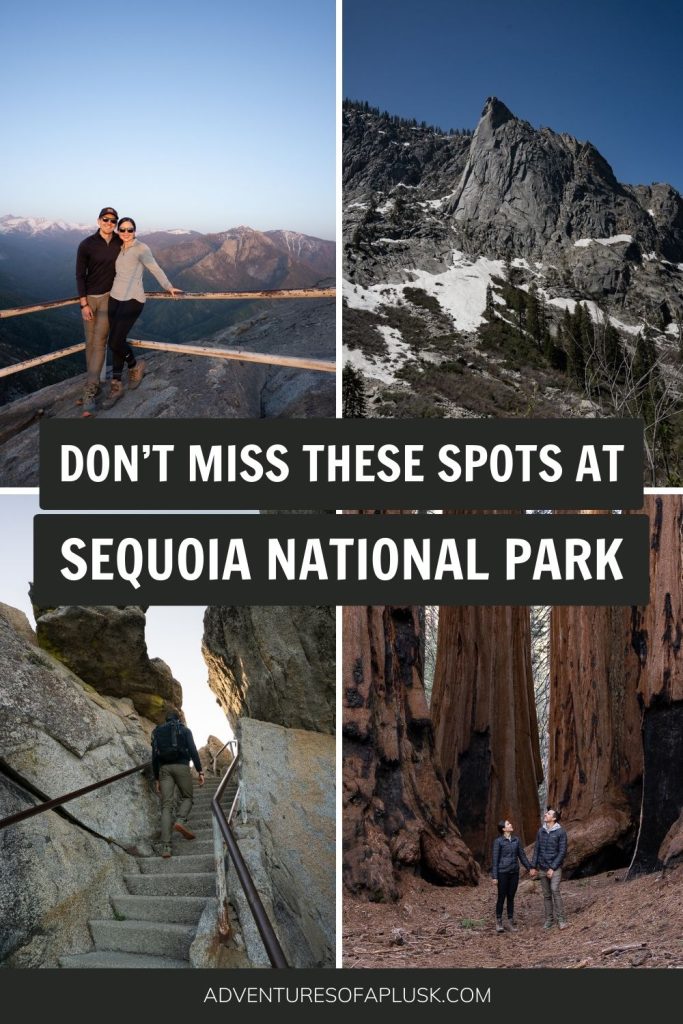
Moro Rock is a granite dome, sort of like a very mini Half Dome at Yosemite. It’s only 0.5 miles (round trip) to get to the top, but how you get there is what makes the hike unique. The park has etched a pathway, plus 350 steps into its granite walls to take you to its summit. It feels like an adventure as you make your way to the top!
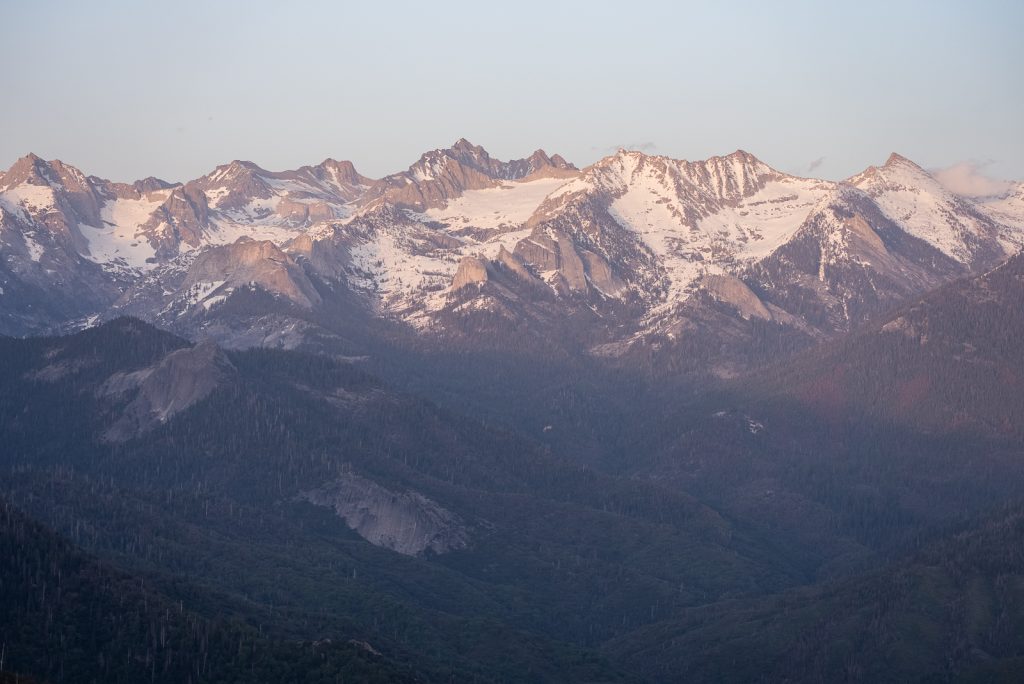
And at the summit, you’ll be able to stand in an area that is blocked off by railing to soak up the views of the jagged peaks of the Sierra Nevada Mountains. We did this hike for sunset and it was pretty magical, getting to see the pink alpenglow on the mountains across the way.
This trail can be narrow and there are drop offs, but there are also handrails to hold onto for extra safety. We never once felt unsafe, but if you’re afraid of heights, this hike may not be for you.
10. See General Sherman
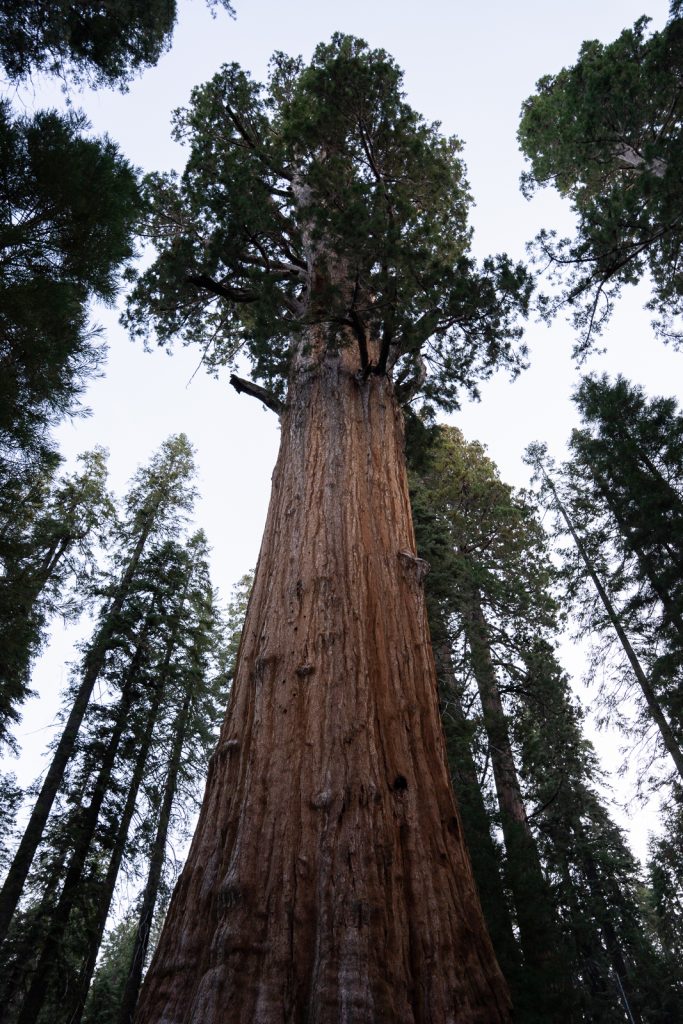
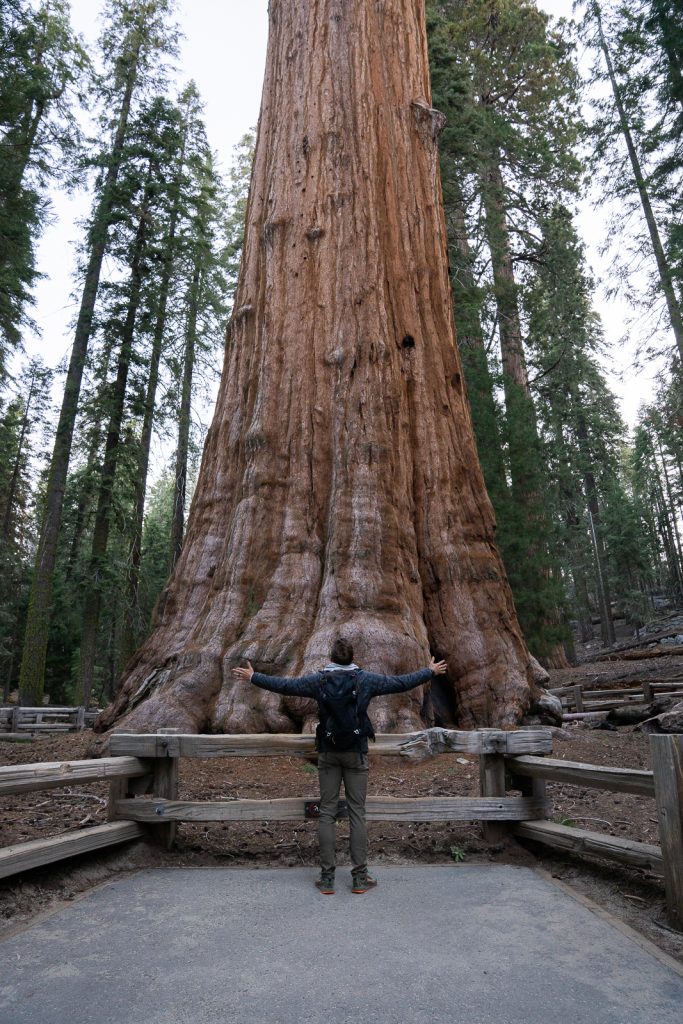
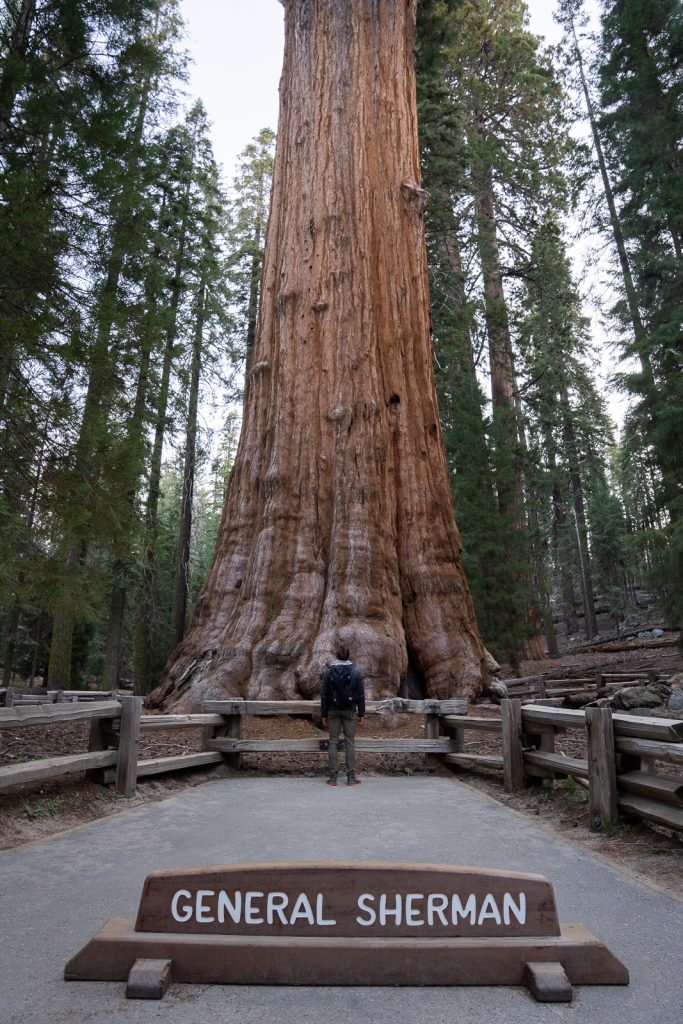
No trip to Sequoia National Park is complete without seeing General Sherman. It’s the most iconic thing to do in Sequoia National Park!
Why, you may ask? Well, the General Sherman Tree is said to be the largest tree in the world! This behemoth is 274.9 feet tall and has a circumference on the ground of 102.6 feet and a total volume of 52,508 cubic feet. While there are taller trees and wider trees, General Sherman contains more wood, or volume, in its trunk than any other tree on Earth.
To visit the tree, it’s a short, downhill walk from a large parking area. And when you reach General Sherman, you are able to walk all around it, allowing you to see it from all angles. We have visited Redwood National Park multiple times, so we are no strangers to big trees, but General Sherman still impressed the heck out of us!
11. Hike the Congress Trail
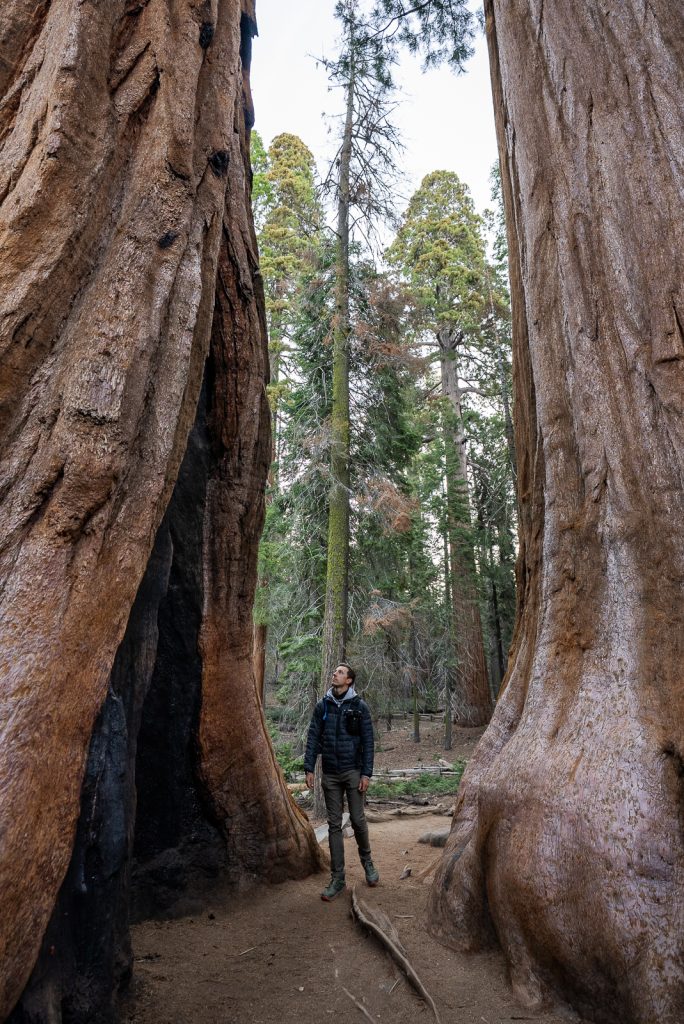
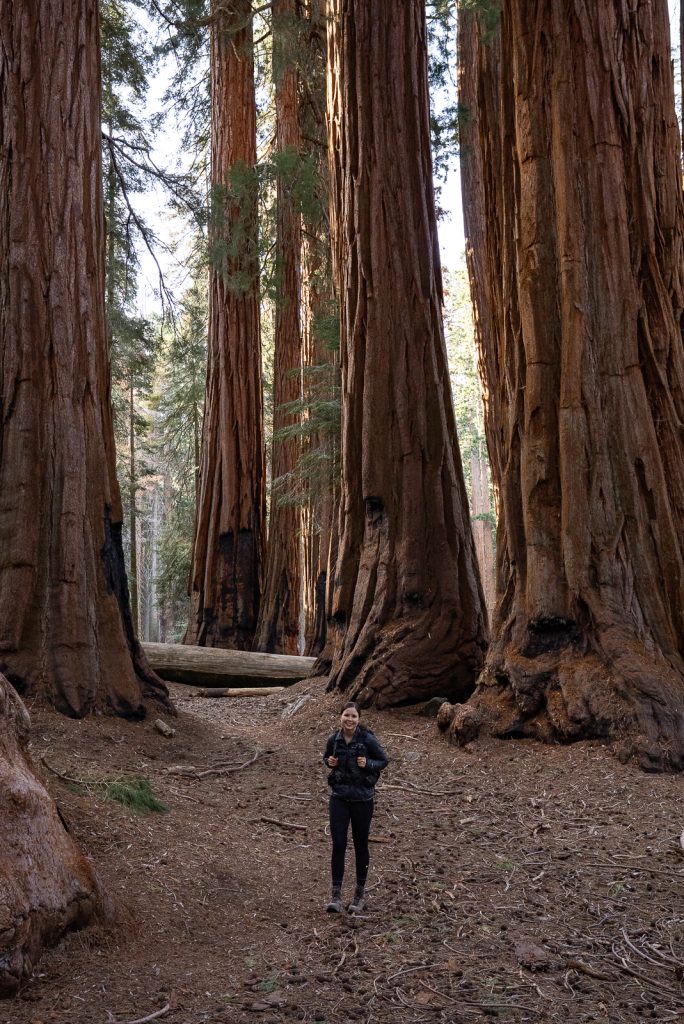
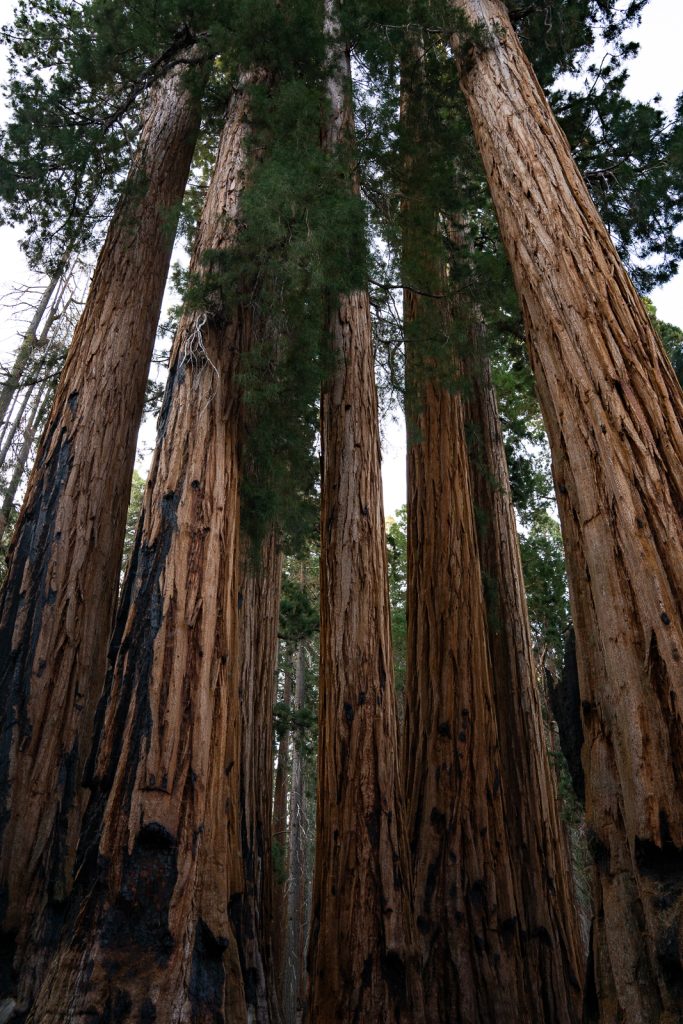
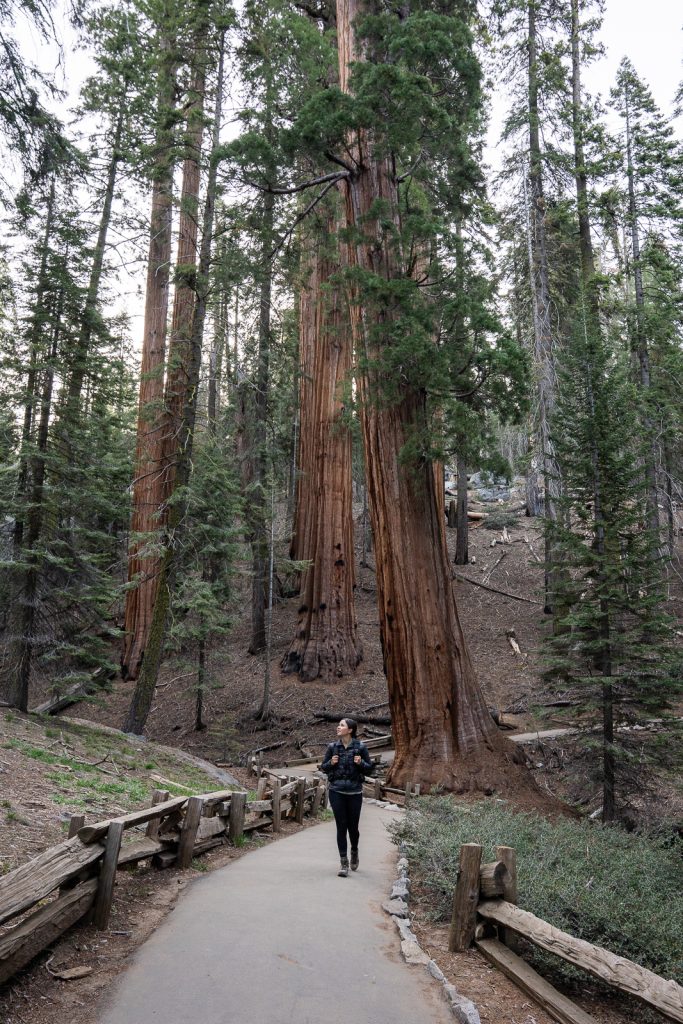
After visiting General Sherman, head onto the Congress Trail! We personally enjoyed this trail even more than seeing General Sherman. It’s our favorite Giant Sequoia hike in the park!
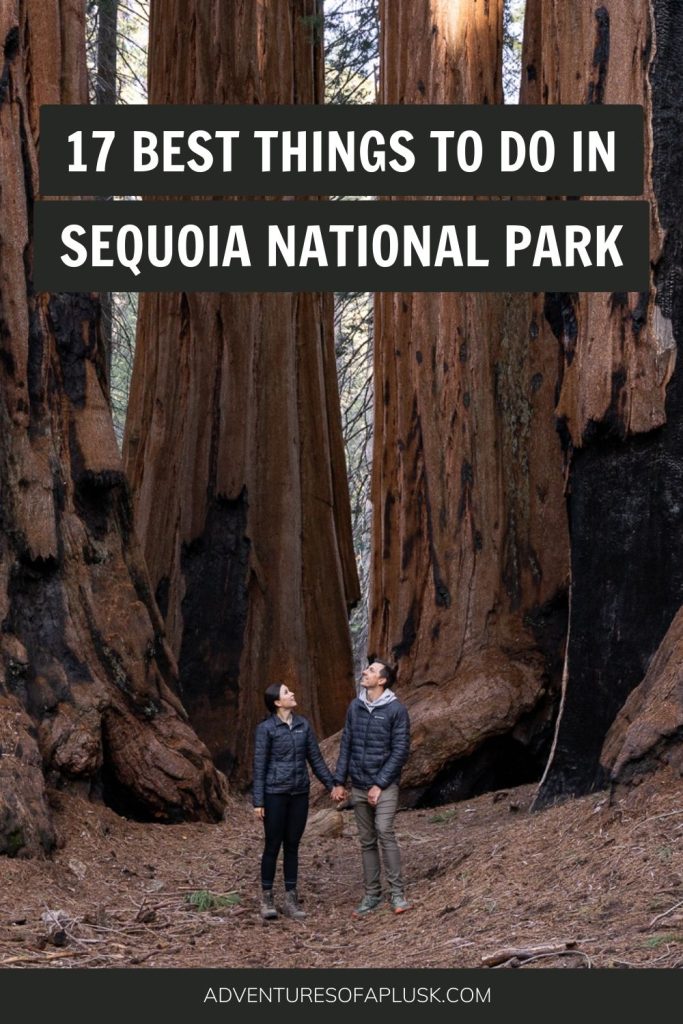
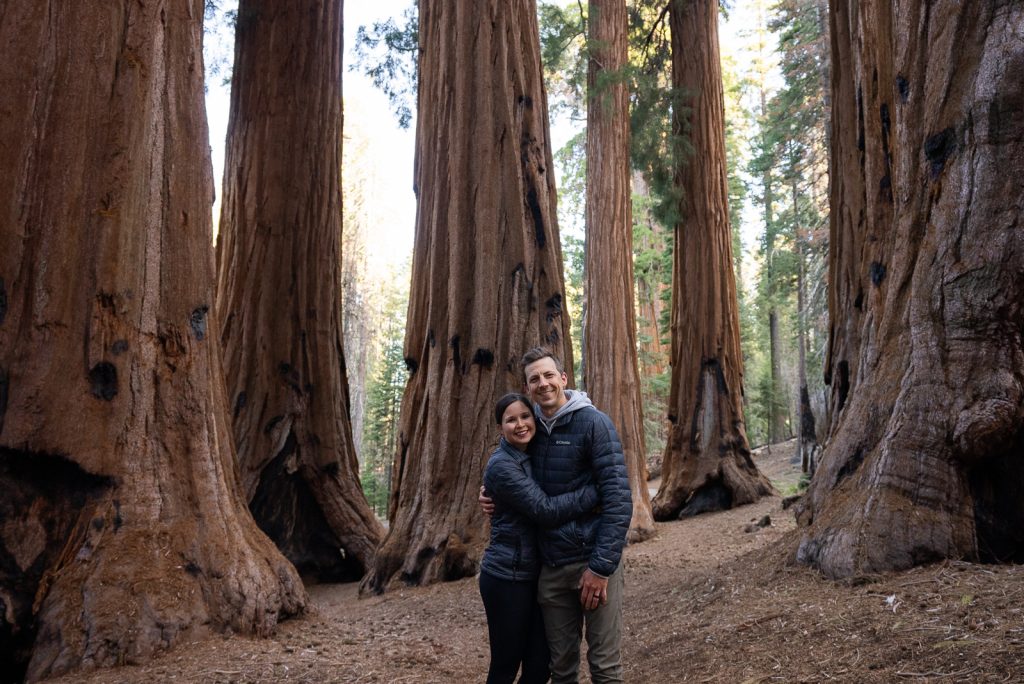
Along this 3 mile route, you’ll not only go by General Sherman, but you’ll also get to wander through a jaw dropping grove of Giant Sequoias. Including a few groups of trees named after different levels of government, like the House and Senate. Plus the President tree, which was named in 1923 in honor of President Warren G. Harding.
These trees may not be as big as General Sherman, but you’ll still stretch your neck looking up at them!
To learn more about hiking the Congress Trail, as well as General Sherman, check out our full trail guide!
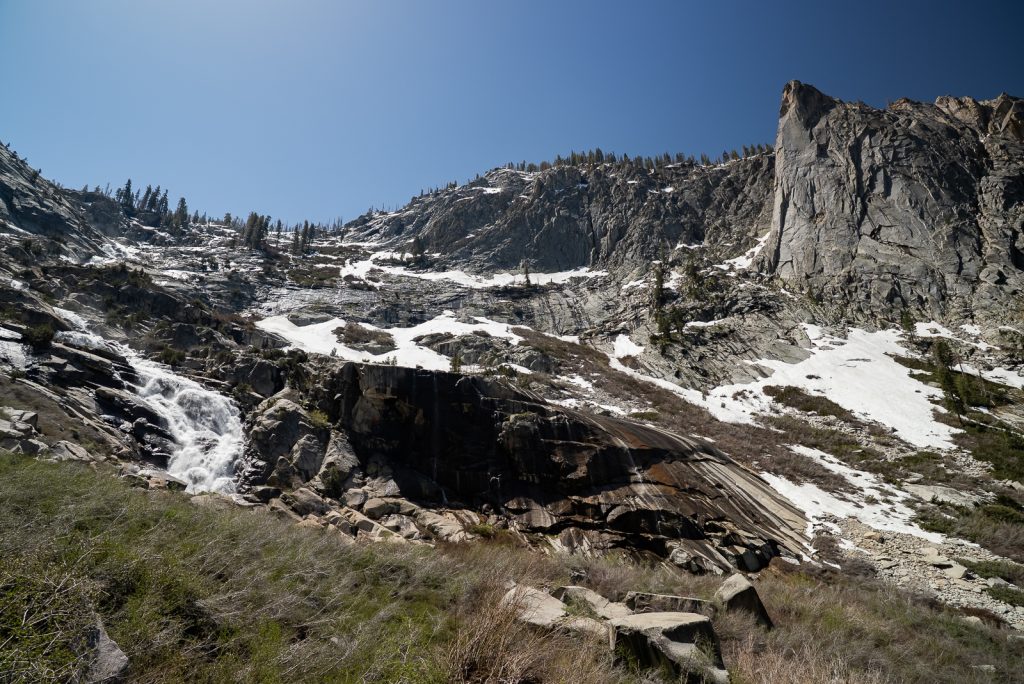
12. Hike to Tokopah Falls
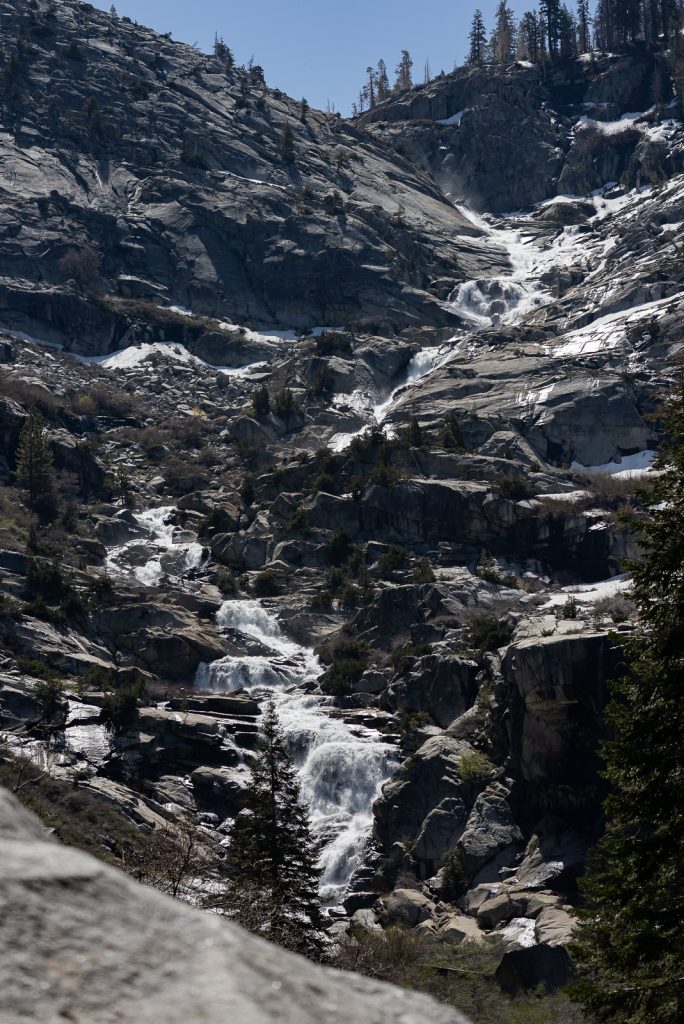
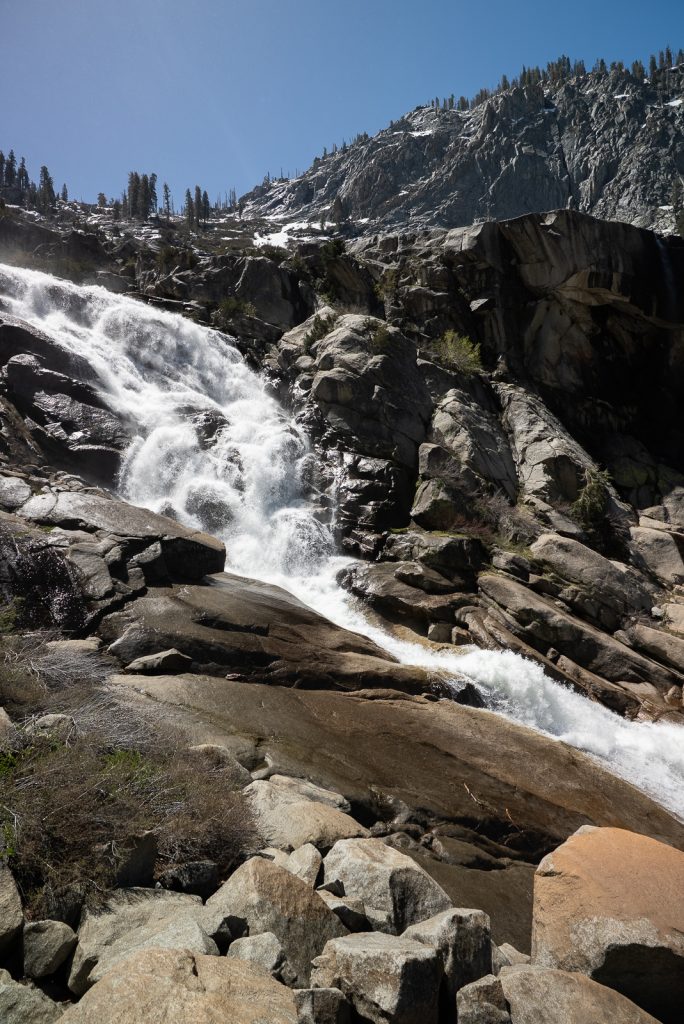
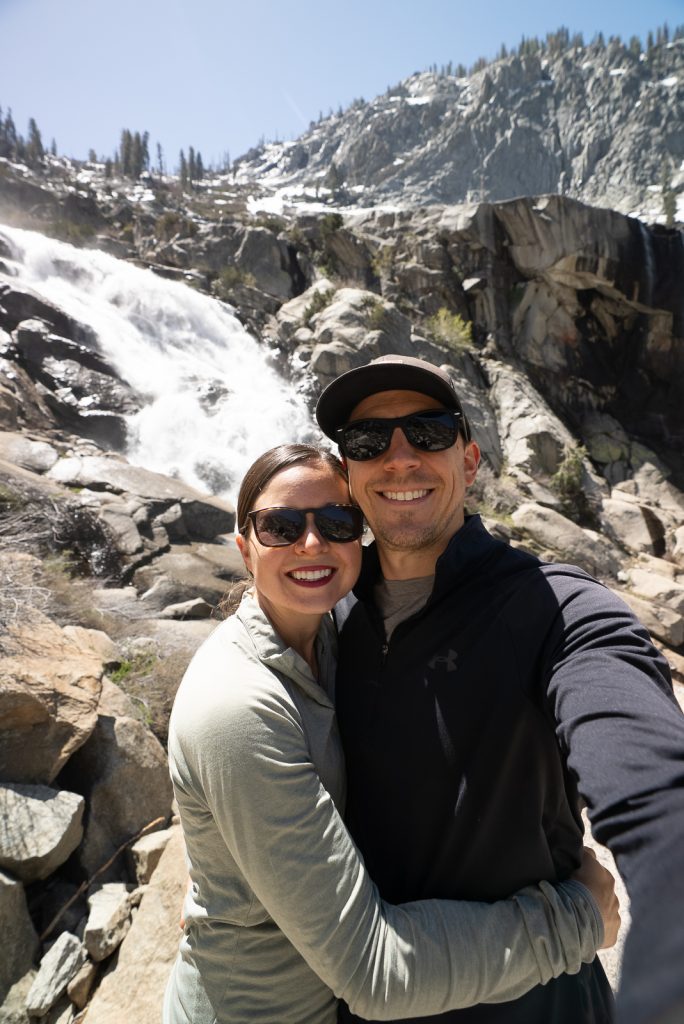
Tokopah Falls is a 1,200 foot tall waterfall that cascades down multiple levels. And it’s one of the best hikes in Sequoia National Park!
While you can see more of the upper levels of Tokopah Falls towards the end of the hike, the hike itself ends at one of the bottom levels. But during our visit in May, the waterfall was extremely impressive, even if we only got up close to one part of it!
But what surprised us the most about this hike were the views along the way! You not only go along a beautiful, rushing river, but as you get closer to the end, you’ll be hiking right below some gorgeous, sharp peaks. While this hike may not have Giant Sequoias, it is the perfect way to experience some of the park’s other impressive scenery.
13. See alpine lakes on the Lakes Trail
The Sierra Nevada Mountains are known for having some breathtaking alpine lakes. And Sequoia National Park is no exception!
While some of the park’s best lakes require an overnight hike, for a day hike option (although a longer one at 11.2 miles), hike the Lakes Trail! This hike will take you to multiple lakes, tucked into the mountains, with the final lake, Pear Lake, being the most impressive of them all.
Unfortunately we visited too early in the season to hike this trail, but it’s high up on our list for our next visit!
To learn more about combining General Sherman and the Congress Trail, check out our complete guide to the hike!
14. Hike the Little Baldy Trail
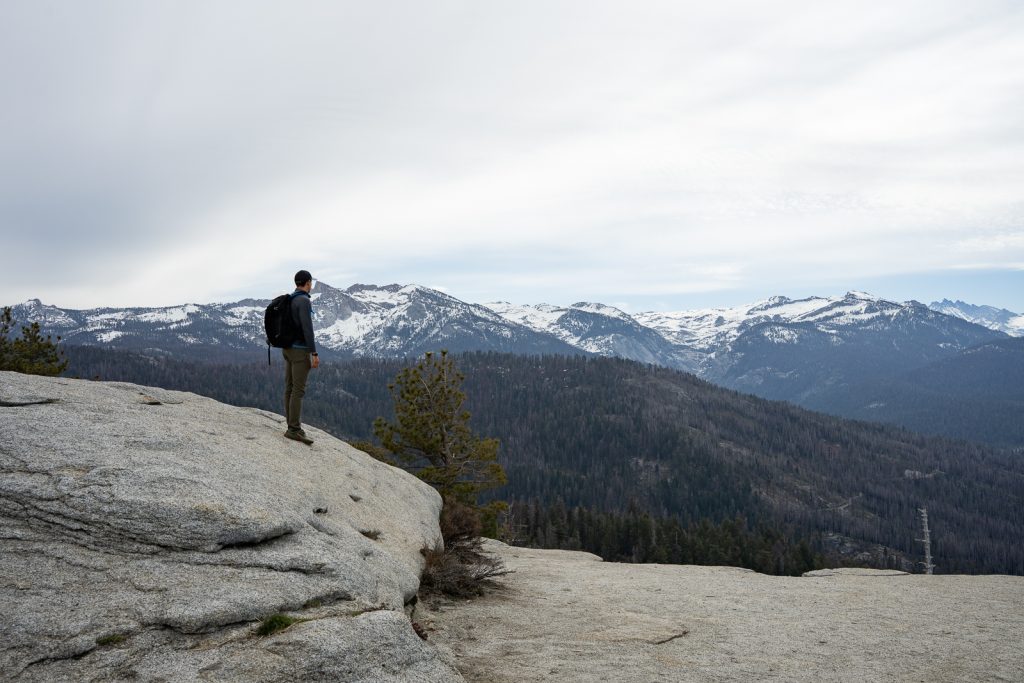
The Little Baldy Trail is a great hike if you want to see more mountain views in the park! You will hike mostly through the forest to a very large granite landing, where you can soak up 360º views of the park. And the best part? It was way less busy than some other hikes we did in Sequoia National Park!
Important note: Recent reviews state that there are a lot of downed trees along the trail. This will make the trail a bit tougher, so keep this in mind if you decide to hike it.
15. Spend a night (or more!) in the backcountry
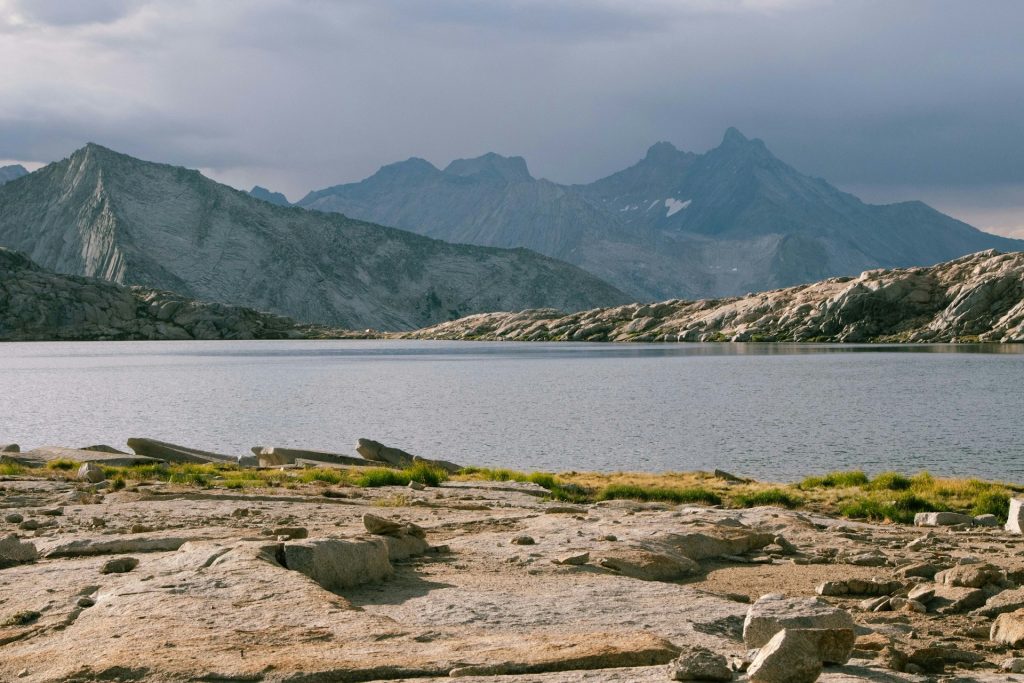
Some of the best views in Sequoia National Park are in the backcountry. So for the experienced hikers out there, one of the best things to do in Sequoia National Park is to go on a backpacking trip!
Since we visited early in the season, this wasn’t possible for us. But whenever we can return, we will make sure to visit in the summer months, so we can tackle one or two of them ourselves. At the top of our list is the High Sierra Trail, which goes 70 miles through the park, including summiting Mount Whitney.
Another trail we’d love to backpack at Sequoia National Park is the Mineral King Loop, which takes you to multiple alpine lakes, with sweeping mountain views, in the Mineral King section of the park.
Wilderness Permit Required: To camp in the backcountry, you are required to get a wilderness permit. These can be tough to get, so make sure to plan in advance for your best chance at getting the trail you want!
16. Summit Mount Whitney
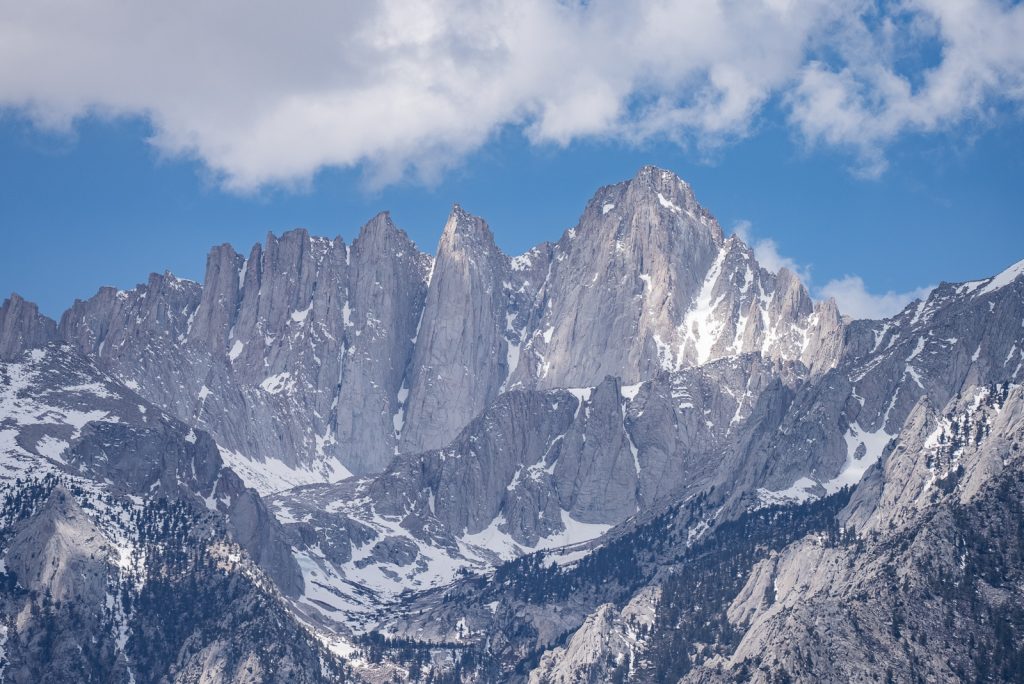
One of the top items on our hiking bucket list is to summit Mount Whitney, the tallest peak in the lower 48 at 14,505 feet. Although you typically access this hike from the Whitney Portal, near the Alabama Hills (on the other side of the mountains), the peak itself is technically in the park!
It’s an incredibly strenuous hike, gaining over 6,600 feet, all while at altitudes that already make it harder to breathe. While some people attempt it in a day, most hikers camp overnight along the way.
Regardless if you do a day hike or overnight hike, to summit it you have to obtain a permit through a lottery system, which is VERY tough to get. We have tried, and failed, so we will keep trying until we can make our dream come true!
17. Visit Kings Canyon National Park
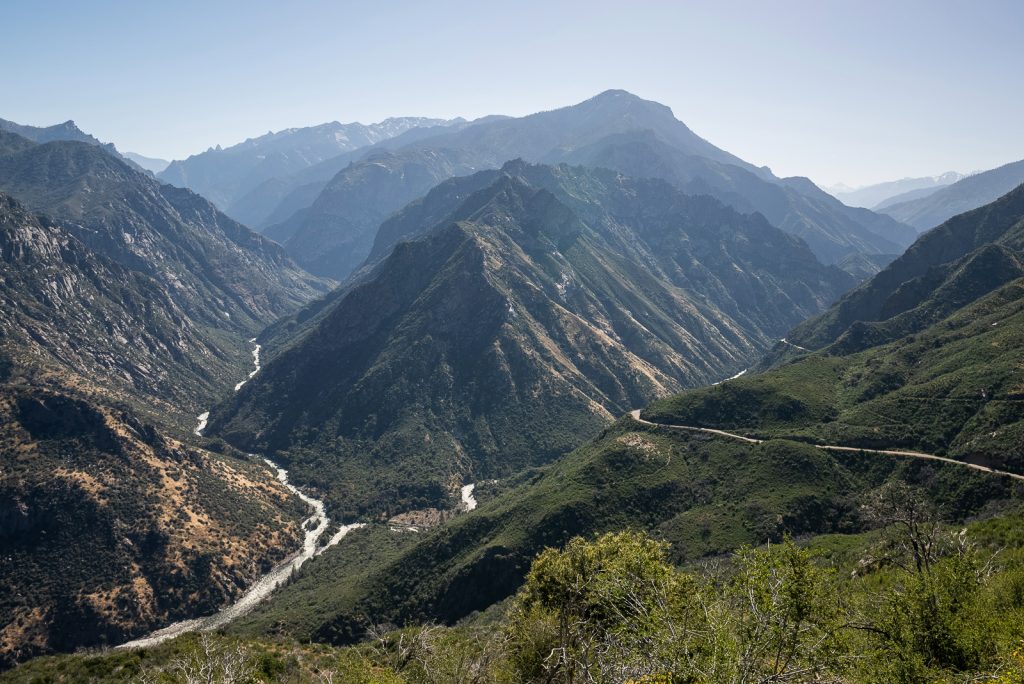
One of the best things to do in Sequoia National Park is to hop on over to Kings Canyon National Park! Located right next to each other, these parks are super easy to combine into one trip. In fact, they are even managed together!
Similar to Sequoia National Park, Kings Canyon is home to Giant Sequoias, including the world’s second or third largest tree. But it’s so much more than that. Within (and near) the park you can find a dramatic canyon and mountain views, a beautiful river, cave, waterfalls, alpine lakes, and so much more.
We truthfully didn’t know what to expect from Kings Canyon National Park and during our visit, quite a bit was closed. But what we got to see took our breath away!
To see all of our recommendations for the park, check out our guide with the best things to do in Kings Canyon National Park!
Planning your trip to Sequoia National Park
How to get to Sequoia National Park
Sequoia National Park is located just east of Fresno, California on the western slope of the Sierra Nevada Mountains.
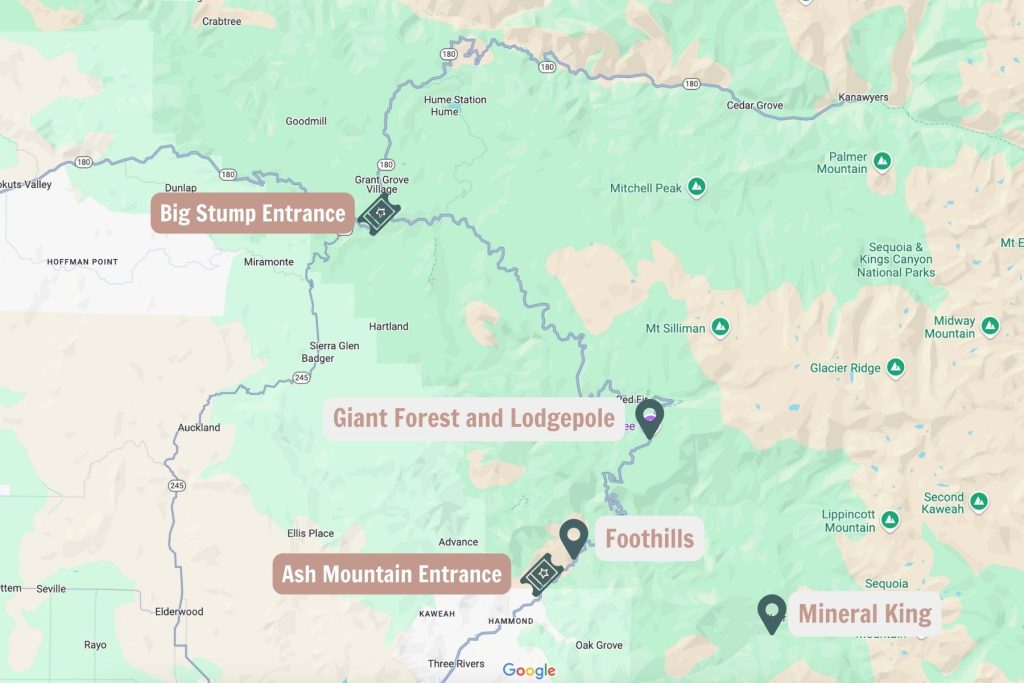
The park has two main entrances. First is the Ash Mountain Entrance (1.5 hours from Fresno), which takes you directly into Sequoia National Park, starting in the Foothills and going up the Generals Highway into the park.
You can also enter via the Big Stump Entrance (1 hour from Fresno), which is technically in Kings Canyon National Park, but provides access to Sequoia National Park as well. This is the preferred route for large RVs and those pulling trailers, as it’s much less windy and steep.
Once in the park, there are three areas to explore: the Foothills, Mineral King, and Giant Forest and Lodgepole. This list of the best things to do in Sequoia National Park includes stops in all of these areas!
Flying to Sequoia National Park
The closest airport will be the Fresno Yosemite International Airport (FAT), about 1.5 hours away from the park’s Foothills entrance.
Alternatively, you could fly in or out of San Francisco International Airport- SFO (5 hours) or Los Angeles International Airport- LAX (4.5 hours). This is a good option if you plan to do a California National Parks road trip!
Once arriving, you can rent a car to head into the park. No special type of vehicle is needed!
Driving to Sequoia National Park
If you’re driving to Sequoia National Park, here’s how long you can expect to drive to Sequoia National Park’s Foothills Visitor Center from nearby popular destinations:
- Kings Canyon National Park Visitor Center: 1.5 hours (54 miles)
- Fresno, CA: 1.5 hours (78 miles)
- Yosemite Valley: 3 hours, 45 minutes (171 miles)
- Los Angeles, CA: 3 hours, 45 minutes (204 miles)
- San Francisco, CA: 4 hours, 40 minutes (273 miles)
Taking a shuttle to Sequoia National Park
Besides driving into the park yourself, you can also take a shuttle from Visalia to the Giant Forest Museum, between late May and September. It costs $20 per person round trip, in addition to the park entrance fee. Once arriving, you can take the free park shuttles around to other areas of the park!
Getting around Sequoia National Park
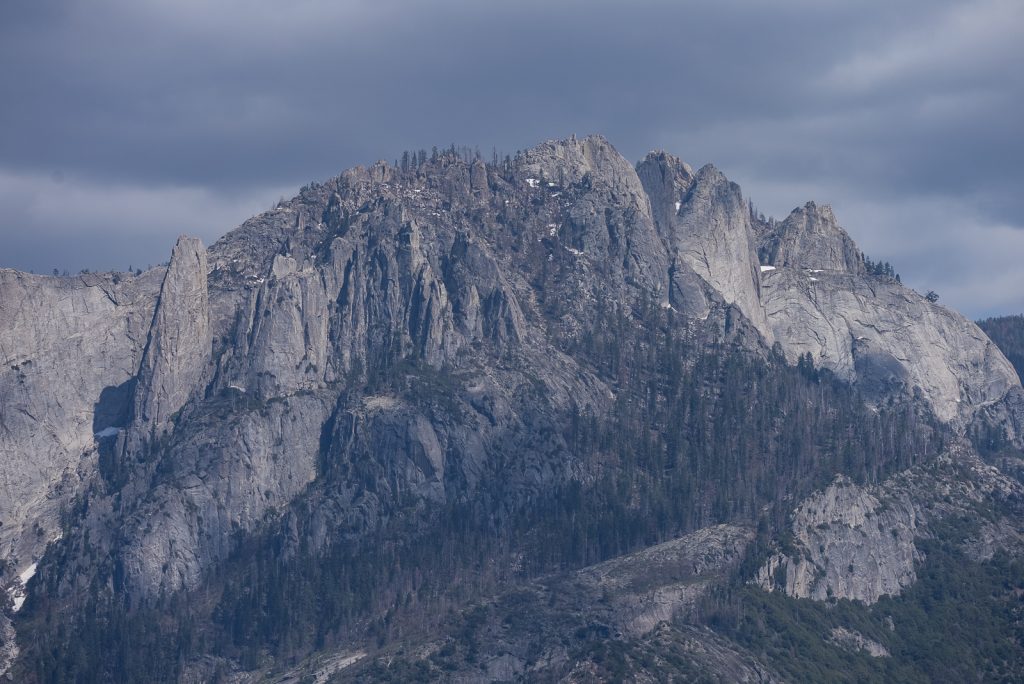
Driving is the most common way to get around Sequoia National Park, but parking is limited and can fill up. During our visit in late May, right before Memorial Day, some parking lots were extremely full, even mid-week.
The park does have some vehicle length limits for those in camper vans and RVs, so make sure to plan ahead. Vehicles over 22-24 feet are not advised on sections of the Generals Highway. Our Sprinter Van is about 22.5 feet and we had zero issues though!
A+K Tip: Make sure to fill up on fuel before entering the park! There is a gas station at Stony Creek, whose pricing seemed on par with outside the park. But don’t depend on it!
Don’t want to drive around? Sequoia National Park has 4 different FREE shuttle routes within the park, which start running around Memorial Day.
When to visit Sequoia National Park
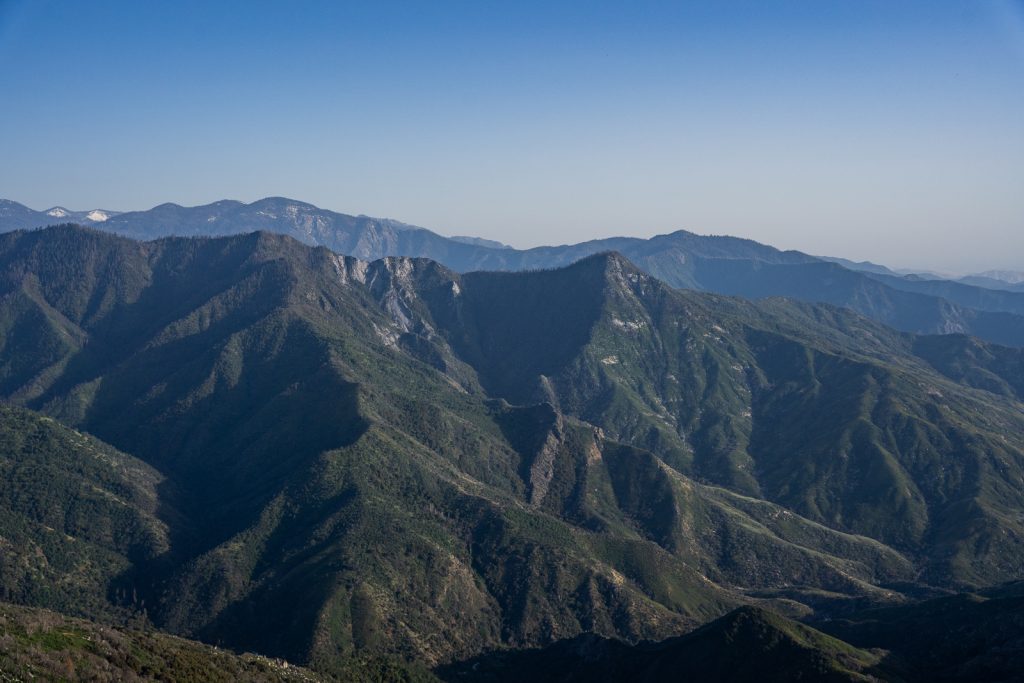
While you can visit Sequoia National Park year-round, if you want to experience as much of the park as possible, we suggest visiting from May–September. This is when some (or all) trails will be snow-free and more roads will be open.
For those only interested in the park’s frontcountry experience, May is a great time to see the Giant Sequoias and hike the lower elevation trails, but without the massive crowds of summer. And with slightly cooler temperatures, especially near the Foothills, which gets HOT in the summer! However, keep in mind that holidays, like Memorial Day, will be extra busy.
If you’re interested in getting into the backcountry or doing some of the longer, higher altitude hikes, we’d save your visit for July-September, when these trails are accessible.
In the future, we’d love to come back in the winter, when the park turns into a stunning winter wonderland. The contrast of the dark orange trees against the bright white snow looks magical! However, the park is very limited in the winter, so we think the warmer months are best for a first visit, unless you only care about seeing the Giant Sequoias. Just keep in mind that chains are often required during the winter time.
A+K Tip: Sequoia National Park has a wide range in elevation, ranging from 1,400 feet to 7,200 feet on the Generals Highway. With even higher elevations in other areas of the park! This means that the weather can vary greatly, with the lower elevations being much warmer and even very hot in the summer. Make sure to check the weather forecast for all areas of the park and pack layers!
How much time do you need in Sequoia National Park?
We’d suggest spending anywhere from 1-3 days in Sequoia National Park, but more if you plan to get into the backcountry!
We personally spent one full day in the park, plus a couple half days before and after working. This allowed us to hit up the majority of the best things to do in Sequoia National Park’s frontcountry!
For ideas on how to spend your time in the park, we have a one day Sequoia National Park itinerary, which includes our personal favorite stops and hikes. It’s a good starting point to help you build out your own trip!
Where to stay when visiting Sequoia National Park
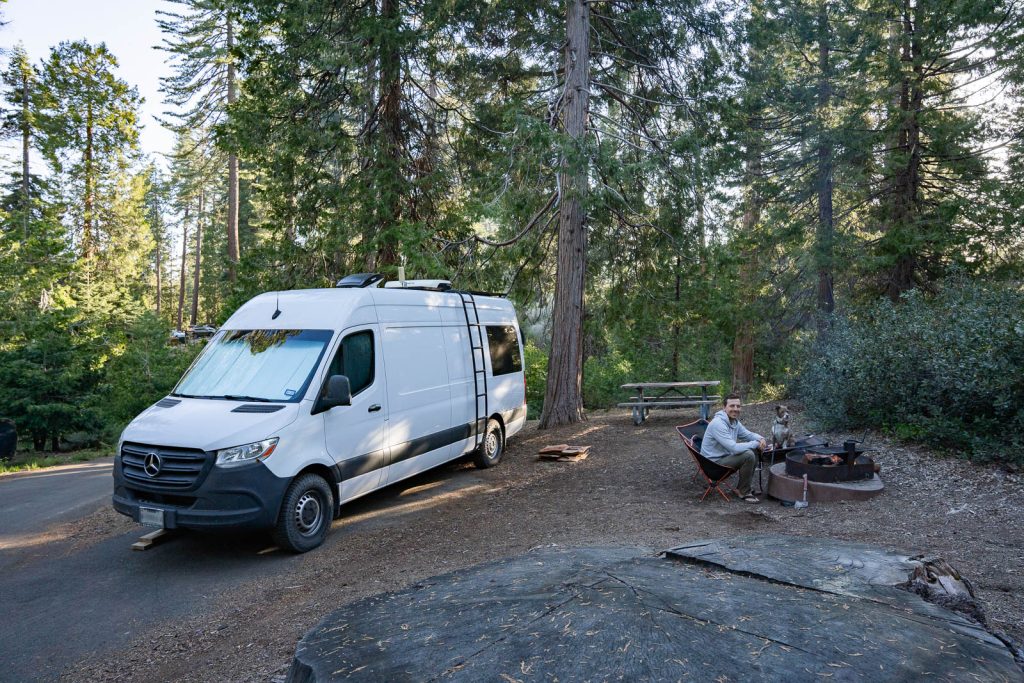
The best place to stay in Sequoia National Park is in the park itself! Or in the neighboring Kings Canyon National Park. This will eliminate long drives to get into the park every day.
There are 7 front country campgrounds in Sequoia National Park, as well as 7 more in the neighboring Kings Canyon. Two of these, Potwisha (Sequoia) and Azalea (Kings Canyon), are open year-round. The sites vary, but none have electric hookups. Make sure to book in advance, as they do fill up!
Besides camping, there are also a handful of lodges and cabins you can stay at. Outside the park, we’d suggest looking into the Three Rivers area. There are a variety of hotels and vacation homes to choose from!
During our visit we stayed at the Crystal Springs Campground at Kings Canyon, plus boondocked in the National Forest between the two parks. Big Meadows Road is a popular boondocking spot, but it fills up FAST, especially in May, when part of the road is closed.
Things to know before visiting Sequoia National Park
Leave No Trace
Before embarking on your Sequoia National Park adventure, please review the Leave No Trace principles to ensure you leave every place better than you found it so that others can enjoy these beautiful places for many years to come!
These seven principles include planning ahead and preparing, hiking and camping on durable surfaces, disposing of waste properly (pack out what you pack in!), understanding campfire rules and always fully extinguishing your fires, respecting wildlife, and being considerate of other visitors.
Entrance Fee
It costs $35 per vehicle to enter Sequoia National Park, which is good for both Sequoia and Kings Canyon, up to one week. We highly recommend getting the America the Beautiful pass, which is $80 per year and gets you into all National Park Service managed sites and federal lands for free.
Dogs are NOT allowed on trails
If you’re bringing your pet with you to the park, keep in mind that they are ONLY allowed on fully paved roads, in parking lots, at picnic areas, and at campgrounds. All of which require them to be on a 6 foot leash. They are NOT allowed on any trails in Sequoia or Kings Canyon National Parks.
Curious what we do with Kona when she cannot join us on a hike? Read this guide about how we travel full time with a dog.
Download offline maps
In many areas of the park there is little to no cell service. We recommend downloading Google Maps for offline use. You’ll want to have the area of the park downloaded so that you can get between places, even if you don’t have cell service. While the park has good signage, some spots are easy to miss, so it’s nice to have Google Maps to direct you.
We also suggest downloading offline AllTrails maps so you can navigate on hikes even without cell service.
Want to get 30% off an AllTrails Plus membership? Use our code aplusk30 (you must redeem this code on the website, not the app)!
We use AllTrails Plus on every single hike and it is the most helpful hiking tool out there! Some of the features we love are offline maps (so we can navigate even without cell service), wrong-turn alerts, and its 3D maps feature, so we can get a feel for trails before we hike.
Be bear aware
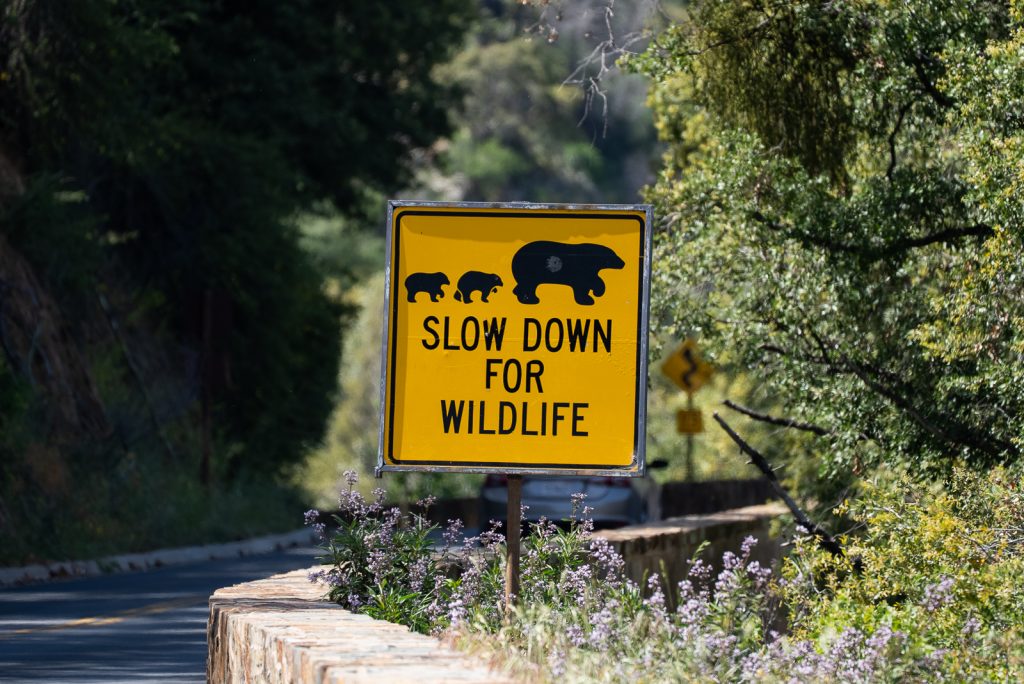
The park is home to hundreds of American black bears. Not only do you need to be bear aware while hiking (and know what to do if you see one), but you also need to practice proper food storage. When bears get access to human food they often get aggressive. This can lead to the bear being killed in order to protect humans.
Not only that, the food storage rules in the park are backed by federal law and disobeying can result in a fine. Anything with a scent (even toiletry items) must be properly stored.
And as backwards as it may sound, bear spray is not allowed in any California National Park, including Sequoia. During our time in the park, we didn’t see a single bear. But they are not uncommon to see!
What to bring to Sequoia National Park
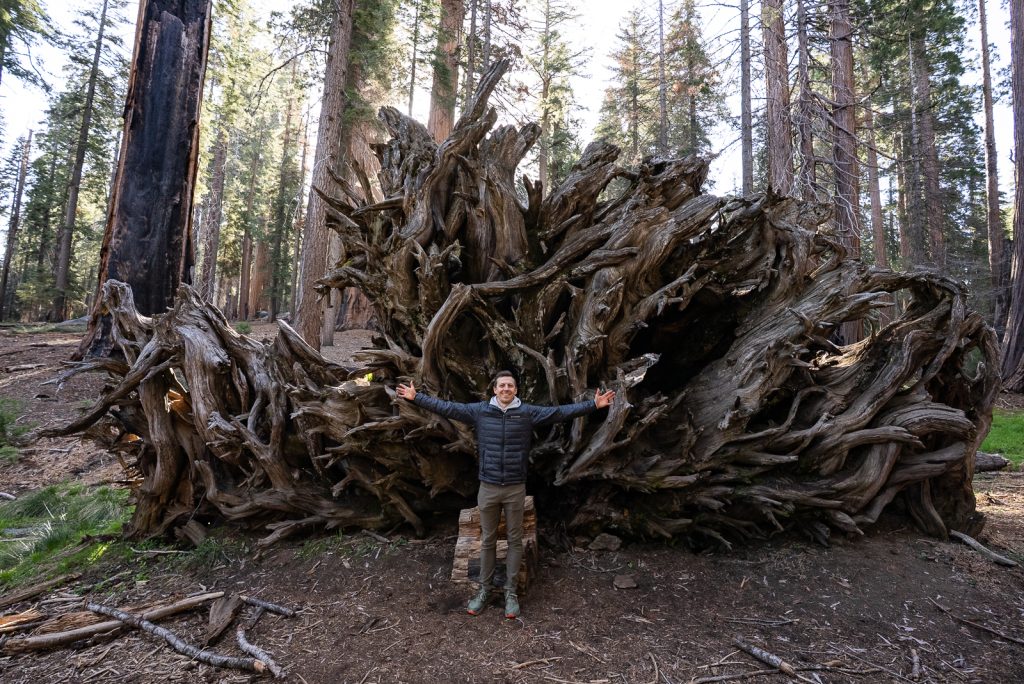
The best things to do in Sequoia National Park require being outdoors, so you will want to bring proper outdoor and hiking gear. To see everything we take hiking, check out our hiking gear as well as our guide about how to make a 10 essentials kit.
But here are a few items we want to especially recommend bringing to the park!
Proper hiking shoes
The trails in Sequoia National Park range in terrain. Some are smooth and easy to walk on, while others may be rocky or wet. Having good hiking shoes is key for safety! We both love our Altra Lone Peaks, as they are less bulky than boots, but have good traction. They are also great for hiking in water, as they dry fast!
Layers
Different areas of the park lie at drastically different elevations, so the temperatures can range throughout the day. Every 1,000 feet you go up, the temp will normally drop about 5 degrees. Pack layers so you’re ready for different temperatures and unpredictable weather.
Sun Protection
Some areas of Sequoia National Park are very exposed to the sun. So you’ll definitely want to bring a sun hoodie, hat, sunscreen, and sunglasses. Adam wears KALIYADI sunglasses and Kathryn wears Ray-Bans.
Water
Make sure to pack lots of water! There are water fountains at the Visitor Center and at campgrounds if you need to fill up, but our 3L Camelbak bladders helped ensure we had enough water throughout the day.
And since you’re at a higher altitude and will be very active, we recommend bringing LMNT to help you stay hydrated. If you use this link, you get a free sample pack (8 packets!) with any order!
Packed lunch & snacks
While there are some places to grab a quick bite to eat or snack in Sequoia National Park, we personally would suggest bringing (and cooking) your own food to save money. If you need snack ideas, you can see a list of our favorite hiking snacks here!
Check out more California National Park resources
- The Perfect One Day in Sequoia National Park Itinerary
- 15 Fun Things to Do in Kings Canyon National Park
- The Ultimate Yosemite National Park itinerary: Options for 1-6 days!
- The 33+ BEST things to do in Yosemite National Park
- Visiting Santa Cruz Island at Channel Islands National Park
- The Ultimate Guide to Visiting Death Valley National Park
- A Perfect One Day in Joshua Tree National Park Itinerary
- The BEST Day Hike in Pinnacles National Park
- How to Visit Lassen Volcanic National Park in the Winter & Spring
- The Ultimate Guide to Visiting Redwood National Park
- See more California National Park guides
Save this list of the best things to do in Sequoia National Park