Last updated on June 11th, 2026
Looking for the best National Parks to visit in April? You’re in the right place. We’re cutting through the clutter, providing you a curated list of top parks, why they shine in April, and the must-do activities!
April is the heart of spring in the United States, and all across the country, everything is shaking off the last bits of winter. Flowers are popping up left and right, trees are getting their first buds, and animals are beginning to venture out of their dens.
And, if you ask us, it’s an absolute hidden gem of a time for checking out the U.S. National Parks (before the summer crowds arrive).


Plus, with National Park Week happening the third week of April, many parks offer free admission during this time!
The best part? It’s finally warm! Gone are the days of bundling up in a gazillion layers. Now, it’s more about digging out those shorts from the back of your closet.
After exploring 48 national parks (Yes, 48! Phew!), we know a thing or two about where to go in April. So, if you’re itching to get outdoors in the spring, here’s a list of the best national parks to visit in April, that are just perfect for this time of year.
Quick Disclaimer About Our Monthly National Parks Series
Welcome to our monthly feature, where we highlight some of America’s most beautiful National Parks! Our goal is to share the unique charm of each park we’ve visited. And yep, you might see some of the big names popping up more than once because, let’s be real, they’re worth multiple visits!
In these articles, we consider factors like weather, crowd sizes, optimal hiking times, special events, and road conditions, as well as our personal experiences. We use this information to recommend the best times to visit each park.
While we’re still on our journey to visit every U.S. National Park, you can trust that our recommendations are carefully selected and based on personal experience.
- Tips for Exploring National Parks in March
- 11 best National Parks to visit in April
- 1. Grand Canyon National Park
- 2. White Sands National Park
- 3. Redwood National & State Parks
- 4. Bryce Canyon National Park
- 5. Petrified Forest National Park
- 6. Capitol Reef National Park
- 7. Badlands National Park
- 8. Guadalupe Mountains National Park
- 9. Shenandoah National Park
- 10. Channel Islands National Park
- 11. Carlsbad Caverns National Park
- About the Author
- Ready to visit the National Parks?
Tips for Exploring National Parks in March

Plan Ahead: Even during the quieter pre-spring season, popular national parks can fill up faster than you might expect. If your adventure includes camping or staying in park accommodations, securing reservations well ahead of time is a smart move.
Download Maps in Advance: Don’t count on a reliable 5G signal deep in the wilderness. Many national parks have limited or no cell coverage. To stay on the right path, consider downloading offline maps using reliable apps like AllTrails (a personal favorite of ours). It’s a lifesaver for navigating trails even without an internet connection.
America the Beautiful Pass: For the avid National Park enthusiast with a year-round wanderlust, the America the Beautiful Pass is a gem. Priced at a mere $80 for an annual pass, it opens doors to over 2,000 federal recreation sites, including our iconic National Parks.
Pet-Friendly Planning: If you’re traveling with your four-legged companion, be aware of park regulations. Some trails and areas may have pet restrictions to safeguard wildlife and maintain the park’s pristine environment. Plan ahead and ensure your pet’s happiness while respecting park rules.
Leave No Trace: Preserving these landscapes for future generations is a shared responsibility. Take a pledge to leave no trace by packing out your trash, sticking to designated trails, and minimizing your impact on the environment.
11 best National Parks to visit in April

1. Grand Canyon National Park
Grand Canyon National Park, renowned for its overwhelming size and colorful landscape, is one of the United States’ most iconic and visited national parks. It’s so big, you can see it from space! (We’re not kidding).
The park encompasses both the North and South Rims, with the South Rim being more accessible and popular among visitors. Stretching as far as the eye can see, this colossal beauty is 18 miles wide, and a mile deep and reveals two billion years of the Earth’s geological history.
Where is Grand Canyon National Park
The park is located in Northern Arizona. The South Rim, which is open year-round, is about 80 miles north of Flagstaff. The North Rim is more remote and is closed during the winter months, reopening in mid-May.
Why Visit in April
The Grand Canyon is without a doubt one of the best National Parks to visit in April due to weather and crowds. With milder temperatures than summer and fewer crowds, you’re in for more secluded sunrises and sunsets. Plus, with the snow of winter melting away, the park’s trails and scenic viewpoints start becoming more accessible.
Weather in April
April brings milder temperatures to the Grand Canyon, though conditions can still be unpredictable. Daytime temperatures at the South Rim range from 50-60°F (10-15°C), while nights can drop to below freezing. The North Rim remains closed due to snow. The inner canyon, accessible via hiking or mule rides, is warmer, with temperatures ranging from 55-82°F (13-28°C).


Best Things to do at Grand Canyon National Park
Hike the Rim Trail: Spanning about 12.7 miles along the South Rim, this mostly flat trail offers stunning panoramic views of the canyon and is perfect for visitors of all ages and abilities. (Spoiler: It’s jaw-dropping!)
Explore the South Kaibab Trail: Covering around 7 miles from the rim to the Colorado River, the South Kaibab Trail offers a more challenging hike. Located on the South Rim, even a short descent provides a different perspective and an up-close experience with the canyon’s impressive geology.
Enjoy a Sunset at Hopi Point: Known for its wide vistas and stunning sunsets, Hopi Point is a must-visit. Arrive early to secure a spot and watch as the canyon transforms with the setting sun.
Learn more about Grand Canyon National Park
Blog post
1 Day at the Grand Canyon South Rim Itinerary
YouTube video
24 Hours at the Grand Canyon | Arizona Day 3
Know Before You Go
Stay on the Path: The canyon’s edges are crumbly and can be dangerous. Stay on designated trails and viewpoints, and maintain a safe distance from the edge.
Book Accommodations in Advance: While April is less crowded than the peak summer months, it’s still a popular time to visit. Book your accommodations and any tours or activities in advance.
2. White Sands National Park

Imagine a place where the sand is so white, it’ll make your eyes squint, and the dunes are so big, you’ll feel like you’re walking on the moon. That’s White Sands National Park in New Mexico, the world’s largest gypsum dune field, located in the heart of New Mexico’s Tularosa Basin! Here, you can explore its wave-like dunes, discover unique plant and animal life, and soak in the breathtaking scenery that changes with every shift of the wind.
Where is White Sands National Park?
White Sands National Park is located in southern New Mexico, approximately 15 miles southwest of Alamogordo and 52 miles northeast of Las Cruces. It is situated in the Tularosa Basin, between the San Andres Mountains and the Sacramento Mountains. The park covers 145,762 acres.
Why Visit in April?
April is a magical time to visit White Sands. The temperatures are comfortably warm during the day, allowing for ample exploration without the intense heat of summer. The park is less crowded, giving you the chance to experience the dunes in a more intimate setting. And if you’re lucky, you might catch the tail end of the wildflower bloom, adding pops of color to the white landscape.
Weather in April
April at White Sands National Park typically sees warm and sunny days with temperatures ranging from 70–80°F (21–27°C), while nights can cool down to 40–50°F (4–10°C), making it essential to have a light jacket on hand for evening adventures under the stars. The park is generally dry this time of year, but it’s always wise to check the weather forecast before your visit.


Best Things to do at White Sands National Park
Sled down the dunes: It’s like sledding on snow, but better! The sand is soft, and the views are incredible. You can rent sleds from the visitor center, or bring your own.
Interdune Boardwalk Trail: This easy 0.4-mile boardwalk trail takes you through a variety of dune formations, including blowouts, parabolic dunes, and transverse dunes.
Alkali Flat Trail: This moderate 4.4-mile trail takes you to the heart of the dune field. You’ll have stunning views of the dunes in all directions, and you may even see some wildlife, such as jackrabbits and coyotes.
Know Before You Go
Stay Hydrated: The desert can be deceiving, and it’s crucial to drink plenty of water during your visit, even if you don’t feel thirsty.
Protect Yourself from the Sun: Don’t forget to wear sunscreen, sunglasses, and a hat to protect yourself from the strong sun.
Check the Park Schedule: White Sands National Park is located within an active missile range, and it may close for short periods during missile tests. Make sure to check the park’s schedule before your visit to ensure you have the most up-to-date information.
Learn more about White Sands National Park
Blog post
5 Things to do at White Sands National Park
YouTube video
Weekend in New Mexico: White Sands, Las Cruces, & Carlsbad Caverns National Park
3. Redwood National & State Parks

Redwood National & State Parks, located along the coast of northern California, are home to the tallest trees on Earth, some of which have stood for over 2,000 years. Imagine trees so tall, you’ll strain your neck trying to see the top! And let me tell you, the photos do not do it justice. It’s like stepping into Narnia, minus the talking animals (unfortunately).
In addition to the redwoods, the parks also protect a diversity of other plants and animals, including salmon, steelhead trout, sea otters, and bald eagles!
Where is Redwood National & State Parks?
Redwood National & State Parks is a unique park set up. It encompasses one National Park and three state parks. These parks are situated along the coast of northern California, approximately 325 miles north of San Francisco. The visitor centers and main access points are spread across the region, with the primary park headquarters located in Crescent City.
Why Visit in April
April is an ideal time to visit Redwood National & State Parks due to the lush spring growth, the gushing rivers from winter rains, and the relatively few crowds. Our latest trip to Redwood National & State Parks was in April and we had a blast! It also is in the timeframe when a permit is not required to do one of the best hikes. More on that below!
Weather in April
April in the parks brings mild temperatures, with daytime averages ranging from 50-60°F (10-15°C), and cooler nights. The region receives occasional spring showers, contributing to the lushness of the forest, so it’s wise to come prepared with rain gear and layered clothing.


Best Things to do at Redwood National & State Parks
Hike with the Giants: Tall Trees Grove Loop is a 3.6-mile hike through one of the most secluded and magical parts of the park, home to some of the tallest trees in the world.
Fern Canyon: Wander 1.1 miles through a narrow canyon, with walls draped in lush ferns and small waterfalls. The perk of visiting in April? You don’t need a permit to hike this trail, which is required from May 1-September 30. To learn more about this hike , check out our detailed blog post.
Drive the Newton B. Drury Scenic Parkway: 10 miles of pure ‘wow’. Trees on one side, more trees on the other, and you in the middle grinning ear to ear. You might even spot some Roosevelt elk!
Know Before You Go
Check Road and Trail Conditions: Due to the park’s coastal and forested environment, conditions can change rapidly. Make sure to check the latest updates before your visit.
Learn more about Redwood National & State Parks
Blog posts
The ULTIMATE Guide to visiting Redwood National Park (+ state parks!) in California
How to hike the Fern Canyon Trail in Redwood National Park (Permit info, what to bring, & more!)
YouTube videos
Two days in REDWOOD National & State Parks! (Fern Canyon, Gold Bluff Beach, Stout Grove, & MORE!)
4. Bryce Canyon National Park
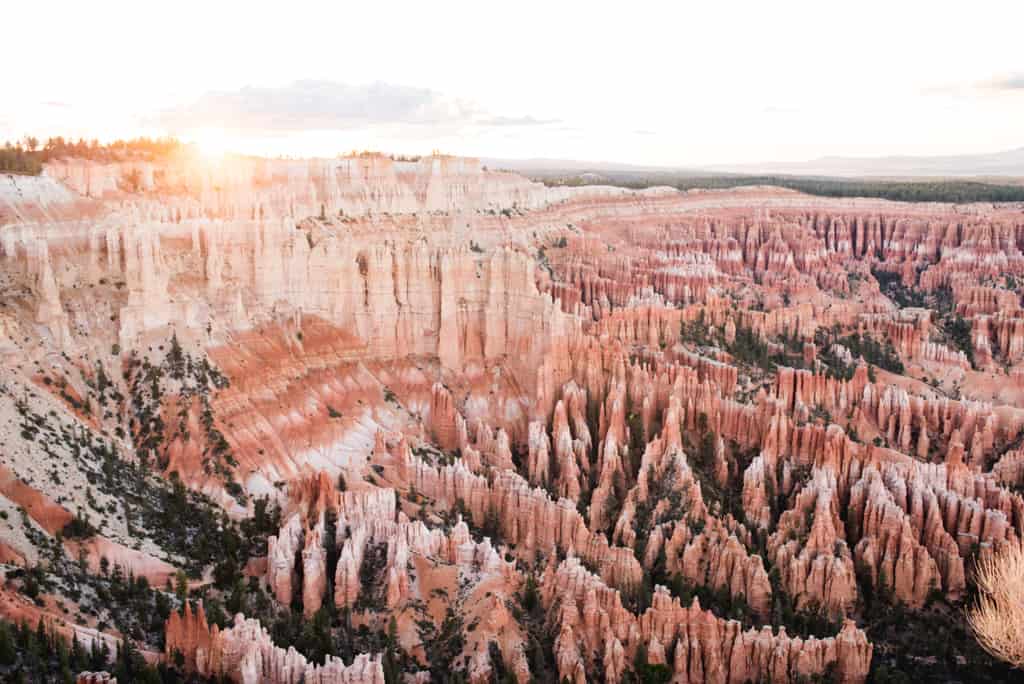
Nestled in the heart of southwestern Utah, Bryce Canyon National Park is a geological masterpiece that challenges the very definition of a canyon. Contrary to its name, Bryce Canyon is not actually a canyon but an amphitheater carved by the relentless forces of nature on the eastern edge of the Paunsaugunt Plateau.
What sets this national park apart is its intricate rock formations, known as “hoodoos.” These crimson-hued spires create a surreal and almost otherworldly landscape that appears to defy gravity. Thousands of hoodoos, each with its own unique shape and size, are the star attractions that pull in visitors from all over the world, year after year.

Where is Bryce Canyon National Park?
Bryce Canyon National Park is situated in the southwestern part of Utah in the United States, encompassing 35,835 acres. The main entrance to the park is located near the town of Bryce, which offers amenities like lodging, dining, and shopping for visitors to the park.
Why Visit in April
April in Bryce Canyon is the start of spring, where you can expect melting snow, budding greenery, and crisp, clear skies. With fewer visitors than the bustling summer months, it’s a great time to explore! Our most recent visit to Bryce Canyon was at the very end of March (close enough to April!) and it was incredible. Seeing the snow mixed in with the orange hoodoos is a magical sight!
Weather in April
April at Bryce is a mixed bag, with daytime temperatures generally sitting in the 50s°F (10-15°C). However, due to its elevation, nighttime can get chilly, often dipping into the 20s°F (-6 to -2°C). While the month leans towards the drier side, occasional snow or rain showers are not uncommon, so layering is key.


Best Things to do at Bryce Canyon National Park
Sunrise at Bryce Point: Witnessing the first rays of sun breaking over the hoodoo-filled horizon is a transcendent experience. Pack a thermos of coffee and enjoy nature’s morning show!
Navajo Loop Trail: This popular 1.3-mile trail descends into the heart of the canyon, allowing visitors to walk amid the very hoodoos they’ve been admiring from above.
Fairyland Trail: This trail takes you on a 7.9-mile loop through some of the quieter, yet stunning parts of the park. Along the way, you’ll get to see unique rock formations, including the China Wall and Tower Bridge!
Know Before You Go
Elevation Awareness: The park’s rim elevations range from 8,000 to 9,000 feet, which can affect breathing. It’s essential to acclimate, especially if you’re not used to high altitudes.
Dress in Layers: April in Bryce is like a box of chocolates: you never know what you’re gonna get. One day, you could be basking in the sun, and the next day, you could be shivering in a snowstorm. That’s why it’s important to dress in layers so you can adjust to the changing conditions.
Take the Shuttle: Starting April 7, the park offers a FREE shuttle to get around. This is a great option if you don’t want to drive and constantly find parking. During the shuttle hours, vehicles longer than 23 feet are not allowed to park in many parking areas, so the shuttle will be your best bet. You can see the shuttle hours and parking restrictions here.
Seasonal Closures: Keep in mind that certain trails, (such as Wall Street), might be off-limits in the spring. Always make sure to verify the latest trail conditions before heading out!
Hands Off the Hoodoos: Those impressive rock pillars might be tempting to touch or climb, but they are very delicate and prone to erosion. Keeping to the paths ensures both their longevity and your safety.
Learn more about Bryce Canyon National Park
Blog posts
Hiking the Fairyland Loop Trail at Bryce Canyon National Park
3 Days at Zion and Bryce Canyon National Parks Itinerary
YouTube video
One Day at Bryce Canyon National Park | Queens Garden + Navajo Loop, Fairyland Loop, & more!
5. Petrified Forest National Park
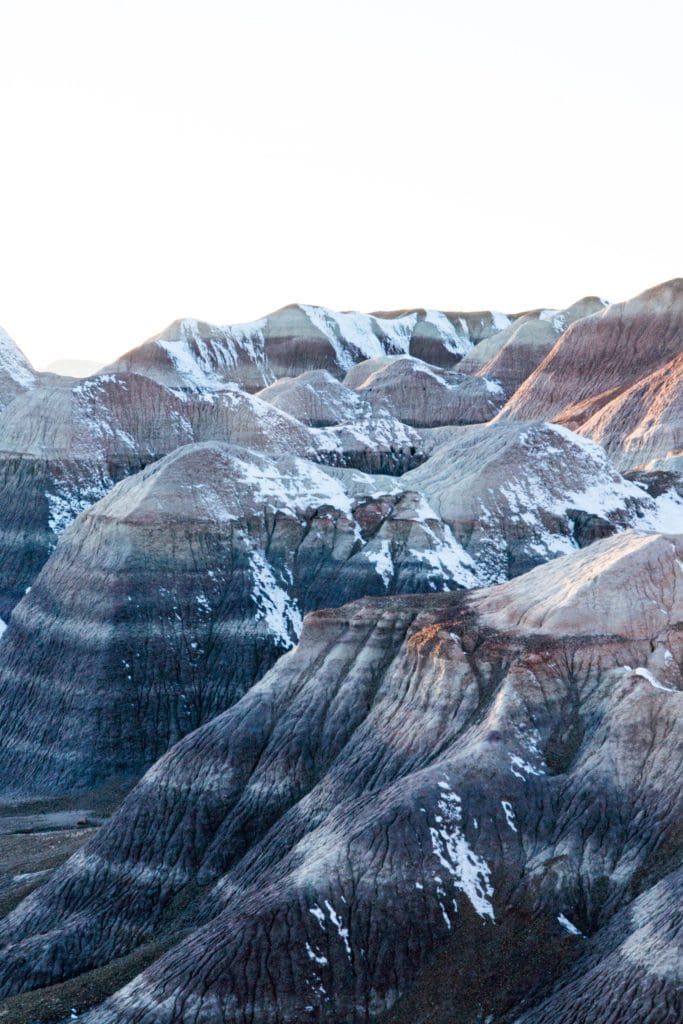
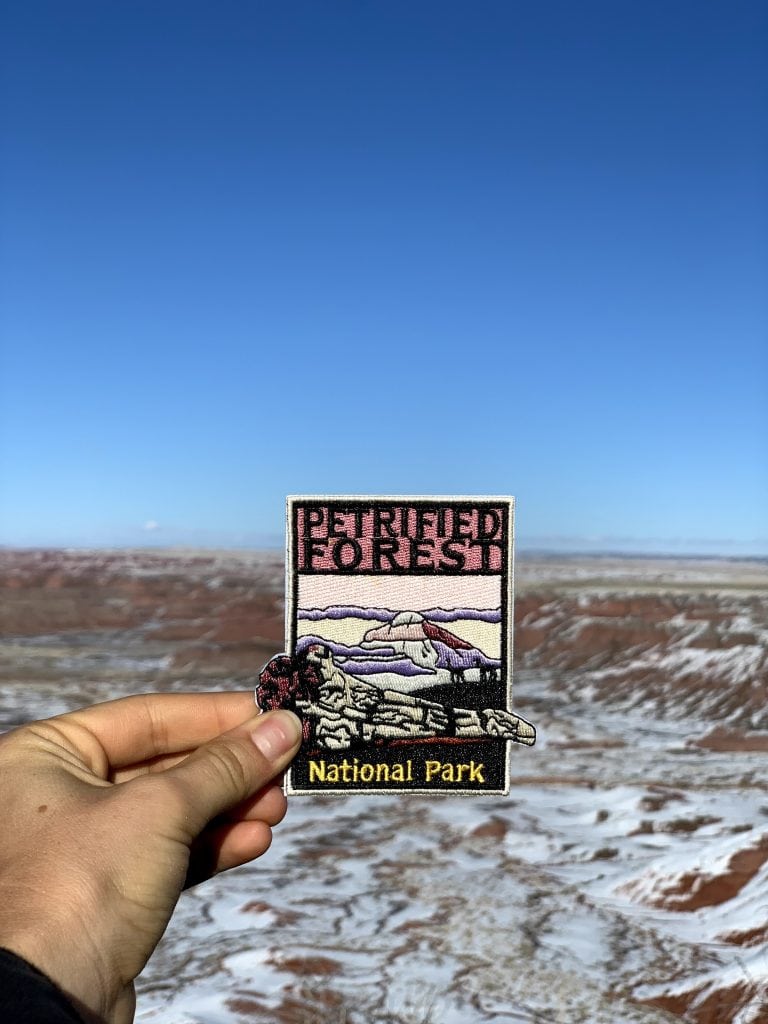
From its colorful badlands to the rainbow-hued petrified logs scattered across the park, Petrified Forest National Park is a place where time has turned wood into stone.
Situated in northeastern Arizona, Petrified Forest National Parkis renowned for its vast deposits of petrified wood, spanning from the Late Triassic Period. The park encompasses 230 square miles of stunning desert landscapes, archeological sites, and a section of the historic Route 66.
Where is Petrified Forest National Park?
Petrified Forest National Park is located in northeastern Arizona in the United States. The park spans both Apache and Navajo counties and is easily accessible via Interstate 40. The nearest towns are Holbrook, about 23 miles to the west, and Chambers, around 39 miles to the east.
Why Visit in April
April is a prime time to visit Petrified Forest National Park, offering mild temperatures, fewer crowds, and the chance to experience the park’s natural wonders without the extreme heat of summer. The springtime also brings a burst of wildflowers, adding a splash of color to the already vivid landscape.
Weather in April
April’s climate in the park is generally mild and welcoming. Daytime temperatures usually bask in the 60s°F (15-20°C), making hikes and explorations pleasant. As nightfall approaches, it can cool down to the 30s°F (0-5°C). While the majority of the month is dry, those occasional April showers might pop by, adding freshness to the air.


Best Things to do at Petrified Forest National Park
Hike the Blue Mesa Trail: This 1-mile loop trail takes you right through some incredible badlands terrain, showing off a whole bunch of colors and giving you a great view of the petrified wood up close!
Visit the Painted Desert Inn and Rim Trail: Explore the historic Painted Desert Inn, a National Historic Landmark, and learn about the park’s human history. Afterward, take a stroll along the Rim Trail to witness the expansive views of the Painted Desert, with its layers of colorful sedimentary rock.
Explore the Crystal Forest: Walk the 0.8-mile loop trail through the Crystal Forest, known for its highly concentrated and varied display of petrified wood. The trail provides interpretive signs that explain the process of petrification and the history of the area.
Know Before You Go
Respect the Landscape: Collecting petrified wood or any other natural or cultural artifacts is strictly prohibited.
Prepare for the Weather: The high desert climate can bring unexpected weather changes, so dress in layers and bring plenty of water and sunscreen.
Dogs ARE allowed: Unlike most National Parks, dogs ARE allowed on trails here. But they must be leashed!
6. Capitol Reef National Park


Capitol Reef National Park, nestled in the heart of south-central Utah, stands proudly as one of Utah’s esteemed “Mighty 5” national parks. Though it may not share the same level of fame as its national park counterparts, Capitol Reef is nothing short of spectacular.
Encompassing canyons, cliffs, towers, domes, and arches, all carved over millions of years by the forces of nature, Capitol Reef National Park gets its name from the white domes of Navajo Sandstone that resemble capitol building domes, and the long, rugged Waterpocket Fold—a nearly 100-mile warp in the Earth’s crust!
Beyond its geological wonders, the park is steeped in history, with ancient petroglyphs etched into the rocks and fruitful orchards, planted by early settlers, still thriving today.
Where is Capitol Reef National Park?
Smack in the heart of Utah’s red-rock country, Capitol Reef covers a whopping 241,904 acres. It is remotely situated 132 miles from the town of Moab.
Why Visit in April?
If you want to beat the summer heat AND still get the park’s famous pie, Capitol Reef is hands down one of the best National Parks to visit in April. The weather is comfortably cool, while the spring bloom starts to bring color to the landscape, and the park’s fruit trees begin to blossom. Also, it’s the calm before the tourist storm of summer, so you can have those stunning vistas (almost) all to yourself.
Weather in April
Daytime temperatures typically hover in the comfortable 60s°F (15-20°C) range. However, as nightfall descends, the mercury can dip into the brisk 30s and 40s°F (0-9°C). While the majority of the month is dry, always be prepared for the occasional spring shower.


Best Things to do at Capitol Reef National Park
Hickman Bridge Trail: A moderate 2-mile round trip hike leading you to a massive 133-foot natural bridge, offering stunning views of the Waterpocket Fold and the surrounding landscape.
Explore the Scenic Drive: Take a drive along the park’s Scenic Drive, a 7.9-mile route that offers access to numerous trails, overlooks, and the impressive Capitol Gorge.
Visit the Historic Fruita District: Step back in time and explore the historic Fruita District, home to a charming schoolhouse, barn, and orchards, which are especially beautiful when the fruit trees are in bloom. Don’t forget to grab some pie from the Gifford Homestead! Yes, that’s right, you can get PIE in the park! This is only offered from Pi Day (October 14) until late November, which is a big reason why Capitol Reef is one of the BEST National Parks to visit in April.
Know Before You Go
Watch Your Step!: The park’s gorgeous cliffs and canyons are, well, cliffy and canyon-y. Safety first, selfie later.
Check Road Conditions: April showers bring May flowers, but they also bring unpredictable road conditions and can be impassable when wet. Check current road conditions at the visitor center before heading out.
Layers are Your Friend: April can’t make up its mind. Hot? Cold? Both? Dress like an onion and peel layers as necessary.
Learn more about Bryce Canyon National Park
Blog posts
Hiking the Fairyland Loop Trail at Bryce Canyon National Park
3 Days at Zion and Bryce Canyon National Parks Itinerary
YouTube video
One Day at Bryce Canyon National Park | Queens Garden + Navajo Loop, Fairyland Loop, & more!
7. Badlands National Park
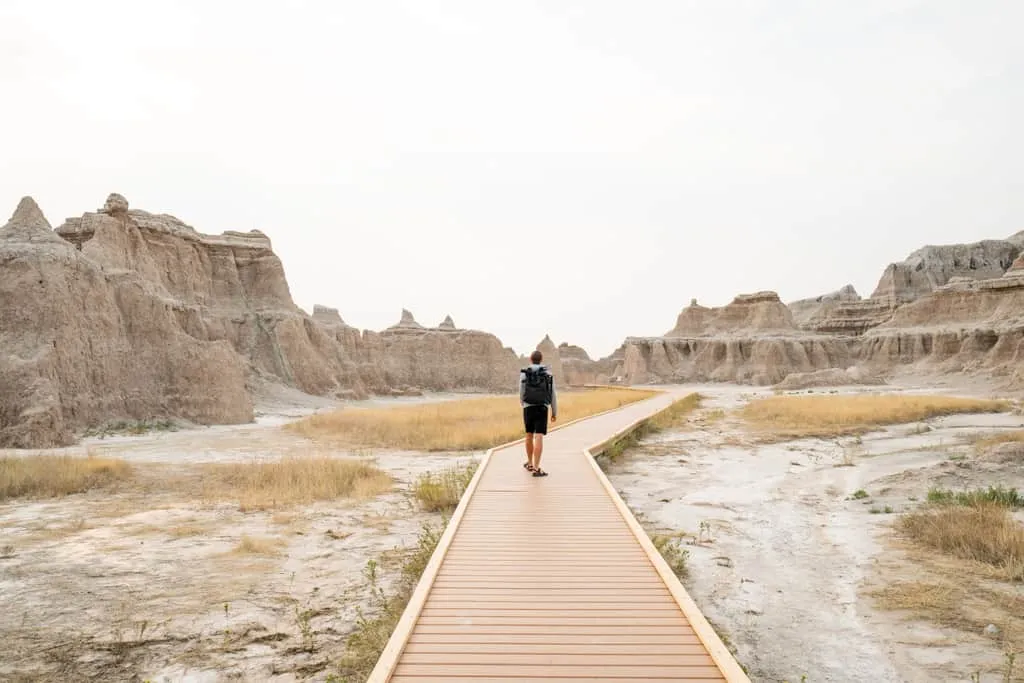
Tucked away in the heart of South Dakota, Badlands National Park is a true hidden gem. Often overlooked, this park boasts a unique landscape where colorful buttes, spires, and pinnacles stretch as far as the eye can see. With its rich fossil beds, the park is also a significant site for paleontological research, providing insights into the ancient world that once existed here!
But the beauty of Badlands extends far beyond its striking geology. Here, you’ll encounter bison and bighorn sheep roaming freely across the largest mixed-grass prairie in the United States!
Where is Badlands National Park?
Located in southwestern South Dakota, Badlands National Park is easily accessible and lies close to other notable attractions in the Black Hills region. The park encompasses an expansive 244,000 acres. It’s about a 75-mile drive from Rapid City.
Why Visit in April?
April is the beginning of spring in the Badlands, bringing milder temperatures and blooming wildflowers. It’s also a sweet spot before the summer rush, allowing for a more peaceful visit.
Weather in April
Daytime temperatures are typically cozy, hovering between the 50s and 60s°F (10-20°C). However, once the sun sets, it’s good to have a jacket on hand as nights can chill down to the 30s°F (0-5°C). While April can be drier, always be prepared for those occasional spring showers.

Best Things to do at Badlands National Park
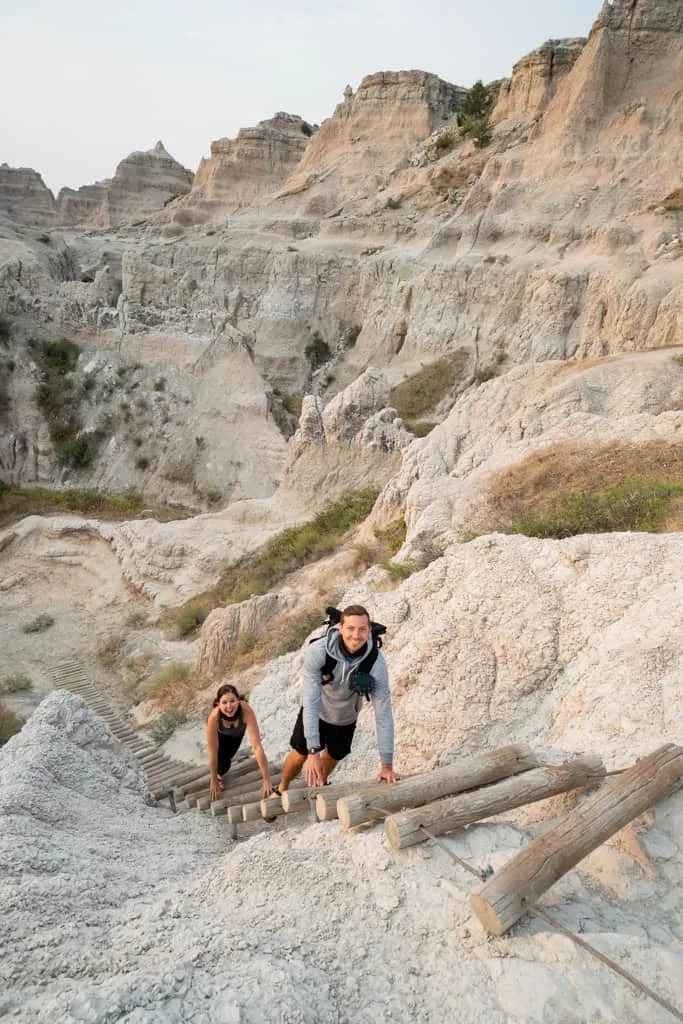
Hike the Notch Trail: Take a hike on the Notch Trail, a moderate 1.5-mile round trip hike that takes you through a canyon and up a ladder to an incredible overlook.
Drive the Badlands Loop Road: This scenic drive, spanning about 39 miles, offers some of the most iconic views of the park, complete with overlooks and trailheads.
Grab a coffee and donut at Wall Drug: Just a short drive from the park, stop by the famous Wall Drug for a delicious doughnut and to experience this quirky piece of Americana.
Know Before You Go
Rapid Weather Changes: The park’s weather can change on a dime in spring. A sunny morning can give way to sudden showers or even a brief snow flurry.
Mind the Erosion: The park’s unique formations are delicate. Stick to designated trails and overlooks to ensure both your safety and the preservation of this stunning landscape.
Learn more about Badlands National Park
Blog posts
A Complete Guide to Hiking the Castle Trail in Badlands National Park
The Best Things to do in Badlands National Park (+ Where to stay & itineraries!)
YouTube videos
One Day at Badlands National Park: Notch Trail, Badlands Loop Road, & visiting Wall Drug!
8. Guadalupe Mountains National Park

Guadalupe Mountains National Park in West Texas preserves one of the world’s most extensive Permian fossil reefs, offering a unique and educational experience for visitors. The park also features the highest peak in Texas, Guadalupe Peak, standing at 8,749 feet! But there’s more to Guadalupe Mountains National Park than just big mountains and old bones. It offers a wide range of activities, from hiking and backpacking to bird watching and stargazing.
Where is Guadalupe Mountains National Park?
The park is situated in West Texas, on the border with New Mexico, about 110 miles east of El Paso. The main park entrance and visitor center are located near Pine Springs.
Why Visit in April?
April in the Guadalupes? Think blooming desert flowers painting the landscape and temperate days perfect for exploring.
Weather in April
The weather in April is generally mild and pleasant, with daytime temperatures ranging from 60-70°F (15-21°C) and cooler nights that can drop to 30-40°F (1-4°C). However, it’s important to note that weather in the mountains can be unpredictable, and it’s not uncommon to experience sudden changes.

Best Things to do at Guadalupe Mountains National Park
McKittrick Canyon: You’re in for a 21.3-mile round-trip hike that feels like you’ve stumbled upon a secret oasis, with its lush greenery, and striking rock structures.
Devil’s Hall Trail: A 3.8-mile out-and-back hike through a rocky wash, leading to a spectacular natural stairway and stunning canyon views.
Visit the Frijole Ranch History Museum: Visiting the Frijole Ranch History Museum offers a peek into the past, revealing personal stories and the rich history of life in Guadalupe National Park.
Hike to the top of Texas: Guadalupe Mountains National Park is home to Guadalupe Peak, the highest point in Texas at 8,751 feet. It’s a tough hike, but well worth it for the views and accomplishment!
Know Before You Go
Pack Like You’re Never Coming Back: Okay, maybe not that extreme. But services are limited, and the nearest store is a good 45-minute drive away. Bring water, snacks, and maybe a map.
Windy Conditions: The spring season in this area is known for its gusty winds, which can occasionally reach high speeds and significantly impact hiking and other outdoor activities.
Learn more about Guadalupe Mountains National Park
Blog post
5 Things to Do at Guadalupe Mountains National Park
YouTube videos
El Paso + Guadalupe Mountains National Park | US Road Trip Days 7-9
Guadalupe Peak + Saguaro National Park | US Road Trip Days 9 & 10
9. Shenandoah National Park

If you showed us a picture of Shenandoah’s rolling hills and lush forests without telling us where it was, we might have guessed it was in some enchanting corner of the world we’d never seen before. The park’s famed Skyline Drive runs its length, offering breathtaking views of the Blue Ridge Mountains and the valley below. Plus, Shenandoah packs a punch with over 200 miles of trails, including a slice of the famous Appalachian Trail. And the waterfalls? Absolutely majestic!
Where is Shenandoah National Park
Nestled in the stunning state of Virginia, Shenandoah National Park is an absolute must-see. Located just 75 miles from the nation’s capital, Washington, D.C., the park stretches across the beautiful Blue Ridge Mountains.
Why Visit in April
In April, Shenandoah literally comes alive with colors popping everywhere. The best part? The crowds are thinner, so it feels like you have the whole park to yourself! And the weather is just perfect for hiking – not too hot, not too cold, just the way we like it.
Weather in April
In April, Shenandoah National Park offers pleasant days around 60–70°F (15–21°C) and cooler nights, dropping to 40–50°F (4–10°C). So, if you’re planning to camp or spend extended time outdoors, you’ll definitely want to pack some layers!

Best Things to do at Shenandoah National Park
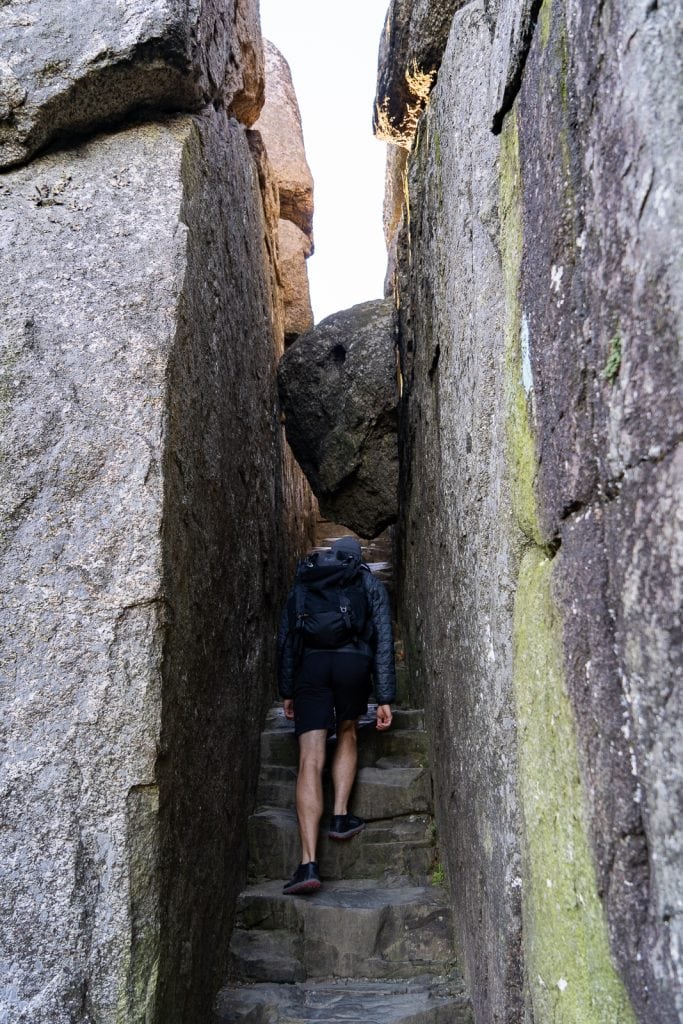
Conquer Old Rag Mountain: Gear up for a challenging yet rewarding hike up Old Rag Mountain. This popular trek is famous for its rock scrambles and 360-degree views that are absolutely worth the effort. Day use tickets are required to hike Old Rag from March 1 until November 30. You can find out how to get yours here!
Stroll Along Dark Hollow Falls Trail: For a less strenuous adventure, take a leisurely hike down the Dark Hollow Falls Trail. You’ll be greeted by the sight of the park’s closest waterfall to Skyline Drive.
Drive the Skyline Drive: And, of course, you can’t visit Shenandoah without cruising along the Skyline Drive. This 105-mile road runs the entire length of the park, offering countless overlooks with views that will leave you speechless.
Know Before You Go
Check the Weather: The weather can be a bit unpredictable, so make sure to check the forecast and pack layers.
Know the Hours: Some facilities may have reduced hours in April, so check the official Shenandoah National Park website before you go.
Be Bear Aware: Shenandoah is home to a variety of wildlife, including black bears. Make sure to keep a safe distance and store your food properly.
Learn more about Shenandoah National Park
Blog post
How to hike Old Rag Mountain at Shenandoah National Park
YouTube video
Hiking up OLD RAG Mountain at Shenandoah National Park in Virginia (+ sunset on Skyline Drive)
10. Channel Islands National Park

Right off the coast of Southern California in the vast Pacific Ocean, you’ll find a beautiful group of islands known as Channel Islands National Park. Made up of five islands and the ocean around them, this park is filled with over 2,000 plant and animal species, 145 of which are found nowhere else in the world!
Getting there is a breeze with a quick ferry ride, and because of its rich biodiversity, some people even call Channel Islands National Park the “North America’s Galápagos.”
The park is known for its stunning scenery, including towering cliffs, secluded beaches, and lush meadows. It also protects tons of biodiversity, from lush kelp forests underwater to the rugged island terrain above.
Where is Channel Islands National Park
Located off the Southern California coast, Channel Islands National Park spans five distinct islands. The park’s visitor center is in Ventura, with boat departures to the islands from both Ventura and Oxnard.
Why Visit in April
April is a magical time to visit Channel Islands National Park. The islands burst into life as wildflowers bloom, painting the hillsides with vivid colors. The weather is mild, and the often choppy ocean waters start to calm, making boat rides and water activities more enjoyable. Plus, this is the tail end of the whale migration season, so you might get lucky and spot these creatures on your boat ride to the islands.
Weather in April
April brings pleasant weather to the Channel Islands, with daytime temperatures ranging from 55-65°F (13-18°C) and cooler nights around 50°F (10°C). While the mainland starts to warm up, the islands maintain a comfortable climate, influenced by the Pacific Ocean. However, it’s worth noting that weather can be unpredictable, and it’s not uncommon to experience a bit of April showers or fog during your visit.

Best Things to do at Channel Islands National Park
Anacapa Island Light Station: Since the 1930s, the Anacapa Island Light Station has been a reliable guide for sailors, and today, it offers stunning panoramic views of the whole archipelago. Yes, getting there means climbing more than 150 steps, but in April, it’s an especially great spot. Not only can you potentially spot migrating gray whales, but the island’s flowers are in full bloom!
Kayak the Sea Caves at Santa Cruz Island: Paddle your way through the sea caves, exploring the unique geology and possibly encountering playful sea lions.
Go Snorkeling or Diving in the Kelp Forests: The Channel Islands are renowned for their rich marine life. Dive in and swim alongside garibaldi, sea stars, and numerous fish species in the kelp forests.
Know Before You Go
Check Boat Schedules and Weather: Boat trips are subject to weather conditions, so check the forecast and confirm your boat reservation before heading out.
Limited Services on the Island: There are no services available, except for potable water at Scorpion Campground. This means it’s on you to bring everything you’ll need, from food to any extra water, for your entire visit.
Learn more about Channel Islands National Park
Blog posts
How to backpack Santa Cruz Island at Channel Islands National Park
Visiting Santa Cruz Island at Channel Islands National Park
YouTube video
Backpacking Santa Cruz Island at Channel Islands National Park (Prisoners Harbor to Scorpion)
11. Carlsbad Caverns National Park

Deep beneath the Chihuahuan Desert in New Mexico, Carlsbad Caverns National Park is one of the largest and most magnificent cave systems in the world.
Home to over 119 caves, the main attraction at Carlsbad Caverns is the show-stopping Big Room. This vast underground chamber is nearly 4,000 feet long, 625 feet wide, and 255 feet high at its highest point!
With its intricate formations, vast underground chambers, and mysterious passageways, Carlsbad Caverns offers visitors a chance to explore the timeless beauty of stalactites, stalagmites, and everything in between.
Where is Carlsbad Caverns National Park?
Situated in the Guadalupe Mountains of southeastern New Mexico, the park is about 18 miles southwest of Carlsbad, New Mexico, and 150 miles east of El Paso, Texas.
Why Visit in April
April is a fantastic time to visit Carlsbad Caverns as the weather is mild, and the park is less crowded than during the summer months. Additionally, April marks the beginning of the bat season, and visitors may have the opportunity to witness the evening bat flight, where hundreds of thousands of Brazilian free-tailed bats exit the cave!
Weather in April
While April sees the desert landscape transitioning with daytime temperatures averaging in the 70s°F (21-26°C), nights can be cooler, often resting in the 50s°F (10-15°C). But, once you descend into the caverns, the temperature stays at a constant 56°F (13°C) year-round!


Best Things to do at Carlsbad Caverns National Park
Tour the Big Room: Go on a self-guided tour of the Big Room, a colossal underground chamber that boasts incredible formations and takes about 1-2 hours to explore.
Experience the Natural Entrance Route: For a more adventurous descent into the caverns, take the Natural Entrance Route, a steep 1.25-mile trail that winds down into the cave’s depths.
Watch the Bat Flight Program: From late April to October, gather at the Bat Flight Amphitheater in the evening to watch hundreds of thousands of bats exiting the cave for their nightly insect hunt.
Know Before You Go
Skip the Elevator: The elevators down to the cavern can get busy. If able, opt for the Natural Entrance for a grand descent (and fewer wait times).
Bring a Jacket: Regardless of the temperature outside, it’s always 56°F in the cave, so be sure to bring a light jacket or sweater.
Wear Comfortable Shoes: The trails inside the caverns can be steep and slippery, so wear comfortable, sturdy shoes with good traction.
Learn more about Carlsbad Caverns National Park
Blog post
One Day at Carlsbad Caverns National Park
YouTube video
Weekend in New Mexico: White Sands, Las Cruces, & Carlsbad Caverns National Park
Visiting the National Parks a different month?
- 10 best National Parks to visit in January
- 15 best National Parks to visit in February
- 12 best National Parks to visit in March
- 11 best National Parks to visit in April
- 17 best National Parks to visit in May
- 14 best National Parks to visit in June
- 13 best National Parks to visit in July
- 13 best National Parks to visit in August
- 17 best National Parks to visit in September
- 16 best National Parks to visit in October
- 10 best National Parks to visit in November
- 10 best National Parks to visit in December
About the Author
This monthly national park series was written by our writer Nicoll, using our monthly lists and incorporating our experiences at each park. Learn a bit about her below!
I’m Nicoll, an adventurous soul fueled by hiking, dirt biking, and traveling. When I’m not busy crafting captivating tales, you’ll find me exploring the world alongside my partner-in-adventure, Jake. Back in 2019, our insatiable wanderlust led us to embrace the nomadic lifestyle with our fearless pack of canine sidekicks, including a mid-content wolf dog. You can catch my adventures and musings on livingtinywithawolf.com.
Ready to visit the National Parks?
Pin this guide with the best National Parks to visit in April to plan your own adventure!