Last updated on October 3rd, 2026
Are you searching for the best National Parks to visit in August? We’ve handpicked a collection of destinations that are simply must-visit additions to your end-of-summer travel plans!
As summer comes to an end, there’s no better way to soak up the last few rays of sunshine than by visiting one of America’s National Parks.
We’ve explored 55 of the 63 National Parks in the United States, and we’ve loved every minute of it! Over our years exploring the park we’ve hiked through forests, climbed mountains, swam in lakes, and seen some amazing wildlife. We’ve also learned a lot about the history and geology of our country.


It’s worth noting that August can still be a bustling month for tourism. As the summer season comes to a close, people eagerly seek that final vacation opportunity. While some parks may be uncomfortably hot during this time, several destinations still offer an ideal experience for visitors.
Inspired by our adventures, we have meticulously crafted this guide to showcase the 15 best National Parks to visit in August, while sharing a few hidden gems where you can seek solace away from the bustling crowds.
Quick Disclaimer About Our Monthly National Park Series
Before we dive into our selection of the best National Parks to visit in August, we want to mention that this list is not exhaustive. We can only speak from our own personal experiences, which have shaped the parks we feature.
We want to be completely transparent—while we have explored numerous National Parks, we haven’t conquered them all (yet!). Our choices are curated based on our firsthand adventures.
Keep in mind that there are countless National Parks to explore beyond our recommendations, and there are certain parks that leave such a profound impression that they may appear in multiple guides. So, don’t be surprised if you encounter familiar names in this series.
With that said, we are thrilled to share the parks that have captured our hearts month after month.
- Tips for Visiting National Parks in August
- Best National Parks to Visit in August
- 1. Yosemite National Park
- 2. Crater Lake National Park
- 3. Wrangell-St.Elias National Park
- 4. Glacier National Park
- 5. Grand Teton National Park
- 6. Kenai Fjords National Park
- 7. Lassen Volcanic National Park
- 8. Mount Rainier National Park
- 9. Wind Cave National Park
- 10. North Cascades National Park
- 11. Olympic National Park
- 12. Theodore Roosevelt National Park
- 13. Denali National Park
- Ready to explore the National Parks?
Tips for Visiting National Parks in August

Prepare for Crowds: August is a popular time to visit US National Parks, so it’s important to anticipate higher visitor numbers. To make the most of your experience, plan ahead and consider arriving early to beat the crowds. Starting your day early allows you to secure parking spots, avoid long lines, and relish the serenity of nature before it gets busy.
Research and Plan Ahead: Take the time to research the specific regulations, permits, and any reservation requirements for the park you intend to visit in August. Some popular National Parks may have limited availability for campsites, accommodations, or activities. By planning ahead and making reservations in advance, you can ensure a smoother and more enjoyable trip.
Consider the America the Beautiful Pass: If you plan to visit multiple National Parks throughout the year, consider purchasing the America the Beautiful Pass. This annual pass grants access to over 2,000 federal recreation sites, including National Parks, and can save you money in the long run. It’s a convenient option for exploring different parks during your August adventure.
Check Pet Policies: If you’re traveling with pets, be aware of the pet policies of the National Parks you plan to visit in August. Some parks have restrictions on where pets are allowed to ensure the safety of wildlife and protect the park’s natural environment. Review and abide by these policies, and plan accordingly by making arrangements for your furry companions.
Practice Leave No Trace Principles: Respect the environment by following Leave No Trace principles. Pack out your trash, stay on designated trails, and minimize your impact on natural resources. By practicing responsible and sustainable outdoor practices, you help preserve the parks’ pristine beauty for future generations to enjoy.
Want to get 30% off an AllTrails Plus membership? Use our code aplusk30 (you must redeem this code on the website, not the app)!
We use AllTrails Plus on every single hike and it is the most helpful hiking tool out there! Some of the features we love are offline maps (so we can navigate even without cell service), wrong-turn alerts, and its 3D maps feature, so we can get a feel for trails before we hike.
15 Best National Parks to Visit in August

1. Yosemite National Park
In 2017, we had the privilege of exploring Yosemite National Park on a road trip through San Francisco, and WOW—It was incredible! Nestled in the Sierra Nevada mountains of California, this iconic park spans approximately 748,436 acres, making it one of the larger national parks in the United States. Yosemite is renowned for its iconic granite cliffs, such as El Capitan and Half Dome, its breathtaking waterfalls, including Yosemite Falls and Bridalveil Fall, and its ancient giant sequoia groves.
Where is Yosemite National Park?
Yosemite National Park is located in the Sierra Nevada Mountains of California. It is about 166 miles (267 kilometers) east of San Francisco. The park has multiple entrances, including the Arch Rock Entrance, South Entrance, Big Oak Flat Entrance, and Tioga Pass Entrance.
Weather in August
August is the warmest month in Yosemite National Park, with highs in the mid-80s°F (30°C) and lows in the mid-50s°F (13°C). There is a chance of rain or thunderstorms on any given day, but it is usually sunny and dry.
Why Visit Yosemite National Park in August?
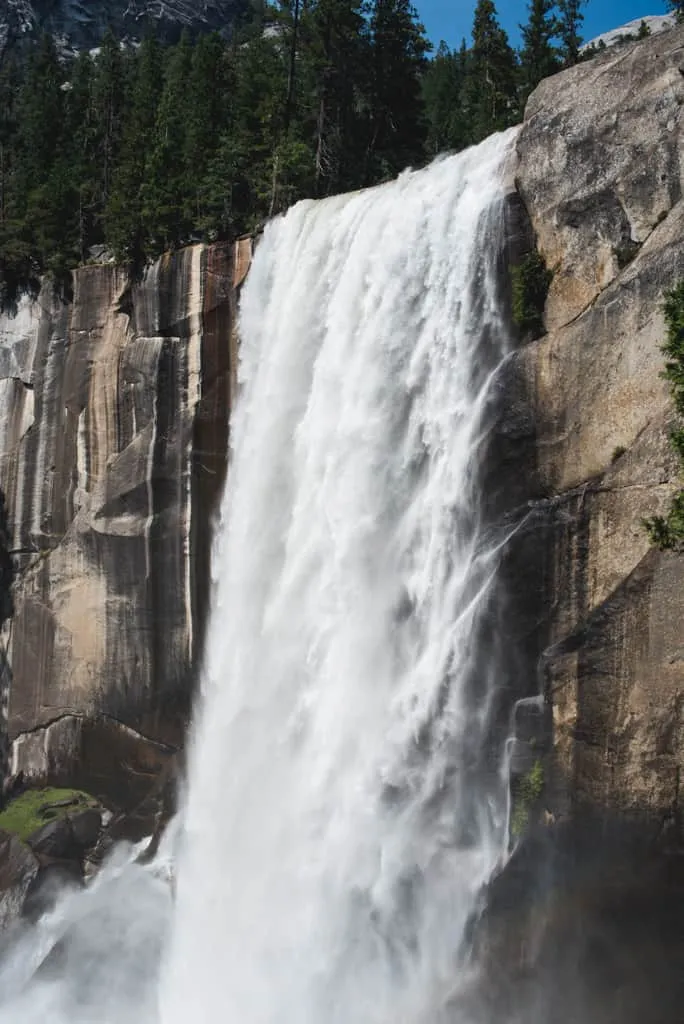
Visiting Yosemite National Park in August offers a multitude of reasons to explore this iconic natural wonder. The park is at its peak in terms of accessibility, with all major roads and trails open for exploration. August boasts warm and sunny weather, ideal for hiking, rock climbing, and enjoying the park’s breathtaking vistas. The waterfalls in Yosemite Valley are still flowing, showcasing their beauty.
Best things to do in Yosemite National Park in August
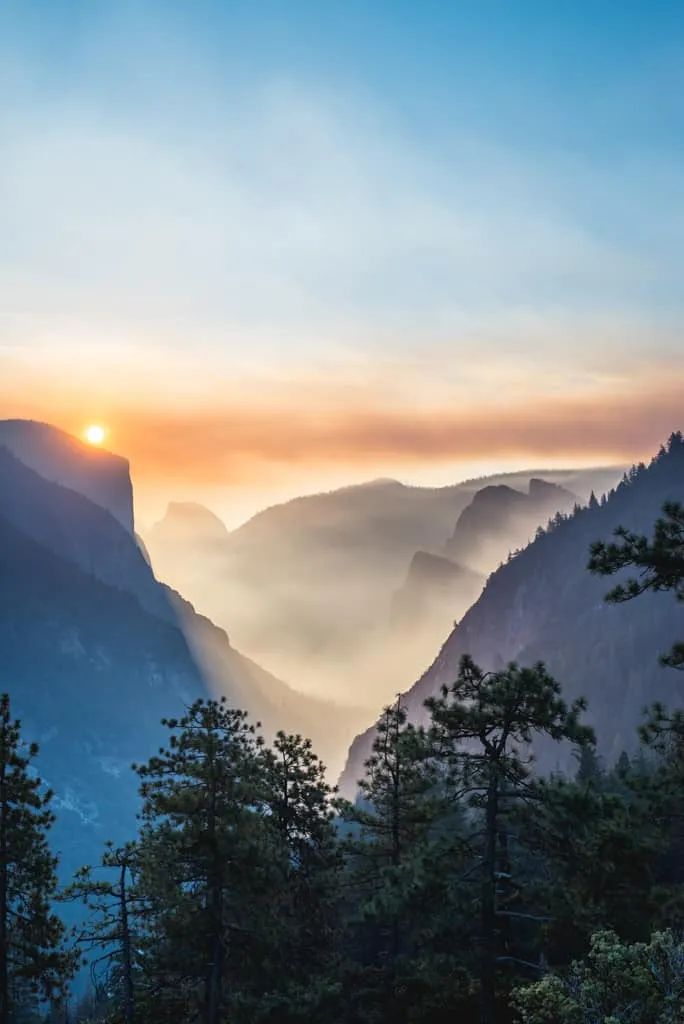
Tunnel View at Sunrise: Tunnel View is one of the most popular viewpoints in Yosemite National Park and offers stunning views of El Capitan, Half Dome, and Yosemite Valley. The best time to visit Tunnel View is at sunrise, when the light is soft, and the views are unobstructed.
Hike to Half Dome: Half Dome is one of the most iconic features of Yosemite National Park and a popular trail for ambitious hikers. The hike is a 14-miles round-trip with an elevation gain of 4,800 feet. It’s a strenuous hike that requires a permit. Permits are awarded through a lottery system.
Swim in Tenaya Lake: Surrounded by granite cliffs and mountains, Tenaya Lake is a beautiful alpine lake in Yosemite National Park. The lake is perfect for swimming, kayaking, and paddleboarding.

Know Before You Go
You May Need a Reservation: From August 1-18, reservations are required everyday to enter Yosemite National Park from 5 AM-4 PM. After August 18, they are only required on the weekends. If you have a lodging reservation inside the park, wilderness permit, or Half Dome permit, you will not need one. You can also enter before or after these times without a reservation.
Prepare for Crowds: Yosemite is renowned for its iconic landmarks, including El Capitan, Half Dome, Yosemite Falls, and Glacier Point. These sites are often crowded, especially during peak seasons, so plan your visit accordingly and be prepared for potential traffic and limited parking. Consider visiting early in the day or during less busy times for a more enjoyable experience.
Wilderness Permits: If you plan to explore the park’s backcountry or engage in overnight camping, you may need a wilderness permit. Certain areas, such as Half Dome and popular trailheads, require advance reservations for permits. Check the park’s website for specific information on obtaining wilderness permits and plan accordingly.
Respect Wildlife: Yosemite is home to a diverse range of wildlife, including black bears, deer, coyotes, and various bird species. Secure all food, trash, and scented items in bear-proof containers or lockers to prevent wildlife encounters. Keep a safe distance from wildlife and do not feed or approach them. Be cautious of rattlesnakes and take necessary precautions while hiking.
Learn more about Yosemite National Park
Blog posts
33+ things to do in Yosemite National Park
How to spend ONE day in Yosemite National Park
The PERFECT 2 Day Yosemite National Park itinerary
The Ultimate Yosemite National Park itinerary: Options for 1-6 days!
Where to stay near Yosemite National Park
The Best Day Hike in Yosemite: The Four Mile Trail, Panorama Trail, and Mist Trail
Videos
The BEST 4 days in Yosemite National Park!
2. Crater Lake National Park

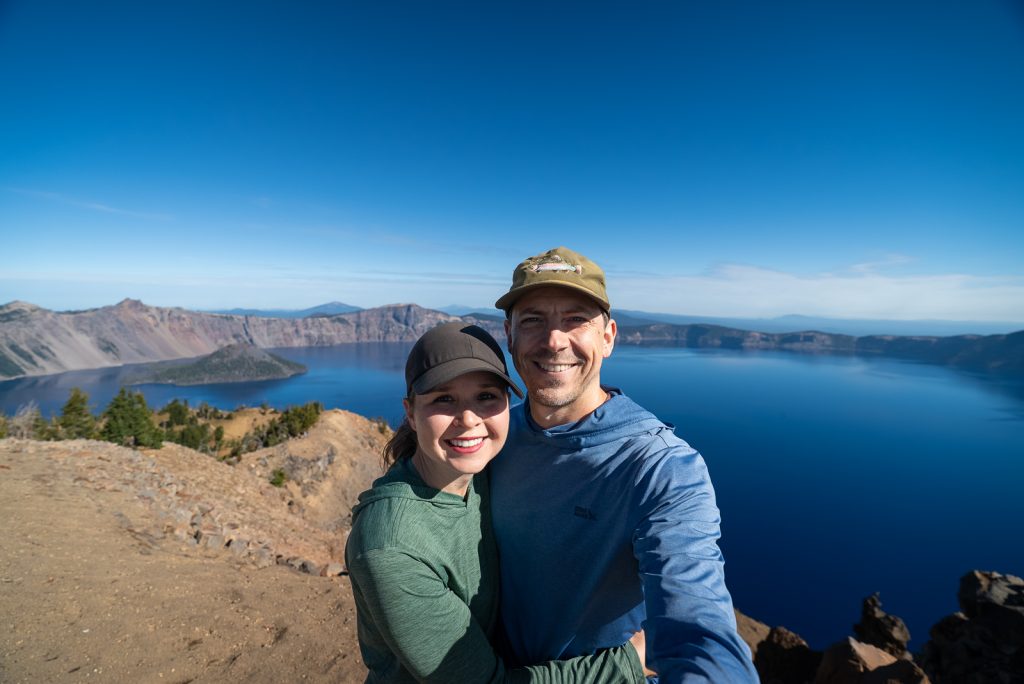
Crater Lake is the only national park in the state of Oregon and this designation is definitely well deserved. Approximately 7,700 years ago, an ancient volcano named Mount Mazama experienced a cataclysmic collapse, leaving behind a massive caldera. This caldera eventually became home to the deepest lake in the United States, known as Crater Lake. With strikingly clear and sapphire-blue waters, the park offers a plethora of activities, from scenic hikes along the rim of the caldera to boat tours.
We have visited Crater Lake twice now and each time we have been blown away by its beauty!
Where is Crater Lake National Park?
Crater Lake National Park is located in southern Oregon. The park is about 96 miles (154 kilometers) northeast of Medford. The park can be accessed via several entrances, including the North Entrance, West Entrance, and South Entrance.
Weather in August
August in Crater Lake National Park offers pleasant weather for an ideal visit. Enjoy warm, sunny days with average highs in the 60s-70s °F(20-23°C) and cooler nights in the 40s-50s °F (5-10°C). Clear skies provide stunning views of the deep blue Crater Lake and volcanic landscapes.
Why Visit Crater Lake National Park in August?
Crater Lake National Park is easily one of the best National Parks to visit in August due to its weather. With clear skies, mild temperatures, and longer days, August offers optimal conditions to witness the breathtaking beauty of the park. The iconic Crater Lake, known for its vibrant blue waters and stunning clarity, is most captivating during this time of year.


Best things to do in Crater Lake National Park in August
Swim in Crater Lake: The water in Crater Lake is a deep blue and very clear, making it a great place to swim. The only place to swim in the lake is at Cleetwood Cove, which is a short hike from the Rim Drive. IMPORTANT NOTE: Access to Cleetwood Cove, plus boat tours, are prohibited as of 2026 due to a rehabilitation project. It’s expected to reopen in summer 2029.
Watch the sunrise from Watchman Peak: Watchman Peak is a short hike from the Rim Village, reaching an elevation of 8,013 feet, and offers stunning views of Crater Lake. The best time to hike to Watchman Peak is sunrise, when you can see the lake bathed in golden light.
Hike the Garfield Peak Trail: The Garfield Peak Trail is a moderate hike that offers stunning views of Crater Lake and the surrounding mountains. The hike is about 4 miles round-trip and takes about 3 hours to complete.
Know Before You Go
Check road conditions: Crater Lake National Park is in a mountainous region, and the roads can be closed due to snow or flooding. It is important to check road conditions before you go. You can check road conditions on the park’s website or by calling the park’s visitor center.
Limited services: Crater Lake National Park is a remote park, and services within the park, including food and lodging options, may be limited. Plan accordingly and consider bringing your own supplies.
Prepare for high elevation: Crater Lake sits at an elevation of around 6,000 feet, which may affect some visitors. If you are not accustomed to high altitudes, take it easy and allow yourself time to acclimate.
Camping and Lodging: The park offers two campgrounds, Mazama Campground and Lost Creek Campground, which are open during the summer months. Lodging options are available at Crater Lake Lodge and Mazama Village Cabins. Advanced reservations are strongly recommended.
Learn More about Crater Lake National Park
Blog posts
15 BEST things to do at Crater Lake National Park in Oregon
A Perfect One Day in Crater Lake National Park Itinerary
8 Best Hikes in Crater Lake National Park
3. Wrangell-St.Elias National Park
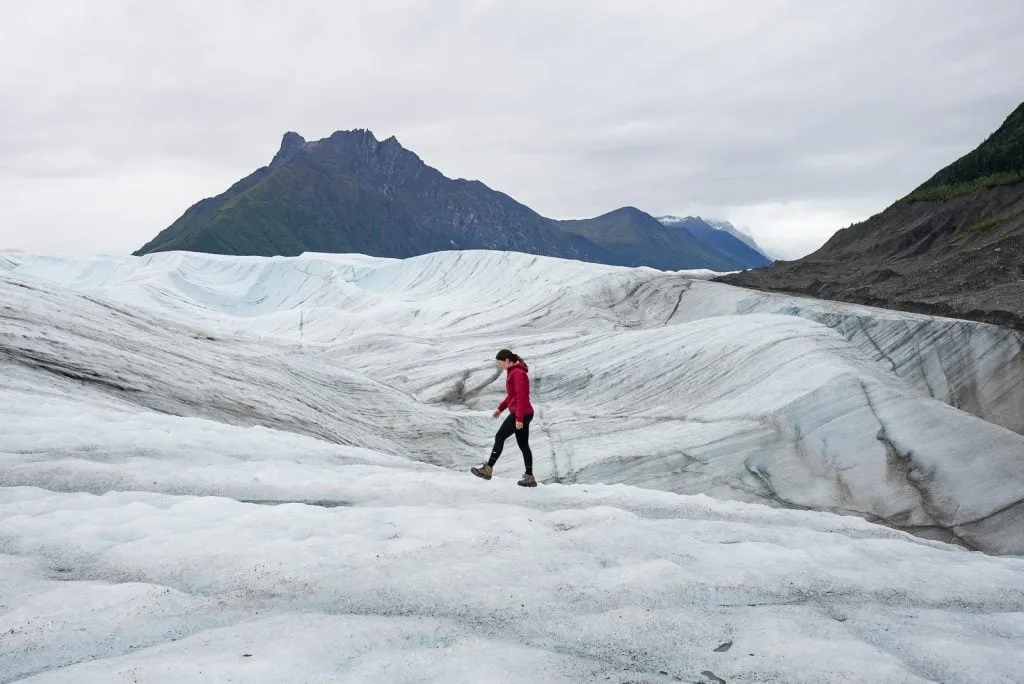
Wrangell-St. Elias National Park, nestled in the heart of Alaska, is an untamed and rugged wilderness spanning a staggering eight million acres. It is the largest National Park in the United States, encompassing 13 million acres, including the preserve. This vast park showcases diverse landscapes, from towering peaks like Mount St. Elias, the second-highest mountain in the country, to vast glaciers and lush forests.
Where is Wrangell-St. Elias National Park?
Wrangell-St. Elias National Park is located in southeastern Alaska. The park is remote and can be accessed by road or air from Anchorage via the Glenn Highway and Richardson Highway. McCarthy and Kennecott, located within the park, are popular entry points.
Weather in August
Weather in Wrangell-St. Elias National Park in August tends to be pleasant and favorable for outdoor activities. The park experiences a subarctic climate, with August being one of the warmer months. During this time, temperatures range from highs of around 60-70°F (15-21°C) to lows in the 40s°F (5-10°C). It’s important to note that weather conditions can vary, so it’s always advisable to check the forecast before your visit.
Why Visit Wrangell-St. Elias National Park in August?
Visiting Wrangell-St. Elias National Park in August offers an extraordinary adventure in the heart of the Alaskan wilderness. With mild temperatures and extended daylight hours, August is ideal for exploring the park’s vast and rugged landscapes.

Best things to do in Wrangell-St. Elias National Park in August
Hike the Root Glacier: The Root Glacier is one of the largest glaciers in Wrangell-St. Elias National Park. The hike to the glacier is about 6 miles roundtrip and is moderately difficult. Once you reach the glacier, you can see the massive ice sheet, surrounding mountains, and the town of McCarthy in the distance.
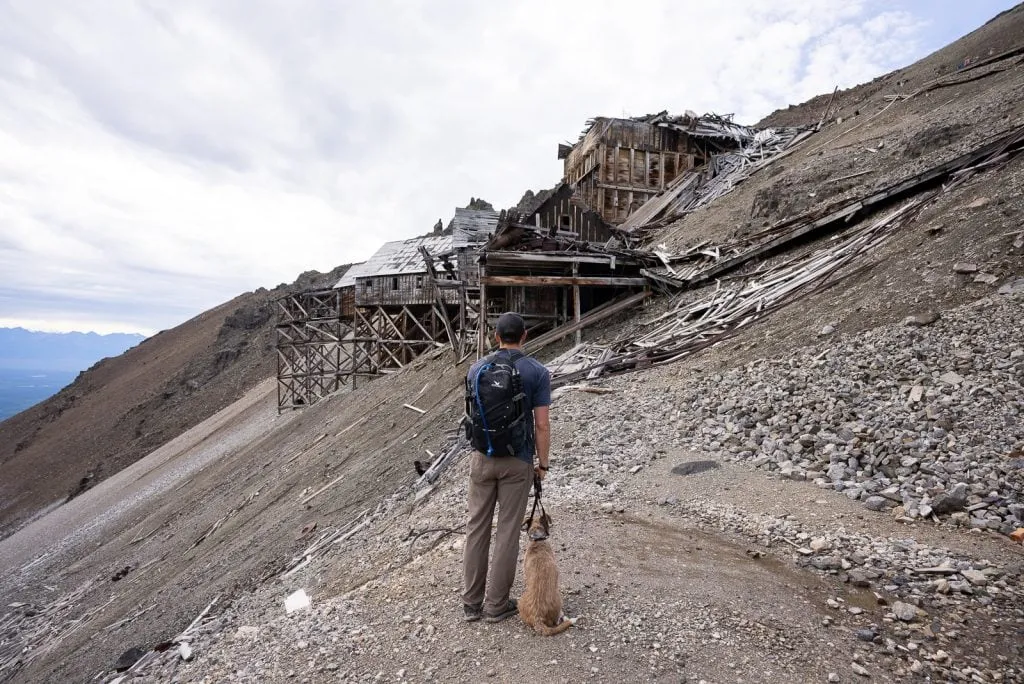
Explore the Kennecott Mines: The Kennecott Mines were once the largest copper mines in the world and are now a National Historic Landmark. Visitors can tour the mines and learn about the history of copper mining in the area.
Hike to Bonanza Mine: The Bonanza Mine was once the richest copper mine in the world and is located a few miles from the town of McCarthy. Once you reach the mine, you can see the ruins of the mine buildings and the massive open pit. This hike is very strenuous, but totally worth it!

Know Before You Go
Limited Park Facilities: The park has limited visitor facilities. Plan your trip in advance, ensuring adequate supplies, including food, water, and camping gear. Obtaining maps and other resources from the visitor center before exploring the park is also recommended.
Spotty Cell Service: Cell service within the park can be sporadic and is available at random intervals along the Richardson, Glenn, and Tok Cutoff Highways. However, it’s important to note that there is no cell service on Nabesna Road.
Check Road Conditions: The park has limited road access, and some roads are unpaved and can be rough. McCarthy Road leads to the historic towns of McCarthy and Kennecott. Be aware that after reaching the end of McCarthy Road, you will need to use alternative transportation to reach Kennecott. This typically involves walking, biking, or taking a shuttle for the remaining 5-mile stretch. Keep this in mind when planning your transportation arrangements.
Lodging and Camping: Accommodation options within the park are limited. McCarthy and Kennecott have lodging options, including hotels, bed and breakfasts, and hostels. Camping is available at designated campgrounds and backcountry areas, but permits may be required for backcountry camping.
Respect Wildlife: The park is abundant in wildlife, including grizzly bears, moose, caribou, wolves, Dall sheep, and elusive mountain goats. Be cautious and respectful when encountering wildlife. Keep a safe distance and do not approach or feed them. Carry bear spray and know how to use it in case of a bear encounter.
Learn more about Wrangell-St.Elias National Park
Blog posts
The BEST Things to do at Wrangell-St. Elias National Park
How to hike the Root Glacier trail in Wrangell-St. Elias National Park
Hiking the Bonanza Mine trail in Wrangell-St. Elias National Park
How to drive McCarthy Road to Wrangell-St. Elias National Park
YouTube video
Visiting Wrangell-St. Elias (the LARGEST national park!) | Kennecott, Root Glacier, & Bonanza Mine
4. Glacier National Park
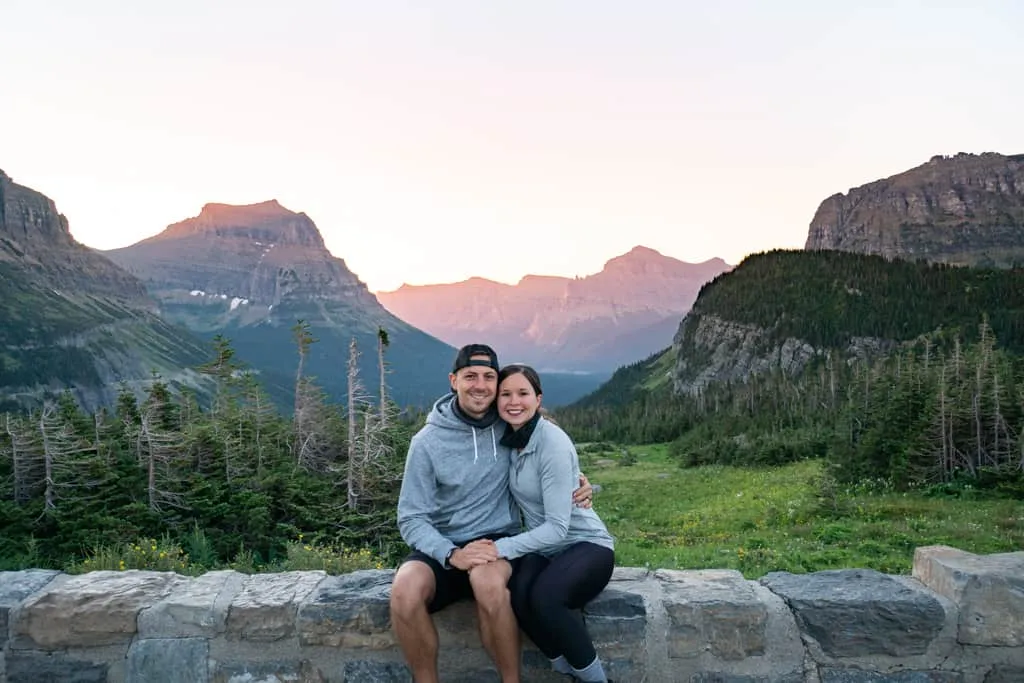
Nestled in the heart of the continent, Glacier National Park, often known as the “Crown of the Continent,” truly lives up to its reputation. With its sprawling one million acres, the park presents a tapestry of glacier-capped mountains, aquamarine lakes, and some of the most beautiful hiking trails in the country.
In August 2020, amidst the chaos of the COVID-19 pandemic, we had the privilege of visiting Glacier National Park. Some of the highlights of our trip included driving along the Going-to-the-Sun Road, conquering the Highline Trail, and indulging ourselves in local delicacies (we’re looking at you, huckleberries). We have since been back to the park a second time, exploring its less visited Two Medicine region. And both visits have only proven that every inch of the park is stunning!
Where is Glacier National Park?
Glacier National Park is located in Montana, along the northern border with Canada. The park is accessible via the Going-to-the-Sun Road, which runs through the park from west to east. The west entrance is near West Glacier and serves as the park’s main gateway, conveniently close to Glacier International Airport in Kalispell.
Weather in August
Glacier National Park experiences pleasant weather in August. During this month, temperatures in the park range from mild to moderately warm, with average highs reaching the 70s to 80s °F (20s to 30s °C). Be prepared for changing weather and potential thunderstorms in the afternoon. Dress in layers and bring a waterproof jacket.
Why Visit Glacier National Park in August?
August is one of the best times to visit Glacier National Park, as the weather is usually warm and sunny, with fully opened roads and snow free trails.


Best things to do in Glacier National Park in August
Hidden Lake Trail: The Hidden Lake Trail is a popular 2.4-mile round-trip hike that offers stunning views of Hidden Lake and the surrounding mountains. The trail is located in the Logan Pass area of the park and is open from June to September.
Visit Polebridge for a bear claw: Polebridge is a small town just outside Glacier National Park. The town is famous for its huckleberry bear claws, a type of pastry filled with huckleberries.
St. Mary Falls: St. Mary Falls is a 30-foot waterfall that drops over a series of steps in the St. Mary Valley, about 10 miles west of Entrance to Glacier National Park. The hike to the falls is short and easy, and it takes about 15 minutes to reach the viewing platform.

Know Before You Go
Road Conditions: The Going-to-the-Sun Road is a scenic drive that offers stunning views of the park’s mountains, valleys, and glaciers. It spans 50 miles (80 kilometers) and crosses the Continental Divide. Driving the road does require a vehicle reservation. It also may have seasonal closures or restrictions, so check the park’s website for current conditions and updates.
Respect Wildlife: Glacier National Park is home to a diverse range of wildlife, including grizzly bears, black bears, mountain goats, elk, and more. Maintain a safe distance from wildlife and never approach or feed them. Familiarize yourself with bear safety protocols and always store food and scented items properly to avoid attracting animals.
Cell Service: Cell service can be limited or non-existent in certain parts of the park. Be prepared for limited connectivity and plan accordingly.
Learn more about Glacier National Park
Blog posts
Hiking the Highline Trail at Glacier National Park (Routes + tips!)
Driving the Going-to-the-Sun Road at Glacier National Park (The Best Stops!)
4 Day Glacier National Park Itinerary (Logan Pass, Lake McDonald, St. Mary, & North Fork)
13 Best Things to Do at Two Medicine in Glacier National Park
YouTube videos
First time at Glacier National Park: Going to the Sun Road, St. Mary Falls, Lake McDonald, & more!
Hiking the Highline Trail to Grinnell Glacier Overlook at Glacier National Park (& huckleberry pie!)
Last day at Glacier: Polebridge Bear Claws, Bowman Lake, & Whitefish (Alpine Slide & food!)
5. Grand Teton National Park

In 2019, after completing our van conversion, we had the incredible opportunity to explore Grand Teton National Park. This pristine wilderness, nestled near the charming town of Jackson, became our home for a week, marking our 17th visit to a US National Park!
The main attraction of Grand Teton National Park is the Teton Range, a group of mountains rising over 7,000 feet (2,100 m) above the valley floor. With Jackson Lake and the Snake River completing its picturesque landscape, this destination captivates visitors with its jagged peaks, expansive meadows, and glistening lakes.
Where is Grand Teton National Park?
Grand Teton National Park is located in northwestern Wyoming. The park can be accessed from the town of Jackson via the John D. Rockefeller, Jr. Memorial Parkway. The main entrance is near Moose, Wyoming. The park is renowned for the Teton Range, which includes the iconic peaks of Grand Teton, Mount Owen, and Teewinot.
Weather in August
August is one of the best times to visit Grand Teton National Park and is the warmest month in the Park, with average highs of 85°F (29°C) and lows of 55°F (13°C). Weather conditions in mountainous regions, such as Grand Teton National Park, can change rapidly. Thunderstorms are common in the afternoons. To be prepared, carry a waterproof jacket or poncho to stay dry during unexpected downpours.
Why Visit Grand Teton National Park in August?
August is one of the best times to visit Grand Teton National Park. The park is less crowded than in the peak summer months, and the weather is still warm and sunny. Hikers and photographers are equally drawn to Grand Teton National Park. With an extensive trail network winding through the heart of the Teton Range, and iconic locations like Oxbow Bend and Schwabacher Landing, there’s no shortage of stunning scenery amidst the alpine landscape.

Best things to do in Grand Teton National Park in August
Hike to Delta Lake: The Delta Lake Trail is a 7.4-mile round-trip hike that takes you to a beautiful lake in the mountains. The trail is moderately difficult, with some steep sections with rock fields and scrambling.
Visit Inspiration Point: Inspiration Point is a viewpoint that offers stunning views of the Teton Range. The trail to Inspiration Point begins at the South Jenny Lake Boat Landing. From there, it’s a 1.8-mile hike (round-trip) up a series of switchbacks to the viewpoint.
Take a boat ride on Jenny Lake: The Jenny Lake Boating Center is located at the southern end of Jenny Lake. The center offers a variety of boat rentals, including canoes, kayaks, and paddle boats. There are also boat tours available that take you to different parts of the lake.


Know Before You Go
Be respectful of wildlife: There are over 300 species of animals in the park, including bears (both grizzly and black), wolves, elk, bison, and bighorn sheep. Observe wildlife from a safe distance and never approach or feed them. Carry bear spray and know how to use it in case of a bear encounter.
Road Conditions: Teton Park Road and Signal Mountain Summit Road are popular scenic drives within the park. Check for any road closures or construction updates before your visit.
Learn more about Grand Teton National Park
Blog post
3 Days at Grand Teton National Park Itinerary
YouTube videos
Grand Teton National Park Day 1: Hiking to Hidden Falls & Inspiration Point
Grand Teton National Park Day 2: Hiking to Delta Lake!
6. Kenai Fjords National Park

Kenai Fjords National Park is Alaska’s icy wonderland. Established in 1980, this pristine wilderness sprawls over 669,000 acres on the breathtaking Kenai Peninsula. Believe it or not, a whopping 51% of this vast expanse is covered in ice—with at least 38 glaciers gracing the park.
During our visit in the summer of 2022, we couldn’t help but be captivated by the untamed paradise that is Kenai Fjords National Park. It’s a rugged wonderland where nature’s power and resilience take center stage. We even explored the park’s crown jewel—the Harding Icefield. It proudly wears the title of the largest icefield in the United States.
Where is Kenai Fjords National Park?
Kenai Fjords National Park is located on the Kenai Peninsula in south-central Alaska, about 126 miles south of Anchorage. The park can be reached by plane or car, with the closest airport in Seward, approximately 15 miles from the park entrance, serving as the main access point.
Weather in August
August is the warmest month of the year in Kenai Fjords National Park, with average highs of 50°F (10°C) and lows of 42°F (6°C). The weather in Kenai Fjords National Park can be unpredictable, even during the summer months. Be prepared for rain, wind, and cool temperatures. Dress in layers and bring a waterproof jacket, sturdy hiking boots, and insect repellent. Always check the weather forecast before heading out.
Why Visit Kenai Fjords National Park in August?
August is an ideal time to visit Kenai Fjords National Park due to its mild and pleasant weather, making it the peak of summer in Alaska. Witnessing glacier activity is a highlight, with the chance to experience calving events. Boat tours allow visitors to get close to glaciers, observe wildlife, and explore the captivating coastal scenery. The extended daylight hours make August perfect for hiking, kayaking, fishing, and camping. Additionally, the salmon spawning season attracts a range of wildlife. Lastly, the park’s meadows and alpine areas burst with vibrant colors.


Best things to do in Kenai Fjords National Park in August
Hike the Harding Icefield Trail: The Harding Icefield is the largest icefield entirely in the US, covering over 1,300 square miles. We highly recommend hiking the Harding Icefield Trail to get an incredible view of the endless ice!
Hike to Exit Glacier: Exit Glacier is one of the fastest shrinking glaciers. You can hike to the different viewpoints glacier and get stunning views of the surrounding mountains and fjords.
Go on a Boat tour: Boat tours offer a unique opportunity to see glaciers up close. Visitors can see massive glaciers calving or breaking off into the water. Several companies offer boat tours in Kenai Fjords National Park, including Kenai Fjords Tours, Major Marine Tours, and Princess Cruises.

Know Before You Go
Plan Ahead: The park has limited visitor facilities, with no campgrounds, restaurants, or lodges within its boundaries. The nearby town of Seward offers various lodging and dining options.
Respect Wildlife: The park is home to a diverse range of marine and terrestrial wildlife. Keep an eye out for marine mammals such as whales, sea lions, and harbor seals. Land animals include black bears, moose, mountain goats, and various bird species. Remember to observe wildlife from a safe distance and never approach or feed them.
Glacier Safety: If you plan to explore glaciers, it’s important to be prepared and practice glacier safety. Glaciers can be dangerous, and it’s recommended to have the appropriate gear, such as crampons and ice axes, if you intend to hike on them. Consider joining a guided glacier tour for a safe and informative experience.
Reservations and Permits: While there is no entrance fee for Kenai Fjords National Park, some activities may require reservations or permits. Check with the park’s official website or visitor center for information on permits for activities like camping, fishing, or backcountry hiking.
Learn more about Kenai Fjords National Park
Blog posts
8 EPIC things to do in Kenai Fjords National Park in Alaska
Hiking the Harding Icefield Trail at Kenai Fjords National Park
How to experience the Exit Glacier Hike in Alaska’s Kenai Fjords National Park
YouTube videos
The BEST three days at Kenai Fjords National Park! (Exit Glacier, Harding Icefield, + BOAT tour!)
7. Lassen Volcanic National Park
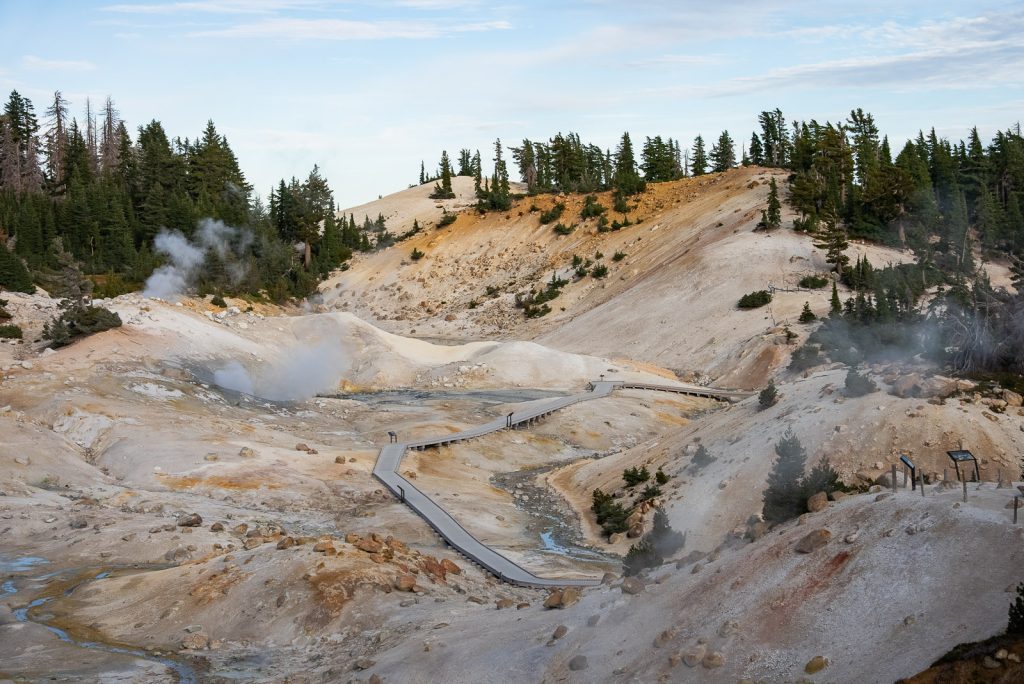
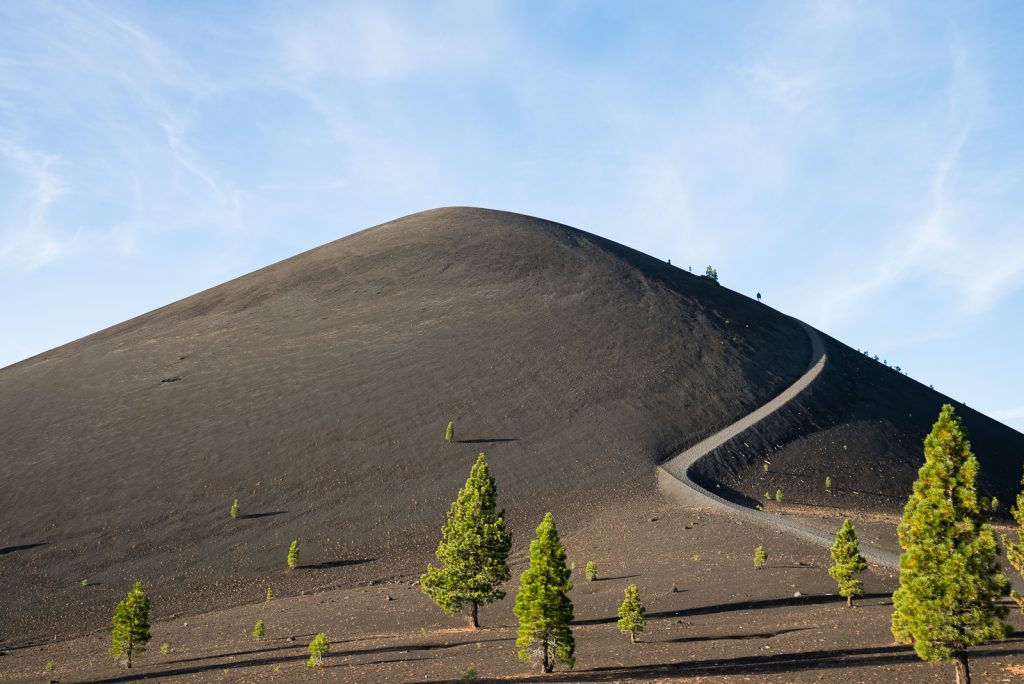
Lassen Volcanic National Park is a geological marvel, home to a remarkable collection of volcanoes, including Mount Shasta, Cinder Cone, and Lassen Peak—the world’s largest plug dome volcano and the southernmost volcano in the Cascade Range.
August is a great time to explore the park’s steaming fumaroles, picturesque meadows adorned with wildflowers, and crystal-clear mountain lakes. Witness the park’s many hydrothermal features, such as geysers, mud pots, and hot springs, which showcase the geothermal activity beneath the surface.
Where is Lassen Volcanic National Park?
Lassen Volcanic National Park is located in Northern California. The park is accessible by car via several entrances, including the Manzanita Lake Entrance in the northwest and the Southwest Entrance near the Kohm Yah-mah-nee Visitor Center. The park can be reached from major cities like Redding, Chico, and Reno. The closest towns with visitor services are Redding and Susanville.
Weather in August
The weather in Lassen Volcanic National Park in August is typically warm and sunny, with highs in the mid-80s °F (30°C) and lows in the mid-50s °F (13°C). There is a chance of rain on any given day, so be sure to pack accordingly.
Why Visit Lassen Volcanic National Park in August?
Lassen Volcanic National Park is a great place to visit in August. The weather is warm and sunny and the wildflowers are in bloom. Just keep in mind that summer break is still happening, so the park may be a tad busier.
Best things to do in Lassen Volcanic National Park in August
Tackle the Cinder Cone Trail: Located a bit of a drive from the park’s main area, the Cinder Cone Trail takes you along the side and to the top of a Cinder Cone! It’s a steep hike, but the views from the top and its uniqueness makes it a must-do in the park.
Visit Bumpass Hell: Bumpass Hell is a geothermal area with boiling mud pots, steaming fumaroles, and colorful hot springs. The boardwalk trail through Bumpass Hell takes about 30 minutes to complete.
Check out Manzanita Lake: Manzanita Lake is a popular spot to take a stroll or go fishing. The lake is located in the southern part of the park and is about 1 mile from the Kohm Yah-mah-nee Visitor Center.
Drive the Scenic Loop Road: The Scenic Loop Road is a 30-mile loop that takes you past some of the park’s most popular attractions, including Lassen Peak, Bumpass Hell, and Manzanita Lake.

Know Before You Go
Volcanic Activity: Lassen Volcanic National Park is known for its volcanic features, including steam vents, hot springs, and domes. Be cautious when exploring these areas and follow all safety signs and guidelines. Some trails or areas may be closed due to volcanic activity or gas emissions.
Respect Wildlife: The park is home to various wildlife, including black bears, deer, foxes, and numerous bird species. Practice proper wildlife safety by storing food and scented items in bear-proof containers or lockers. Do not feed or approach wildlife, and keep a safe distance.
Camping and Lodging: Lassen Volcanic National Park offers several campgrounds, including Manzanita Lake Campground and Summit Lake Campground. Campsites are available on a first-come, first-served basis, but some sites can be reserved. Lodging options are available outside the park in nearby communities like Chester and Redding.
Learn more about Lassen Volcanic National Park
Blog post
How to visit Lassen Volcanic National Park in the winter & spring
YouTube video
Visiting Lassen Volcanic National Park in the SPRING! (Sulphur Works, Chaos Crags, & Manzanita Lake)
8. Mount Rainier National Park


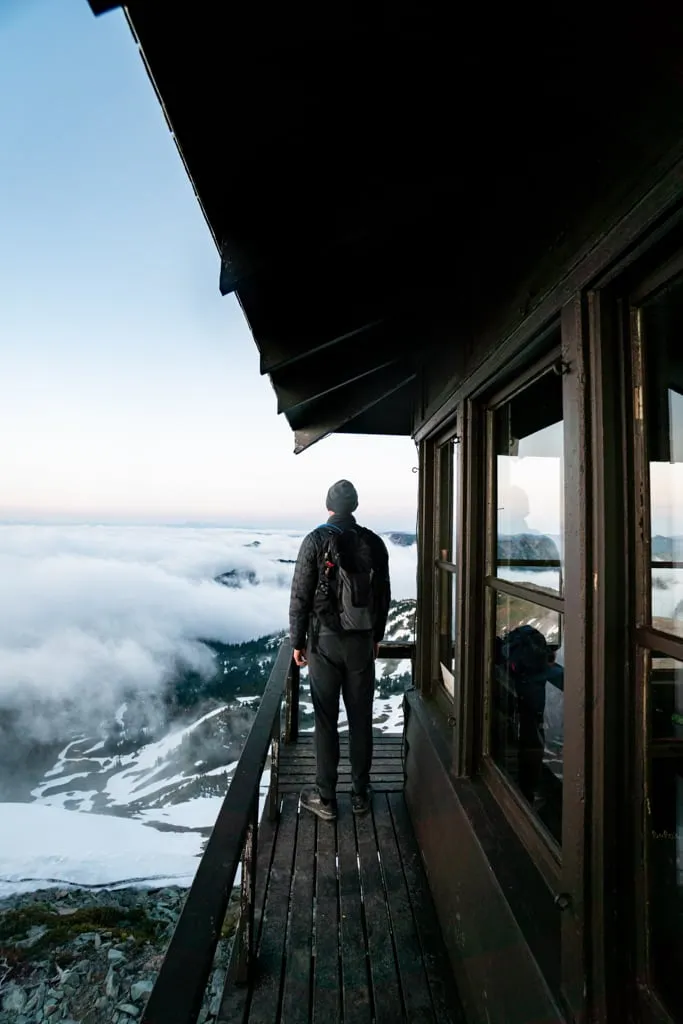
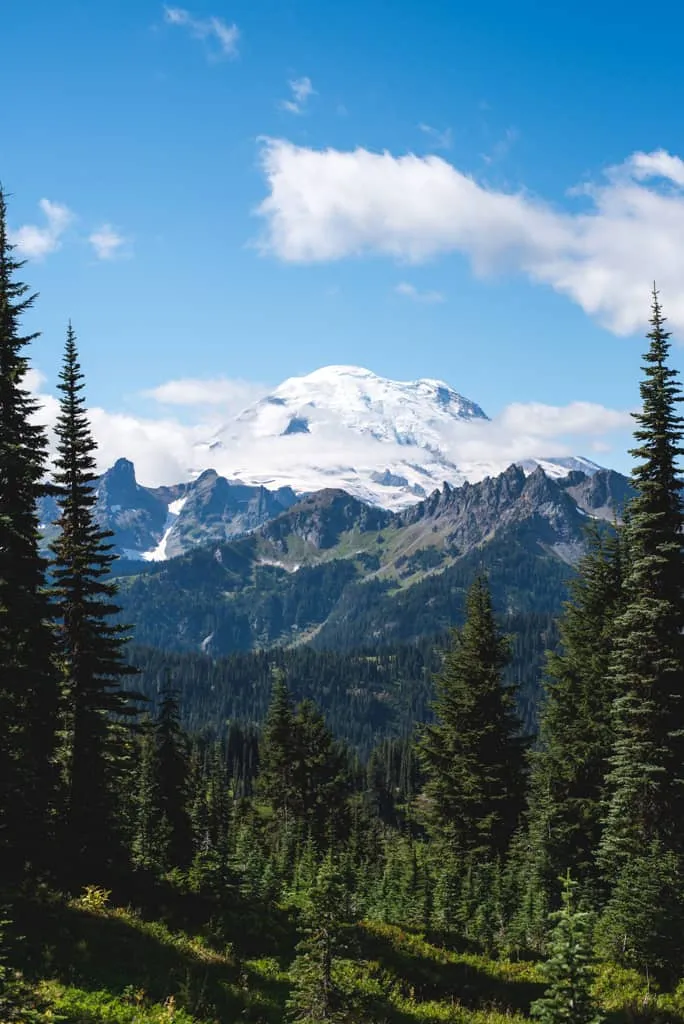
In the heart of Washington State lies Mount Rainier National Park, an iconic mountain that symbolizes the Pacific Northwest. Mount Rainier is incredible to witness with its towering presence, 25 major glaciers, and the status of an active volcano. Fortunately, it has remained dormant for over a millennium, allowing visitors to admire its beauty without concern.
Our journey to Mount Rainier National Park was not without its challenges, as it took us five visits to finally witness this snow-capped marvel in all its glory. Standing at 14,410 feet, it claims the title of the sixth-highest peak in the lower 48 states and stands as the highest point in both the Cascade Range and Washington State!
Where is Mount Rainier National Park?
Mount Rainier National Park is located in the Cascade Range of the Pacific Northwest in the State of Washington. It is about 54 miles (87 km) southeast of Seattle. The park encompasses 236,000 acres of land and is accessible by car via State Route 706, which leads to the park’s Nisqually Entrance.
Weather in August
The weather in Mount Rainier National Park in August is typically warm and sunny, with highs in the mid-70s°F (24°C) and lows in the mid-50s °F (13°C). However, temperatures can drop significantly at higher elevations and can be colder and windier on the mountain. Be prepared for changing weather conditions and bring appropriate clothing and gear.
Why Visit Mount Rainier National Park in August?
Mount Rainier National Park is a great place to visit in August. The weather is warm and sunny, the wildflowers are in bloom, and there are plenty of activities to enjoy, such as hiking, camping, fishing, boating, and wildlife watching. The park is also less crowded in August, so that you can enjoy the scenery without the crowds.
Best things to do in Mount Rainier National Park in August
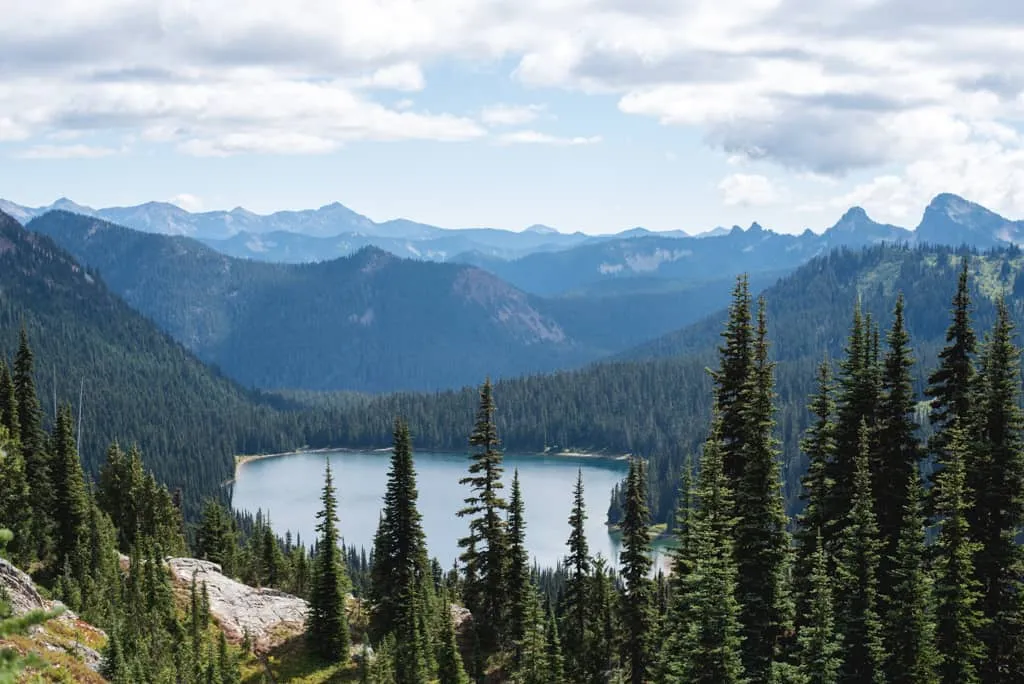
Hike to Tolmie Peak: Tolmie Peak is a 4.4-mile round-trip hike with an elevation gain of 1,400 feet. The hike offers stunning views of Mount Rainier and the surrounding Cascade Mountains.
Hike the Skyline Trail: The Skyline Trail Loop is a 5.6-mile loop hike with an elevation gain of 1,771 feet. The hike offers panoramic views of Mount Rainier, wildflowers, and waterfalls.
Hike the Silver Falls Loop: The Silver Falls Loop is a 2.9-mile loop hike with an elevation gain of 521 feet. The hike passes several waterfalls, including the 150-foot Silver Falls.
Know Before You Go
Camping and Lodging: The park offers several campgrounds, including the Cougar Rock Campground and the Ohanapecosh Campground. Campsites are available on a first-come, first-served basis, but some can be reserved in advance. Lodging options are available outside the park in nearby communities like Ashford and Packwood.
Road Conditions and Parking: Some of the park’s roads, such as Stevens Canyon Road and Sunrise Road, may be closed or have limited access due to snowfall or other factors. Be aware of road conditions, closures, and restrictions. During peak visitation periods, parking can be limited in popular areas, such as Paradise and Sunrise. Consider arriving early to secure parking.
Respect Wildlife: The park is home to various wildlife, including black bears, deer, elk, marmots, and mountain goats. Practice proper wildlife safety by storing food and scented items in bear-proof containers or lockers. Do not feed or approach wildlife, and maintain a safe distance.
Learn more about Mount Rainier National Park
Blog posts
Hiking the Mount Fremont Lookout Trail at Mount Rainier
The Best Things to do at Mount Rainier (+ where to stay & park tips!)
YouTube videos
24 Hours at Mount Rainier: Mount Fremont Lookout, Grove of the Patriarchs, waterfalls, & snow!
9. Wind Cave National Park

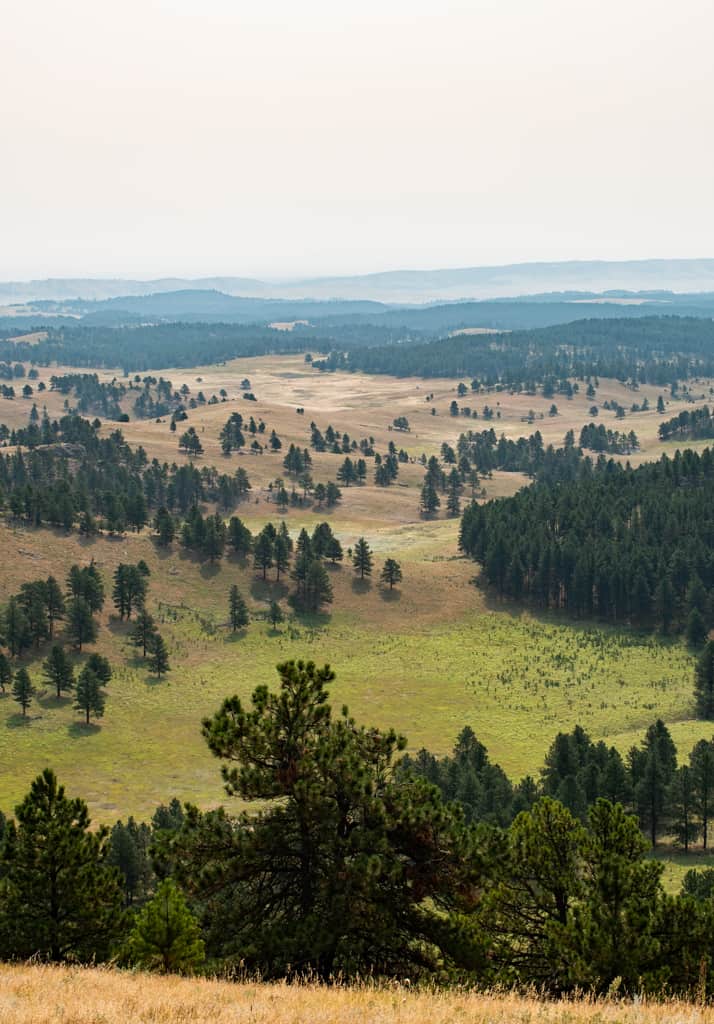
Spanning over 33,000 acres, Wind Cave National Park is renowned for its intricate cave system and unique limestone formations. The world’s largest concentration of “box work,” honeycomb-like cave formations, can be found here. As one of the longest and most complex caves globally, Wind Cave invites visitors to explore its underground realm and witness the marvels of nature’s craftsmanship.
Where is Wind Cave National Park?
Wind Cave National Park is located in the Black Hills of South Dakota. It is about 11 miles (18 kilometers) north of Hot Springs. The park can be accessed via US Highway 385.
Weather in August
August is the warmest month in Wind Cave National Park, with highs in the mid-80s°F (30°C) and lows in the mid-50s°F (13°C).
Why Visit Wind Cave National Park in August?
Visiting Wind Cave National Park in August offers optimal weather conditions and a chance to explore the park’s unique underground wonders. Visitors can enjoy hiking, wildlife spotting, and scenic drives with comfortable temperatures. August provides an excellent opportunity to witness the park’s diverse ecosystem and marvel at the extensive cave formations through guided tours.
Best things to do in Wind Cave National Park in August
Take a cave tour: The Wind Cave is known for its unique cave formations, including its signature “wind” features, created by air movement through the cave. Various cave tours are available, ranging from easy to strenuous.
Drive the park roads: Wind Cave National Park has several scenic roads that offer stunning views of the Black Hills. The park’s South Unit Scenic Drive is a must-do, as it takes you past some of its most popular attractions, including the Wind Cave Visitor Center, the Big Room, and the Prairie Dog Town.
The Rankin Ridge Trail: The Rankin Ridge Trail is a 1-mile loop trail that offers stunning views of the Black Hills. On a clear day, you can see the Badlands National Park to the west and the Crazy Horse Memorial to the south.

Know Before You Go
Cave Safety: When exploring the cave, follow the instructions and guidance of the park rangers. The cave environment is delicate, and touching formations can cause damage. Also, be aware that the cave passages can be narrow and low in some areas, requiring stooping or crawling. Certain tours may have age or physical restrictions, so check the park’s website for specific details.
Respect Wildlife: Wind Cave National Park is home to a variety of wildlife, including bison, elk, pronghorn, deer, coyotes, and prairie dogs. While wildlife encounters are possible, always maintain a safe distance and not feed or approach the animals.
Road Closures: The park offers scenic drives that provide opportunities to appreciate the park’s beauty. The Wind Cave Canyon Road and the Wildlife Loop Road are popular routes. Be cautious of wildlife on the roads and follow speed limits and park regulations.
Camping and Accommodations: Wind Cave National Park has a campground available on a first-come, first-served basis. The Elk Mountain Campground provides basic amenities, including restrooms and potable water. For lodging options, nearby towns such as Hot Springs offer hotels, motels, and campgrounds.
Learn more about Wind Cave National Park
7 Day South Dakota Road Trip Itinerary: Black Hills to Badlands
10. North Cascades National Park
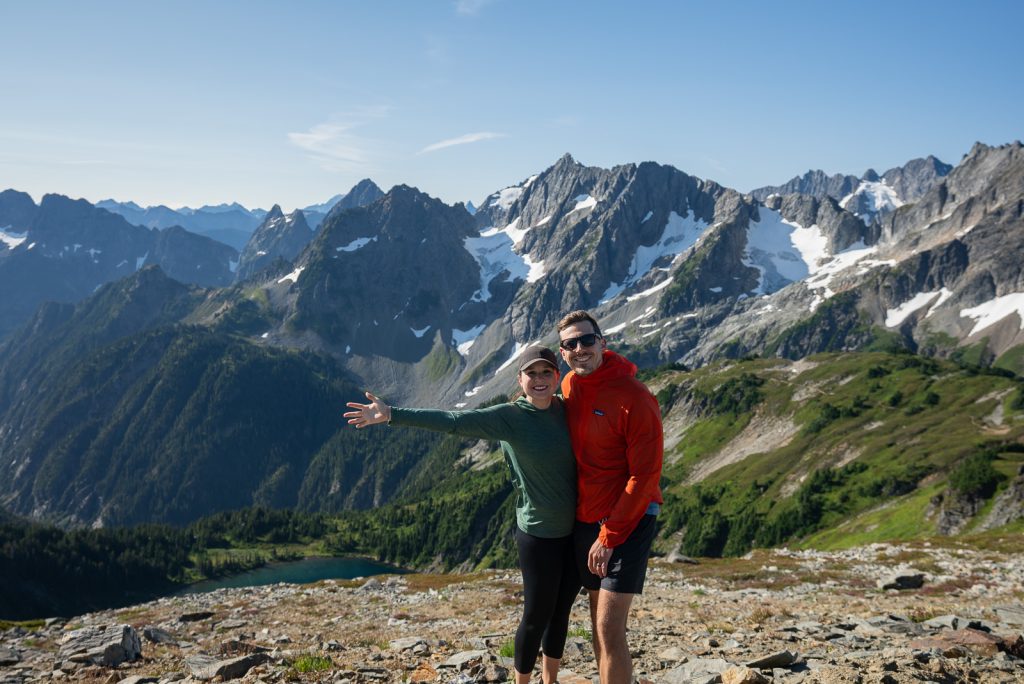
With stunning bright blue alpine lakes and rugged peaks that will leave you in awe, North Cascades National Park lives up to its reputation as the “American Alps.” Located just a short drive from Seattle, Mount Rainier, and Olympic National Parks, North Cascades National Park offers a convenient escape into its wild and rugged embrace.
Surprisingly, it ranks as the fifth least visited National Park in the United States, preserving its pristine beauty and serene wilderness for the fortunate few who venture within its borders.
Where is North Cascades National Park?
North Cascades National Park is located in the state of Washington. It is approximately 100 miles (160 km) northeast of Seattle. The park has multiple entrances, including the North Cascades Highway (State Route 20) from the west and the Ross Lake National Recreation Area from the east.
Weather in August
The weather in North Cascades National Park is typically mild and sunny in August, with highs in the mid-70s°F (24°C) and lows in the mid-50s°F (13°C). However, keep in mind that this is wildfire season in the Pacific Northwest and the park can often be pretty smoky during this time.
Why Visit North Cascades National Park in August?
With warm weather and low crowds, August presents an ideal opportunity to experience this National Park. North Cascades is one of our top recommendations if you’re seeking a stunning park to explore in August without the typical crowds.


Best things to do in North Cascades National Park in August
Hike Cascade Pass to Sahale Arm: This is hands down one of our absolute favorite hikes in the entire US. And easily one of the best day hikes in North Cascades National Park! With jagged alpine peaks, sweeping valley views, and colorful wildflowers in the summer, this hike will leave you speechless. There are a few different options for how far you want to hike here. You can choose to hike just to Cascade Pass (6.9 miles RT), push down to Doubtful Lake (9.8 miles RT), or continue all the way up to Sahale Glacier Camp (11.6 miles RT). We recommend at least going to Sahale Arm for the best views!
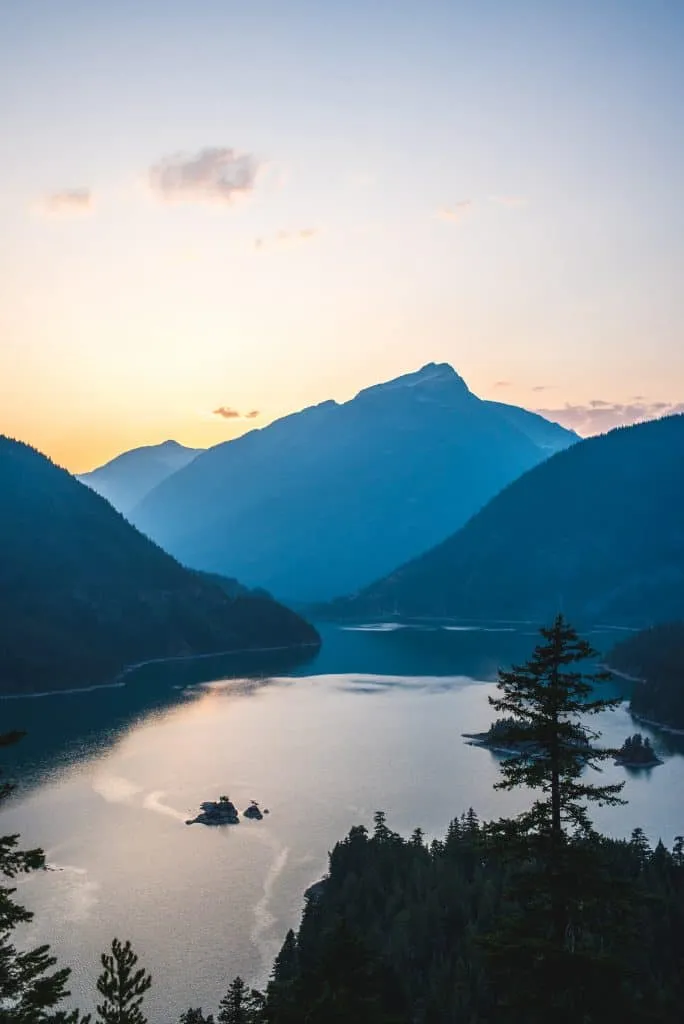
Visit Diablo Lake: Diablo Lake is a beautiful lake in North Cascades National Park. Towering peaks and crystal-clear water surround the lake. Visitors can enjoy boating, fishing, hiking, and simply relaxing on the shores of the lake.
Drive Washington Pass: Washington Pass is a scenic pass in North Cascades National Park. The pass offers stunning views of the Cascade Mountains. Visitors can drive, hike, or bike over the pass.

Know Before You Go
Road Conditions: The North Cascades Highway (State Route 20) is a scenic route that runs through the park, providing stunning views of the mountains, valleys, and lakes. The drive is particularly beautiful in the fall when the autumn colors are vibrant. Be aware of any road closures or restrictions before your visit.
Camping and Lodging: The park provides several campgrounds, including Newhalem Creek Campground and Colonial Creek Campground. Campsites are available on a first-come, first-served basis, and some may require permits. Lodging options are available outside the park, including cabins and resorts in nearby towns like Marblemount and Winthrop.
Respect Wildlife: North Cascades National Park is home to a diverse range of wildlife, including black bears, mountain goats, mule deer, and various bird species. Observe wildlife from a safe distance and never approach or feed them. Practice proper food storage to prevent attracting bears.
Learn more about North Cascades National Park
Blog posts
Our Ultimate 4 Day North Cascades National Park Itinerary
19 EPIC Things to Do Along the North Cascades Highway
Videos
4 days in Washington’s North Cascades: Our TOP hikes & sights!
11. Olympic National Park
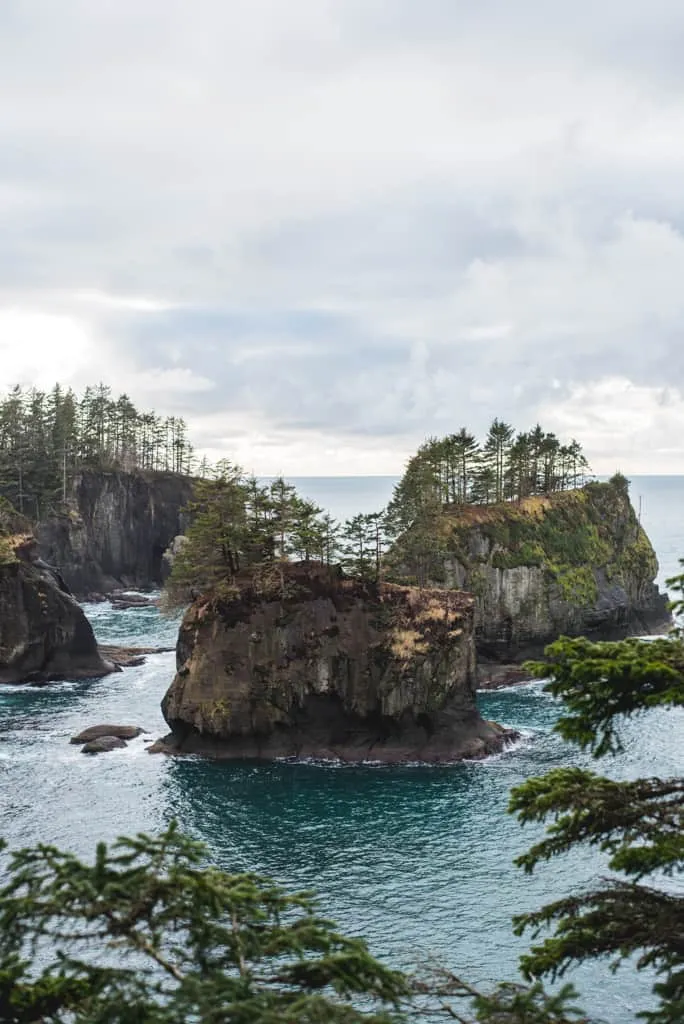
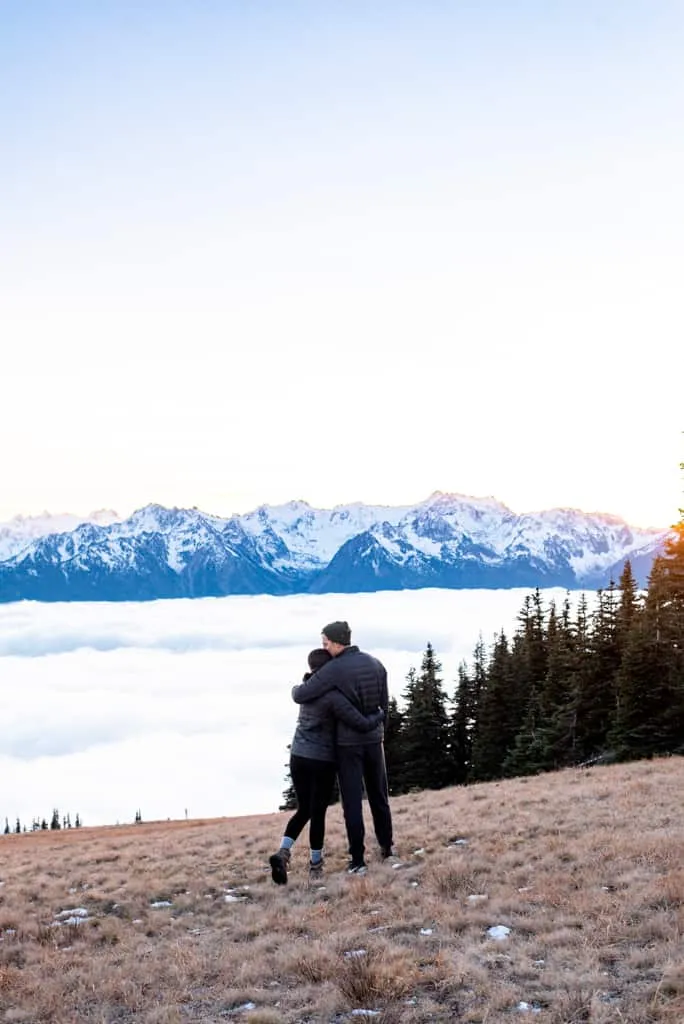
Having embarked on countless weekend trips to the Olympic Peninsula in Washington State, we can attest to the beauty of Olympic National Park. This vast park spans 1,442 square miles and is divided into four distinct areas: the Pacific coastline, the alpine region, the temperate rainforest, and the eastern mountains—talk about some serious diversity!
From the temperate rainforests with their towering trees to the serene coastlines where the waves of the Pacific Ocean crash against rugged cliffs, every corner of this park is stunning. Not to be overlooked are the snow-capped mountains, with Mount Olympus reigning at an impressive 7,980 feet.
Where is Olympic National Park?
Olympic National Park is located in Washington, on the Olympic Peninsula. The park is approximately 110 miles (170 km) west of Seattle. The park has multiple entrances, including the Hurricane Ridge Entrance, Elwha Entrance, Hoh Rain Forest Entrance, and Lake Crescent Entrance. Each entrance provides access to different regions of the park.
Weather in August
Olympic National Park experiences diverse climates due to its varying elevations and proximity to the Pacific Ocean. The weather can be wet and mild, especially along the coast and in rainforest areas. Summers are generally dry and mild, with temperatures ranging from 60°F to 80°F (15°C to 27°C). However, weather conditions can change rapidly, so be prepared for rain, fog, and cooler temperatures.
Why Visit Olympic National Park in August?
August is a prime time to visit Olympic National Park, offering a multitude of reasons to explore its diverse landscapes. The weather is typically pleasant, with mild temperatures and longer daylight hours, allowing ample time for outdoor activities.


Best things to do in Olympic National Park in August
Visit Ruby Beach: Ruby Beach is a beautiful beach on Olympic National Park’s Pacific coast. The beach is known for its red sand and its tide pools, which are home to a variety of marine life. The beach is located about 15 miles west of Port Angeles, Washington.
Hoh Rainforest: The Hoh Rainforest is a temperate rainforest within the park that is home to a variety of plants and animals, including towering trees, mosses, ferns, and wildlife such as Roosevelt elk, black bears, and bald eagles.
Mount Storm King: Mount Storm King is a mountain located in Olympic National Park. The mountain can be reached by hiking the Mount Storm King Trail, which offers stunning views of the Olympic Mountains and the Pacific Ocean. The Mount Storm King Trail is a 3.2-mile round-trip hike with an elevation gain of 1,200 feet.


Know Before You Go
Road Closures: Olympic National Park features several scenic drives throughout the park. The Hurricane Ridge Road, the Pacific Coast Scenic Byway (Highway 101), and the Lake Crescent Road are popular routes for exploring the park. Keep in mind that some roads may have seasonal closures or restrictions due to weather or maintenance. Check road conditions at the park’s website.
Beaches and Coastal Areas: Olympic National Park’s coastline offers rugged beaches, sea stacks, and tide pools. Be aware of changing tides, as some areas can become inaccessible during high tides. Respect the delicate marine ecosystem and avoid disturbing wildlife or removing items from tide pools.
Camping and Accommodation: The park offers a range of camping options, from developed campgrounds with facilities to primitive backcountry camping. Some campgrounds require reservations, while others operate on a first-come, first-served basis. Lodging options within the park are limited but can be found at Lake Crescent and Kalaloch. Consider making reservations in advance, especially during peak seasons.
Learn more about Olympic National Park
Blog post
The ULTIMATE Olympic Peninsula Road Trip Itinerary
27+ Fun Things to do on the Olympic Peninsula
20+ Best Things to Do in Olympic National Park (A Locals Guide!)
YouTube videos
Exploring the Olympic Peninsula | Cape Flattery, Hurricane Ridge, Mount Ellinor, & Murhut Falls
Conquering Mount Storm King + visiting a lavender farm and hobbit house! (Olympic Peninsula)
5 days on Washington’s MAGICAL Northern Olympic Peninsula
12. Theodore Roosevelt National Park

Theodore Roosevelt National Park is situated in the state of North Dakota. Named after President Theodore Roosevelt, who was profoundly inspired by the rugged landscapes he encountered here, this park embodies the wild and adventurous spirit of the American West.
Spanning over 70,000 acres, Theodore Roosevelt National Park offers a rich tapestry of rugged landscapes, where dramatic badlands have been carved out by erosion, revealing millions of years of geological history.
Where is Theodore Roosevelt National Park?
Theodore Roosevelt National Park is located in western North Dakota. The park is divided into the North Unit, South Unit, and Elkhorn Ranch Unit. The South Unit, near Medora, is the most accessible and popular unit, while the North Unit is located near Watford City. The Elkhorn Ranch Unit is more remote and has limited visitor facilities.
Weather in August
August is the warmest month in Theodore Roosevelt National Park, with highs in the mid-80s°F (30°C) and lows in the mid-50s°F (13°C).
Why Visit Theodore Roosevelt National Park in August?
Visiting Theodore Roosevelt National Park in August offers several advantages. The weather during this month is generally warm and pleasant. Wildlife viewing is at its prime, with active and visible bison, wild horses, elk, and prairie dogs. The park’s hiking trails, biking routes, and scenic drives can be enjoyed to the fullest during this period. Additionally, August presents opportunities to participate in ranger-led programs.

Best things to do in Theodore Roosevelt National Park in August
Petrified Forest Trail: The Petrified Forest Trail is a 10.2-mile loop trail that takes hikers past petrified wood and other fossils. The trail is located in the park’s South Unit and is open year-round.
North Unit Scenic Drive: The North Unit Scenic Drive is a 14-mile loop drive that takes visitors through the park’s North Unit. The drive is open year-round and offers stunning views of the Badlands. The drive passes several scenic overlooks, including the Chimney Rock Overlook and the Oxbow Overlook.
Painted Canyon Trail: The Painted Canyon Trail is a 1.5-mile loop trail that takes hikers through a variety of landscapes, including badlands, canyons, and prairies. The trail is located in the park’s South Unit and is open year-round.

Know Before You Go
Camping and Lodging: The park offers several campgrounds, including the Cottonwood Campground in the South Unit and the Juniper Campground in the North Unit. Campsites are available on a first-come, first-served basis, and some sites may require reservations. Lodging options are available in the nearby town of Medora.
Road Closures: The park features scenic drives that allow you to experience stunning landscapes. The 36-mile (58 km) scenic loop drive in the South Unit is a popular route, offering panoramic views of the badlands and wildlife. The 14-mile (23 km) scenic drive in the North Unit provides access to beautiful overlooks and hiking trails. Keep in mind that some roads may have seasonal closures. Check road conditions at the park’s website.
Respect Wildlife: The Park is home to various wildlife, including bison, wild horses, elk, deer, prairie dogs, and numerous bird species. Bison, in particular, can be unpredictable and dangerous. Keep a safe distance from wildlife and never approach or feed them.
Learn more about Theodore Roosevelt National Park
Road trip across North Dakota: Theodore Roosevelt National Park, trying North Dakota foods, & MORE!
13. Denali National Park

During the summer of 2022, we went on an unforgettable trip through Denali National Park, an untamed landscape nestled in the heart of Alaska. Boasting towering mountains, expansive tundra, and a thriving ecosystem teeming with wildlife, Denali National Park encompasses over 6 million acres of pristine wilderness.
While the park’s iconic Denali Park Road stretches for 92 miles, allowing only limited vehicle access for the first 15 miles, it provides a glimpse into the untamed wonders of the Last Frontier. Beyond that point, park shuttles are available to transport visitors deeper into the heart of the park.
Where is Denali National Park?
Denali National Park is located in the interior of Alaska. The park’s entrance is about 240 miles (386 kilometers) north of Anchorage and can be accessed via the George Parks Highway (State Route 3). The park has a single road, the Denali Park Road, which stretches 92 miles (148 kilometers) into the park, but private vehicles are only allowed on the first 15 miles (24 kilometers).
Weather in August
August in Denali National Park offers pleasant, mild weather, perfect for exploring its stunning landscapes. Temperatures range from an average high of 63°F (17°C) to an average low of 47°F (8°C). With extended daylight hours of around 16 to 18 hours, there’s plenty of time for outdoor activities and sightseeing. However, be prepared for changing weather conditions, including rain, wind, and even snow, during the summer months.
Why Visit Denali National Park in August?
Denali National Park is a great place to visit in August. The weather is warm and sunny, the days are long, and the park is full of wildlife. You can go hiking, camping, fishing, and wildlife viewing. August is also a great time to take a bus tour through the park and see the stunning views of the mountains, glaciers, and wildlife.

Best things to do in Denali National Park in August
Savage Alpine Trail: The Savage Alpine Trail is a 7.6-mile out-and-back trail that offers stunning views of the Alaska Range. The trail is located in the heart of the park and is a great place to see wildlife, such as bears, moose, and caribou.
Take a bus tour: The best way to see Denali National Park is by taking a bus tour. The buses travel along the park road, which winds its way through the park for 92 miles.
Seeing the sled dogs: Denali National Park is home to a kennel of sled dogs used for park tours and racing. Visitors can watch a sled dog demonstration and learn about their history and importance to Alaska. Plus you get to pet the dogs!

Know Before You Go
Plan ahead: Take the time to research and plan your itinerary based on your interests and the available time. Keep in mind that certain activities, like backcountry camping, may require reservations, so it’s essential to plan accordingly.
Views of Denali Not Guaranteed: Denali, formerly known as Mount McKinley, is the highest peak in North America. It stands at an impressive 20,310 feet (6,190 meters) above sea level. Weather conditions often obscure the mountain, but clear days provide spectacular views. The best chance to see Denali is early morning or evening.
Be Prepared for Spotty Cell Signal: When it comes to communication, be prepared for spotty cell signal. The visitor center area has excellent cell coverage, but as you venture farther away, especially a few miles from the center, the cell service rapidly deteriorates and may become virtually non-existent.
Check road conditions on Denali Park Road: Normally, private vehicles are not allowed beyond mile 15, and currently, due to a recent landslide, the road is closed beyond the East Fork River at mile 43, including buses. Stay updated on the road conditions to avoid any surprises during your visit.
Wildlife safety: In Denali National Park, wildlife is abundant, including moose and all three species of bears. It’s crucial to familiarize yourself with wildlife safety guidelines and maintain a safe distance from animals. Carry bear spray and be prepared for potential encounters while hiking or exploring the park.
Visiting multiple National Parks? We highly recommend getting the America the Beautiful pass, which costs about $80 per year and gives you free access to over 2,000 federal recreation sites, including ALL National Parks.
Learn more about Denali National Park
Blog posts
The ULTIMATE guide to visiting Denali National Park + things to do!
How to camp at the Teklanika River Campground in Denali National Park (& what to do while there)
Hiking the Mount Healy Overlook Trail at Denali National Park
How to hike the Savage Alpine Trail (+ Savage River Loop Trail) in Denali National Park
Hiking the Horseshoe Lake Trail in Denali National Park
YouTube videos
Denali National Park past MILE 15! (Camping at Teklanika River, riding the bus, & off trail hiking)
Our FIRST time in DENALI National Park! (Savage Alpine, Mount Healy, sled dogs, & Horseshoe Lake)
14. Isle Royale National Park
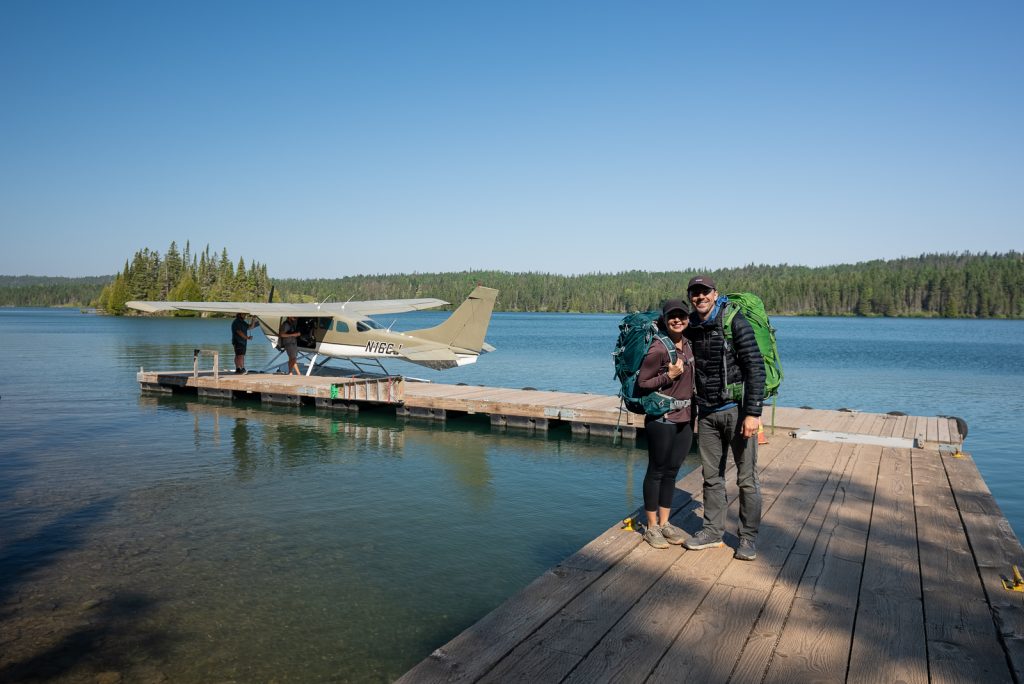
Looking for a less busy national park to visit in August? Look no further than Isle Royale National Park!
Located on the frigid waters of Lake Superior, Isle Royale National Park is the least visited US National Park in the Lower 48, with just under 29,000 visitors! But don’t let the lack of people make you think the park isn’t worth visiting. Here you’ll find pristine forests, countless inland lakes, wildlife, rocky shorelines, and lots of camping opportunities.
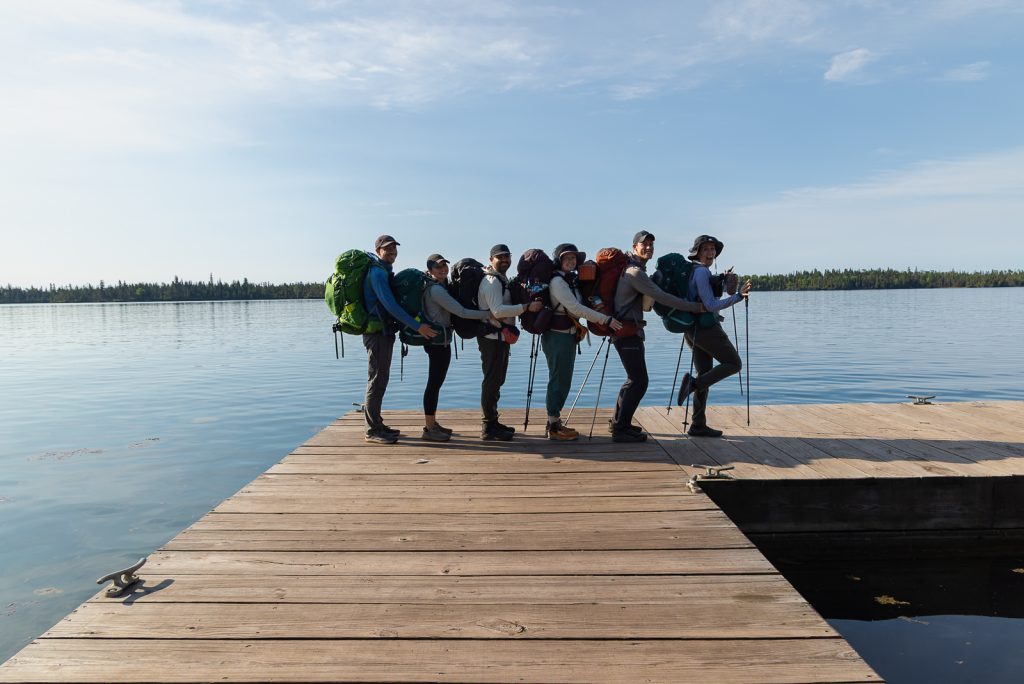
In 2026, we visited Isle Royale National Park for the first time. And we decided to go big, by backpacking across the island, from Windigo to Rock Harbor. It was a challenging, but very rewarding adventure that allowed us to experience so much of what the island has to offer. But don’t worry, if the thought of camping for 7 days doesn’t appeal to you, there are other ways to explore the island too!
Where is Isle Royale National Park?
While Isle Royale looks close to Minnesota on the map, it’s actually in Michigan! Because it is an island, the only way to get to it is by seaplane, private boat, or a ferry from either Michigan or Minnesota. For our full overview of the options and important things to consider, check out our detailed guide on how to get to Isle Royale National Park.
Weather in August
One important thing to know about visiting Isle Royale is that the weather can really vary depending on where you are on the island. Up on the island’s ridgelines, it can get a bit warm. While along the shores of Lake Superior you’ll find cooler temperatures, even in the summer. During our time on the island, we went from tank tops to puffy jackets, depending on where we were. So packing layers is key!
But during August, you can expect sunnier days and warmer daytime temperatures, with the evenings being a bit cooler. Compared to when we visited in late June, it will be better conditions to swim in inland lakes and polar plunge in Lake Superior.
Why visit Isle Royale National Park in August?
August is one of the busiest months at Isle Royale National Park, which does bring some challenges (more on that below!). But a big perk of visiting during August is that the pesky bugs that tortured us during our June visit have started to vanish, especially if you visit towards the end of the month. Combine that with great weather for hiking and camping and it’s one of the best months for backpackers!
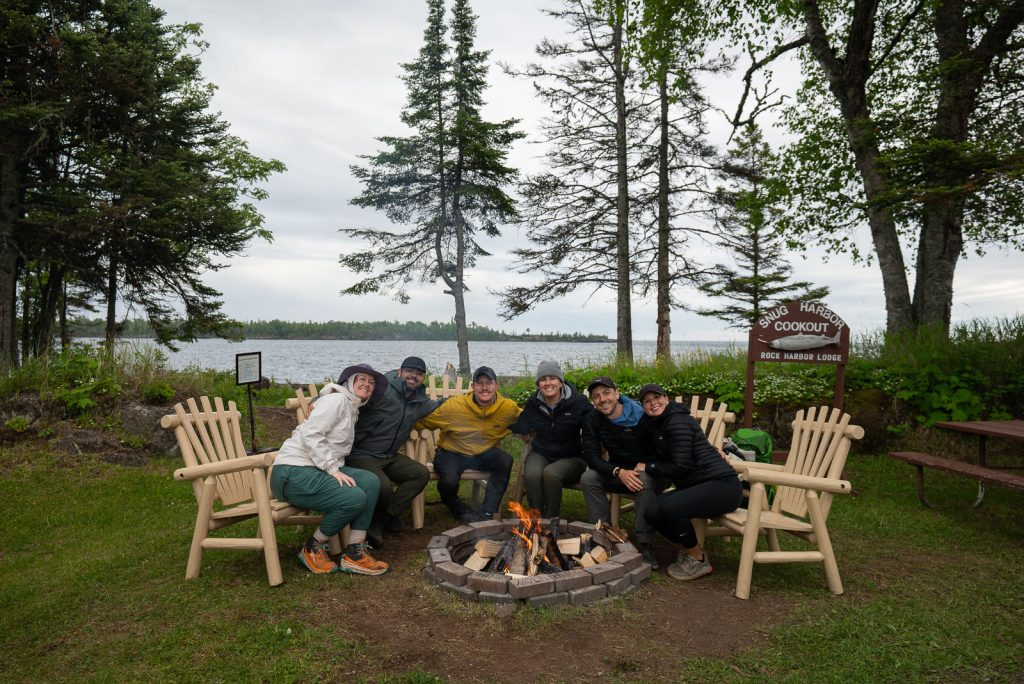
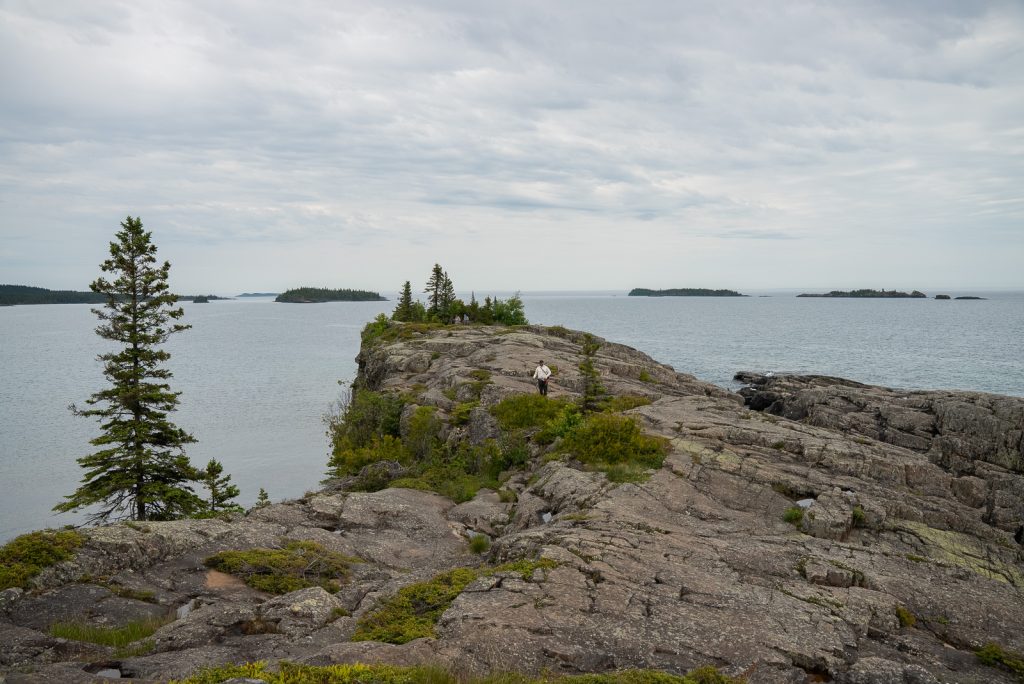
Best things to do in Isle Royale National Park in August
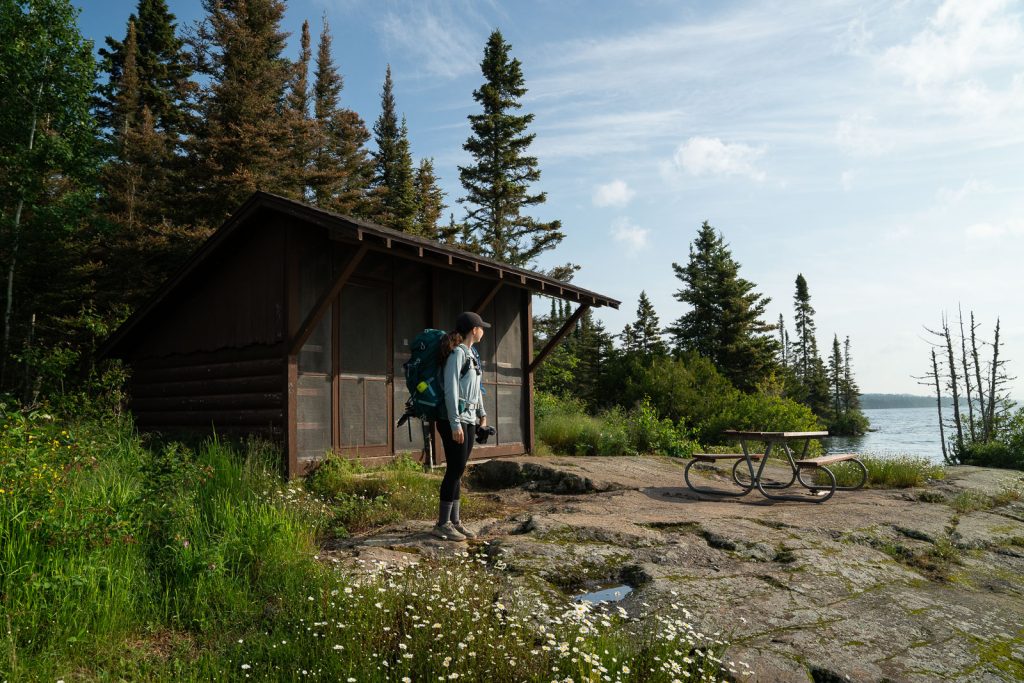
Go backpacking! With no roads on the island and very limited traditional lodging, the best way to experience Isle Royale is by backcountry camping. There are many different backpacking routes you can tackle, ranging in length and difficulty.
Hike to Scoville Point. In our opinion, the best day hike on Isle Royale is the Stoll Trail to Scoville Point. Leaving from Rock Harbor, this hike takes you along the island’s rugged lakeshore, to a peninsula with stunning views of Lake Superior!
Climb up the Mount Ojibway Tower. One of our favorite detours on our backpacking trip was a day hike up to the Mount Ojibway Tower. From the viewing platform you have 360 degree views of the island!
Go on a ranger-led boat tour. The park offers a variety of different boat tours once you’re on the island. You can check out all the available tour options here!
Know before you go
Book far in advance: Being a busier month on the island, transportation to the island and lodging on the island (for the lodge and cabins) book up very fast! Make sure to plan well ahead if you want to visit Isle Royale National Park in August.
Be aware of wildlife: The island is home to moose, wolves, and foxes. Make sure you understand what to do if you encounter them and always store food properly.
Get to campsites early: A big challenge when visiting Isle Royale in August is that it’s busier. This means that you will have a lot more competition with getting backcountry sites. We suggest starting your days early and arriving to camp earlier in the day to secure a spot.
Download The Greenstone: The Greenstone is the park’s newspaper and is full of so much helpful information, including a park map, a chart with distances between campsites, wildlife information, ranger program schedules, and more!
Learn more about Isle Royale National Park
Blog posts
10 Incredible Things to Do at Isle Royale National Park
How to Get to Isle Royale National Park: Ferries, Seaplane & Logistics Guide!
Video
We backpacked across Isle Royale National Park: The LEAST visited in the lower 48!
15. Voyageurs National Park
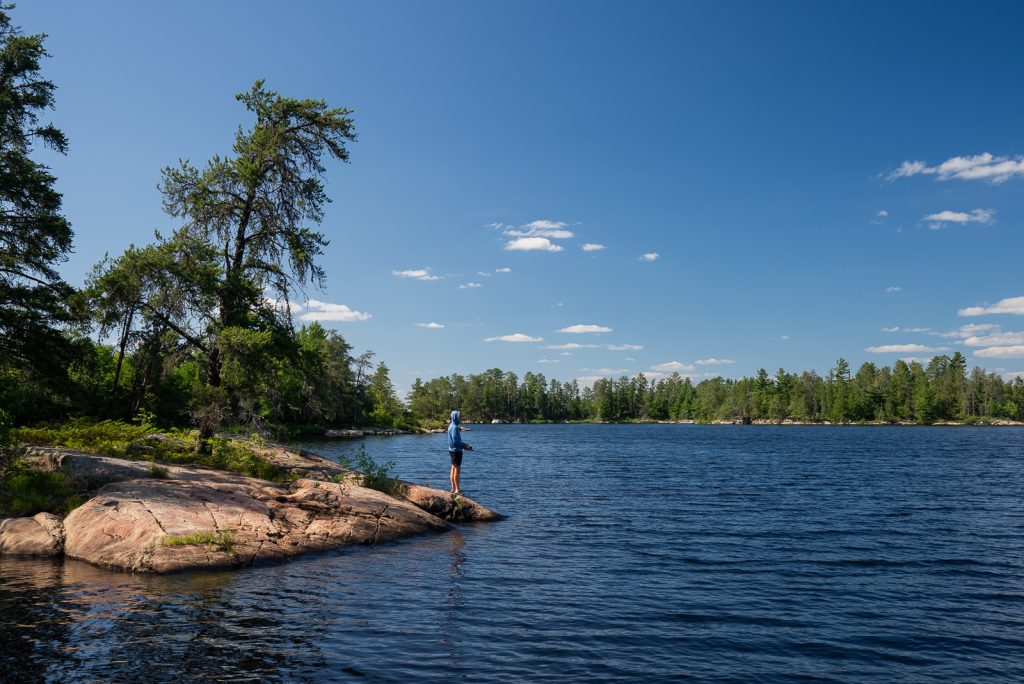
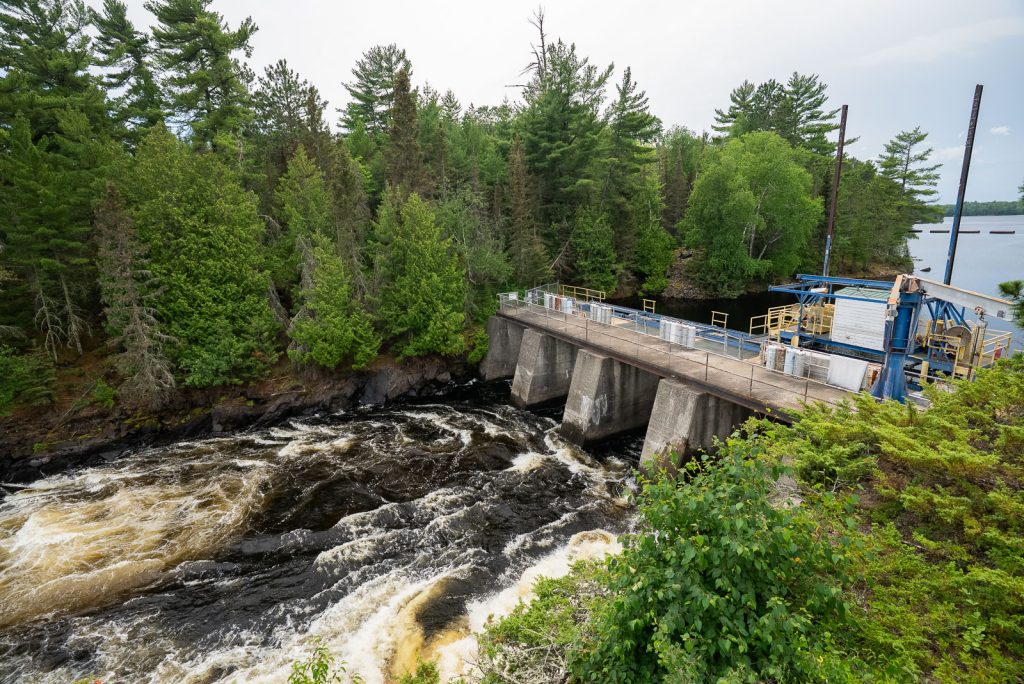
Voyageurs National Park is unlike any national park we have been to! Spanning four main lakes in Northern Minnesota, right along the Canadian border, the park is 40% water. And its waterways have played an important role for centuries!
Back in the 18th and 19th centuries, the area that now encompasses the park was a crucial route for the voyageurs. These were French-Canadian fur traders who traveled in massive birch bark canoes as they navigated thousands of miles of interconnected rivers and lakes, plus portaged through inland areas, on their way west to Lake Athabasca.
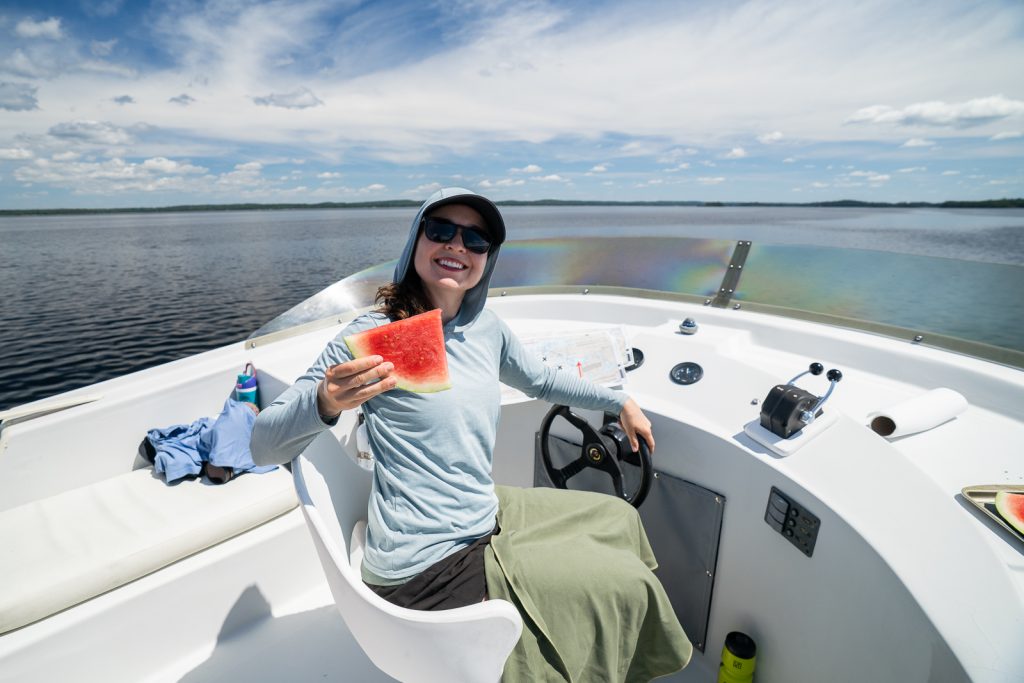
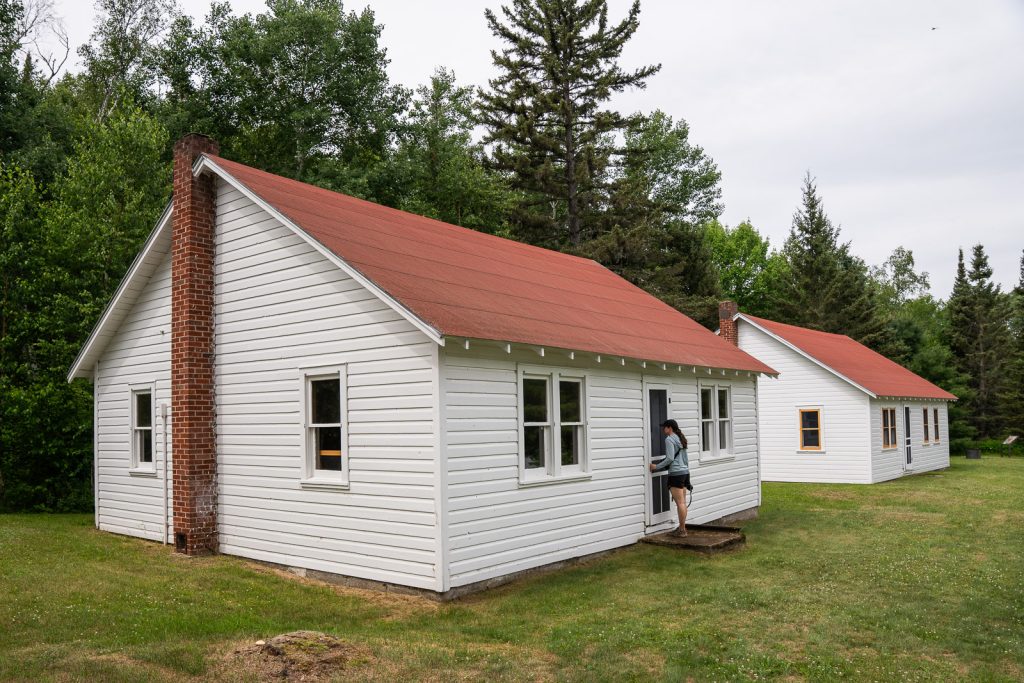
Today you can do the same! Between canoe camping, houseboat rentals, NPS boat tours, and private boating opportunities, the park is still best explored by water. And during our visit to the park, we decided to experience it by houseboat! Over 5 days we cruised through the park’s waterways, all while checking out its logging and resort history, fishing and swimming, soaking in our hot tub, and grilling. It felt like a true summer vacation!
Where is Voyageurs National Park?
Voyageurs National Park is located in Northern Minnesota and encompasses four main lakes: Rainy Lake (the largest!), Kabetogama Lake, Namakan Lake, and Sand Point Lake. Plus Crane Lake just outside the park boundary. You can find park visitor centers at Rainy Lake, Kabetogama Lake (Kabetogama and Ash River), and Crane Lake.
If flying in, International Falls (INL) will be the closest airport, but flights are limited. Duluth (DLH) is another option 2.5 hours away, although it is also a small airport. Minneapolis (MSP), which is about 4.5 hours away, will be your best bet for a larger airport!
Weather in August
If visiting Voyageurs National Park in August you can expect daytime temperatures somewhere between the mid-70s and mid-80s, with heat waves not being uncommon. Compared to the other summer months, it gets slightly less rain, but storms are still possible.
Why visit Voyageurs National Park in August?
August at Voyageurs National Park is a great mix of conditions: warmer days perfect for swimming, plus less bugs than earlier in the summer. While we visited in early July, due to scheduling, we would’ve preferred to visit even later, as the bugs were pretty rough in the mornings and evenings.
Best things to do in Voyageurs National Park in August
Rent a houseboat! The best way to experience Voyageurs National Park is by houseboat. There are a handful of houseboat rental companies across the park’s lakes, but we personally rented from Ebel’s and couldn’t recommend them more! Our boat (Vista 51 3 bedroom) was comfortable for 6 of us (+ a dog!), very clean, and well equipped. Plus the Ebel’s crew is awesome! We had a blast cruising the waters on our own, checking out the top sights in the park, hot tubbing, swimming, and grilling!
Hop on a ranger-led boat tour. If you don’t plan to rent a houseboat, the easiest way to see the park is on a ranger-led boat tour. Voyageurs National Park offers a handful of tours on Rainy Lake, Kabetogama Lake, and Namakan Lake, taking you to top sights like Ellsworth Rock Gardens, I.W. Stevens Resort, and Kettle Falls.
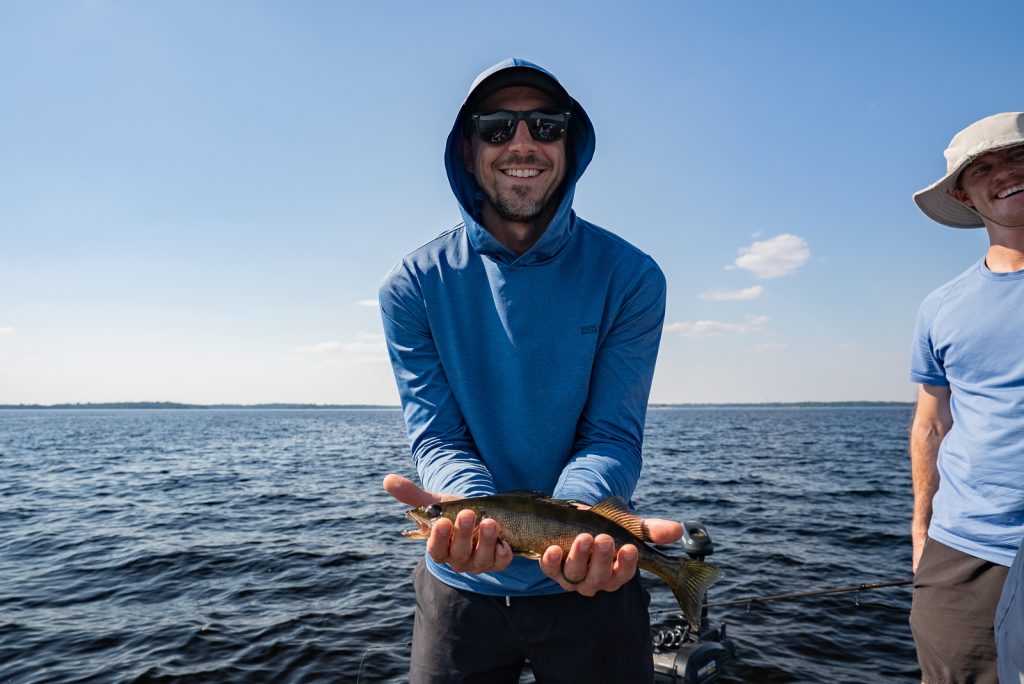
Catch some fish! Voyageurs is very popular for fishing, with Walleye, Smallmouth Bass, and Northern Pike being some of the most common fish to catch. If you don’t have a boat, book a fishing tour with Travis Carlson! He took us out and all 6 of us caught multiple fish.
Know before you go
Plan ahead: Both park tours and houseboats can fill up ahead of time, so make sure to book in advance to get your top picks!
Stay in International Falls: Unless you plan to stay at a lodge on one of the lakes, International Falls will have the most hotel options. While here, grab breakfast at Coffee Landing Cafe!
Learn more about Voyageurs National Park
Video
The ULTIMATE way to explore Voyageurs National Park!
Visiting the National Parks a different month?
- 10 best National Parks to visit in January
- 15 best National Parks to visit in February
- 12 best National Parks to visit in March
- 11 best National Parks to visit in April
- 17 best National Parks to visit in May
- 15 best National Parks to visit in June
- 14 best National Parks to visit in July
- 15 best National Parks to visit in August
- 19 best National Parks to visit in September
- 16 best National Parks to visit in October
- 10 best National Parks to visit in November
- 10 best National Parks to visit in December
About the author
This monthly national park series was written by our writer Nicoll, using our monthly lists and incorporating our experiences at each park. Learn a bit about her below!
I’m Nicoll, an adventurous soul fueled by hiking, dirt biking, and traveling. When I’m not busy crafting captivating tales, you’ll find me exploring the world alongside my partner-in-adventure, Jake. Back in 2019, our insatiable wanderlust led us to embrace the nomadic lifestyle with our fearless pack of canine sidekicks, including a mid-content wolf dog. You can catch my adventures and musings on livingtinywithawolf.com.
Ready to explore the National Parks?
Pin this guide with the best National Parks to visit in August to plan your adventure!